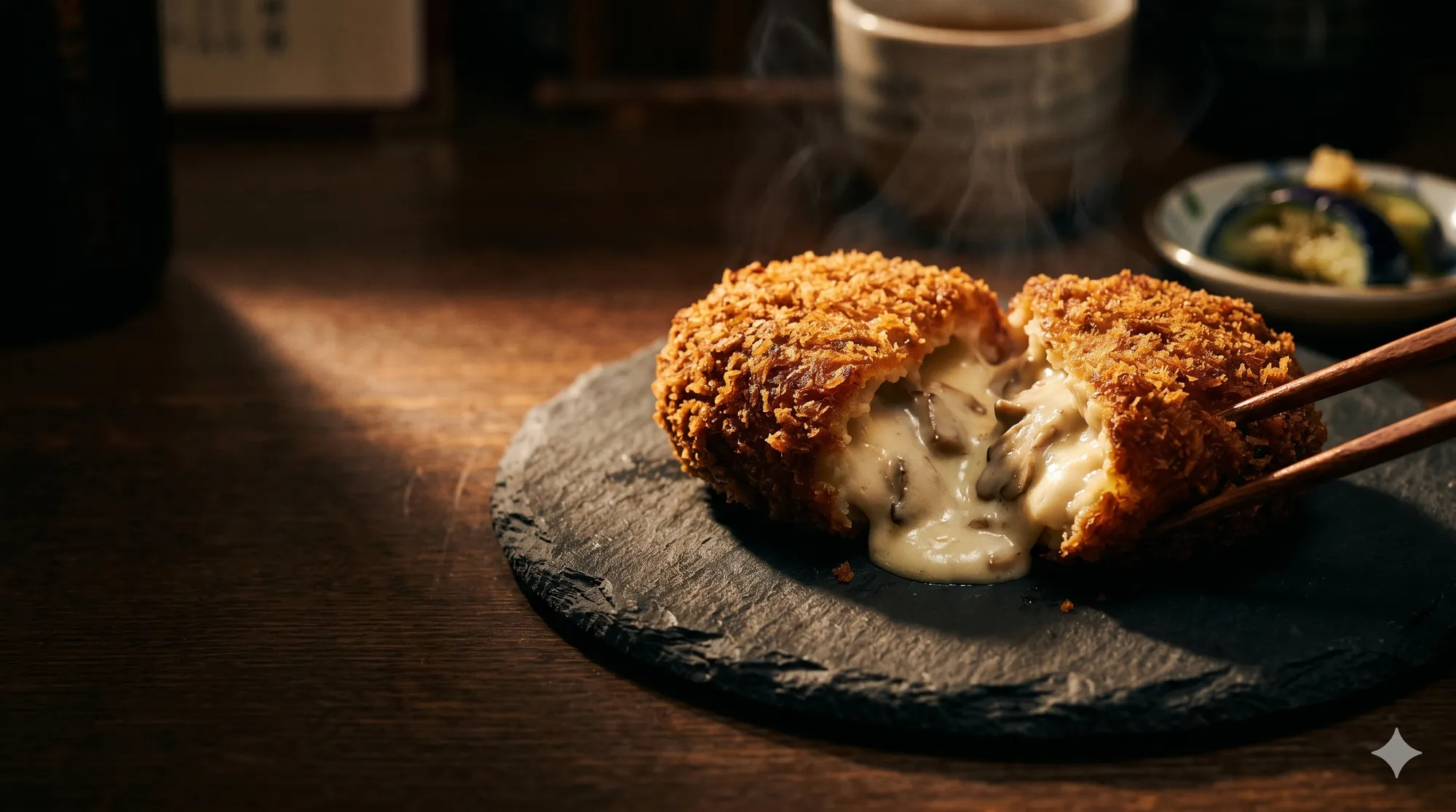
Here's a sentence I love: a humble croquette from a small Ibaraki city went up against the whole country in a televised food contest — and won.
Share this dish


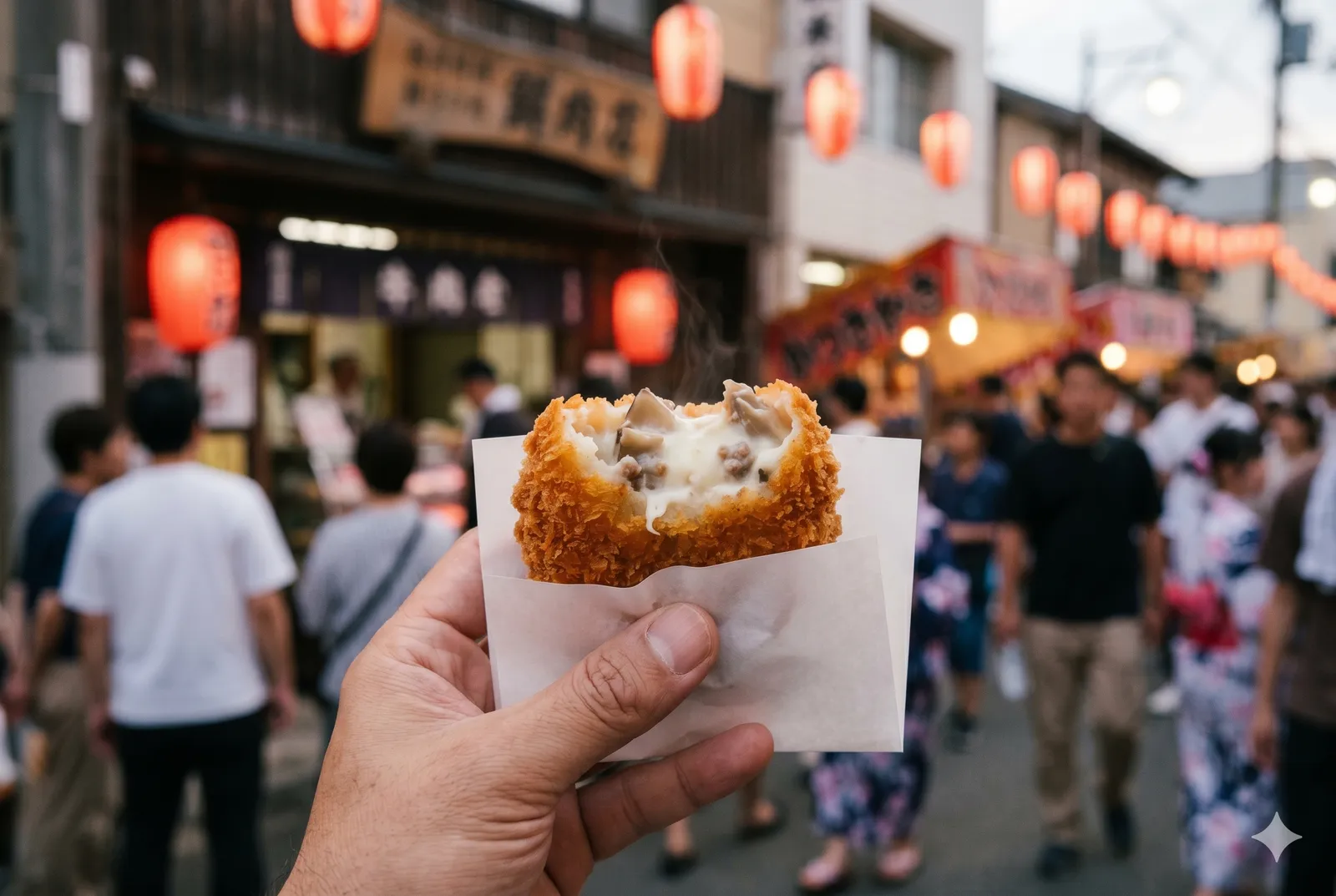
A small-town croquette so good it won a national contest. The star? A rice-flour cream croquette oozing maitake and béchamel. Underdog energy, championship flavor.
🍜 Planning a food trip to Ibaraki?Add this dish to my Food Trip →
 Add this dish to my Food Trip →
No celebrity chef. No marketing budget. Just a local women's group, good ingredients, and a recipe worth fighting for. The Ryugasaki Croquette is the underdog story you root for, except the underdog actually wins, and the prize is that you get to eat it. Let me introduce you to a champion.
A croquette, a community, and a comeback
Ryugasaki Croquettes go back to the early Showa era, when a local butcher started making them with nearby beef and potatoes — the way good croquettes have always been born, out of a butcher shop and a little thrift. But the real turning point came in 2000, when a local women's business association developed special versions packed with regional ingredients, and the whole town rallied behind them.
That community pride is the secret ingredient you can't buy. These croquettes didn't get famous because of an ad. They got famous because a town decided they deserved it.
The one that won it all
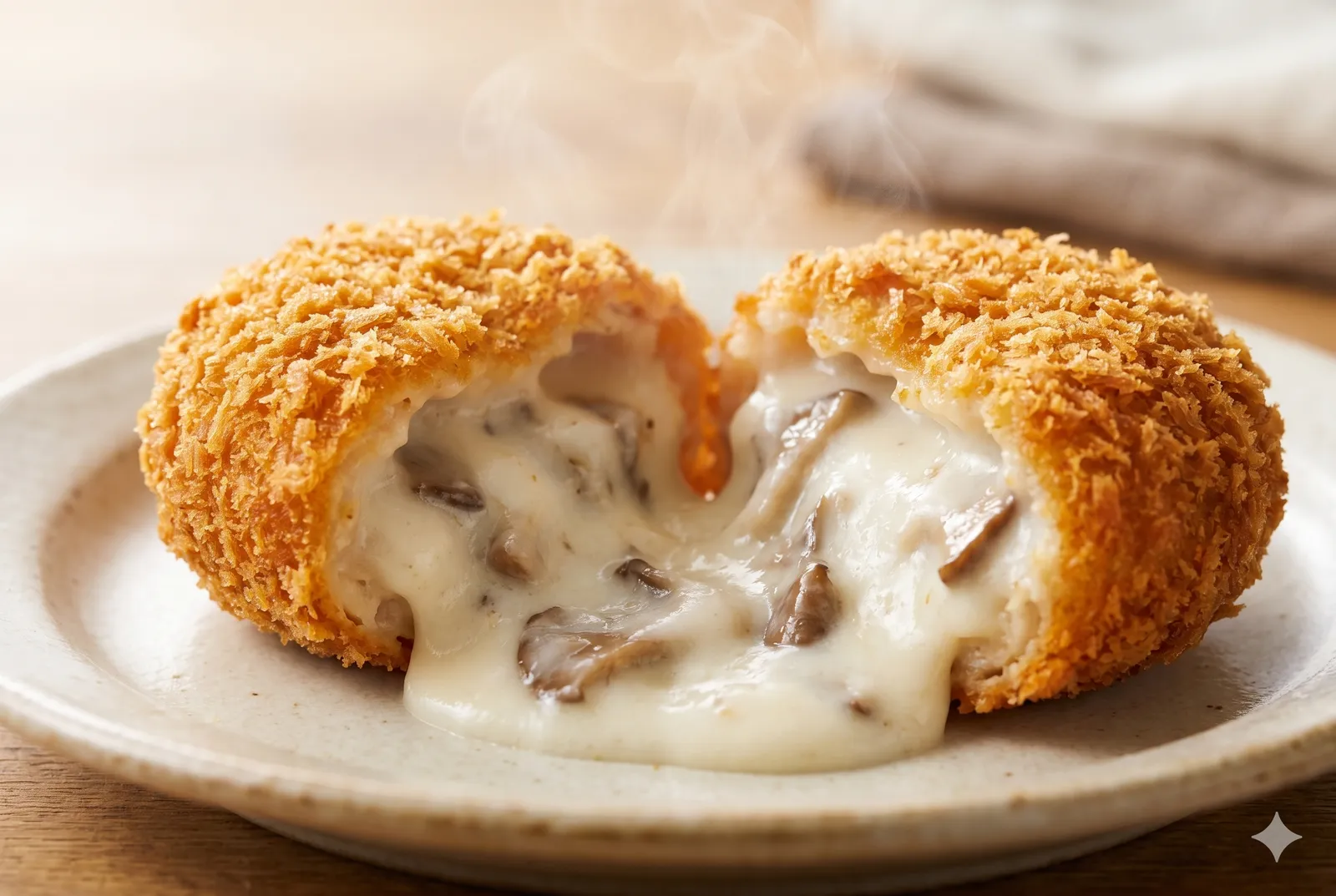
The classic is a crisp, golden, beef-and-potato croquette — fluffy, savory, exactly what your soul wants. But the showstopper is the Rice Flour Cream Croquette. Made with local rice flour for an extra-delicate crust, it splits open to reveal a molten, creamy white béchamel filling studded with maitake mushrooms — earthy, rich, ridiculous in the best way.
In 2014, this very croquette won the Grand Prix at Yahoo! Japan's "Gotochi Meshi Contest 2014" — fighting through the Ibaraki and Kantō regional rounds before taking first place with the most votes in the national final, cementing Ryugasaki's name on Japan's B-grade gourmet map.
How it's made
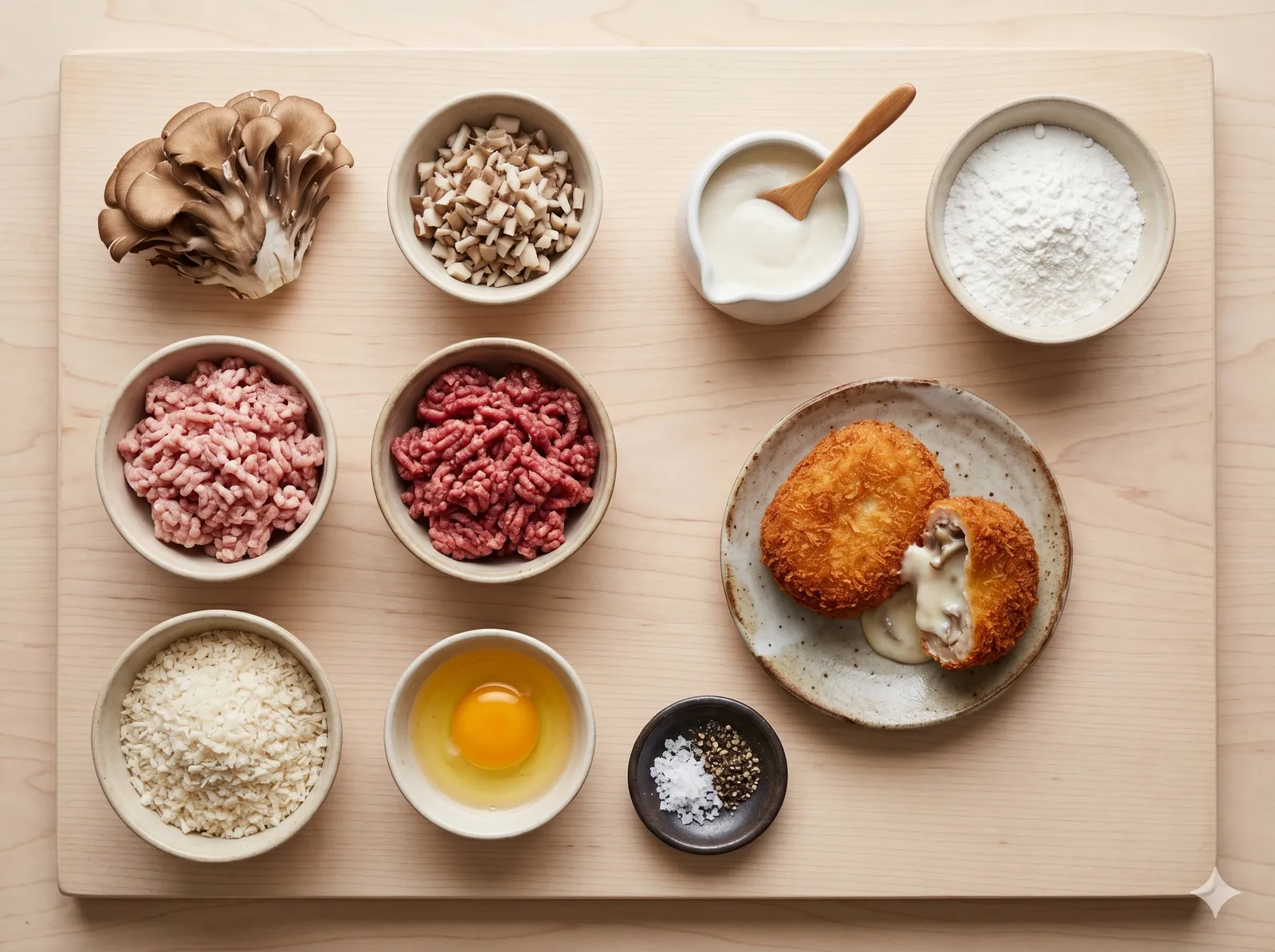
For the classic:
- Mash fresh local potatoes
- Mix with sautéed beef, salt, and pepper
- Shape into patties and coat in breadcrumbs
- Fry to golden perfection
The cream version swaps the potato heart for a maitake-laced béchamel and a rice-flour coating — trickier, messier, and absolutely worth it.
More than one flavor to chase
There's a whole lineup, and trying them is the point:
- Rice Flour Cream — the maitake-and-béchamel champion. Start here.
- Curry — fragrant and crowd-pleasing, loved by kids and adults alike
- Black Bean — roasted black soybeans, nutty and rich
- Sweet Potato — local Beniazuma sweet potatoes, gently sweet, basically dessert
Before you go — meet a champion
Your questions, answered honestly
"Which one do I get first?" — The Rice Flour Cream Croquette. It won a national title; you came this far; don't get the safe one first. Get the champion.
"Hot or warm?" — Piping hot, fresh from the fryer. The cream version especially — you want that béchamel molten and oozing, not set. Eat it where you buy it.
"Croquette or korokke?" — Same thing — korokke is just the Japanese word. But these earn the fancy spelling.
"Can I make a meal of them?" — You can absolutely build a little tasting flight across the flavors. I won't tell anyone you ate four.
What the vendor will ask you
| You'll hear | Romaji | Meaning | Just say |
|---|---|---|---|
| どの味にしますか? | Dono aji ni shimasu ka? | "Which flavor?" | Kome-ko kuriimu de (the rice-flour cream one) |
| いくつにしますか? | Ikutsu ni shimasu ka? | "How many?" | Futatsu kudasai (two, please) |
| 温かいうちにどうぞ | Atatakai uchi ni dōzo | "Eat it while it's hot" | (yes, immediately) |
To order, just say "Korokke futatsu kudasai" (コロッケ二つください) — "Two croquettes, please" — and point at the flavors you want.
Where to eat it
- Hattori Meat Shop (服部精肉店) — a short walk from Ryugasaki Station on the Kantō Railway Ryūgasaki Line. The old-school butcher counter where the croquette legend lives. Croquettes are also a star at Ryugasaki's monthly local events and bazaars.
Hours and locations change, so check before you go — and come hungry enough for the whole flavor lineup.
Soul Score
Local Roots5/5
First-Timer Friendly5/5
Adventure Level3/5
Comfort Level4/5
Travel Worthy4/5
These scores are one obsessed eater's gut feeling — not a verdict. A low number isn't a bad mark, just a different kind of adventure.
Know someone planning Japan?
← All Articles
Local Food · Ibaraki
Still hungry?
Eat more from Ibaraki
Local FoodIbaraki
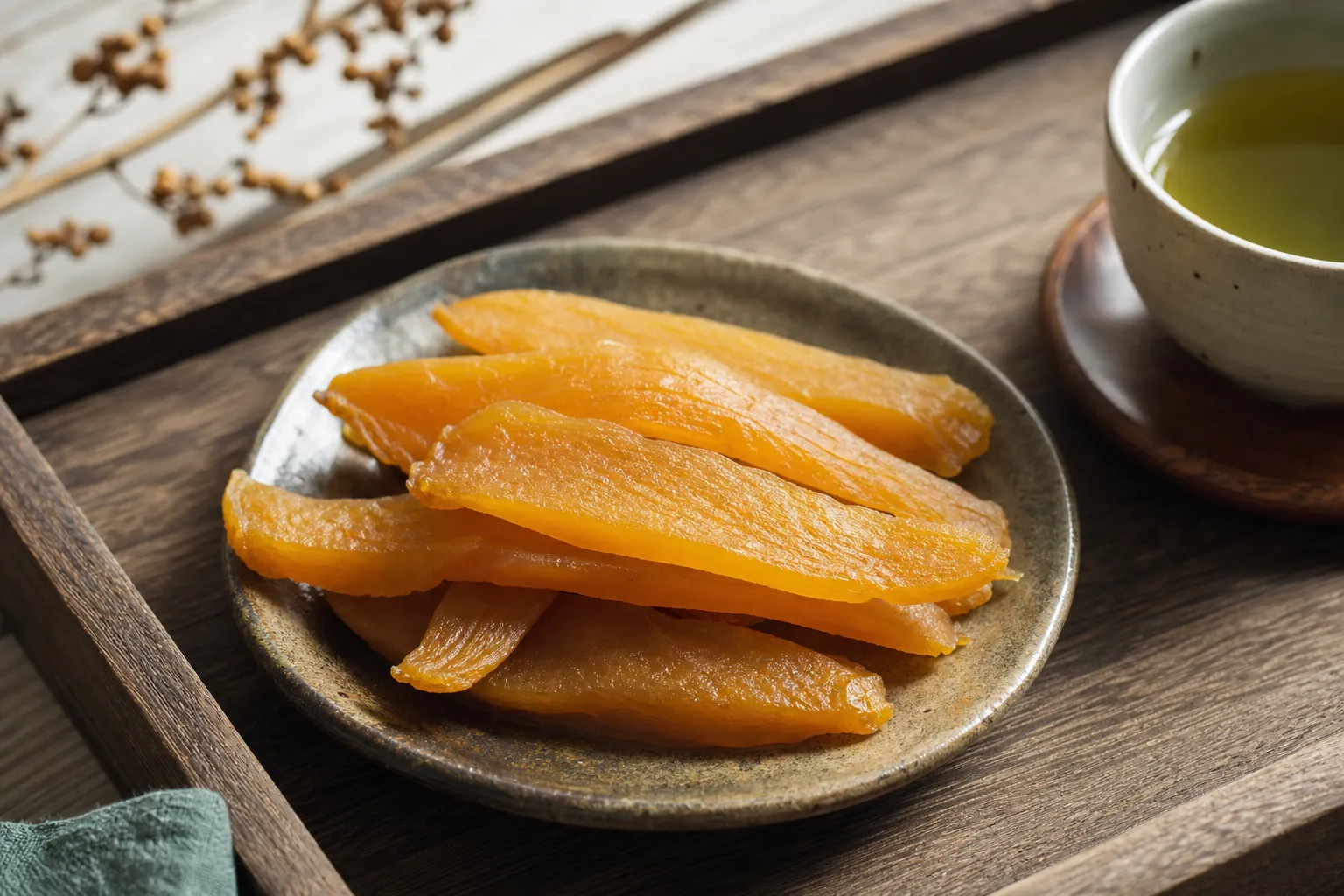
Hoshi-imo (干し芋)
Amber, chewy slabs of nothing but sun-dried sweet potato — no sugar, no additives, just winter, patience and Ibaraki sunshine folded into candy that happens to be a vegetable.
July 12, 2026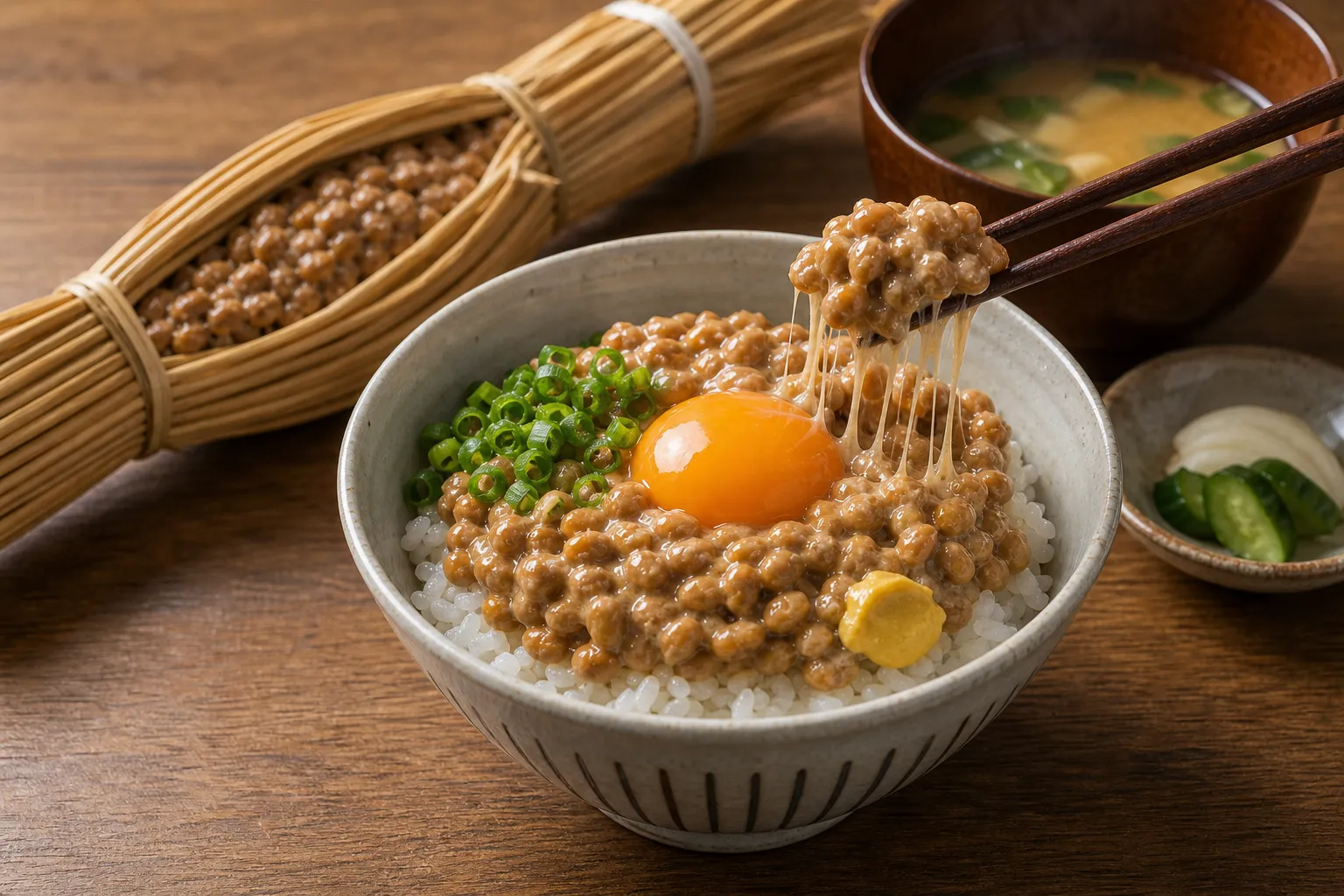
Local FoodMito, Ibaraki
Mito Natto (水戸納豆)
The smell arrives before the beans do. Stir, and the strings pull a foot into the air. This is the food Japan dares you to love — and in Mito, the whole city is on natto's side.
July 12, 2026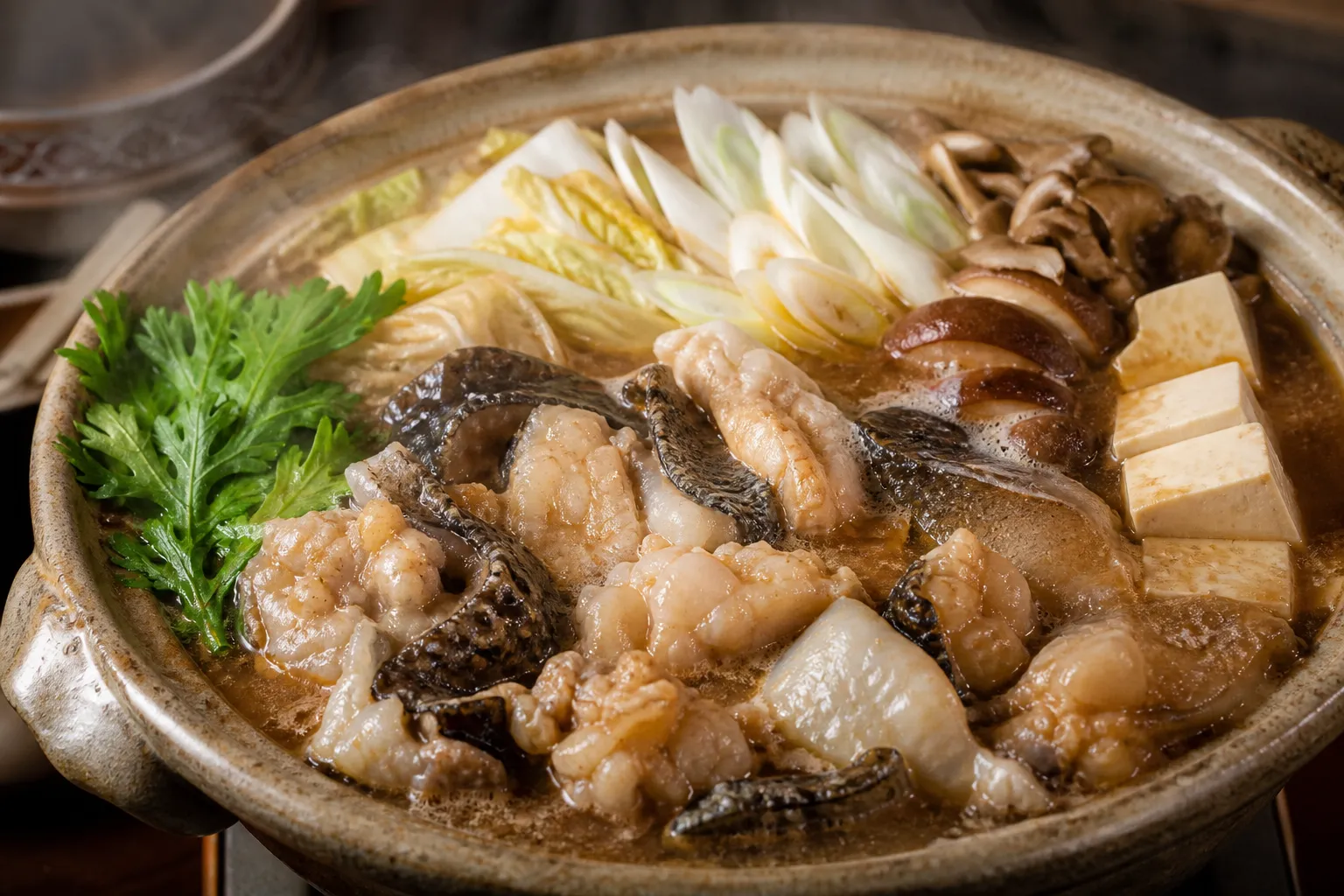
Local FoodOarai, Ibaraki
Anko-nabe (あんこう鍋)
One of the ugliest fish in the entire ocean somehow makes one of the best winter pots in Japan — and the secret weapon is its liver, melted straight into the broth until the whole thing turns rich enough to make you gasp.
July 5, 2026