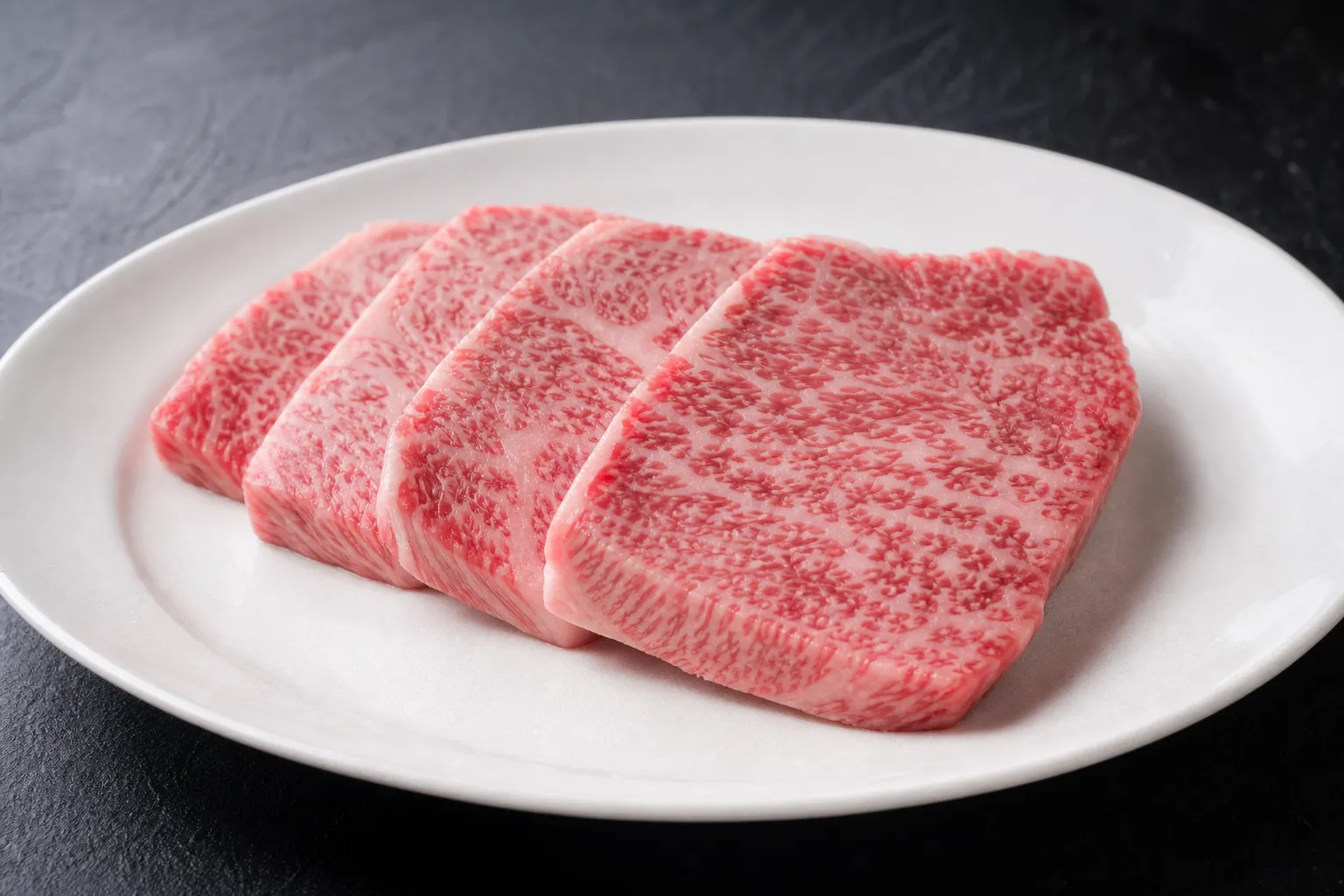
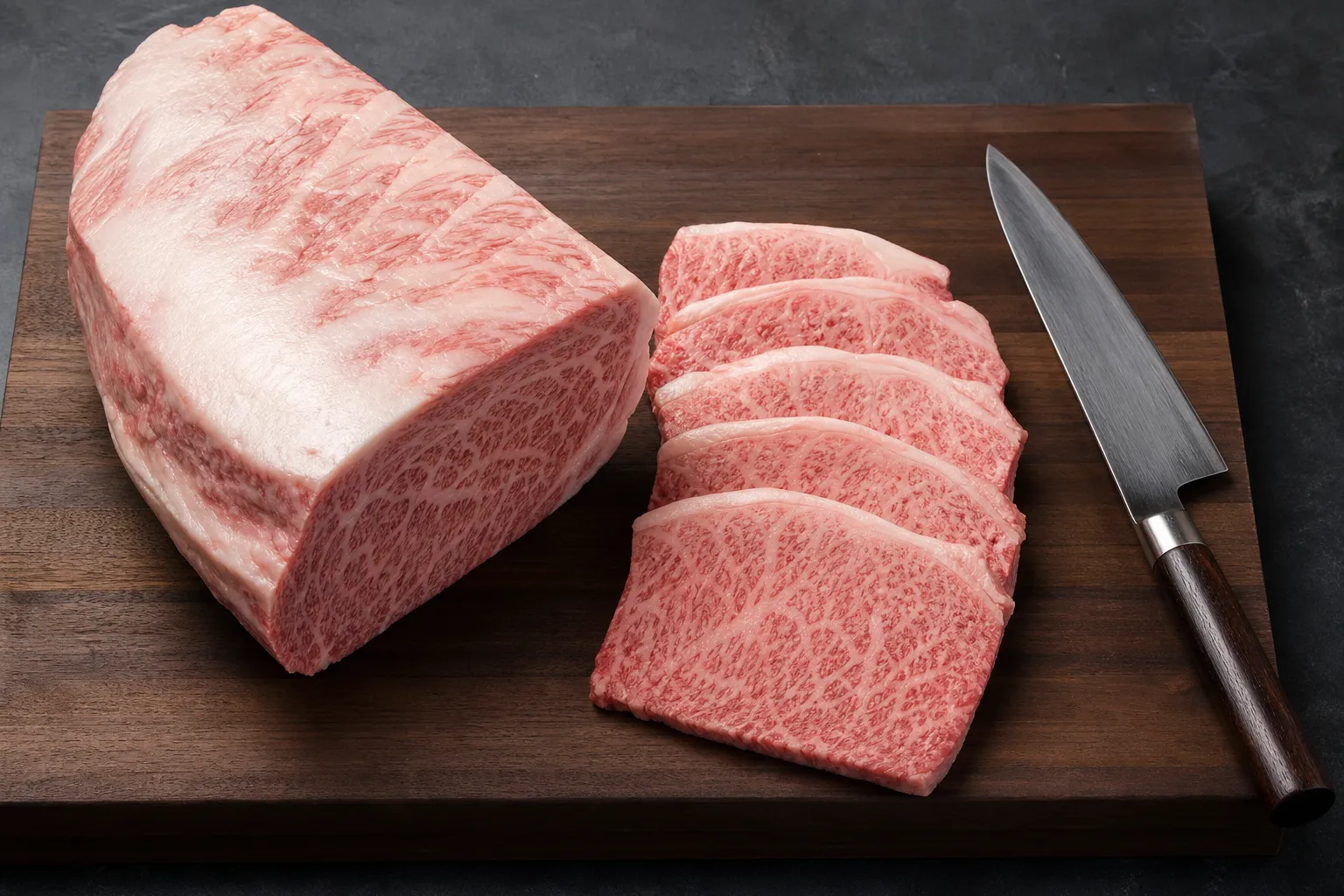
Nobody put this plate in front of me and said "here's your steak." They set it down like they were presenting a piece of art — four raw slices, white and pink lace running through deep red muscle, on a plain white plate with nothing else on it — and just let me look at it for a second before anyone touched a grill. I have eaten a lot of beef in my life. I had never once been asked to admire it first.
Share this dish


Four slices of raw beef on a plain white plate looked less like dinner and more like marble sculpture — and it turns out the fat is so fine it starts melting from the warmth of your fingers alone.
🍜 Planning a food trip to Mie?Add this dish to my Food Trip →
 Add this dish to my Food Trip →
Here's what it is: Matsusaka beef (松阪牛, Matsusaka-gyū) is one of Japan's most celebrated wagyu brands, raised exclusively from female Japanese Black cattle around Matsusaka City in Mie Prefecture. It's famous for its extremely fine, dense marbling — often described as looking like white lace threaded through the meat — which gives it an intensely rich, almost sweet richness when cooked. It's typically served as steak, shabu-shabu, or sukiyaki, always in small, carefully cut portions, because the fat content means a little genuinely does go a long way.
Raised slowly, one cow at a time
What struck me most, once I started asking questions over dinner, is how personal Matsusaka beef production sounds. Farmers traditionally raise a small number of virgin female cattle, sometimes for three years or more — far longer than standard beef cattle — with meticulous attention to feeding, temperature, and stress levels, since a calm, comfortable animal is said to marble better. Some farms are known for old-school extras like brushing the cattle by hand and offering beer to boost appetite in the summer heat. Whether every story is exactly true at every farm, the underlying culture is real: this is beef treated less like livestock and more like a slow-grown craft product.
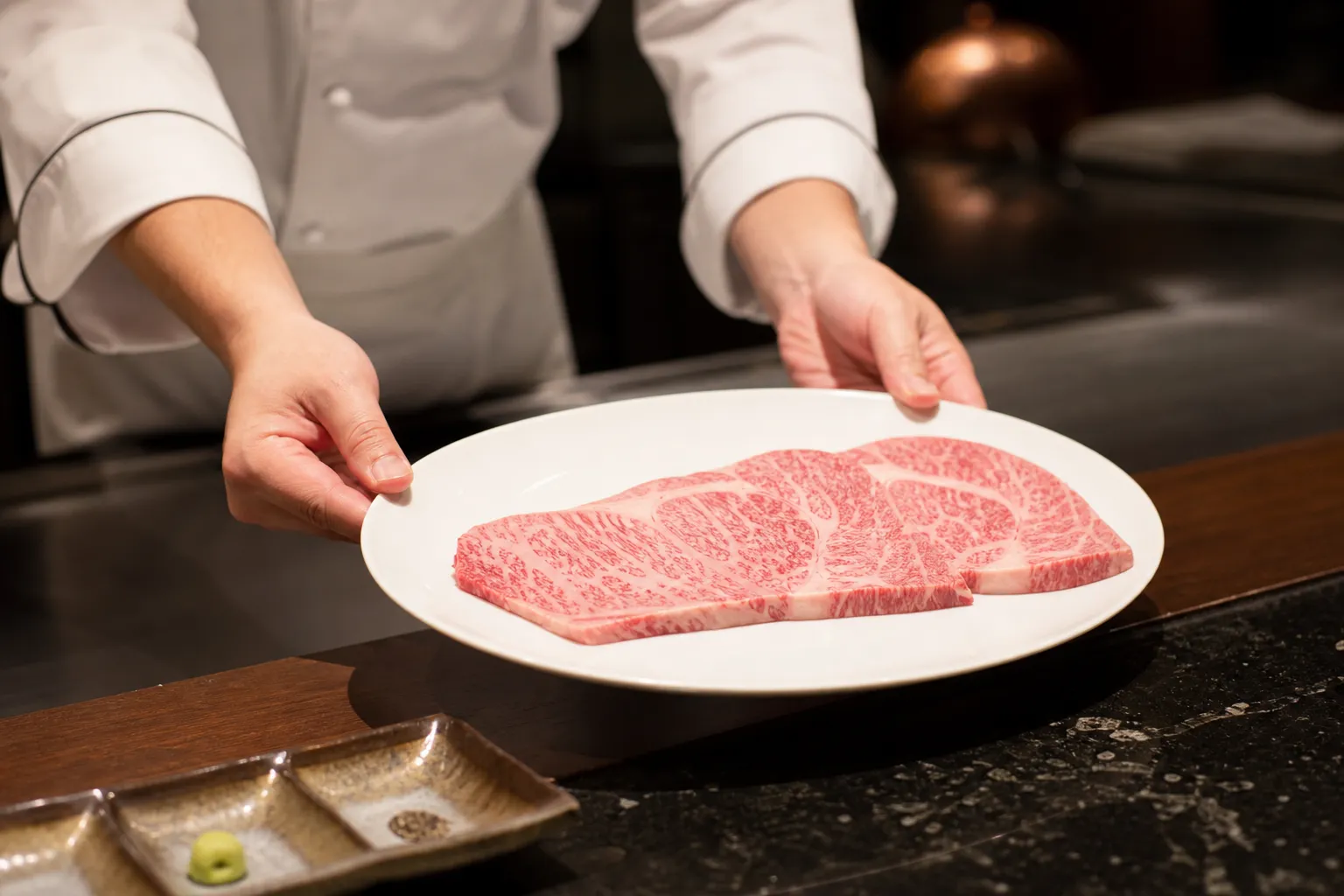
Mie Prefecture, tucked between the mountains and Ise Bay, has been building this reputation since the late 1800s, and Matsusaka beef is routinely named alongside Kobe and Omi as one of Japan's three great historic wagyu brands. Standing in a Matsusaka steakhouse where the beef gets presented before it's even cooked, I understood why — you're not just being fed, you're being shown something the whole city takes seriously.
Why the marbling is the whole point
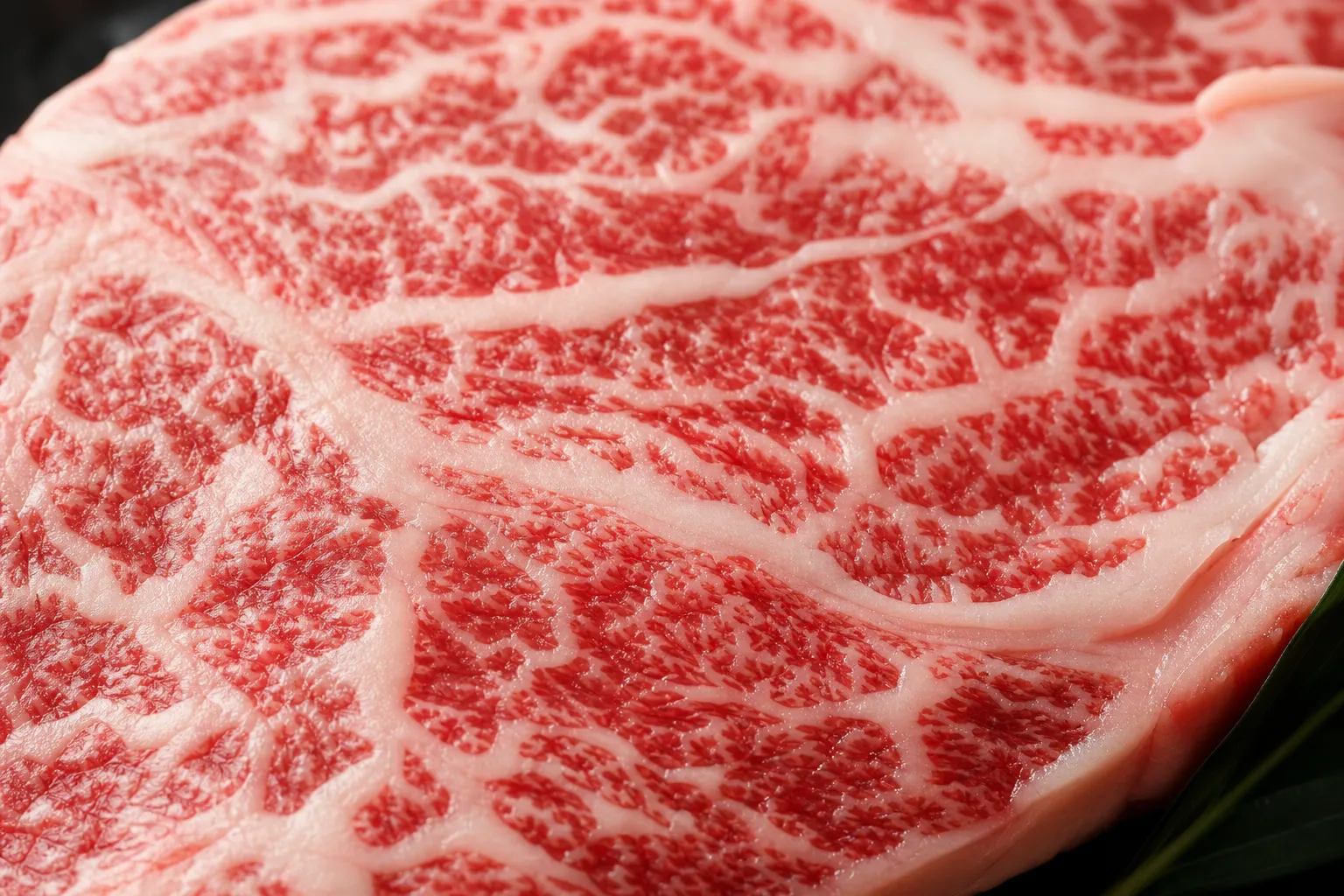
- The marbling pattern is famously fine and lace-like — not big streaks of fat, but a delicate web through nearly every cross-section
- That fat has an extremely low melting point, so even brief cooking turns it silky rather than chewy
- The taste leans sweet and buttery, which is why chefs often season it minimally — salt, maybe a little wasabi — and let the beef do the work
- Only female cattle are used for the true brand, which producers say contributes to the consistency of the marbling
- Because the richness is so concentrated, restaurants serve it in small, precise portions — this isn't a dish you power through, it's one you savor a few bites of
How it's made (and how it's served)
- Female Japanese Black cattle are selected and raised in and around Matsusaka, often by small family farms, over an unusually long fattening period.
- Fed and cared for individually, with attention to diet, comfort and calm handling, which producers say is key to the fine marbling.
- Graded strictly on marbling, color, and texture before earning the Matsusaka name — only the top grades reach premium restaurants.
- Cut into precise portions for steak, shabu-shabu or sukiyaki, since the intense marbling means smaller cuts than typical beef.
- Cooked briefly and simply — a hot pan for steak, a quick swish through broth for shabu-shabu — with minimal seasoning so the fat's flavor stays front and center.
Before you go — small portions, serious presentation
Your questions, answered honestly
"Why does it look raw and untouched when it arrives?" — Many Matsusaka restaurants present the beef before cooking it, partly out of pride and partly so you can see the marbling — it's normal, not a mistake, and it's genuinely part of the experience.
"Is it actually better than Kobe beef?" — That's a fiercely debated question in Japan itself, and honestly it comes down to preference — Matsusaka is famous for its marbling fineness and the female-only cattle tradition, while Kobe has its own devoted following. Both are top-tier; you're not making a wrong choice either way.
"Why is the portion so small?" — Because the fat content is so high, a small portion is genuinely filling and rich — restaurants aren't skimping, they're pacing you.
"Is it worth the price?" — For a special-occasion meal, yes — this is considered one of the pinnacles of Japanese beef, and the experience of seeing and tasting it is memorable in a way that's hard to replicate elsewhere.
What the staff will ask you
| You'll hear | Romaji | Meaning | Just say |
|---|---|---|---|
| 焼き加減はいかがいたしましょうか? | Yaki-kagen wa ikaga itashimashō ka? | "How would you like it cooked?" | Rea de onegaishimasu (rare, please) |
| ステーキとしゃぶしゃぶ、どちらになさいますか? | Sutēki to shabu-shabu, dochira ni nasaimasu ka? | "Steak or shabu-shabu?" | Sutēki de onegaishimasu (steak, please) |
| コースはいかがですか? | Kōsu wa ikaga desu ka? | "Would you like a set course?" | Osusume de onegaishimasu (whatever you recommend) |
To order, just say "Matsusaka-gyū o kudasai" (松阪牛をください) — "Matsusaka beef, please."
Where to eat it
- Matsusaka City, Mie — the source, home to long-established specialist steakhouses and butcher-restaurants, some generations old.
- Osaka, Nagoya and other major Kansai/Chubu cities — many high-end steakhouses serve certified Matsusaka beef; look for brand certification and origin paperwork on display.
- Ise, Mie — travelers combining a visit to Ise Grand Shrine often build in a Matsusaka beef meal nearby.
This is premium, reservation-worthy dining — menus, grades and prices vary widely, so check current details and book ahead where you can.
Soul Score
Local Roots5/5
First-Timer Friendly4/5
Adventure Level3/5
Comfort Level4/5
Travel Worthy5/5
These scores are one obsessed eater's gut feeling — not a verdict. A low number isn't a bad mark, just a different kind of adventure.
Know someone planning Japan?
← All Articles
Local Food · Mie
Still hungry?
Eat more from Mie
Local FoodYokkaichi, Mie
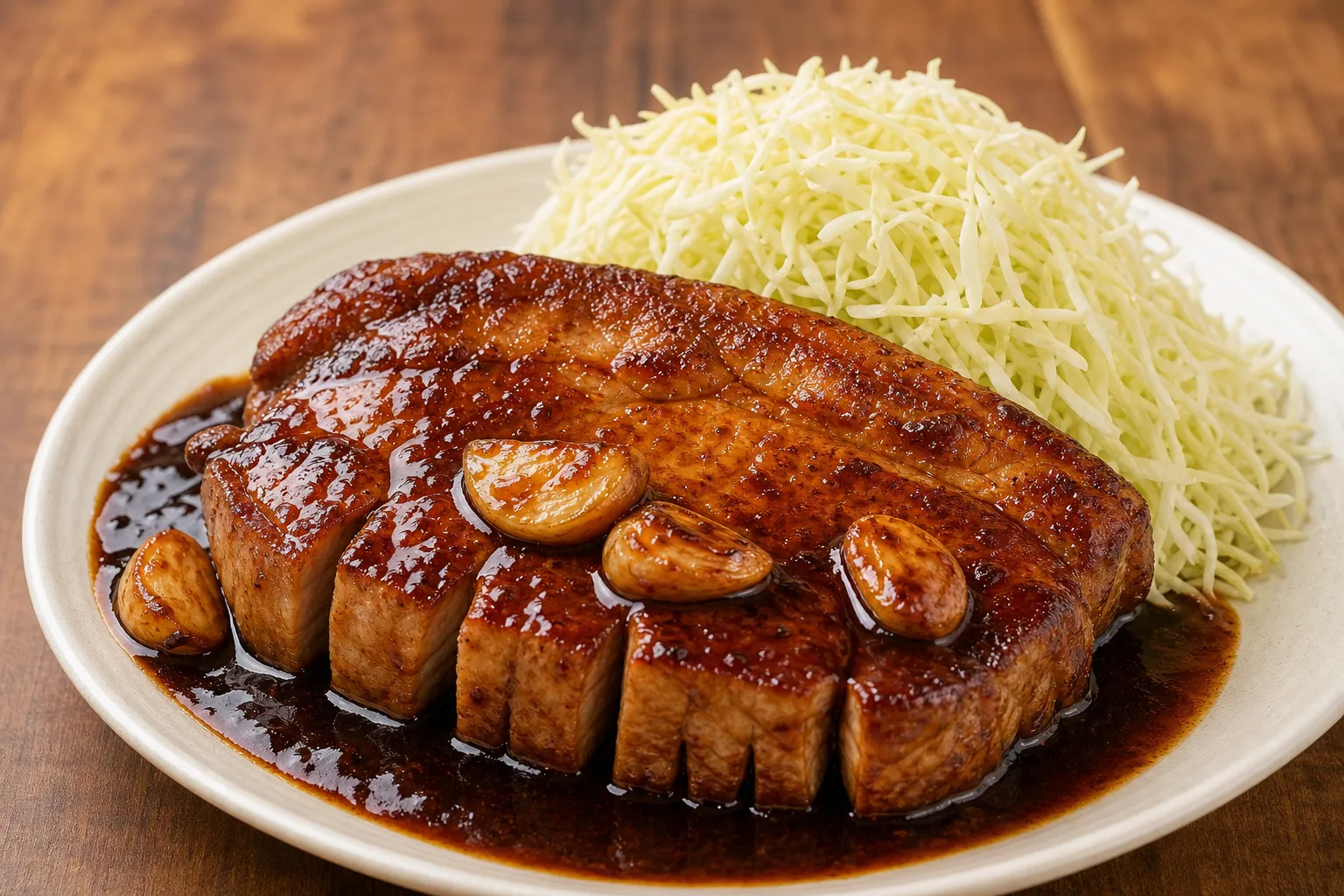
Tonteki (トンテキ)
A slab of pork the thickness of your fist, seared black-brown and drowning in garlic sauce — this is not the polite cutlet you were expecting.
July 4, 2026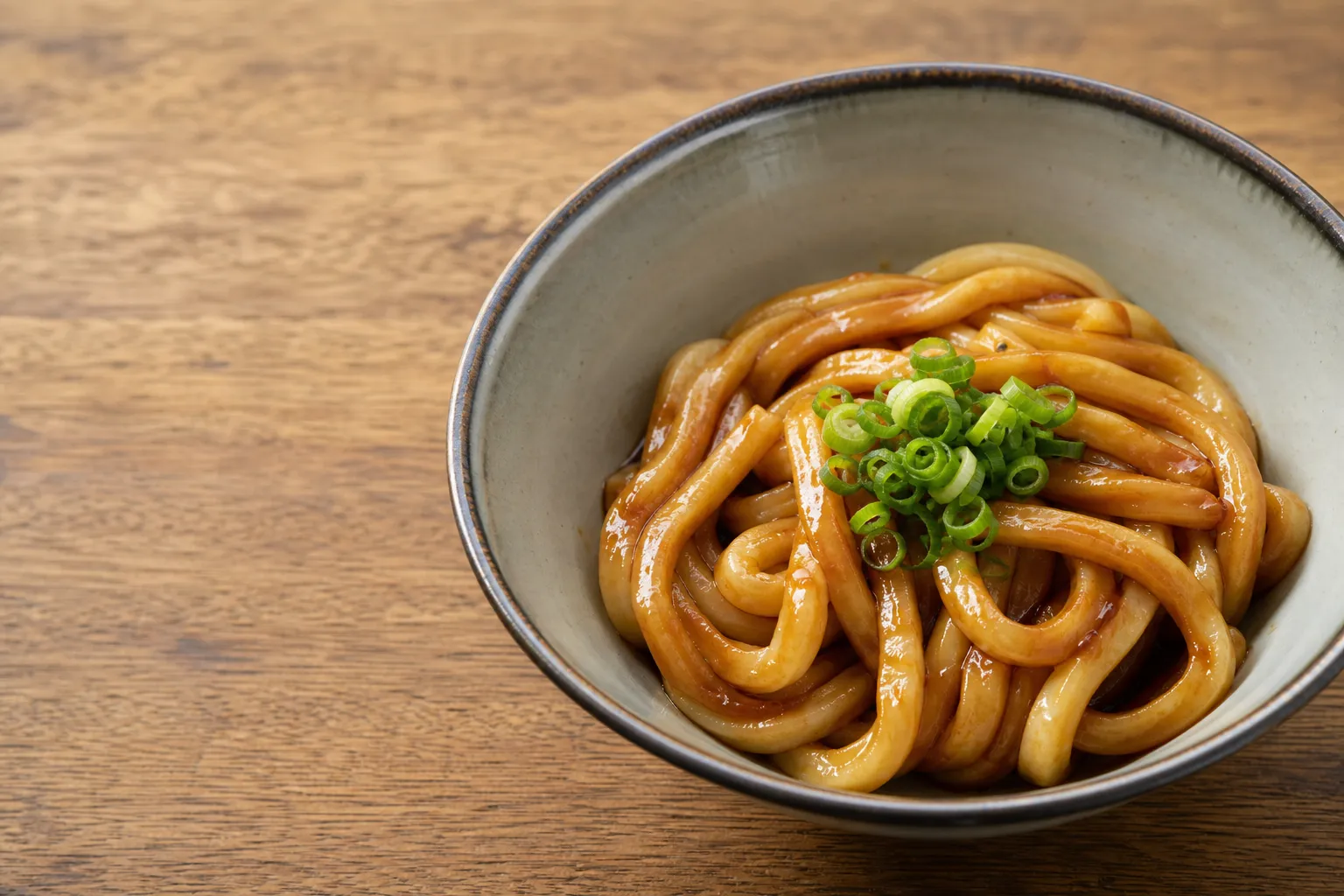
Local FoodIse, Mie
Ise Udon (伊勢うどん)
Fat, pillowy udon so soft it barely fights back, glossed in a dark, sweet-savory tare instead of soup. Ise's pilgrim food breaks every udon rule on purpose — and after a day on your feet, it's exactly right.
July 3, 2026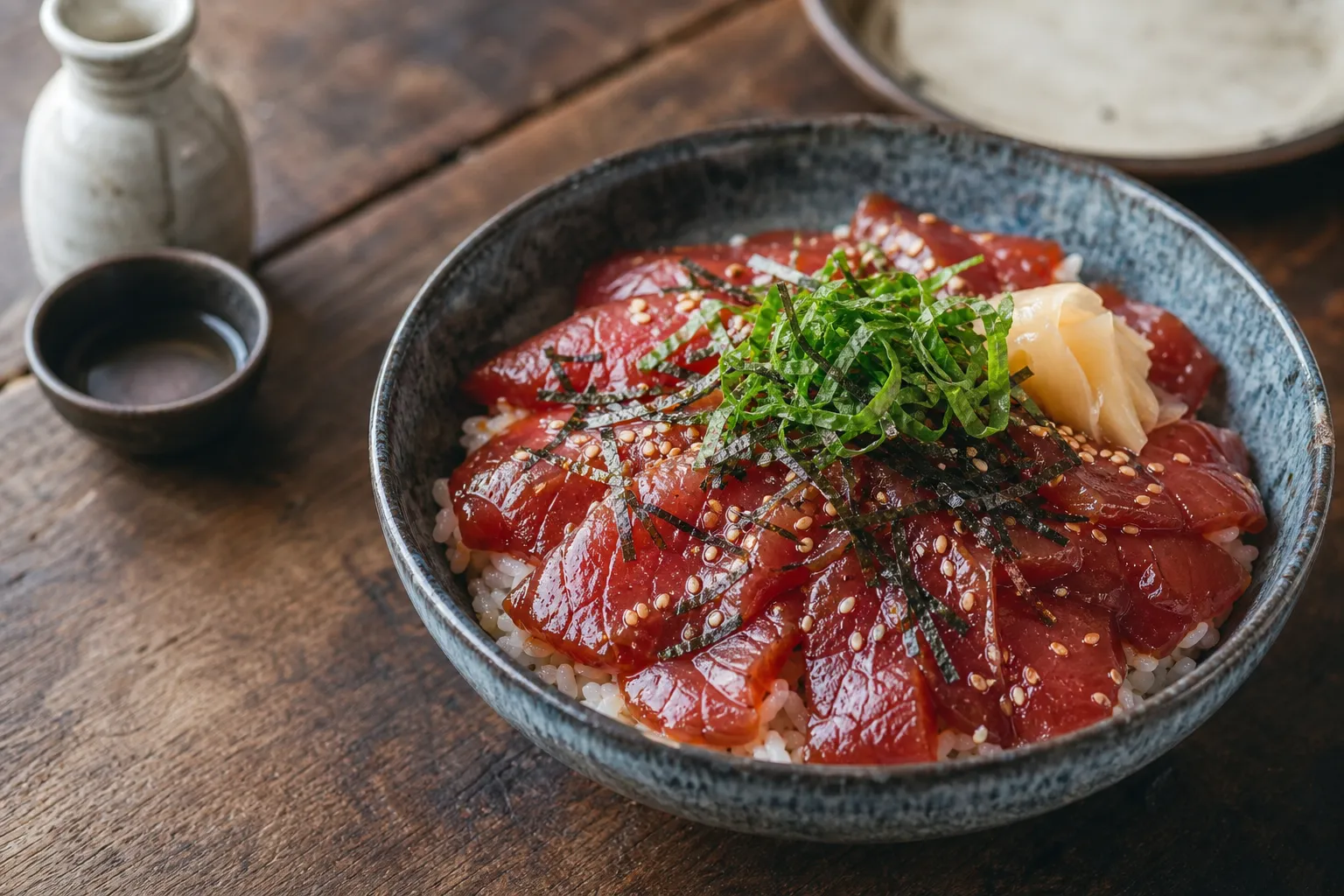
Local FoodIse-Shima, Mie
Tekone-zushi (てこね寿司)
Dark, glossy slices of soy-soaked bonito, still cool from the sea, mixed straight into warm vinegared rice with someone's bare hands. I took one bite on the ferry dock and forgot to keep walking.
July 3, 2026