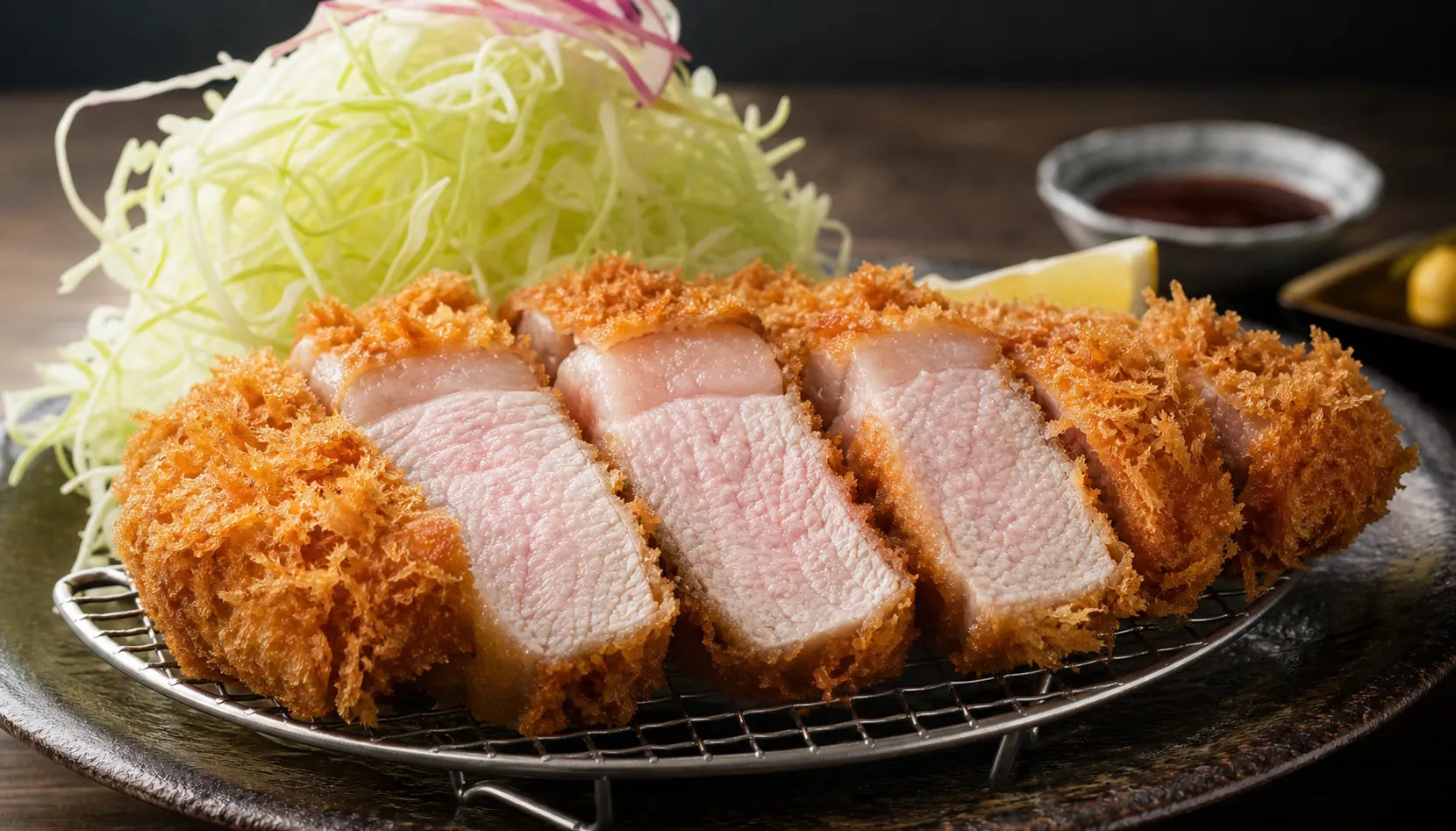
Somewhere around the third bite I just stopped talking. Not because anything was wrong — the opposite. The fat along the edge of that cutlet wasn't the usual "chew through it and move on" kind; it was soft enough to nearly dissolve, sweet in a way pork fat has no business being, and it kept quietly enriching every bite of meat next to it. My dinner companion asked me a question. I have no idea what she said. I was busy.
Share this dish


The fat didn't just sit there being fat — it kept melting into the meat with every bite, and I stopped talking mid-sentence to deal with it properly.
🍜 Planning a food trip to Kagoshima?Add this dish to my Food Trip →
 Add this dish to my Food Trip →
That's kurobuta tonkatsu — a deep-fried, panko-breaded pork cutlet made with kurobuta, Kagoshima's celebrated Berkshire black pork, instead of standard white pork. Same format you already know: seasoned pork, dredged in flour, egg, and panko, fried until the crust shatters. But swap in kurobuta and the entire experience shifts — finer-grained meat, noticeably more tender texture, and fat that tastes genuinely sweet rather than just "present." This isn't a different dish so much as the same dish playing at a different level.
Kagoshima's centuries-old pig, finally getting its moment
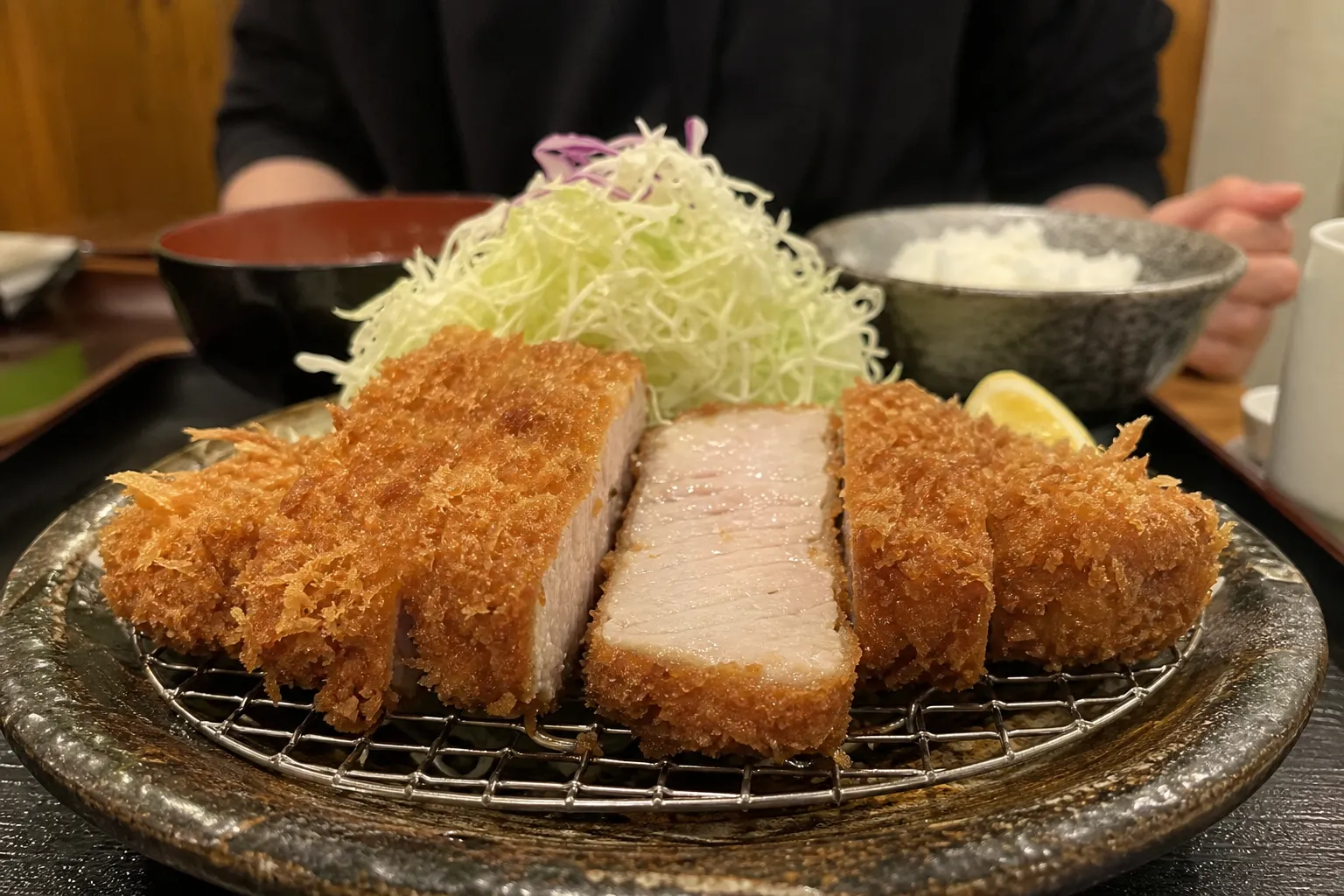
Kagoshima has raised black pigs since the Satsuma domain era, when Berkshire pigs were reportedly brought over from Britain and crossed with local stock, and the region's warm climate and feed traditions (sweet potato is a famous local staple, and yes, some kurobuta are raised on a sweet-potato-inclusive diet) shaped a pork with a reputation for quality that's persisted for generations. For a long time kurobuta was mostly a shabu-shabu and yakiniku star, prized in its own right as a premium ingredient rather than something you'd batter and deep-fry.
Turning it into tonkatsu was, in hindsight, an obvious move — but I still think it's a slightly reckless one. Deep-frying is a format that can flatten a lot of the subtlety out of a good ingredient; the fact that kurobuta comes through a hot oil bath and still tastes distinctly, recognizably better than standard pork says everything about how good the raw material is to begin with. I've had a lot of tonkatsu. This is the first time I finished a cutlet and immediately wanted to know exactly which farm it came from.
Finer grain, sweeter fat, less "just crunch"
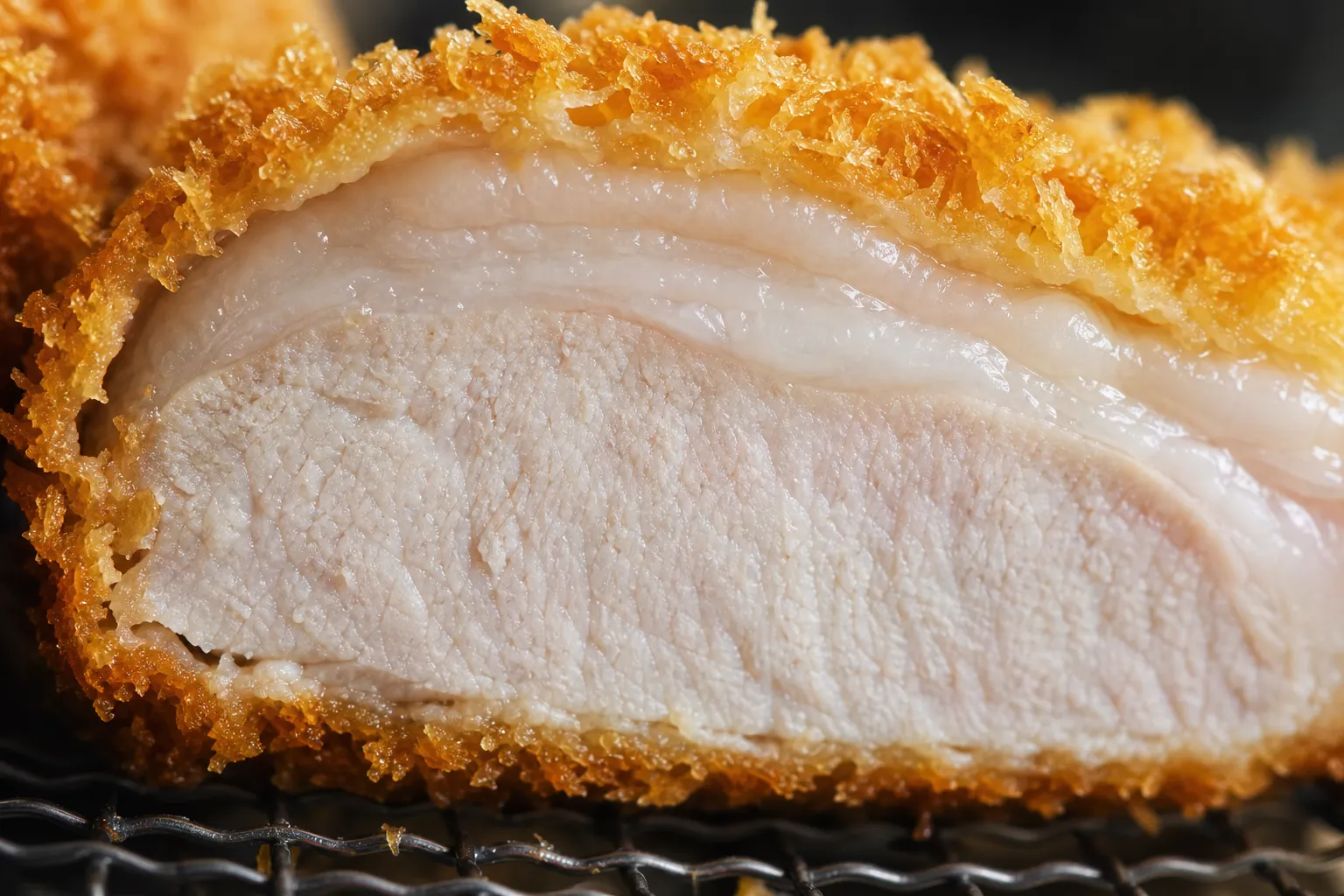
Cut into a kurobuta cutlet and the meat itself looks different — a tighter, finer grain than standard pork, which translates directly into a more tender bite. The real signature, though, is the fat: a ring along the edge of a rōsu (loin) cut that stays supple and almost melts on the tongue, carrying a sweetness that regular pork fat just doesn't have. Wrapped in the same shatter-crisp panko crust as any good tonkatsu, dressed with a squeeze of lemon, a smear of tonkatsu sauce, or eaten plain with just a little salt to actually taste the pork — kurobuta tonkatsu rewards restraint. I'd argue the fancier the pork, the less sauce you actually want on it.
How it's made
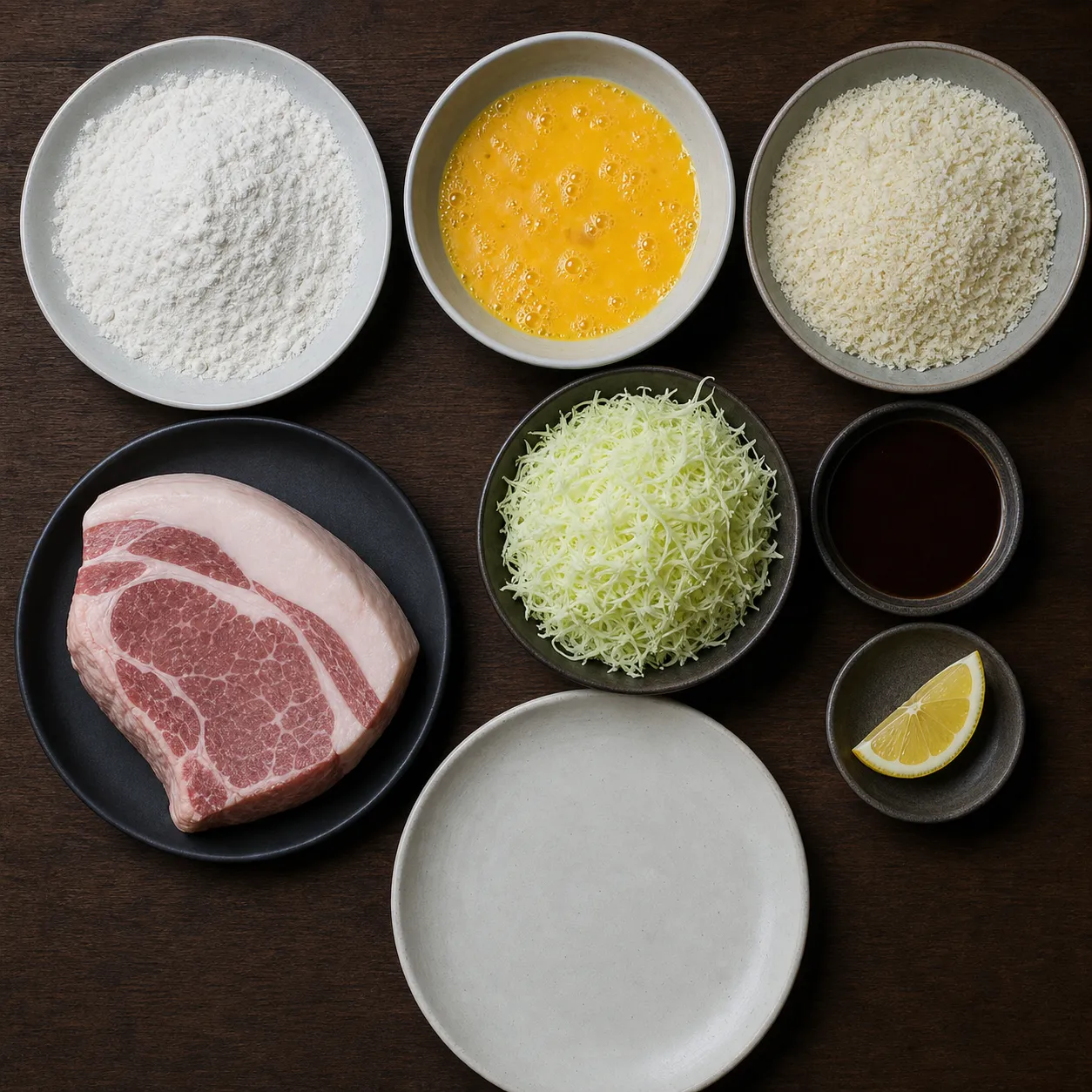
- Cut a thick portion of kurobuta pork loin (rōsu) or fillet (hire), keeping the fat ring intact
- Season with salt and pepper
- Dredge through flour, then beaten egg, then a thick coat of panko
- Fry at a moderate, patient temperature until deep gold and cooked through without drying out the delicate meat
- Rest briefly, then slice into thick batons and serve with shredded cabbage, rice, and miso soup
Before you go — taste it before you sauce it
Your questions, answered honestly
"Is kurobuta actually different, or is it a marketing thing?" — It's genuinely different — finer-grained meat and noticeably sweeter, softer fat compared to standard white pork. It costs more for a reason, and most people can taste the difference in the first bite, especially in the fat.
"Rōsu or hire for kurobuta specifically?" — Rōsu (loin), even more than with regular tonkatsu — that fat ring is exactly what you're paying the premium for, and hire (fillet) has much less of it. If you want the full kurobuta experience, go rōsu.
"Should I still use sauce, or is that a waste on good pork?" — Try the first few bites with just a little salt or nothing at all to taste the pork itself, then add sauce or lemon for the rest if you want. Nobody will judge you either way — but at least try it plain once.
"Why is it more expensive than regular tonkatsu?" — Kurobuta pigs are slower-growing and more costly to raise than standard breeds, and Kagoshima's kurobuta in particular carries a strong quality reputation, so restaurants charge accordingly. It's a genuine premium ingredient, not just a fancier label.
What the staff will ask you
| You'll hear | Romaji | Meaning | Just say |
|---|---|---|---|
| ロースとヒレ、どちらに? | Rōsu to hire, dochira ni? | "Loin or fillet?" | Rōsu de (loin) |
| 定食にしますか? | Teishoku ni shimasu ka? | "Make it a set meal?" | Hai, onegaishimasu (yes please) |
| 黒豚は初めてですか? | Kurobuta wa hajimete desu ka? | "First time trying kurobuta?" | Hai, tanoshimi desu (yes, looking forward to it) |
| ごはんのおかわりは? | Gohan no okawari wa? | "More rice?" | Onegaishimasu (yes please) |
To order, just say "Kurobuta rōsu katsu teishoku kudasai" (黒豚ロースカツ定食ください) — "The kurobuta loin cutlet set meal, please."
Where to eat it
- Kagoshima City — the dish's home turf, with tonkatsu specialty restaurants throughout downtown built specifically around local kurobuta.
- Kurobuta-tei (黒豚亭) and similar kurobuta-focused restaurants — a number of Kagoshima establishments specialize entirely in kurobuta dishes, tonkatsu included, and are worth seeking out by name.
- Tenmonkan district, Kagoshima — the city's main dining and shopping area, with a concentration of restaurants serving kurobuta in multiple styles.
Popular kurobuta specialists can fill up around lunch, especially with tour groups, so an early visit helps — hours and menus change, so check before you go.
Soul Score
Local Roots4/5
First-Timer Friendly4/5
Adventure Level3/5
Comfort Level5/5
Travel Worthy4/5
These scores are one obsessed eater's gut feeling — not a verdict. A low number isn't a bad mark, just a different kind of adventure.
Know someone planning Japan?
← All Articles
Local Food · Kagoshima
Still hungry?
Eat more from Kagoshima
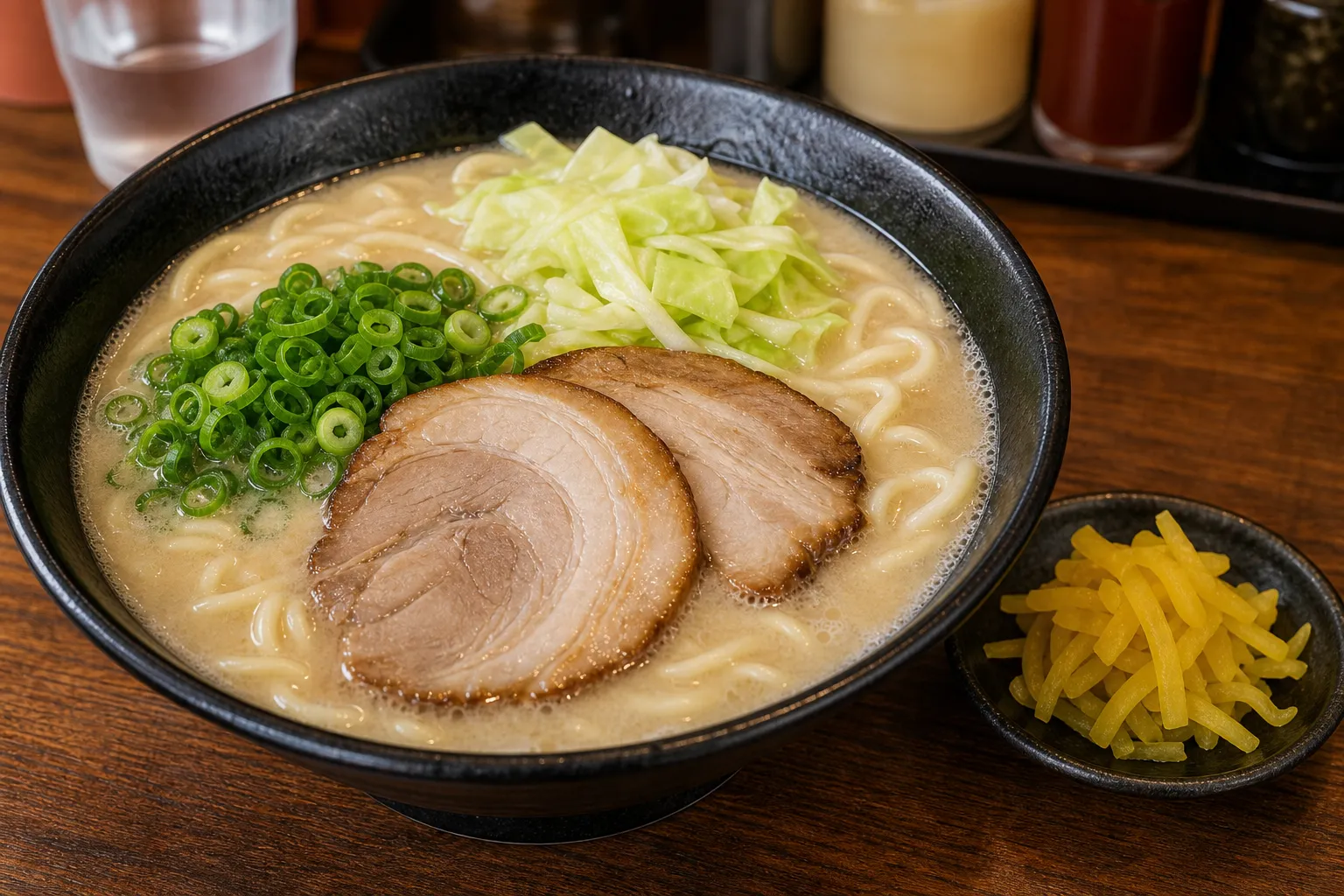
Local FoodKagoshima, Kyushu
Kagoshima Ramen (鹿児島ラーメン)
Kyushu's black sheep tonkotsu — softer, rounder, semi-cloudy — served with pickled radish and a hot cup of tea like it's a whole little ceremony. The gentle giant of pork-bone ramen.
July 9, 2026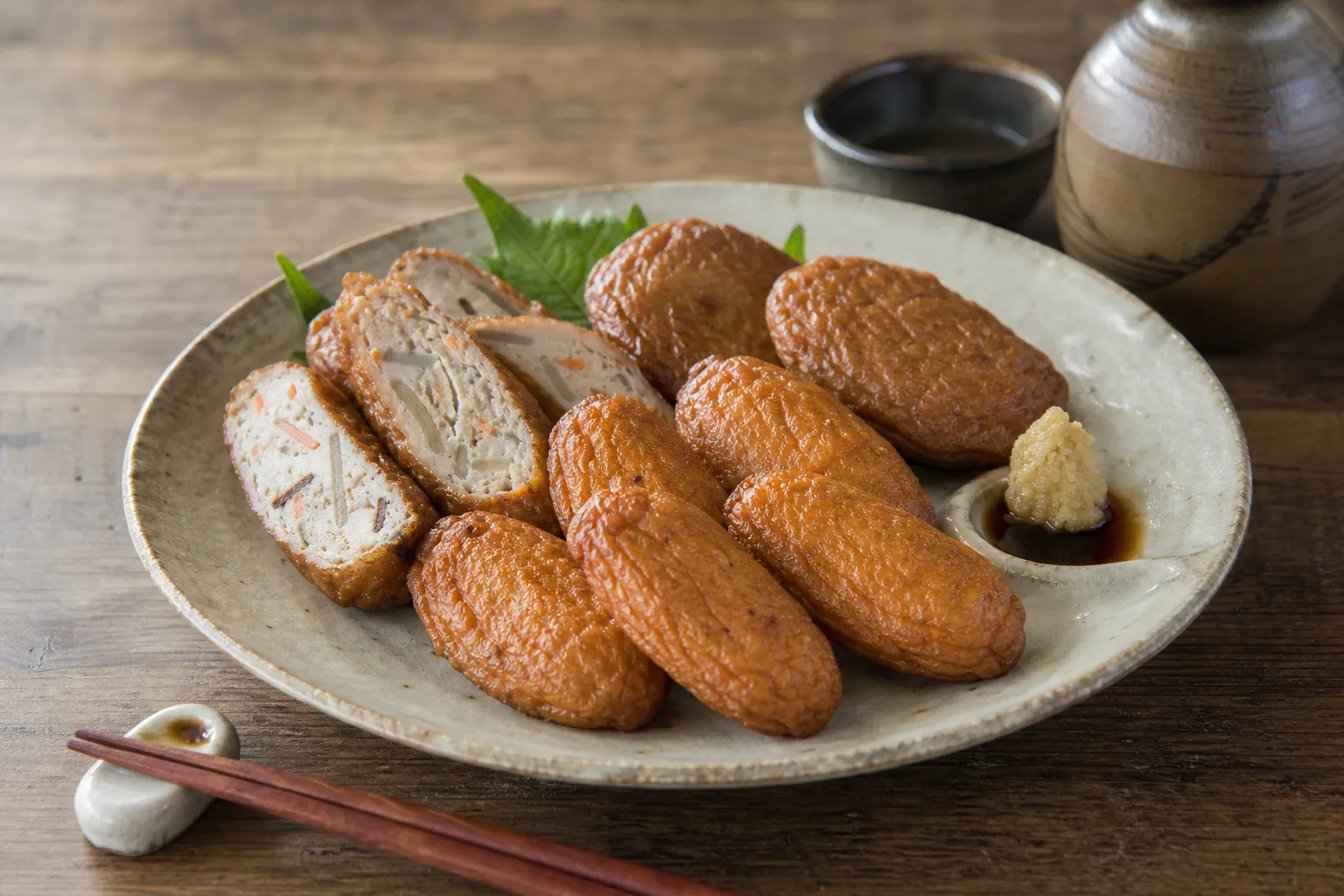
Local FoodKagoshima
Satsuma Age (さつま揚げ)
No batter. No breading. Just fish, pounded into paste and fried until the outside turns the color of good leather. I bit in expecting crunch and got something closer to a warm hug.
July 4, 2026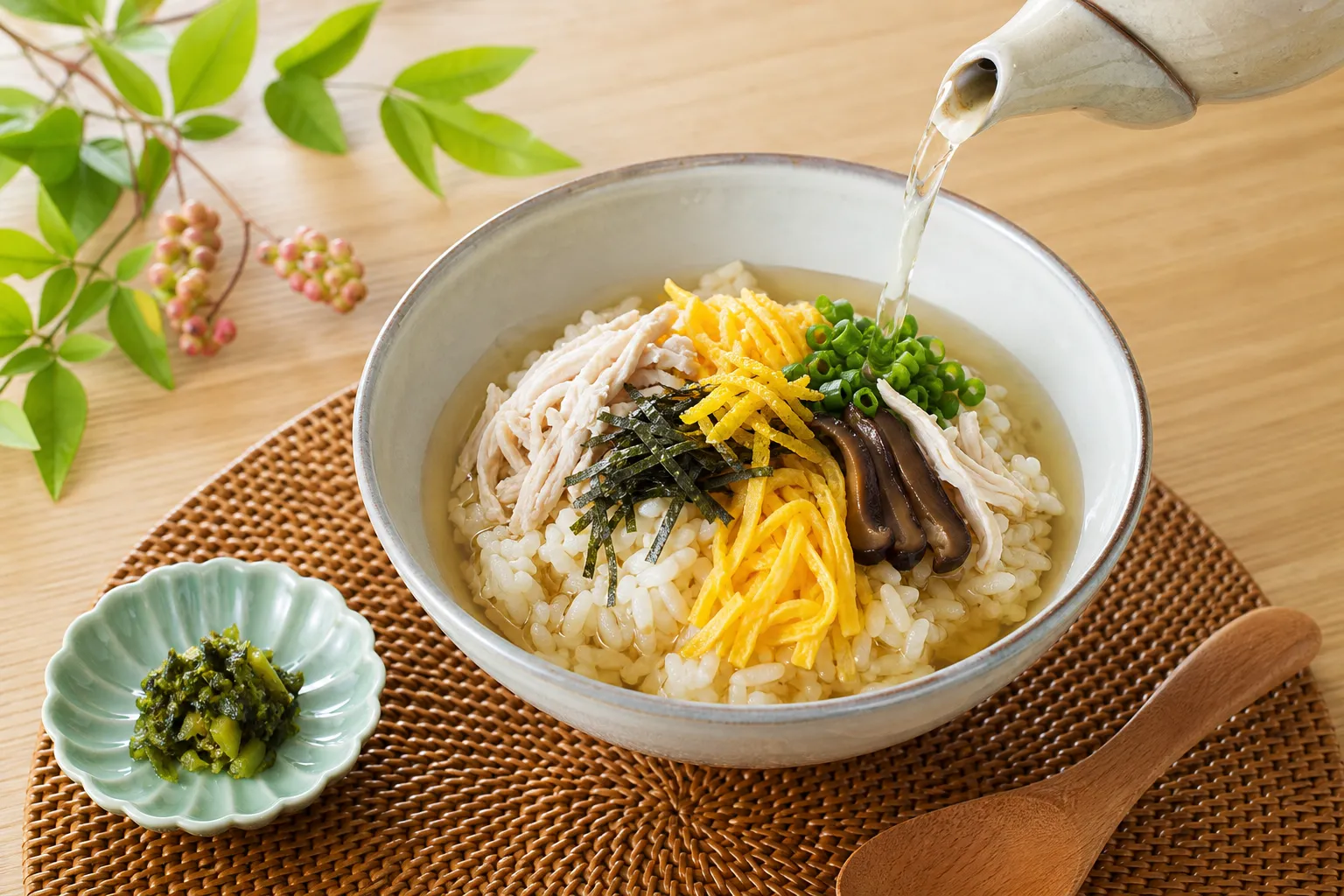
Local FoodAmami, Kagoshima
Keihan (鶏飯)
Shredded chicken, golden egg, nori and toppings over rice — and then someone pours clear, hot chicken broth over the whole thing at the table. The most soothing bowl in the south. I have rarely felt so instantly calm about a meal.
June 28, 2026