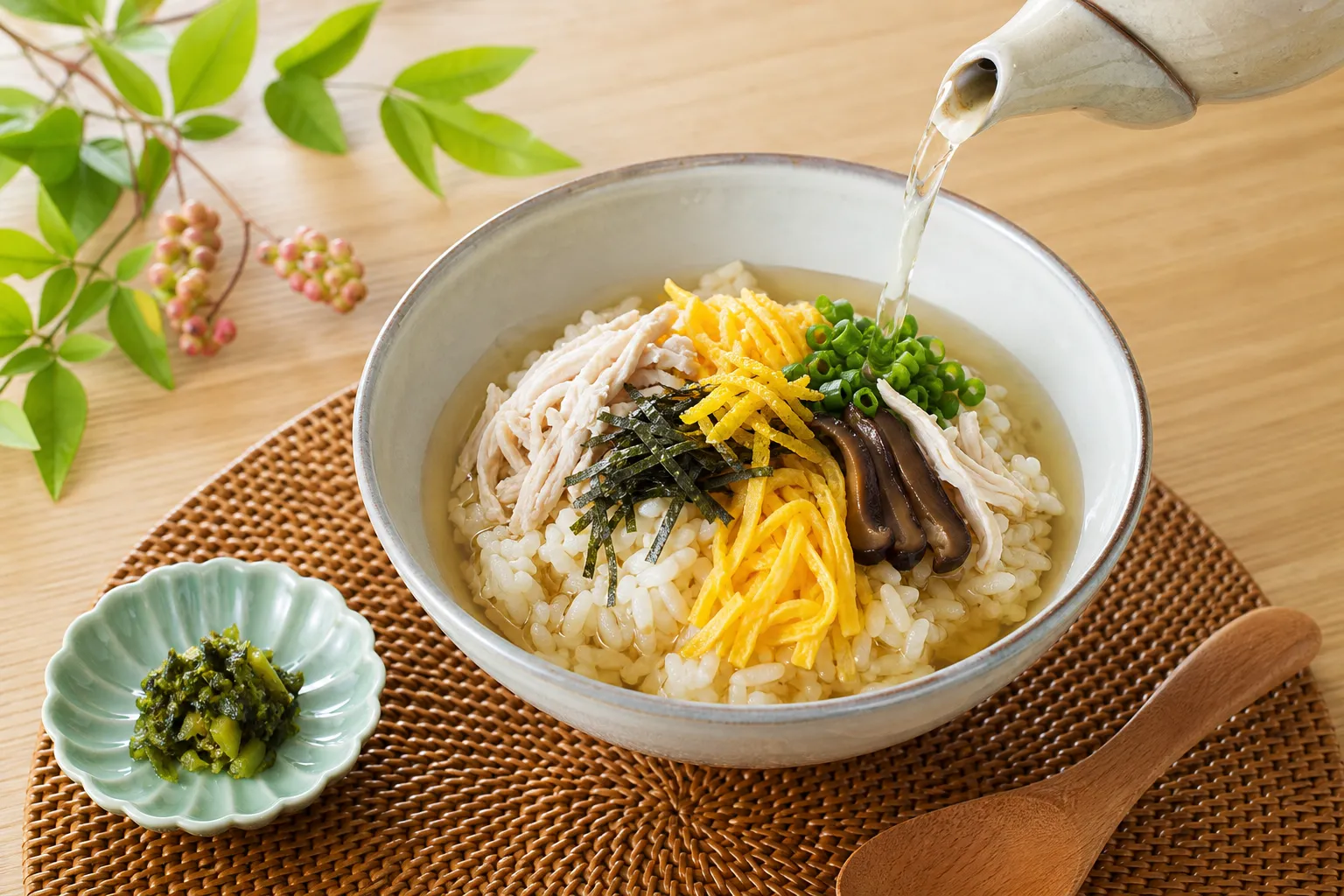
They set down a bowl of rice scattered with neat little mounds — white shredded chicken, golden threads of egg, dark strips of nori, a sprinkle of citrus peel — and I thought, lovely, that's the dish. It wasn't. Then came a small pot of clear, steaming, pale-gold broth, and someone poured it right over everything at the table. The colors loosened and swirled, steam rose, and before I'd taken a bite I felt my shoulders drop. Some food calms you down on contact. This is that food.
Share this dish


Shredded chicken, golden egg, nori and toppings over rice — and then someone pours clear, hot chicken broth over the whole thing at the table. The most soothing bowl in the south. I have rarely felt so instantly calm about a meal.
🍜 Planning a food trip to Kagoshima?Add this dish to my Food Trip →
 Add this dish to my Food Trip →
This is keihan (鶏飯), the treasured dish of the Amami Islands in southern Kagoshima: poached chicken, shredded omelet, nori, shiitake and aromatics arranged over rice, then flooded with a clear, rich chicken broth poured over at the table, ochazuke-style. It's light, elegant, and so gentle it feels less like a meal than a kindness.
Born on Amami, made for honored guests
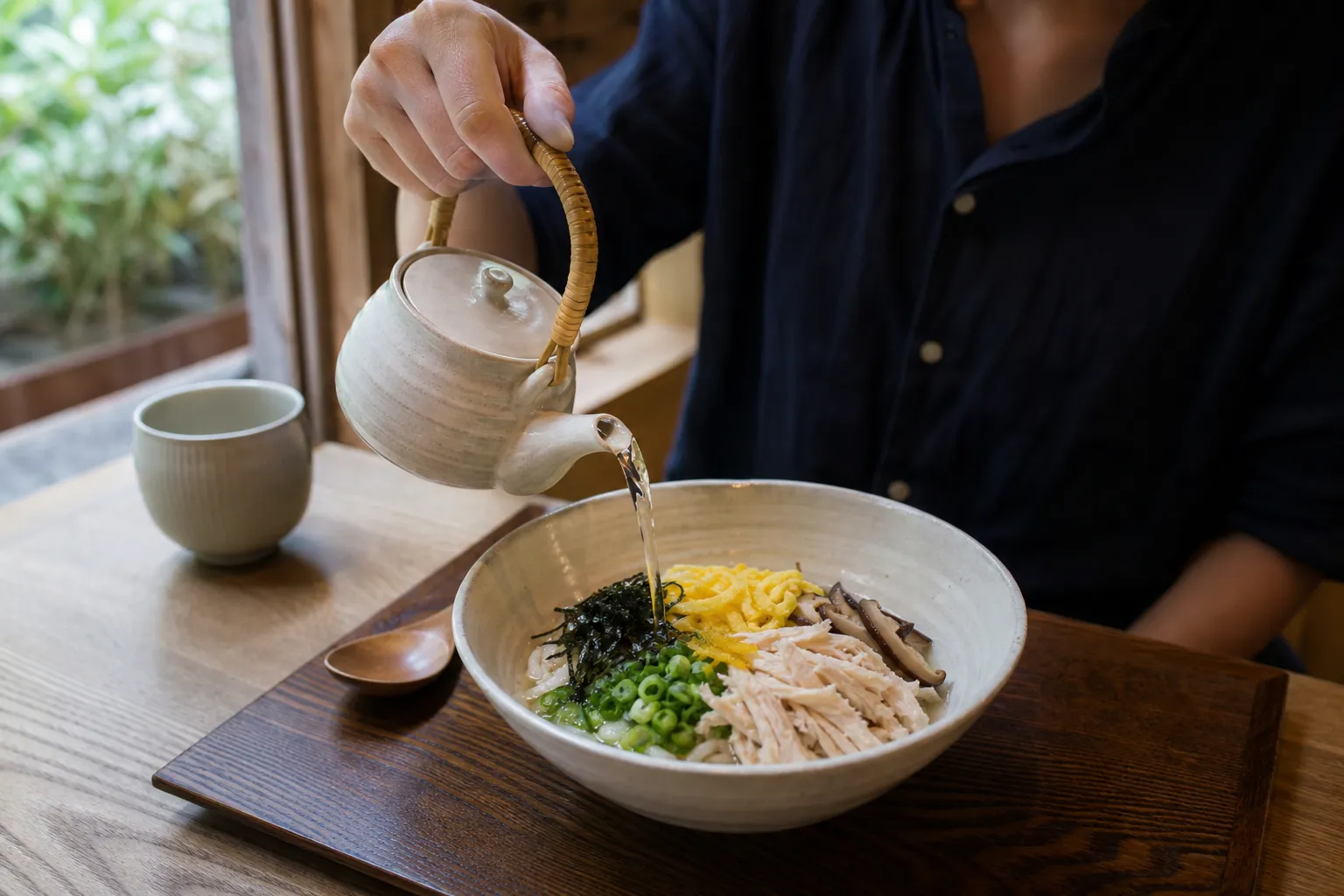
Keihan comes from Amami Ōshima, the subtropical island chain between Kyushu and Okinawa that historically fell under the Satsuma domain. The story told there is that during the Edo period, islanders served this dish to visiting officials and important guests from the mainland — a way to offer something refined and generous using precious chicken. Over time it settled into everyday island life and became the defining flavor of Amami home and restaurant cooking.
I find that lineage moving. A dish created to make a guest feel welcomed and cared for — and you can taste the intent. There's nothing aggressive here, nothing showing off. It's hospitality turned into broth. Even now, eating it as an obvious outsider, I felt looked-after by it, which is a strange and lovely thing for a bowl of rice to do.
Why this gentle bowl works
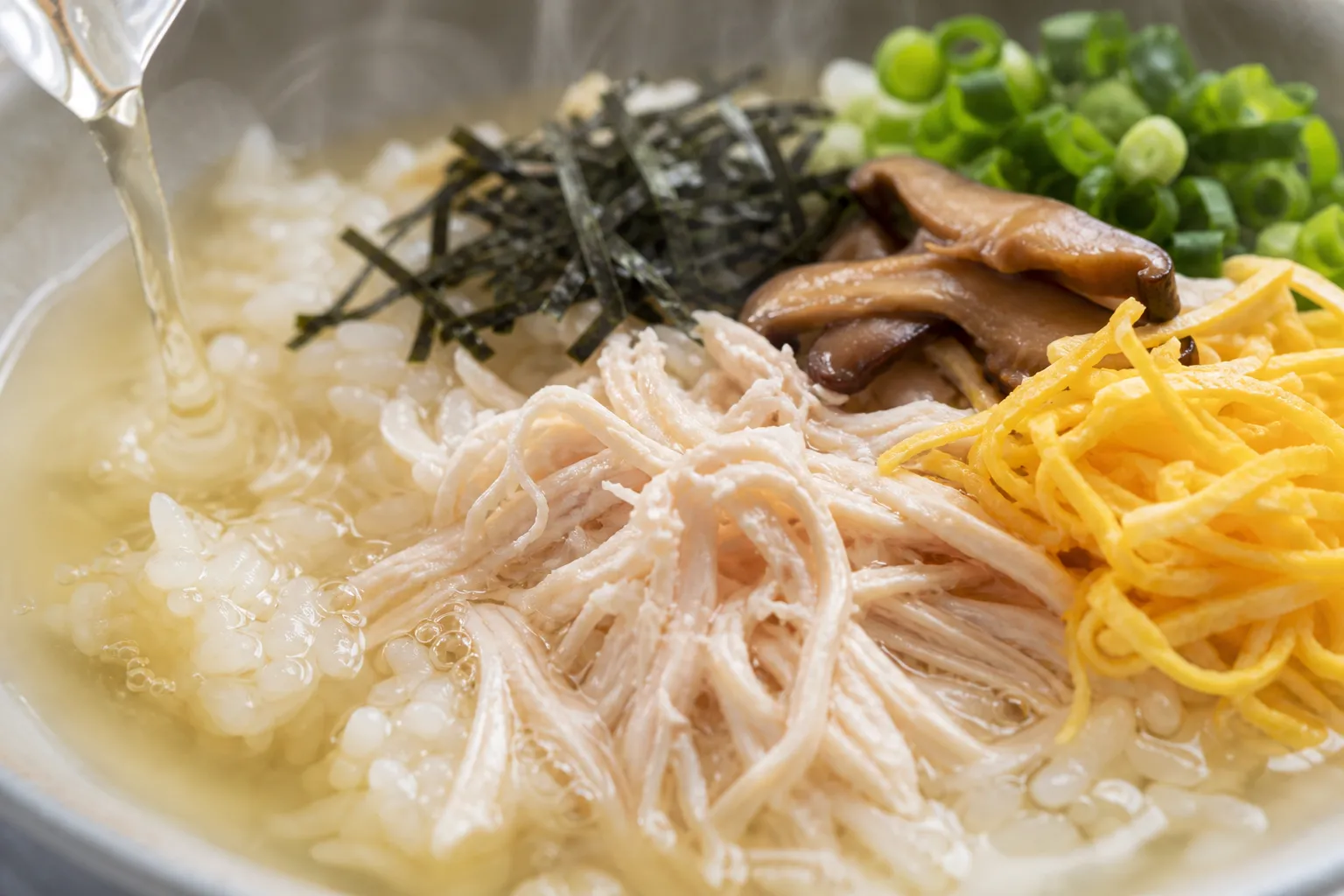
The genius is restraint. Each topping is prepped separately and kept distinct — tender hand-shredded poached chicken, fine golden kinshi tamago egg threads, earthy thin-sliced shiitake, nori, green onion, and often a little shredded tankan citrus peel that brightens the whole bowl. Laid over warm rice, it already looks like a small garden.
Then the broth changes everything. It's a clear, clean chicken stock — not cloudy, not heavy, not oily — and as you pour it over, the rice and toppings soften and meld into something between a soup and a rice bowl. Every spoonful is warm, savory, faintly citrusy, deeply soothing. It's the dish I'd want when I'm tired, or jet-lagged, or just done being a person for the day. I ate slowly, on purpose, to make it last.
How it's made
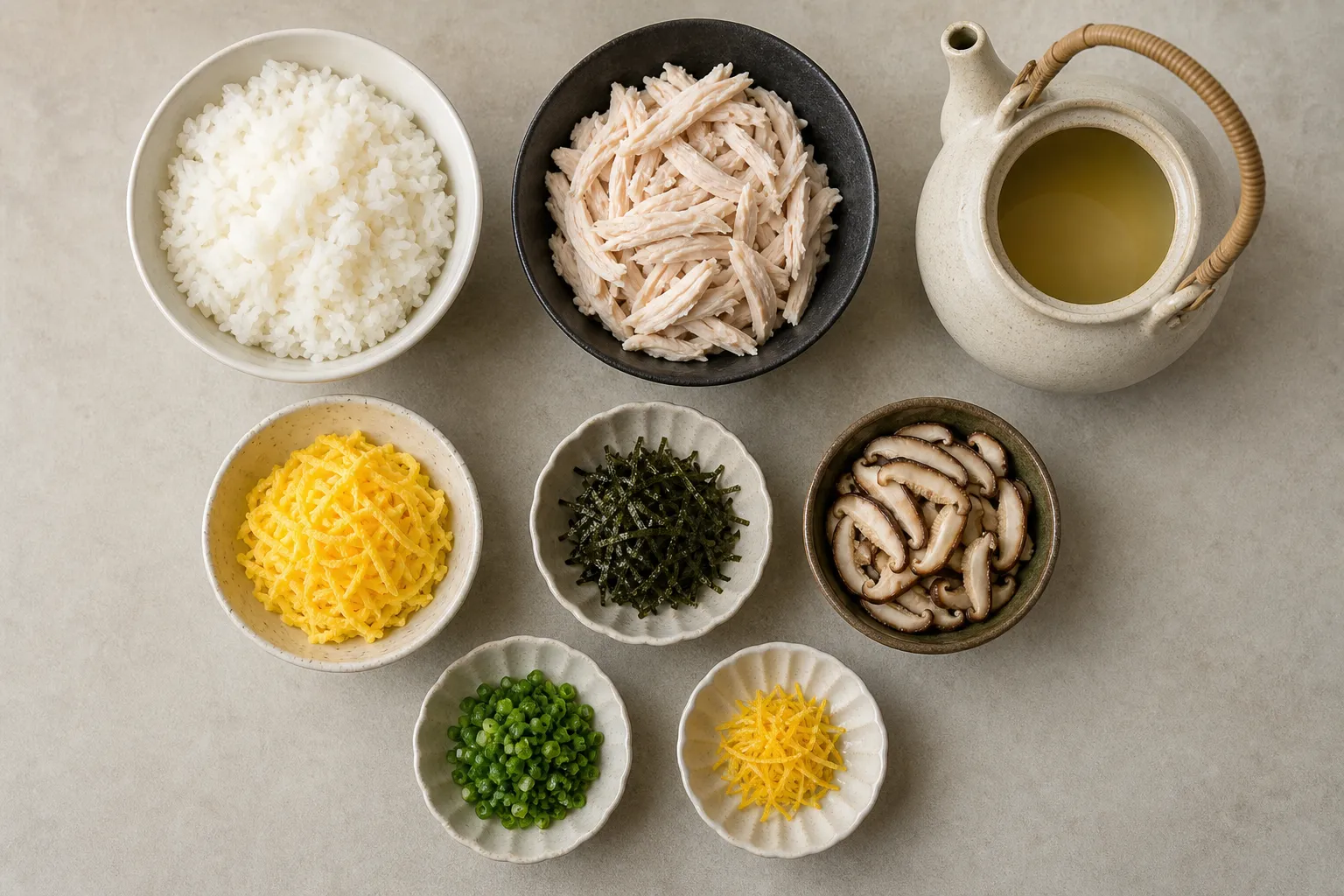
- Simmer chicken to make a clear broth; reserve the broth and hand-shred the meat
- Make kinshi tamago — thin omelet sliced into fine golden threads
- Prep the other toppings: sliced shiitake, nori strips, green onion, shredded citrus peel
- Mound warm rice in a bowl and arrange each topping separately over it
- Bring the clear hot chicken broth to the table in a small pot
- Pour the broth over the rice and toppings yourself, and eat soupy like ochazuke
Before you go — for the keihan-curious
Your questions, answered honestly
"Do I pour the broth myself?" — Yes. The broth comes separately so you flood the rice and toppings at the table. Pour it all over — keihan is meant to be eaten soupy, not dry. That moment is the dish.
"Is it like ochazuke?" — In format, yes — toppings and broth over rice. But the broth is a proper clear chicken stock, richer and more savory than tea, and the toppings are more generous. Think ochazuke's elegant southern cousin.
"Is it spicy or heavy?" — Neither. It's gentle, clear and soothing. One of the most first-timer-friendly regional dishes in Japan — nothing raw, no spice, no surprises.
"Is it 'torimeshi'?" — Same characters (鶏飯), but on Amami it's read keihan, and it's this soupy poured-broth dish — not the mixed seasoned-rice "torimeshi" you find elsewhere. Say keihan.
What the staff will ask you
| You'll hear | Romaji | Meaning | Just say |
|---|---|---|---|
| スープ、おかわりしますか? | Sūpu, okawari shimasu ka? | "More broth?" | Hai, onegaishimasu (yes please) |
| ご飯の量はどうしますか? | Gohan no ryō wa dō shimasu ka? | "How much rice?" | Futsū de (regular, please) |
| 薬味はお好みで | Yakumi wa okonomi de | "Add the garnishes to taste" | Arigatō gozaimasu (thank you) |
To order, just say "Keihan kudasai" (鶏飯ください) — "Keihan, please."
Where to eat it
- Amami Ōshima, Kagoshima — the birthplace, where specialty restaurants serve keihan as the island's signature dish. The most authentic place to eat it, broth poured at your table.
- Kagoshima City — restaurants serving Amami and southern-Kagoshima cuisine offer keihan on the mainland, so you can try it without flying to the islands.
- Check before you go — island and specialty restaurants keep their own hours and can be seasonal or busy; confirm opening times in advance.
Soul Score
Local Roots5/5
First-Timer Friendly5/5
Adventure Level3/5
Comfort Level5/5
Travel Worthy4/5
These scores are one obsessed eater's gut feeling — not a verdict. A low number isn't a bad mark, just a different kind of adventure.
Know someone planning Japan?
← All Articles
Local Food · Amami, Kagoshima
Still hungry?
Eat more from Kagoshima
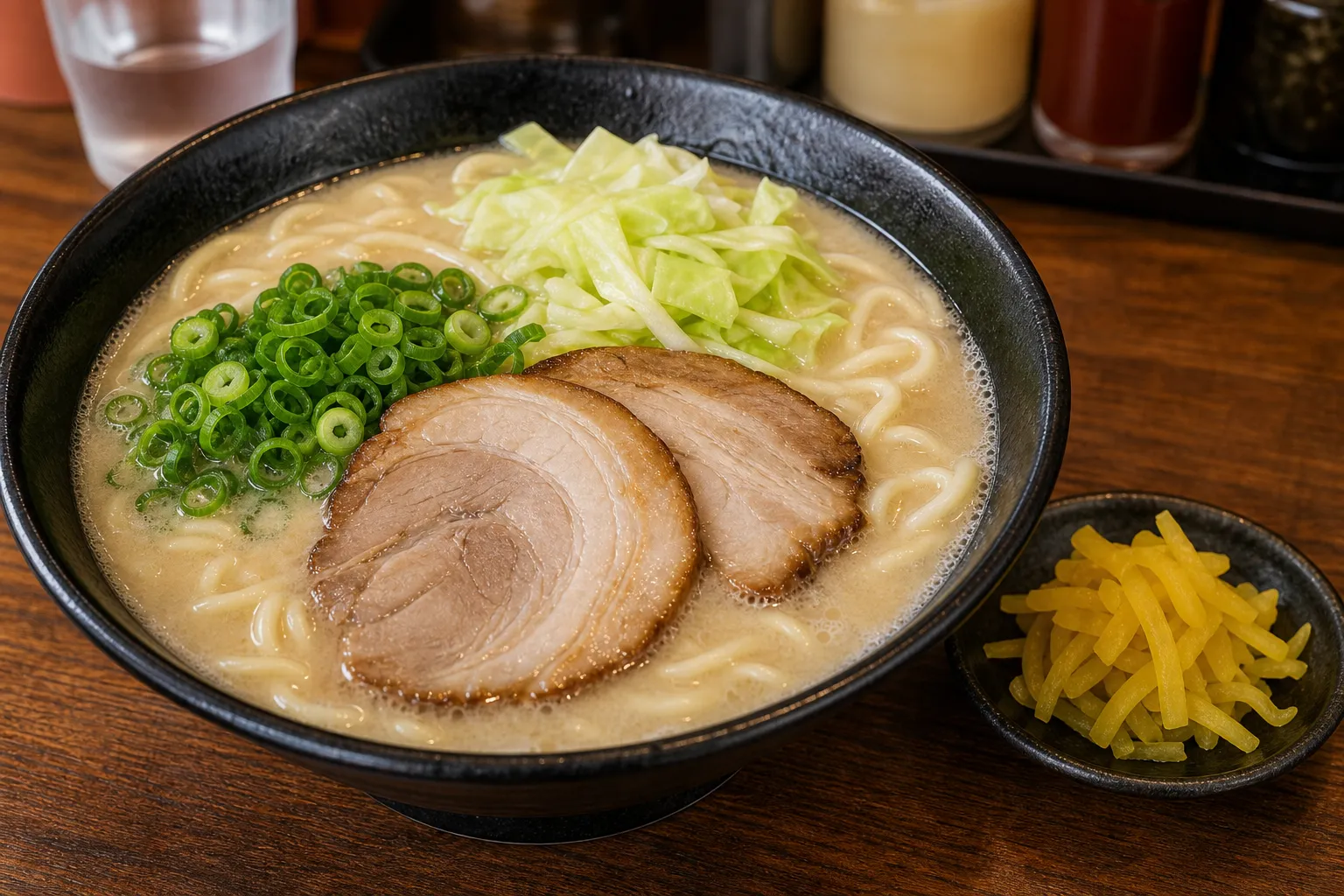
Local FoodKagoshima, Kyushu
Kagoshima Ramen (鹿児島ラーメン)
Kyushu's black sheep tonkotsu — softer, rounder, semi-cloudy — served with pickled radish and a hot cup of tea like it's a whole little ceremony. The gentle giant of pork-bone ramen.
July 9, 2026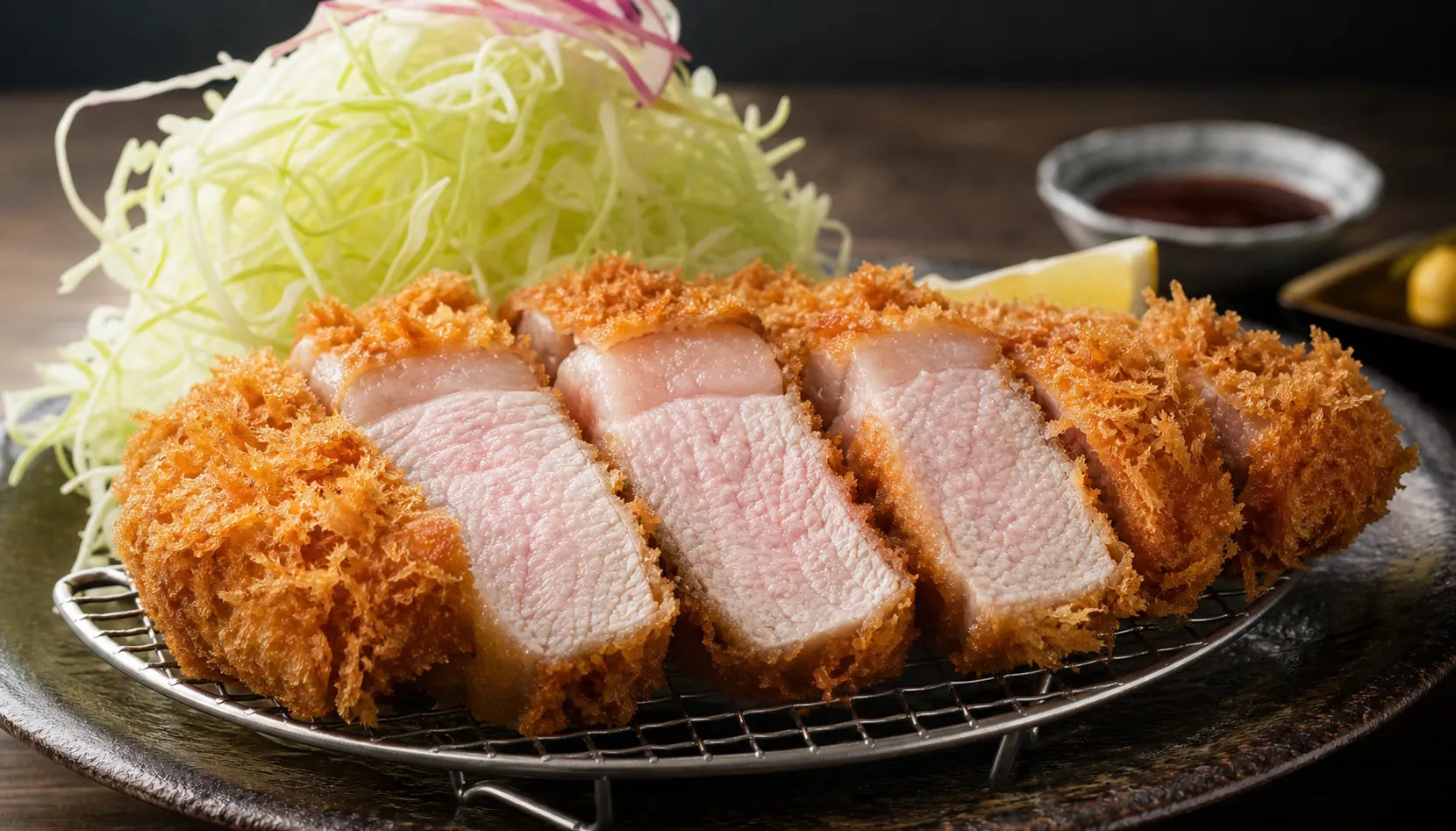
Local FoodKagoshima
Kurobuta Tonkatsu (黒豚とんかつ)
The fat didn't just sit there being fat — it kept melting into the meat with every bite, and I stopped talking mid-sentence to deal with it properly.
July 5, 2026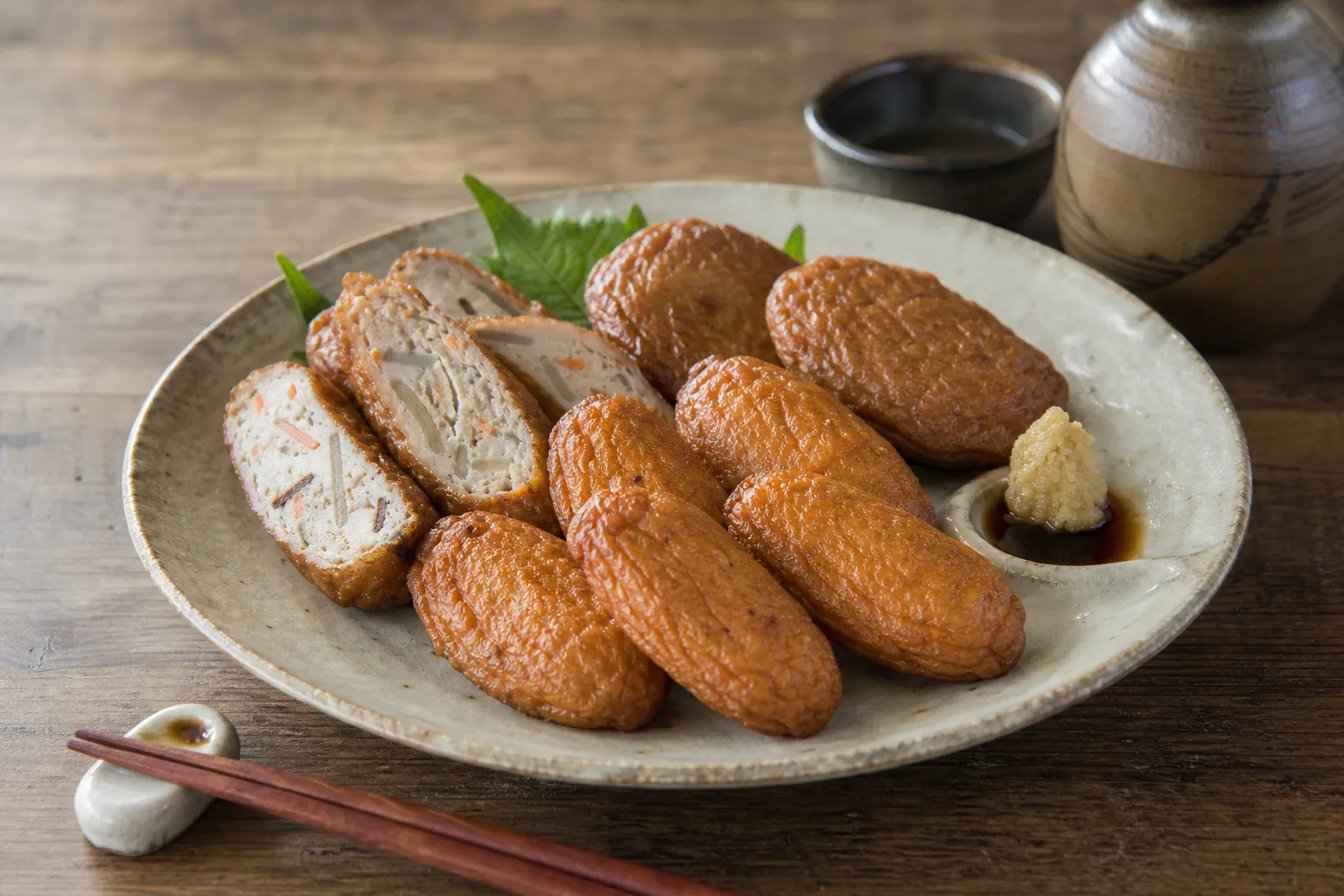
Local FoodKagoshima
Satsuma Age (さつま揚げ)
No batter. No breading. Just fish, pounded into paste and fried until the outside turns the color of good leather. I bit in expecting crunch and got something closer to a warm hug.
July 4, 2026