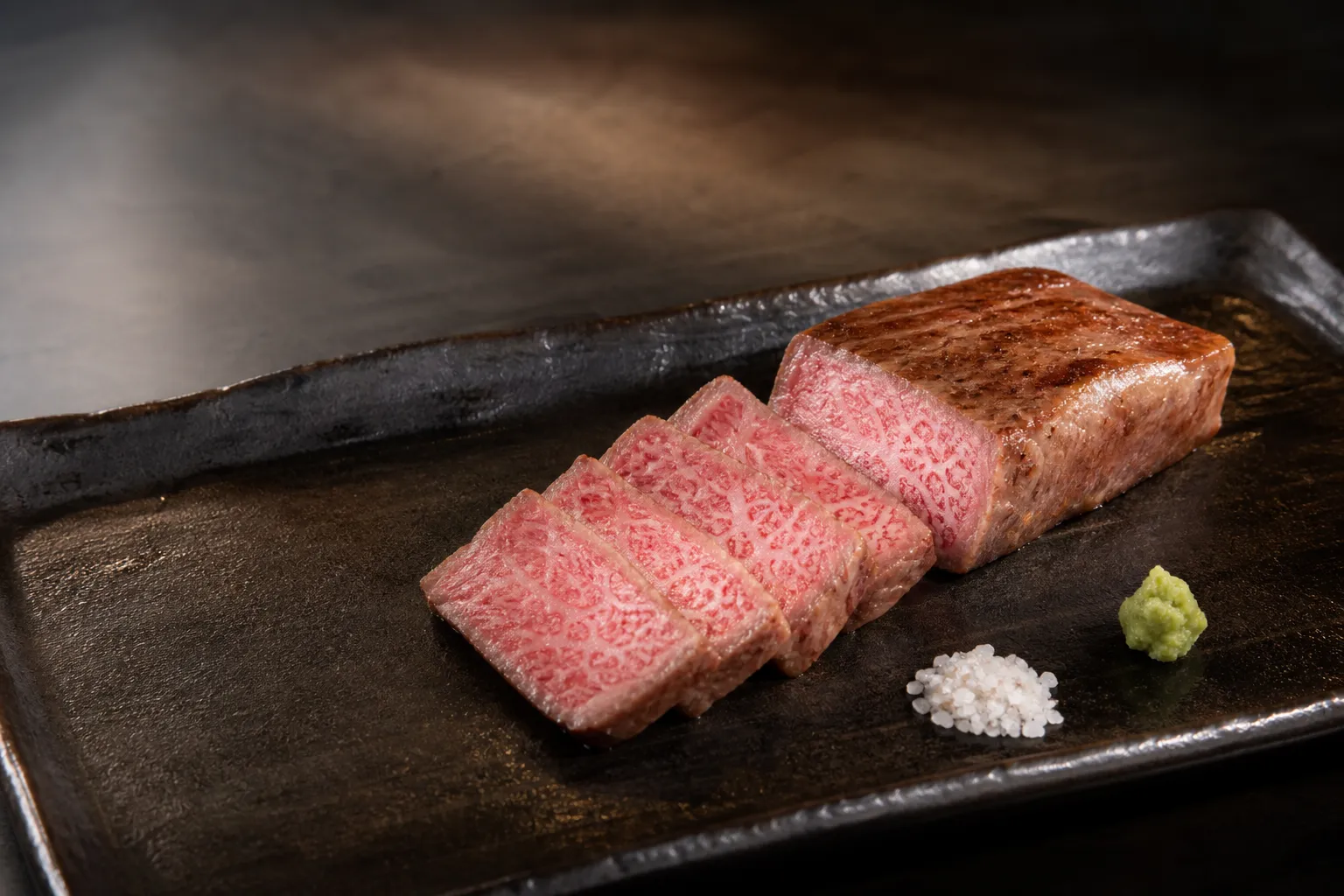
I put a two-centimeter cube of steak in my mouth, closed my eyes, and it was basically gone before my jaw finished the first bite. Not chewed away — melted. I sat there blinking like something had been stolen from me. Then I ordered another piece immediately, because I needed to check that wasn't a fluke.
Share this dish


One bite and the fat basically evaporates on your tongue before you've even started chewing — I actually laughed out loud at the table, alone, like an idiot.
🍜 Planning a food trip to Hyogo?Add this dish to my Food Trip →
 Add this dish to my Food Trip →
It wasn't a fluke. This is Kobe beef (神戸牛, Kobe-gyu), and here's the thing most menus abroad won't tell you: "Kobe beef" isn't a marketing phrase, it's a legal, certified brand name. It refers specifically to meat from Tajima cattle, a strain of Japanese Black (kuroge washu) cattle, raised within Hyogo Prefecture, that meets strict criteria — marbling ratio, weight, a designated processing region — set by the Kobe Beef Marketing & Distribution Promotion Association. Every animal is tracked with an ID number you can actually look up. So when you hear "wagyu" thrown around everywhere from airport lounges to hotel breakfast buffets, keep in mind: all Kobe beef is wagyu, but the overwhelming majority of wagyu you'll meet is not Kobe beef. This is the narrow, certified top of a very large pyramid.
Why "Kobe beef" is a name you have to earn
Tajima cattle have been bred in the mountainous, isolated valleys of Hyogo for centuries, historically as draft animals rather than food — which, ironically, is part of why the bloodline stayed so pure; nobody was crossbreeding for size or speed. Modern Kobe beef certification only formalized in the 1980s, but it built on that long, closed-off breeding history. I find that genuinely moving: this is a food whose whole identity comes from not changing, from centuries of a small region protecting one bloodline in one valley system.
The certification bar is brutally specific — a marbling score (BMS) of 6 or higher out of 12, carcass weight under a set limit, and processing at a certified slaughterhouse inside Hyogo. Fail any of it, and the beef simply cannot legally be called Kobe beef, no matter how good it tastes. I love that there's zero wiggle room. In a food world full of soft claims, this one has teeth.
What actually makes the eating experience different
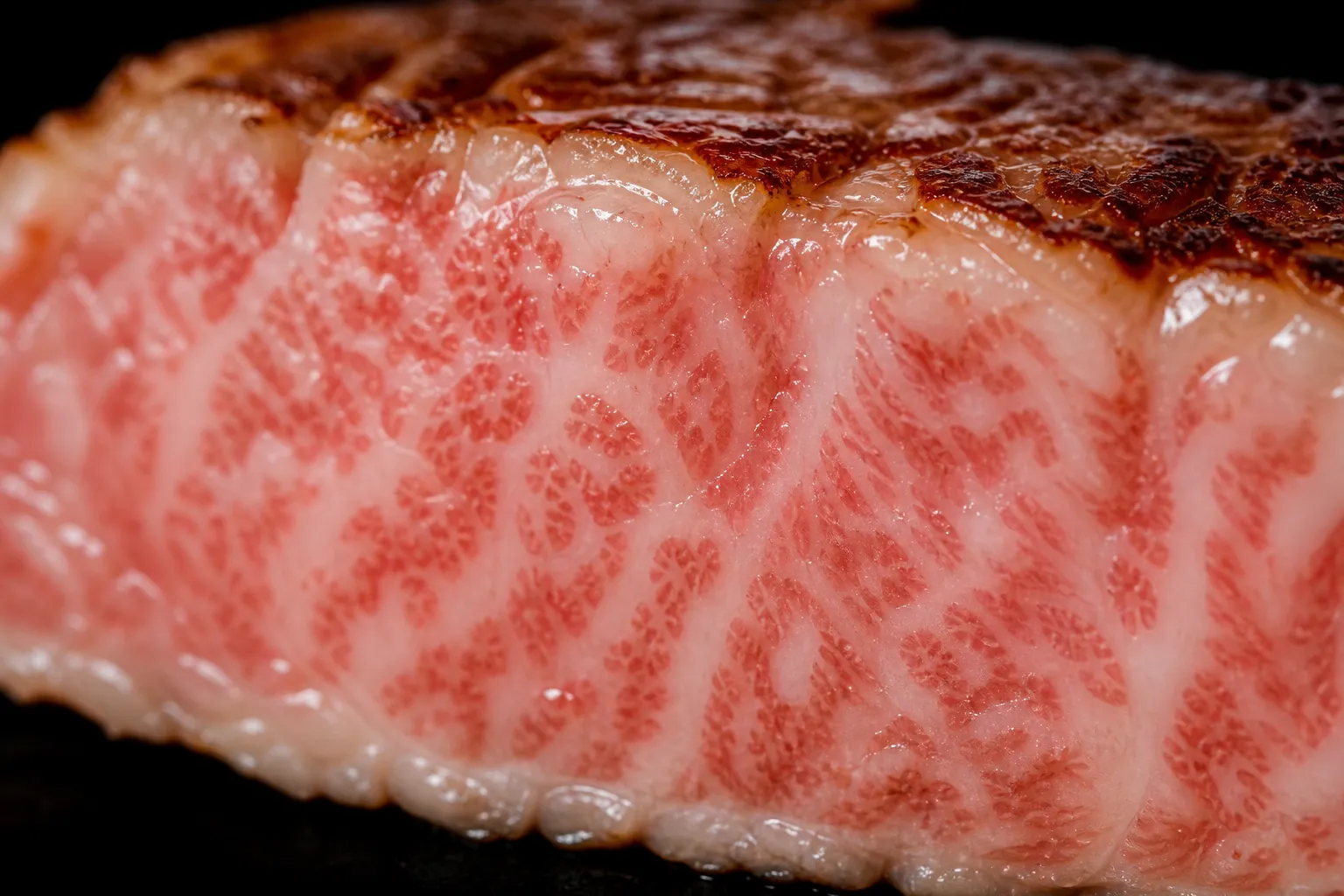
The marbling is the whole story. Those white flecks running through the meat are intramuscular fat with a low melting point — lower than your body temperature, which is the actual scientific reason it seems to dissolve rather than chew. It isn't a metaphor. That fat is genuinely turning liquid in your mouth in real time.
Because of that, Kobe beef isn't really eaten like a Western steak — huge slab, knife and fork, one big flavor hit. It's eaten in small quantities: thin-cut steak, sukiyaki (simmered in a sweet soy sauce with vegetables), or shabu-shabu (swished for seconds in hot broth). A little goes a genuinely long way, both in richness and in price. I ordered what I thought was a modest amount and could not finish the accompanying rice. Nobody warned me. I'm warning you.
How it gets from valley to table
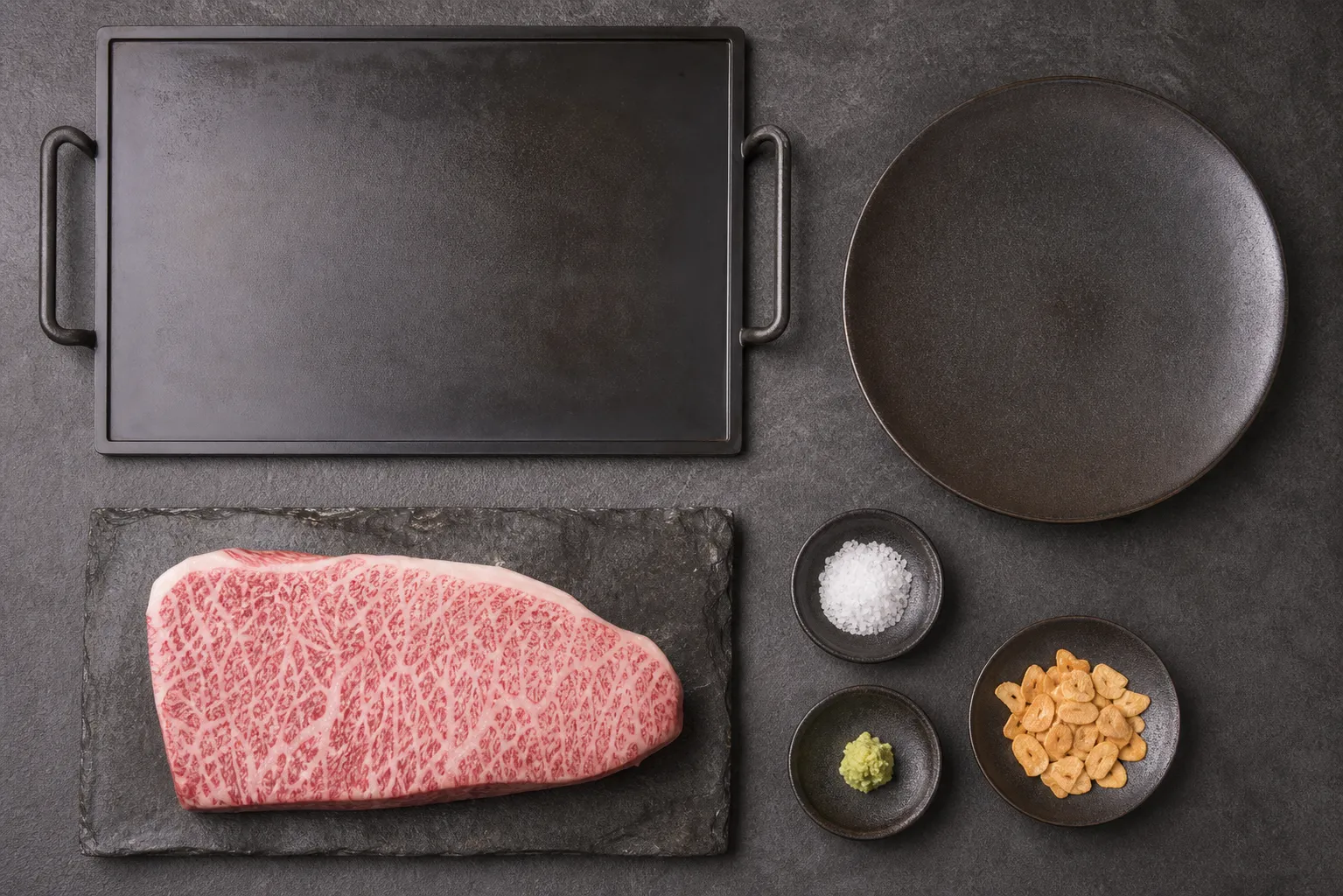
- Tajima cattle are raised in Hyogo Prefecture under closely tracked conditions
- At processing, each carcass is graded on marbling, color, texture, and fat quality
- Only carcasses clearing the marbling and weight thresholds — processed inside Hyogo — are certified "Kobe beef," each with a traceable ID number
- The cut is sliced thin for teppanyaki, sukiyaki, or shabu-shabu rather than served as a thick Western-style steak
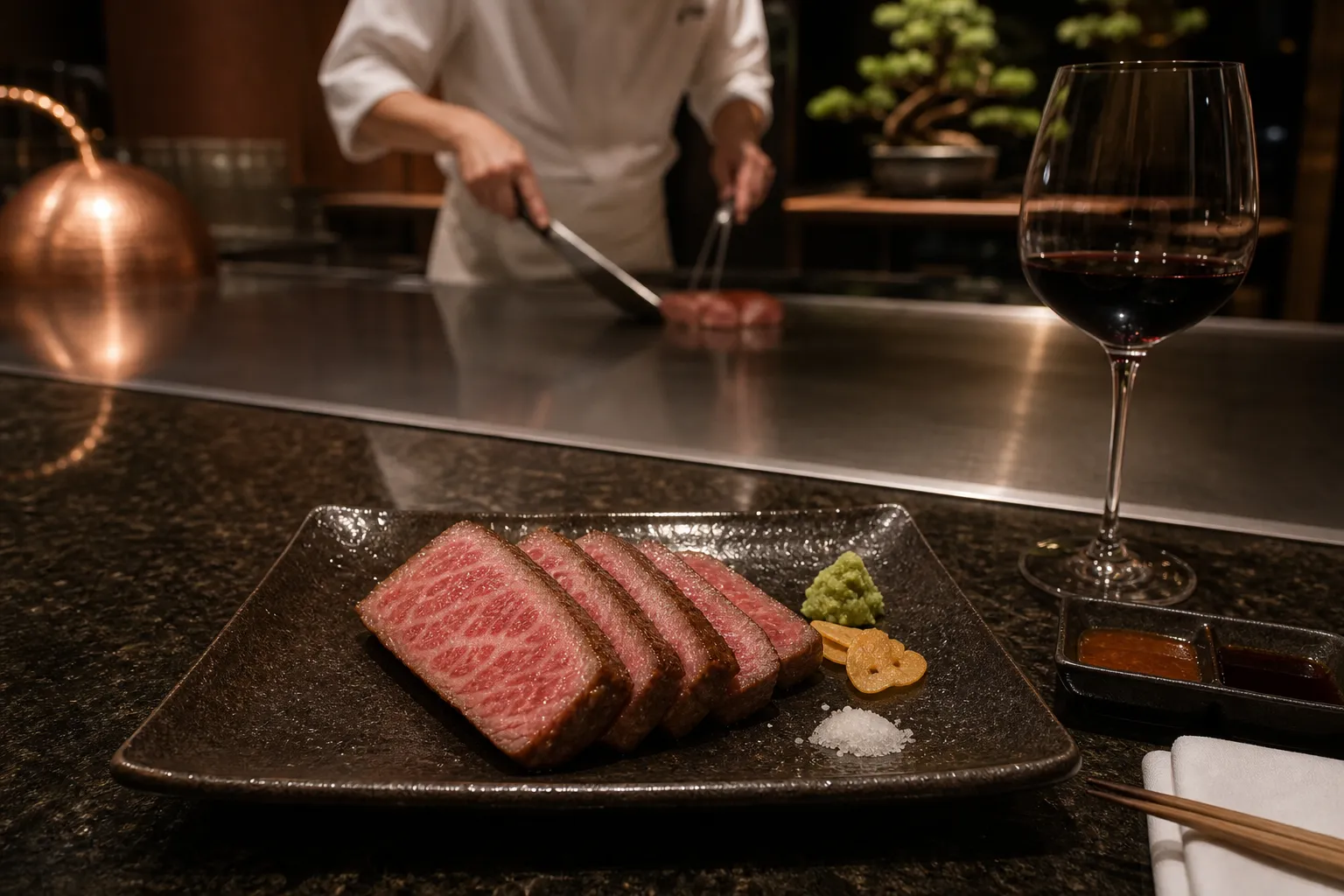
- It's cooked briefly and simply — a hot iron plate, a light sear, minimal seasoning — because the beef itself is the point
Before you go — spend it well
Your questions, answered honestly
"Is all 'wagyu' in Japan actually Kobe beef?" — No, and this is the single biggest mix-up. Wagyu just means "Japanese cattle," a broad category. Kobe beef is one certified brand within it, alongside others like Matsusaka or Omi beef. If a menu just says "wagyu steak" without naming a brand, it is very likely not Kobe beef.
"How do I know I'm actually getting real Kobe beef?" — Legit places display a certificate with the cattle's ID number, or can show you one on request. If a restaurant is cagey about it or the price feels suspiciously low, be skeptical — you can look up an ID number yourself later if you want the receipts.
"Is it worth the price?" — Genuinely, yes, at least once — the texture is something you cannot replicate anywhere else. But go in with a number in your head before you sit down; courses can escalate fast with add-ons, and this is not the meal to order blind.
"What's the best way to eat it for a first-timer?" — Teppanyaki, cooked in front of you, with minimal sauce — salt, a squeeze of citrus, maybe a little wasabi. Let the fat do the talking before you drown it in anything.
What the staff will ask you
| You'll hear | Romaji | Meaning | Just say |
|---|---|---|---|
| どちらのグレードになさいますか? | Dochira no gurēdo ni nasaimasu ka? | "Which grade would you like?" | Osusume wa dore desu ka (which do you recommend?) |
| 焼き加減はいかがなさいますか? | Yakikagen wa ikaga nasaimasu ka? | "How would you like it cooked?" | Midiamu de onegaishimasu (medium, please) |
| コースになさいますか、単品になさいますか? | Kōsu ni nasaimasu ka, tanpin ni nasaimasu ka? | "Course meal or à la carte?" | Tanpin de onegaishimasu (à la carte, please) |
To order, just say "Kobe-gyu no suteeki o kudasai" (神戸牛のステーキをください) — "Kobe beef steak, please."
Where to eat it
- Kobe, Hyogo — the Sannomiya and Kitano districts are dense with teppanyaki counters and steakhouses built around Kobe beef; many seat you right at the grill.
- Kobe Beef Kaiseki / dedicated Kobe-gyu restaurants — several long-running specialist restaurants around central Kobe focus entirely on certified Kobe beef courses.
- Sannomiya Station area — a practical home base; a short walk puts you within reach of most of the well-known counters.
Prices, menus, and certification displays change shop to shop, so check current details before you go — and confirm the certificate if the price seems too good to be true.
Soul Score
Local Roots5/5
First-Timer Friendly3/5
Adventure Level3/5
Comfort Level5/5
Travel Worthy5/5
These scores are one obsessed eater's gut feeling — not a verdict. A low number isn't a bad mark, just a different kind of adventure.
Planning what to eat in Hyogo?🐙 Hyogo Food Guide: Kobe Beef, Akashiyaki, and What to Eat Across Kobe, Himeji and Akashi →
Know someone planning Japan?
← All Articles
Local Food · Kobe, Hyogo
Still hungry?
Eat more from Hyogo
Local FoodTamba-Sasayama, Hyogo
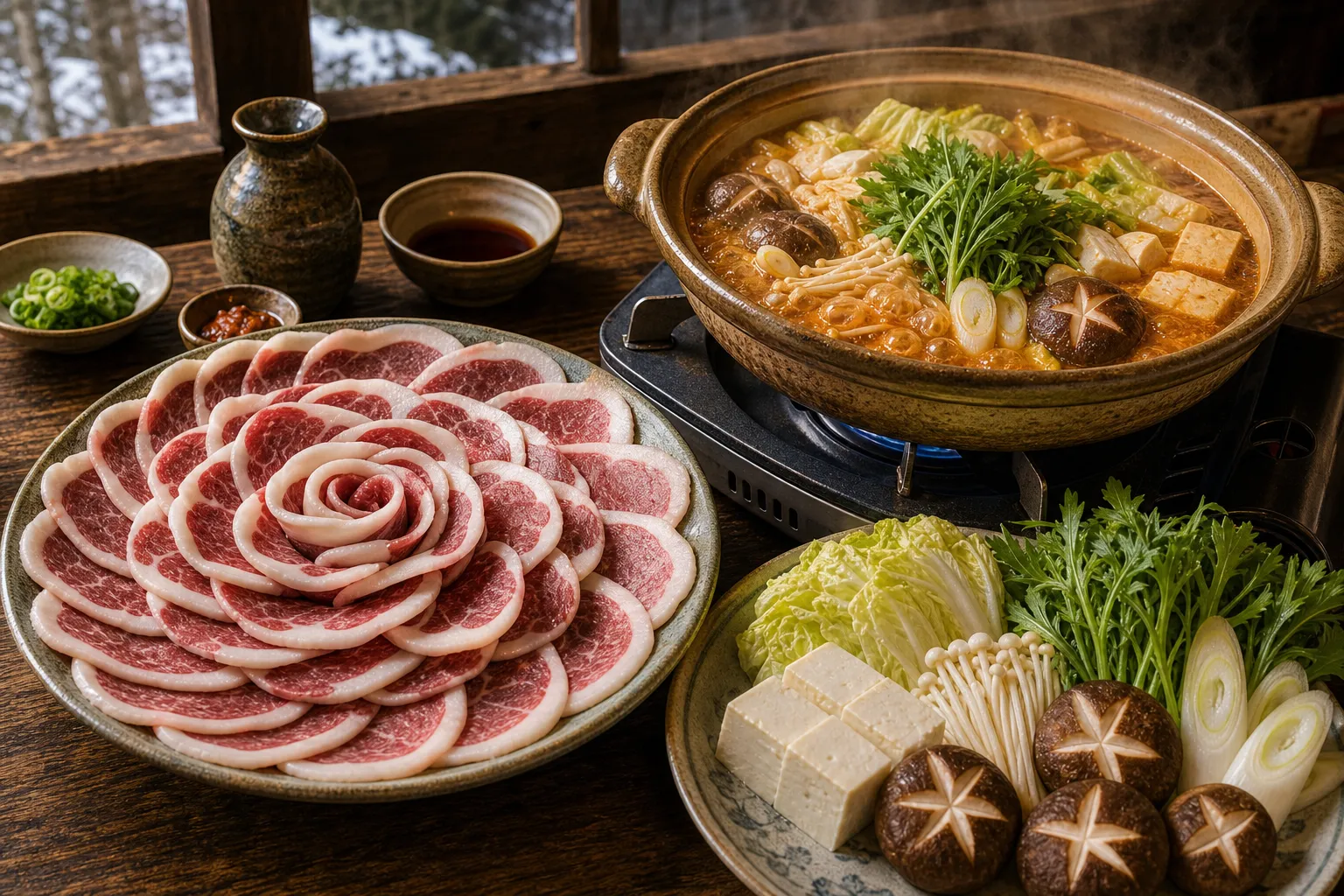
Botan-nabe (牡丹鍋)
Wild boar, sliced so thin and marbled that it's laid out like the petals of a peony flower, then simmered in a sweet-savory miso broth in the mountains of Hyogo — the winter game dish that tastes nothing like you're bracing for.
July 10, 2026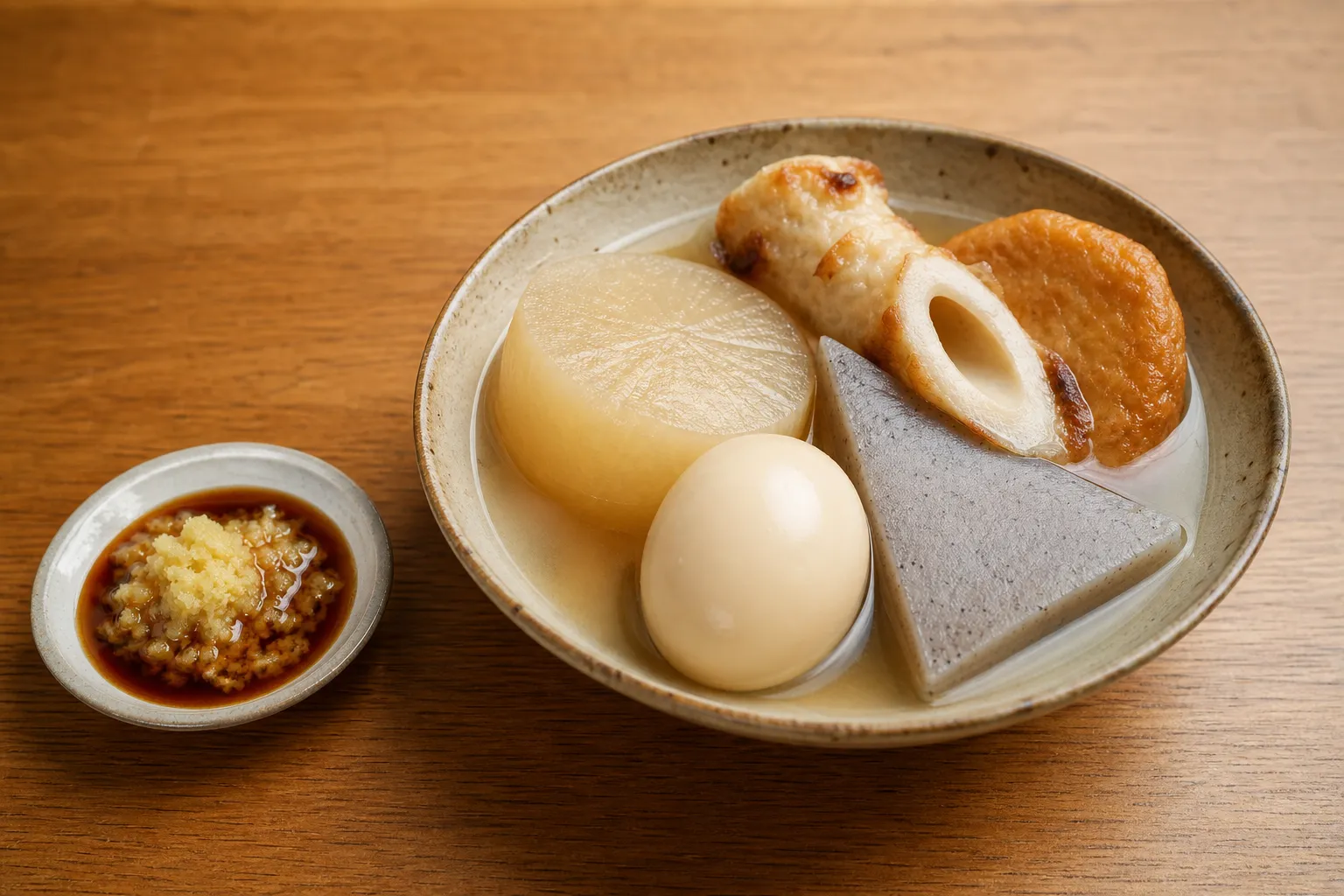
Local FoodHimeji, Hyogo
Himeji Oden (姫路おでん)
I dunked a chunk of daikon into the little dish of ginger soy sauce out of pure curiosity, and it rearranged how I think about oden completely — where has this been all my life?
July 5, 2026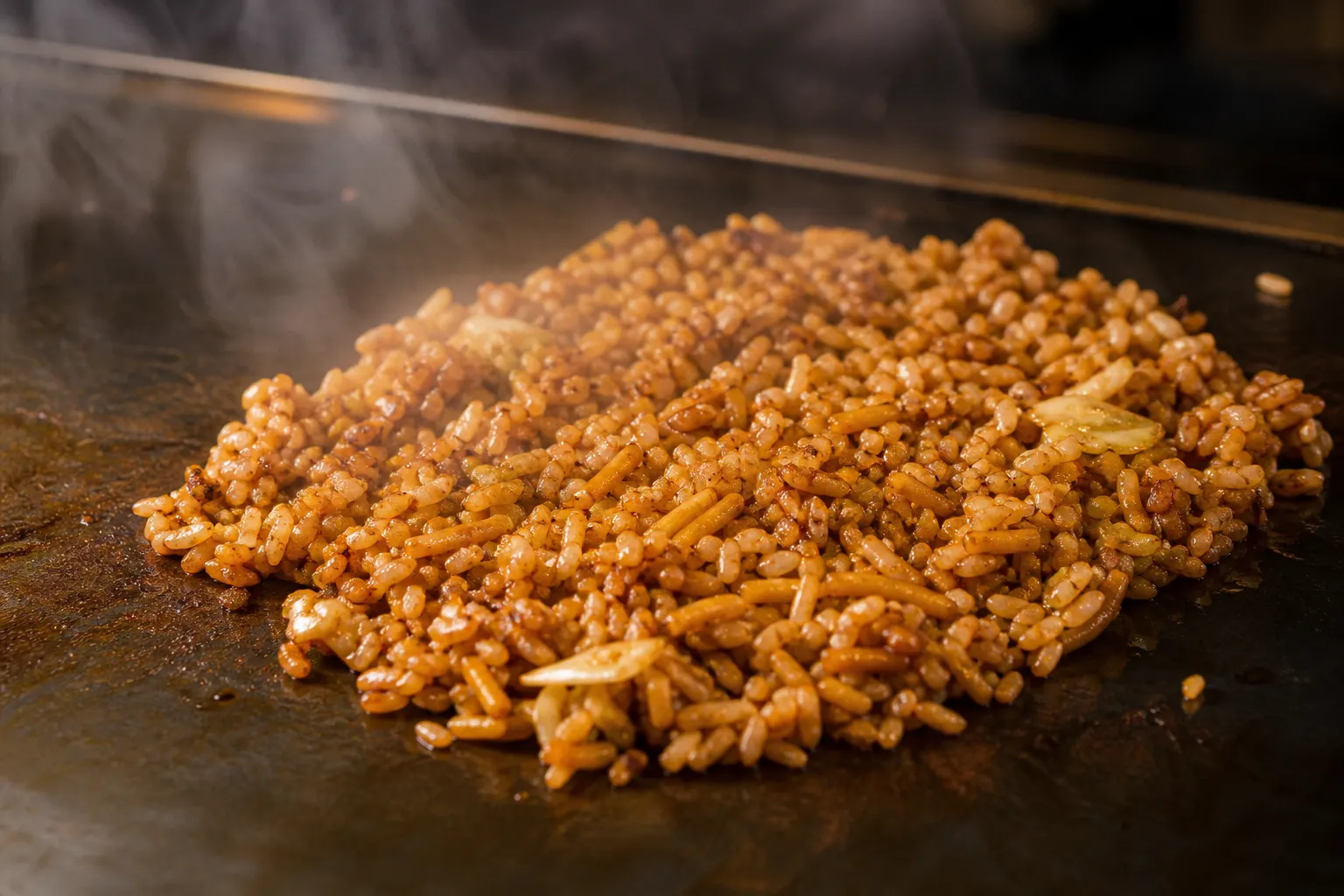
Local FoodKobe, Hyogo
Soba-meshi (そばめし)
Fried noodles and rice, chopped together and griddled into one browned, sauce-soaked, gloriously excessive plate — Kobe invented double carbs and I will defend it forever.
July 5, 2026