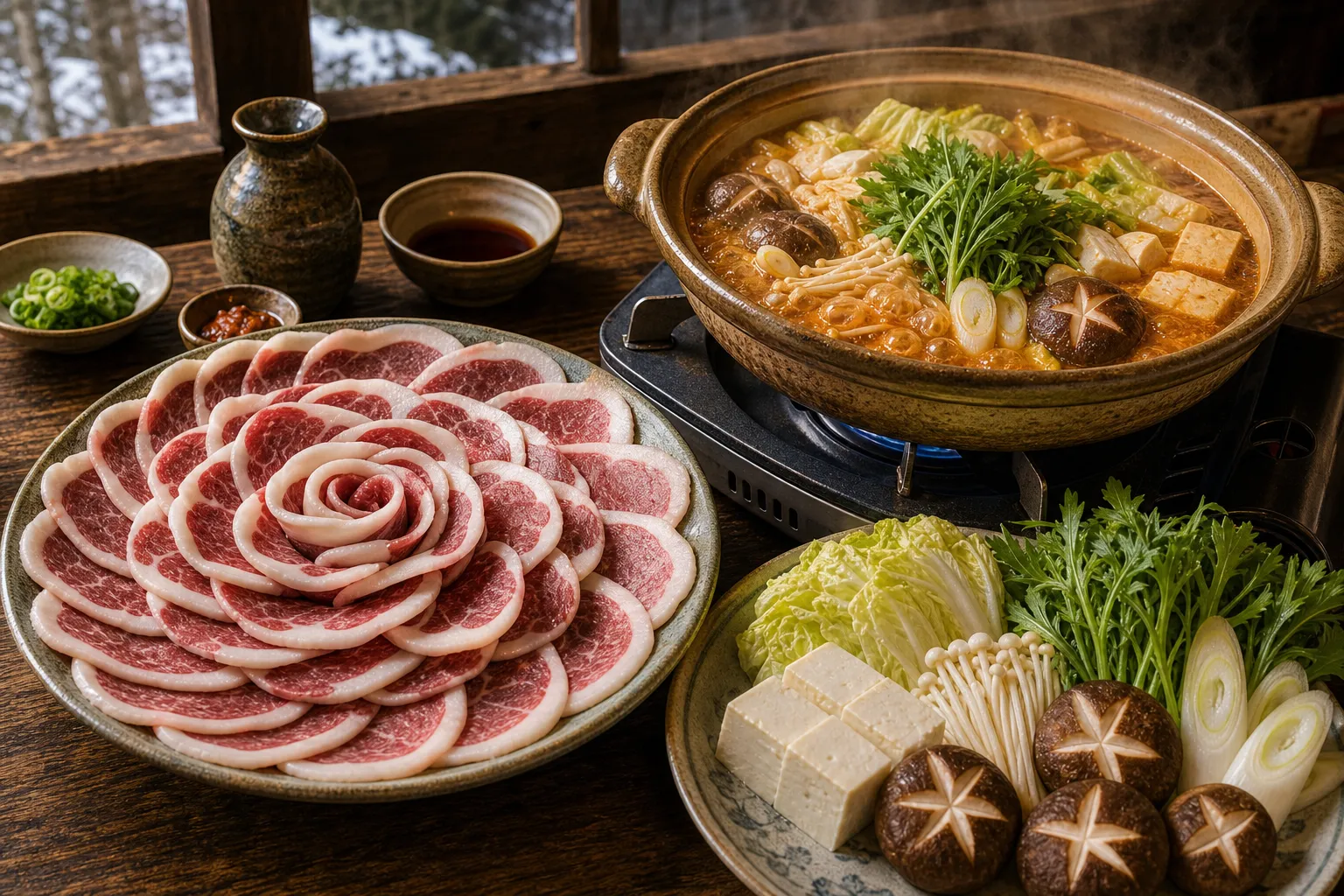
The plate arrives before the pot does, and it stops the conversation: rows of paper-thin meat, streaked white-and-rose with fat, fanned out in overlapping circles like the petals of a flower. It's genuinely beautiful. Then someone says the word "boar" and I watch a first-timer's face do a little flinch — wild boar? in a flower shape? — and I just wait, because I know what's coming. It goes in the miso broth, it comes out, they eat it, and the flinch turns into "…oh. Oh." That's botan-nabe, and it converts skeptics for a living.
Share this dish


Wild boar, sliced so thin and marbled that it's laid out like the petals of a peony flower, then simmered in a sweet-savory miso broth in the mountains of Hyogo — the winter game dish that tastes nothing like you're bracing for.
🍜 Planning a food trip to Hyogo?Add this dish to my Food Trip →
 Add this dish to my Food Trip →
Here's the dish: botan-nabe (牡丹鍋) is a wild boar hot pot from the mountains of Hyogo, and the name means "peony pot" — because the marbled boar slices are arranged on the plate to look like a botan (peony) flower. That meat goes into a rich, sweet-savory miso broth with mountain vegetables, tofu and mushrooms, and simmers at the table. Marbled boar + peony presentation + miso broth: that's what makes it botan-nabe, and not a beef sukiyaki or a clear dashi pot. The heartland is Tamba-Sasayama, and this is deep-winter food — the season when the boar are at their fattest and best.
Why a mountain town built its winter around boar
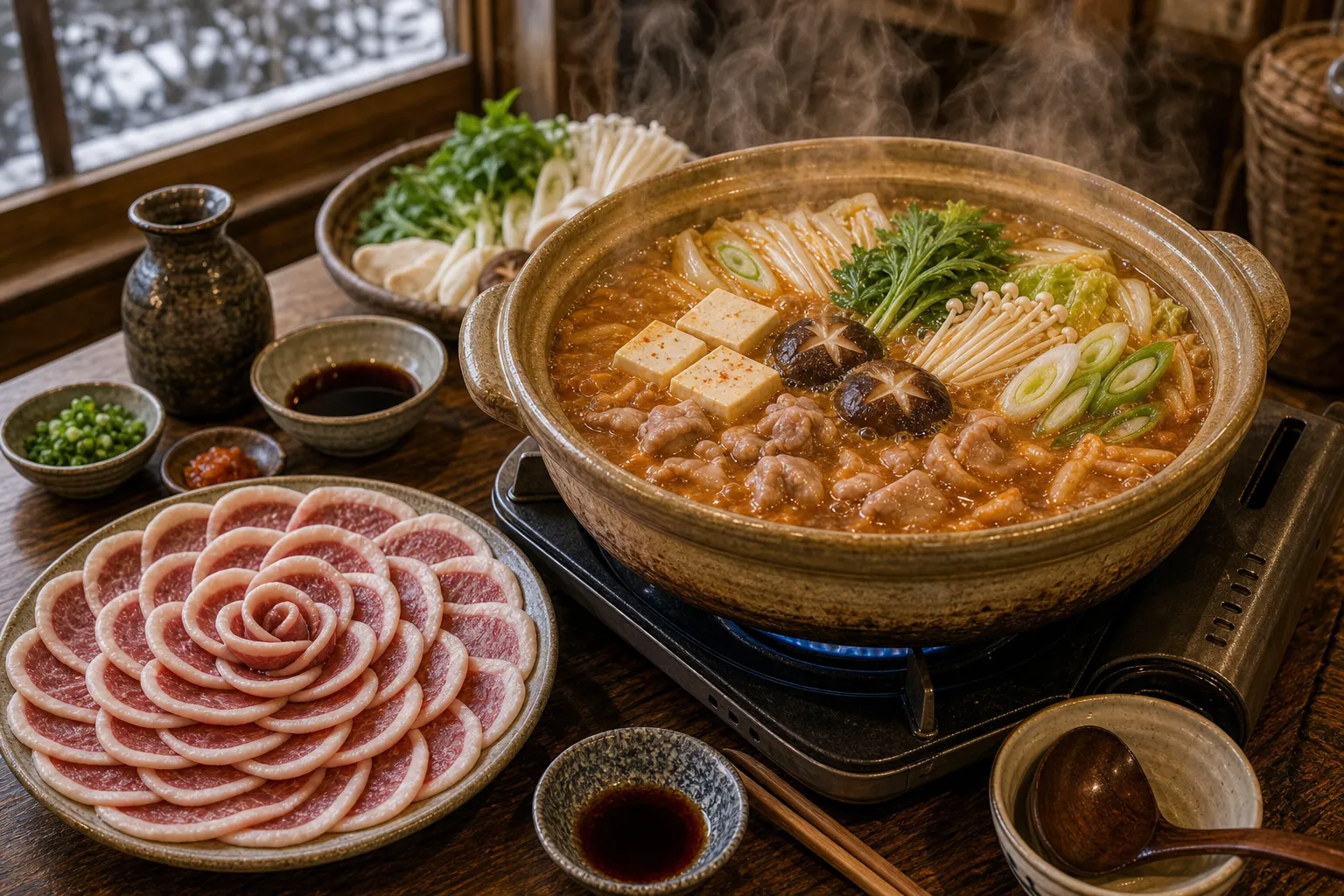
Tamba-Sasayama sits in the mountains inland of Kobe, and like a lot of Japanese mountain country, it has a long relationship with jibie — game. Boar has been eaten here for centuries, in an era when Buddhist rules discouraged eating four-legged animals and people used flower and plant nicknames as a polite workaround — "peony" for boar, "cherry blossom" for horse. I find that history genuinely charming: a whole poetic vocabulary invented so people could enjoy the meat they weren't quite supposed to. The peony name stuck, and so did the dish.
What keeps it alive is the meat itself. Wild boar that's foraged all autumn on the mountainside is lean, deeply flavorful, and — crucially — not the strong, gamey thing outsiders brace for. Done right, it's cleaner and more interesting than pork, with fat that turns silky in the hot miso. This is a dish worth the trip out to the mountains for, and going in winter, to the town it comes from, is the whole point.
What makes the eating experience different
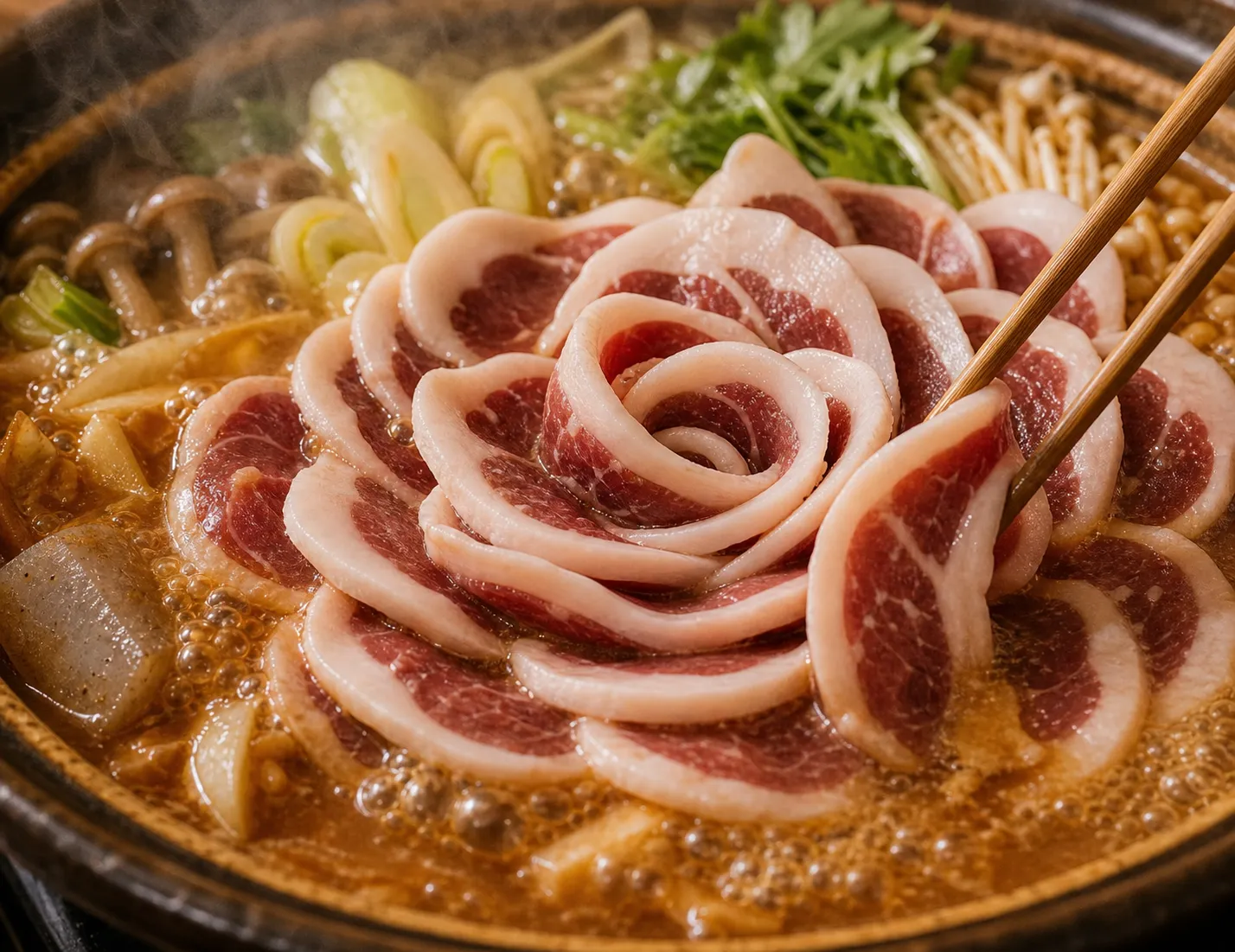
- The boar is sliced paper-thin and marbled, so those white fat lines melt fast in the hot broth and the meat stays tender, never tough
- The broth is a rich, slightly sweet miso — assertive enough to meet the flavor of the game meat and turn it into pure comfort
- Boar fat behaves beautifully in miso: it goes glossy and rich rather than heavy, and it perfumes the whole pot
- Mountain vegetables, mushrooms and tofu soak up that boar-and-miso broth and become deeply savory
- The finish, as ever, is the reward — rice cooked into the leftover broth (zosui), now loaded with boar and miso, is a last bite you'll remember
How it's made
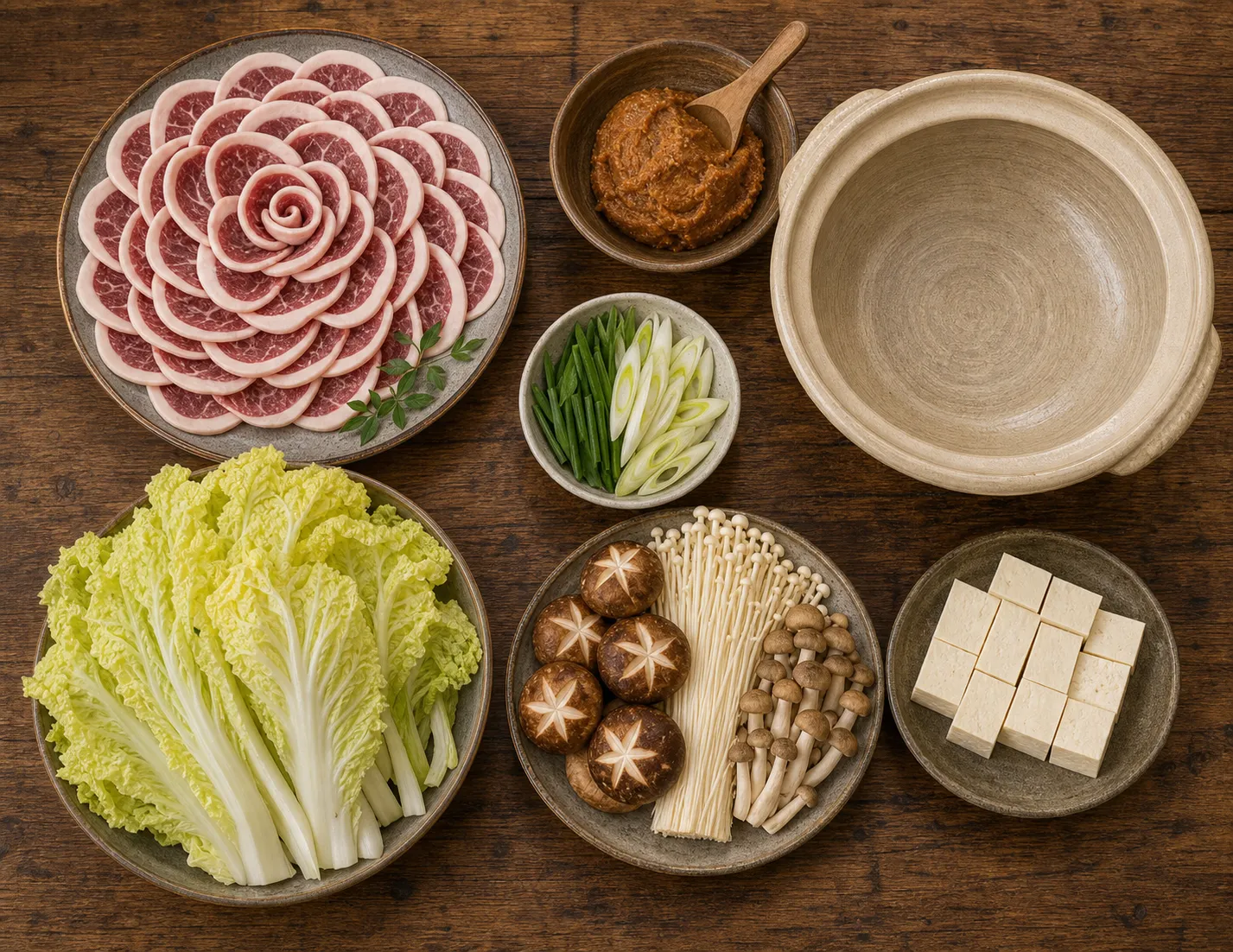
- Slice the boar thin and plate it as a peony. Marbled wild boar is cut into thin slices and arranged in overlapping petals — the signature flower presentation that gives the dish its name.
- Build a miso broth. A rich, gently sweet miso base is prepared in the earthenware pot — assertive on purpose, to stand up to the game meat.
- Add the vegetables. Napa cabbage, mushrooms, tofu and green onion go into the broth to simmer.
- Swish and simmer the boar. The thin slices are cooked in the hot miso broth just until done — quickly, so they stay tender — and eaten as they cook.
- Finish with zosui. Rice simmered into the remaining boar-and-miso broth is the traditional ending. This is not the moment to say you're full.
The peony plating looks like a lot of ceremony for a pot, but there's a practical genius to it: thin, evenly fanned slices cook in seconds and stay tender. It's beautiful and correct.
Before you go — chase it into the mountains, in winter
Your questions, answered honestly
"Will it taste gamey?" — Much less than you fear. Good botan-nabe uses well-handled boar and a bold miso broth built to complement it, and the result is rich and clean rather than aggressively "wild." If you like pork or lamb, you'll almost certainly like this. It's more flavorful than pork, not off-puttingly so.
"When and where can I actually eat it?" — It's a winter dish and a regional one. The classic place is Tamba-Sasayama in Hyogo, where inns and restaurants specialize in boar pots through the cold season. Outside the region and outside winter, it's much harder to find done well, so plan around the season.
"Why is it shaped like a flower?" — Because the marbled slices, fanned out, look like a peony (botan) — and historically "peony" was a poetic code word for boar meat. The plating is both the dish's namesake and a clever way to slice the meat thin enough to cook fast and tender.
"Is it expensive?" — Pricier than an everyday pot, yes — it's seasonal game meat, often eaten as a course at a mountain inn. Think of it as a destination winter meal rather than a casual dinner, and it's very much worth it.
What the staff will ask you
| You'll hear | Romaji | Meaning | Just say |
|---|---|---|---|
| 何名様ですか? | Nan-mei sama desu ka? | "How many people?" | Futari desu (two people) — or hold up fingers |
| お肉のおかわりはいかがですか? | O-niku no okawari wa ikaga desu ka? | "More boar meat?" | Onegaishimasu (yes, please) / Daijōbu desu (we're okay) |
| 〆に雑炊はいかがですか? | Shime ni zōsui wa ikaga desu ka? | "Rice porridge to finish?" | Onegaishimasu (yes, please) |
To order, just say "Botan-nabe o kudasai" (牡丹鍋をください) — "Wild boar hot pot, please."
Where to eat it
- Tamba-Sasayama, Hyogo — the home of botan-nabe; mountain inns and specialist restaurants here serve boar pots through the winter, often as a set course.
- Mountain regions of Hyogo and neighboring prefectures — game-country restaurants and ryokan inland of Kobe and across nearby mountain areas feature boar hot pot as a signature cold-season dish.
- Winter game-food courses at rural inns — if you're staying at a mountain ryokan in the region in winter, a botan-nabe course is often the highlight of the meal.
Botan-nabe is a seasonal, region-focused winter dish, and availability, prices and courses vary by inn and season — confirm they're serving it and consider reserving before you make the trip.
Soul Score
Local Roots5/5
First-Timer Friendly3/5
Adventure Level4/5
Comfort Level4/5
Travel Worthy4/5
These scores are one obsessed eater's gut feeling — not a verdict. A low number isn't a bad mark, just a different kind of adventure.
Know someone planning Japan?
← All Articles
Local Food · Tamba-Sasayama, Hyogo
Still hungry?
Eat more from Hyogo
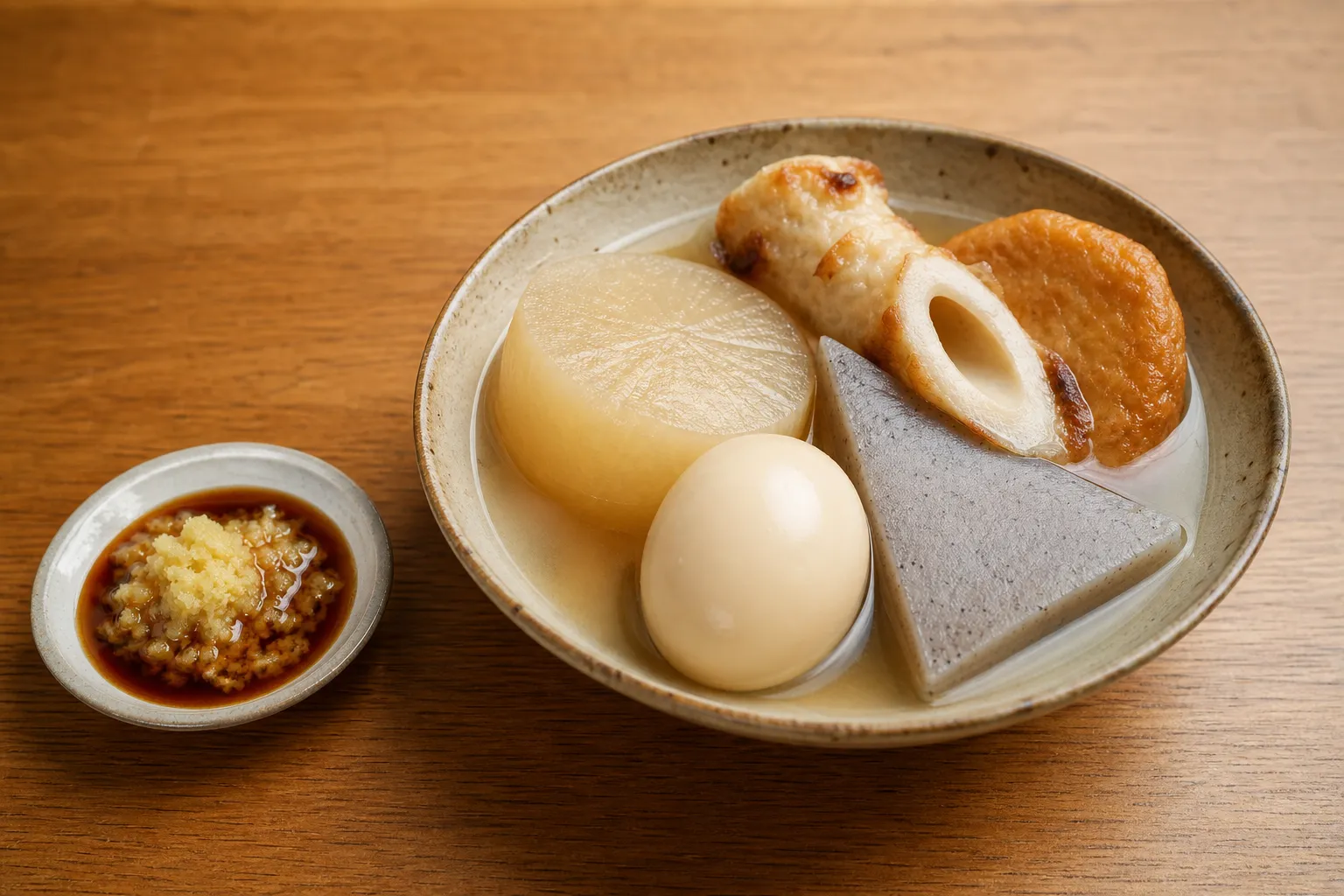
Local FoodHimeji, Hyogo
Himeji Oden (姫路おでん)
I dunked a chunk of daikon into the little dish of ginger soy sauce out of pure curiosity, and it rearranged how I think about oden completely — where has this been all my life?
July 5, 2026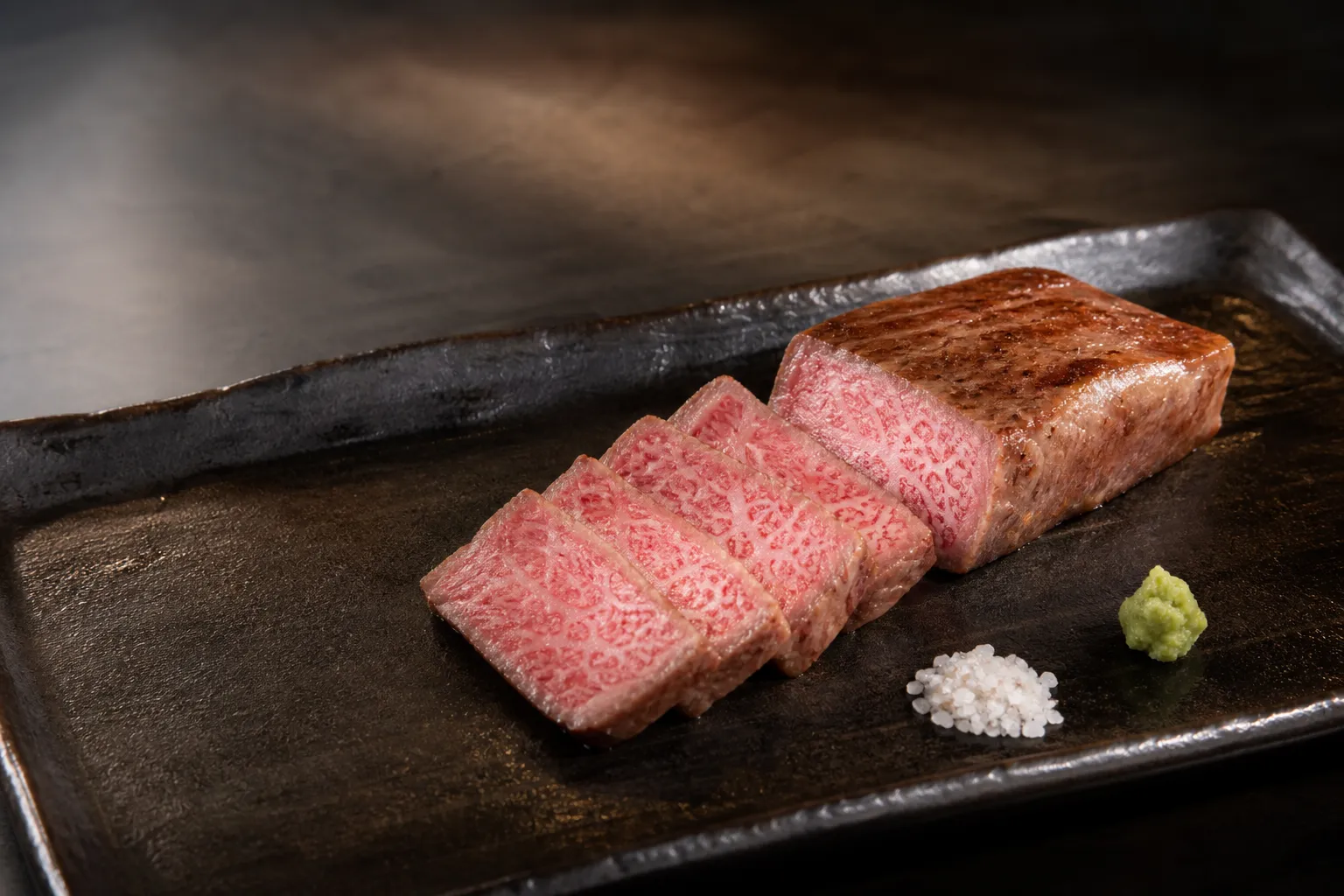
Local FoodKobe, Hyogo
Kobe Beef (神戸牛)
One bite and the fat basically evaporates on your tongue before you've even started chewing — I actually laughed out loud at the table, alone, like an idiot.
July 5, 2026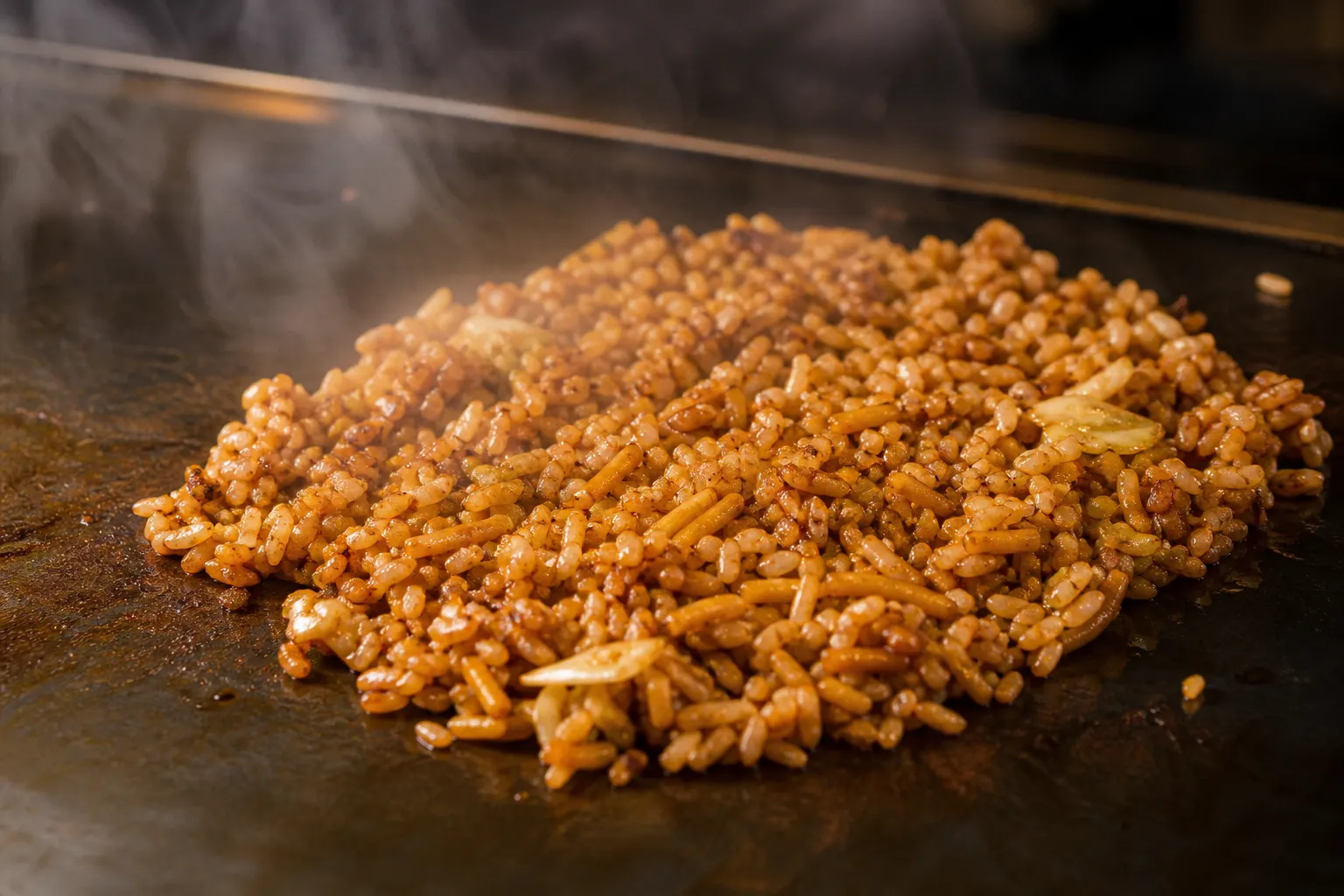
Local FoodKobe, Hyogo
Soba-meshi (そばめし)
Fried noodles and rice, chopped together and griddled into one browned, sauce-soaked, gloriously excessive plate — Kobe invented double carbs and I will defend it forever.
July 5, 2026