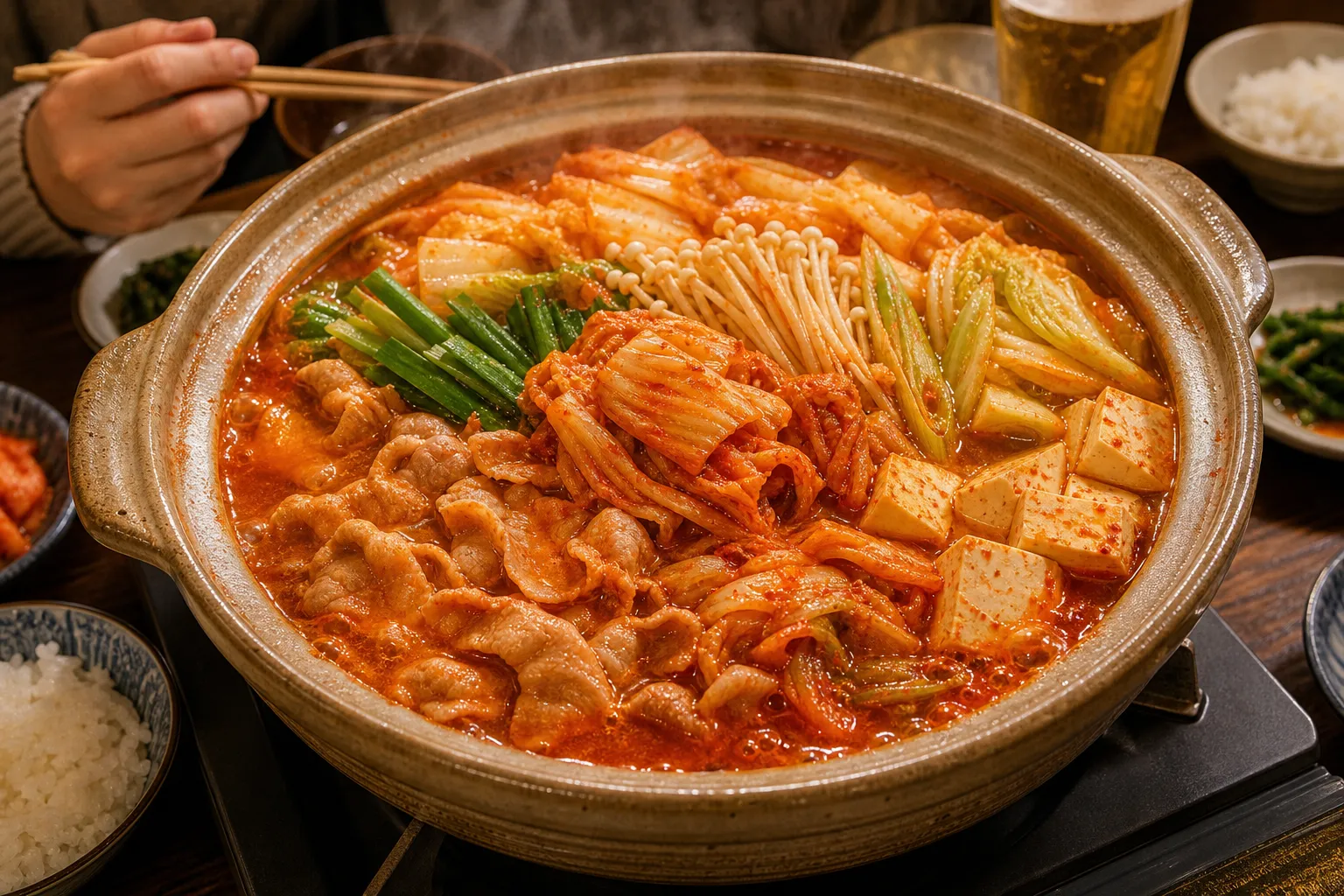
First bite and — okay, that's warm. Second bite and the warmth has spread to my ears. Third bite and I'm sweating slightly, grinning, and already reaching for a fourth, because somewhere between the chili and the pork fat and the sour funk of the kimchi, this pot has flipped a switch in my brain marked "more." Kimchi-nabe doesn't soothe you like other hot pots do. It wakes you up. And on a cold Japanese night, that turns out to be exactly what you want.
Share this dish


The hot pot that fights back — a bubbling red cauldron of kimchi, pork belly and tofu that makes you sweat in the best way, and has quietly become one of the most-eaten winter dinners in Japan.
So here's the build: kimchi-nabe (キムチ鍋) is a hot pot that takes kimchi — the fermented, chili-red Korean cabbage — and makes it the engine of the broth, along with fatty pork belly, tofu, napa cabbage, green onion and mushrooms, all simmered in a spicy, savory, slightly sour base. Kimchi + pork fat + chili-red broth: that trio is what makes it kimchi-nabe and not a clear, gentle yosenabe. It arrived from Korean cooking, got fully adopted, and is now so woven into Japanese winters that most families have a go-to version — often built from a bag of ready-made kimchi-nabe soup base and whatever's in the fridge.
How a borrowed dish became a Japanese winter staple
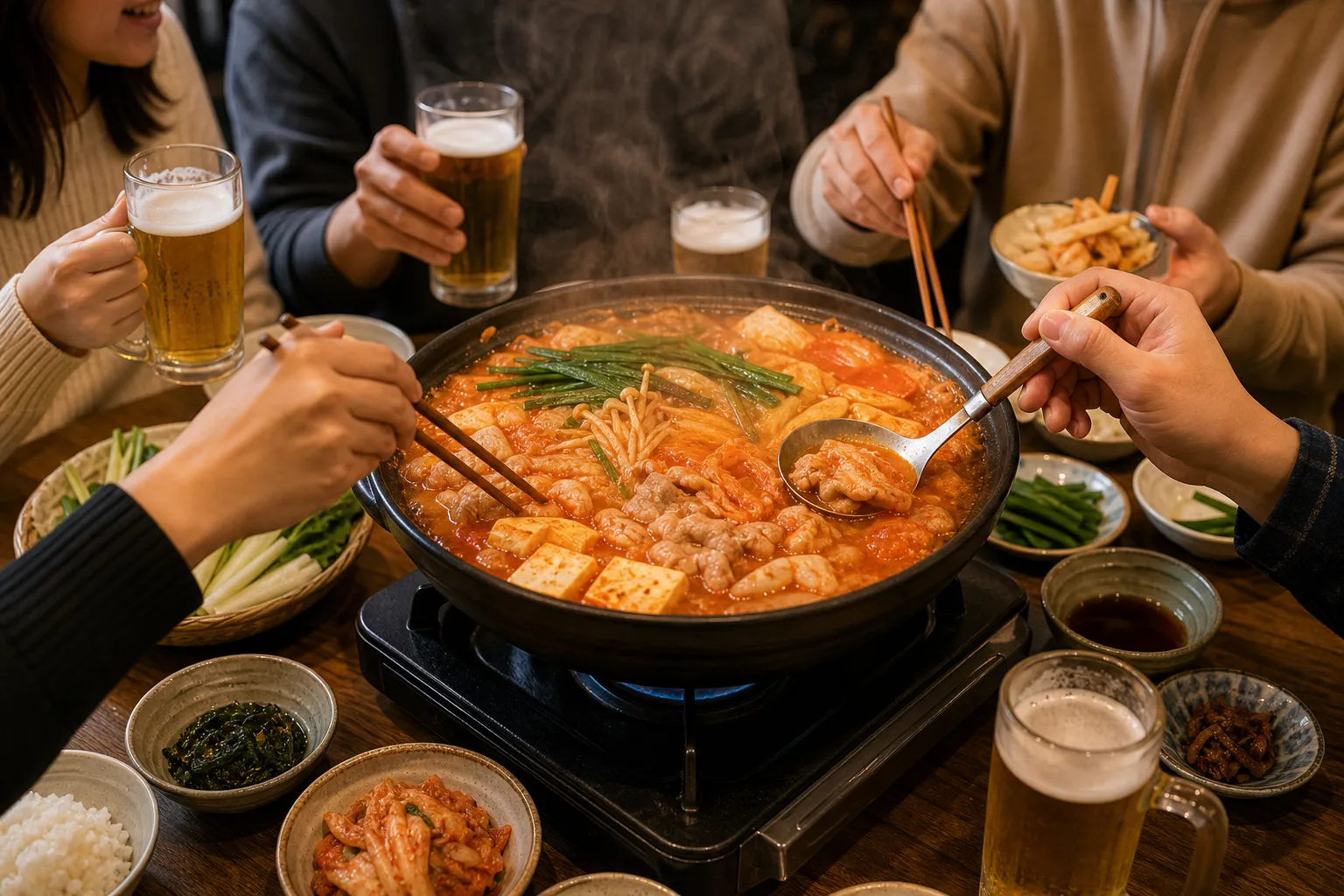
Kimchi-nabe is younger and less "traditional" than the grand regional pots, and I think that's part of its charm — this is a dish that earned its place through sheer popularity. As kimchi became a supermarket staple across Japan, the leap to simmering it into a pot was inevitable, and the result stuck hard. Today, ask a random person in Japan for their favorite home nabe and there's a very good chance the answer is this one.
What I find quietly great about it is how democratic it is. There's no ancient technique, no rare fish, no protected regional name to live up to. It's kimchi, pork, and heat — a pot anyone can make and everyone has an opinion about. Some load it with extra gochujang, some mellow it with a spoon of miso, some crack an egg in at the end. It's comfort food with a pulse, and it belongs to everybody.
What the eating experience is actually like
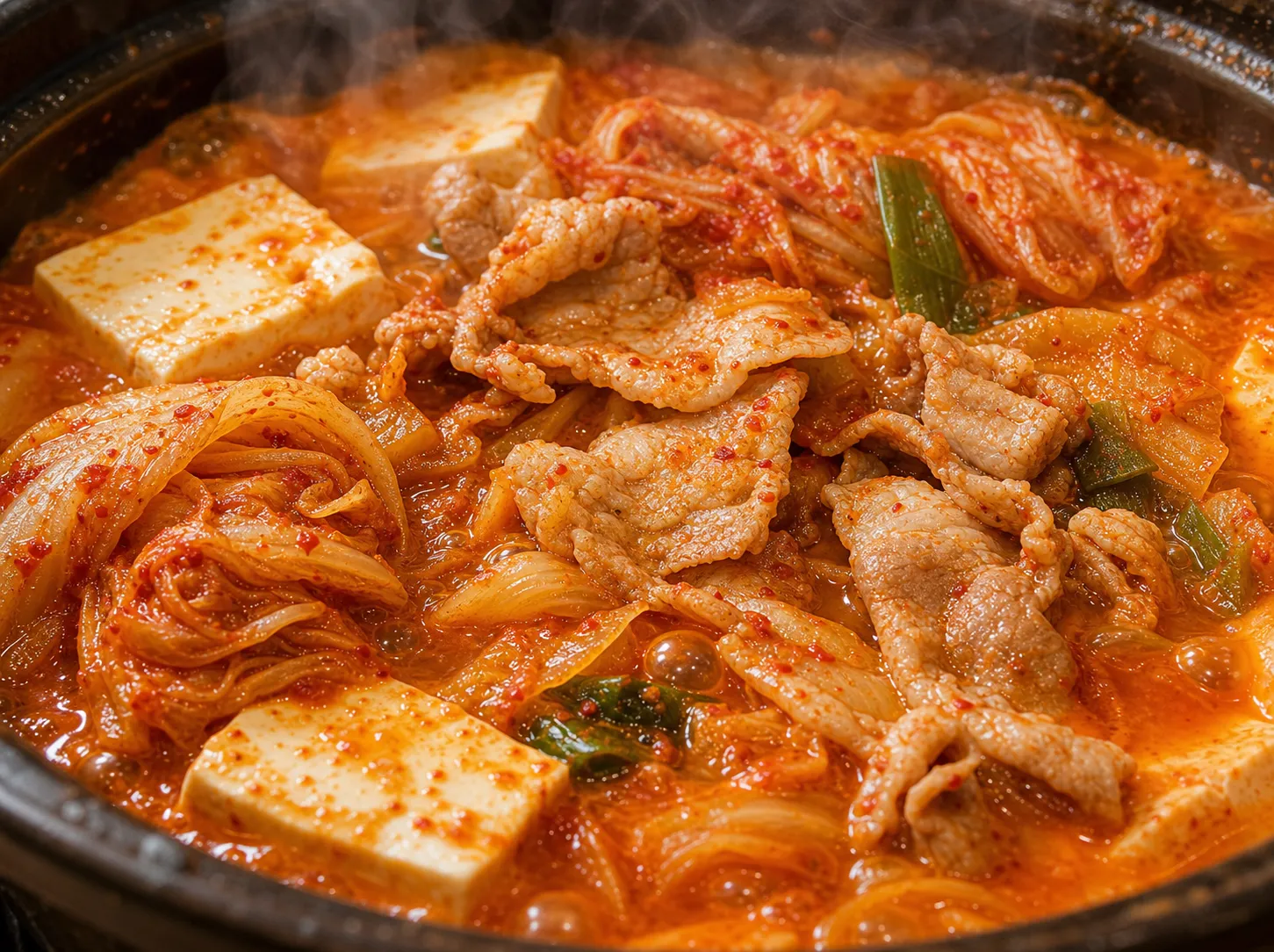
- The broth is spicy but rounded — the chili heat is softened by pork fat and the mellow sourness of fermented kimchi, so it warms rather than just burns
- Fatty pork belly slices go silky and rich in the hot broth — this is where a lot of the depth comes from
- Tofu and napa cabbage soak up all that red, savory liquid and become the sneaky-best bites
- It builds heat gradually across the meal, so you sweat, slow down, and keep going anyway
- The finish is non-negotiable: ramen or udon dropped into the leftover kimchi-pork broth is one of the great last bites in Japanese eating — spicy, fatty, deeply savory
How it's made
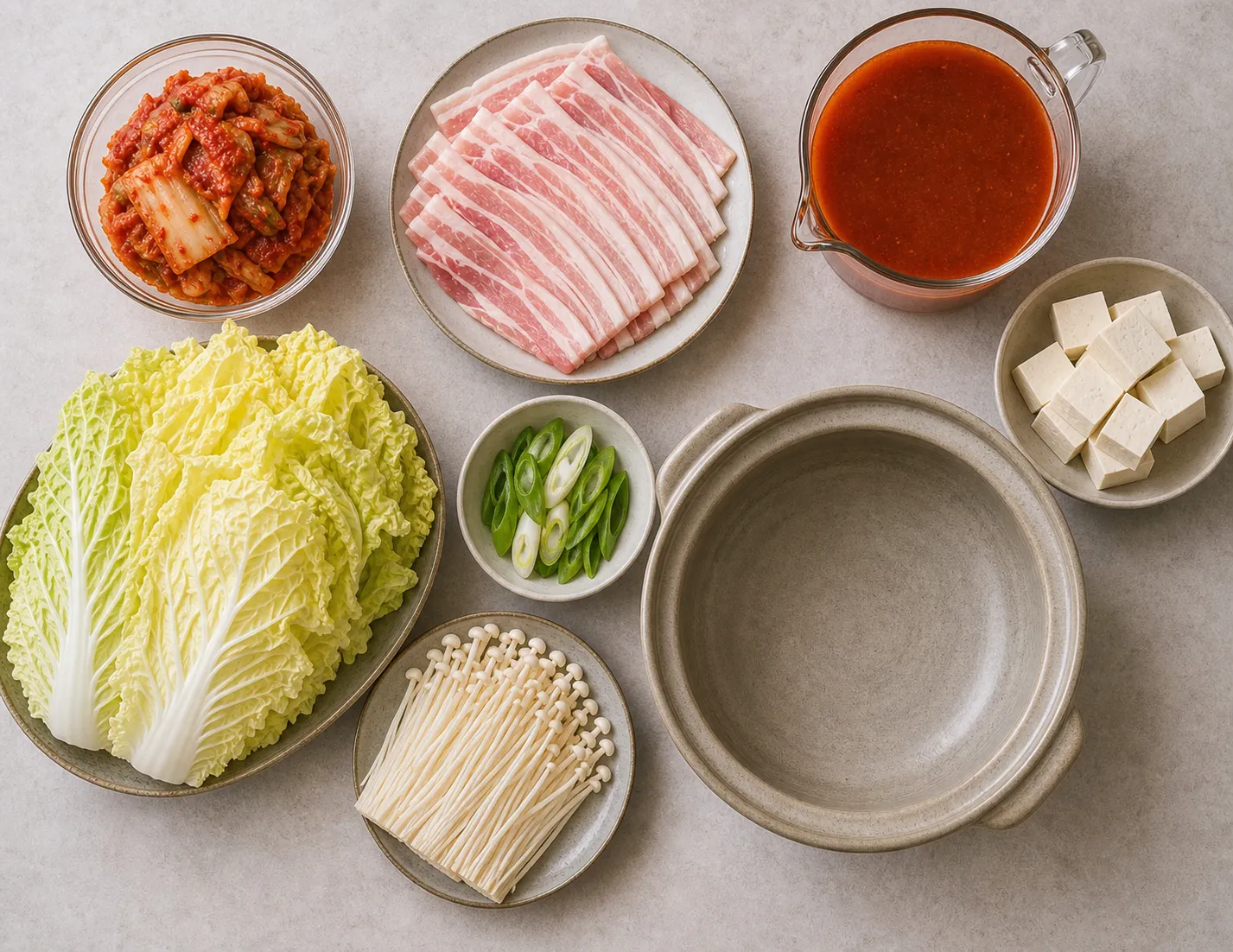
Half of Japan makes this from a store-bought soup base, and honestly it's excellent that way — but here's the shape of it:
- Start the spicy base. Build a broth from kimchi and its juices, plus dashi or a soup base, usually rounded out with miso and/or gochujang. This is where you dial the heat.
- Render the pork. Add thin slices of fatty pork belly — as they cook, their fat enriches the whole broth.
- Pile in the vegetables and tofu. Napa cabbage, green onion, mushrooms (enoki, shiitake) and cubes of tofu go in and soak up the red broth.
- Simmer at the table and eat as you go. Fish out pieces as they're ready; the broth deepens and gets spicier the longer it goes.
- Finish with ramen or udon. Drop noodles into the remaining broth for the shime. This is the best part. Do not let the pot leave the table before you do it.
I once watched a friend refuse the noodle finish because they were "full." We are no longer friends. (We are. But I still think about it.)
Before you go — how hot is hot?
Your questions, answered honestly
"How spicy is it, really?" — Warmly spicy, usually — more sweat-on-the-brow than tears-in-the-eyes. But heat varies a lot by shop and by recipe. If you're spice-cautious, ask "Karakunai desu ka?" ("Is it spicy?") and mention you'd like it mild. If you love heat, you can almost always get it bumped up.
"Is this Japanese or Korean?" — Both, in a way. The kimchi and chili DNA are Korean, but kimchi-nabe as eaten in Japan has become a fully naturalized Japanese home-and-izakaya dish, often built on Japanese dashi and miso. Don't overthink it — it's delicious and it's everywhere.
"Can I order it alone?" — Sometimes. Like most nabe it's often a two-person-minimum pot at izakaya, but single-portion kimchi nabe sets and lunch versions do exist, especially at casual chains. Ask, or look for a solo nabe teishoku.
"What's the finish everyone talks about?" — The shime: noodles cooked into the leftover broth. Ask for ramen or udon at the end. After pork and kimchi have simmered in that pot, the broth is liquid gold, and turning it into a bowl of spicy noodles is the traditional, glorious finale.
What the staff will ask you
| You'll hear | Romaji | Meaning | Just say |
|---|---|---|---|
| 辛さは大丈夫ですか? | Karasa wa daijōbu desu ka? | "Is the spice level okay?" | Daijōbu desu (fine) — or Chotto amakuchi de (a bit milder, please) |
| お肉は豚でよろしいですか? | O-niku wa buta de yoroshii desu ka? | "Pork is okay for the meat?" | Hai, onegaishimasu (yes, please) |
| 〆はラーメンとうどん、どちらにしますか? | Shime wa rāmen to udon, dochira ni shimasu ka? | "Ramen or udon to finish?" | Rāmen de / Udon de (ramen / udon, please) |
To order, just say "Kimchi-nabe o kudasai" (キムチ鍋をください) — "Kimchi hot pot, please."
Where to eat it
- Izakaya nationwide, in winter — kimchi-nabe is a fixture on cold-season pub menus across Japan; look for キムチ鍋 among the nabe options.
- Korean and Japanese-Korean restaurants — spots serving Korean-style food will often have a particularly punchy version alongside sundubu and other jjigae.
- Convenience stores and supermarkets — in winter you'll find single-serve kimchi-nabe cups and bagged soup bases everywhere, which is how a huge share of Japan eats it at home.
Spice levels, portions and prices vary widely by shop, and it's mostly a cold-weather dish — check the menu and ask about heat before you order.
Soul Score
Local Roots3/5
First-Timer Friendly4/5
Adventure Level3/5
Comfort Level5/5
Travel Worthy3/5
These scores are one obsessed eater's gut feeling — not a verdict. A low number isn't a bad mark, just a different kind of adventure.
Know someone planning Japan?
← All Articles
Japanese Food · Nationwide
Still hungry?
You might also like
Japanese FoodNationwide
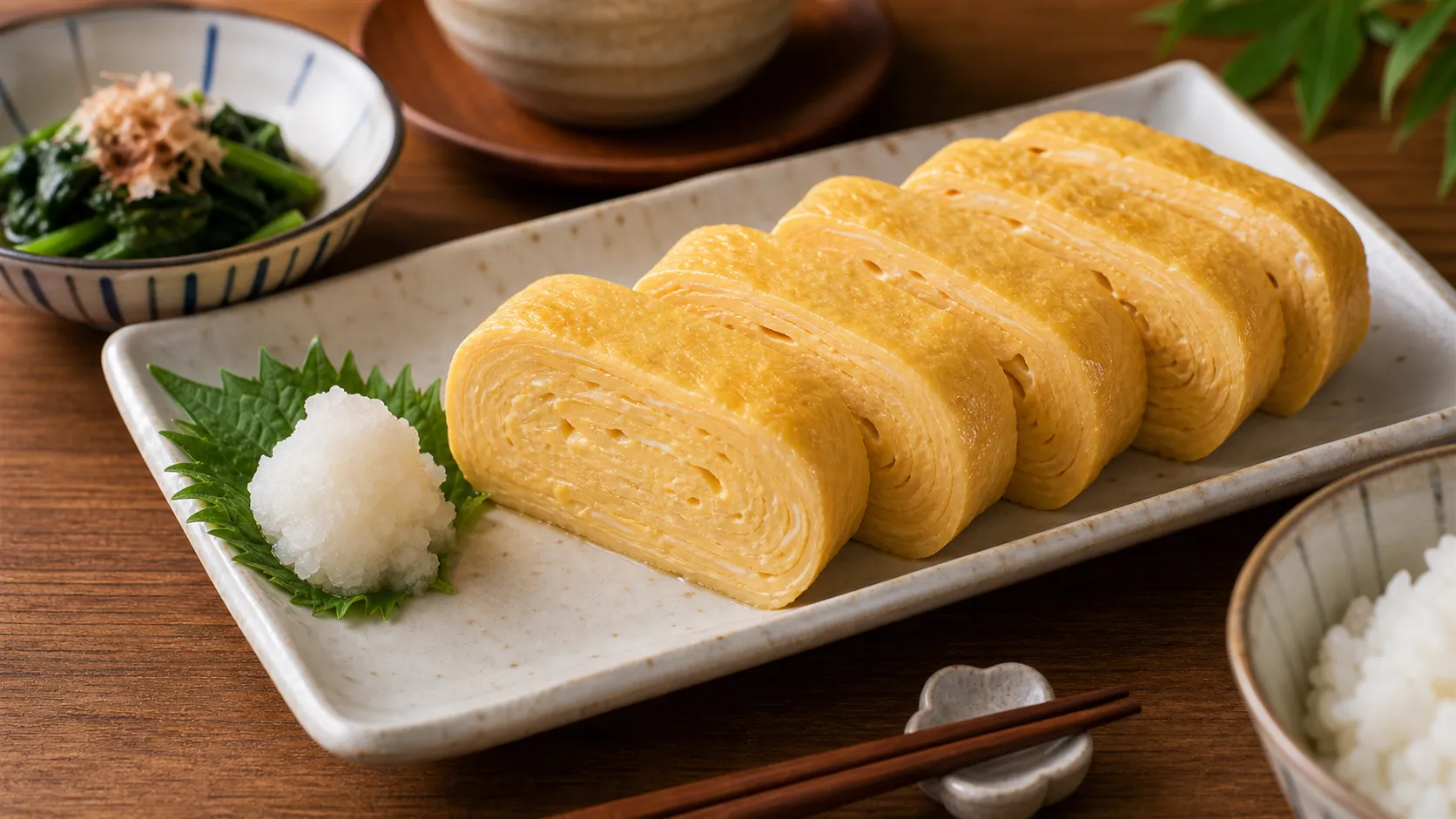
Dashimaki-tamago (だし巻き卵)
A rolled omelette so soft it almost trembles, layered fold over fold and soaked with dashi so that biting in releases a little warm rush of savory broth — the deceptively simple egg dish that Japanese chefs spend years perfecting.
July 11, 2026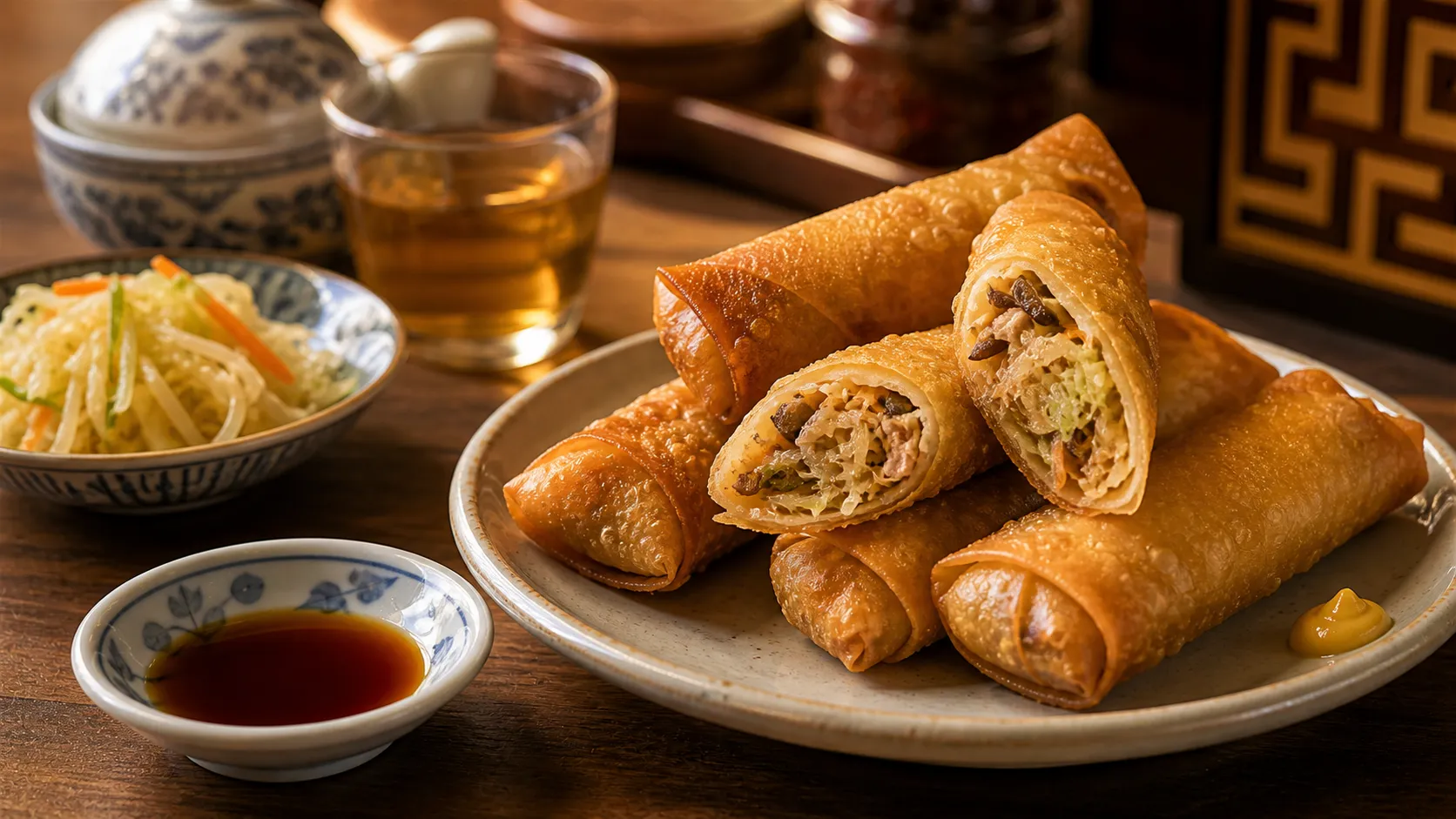
Japanese FoodNationwide
Harumaki (春巻き)
The Japanese spring roll — a shatteringly crisp golden tube that gives way to a hot, savory tangle of pork, cabbage and bamboo shoot, best eaten the second it's cool enough not to burn your mouth (you will not wait that long).
July 11, 2026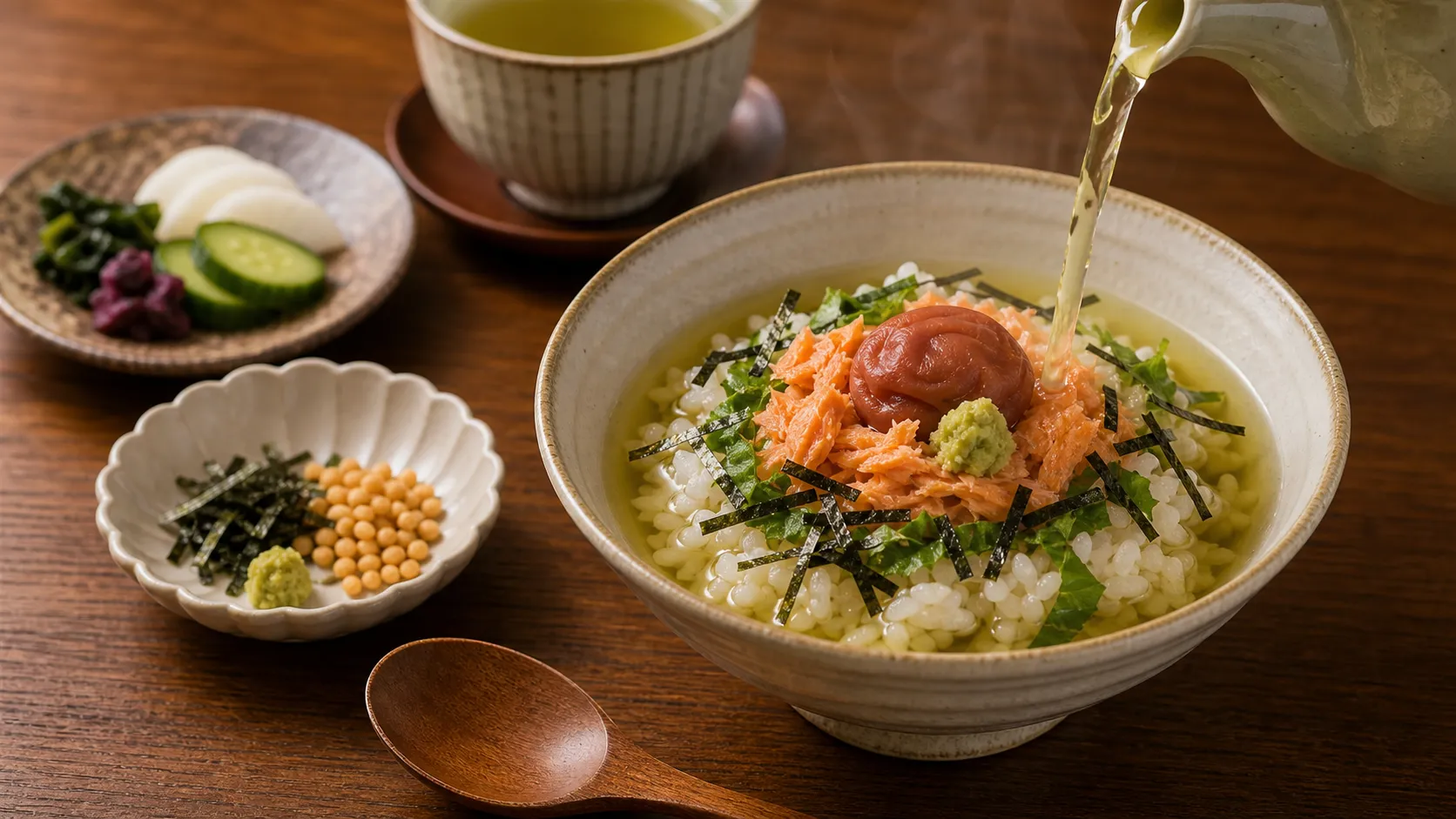
Japanese FoodNationwide
Ochazuke (お茶漬け)
Pour hot green tea or dashi over a bowl of rice, scatter something savory on top, and eat — the gentlest, most quietly restorative dish in Japan, the one you reach for late at night when you just need a warm bowl to make everything okay.
July 11, 2026