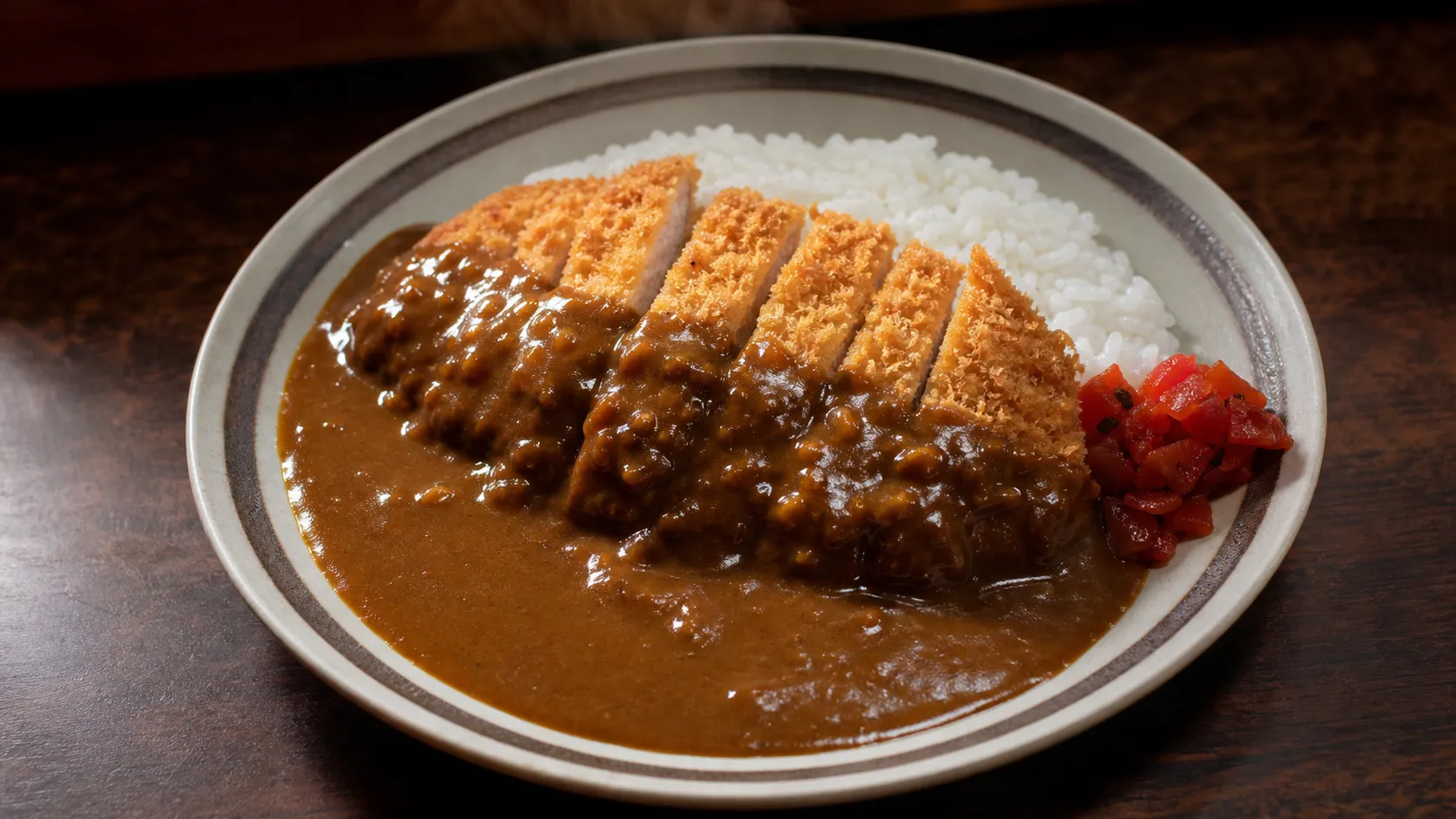
Some genius once looked at a plate of Japanese curry rice and a crispy tonkatsu and thought: why choose? Thus katsu curry — a golden, breaded pork cutlet laid over a bed of rice and buried in thick, savory-sweet Japanese curry. The crunch of the cutlet against the silky curry, the sauce soaking into the crust and the rice, the sheer heft of it — this is comfort food operating at maximum power. It is, for many of us, the single most satisfying cheap lunch in Japan.
Share this dish


A crispy pork cutlet sitting on rice, drowned in thick, glossy Japanese curry. Two comfort-food titans on one plate — and the single most satisfying ¥1000 lunch in the country.
Japanese curry isn't the spicy curry of India or Thailand — it's thick, glossy, mildly sweet, and deeply savory, more like a rich stew. Pair it with a fried cutlet and you've got a dish that's gone global (London's queues for katsu curry are legendary) but is still best at its source.
Two imports that became one icon
Curry came to Japan via the British (who got it from India) in the Meiji era, and the Japanese navy adopted it as a hearty, easy-to-mass-cook meal — which is why curry rice became a national staple. Tonkatsu, the breaded fried pork cutlet, evolved around the same yoshoku boom. Putting the two together was inevitable, and katsu curry became a beloved fixture of curry houses, diners, and home tables.
Today it's everywhere — from the famous chain CoCo Ichibanya (where you customize spice level and toppings) to specialist curry shops and home kitchens using boxed curry roux.
Why it's more than the sum of its parts
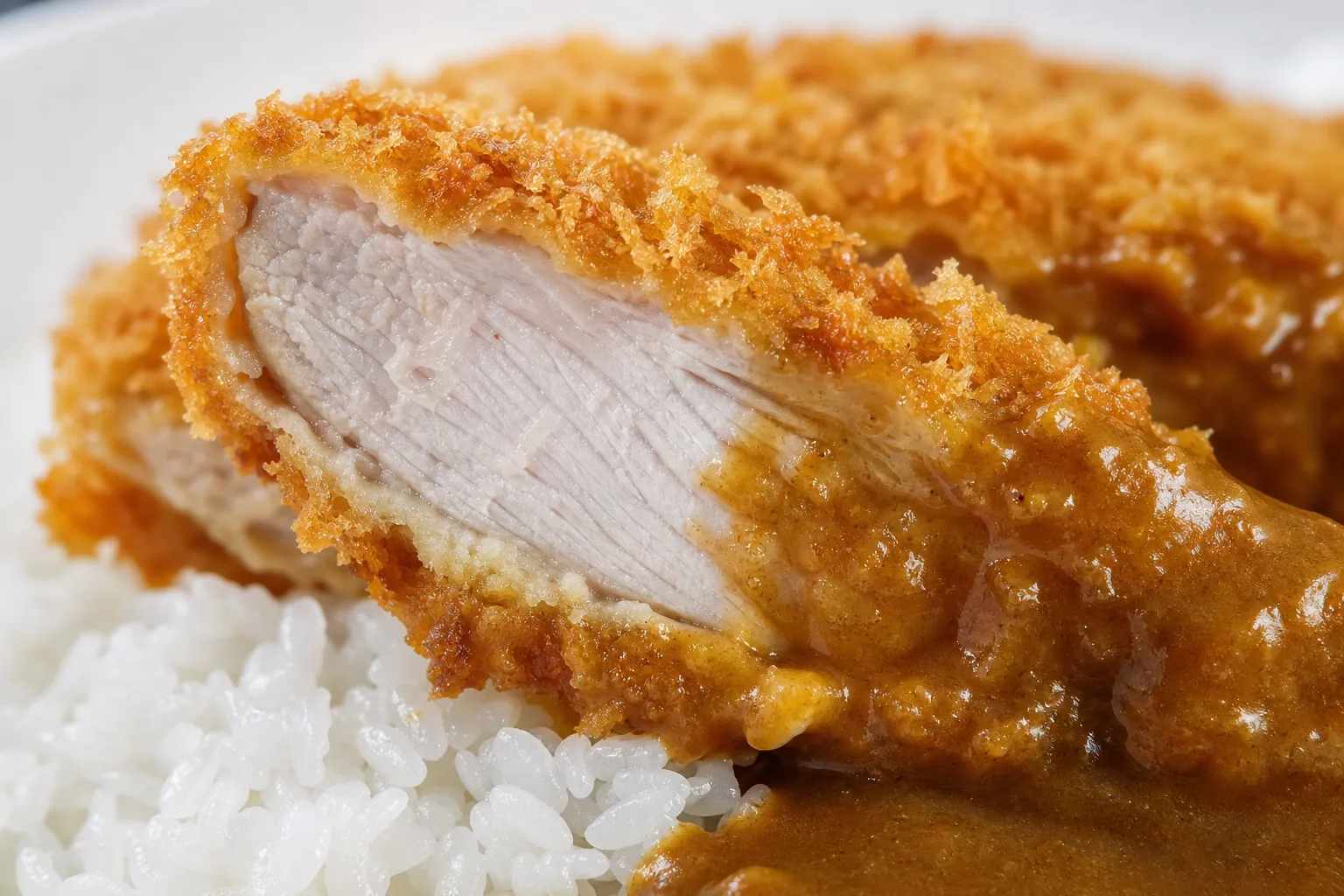
The contrast is the whole magic: a crispy, juicy cutlet against thick, glossy, mild-sweet curry. The curry sauce seeps into the panko crust, softening it just enough, while the cutlet adds crunch and protein heft the curry alone lacks. Underneath, the rice drinks up the sauce.
Japanese curry's flavor is built from a roux of flour, fat, and curry spices, simmered with onion, carrot, and potato until thick and rounded — savory, faintly fruity-sweet, and gentle on the heat. It's a hug in stew form, and the cutlet makes it a feast.
How it's made
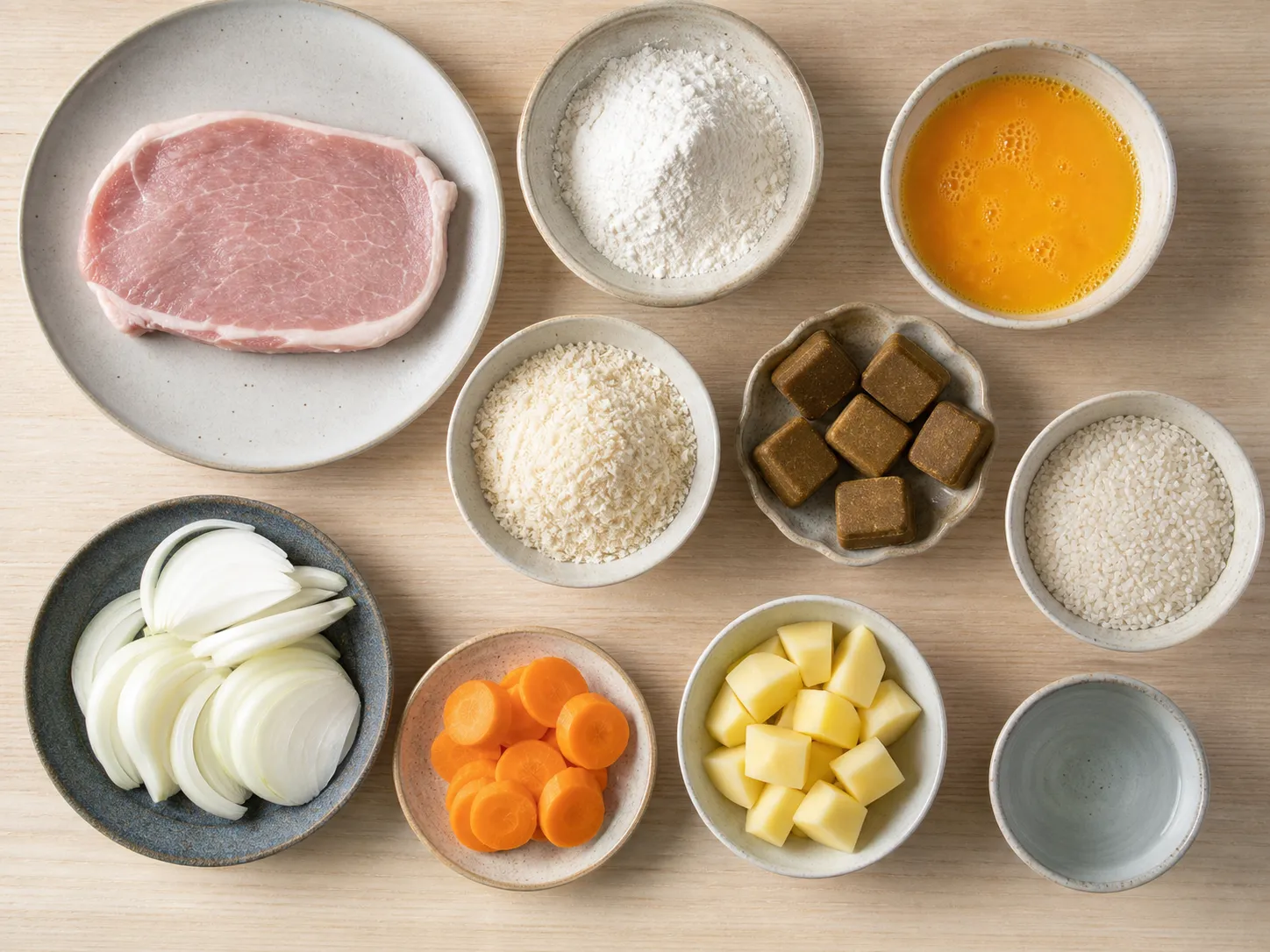
- Make Japanese curry: brown onion, carrot, and potato, add water, then melt in curry roux and simmer until thick
- Fry a breaded pork cutlet (tonkatsu) until golden and crisp
- Plate a bed of hot rice
- Lay the sliced cutlet alongside or over the rice
- Ladle the thick curry generously over the rice and cutlet (often leaving the crust partly exposed for crunch)
Before you go — customize your plate
Your questions, answered honestly
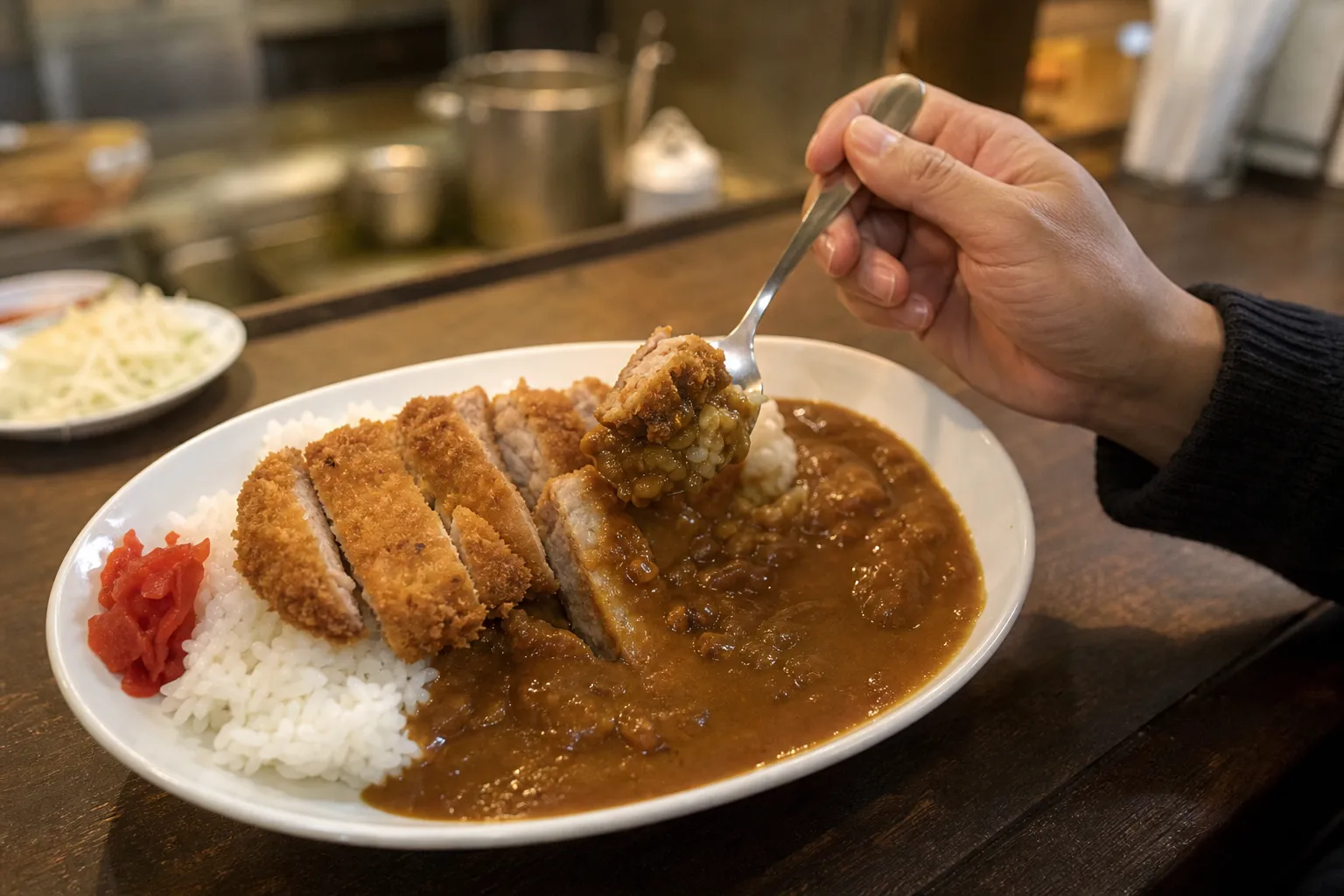
"Is Japanese curry spicy?" — Usually mild and sweet by default. At chains like CoCo Ichibanya you pick your spice level (and rice amount, and toppings) — start mild if unsure; the higher levels get serious.
"Pork or chicken katsu?" — Pork (tonkatsu) is the classic; chicken katsu is common too and often a bit lighter. Both work beautifully with curry.
"How do I keep the crust crispy?" — Many shops plate the cutlet so part of it stays out of the sauce. Eat that crunchy edge first, then let the rest soak. No wrong way.
"Why is it so popular abroad?" — Its mild, comforting, customizable nature travels well — katsu curry became a UK fast-casual phenomenon. But the original Japanese version is richer and worth seeking out.
What the staff will ask you
| You'll hear | Romaji | Meaning | Just say |
|---|---|---|---|
| 辛さはどうしますか? | Karasa wa dō shimasu ka? | "What spice level?" | Futsū de (normal) / Amakuchi (mild) |
| ご飯の量は? | Gohan no ryō wa? | "How much rice?" | Futsū de (normal) |
| トッピングは? | Toppingu wa? | "Any toppings?" | Sono mama de (as is) / Chīzu (cheese) |
To order, just say "Katsu karē kudasai" (カツカレーください) — "pork cutlet curry, please."
Where to eat it
- CoCo Ichibanya — the nationwide curry chain; fully customizable spice, rice, and toppings. The easy starting point.
- Curry specialists & yoshoku diners — for a richer, slow-simmered house curry.
- Soba/diner menus — katsu curry turns up almost everywhere as a hearty lunch.
A guaranteed-win lunch — go hungry, and don't be shy about the rice portion.
Soul Score
Local Roots3/5
First-Timer Friendly5/5
Adventure Level3/5
Comfort Level5/5
Travel Worthy3/5
These scores are one obsessed eater's gut feeling — not a verdict. A low number isn't a bad mark, just a different kind of adventure.
Know someone planning Japan?
← All Articles
Japanese Food · Nationwide
Still hungry?
You might also like
Japanese FoodNationwide
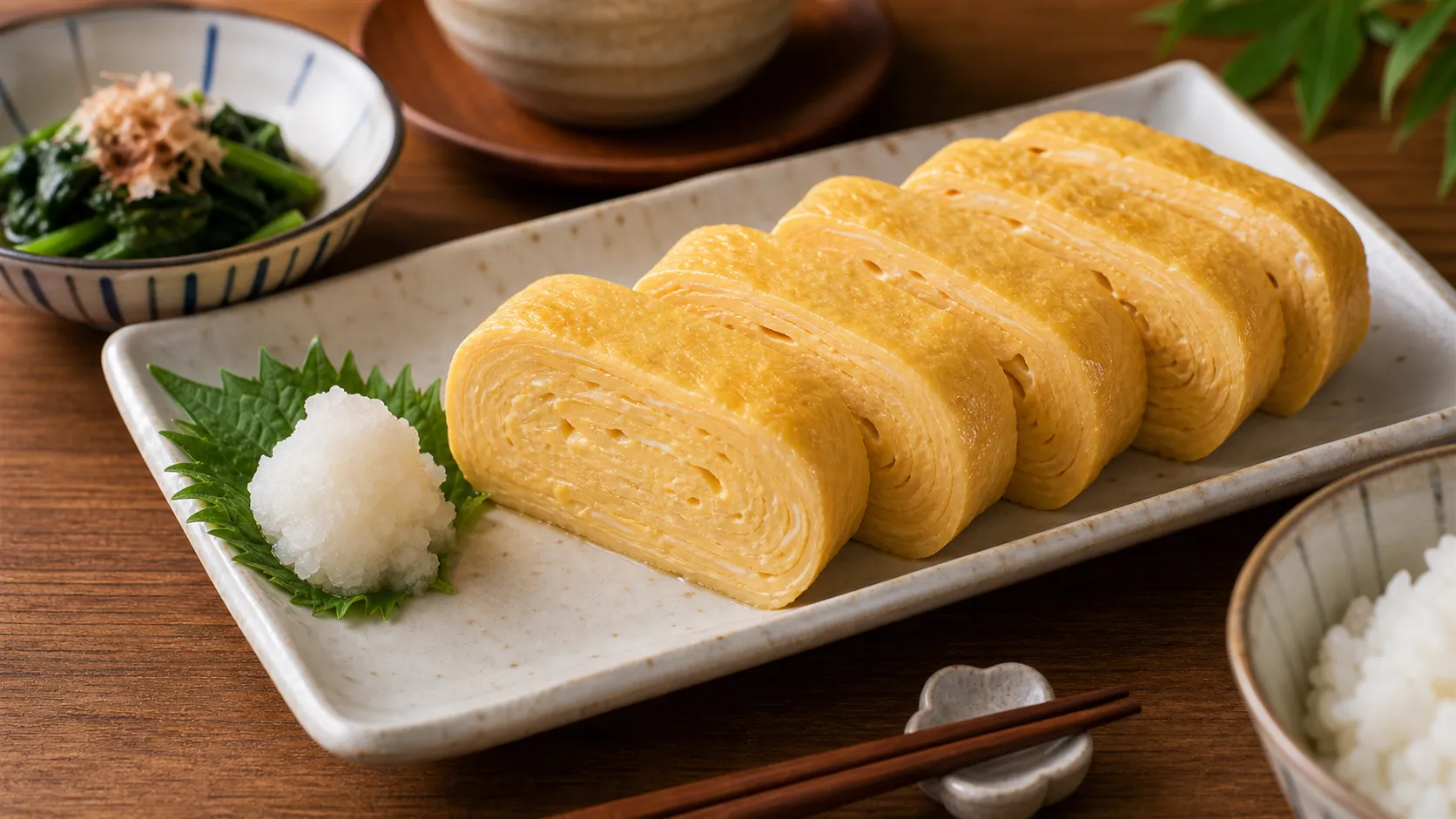
Dashimaki-tamago (だし巻き卵)
A rolled omelette so soft it almost trembles, layered fold over fold and soaked with dashi so that biting in releases a little warm rush of savory broth — the deceptively simple egg dish that Japanese chefs spend years perfecting.
July 11, 2026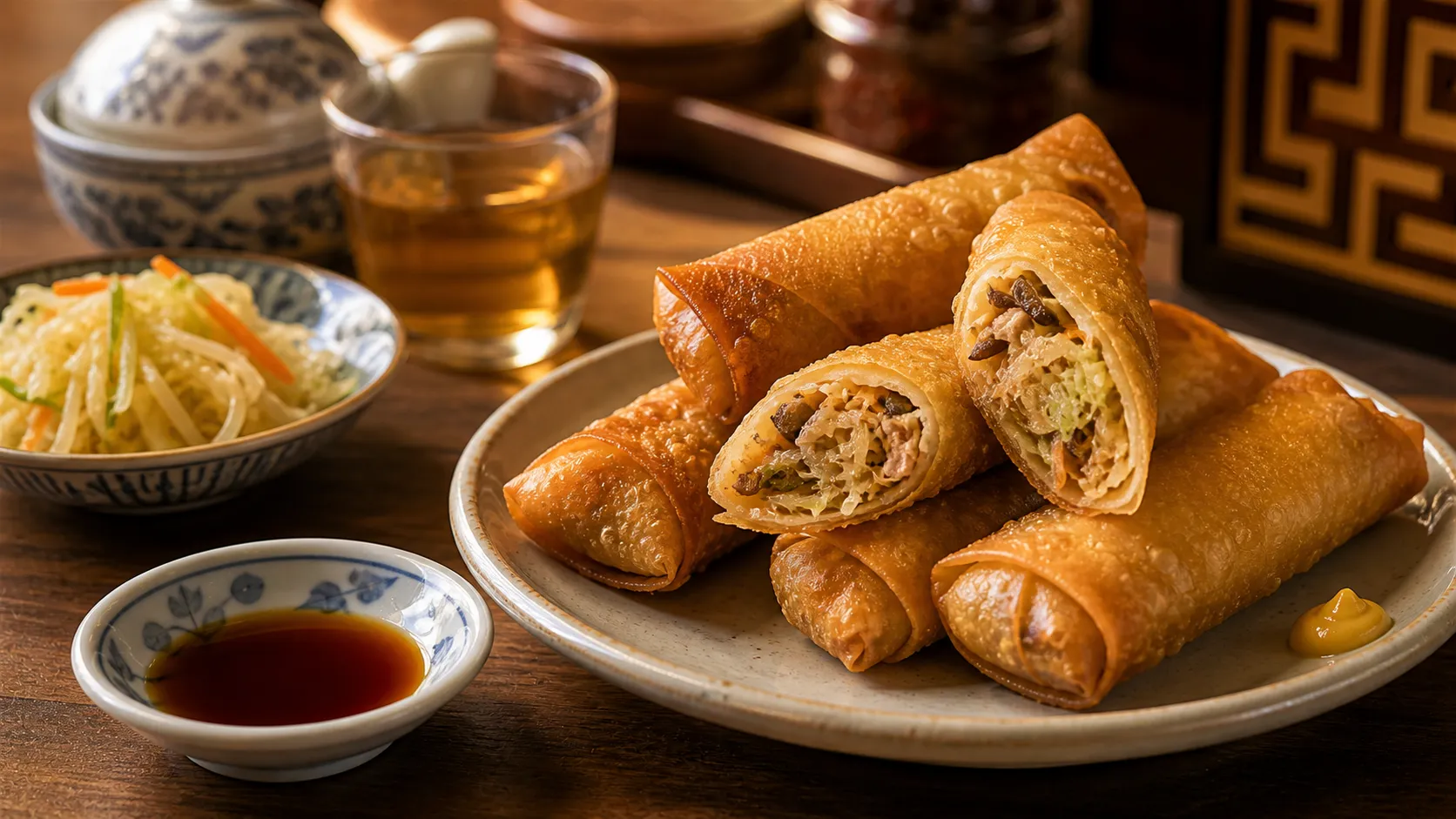
Japanese FoodNationwide
Harumaki (春巻き)
The Japanese spring roll — a shatteringly crisp golden tube that gives way to a hot, savory tangle of pork, cabbage and bamboo shoot, best eaten the second it's cool enough not to burn your mouth (you will not wait that long).
July 11, 2026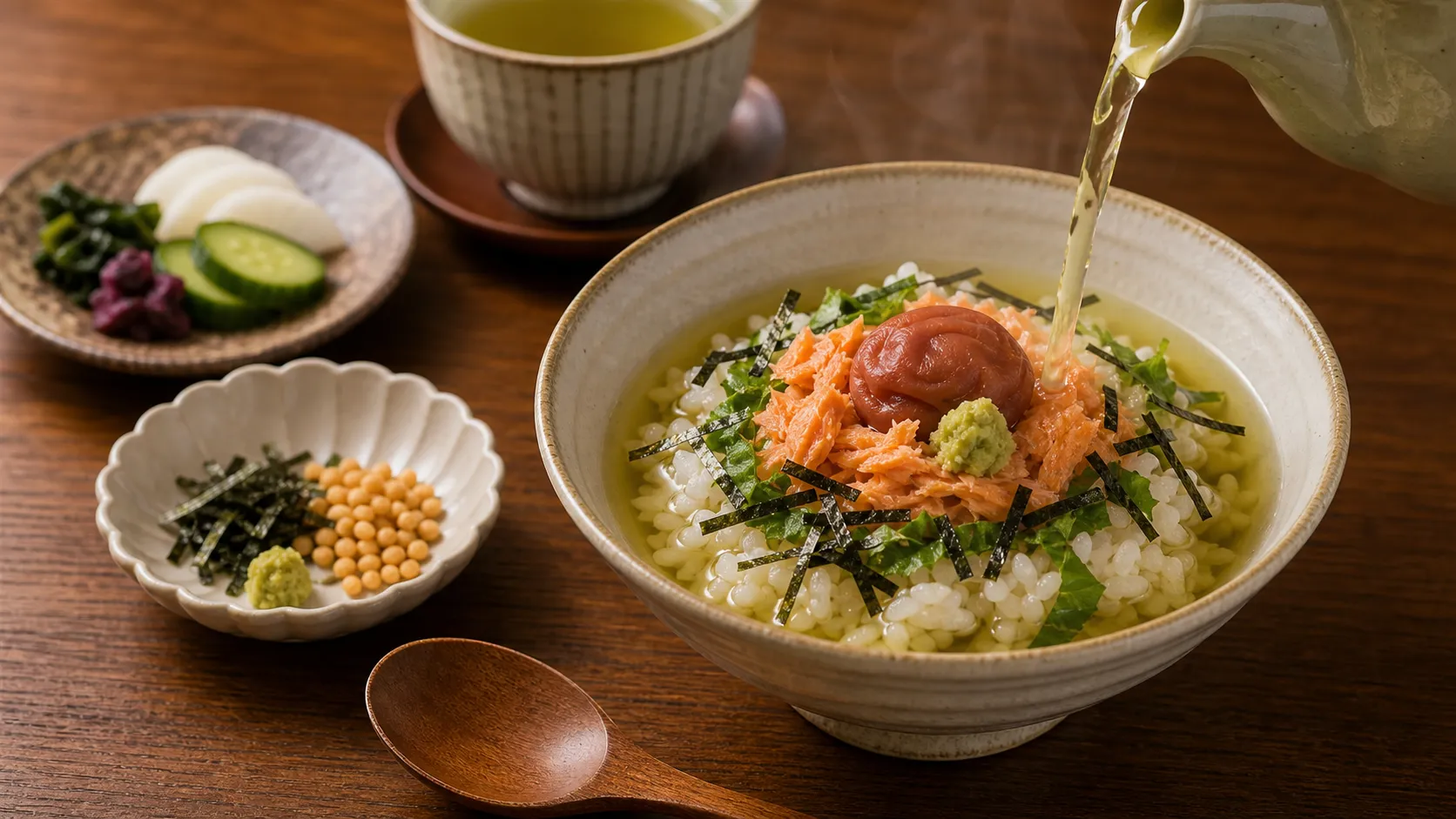
Japanese FoodNationwide
Ochazuke (お茶漬け)
Pour hot green tea or dashi over a bowl of rice, scatter something savory on top, and eat — the gentlest, most quietly restorative dish in Japan, the one you reach for late at night when you just need a warm bowl to make everything okay.
July 11, 2026