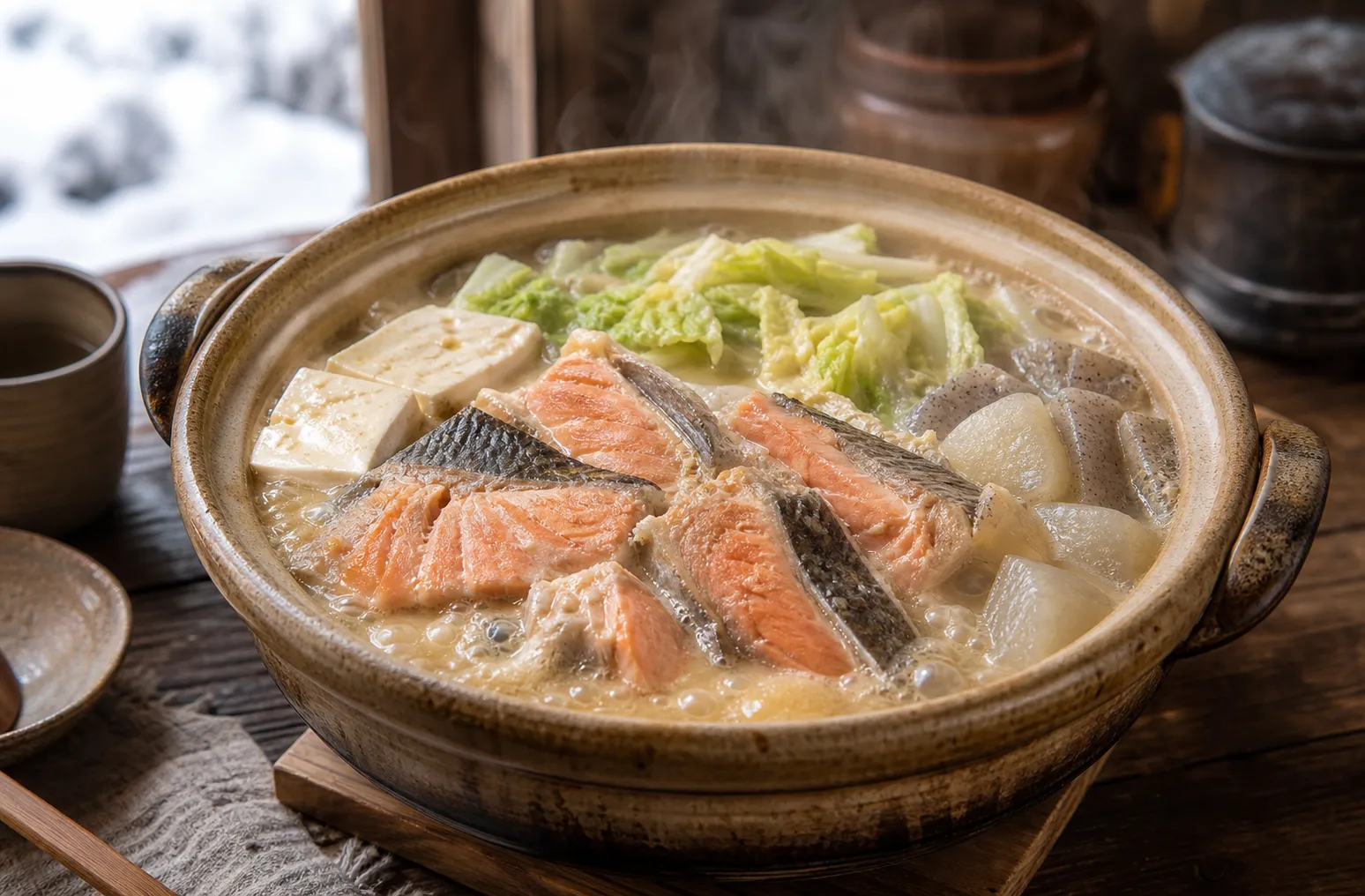
Steam hits your glasses before the smell even registers. Then the smell arrives — warm miso, sweet cabbage, something deep and fatty underneath — and by the time you can see again, someone's ladling a hunk of salmon the size of your fist into your bowl, skin and all, still steaming. Outside the window: actual snow, piling up on an actual windowsill. Inside: a clay pot doing its absolute best work. I didn't say anything for a full minute. I just ate.
Share this dish


A whole clay pot of salmon, bubbling in miso, steam fogging up the window while snow piles up outside — this is what winter in Hokkaido actually tastes like.
🍜 Planning a food trip to Hokkaido?Add this dish to my Food Trip →
 Add this dish to my Food Trip →
This is ishikari nabe (石狩鍋), Hokkaido's salmon hot pot, named for the Ishikari River where salmon have been running upstream to spawn since before anyone was writing menus. Chunks of salmon — often bone-in, because the bones are where the flavor lives — simmer alongside cabbage, daikon, tofu, and konnyaku in a broth built on miso. Not a light miso soup. A whole, hearty, faintly sweet, deeply savory bath that the salmon fat quietly enriches as it cooks. Everyone shares one pot. Everyone gets a little too full. Nobody regrets it.
Why a river fish became a whole cuisine
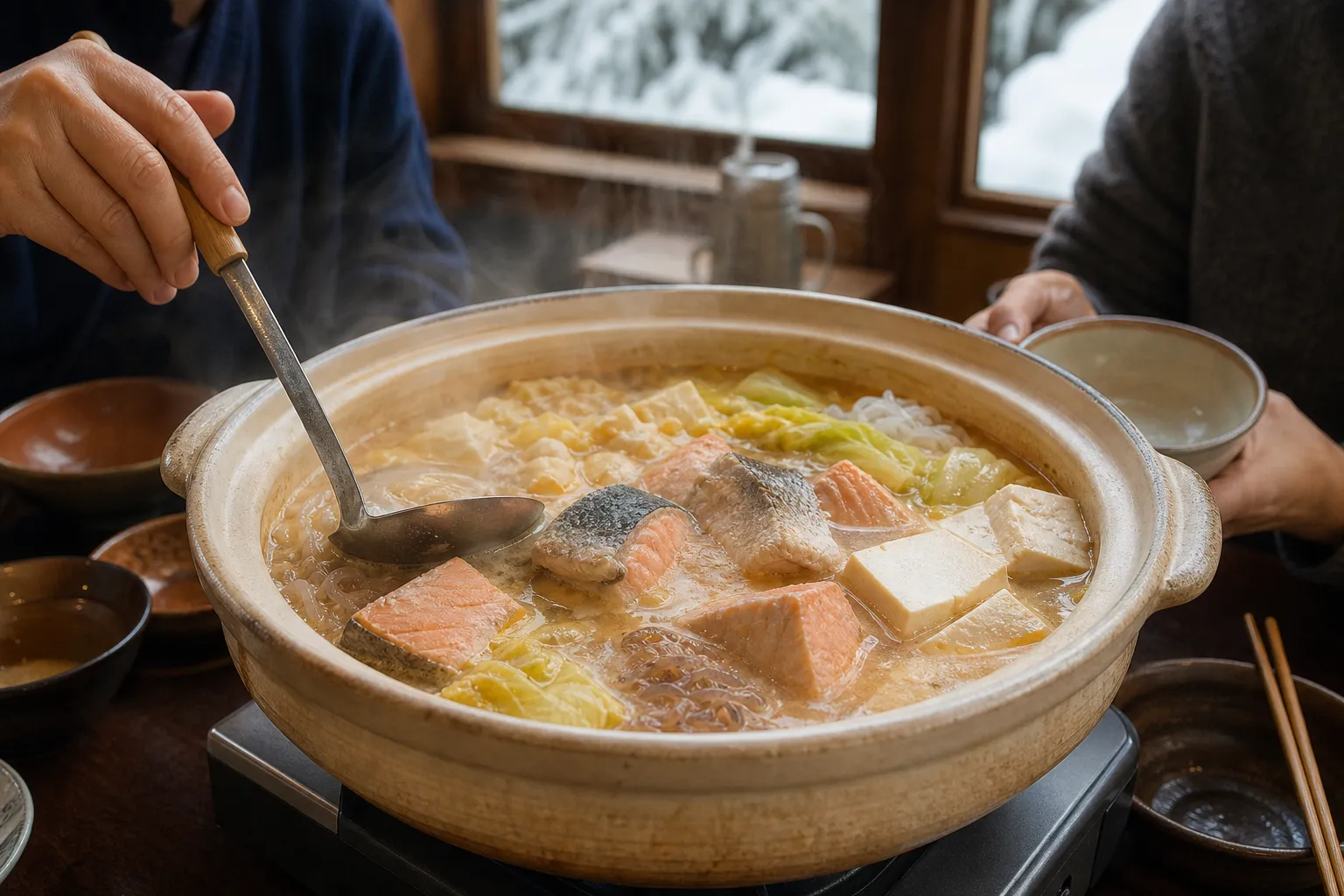
Salmon fishing on the Ishikari River goes back to the Ainu, the indigenous people of Hokkaido, for whom salmon wasn't just food — it was the seasonal event the whole year revolved around. When Japanese settlers moved north in the Meiji era and started fishing the river commercially, the local way of cooking salmon — thrown into a pot with miso and whatever vegetables were on hand — became the dish fishing communities served to warm themselves up after hauling in the catch. It's origin food in the most literal sense: people who worked the river, eating what the river gave them.
I think about that every time I eat it now. This isn't a dish invented in a kitchen trying to impress anyone. It's a dish invented by cold, hungry people who needed calories and had salmon. That honesty is still in the bowl. There's nothing fussy about ishikari nabe, and there's not supposed to be.
Miso, fat, and the reason the broth tastes like a hug
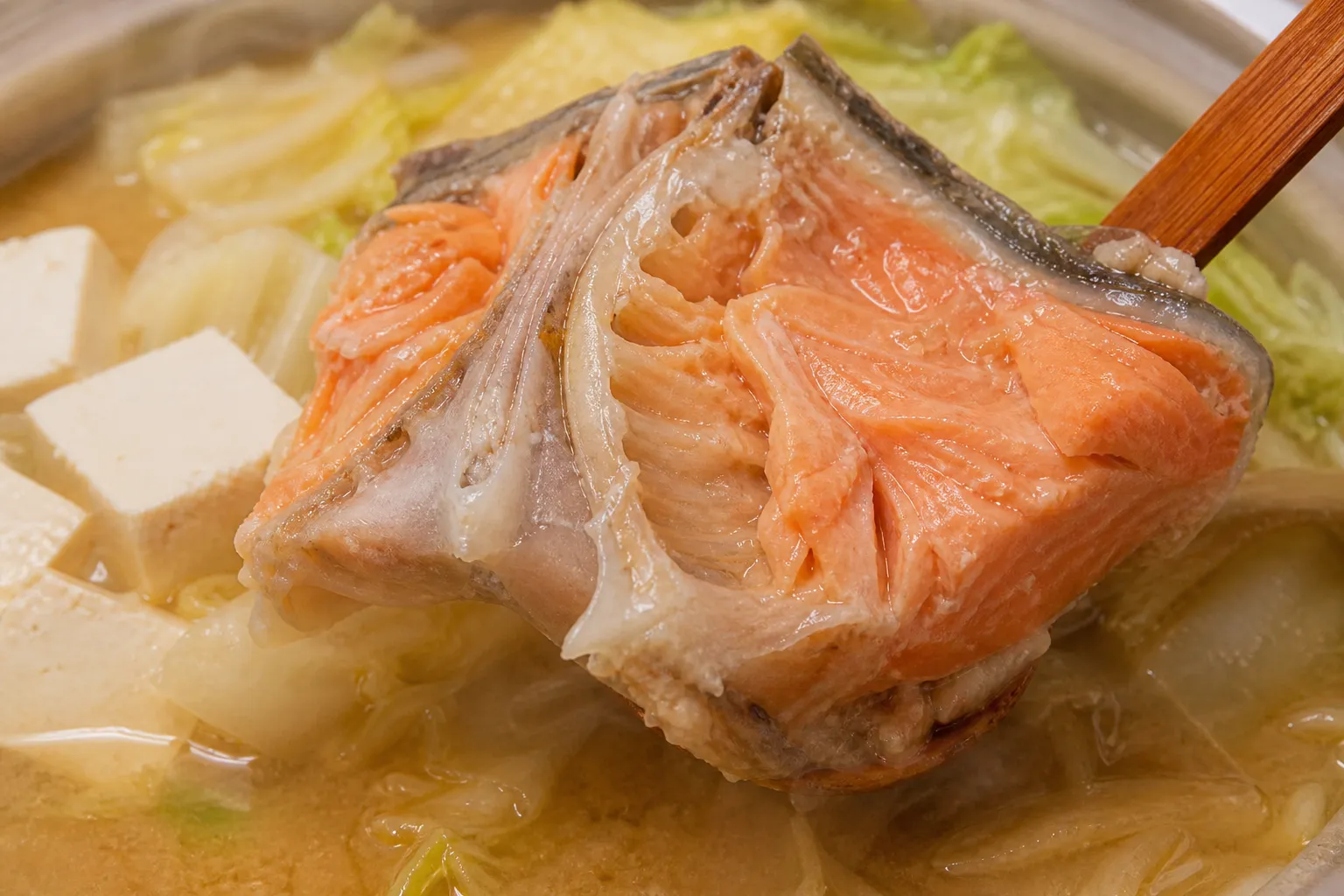
The broth is the whole point, and it works because of a slow trade: the miso brings body and umami depth, and the salmon — especially skin-on cuts near the collar and belly — trades back its own fat as it simmers. Ten minutes in, the broth isn't just seasoned anymore, it's enriched, gone slightly golden and glossy on the surface. Cabbage goes soft and sweet. Daikon turns translucent and drinks up the broth like a sponge. Tofu goes custardy. Konnyaku just sits there being satisfyingly chewy and refusing to fall apart.
Pull a piece of salmon out — skin, bone and all — and the meat comes away in warm, flaking curls that taste like the broth has already seasoned it from the inside. I will fight anyone about the bone-in cuts being the best part of the pot. The meat right against the bone is the richest bite in the whole thing, and I say that as someone who used to pick around bones like a coward. Ishikari nabe converted me.
How it's made
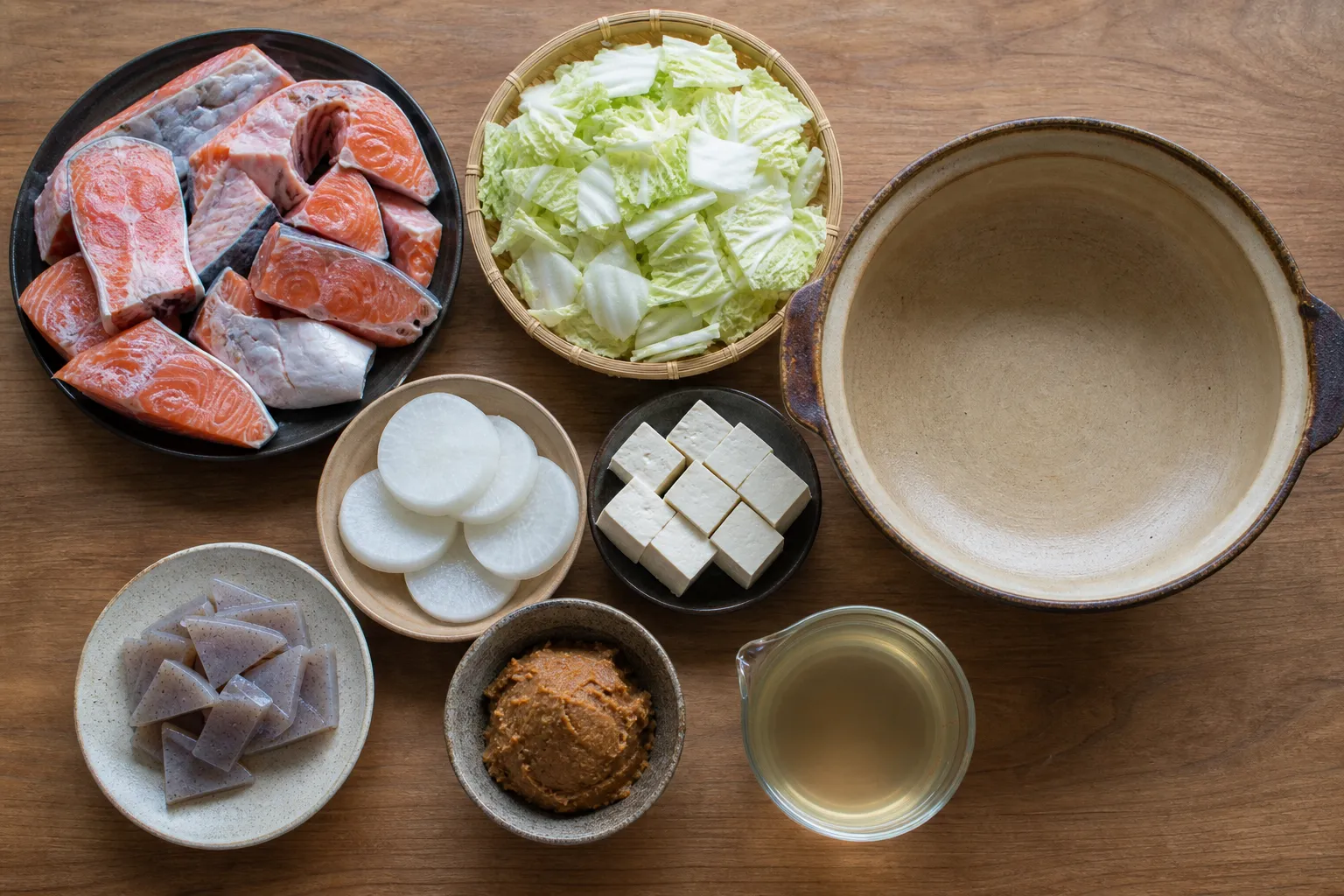
- Cut fresh salmon into thick steaks or chunks, often bone-in and skin-on
- Build a dashi base and dissolve in miso (usually a blend, for depth) to make the broth
- Add hard vegetables first — daikon and konnyaku — so they have time to soften
- Add salmon, tofu, and napa cabbage, and simmer everything together in a clay pot (donabe) at the table
- Finish with a knob of butter and a scatter of green onion — a very Hokkaido touch that makes the broth silkier
- Ladle into individual bowls straight from the shared pot, and keep the burner going so it never cools down
Before you go — for the pot-sharing curious
Your questions, answered honestly
"Do I eat the skin and bones?" — Eat the skin, it's soft and full of flavor by the time it's simmered. The bones you can pick around with chopsticks; nobody expects you to eat them, but the meat closest to the bone is the best part, so don't waste it.
"Is it spicy?" — No. It's warm and savory-sweet from the miso, not hot. If you want heat, a shake of shichimi (seven-spice) on top is common and welcome.
"Can I drink the broth?" — Please do. It's the best part. Ask for a small bowl if you don't want to drink straight from the shared pot.
"Is this the same as miso soup?" — Not even close. Miso soup is a light everyday side dish. Ishikari nabe is a full hot pot meal, one shared pot per table, built around a whole salmon's worth of flavor.
"Is it a whole meal or a side?" — A meal. It's usually served with rice at the end, sometimes stirred into the leftover broth as a simple porridge (zōsui) so nothing goes to waste.
What the staff will ask you
| You'll hear | Romaji | Meaning | Just say |
|---|---|---|---|
| 何人前になさいますか? | Nan-nin-mae ni nasaimasu ka? | "How many portions?" | Futari-mae onegaishimasu (two portions, please) |
| 〆はどうしますか? | Shime wa dō shimasu ka? | "What to finish the broth with — rice or noodles?" | Zōsui de onegaishimasu (rice porridge, please) |
| バター追加しますか? | Batā tsuika shimasu ka? | "Add extra butter?" | Hai, onegaishimasu (yes, please) |
To order, just say "Ishikari nabe kudasai" (石狩鍋ください) — "Salmon miso hot pot, please."
Where to eat it
- Sapporo — Hokkaido's capital has ishikari nabe on menus at countless izakayas and dedicated nabe restaurants, especially in the Susukino dining district.
- Along the Ishikari River / Ishikari City — the namesake town itself, near where the salmon run, has restaurants that treat this as the local specialty rather than a general Hokkaido dish.
- Hokkaido in general, winter through early spring — many seafood restaurants across the island put ishikari nabe on seasonal menus once the weather turns cold; ask if it's not listed, since some places make it on request.
- Check before you go — it's often a seasonal, cold-weather dish, so availability can shrink in summer; confirm it's on the menu before making a special trip.
Soul Score
Local Roots5/5
First-Timer Friendly4/5
Adventure Level3/5
Comfort Level5/5
Travel Worthy4/5
These scores are one obsessed eater's gut feeling — not a verdict. A low number isn't a bad mark, just a different kind of adventure.
Know someone planning Japan?
← All Articles
Local Food · Hokkaido
Still hungry?
Eat more from Hokkaido
Local FoodFurano, Hokkaido
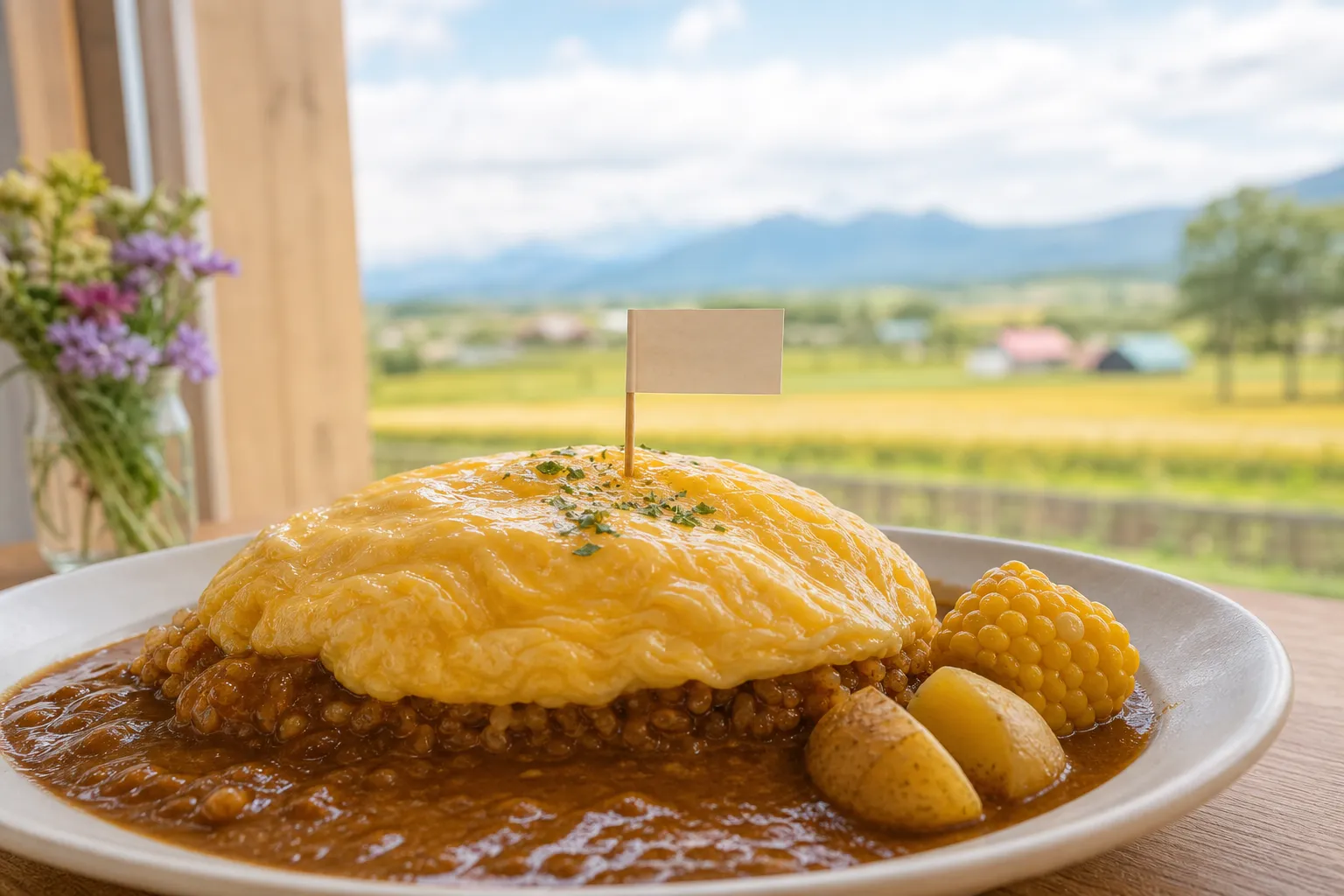
Furano Omu-Curry (富良野オムカレー)
Cut into the omelette and curry sauce comes flooding out like it's been waiting all morning for permission — with a lavender field in the window behind it.
August 2, 2026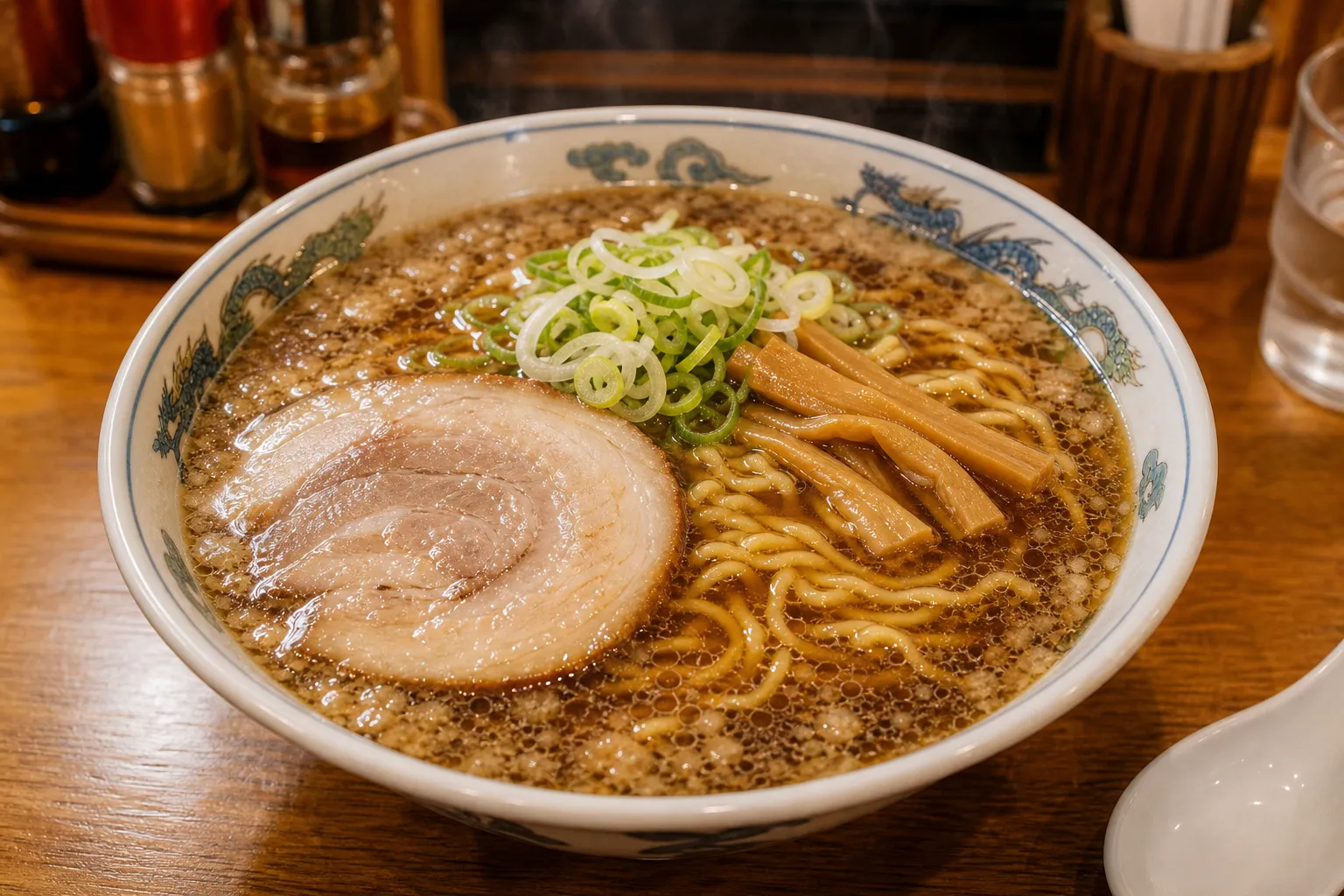
Local FoodAsahikawa, Hokkaido
Asahikawa Ramen (旭川ラーメン)
A slick of lard traps the heat so your soy broth stays scalding to the last drop — because in Asahikawa, the cold outside is trying to kill your ramen. It loses.
July 9, 2026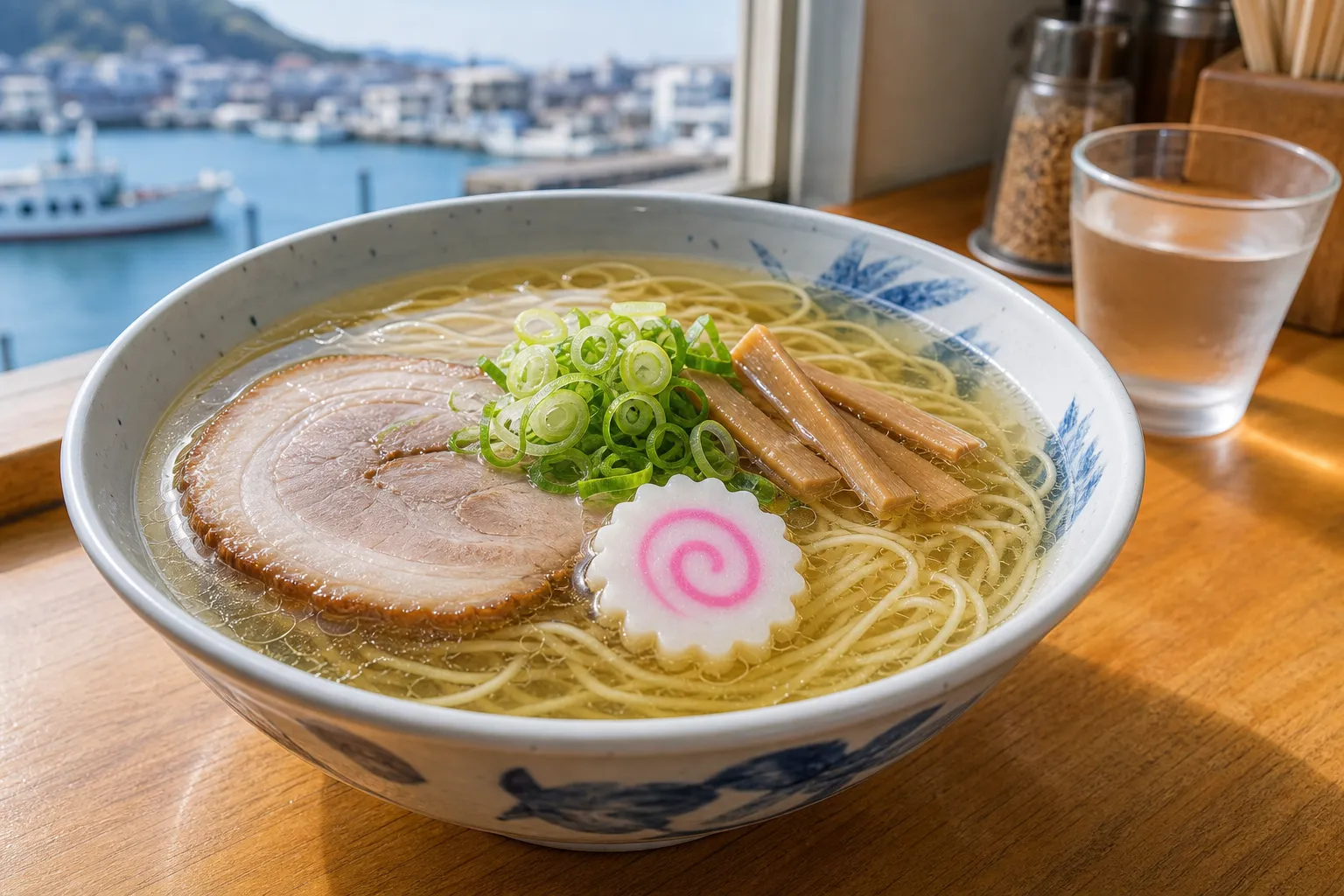
Local FoodHakodate, Hokkaido
Hakodate Shio Ramen (函館塩ラーメン)
Clear as tea, gold as morning light, quiet as a held breath — this is the ramen that proves subtraction is a flavor. Hokkaido's gentle bowl, and my hangover's best friend.
July 9, 2026