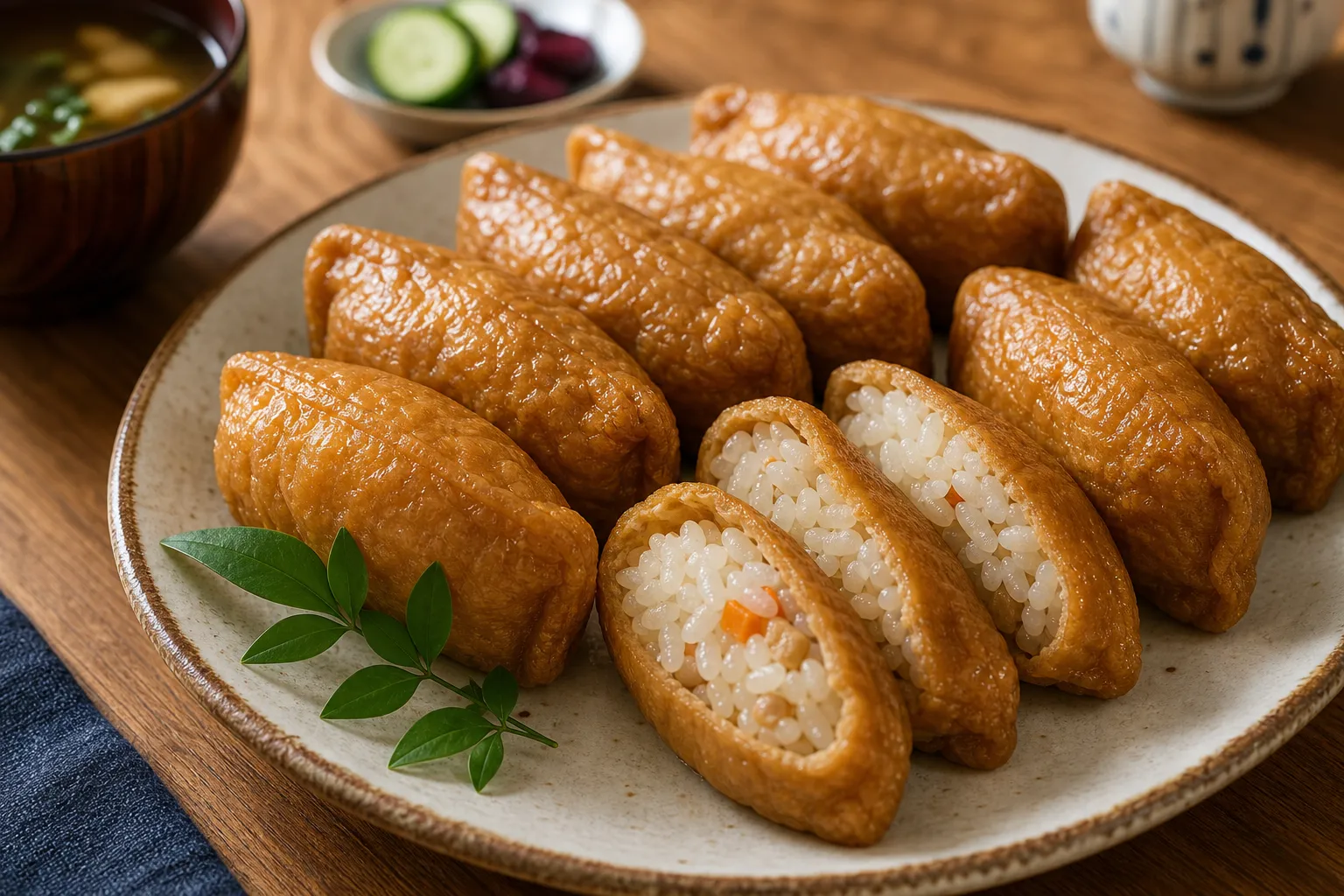
I once ate three of these standing at a festival stall before I even registered I was eating, and I have absolutely no regrets. Inari-zushi is a plump little pouch of sweet, juicy deep-fried tofu (aburaage) stuffed full of vinegared sushi rice — sweet-savory, soft, and so easy to love it almost feels like cheating. No raw fish, no knives, no etiquette. Just a warm-brown parcel that fits in one hand and disappears in two bites.
Share this dish


A little pouch of sweet, juicy fried tofu stuffed with sushi rice — no raw fish, no fuss, endlessly portable, and impossible to eat just one of. Named after a fox god who supposedly can't resist fried tofu either.
The pouch is the whole thing. Aburaage — thin fried tofu — is simmered slowly in a sweet broth of soy, sugar, mirin, and dashi until it turns glossy, tender, and dripping with flavor, then packed with tangy rice. The contrast of the sweet, savory, almost dessert-like skin against the cool vinegared rice inside is the entire pleasure, and it's a pleasure that travels: inari-zushi is Japan's great picnic, festival, train-platform, and lunchbox food.
Named for a fox who loves fried tofu
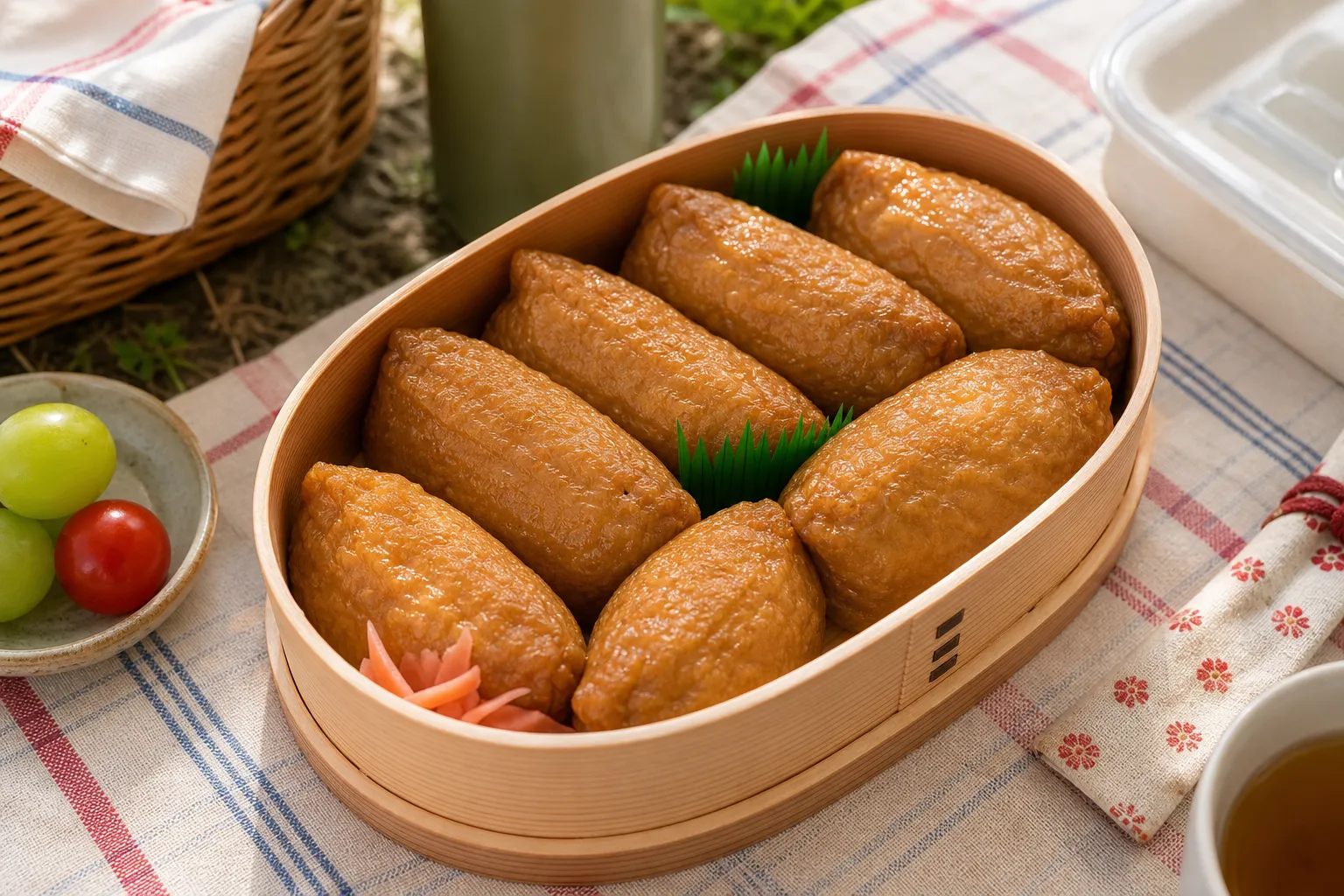
The name comes straight from Inari, the Shinto deity of rice, harvest, and prosperity — the god of those bright red shrines guarded by stone foxes. Foxes are Inari's messengers, and folklore says foxes adore aburaage, fried tofu. So these little tofu pouches became "Inari's sushi," an offering-turned-snack tied to the fox god. I love that a whole beloved food exists because someone decided foxes have a favorite dish. It's the kind of story that makes Japanese food endlessly fun to eat and to explain.
There's a neat regional split, too. In eastern Japan the pouches tend to be rectangular and plump, packed with plain vinegared rice. In western Japan they're often folded into triangles — meant to echo a fox's ears — and the rice frequently has chopped vegetables like carrot and lotus root mixed in. Same fox god, two shapes, and locals will absolutely tell you their region's version is the correct one. (They're both right. Don't get involved.)
Why it's the ultimate no-stress sushi
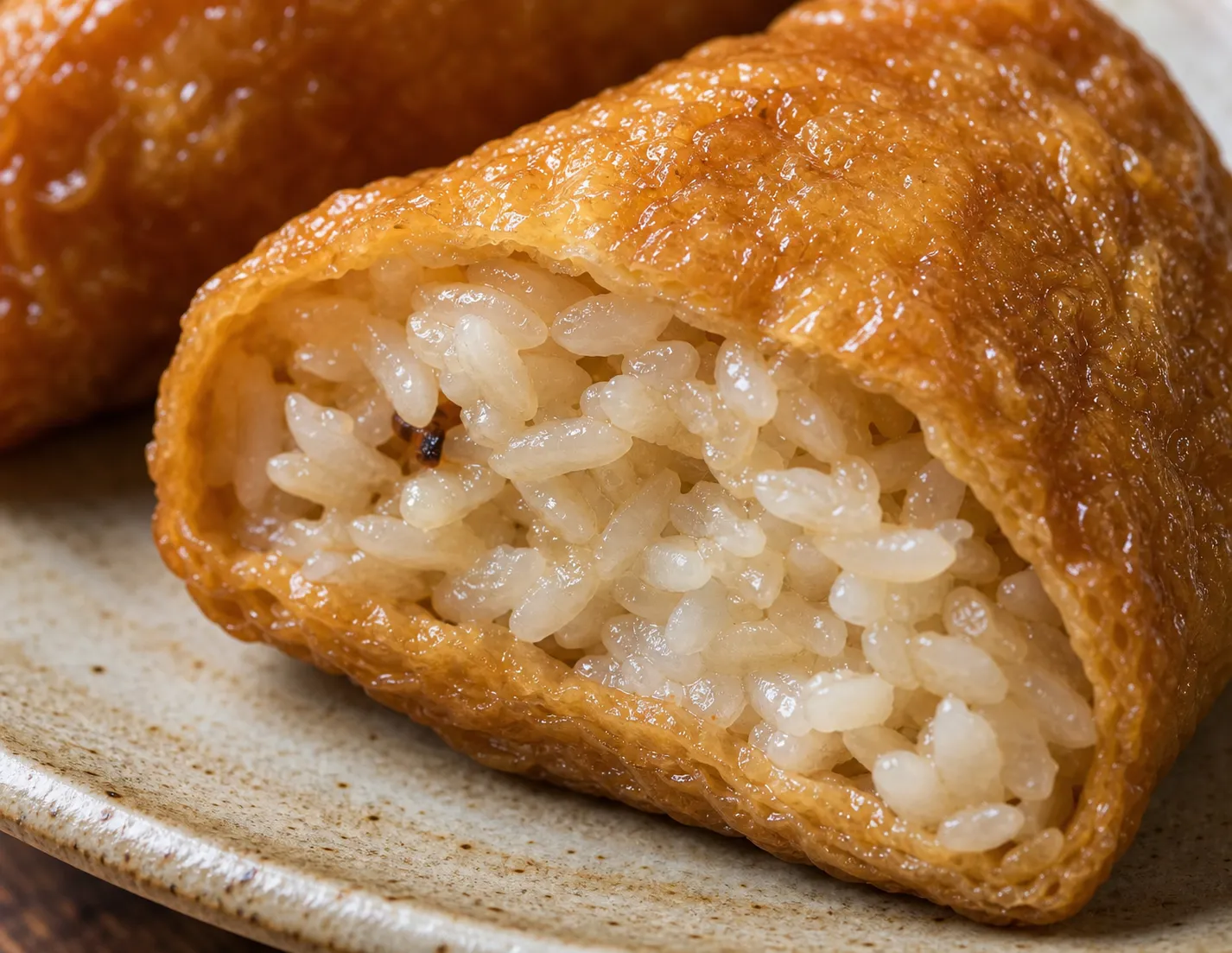
If you're nervous about sushi, this is your gateway and possibly your new obsession. There's no raw anything, no wasabi burn, no soy-sauce protocol to memorize. It's usually vegetarian-friendly (with the caveat below), room-temperature-happy, and cheap enough to buy a whole tray without thinking. Kids love it, grandparents love it, hungover people at festivals love it. It is the least intimidating item in the entire sushi family, and honestly one of the most quietly satisfying.
The flavor is all about that sweet-savory tension. Bite in and the pouch gives a little squeeze of sweet, dashi-soaked juice, then the cool, gently tart rice arrives to balance it. It sits somewhere between a savory snack and a treat, which is exactly why it's dangerous — there's no natural stopping point. One caveat worth stating plainly: the aburaage is usually simmered in dashi made from bonito, so "vegetarian" isn't guaranteed. Most festival and supermarket versions use fish stock. If you're strictly veg, ask, or look for kombu-dashi versions.
How it's made
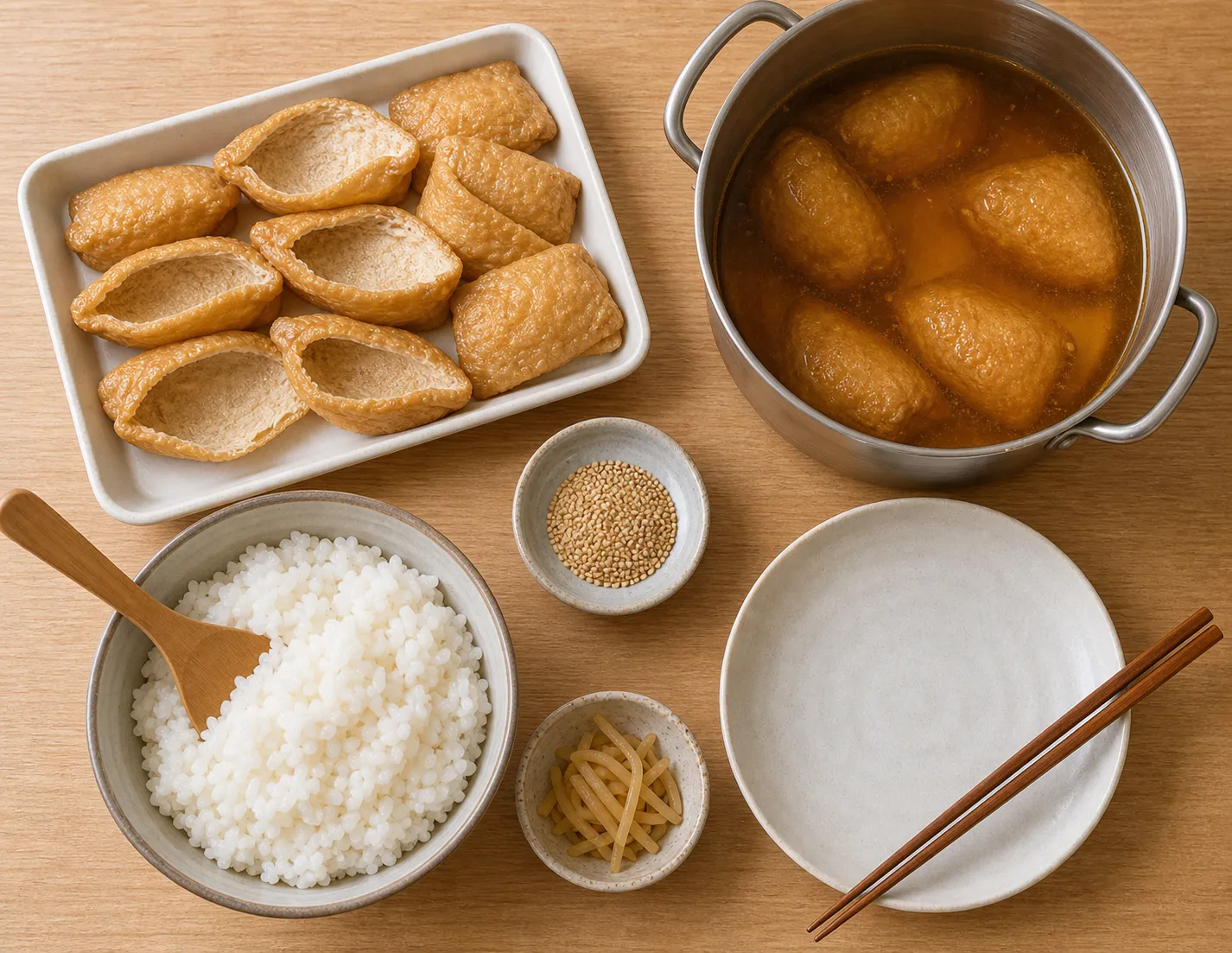
- Cut sheets of aburaage (fried tofu) in half or on the diagonal and gently open each into a pouch; blanch briefly to remove excess oil
- Simmer the pouches slowly in a sweet broth of dashi, soy sauce, sugar, and mirin until soft, glossy, and full of flavor, then let them cool and lightly squeeze out the liquid
- Cook short-grain rice and fold in seasoned vinegar (vinegar, sugar, salt), fanning it glossy; mix in chopped simmered vegetables or sesame for the western style if you like
- Shape the rice into small ovals or triangles to match the pouches
- Stuff each pouch with rice, fold or tuck the opening closed, and arrange seam-side down to serve
Before you go — grab a tray for the road
Your questions, answered honestly
"Is it actually vegetarian?" — Usually the filling is just rice, and there's never any meat or raw fish — but the tofu pouch is almost always simmered in dashi made with bonito (fish). So it's plant-based in spirit but not strictly vegetarian. Ask for a konbu-dashi version if that matters to you.
"Sweet or savory — what am I in for?" — Both, leaning sweet. The pouch is candy-adjacent from all the sugar and soy, while the rice inside is tangy. That push-pull is the point. If you like the idea of a savory snack with a sweet edge, you'll be delighted.
"Do I dip it in soy sauce?" — No. It's already fully seasoned by the sweet simmering broth, so it needs nothing. Just eat it as is, ideally in one or two bites.
"Where do I even buy it?" — Everywhere, cheaply. Any supermarket, convenience store, or depachika food hall sells trays of it, and it's a staple at festivals and on train journeys. It keeps well unrefrigerated for a few hours, which is exactly why it's the national picnic food.
What the staff will ask you
| You'll hear | Romaji | Meaning | Just say |
|---|---|---|---|
| いくつにしますか? | Ikutsu ni shimasu ka? | "How many?" | Futatsu (two) / Yottsu (four) |
| お持ち帰りですか? | Omochikaeri desu ka? | "To take away?" | Hai (yes) / Koko de (eat here) |
| 温めますか? | Atatamemasu ka? | "Warm it up?" | Sonomama de (as is, please) |
| ご一緒でよろしいですか? | Goissho de yoroshii desu ka? | "All in one pack okay?" | Hai, onegaishimasu (yes please) |
To order, just say "Inari-zushi kudasai" (稲荷寿司ください) — "inari-zushi, please."
Where to eat it
- Supermarkets and convenience stores nationwide — every one sells cheap, reliable trays; the perfect grab-and-go snack for a train ride or park bench.
- Festival stalls (matsuri) — inari-zushi is classic festival and picnic food, sold alongside the grilled snacks.
- Toyokawa (Aichi) and Fushimi Inari (Kyoto) — towns and shrine districts built around Inari worship are famous for their fried-tofu specialties, and it's a fitting place to eat the fox god's favorite.
- Department-store food halls (depachika) — for a step up, these sell beautifully made versions, sometimes with seasonal fillings.
Recipes and shapes vary by region and shop, and the tofu pouch is usually dashi-simmered, so ask about ingredients if you have dietary restrictions.
Soul Score
Local Roots4/5
First-Timer Friendly5/5
Adventure Level3/5
Comfort Level5/5
Travel Worthy3/5
These scores are one obsessed eater's gut feeling — not a verdict. A low number isn't a bad mark, just a different kind of adventure.
Know someone planning Japan?
← All Articles
Japanese Food · Nationwide
Still hungry?
You might also like
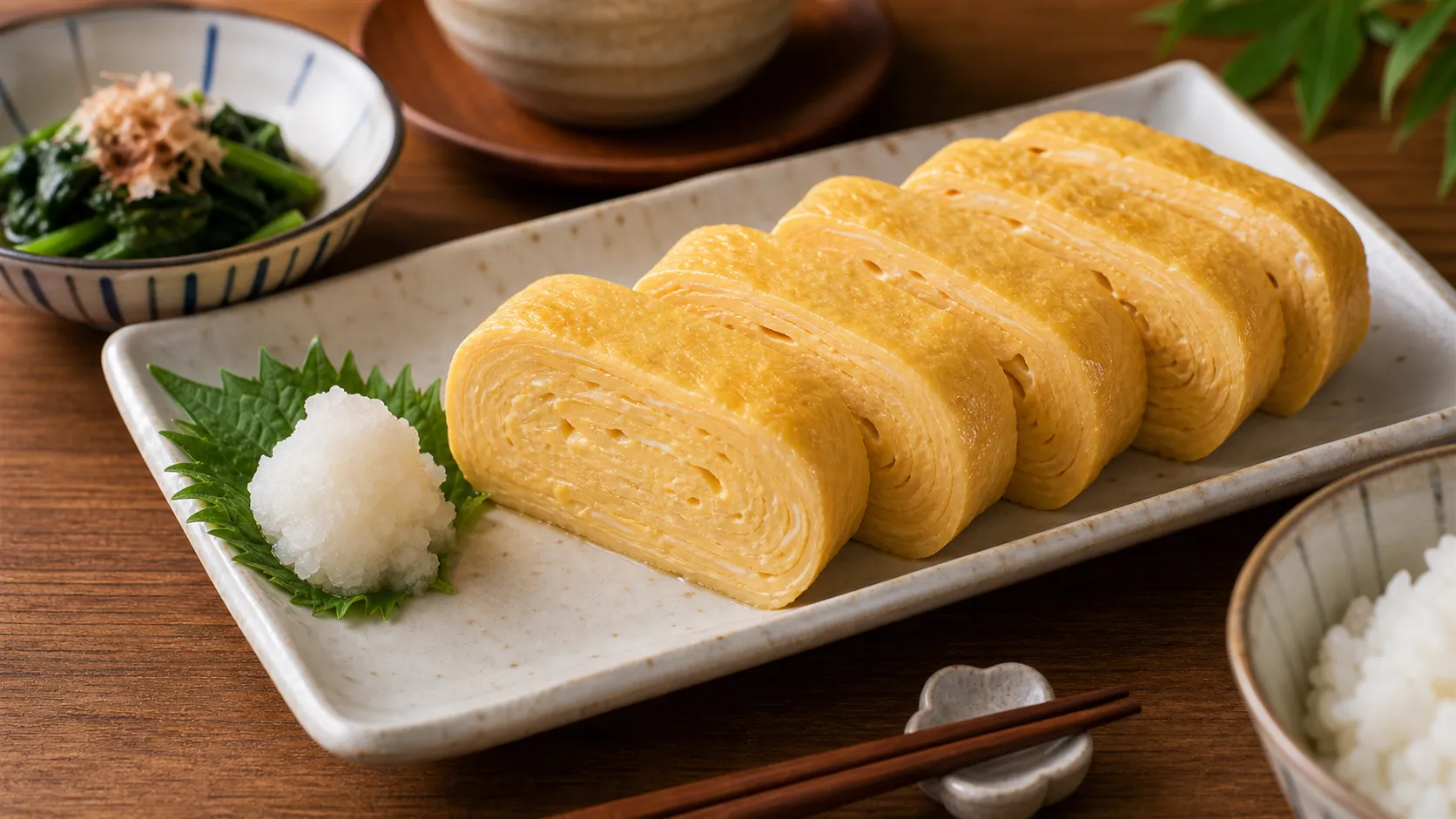
Japanese FoodNationwide
Dashimaki-tamago (だし巻き卵)
A rolled omelette so soft it almost trembles, layered fold over fold and soaked with dashi so that biting in releases a little warm rush of savory broth — the deceptively simple egg dish that Japanese chefs spend years perfecting.
July 11, 2026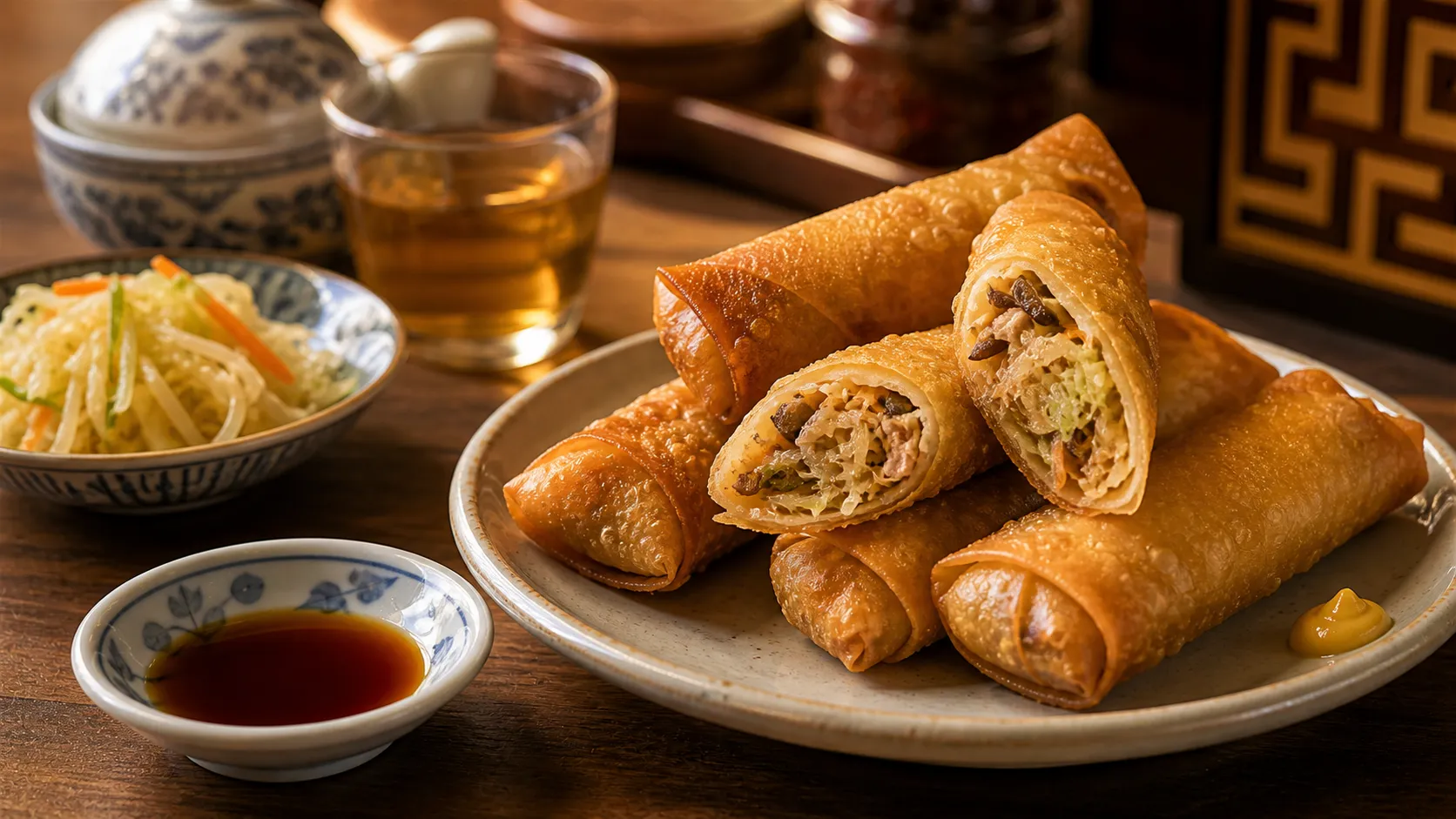
Japanese FoodNationwide
Harumaki (春巻き)
The Japanese spring roll — a shatteringly crisp golden tube that gives way to a hot, savory tangle of pork, cabbage and bamboo shoot, best eaten the second it's cool enough not to burn your mouth (you will not wait that long).
July 11, 2026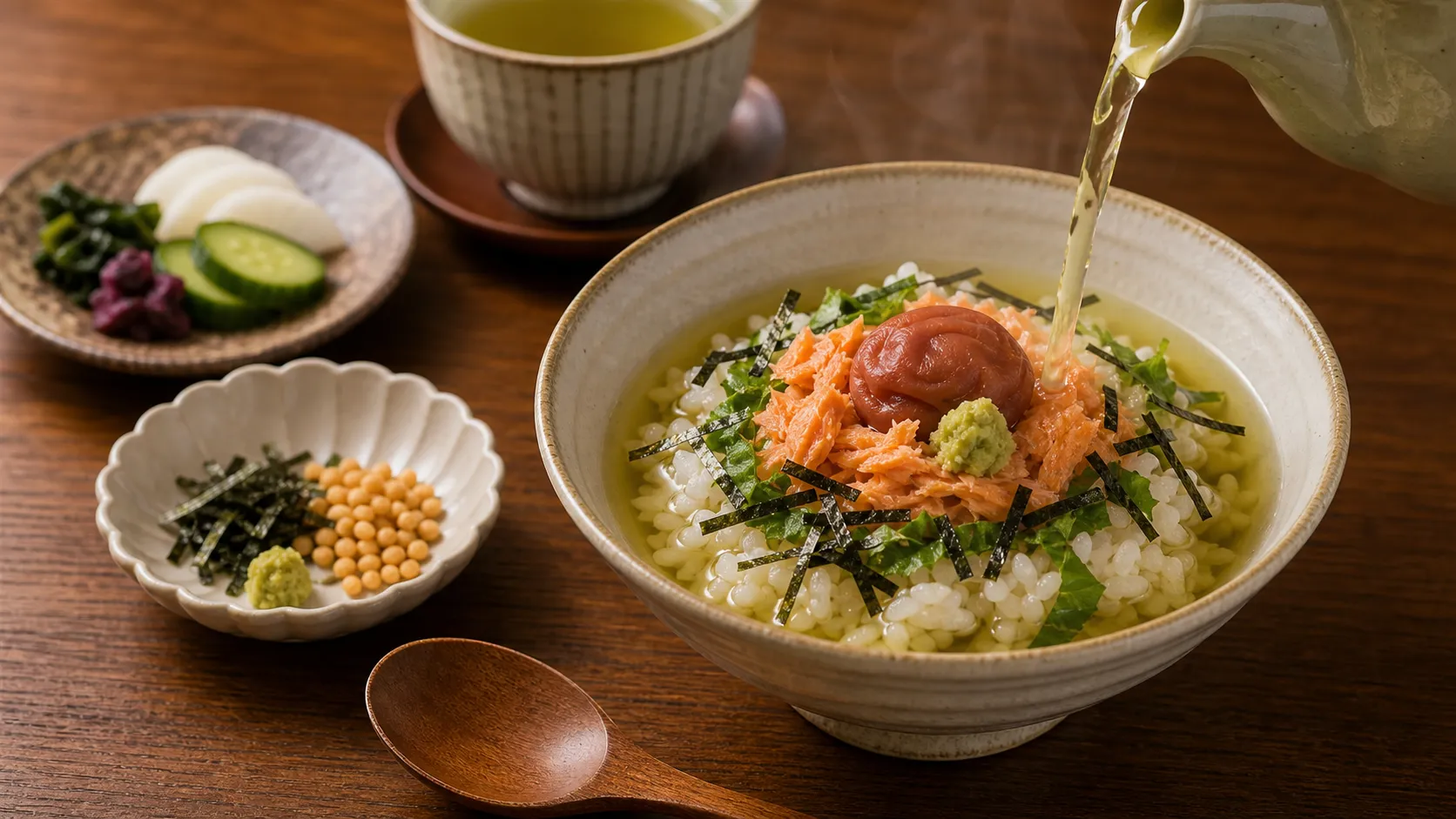
Japanese FoodNationwide
Ochazuke (お茶漬け)
Pour hot green tea or dashi over a bowl of rice, scatter something savory on top, and eat — the gentlest, most quietly restorative dish in Japan, the one you reach for late at night when you just need a warm bowl to make everything okay.
July 11, 2026