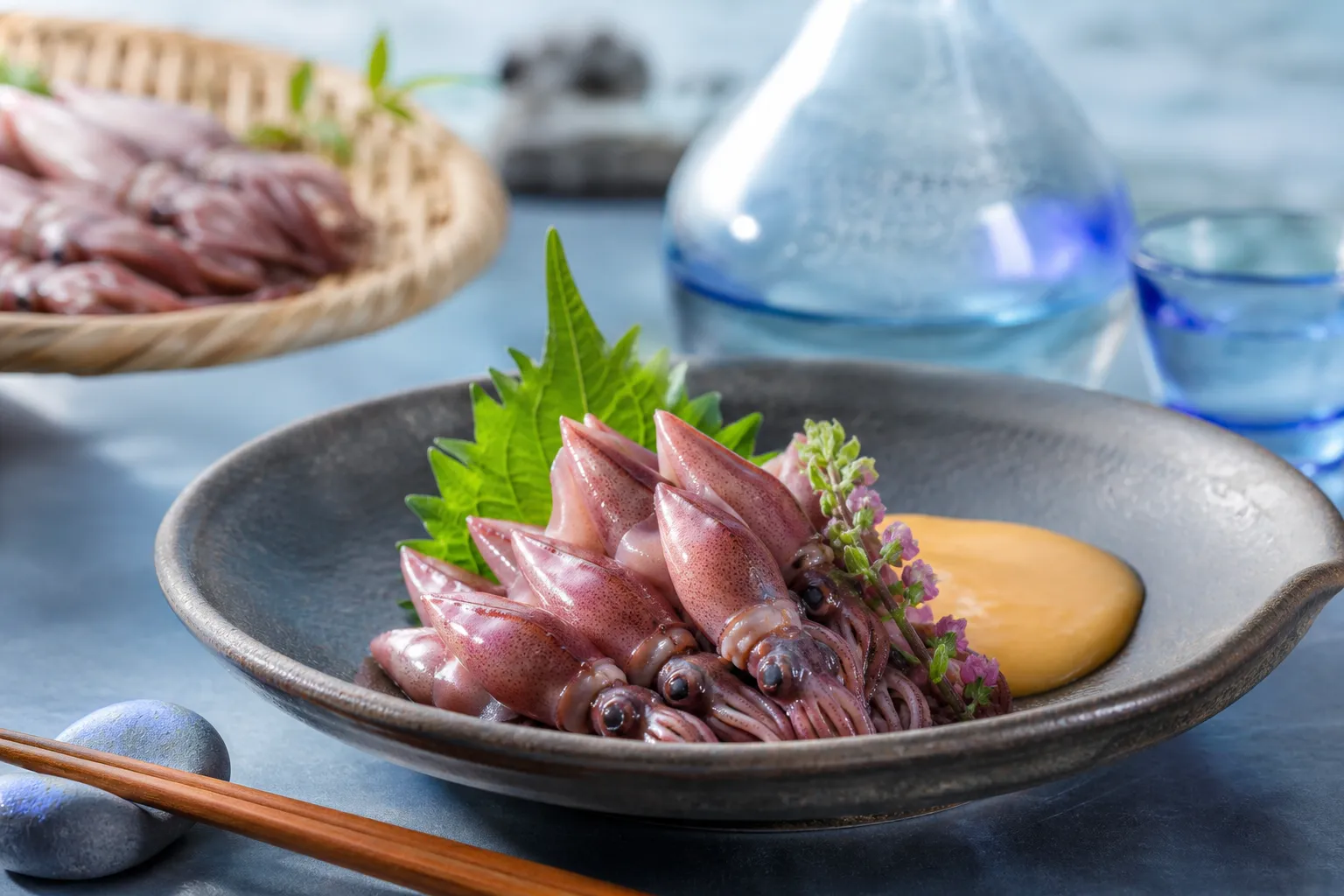
Pop. That's the sound in my head when I bite one. This whole little squid, barely the size of my thumb, and it just — bursts. Rich, briny, faintly sweet, a custardy rush of flavor that is so much bigger than the tiny thing it came from. I sat there working through a whole plate of them, one pop at a time, thinking: how is something this small this loud? Then I looked up that they glow blue in the sea and I gave up trying to be cool about it.
Share this dish


Squid the size of your thumb that glow electric blue in Toyama Bay, then arrive on your plate whole — boiled, curled, and dressed in sweet-tart vinegar-miso. Spring in one tiny, briny, burst-in-your-mouth bite.
🍜 Planning a food trip to Toyama?Add this dish to my Food Trip →
 Add this dish to my Food Trip →
Here's what it is: hotaruika (ホタルイカ), firefly squid, are tiny whole squid from Toyama Bay that glow electric blue thanks to light organs on their bodies. In spring they surge into the bay to spawn, and the catch is served boiled and dressed with sweet-tart vinegar-miso (sumiso), or as sashimi and other boiled preparations. You eat them whole — head, body and all — so each one delivers that signature rich, liver-y burst. These are not regular squid and not big squid sashimi and definitely not whitebait; they're their own thumb-sized, glowing, spring-only thing.
The bay that glows blue in spring
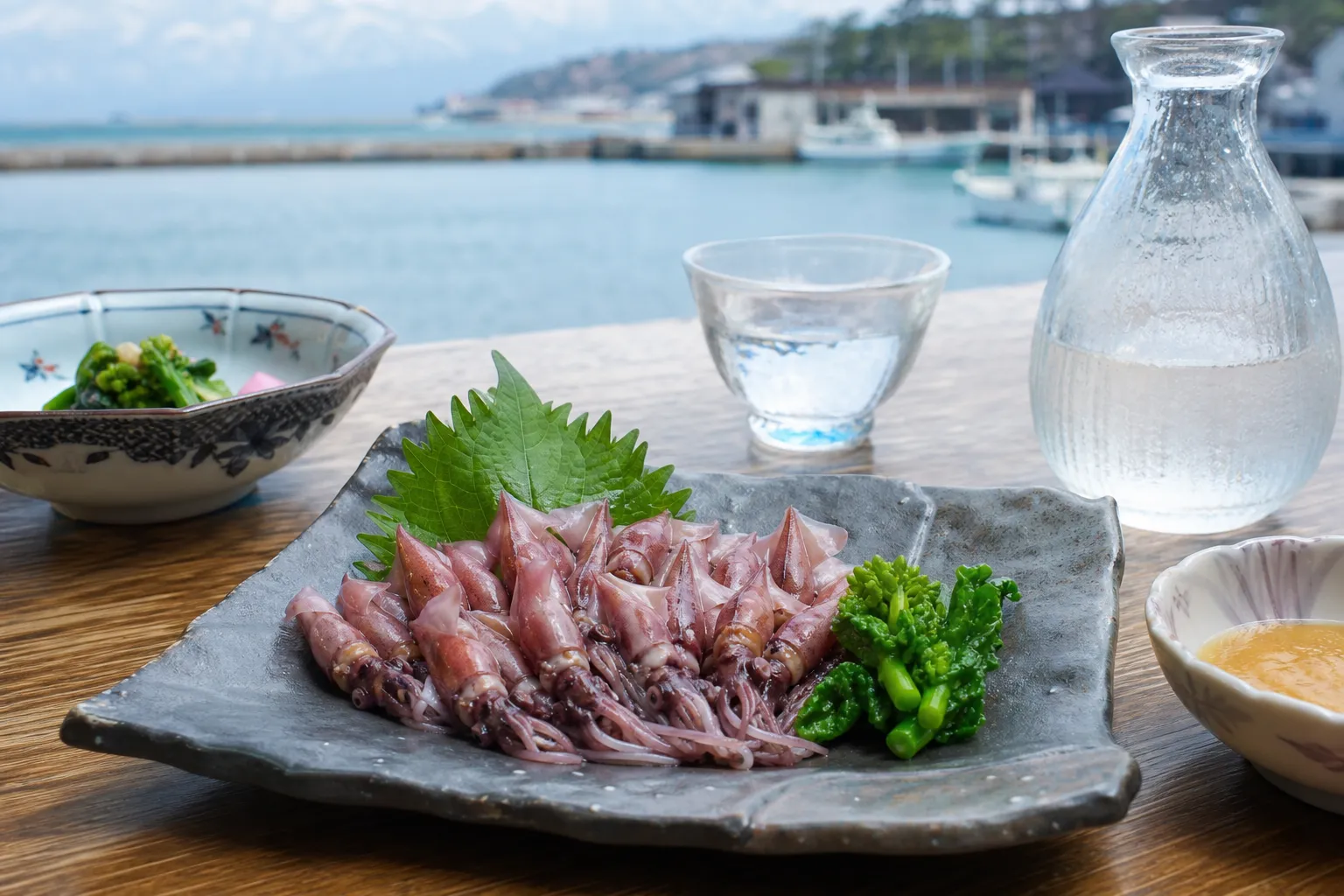
Toyama Bay is deep and strange and wonderful. Every spring, millions of hotaruika rise from the deep water to spawn near the shore, and when they mass together the water itself glows a ghostly electric blue — one of the genuinely magical natural sights in Japan. Boats haul them in through the night, and by morning the markets and restaurants are full of them. The whole prefecture leans into it: this is Toyama's signature spring flavor, tied to a specific bay and a specific short season. That combination — this place, this few weeks a year — is exactly the kind of thing worth traveling for.
I find the seasonality part almost unbearably romantic. You can't have hotaruika at their best any time you want; you get them when the bay decides, roughly spring, and then they're gone. Eating them is eating the season. Locals have preserved them, boiled them, and dressed them in sumiso for generations, and the glowing-squid spectacle has become its own tourist draw. Food and phenomenon, same little creature.
What makes the eating experience different
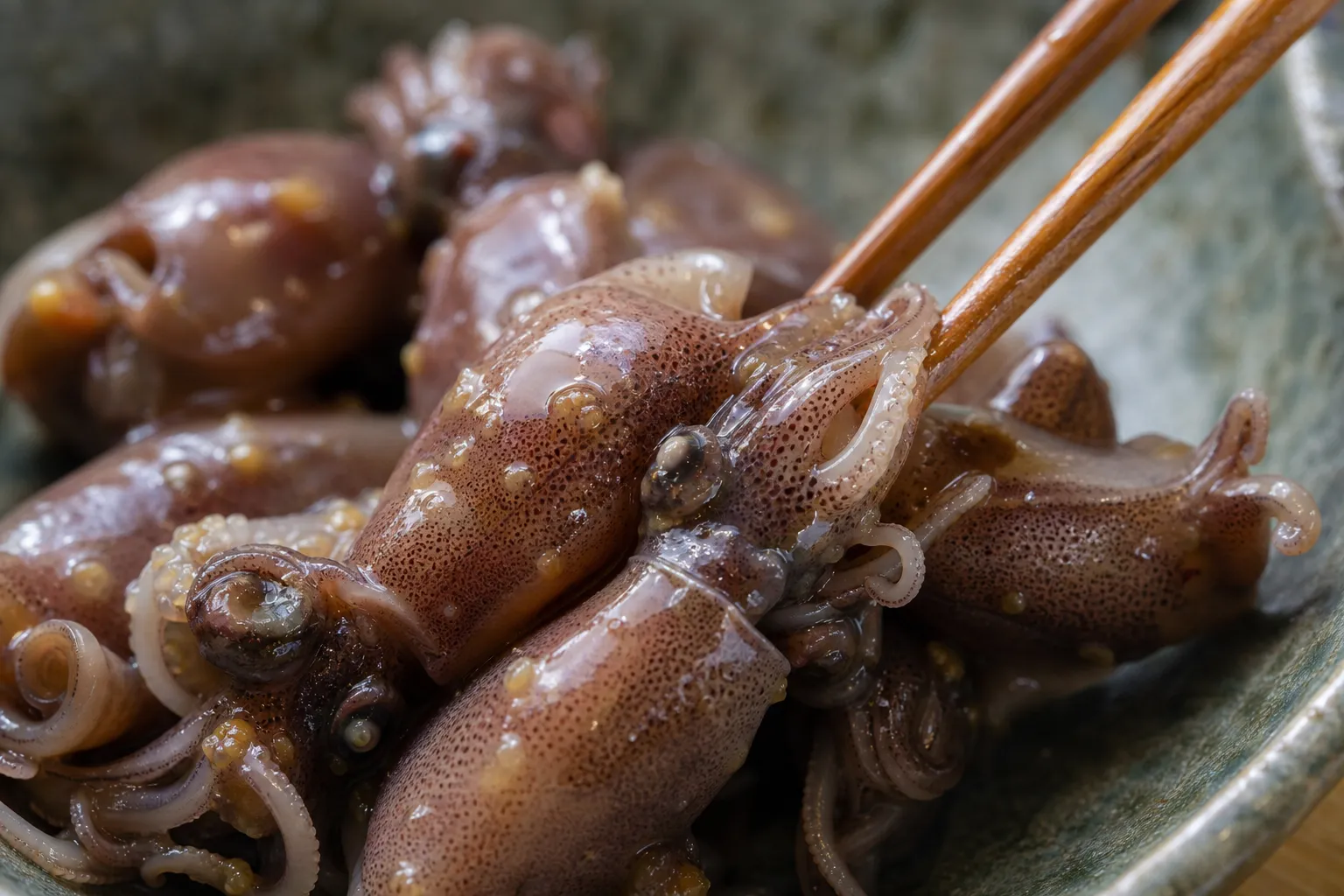
- You eat them whole. Head, body, tiny tentacles — all of it in one bite, which is why each squid delivers a full burst of flavor instead of a thin sliver.
- The burst is the magic. Inside is a rich, custardy pop of squid liver — deep, briny, almost creamy — the single most distinctive thing about eating them.
- Sumiso balances it perfectly. The classic dressing is sweet-tart vinegar-miso, and its brightness cuts the richness so each bite stays lively instead of heavy.
- They're tiny and tender. No rubbery chew like big squid — boiled hotaruika are soft and yielding, gone in a bite or two.
- They taste like a season and a place. Best in spring, best in Toyama — this is delicacy-tier local eating, not an everyday snack.
How it's made
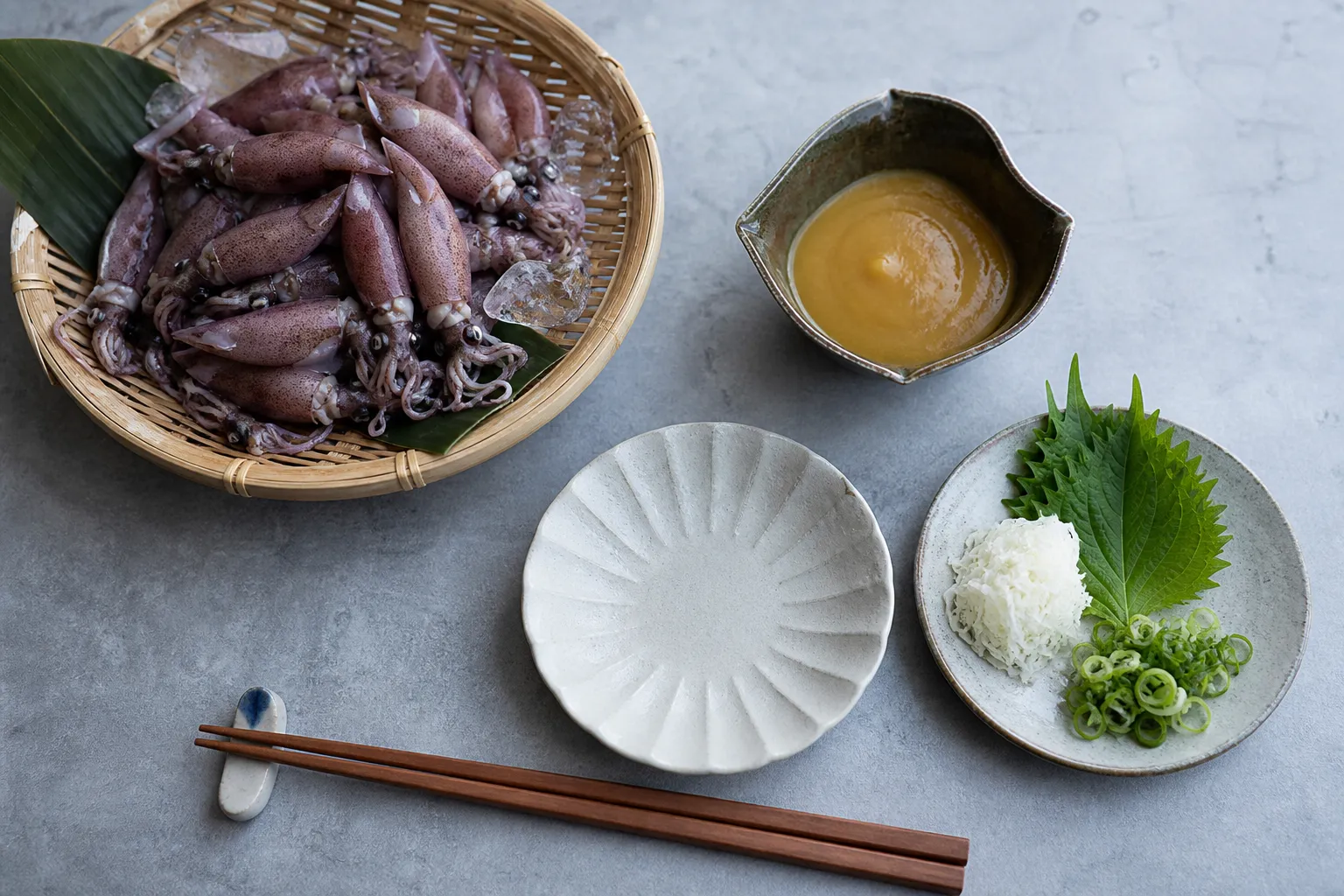
- Catch them in spring. Boats take hotaruika from Toyama Bay during the spawning run, when they surge toward the shore at night.
- Boil them briefly. For the classic preparation, the whole squid are boiled just until they curl and firm up, turning a reddish pink.
- Make the sumiso. Miso is blended with rice vinegar, sugar and often a little mustard into a sweet-tart, glossy dressing.
- Dress and plate. The boiled squid are tossed with or served over the sumiso, sometimes with a little scallion or seaweed alongside.
- Serve as a delicacy. Enjoyed as an appetizer or side — also eaten as sashimi, or preserved styles like okizuke — small plates meant to be savored.
The craft is restraint: boil just long enough to set them without toughening, and balance the sumiso so it brightens the richness rather than burying it. Freshness is everything, which is why they shine in-season and close to the bay.
Before you go — catch them in Toyama in spring
Your questions, answered honestly
"Do I really eat the whole thing — including the insides?" — Yes, and that's the point. The rich, custardy burst inside (the squid's liver) is exactly what makes hotaruika special. If you love uni or rich seafood, you'll be into it. If that idea worries you, start with the boiled-and-sumiso version, which is the gentlest.
"When can I actually get them?" — Mainly spring. That's the season the squid run into Toyama Bay, and it's when they're freshest and most abundant. Outside the season you may find frozen or preserved versions, but spring in Toyama is the real thing.
"How is this different from regular squid sashimi?" — Totally different scale and experience. Regular squid is sliced from a large body and is chewy and mild. Hotaruika are eaten whole and tiny, so you get a rich, bursting bite rather than a clean slice — richer, softer, and far more intense per piece.
"Can I actually see them glow?" — Sometimes, yes — the glowing spectacle happens along parts of Toyama Bay in spring, and there are viewing tours. It's weather- and nature-dependent, so treat any glow-viewing as a bonus, not a guarantee, and check local seasonal info before planning around it.
What the staff will ask you
| You'll hear | Romaji | Meaning | Just say |
|---|---|---|---|
| 酢味噌でよろしいですか? | Sumiso de yoroshii desu ka? | "Is vinegar-miso okay for it?" | Hai, onegai shimasu (yes, please) |
| 茹でか刺身、どちらにしますか? | Yude ka sashimi, dochira ni shimasu ka? | "Boiled or as sashimi?" | Osusume de (your recommendation) |
| 今が旬ですよ | Ima ga shun desu yo | "They're in season right now" | Ja, sore o (then I'll have that) |
To order, just say "Hotaruika o kudasai" (ホタルイカをください) — "Firefly squid, please."
Where to eat it
- Toyama City and Shinminato/Namerikawa area restaurants — sushi spots and izakaya around Toyama City and the bayside towns serve hotaruika at its freshest, especially in spring.
- Toyama Bay seafood markets and morning markets — market eateries near the bay are a classic place to try boiled hotaruika with sumiso right in season.
- Namerikawa, home of firefly-squid tourism — this bayside town is closely tied to the firefly-squid spectacle and season, with seasonal viewing tours run by local operators.
Hotaruika is a spring delicacy tied to Toyama Bay, so availability is highly seasonal and glow-viewing is nature-dependent — check the season and any tour details before you go.
Soul Score
Local Roots5/5
First-Timer Friendly3/5
Adventure Level4/5
Comfort Level4/5
Travel Worthy5/5
These scores are one obsessed eater's gut feeling — not a verdict. A low number isn't a bad mark, just a different kind of adventure.
Know someone planning Japan?
← All Articles
Local Food · Toyama
Still hungry?
Eat more from Toyama
Local FoodToyama
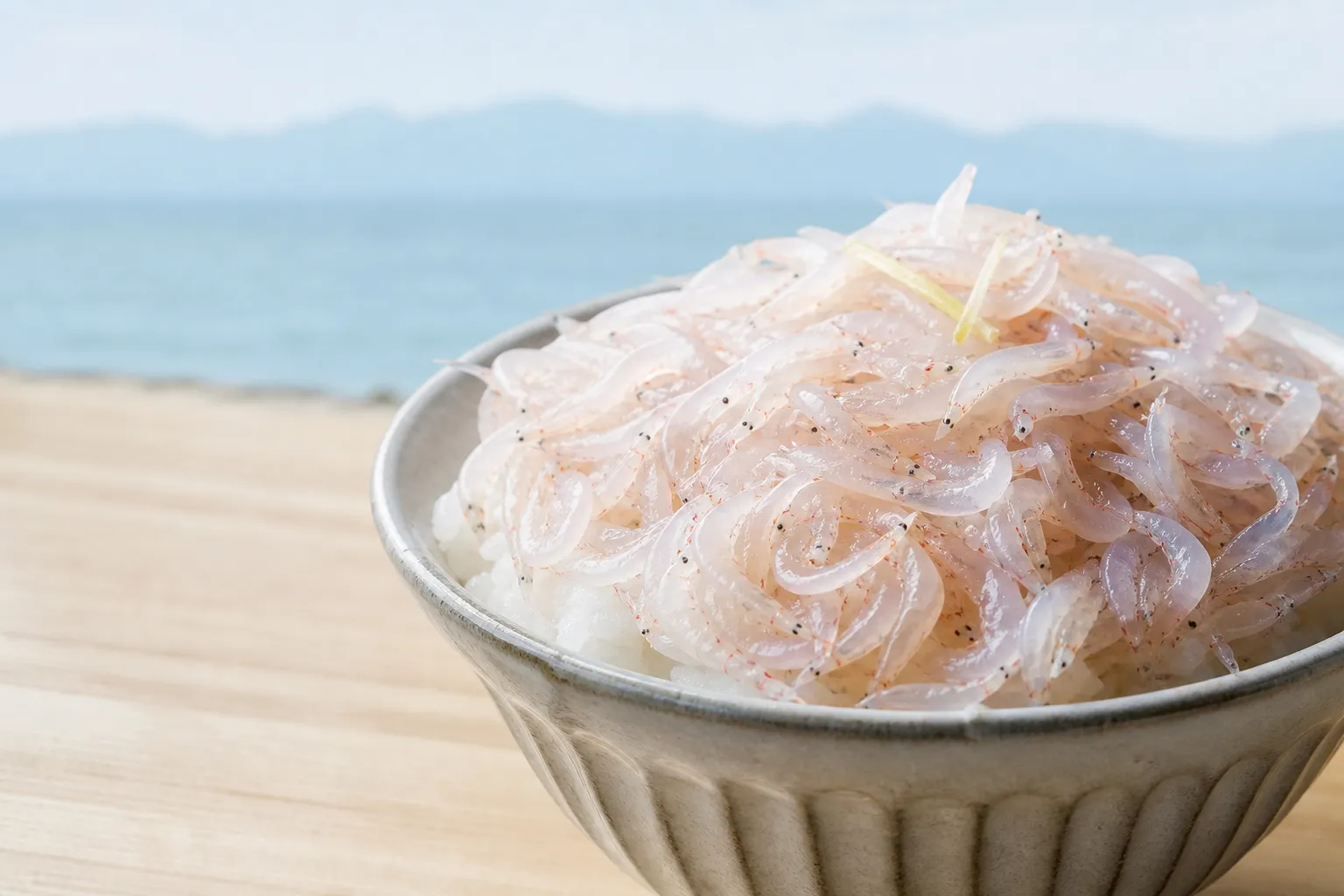
Shiroebi-don (白えび丼)
A whole bowl piled with hundreds of tiny, ghost-pink shrimp so delicate they barely hold their shape — and then they dissolve into pure sweetness before you can even chew.
July 5, 2026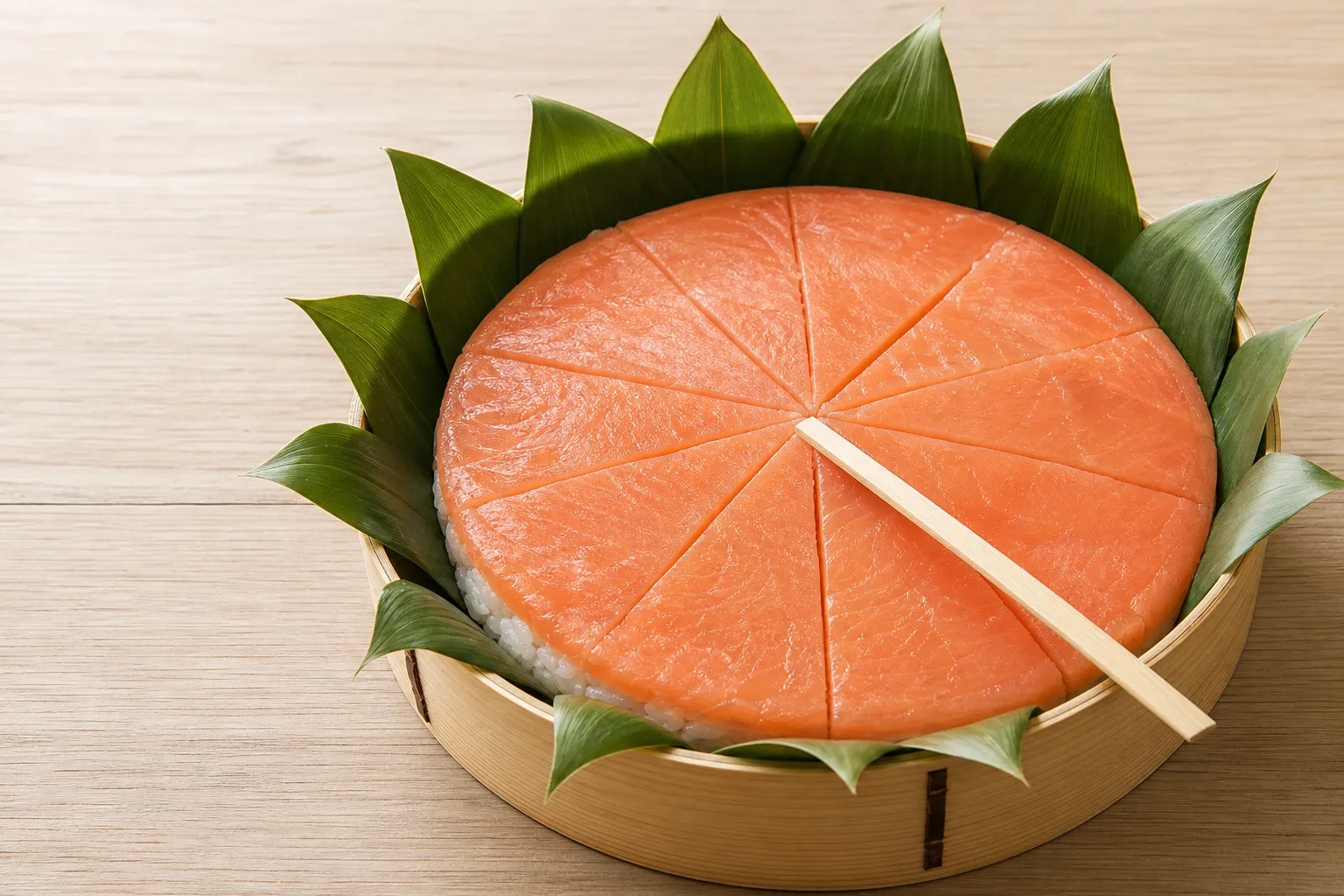
Local FoodToyama, Toyama
Masu no Sushi (ます寿司)
A pink wheel of pressed trout sushi, packed tight in a round wooden box and wrapped in bamboo leaves. You unwrap it like a present and cut it like a cake. Toyama's most beautiful lunch.
June 27, 2026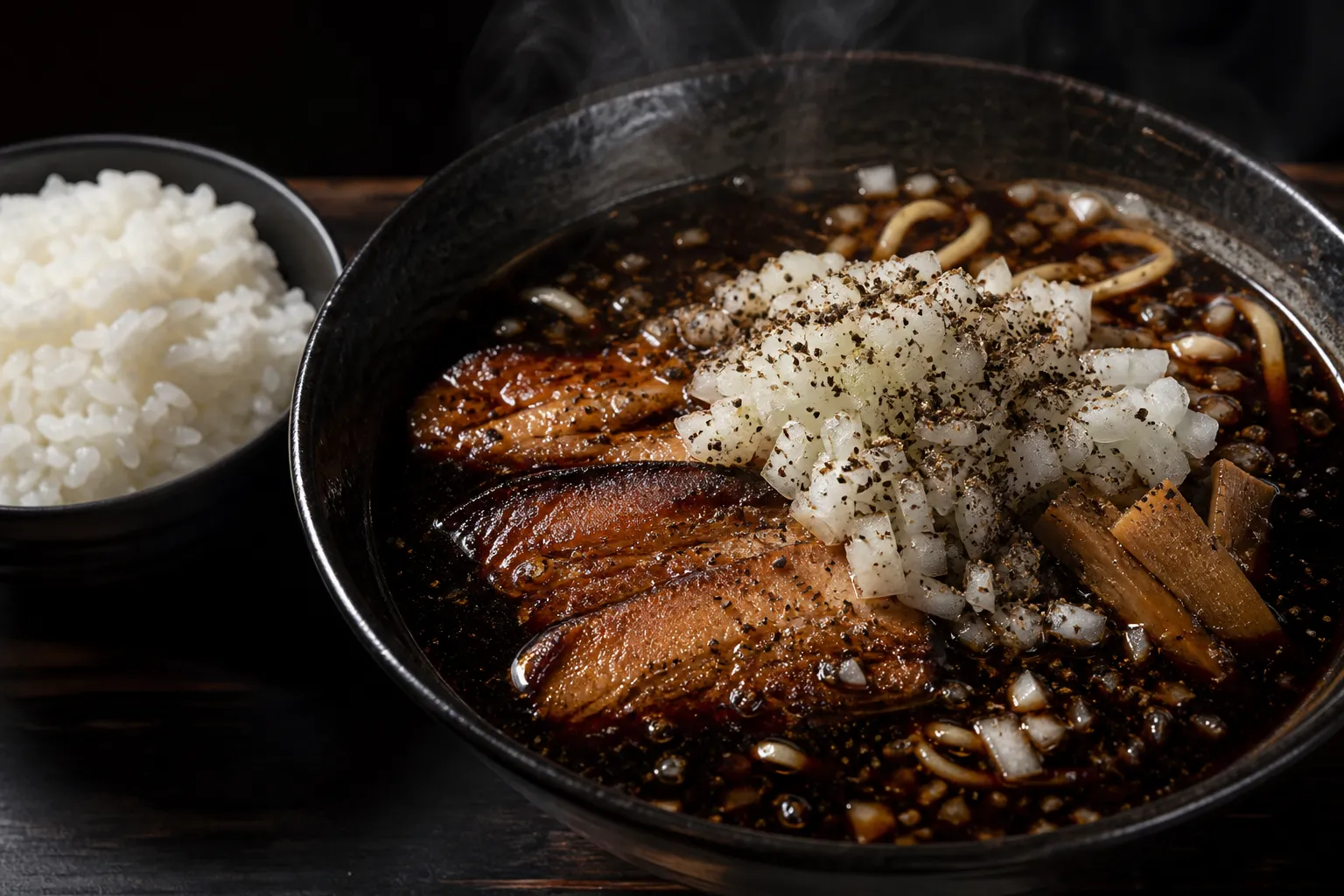
Local FoodToyama City, Toyama
Toyama Black Ramen (富山ブラックラーメン)
A bowl of ramen so dark it looks like ink, so salty it was built to be eaten with a side of rice. Toyama's black-broth monster isn't subtle — and that's the entire point.
June 26, 2026