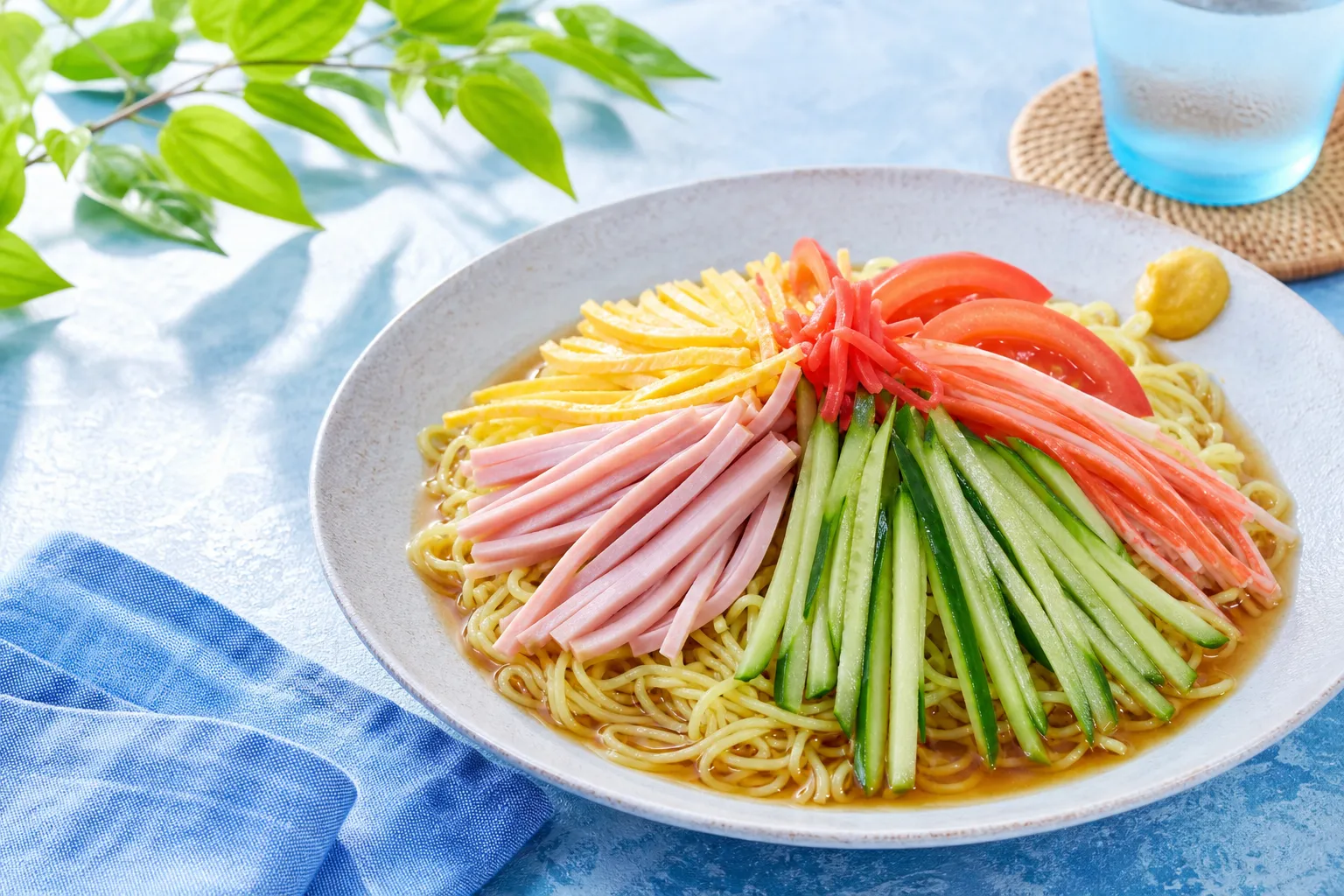
It hits like the season turning. One day it's too brutally hot to even think about a steaming bowl of ramen — and the next, every shop in town has slapped a banner across the window: hiyashi-chuka hajimemashita, "we've started cold ramen." Relief, announced in noodle form. I saw the sign, felt the sweat on my back, and walked straight in.
Share this dish


One day it's too hot to even look at a steaming bowl of ramen — and the next, every shop slaps up a banner: cold ramen has started. Summer, in noodle form.
This is hiyashi chuka (冷やし中華), Japan's great summer noodle: chilled ramen noodles fanned out under neat strips of egg crepe, ham, cucumber, tomato, and more, all dressed in a bright, tangy cold soy-vinegar sauce (sometimes a nutty sesame one). It's cold, sour, crunchy, and refreshing — the exact opposite of hot ramen, and the dish that makes a Japanese summer survivable.
A dish that only shows up when it's hot
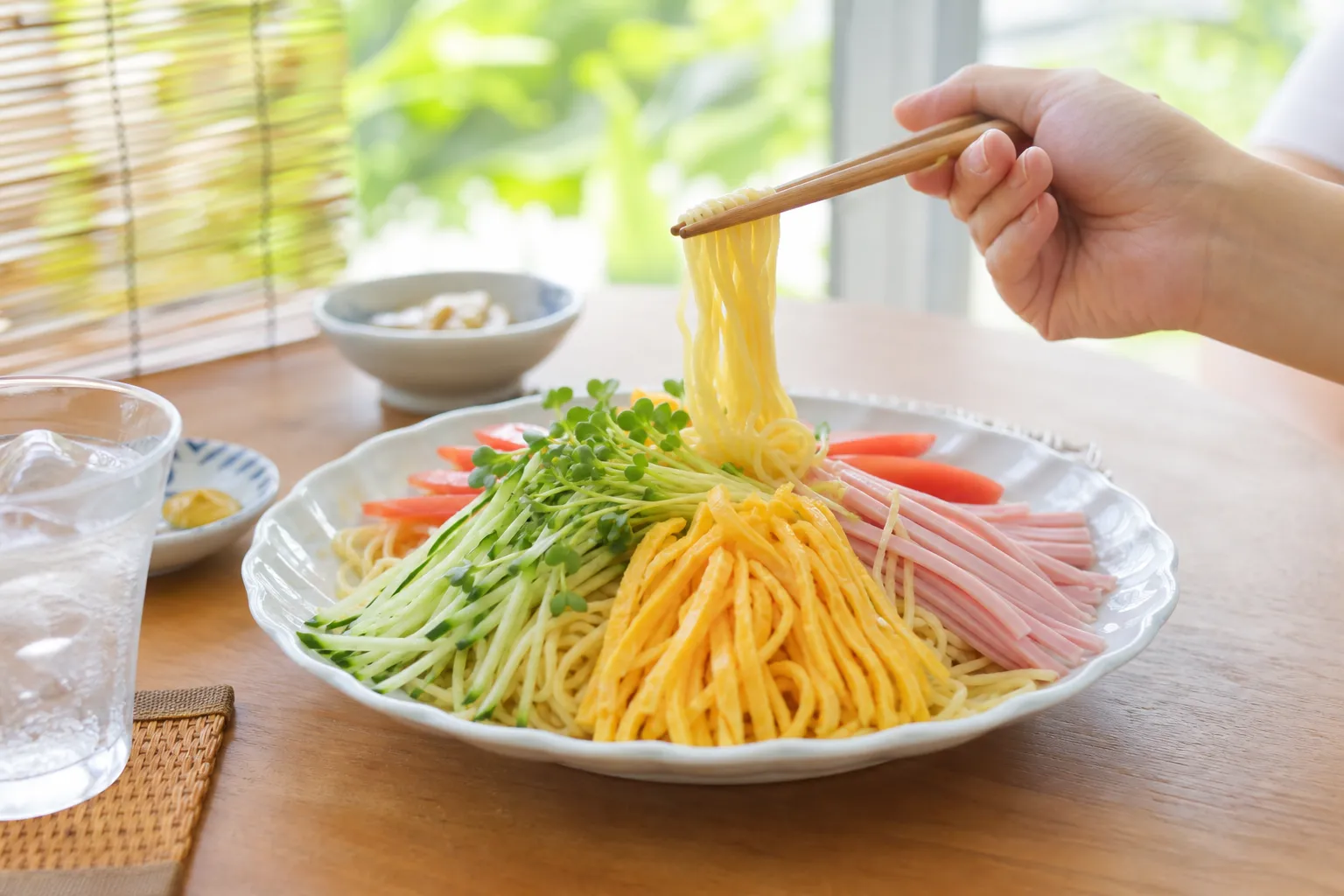
Part of the magic is that you can't have it whenever you want. Hiyashi chuka is seasonal by tradition — shops bring it out when the heat arrives and pack it away when autumn comes. That banner going up is a genuine little event, a culinary signal that summer is officially here. Miss the window and you're waiting until next year.
I love food with a season attached. It makes eating it feel like catching something, not just ordering lunch. I had it three times in one sweltering week, partly out of love and partly out of a low-grade panic that the banners would come down. No regrets. The first cold, sour mouthful on a 35-degree day is its own kind of joy.
Why cold-and-tangy works
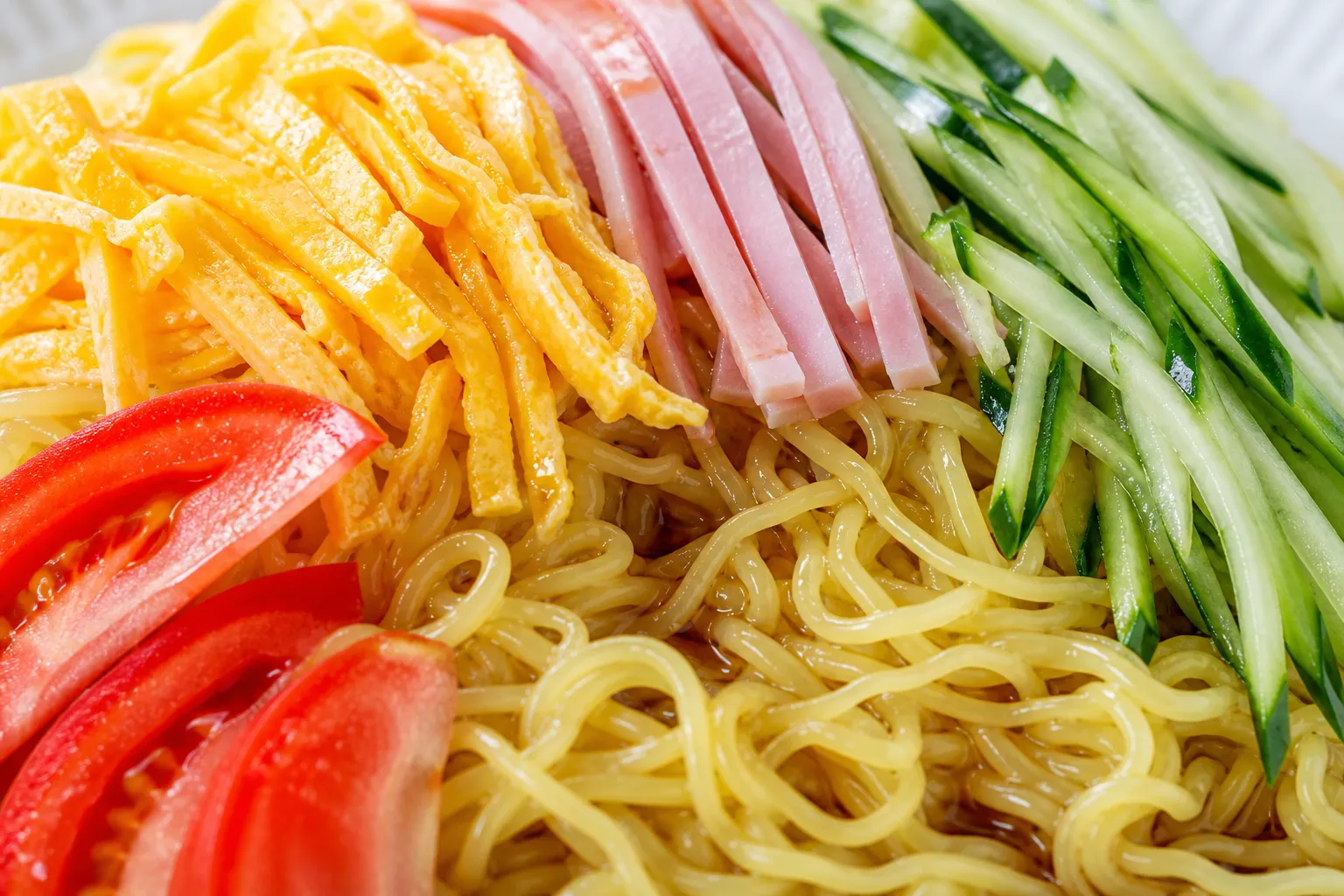
It's all about contrast and crunch. The noodles are cold and slippery, the toppings are cut into thin strips for texture — crisp cucumber, soft egg crepe, savory ham, juicy tomato — and the sauce is sharp with vinegar, just sweet enough, cutting through the heat of the day. Where hot ramen comforts you into a sweat, this one wakes you up.
Toss everything together before you eat — that's the move. The sauce pools at the bottom, so mix it all up to coat the noodles and scatter the toppings. A dab of karashi (hot mustard) on the side is common; stir in as much as you dare. By the end the bowl looks wrecked and beautiful and you feel, briefly, like you've beaten the summer.
How it's made
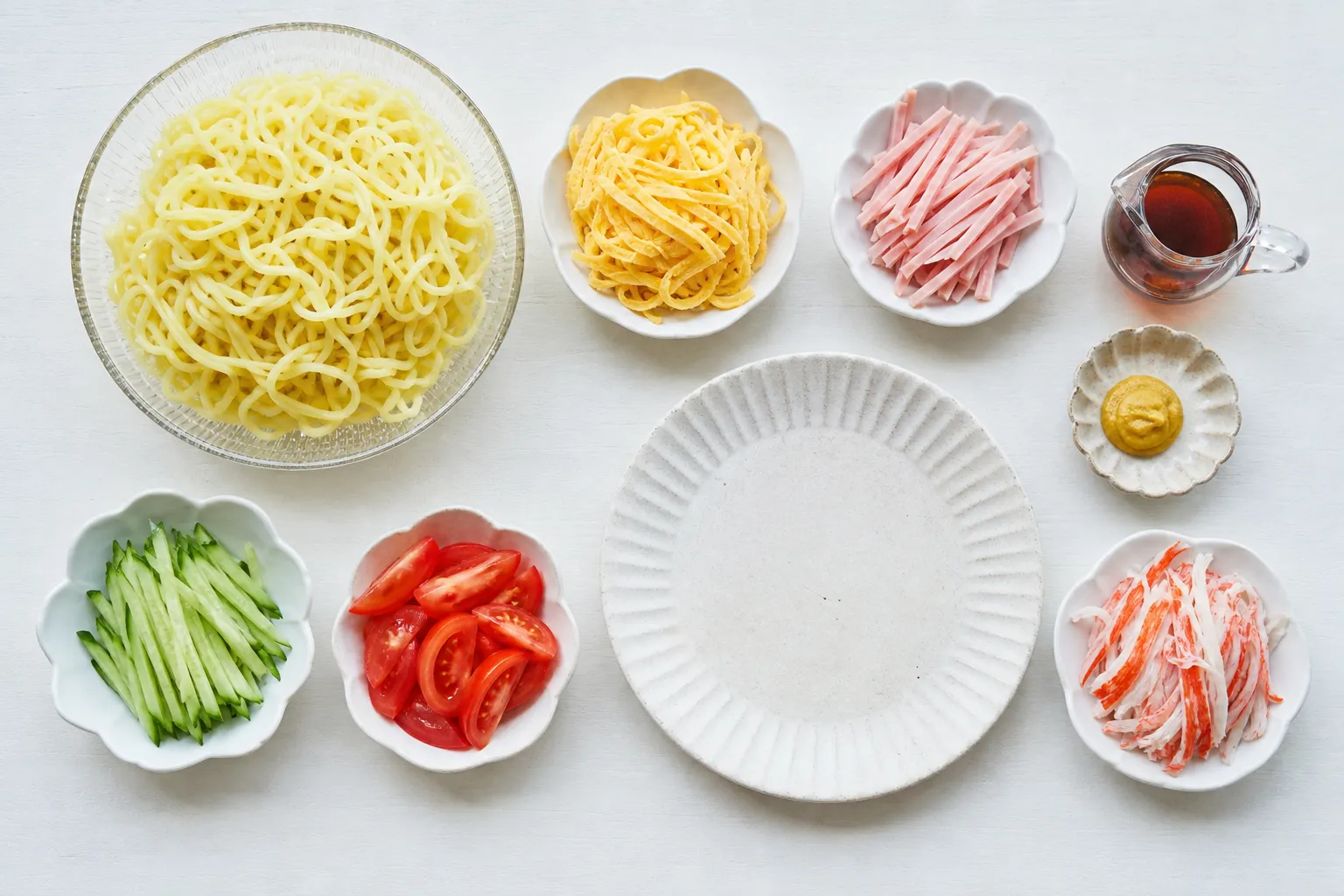
- Boil ramen noodles, then chill them fast in cold water and drain well
- Cut toppings into thin strips — egg crepe, ham, cucumber, tomato, sometimes imitation crab
- Mix a cold sauce — soy, vinegar, a little sugar and sesame oil (or a sesame-paste version)
- Arrange the noodles on a plate and fan the toppings on top in colorful rows
- Pour the cold sauce over, add karashi mustard on the side
- Toss everything together right before eating
Before you go — for the summer-curious
Your questions, answered honestly
"Can I get it any time of year?" — Usually not. Hiyashi chuka is a summer thing in most shops — look for the banner. Outside summer it can be hard to find (though some konbini and chains stock it longer).
"Is it a soup?" — No — it's cold noodles with a tangy dressing, not a broth. Toss it all together so the sauce coats everything before you dig in.
"What's the yellow paste on the side?" — That's karashi, hot Japanese mustard. Stir in a little for a sharp kick — but it's potent, so start small.
"Is it spicy?" — No, unless you add the karashi. The base flavor is tangy and refreshing.
What the staff will ask you
| You'll hear | Romaji | Meaning | Just say |
|---|---|---|---|
| 冷やし中華、始めました | Hiyashi-chuka, hajimemashita | "We've started cold ramen (it's in season)" | Sore, kudasai (that one, please) |
| からしはお付けしますか? | Karashi wa otsuke shimasu ka? | "Add hot mustard?" | Hai (yes) / Iie de (without) |
| 麺、大盛りにしますか? | Men, ōmori ni shimasu ka? | "Large noodles?" | Futsū de (regular) / Ōmori de (large) |
To order, just say "Hiyashi chuka kudasai" (冷やし中華ください) — "Hiyashi chuka, please."
Where to eat it
- Nationwide, in summer — ramen shops, Chinese diners (chuka), and old-school shokudo all run it as a seasonal special. Watch for the 冷やし中華 banner.
- Convenience stores — in the hot months, konbini sell chilled hiyashi chuka packs that are genuinely good and require zero ordering — perfect for a park bench.
- Check before you go — it's seasonal, so availability depends on the weather and the shop; if you see it, grab it.
Soul Score
Local Roots3/5
First-Timer Friendly5/5
Adventure Level3/5
Comfort Level4/5
Travel Worthy3/5
These scores are one obsessed eater's gut feeling — not a verdict. A low number isn't a bad mark, just a different kind of adventure.
Know someone planning Japan?
← All Articles
Japanese Food · Nationwide
Still hungry?
You might also like
Japanese FoodNationwide
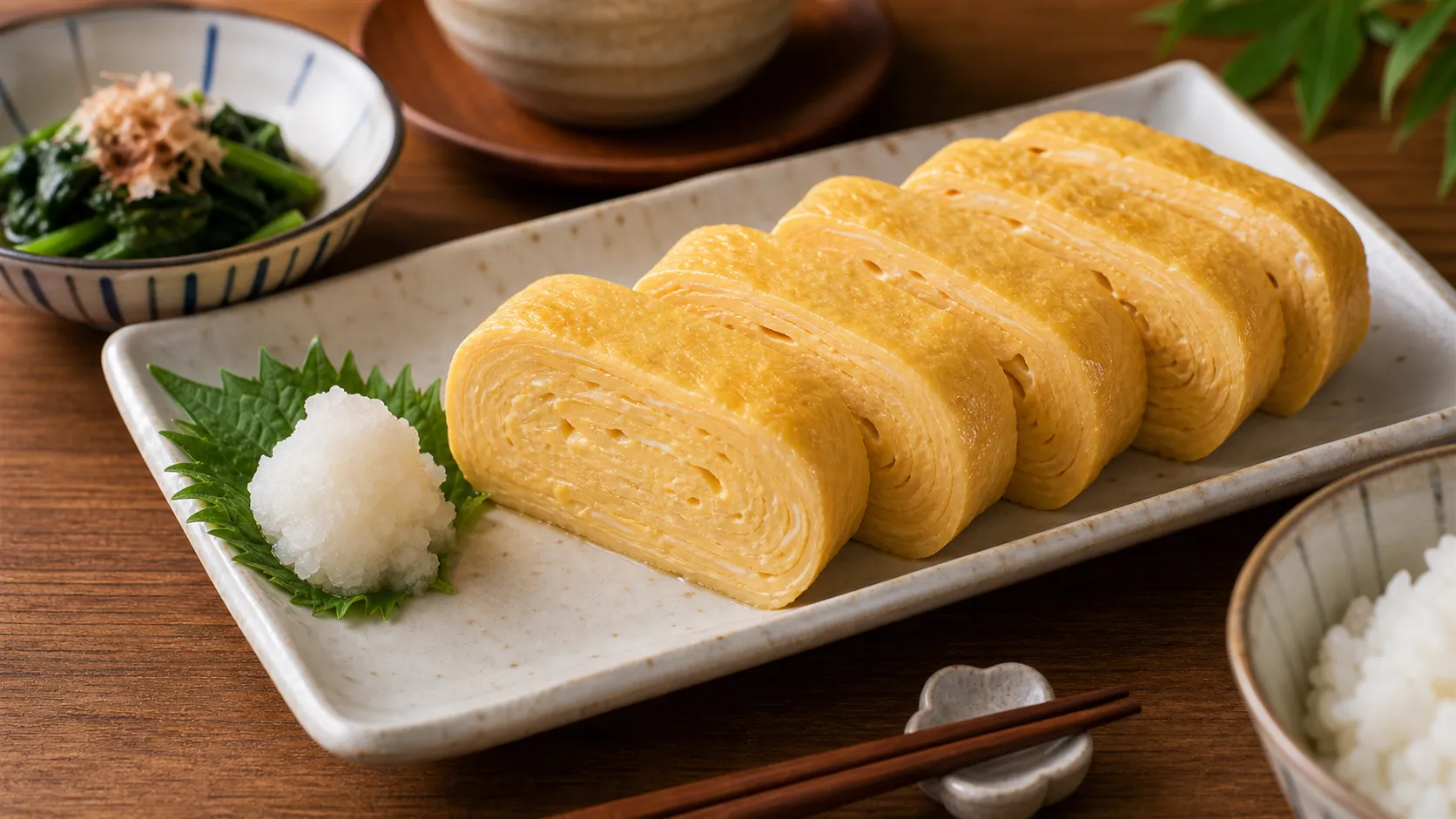
Dashimaki-tamago (だし巻き卵)
A rolled omelette so soft it almost trembles, layered fold over fold and soaked with dashi so that biting in releases a little warm rush of savory broth — the deceptively simple egg dish that Japanese chefs spend years perfecting.
July 11, 2026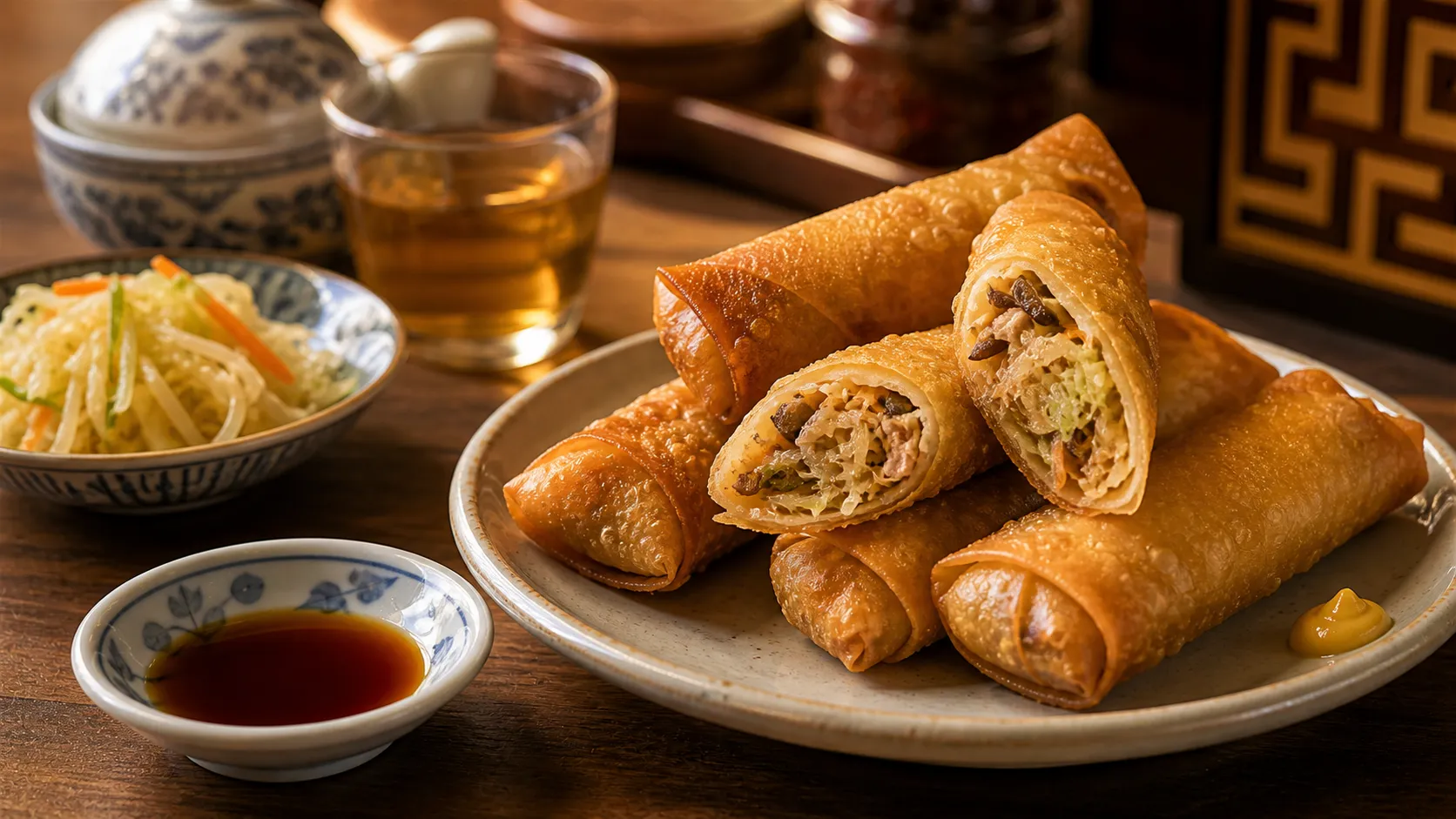
Japanese FoodNationwide
Harumaki (春巻き)
The Japanese spring roll — a shatteringly crisp golden tube that gives way to a hot, savory tangle of pork, cabbage and bamboo shoot, best eaten the second it's cool enough not to burn your mouth (you will not wait that long).
July 11, 2026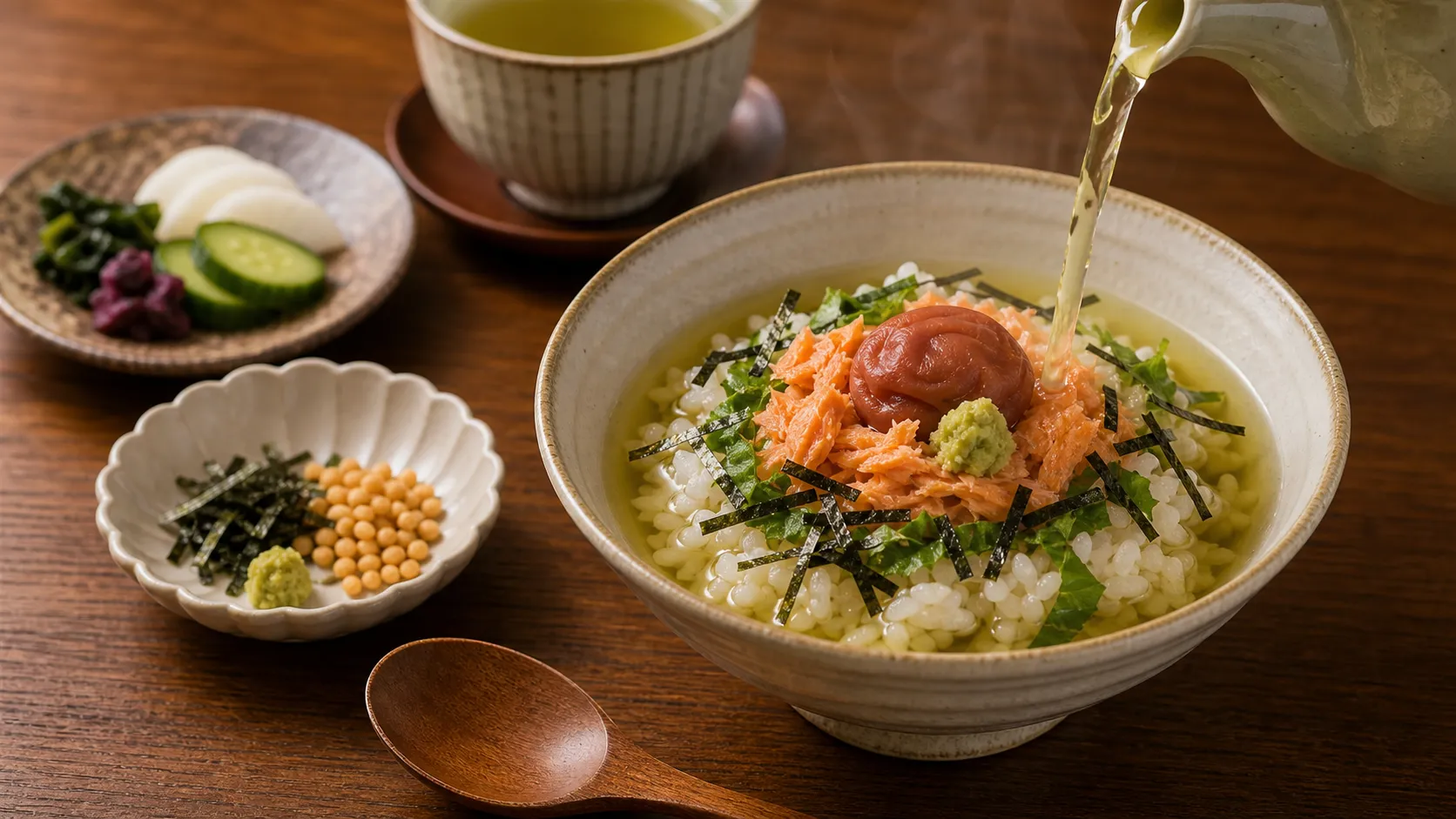
Japanese FoodNationwide
Ochazuke (お茶漬け)
Pour hot green tea or dashi over a bowl of rice, scatter something savory on top, and eat — the gentlest, most quietly restorative dish in Japan, the one you reach for late at night when you just need a warm bowl to make everything okay.
July 11, 2026