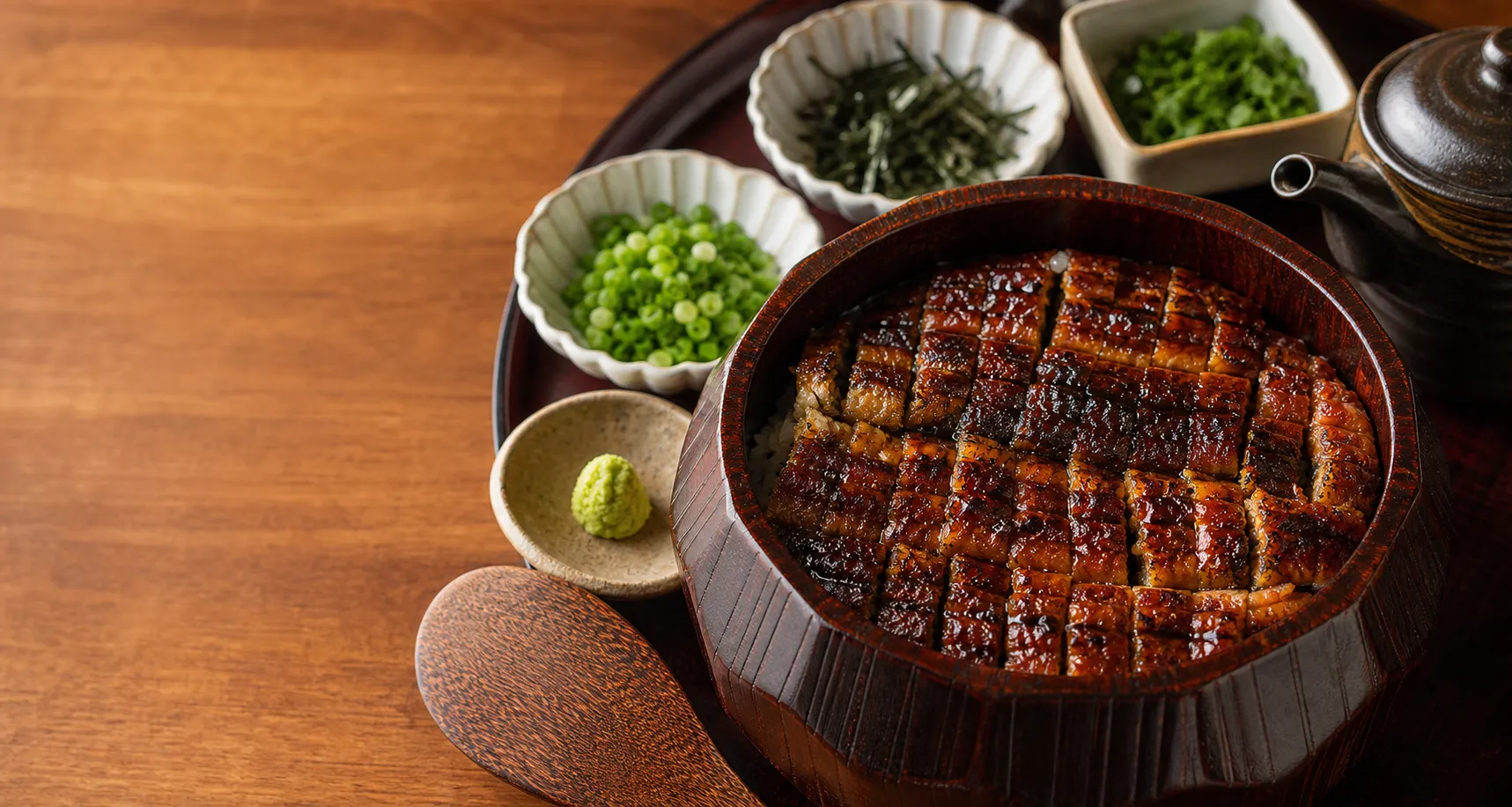
The waiter explained the rules and I nodded along like I understood, and then the lacquered tub arrived heaped with glossy, caramelized grilled eel, and I forgot every single instruction and just started eating. It was so good my brain went quiet. Then I remembered there was a system, and the system turned out to be the best part.
Share this dish


Charcoal-grilled eel over rice — but Nagoya makes you eat it three different ways from the same tub, and the third way (drowned in dashi) might ruin every other eel dish for you forever.
🍜 Planning a food trip to Aichi?Add this dish to my Food Trip →
 Add this dish to my Food Trip →
Here's the trick Nagoya plays: it takes one of Japan's most luxurious foods — charcoal-grilled freshwater eel — and instead of just laying it over rice and letting you have at it, it makes you eat the same tub three different ways. And by the third way, you understand the whole thing was a setup to show you how many kinds of delicious one ingredient can be.
A clever idea from a Nagoya eel house
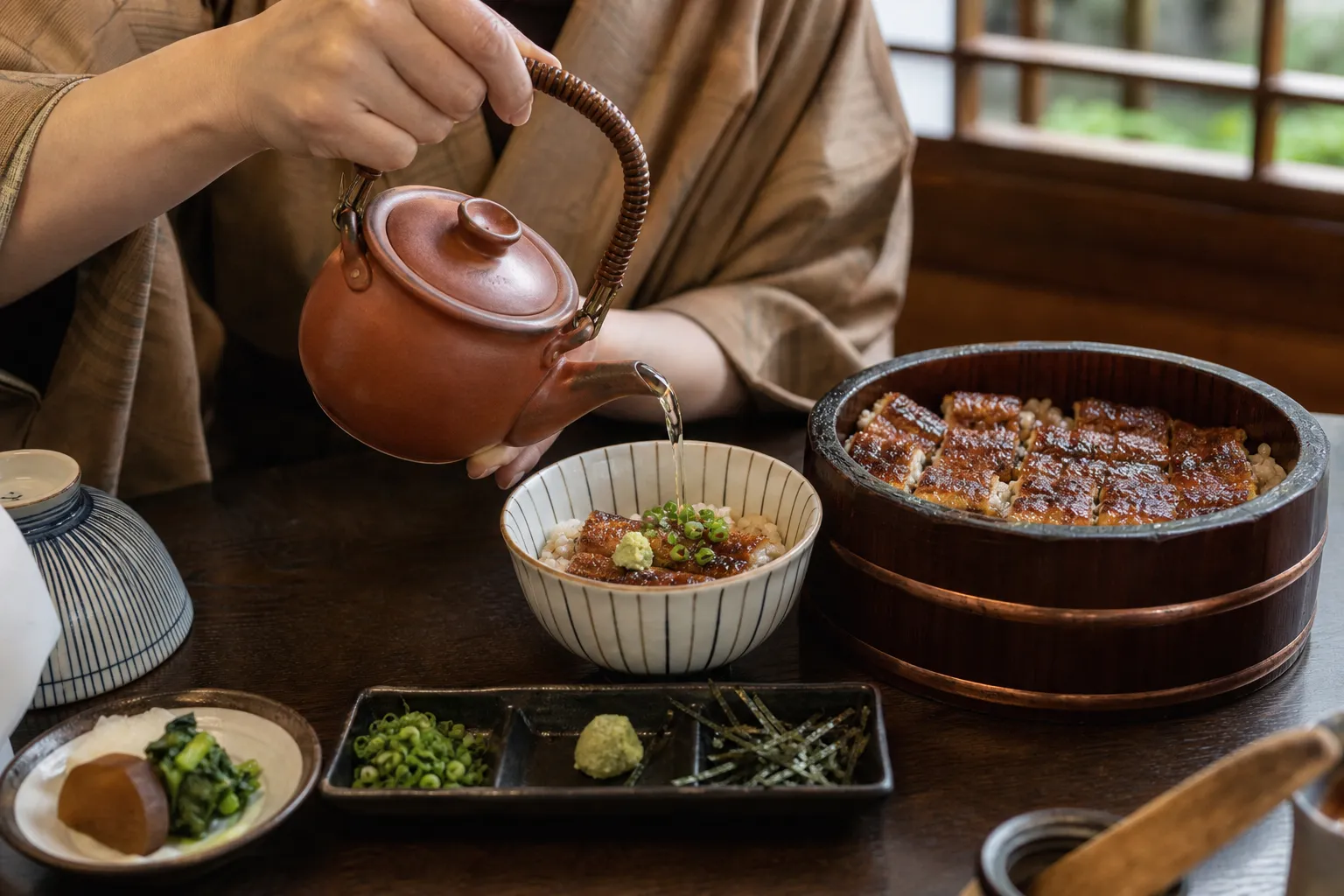
Hitsumabushi grew up in Nagoya around the Meiji era, with the long-established eel restaurant Atsuta Horaiken among those most often credited with shaping it. The name comes from hitsu (the wooden rice tub, ohitsu) and mabushi (to scatter/mix through) — eel scattered through rice in a tub. The defining move is that the eel is cut into bite-sized strips and mixed across the rice, rather than draped whole over it like in unadon. That small change is what makes the three-way ritual possible.
I find the whole ritual genuinely delightful — it's not a gimmick, it's a guided tour of one ingredient. You're meant to portion the tub into four servings and eat it in stages, each one a different experience, and the restaurant trusts you to run the ceremony yourself. There's something quietly generous about that.
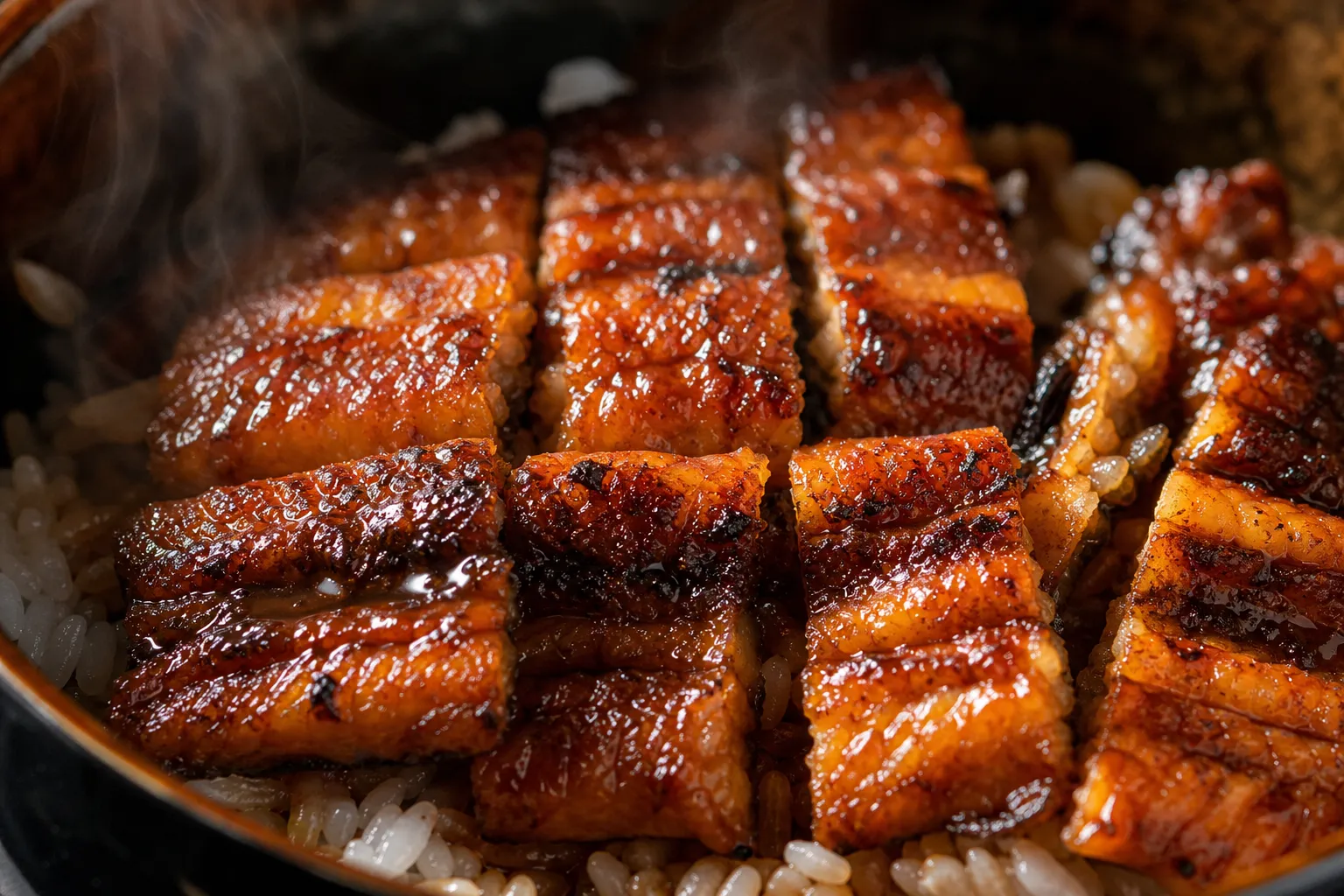
The eel itself is the Nagoya style: grilled without the steaming step used in Tokyo, so the skin stays a little crisp and the flavor is more direct and charcoal-forward. Glossy with sweet-savory tare, faintly smoky, properly rich.
Why eating it three ways actually matters
Divide the tub into four. Then:
First quarter — plain. Eel and rice, nothing added. This is your baseline: the pure, sweet-savory, charcoal-grilled eel, so you know exactly what it tastes like on its own.
Second quarter — with condiments. Now add the yakumi: chopped green onion, nori, wasabi, maybe mitsuba. The wasabi sharpens it, the onion brightens it, the nori adds sea-depth. Same eel, completely different bowl.
Third quarter — ochazuke. Pile on the condiments again, then pour hot dashi (or tea) over the whole thing. The eel softens, the broth pulls everything together, the crisp edges go silky, and it becomes the most comforting bowl imaginable. This is the one that gets people. This is the one I think about.
Fourth quarter — however you loved best. The restaurant gives you a free choice to repeat your favorite. Mine is always the ochazuke. It is not close.
How it's made
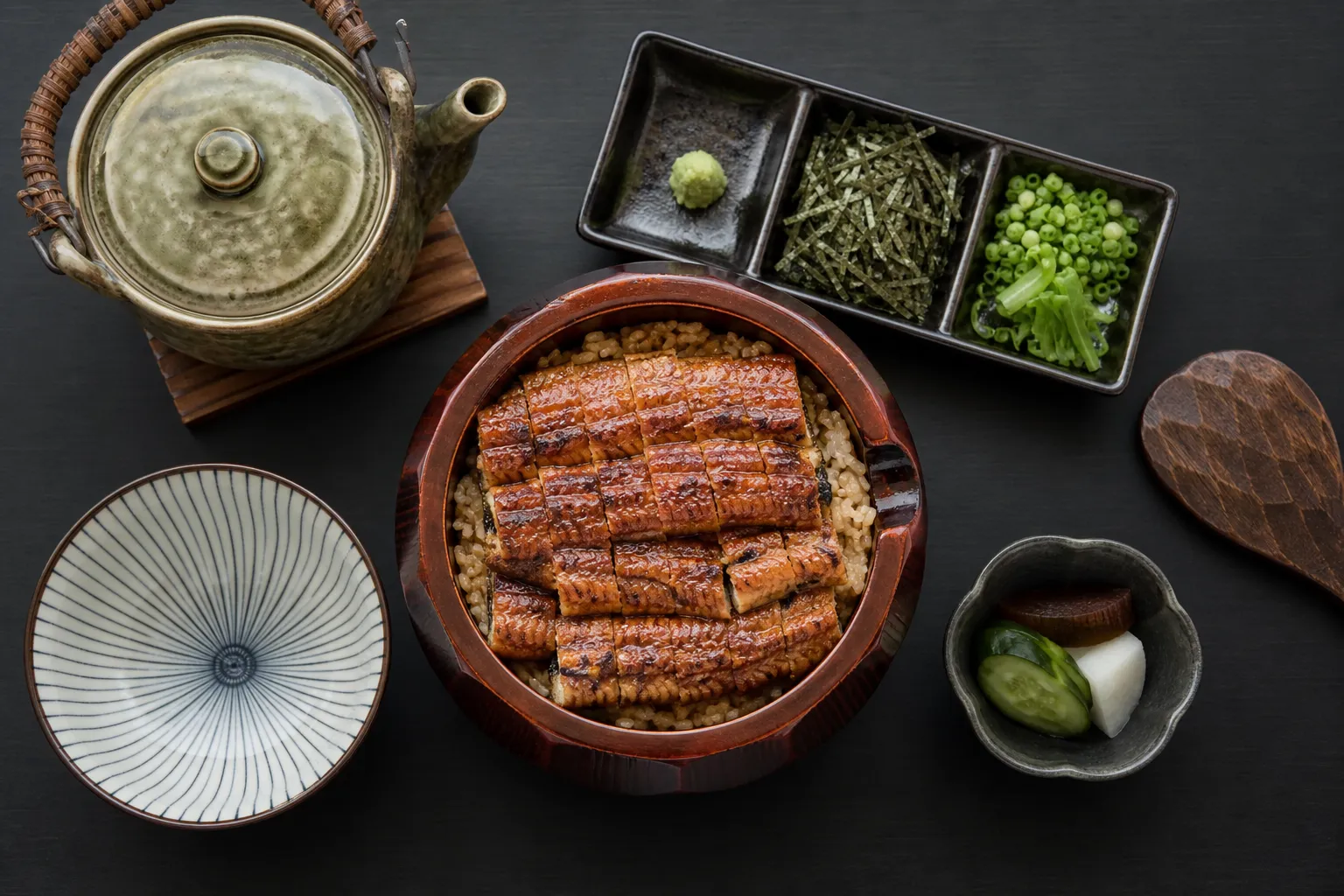
- Butcher and skewer freshwater eel; grill over charcoal, Nagoya-style (no steaming), brushing repeatedly with a sweet-savory soy tare until glossy and caramelized
- Cut the grilled eel into bite-sized strips
- Scatter the eel across a tub (ohitsu) of hot rice
- Serve with condiments (green onion, nori, wasabi, mitsuba) and a pot of hot dashi or tea
- The eater portions it into four and runs the three-way ritual themselves
Before you go — save room for the ochazuke
Your questions, answered honestly
"Do I really have to eat it in the specific order?" — You don't have to, but you should — it's genuinely the best way to experience it, building from pure to dressed to dashi-soaked. Most first-timers are glad they followed it.
"How is this different from unagi / unadon?" — Same star ingredient (grilled eel), but unadon is whole eel over rice eaten one way; hitsumabushi is cut into strips and eaten three ways, Nagoya-style (grilled without steaming, so slightly crisper).
"Is eel an adventurous order?" — Not really — grilled unagi is sweet, rich, tender, and very approachable, with no fishiness. If you've hesitated on eel, this is a great place to be won over.
"Is it expensive?" — Eel isn't cheap anywhere in Japan, and hitsumabushi is a treat-yourself dish rather than an everyday one. It's worth it.
What the staff will ask you
| You'll hear | Romaji | Meaning | Just say |
|---|---|---|---|
| 食べ方はご存じですか? | Tabekata wa gozonji desu ka? | "Do you know how to eat it?" | Oshiete kudasai — "please show me" |
| 出汁はお茶にしますか? | Dashi wa ocha ni shimasu ka? | "Dashi or tea for the last course?" | Dashi de — "dashi, please" |
| 山椒はかけますか? | Sanshō wa kakemasu ka? | "Want sanshō pepper?" | Hai, sukoshi — "yes, a little" |
To order, just say "Hitsumabushi kudasai" (ひつまぶしください) — "Hitsumabushi, please."
Where to eat it
- Atsuta Horaiken (あつた蓬莱軒), Nagoya — the historic eel house most associated with hitsumabushi; expect queues. Check current hours and waits before you go.
- Unagi restaurants across Nagoya — hitsumabushi is the city's signature eel dish; many long-established and modern shops serve it.
- Nagoya-meshi restaurants nationwide — Nagoya-specialty restaurants in Tokyo and Osaka often offer hitsumabushi if you can't get to Nagoya.
Soul Score
Local Roots5/5
First-Timer Friendly4/5
Adventure Level3/5
Comfort Level5/5
Travel Worthy5/5
These scores are one obsessed eater's gut feeling — not a verdict. A low number isn't a bad mark, just a different kind of adventure.
Planning what to eat in Nagoya?🍤 Nagoya Food Guide: What to Eat, Where to Start, and How to Order →
Know someone planning Japan?
← All Articles
Local Food · Nagoya, Aichi
Still hungry?
Eat more from Aichi
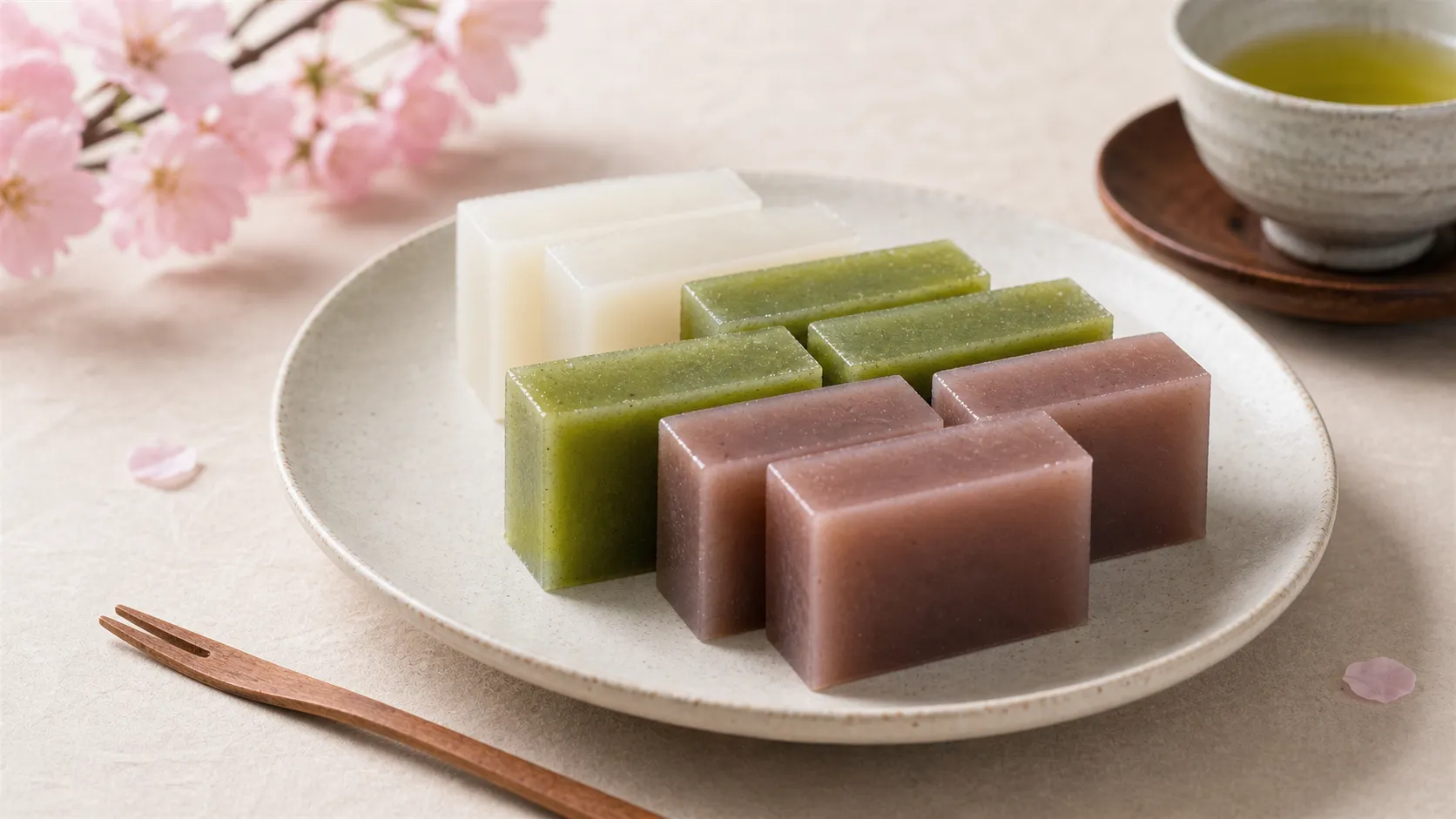
Sweets & SnacksNagoya, Aichi
Uiro (ういろう)
A steamed cake of rice flour and sugar that's somehow both chewy and clean, mild and moreish — Nagoya's understated, faintly wobbly sweet that grows on you until you can't stop buying it at the station.
July 10, 2026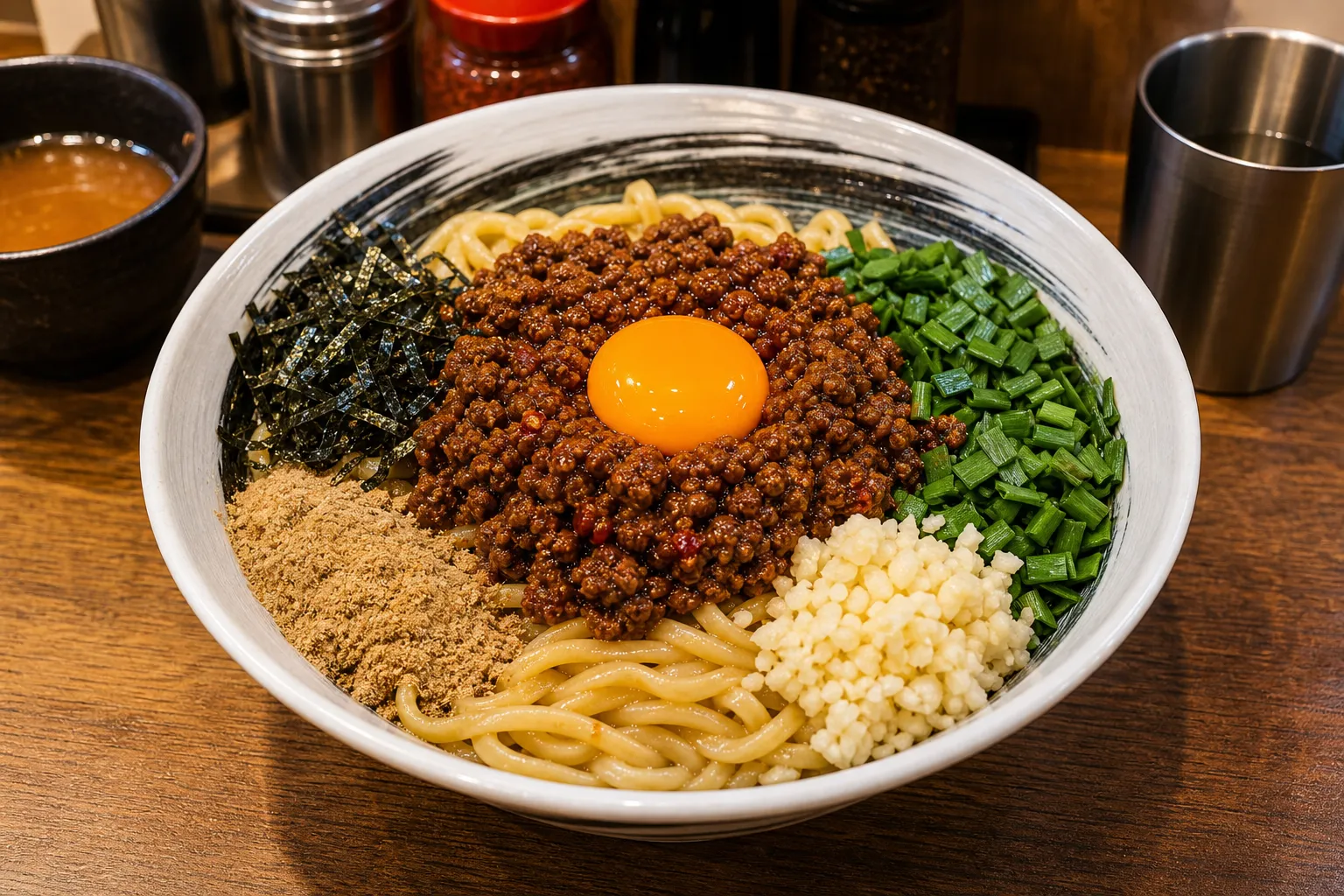
Local FoodNagoya
Taiwan Mazesoba (台湾まぜそば)
Break the egg yolk, plunge in, and mix like you're furious — this brothless Nagoya bomb of spicy pork, raw garlic and chives doesn't reveal itself until it's a chaotic, glorious mess.
July 9, 2026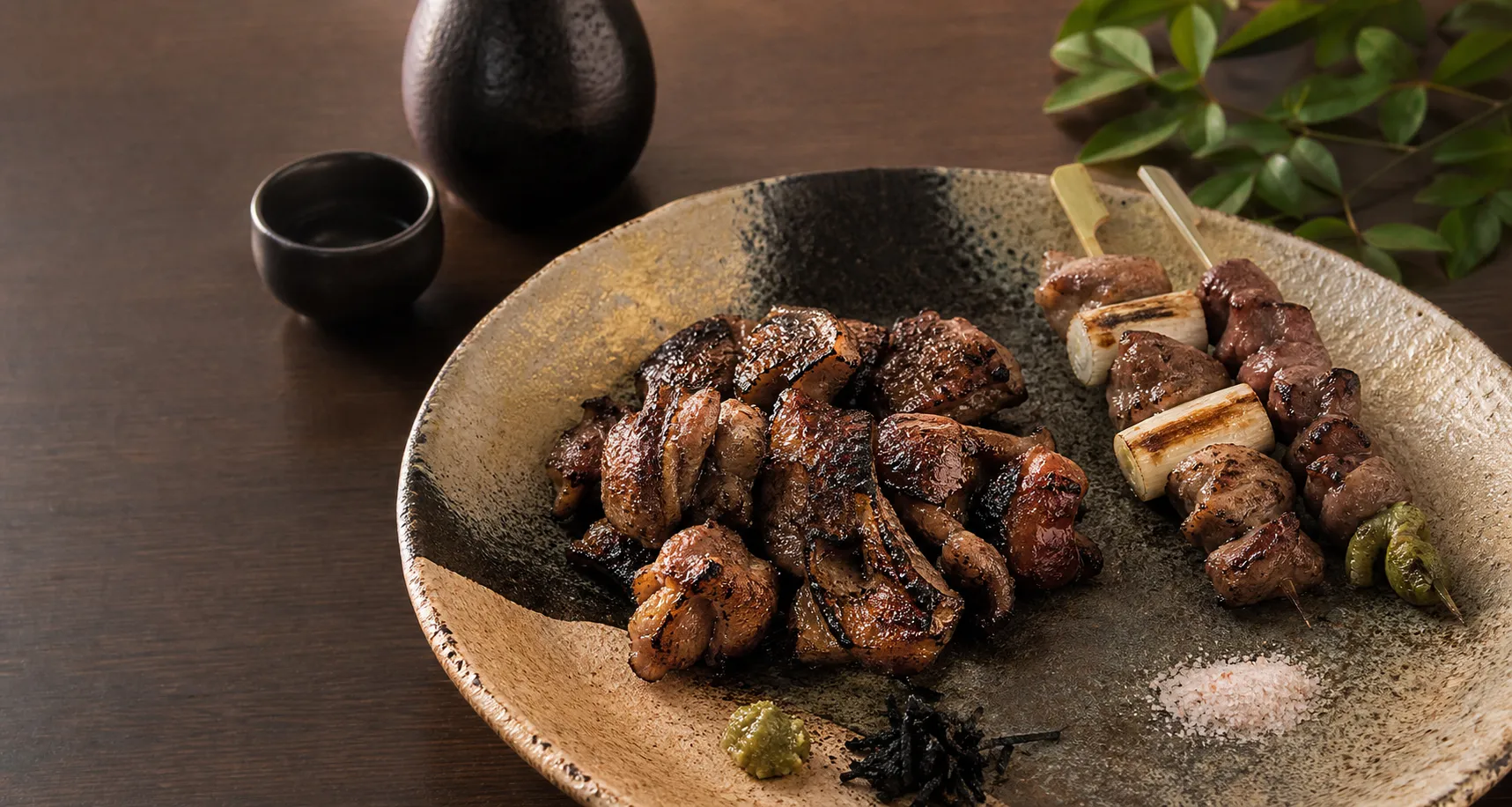
Local FoodNagoya, Aichi
Nagoya Cochin (名古屋コーチン)
Everyone warns you about the chewiness like it's a flaw — but that first spring-back bite of charcoal-grilled thigh is exactly the point, and I get it now.
July 5, 2026