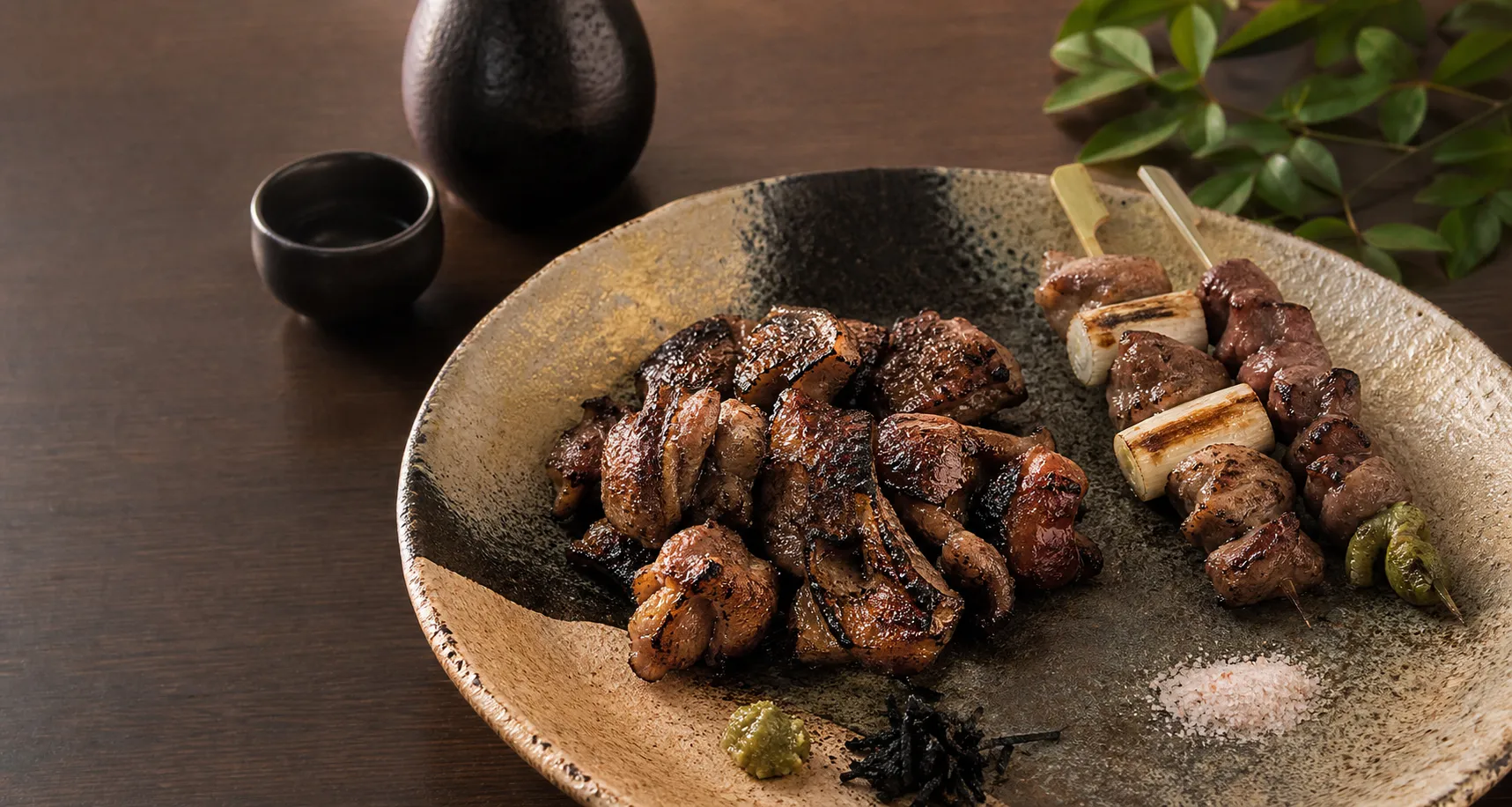
I bit into a piece of charcoal-grilled thigh and it bit back — a firm, springy, almost meaty resistance I did not expect from chicken. Then the flavor arrived, and it was so much deeper, so much more chicken than any chicken I'd had, that I actually stopped talking mid-sentence. My friend looked at me. I just pointed at the plate.
Share this dish


Everyone warns you about the chewiness like it's a flaw — but that first spring-back bite of charcoal-grilled thigh is exactly the point, and I get it now.
🍜 Planning a food trip to Aichi?Add this dish to my Food Trip →
 Add this dish to my Food Trip →
That was Nagoya Cochin (名古屋コーチン), and it is not the pale, soft, forgettable chicken you fry into nuggets. It's a certified heritage breed — one of Japan's three great jidori (地鶏, free-range native chickens) — bred in Aichi from a cross of a local Japanese fowl and Chinese Buff Cochin stock back in the Meiji era. These birds are raised slowly, with room to move, which is exactly why the meat is firm, dense, dark-colored, and packed with flavor. It's a premium ingredient, treated like one, and priced like one.
Where this chicken actually comes from
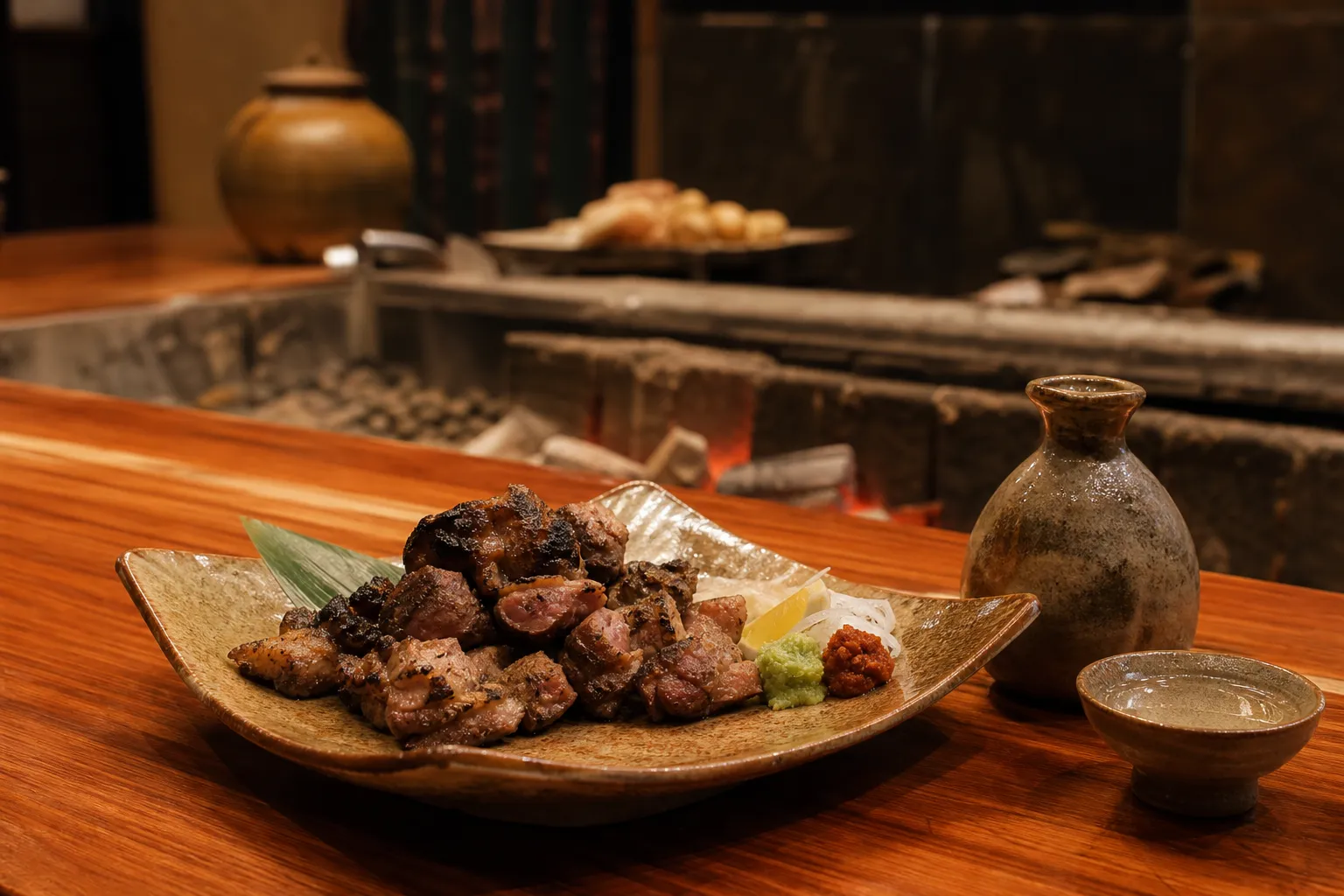
Back in the 1880s, two former samurai brothers in Aichi, the Kaida family, crossbred local hens with Buff Cochin birds imported from China, chasing a chicken that was good for both eggs and meat. They landed on something better than they were aiming for. By 1905 it became the first Japanese chicken breed officially recognized by the government — the original jidori. I find that genuinely charming: a nationally protected chicken, with paperwork older than most countries' airlines.
To carry the name today, the bird has to be certified — correct bloodline, raised free-range in Aichi under set conditions, grown slowly rather than rushed to market like an industrial broiler. That slowness is the whole secret. A supermarket chicken hits slaughter weight in about six weeks; a Nagoya Cochin takes far longer, and every extra week is building the firmness and flavor into the muscle. You are, quite literally, tasting patience.
Why the firmness is the flavor
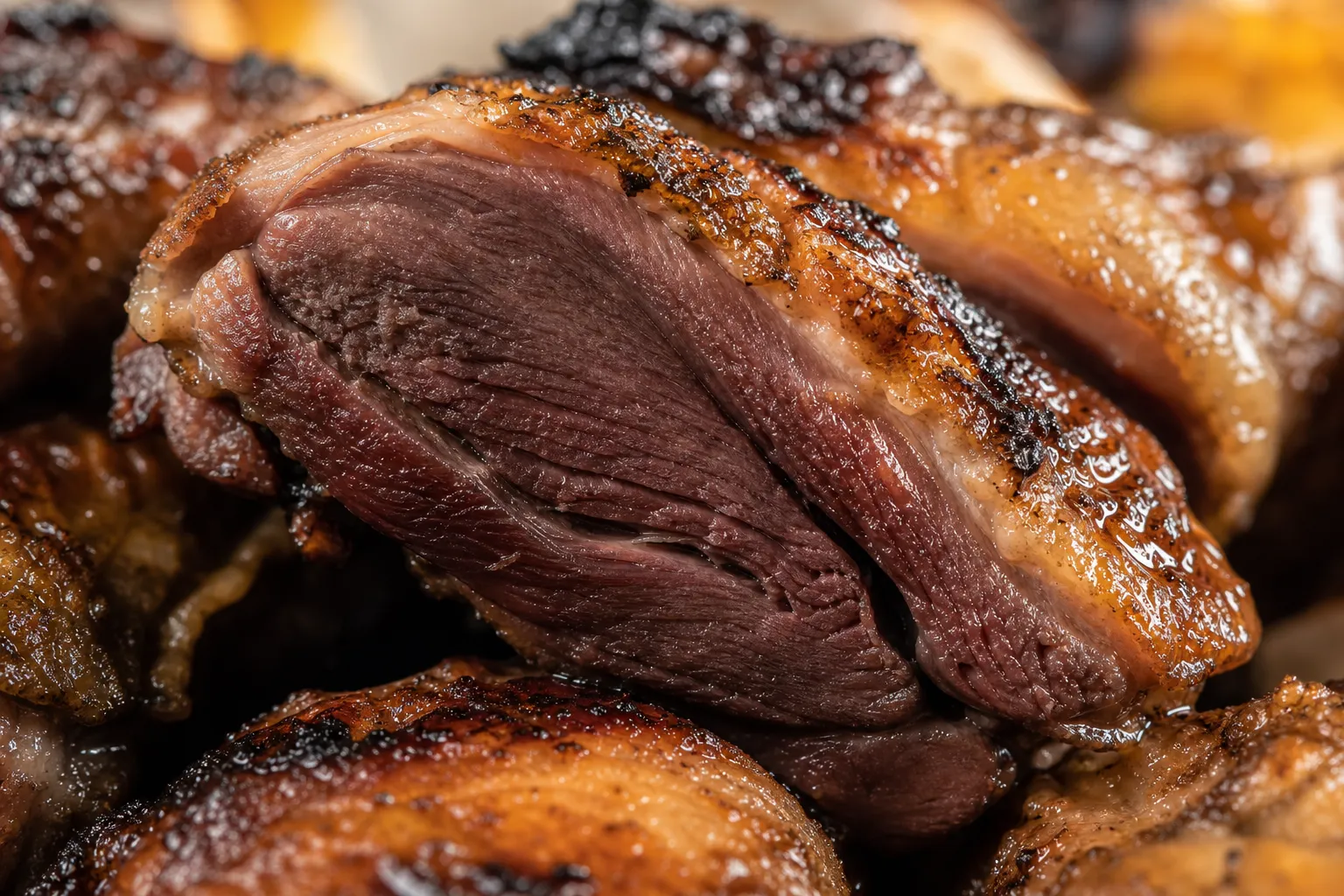
Here's the thing overseas visitors sometimes get wrong: they expect chicken to be soft, and Nagoya Cochin is deliberately not. The dark, well-exercised meat has a real chew to it — springy, dense, satisfying — and a concentrated, savory depth that ordinary chicken just can't reach. That texture isn't a defect to apologize for. It's the point. It's why people pay several times the price of normal chicken for it.
The classic way to meet it is sumibiyaki — grilled over binchōtan charcoal with barely more than salt — because that lets the meat itself do all the talking. But it also shows up as oyakodon (chicken and egg over rice, often with Cochin eggs too), in mizutaki hotpot, as sashimi in specialist places, and on skewers. I ate it grilled, then again as oyakodon the next morning, and I have no regrets about either.
How it reaches your plate
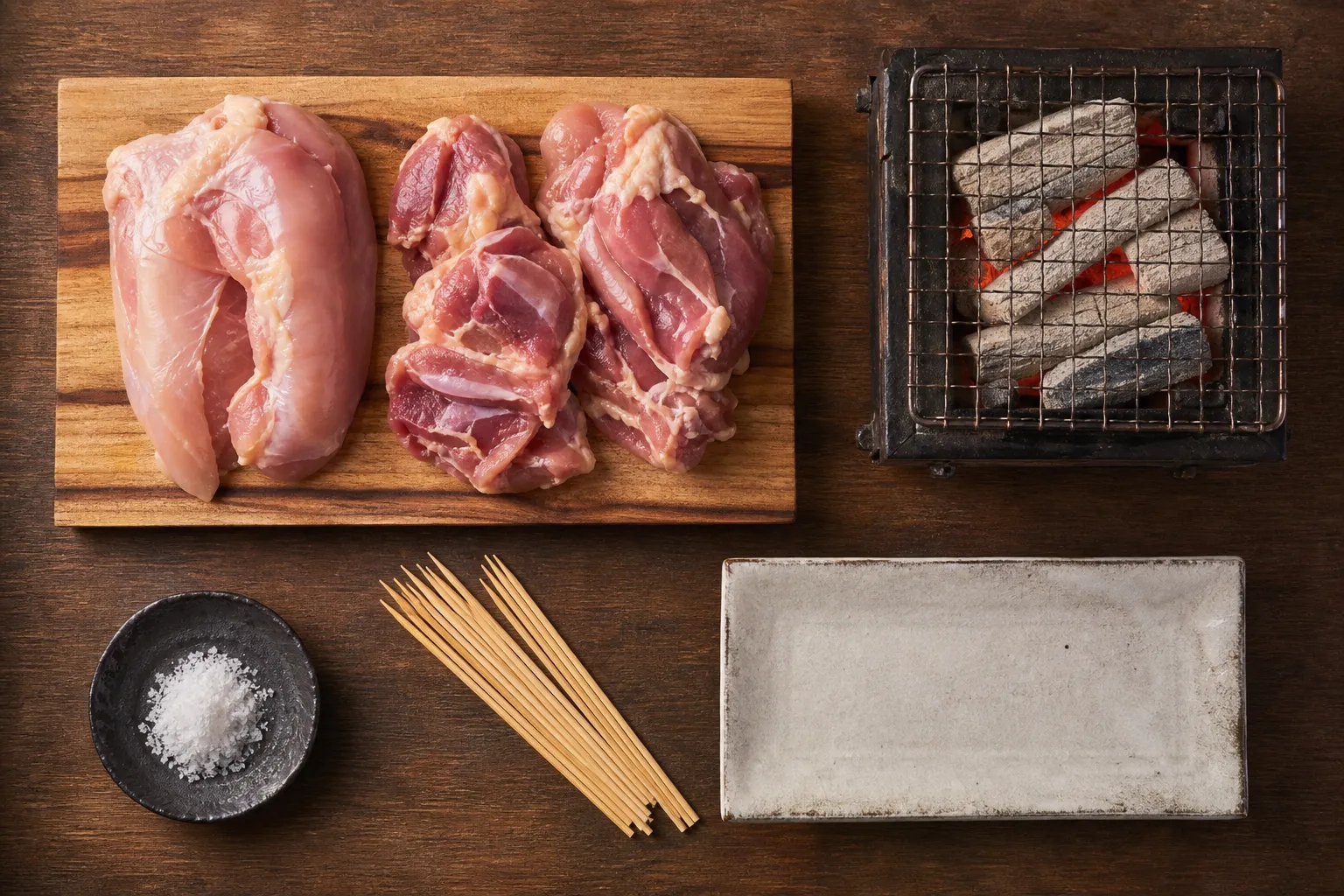
- Certified Nagoya Cochin chickens are raised free-range in Aichi, grown slowly over months rather than weeks
- At a specialist restaurant, the bird is broken down into cuts — thigh, breast, skin, and prized offcuts
- For sumibiyaki, pieces are grilled over intensely hot binchōtan charcoal, seasoned simply with salt
- It's cooked just enough to stay juicy while keeping that signature firm bite — never dried out
- It arrives with minimal fuss — salt, maybe a wedge of citrus or a little sansho pepper — so the meat stays the star
Before you go — meet the chicken properly
Your questions, answered honestly
"Why is this chicken so chewy? Is something wrong with it?" — Nothing is wrong. That firm, springy texture is exactly what makes it special and expensive. Industrial broilers are soft because they're raised fast; Nagoya Cochin is dense because it's raised slowly and free-range. Lean into the chew — that's where the flavor lives.
"Is it the same as Nagoya's famous chicken wings (tebasaki)?" — No, completely different thing. Tebasaki are sweet-soy glazed fried wings, a cheap-and-cheerful izakaya snack. Nagoya Cochin is a premium heritage breed served as a prime ingredient. Both are Nagoya, both are chicken, but do not confuse the bar snack with the pedigree bird.
"What's the best first order?" — Charcoal-grilled (sumibiyaki), lightly salted, so you taste the meat honestly. If you want the gentler introduction, get the oyakodon — silky egg over that deep-flavored chicken on rice is pure comfort.
"Is it worth the extra money over normal chicken?" — For one proper tasting, yes. It genuinely tastes like a different, better animal. Just know you're paying for a certified heritage breed, not a weeknight dinner.
What the staff will ask you
| You'll hear | Romaji | Meaning | Just say |
|---|---|---|---|
| 焼き加減はいかがしますか? | Yakikagen wa ikaga shimasu ka? | "How would you like it cooked?" | Omakase de onegaishimasu (I'll leave it to you) |
| 塩とタレ、どちらにしますか? | Shio to tare, dochira ni shimasu ka? | "Salt or sauce?" | Shio de onegaishimasu (salt, please) |
| コースになさいますか? | Kōsu ni nasaimasu ka? | "Would you like the course menu?" | Osusume wa dore desu ka (which do you recommend?) |
To order, just say "Nagoya Cochin no sumibiyaki o kudasai" (名古屋コーチンの炭火焼きをください) — "Charcoal-grilled Nagoya Cochin, please."
Where to eat it
- Nagoya, Aichi — the city center has specialist jidori restaurants built entirely around Nagoya Cochin, from grill counters to oyakodon spots.
- Around Nagoya Station and Sakae — a practical base with several well-known Cochin-focused restaurants and higher-end izakaya within walking distance.
- Farm-linked restaurants in Aichi — some producers and ryokan in the prefecture serve their own certified birds; worth seeking out if you're traveling beyond the city.
Menus, cuts, and hours vary shop to shop and change over time, so check current details before you go — and confirm you're getting certified Nagoya Cochin, not generic chicken.
Soul Score
Local Roots5/5
First-Timer Friendly4/5
Adventure Level3/5
Comfort Level4/5
Travel Worthy4/5
These scores are one obsessed eater's gut feeling — not a verdict. A low number isn't a bad mark, just a different kind of adventure.
Know someone planning Japan?
← All Articles
Local Food · Nagoya, Aichi
Still hungry?
Eat more from Aichi
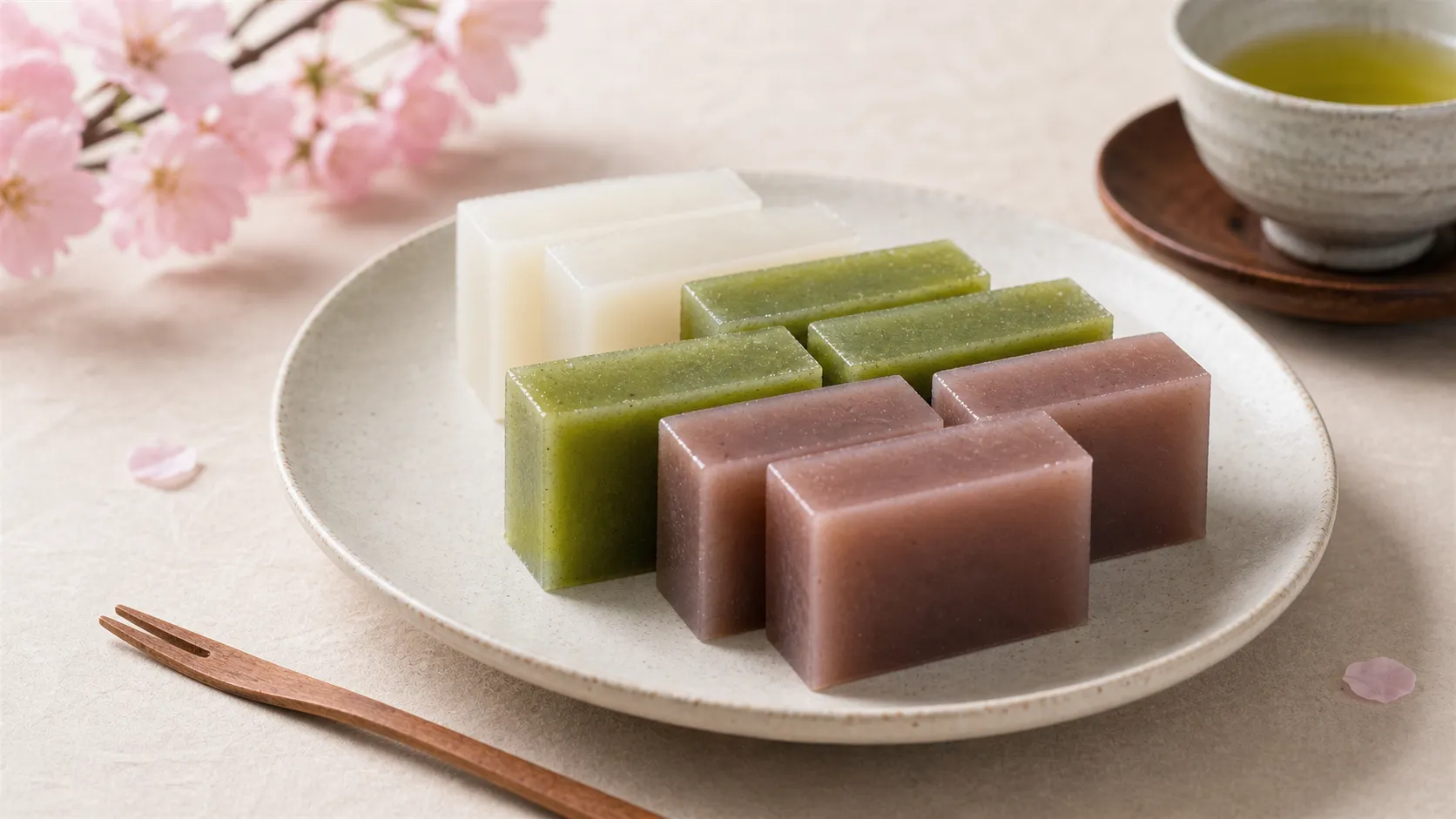
Sweets & SnacksNagoya, Aichi
Uiro (ういろう)
A steamed cake of rice flour and sugar that's somehow both chewy and clean, mild and moreish — Nagoya's understated, faintly wobbly sweet that grows on you until you can't stop buying it at the station.
July 10, 2026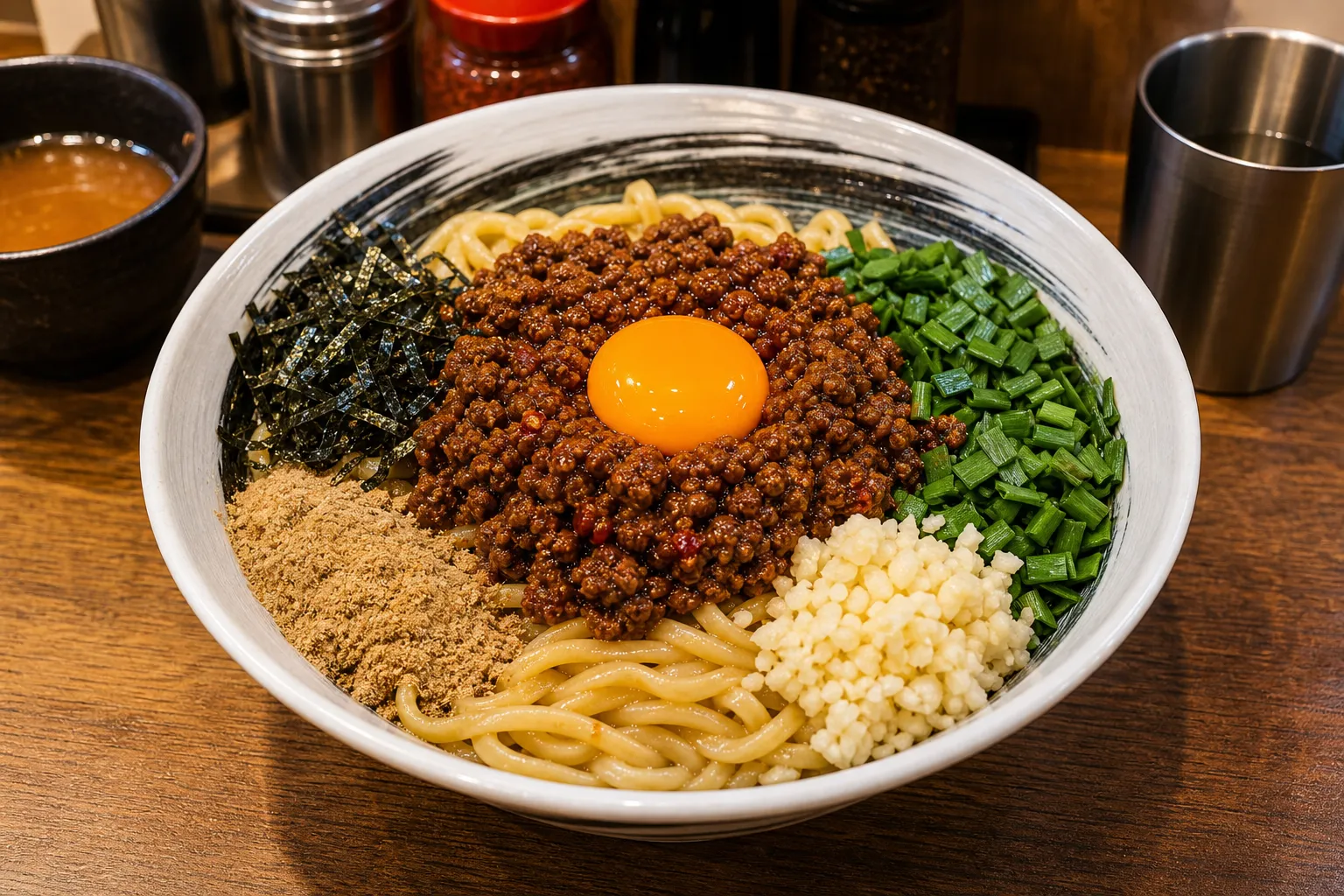
Local FoodNagoya
Taiwan Mazesoba (台湾まぜそば)
Break the egg yolk, plunge in, and mix like you're furious — this brothless Nagoya bomb of spicy pork, raw garlic and chives doesn't reveal itself until it's a chaotic, glorious mess.
July 9, 2026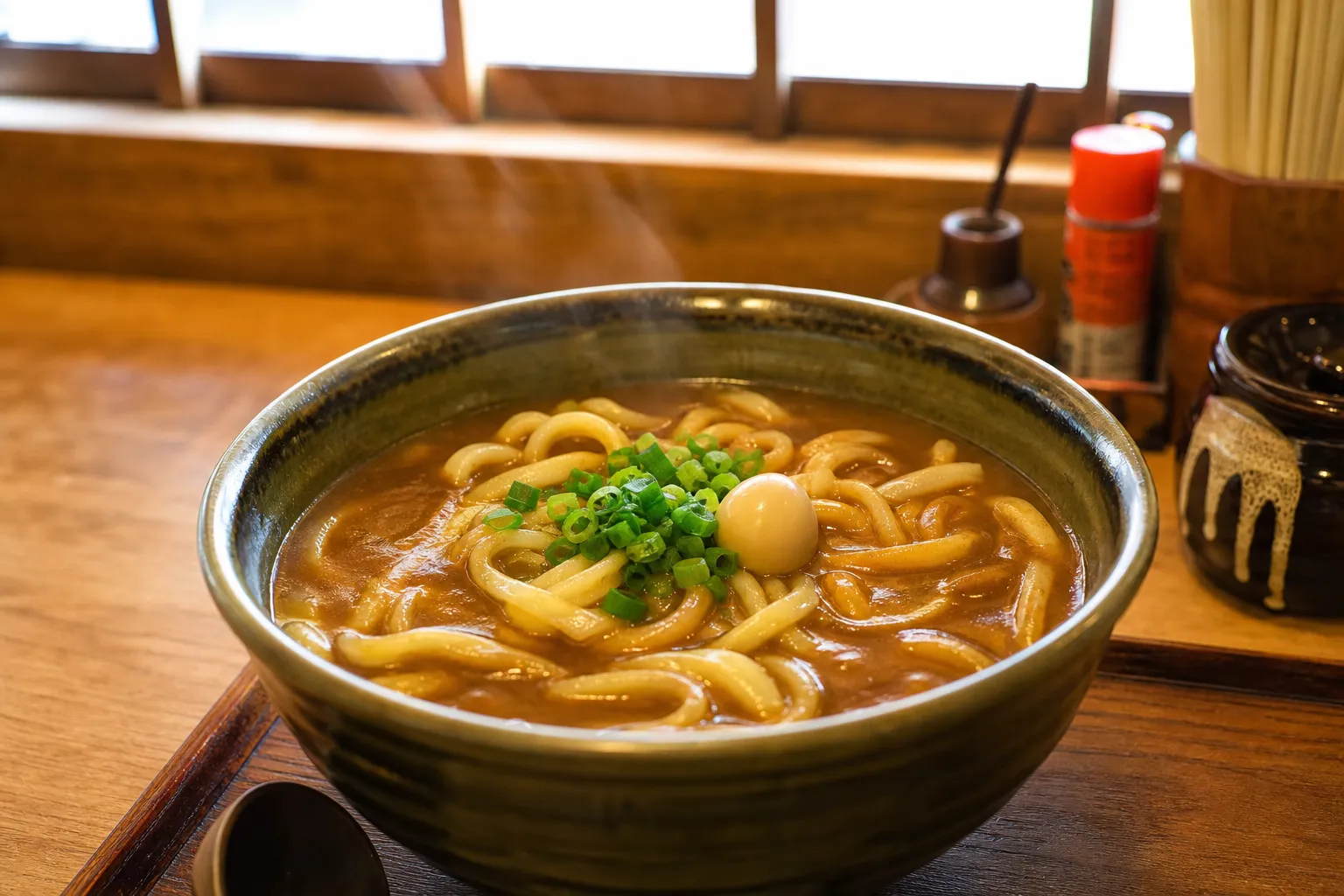
Local FoodToyohashi, Aichi
Toyohashi Curry Udon (豊橋カレーうどん)
Eat the noodles, drink the broth, and just when you think the bowl is empty — dig down and find an entirely second meal waiting underneath.
July 4, 2026