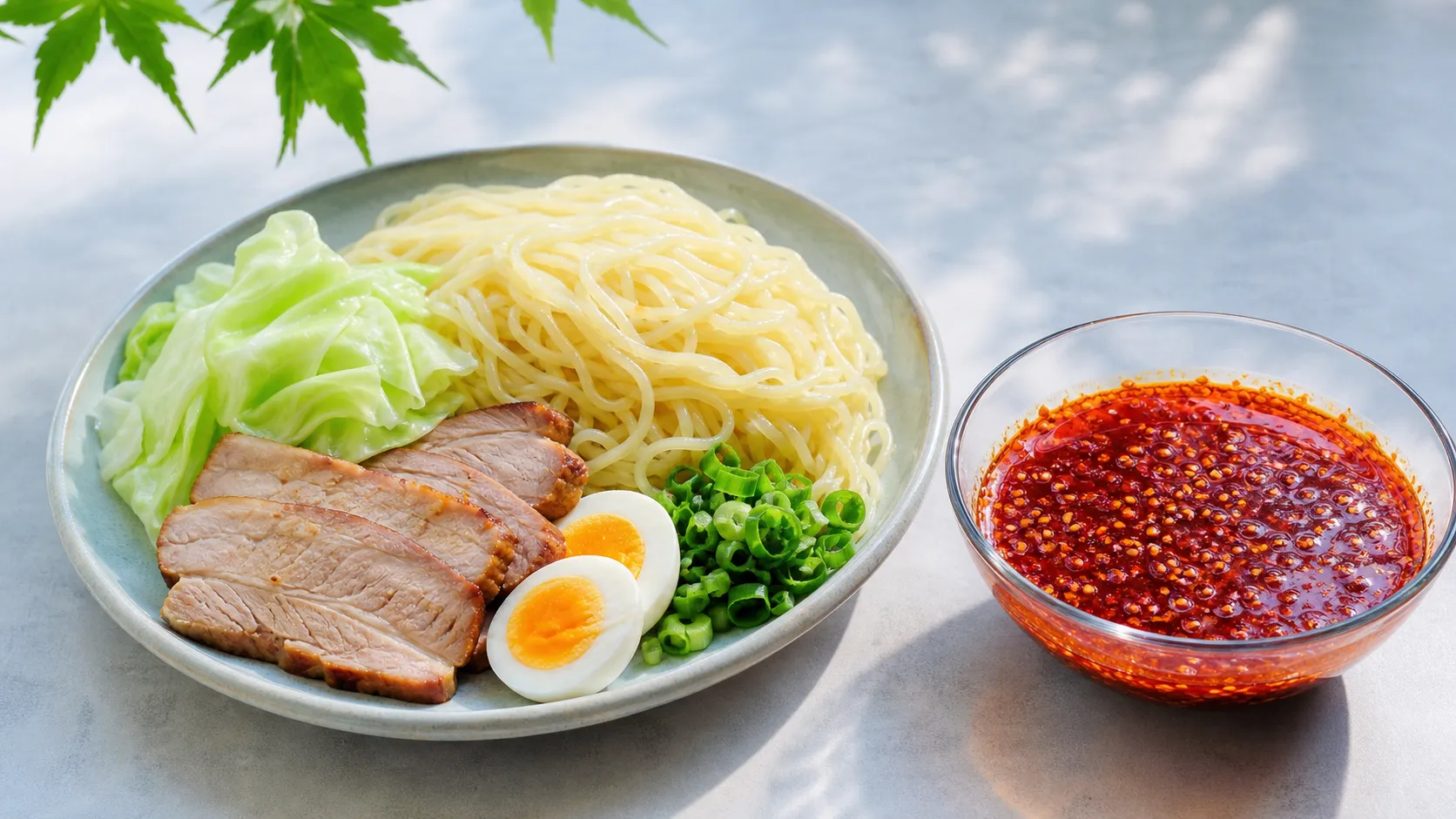
Sweat on my forehead, mouth practically vibrating, and I kept dipping in for more noodles anyway. That's the exact moment I understood Hiroshima tsukemen — it hurts a little, on purpose, and somehow that's the appeal.
Share this dish


My mouth was on fire and I was still going back for more — that particular kind of pain that somehow tells your brain to keep eating instead of stop.
🍜 Planning a food trip to Hiroshima?Add this dish to my Food Trip →
 Add this dish to my Food Trip →
If you've eaten regular tsukemen anywhere else in Japan, please throw that mental picture away before you order this. Standard tsukemen is thick noodles dipped into a hot, ultra-concentrated pork-and-fish broth — rich, warm, soupy in miniature. Hiroshima's version is a completely different animal: chilled noodles, served cold, alongside vegetables and slices of chāshū, dunked into a spicy, tangy, chili-oil-and-sesame red sauce that's also served at room temperature or just slightly warm. No broth bowl in sight. It's less "dipping ramen" and more "spicy cold noodle salad you attack with chopsticks," and it turns out that's a genuinely brilliant answer to Hiroshima's brutal, humid summers.
Born to survive a Hiroshima summer
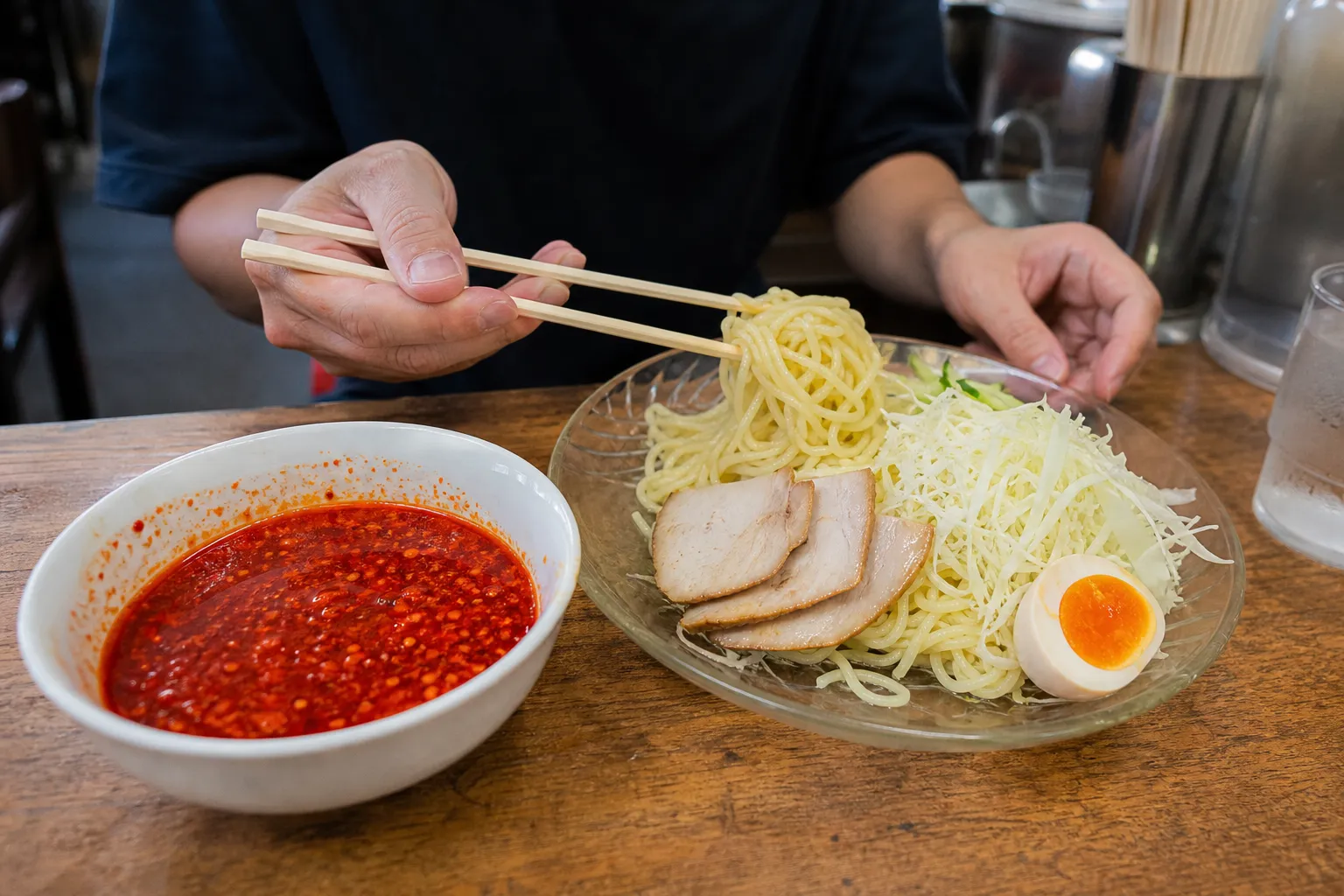
The story local shops tell is refreshingly practical: sometime in the mid-20th century, a Hiroshima ramen chef got tired of watching customers wilt over bowls of hot noodle soup in the summer heat and started experimenting with a cold noodle format instead — spicy enough to still feel like a proper meal, chilled enough to actually be pleasant to eat in July. Whether one shop or several arrived at it independently, the format stuck and spread across the city as its own specialty, distinct enough that "Hiroshima tsukemen" is now its own recognized category on ramen-focused food maps, sitting apart from the regular hot-broth tsukemen you'll find in Tokyo and everywhere else.
I have a soft spot for dishes invented purely out of spite toward the weather. You can taste the problem-solving in it — somebody sat there sweating over ramen and decided, correctly, that this was unacceptable.
Why the cold-and-spicy combination actually works
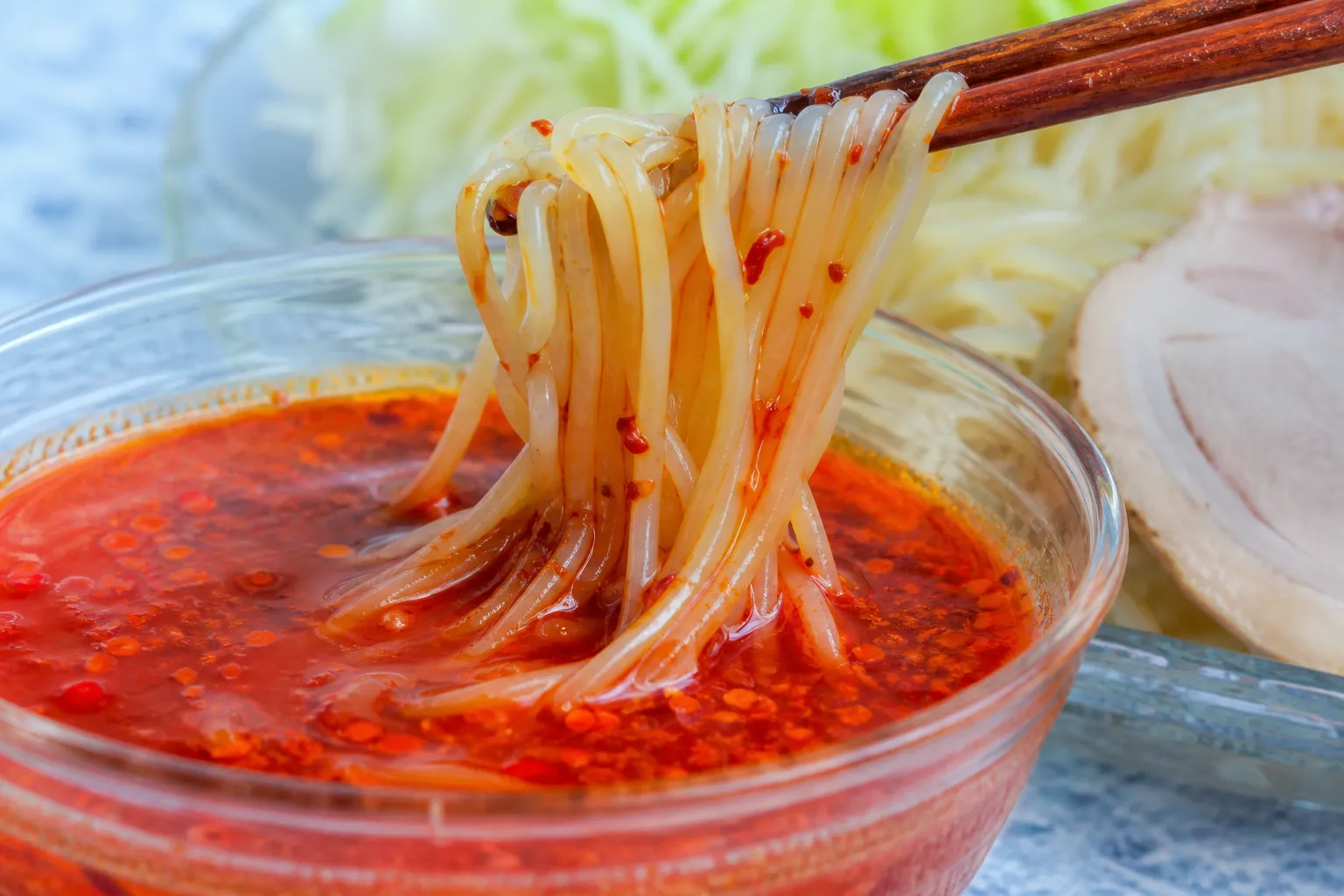
Chilling the noodles firms them up — they arrive with real bite, almost springy, nothing like the softness of noodles sitting in hot soup. Then the sauce hits from a completely different angle: chili oil for heat, vinegar or citrus for tang, ground or toasted sesame for a nutty round-out, plus a savory soy-based backbone holding it together. Cold noodle, hot mouth. It's a genuine hot-cold contrast rather than just "spicy soup, but less of it," and that contrast is the whole reason it works as well as it does in the heat — the chill cools your hands and the first impression, the chili wakes everything back up two seconds later.
Most shops let you dial your own spice level, from "I can still taste my tongue" to "bring tissues." I ordered medium out of caution on my first visit and regretted the caution almost immediately — by the second bowl I'd worked my way up, and by the third trip I was ordering like I meant it.
How it's made
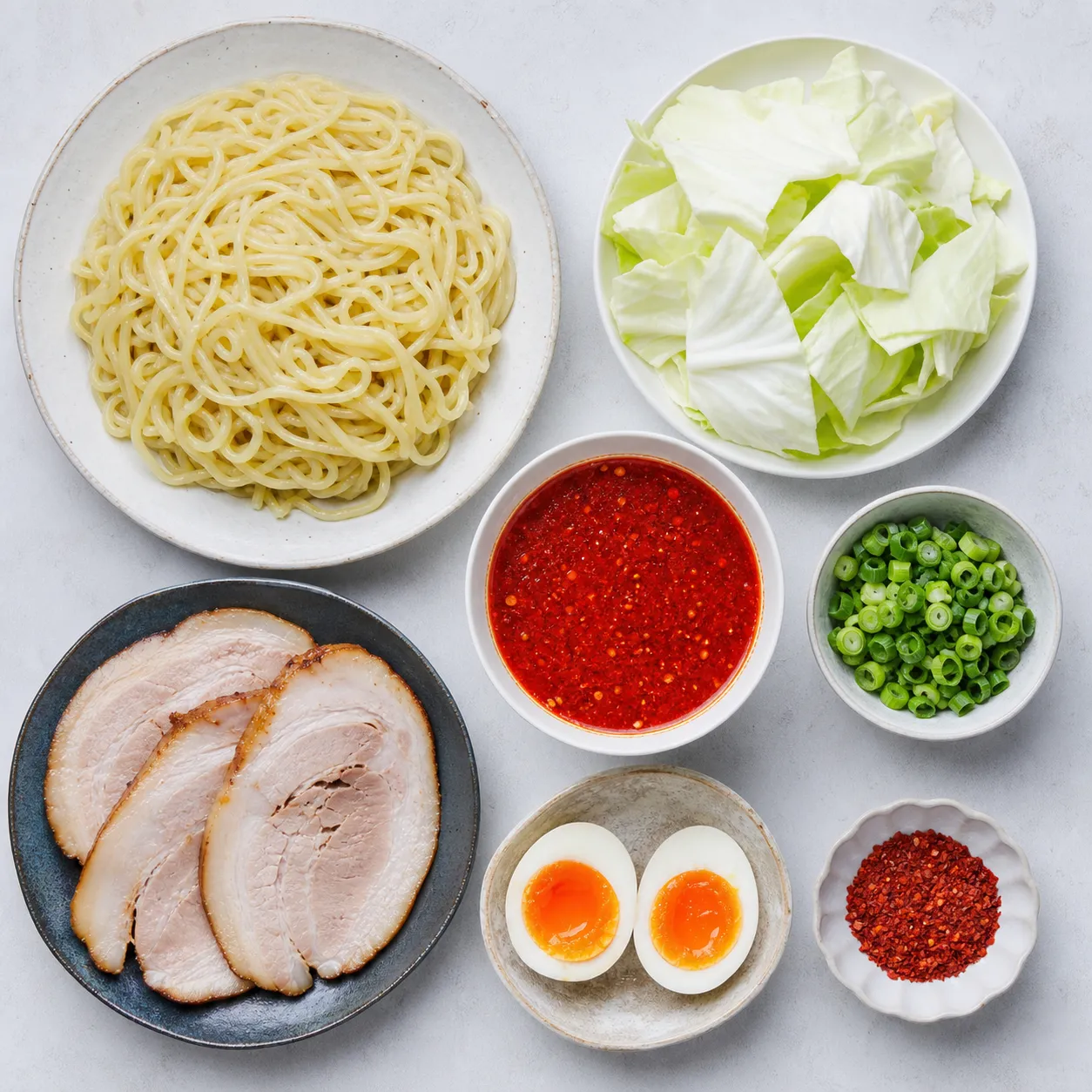
- Boil noodles, then shock and chill them thoroughly in cold water for a firm, springy bite
- Build the dipping sauce from chili oil, vinegar or citrus, soy sauce, and ground sesame, adjusted to the requested spice level
- Plate the cold noodles with shredded vegetables (often cabbage or cucumber) and slices of chāshū pork
- Serve the sauce in a separate small bowl, cool or lightly warmed, never piping hot
- Dip each mouthful of noodles and toppings into the sauce before eating
Before you go — pick your pain threshold
Your questions, answered honestly
"Is this the same as regular tsukemen?" — No, and this is the single most common confusion. Regular tsukemen is hot noodles dipped into hot concentrated broth. Hiroshima tsukemen is cold noodles dipped into a cold or lukewarm spicy sauce. Different dish, same name format.
"How spicy is 'medium'?" — Genuinely spicy by most standards, not a token gesture. If you're heat-sensitive, start one level below what you'd normally order elsewhere — you can always ask for an extra dip of sauce if you want more.
"Is it actually refreshing, or just spicy?" — Both, somehow. The cold noodles hit first and feel clean and light; the chili catches up a beat later. It's a much better hot-weather food than it sounds on paper.
"What if I can't handle spicy food at all?" — Ask for the mildest level — most shops will do it, even if it's not on the printed menu. It won't be flavorless; the sesame and tang still carry plenty of character without the full chili hit.
What the staff will ask you
| You'll hear | Romaji | Meaning | Just say |
|---|---|---|---|
| 辛さはどうしますか? | Karasa wa dō shimasu ka? | "How spicy would you like it?" | Futsū de onegaishimasu (regular spice, please) |
| 麺の量は普通で大丈夫ですか? | Men no ryō wa futsū de daijōbu desu ka? | "Is a regular noodle portion okay?" | Hai, daijōbu desu (yes, that's fine) |
| こちら辛いソースですが大丈夫ですか? | Kochira karai sōsu desu ga daijōbu desu ka? | "This sauce is spicy — is that okay?" | Daijōbu desu, sukoshi hikaeme de (that's fine, a bit milder please) |
To order, just say "Hiroshima tsukemen o, karasa futsū de kudasai" (広島つけ麺を、辛さ普通でください) — "Hiroshima tsukemen, regular spice level, please."
Where to eat it
- Hiroshima city — the downtown Nagarekawa and Hondori shopping-arcade areas have several long-running specialist tsukemen shops; look for menus specifically labeling "Hiroshima tsukemen" to avoid confusion with regular hot tsukemen.
- Near Hiroshima Station — a convenient stop if you're passing through by train, with a handful of shops within easy walking distance.
- Late-night and student-area spots — the dish has a strong following among Hiroshima locals as a late dinner or after-drinks food, so evening hours often have the most energy.
Spice levels, hours, and exact sauce recipes vary shop to shop, so check current details before you go — and don't be shy about asking for a milder version if you need it.
Soul Score
Local Roots4/5
First-Timer Friendly3/5
Adventure Level4/5
Comfort Level4/5
Travel Worthy4/5
These scores are one obsessed eater's gut feeling — not a verdict. A low number isn't a bad mark, just a different kind of adventure.
Know someone planning Japan?
← All Articles
Local Food · Hiroshima
Still hungry?
Eat more from Hiroshima
Local FoodHiroshima
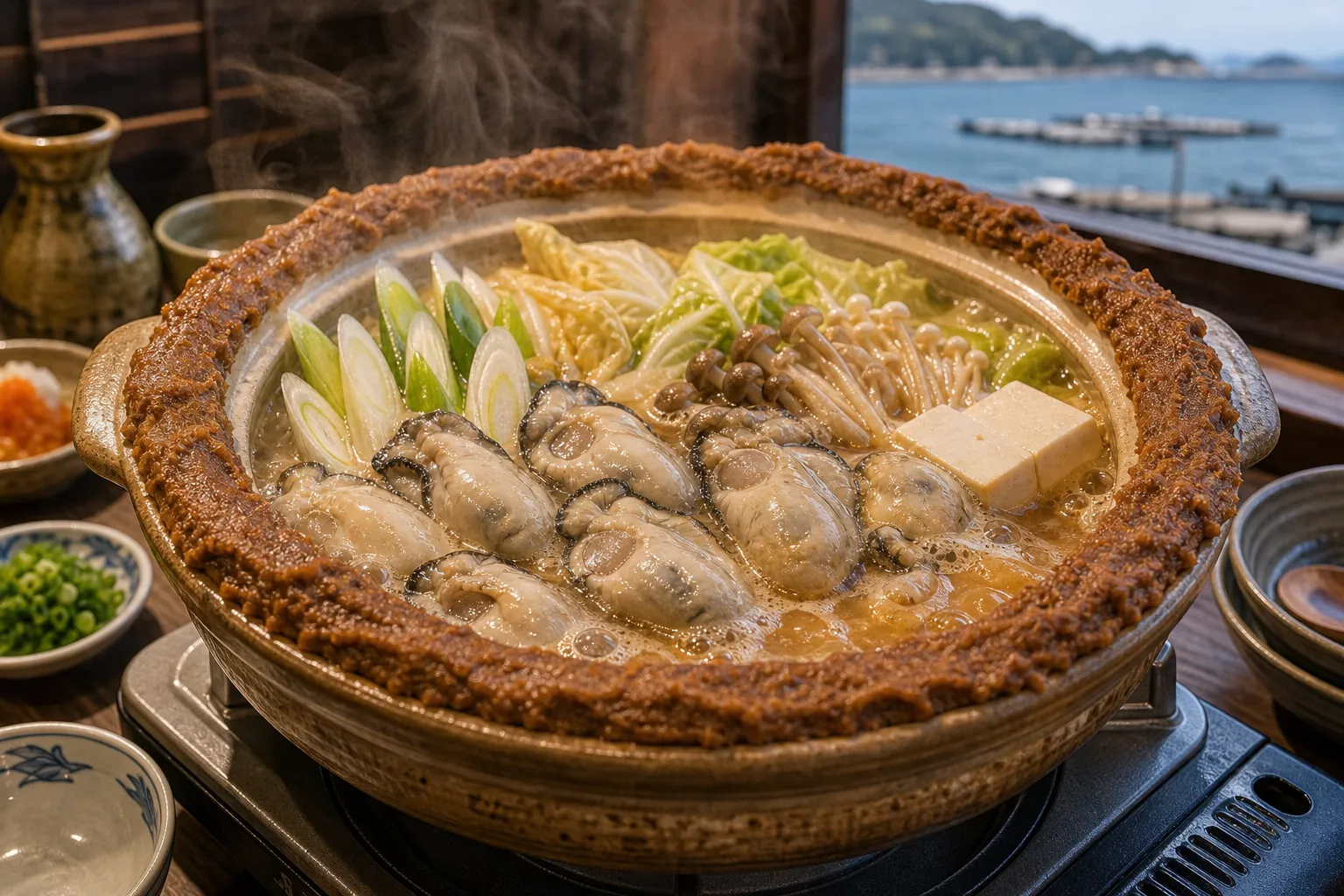
Kaki no Dotenabe (牡蠣の土手鍋)
Hiroshima's plump winter oysters, simmered in a pot ringed with a 'dyke' of sweet miso that you scrape into the broth as you go — a hot pot you literally build the flavor of, one swipe at a time.
July 10, 2026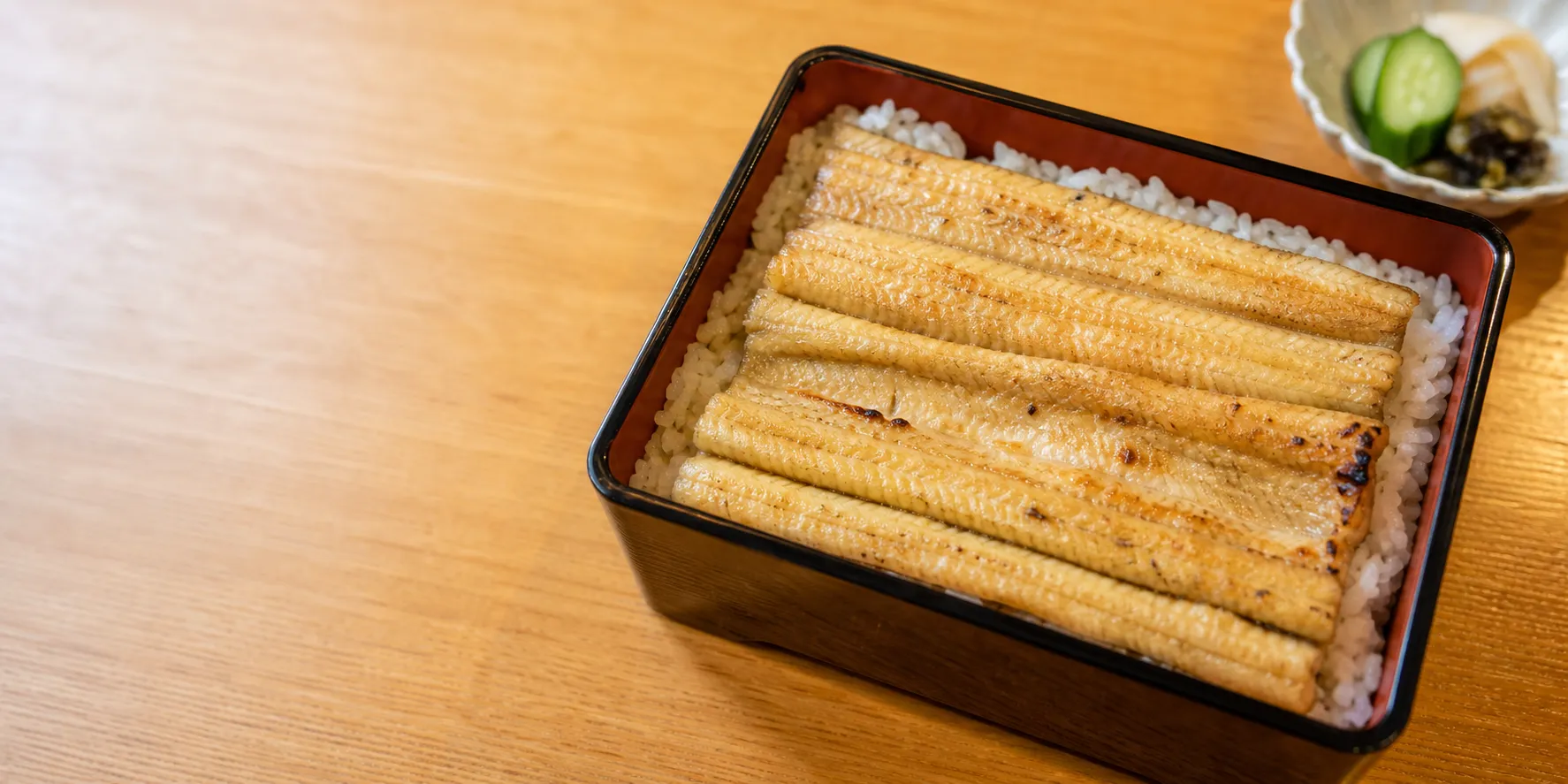
Local FoodMiyajima / Hiroshima
Anago Meshi (あなご飯)
It fell apart under my chopsticks before I'd even applied pressure — no bite required, just a soft collapse into something between fish and silk.
July 5, 2026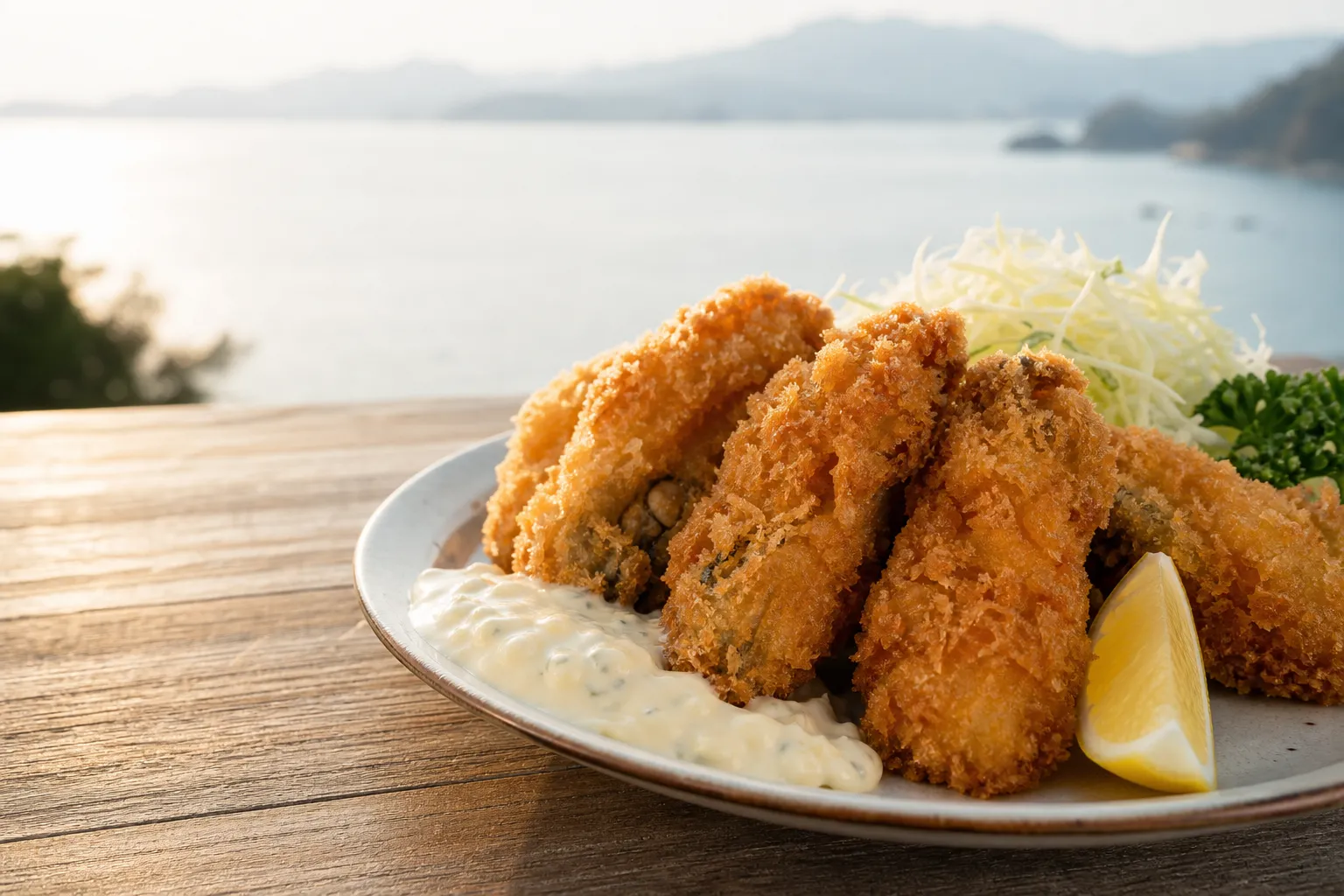
Local FoodHiroshima
Hiroshima Kaki Fry (広島かきフライ)
Crack the golden crust and the oyster inside is still plump and full of the sea — the fried food that finally made me understand why people drive to Hiroshima in winter.
July 5, 2026