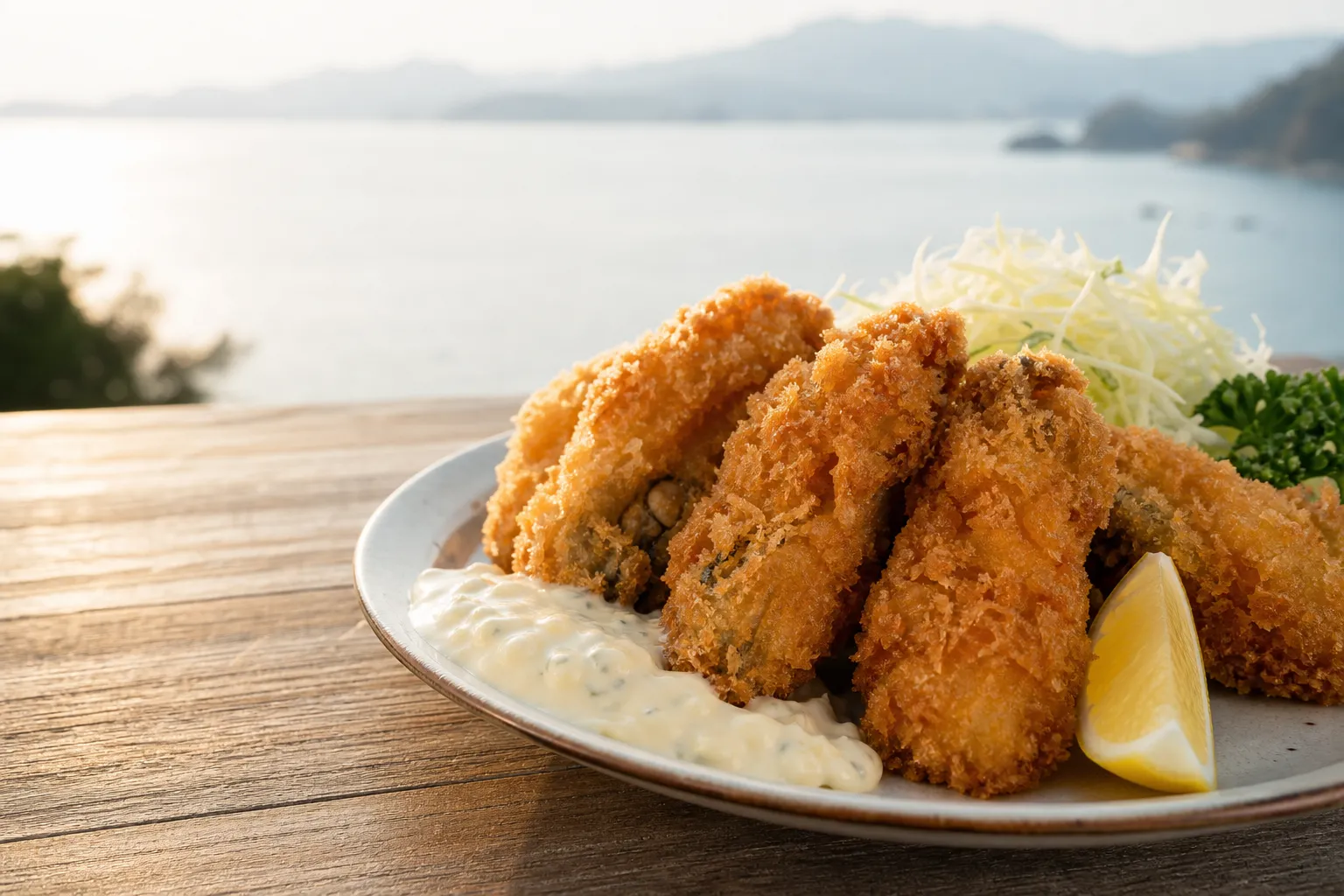
I bit into it expecting a nice, tidy fried snack — and instead a whole warm mouthful of the sea came pouring out. The crust shattered, the oyster inside was huge, still juicy, still tasting like the moment before it left the water. I made a noise I'm not proud of. Then I reached for the lemon, squeezed it over the second one, and completely stopped talking for a while. Some meals do that to you.
Share this dish


Crack the golden crust and the oyster inside is still plump and full of the sea — the fried food that finally made me understand why people drive to Hiroshima in winter.
🍜 Planning a food trip to Hiroshima?Add this dish to my Food Trip →
 Add this dish to my Food Trip →
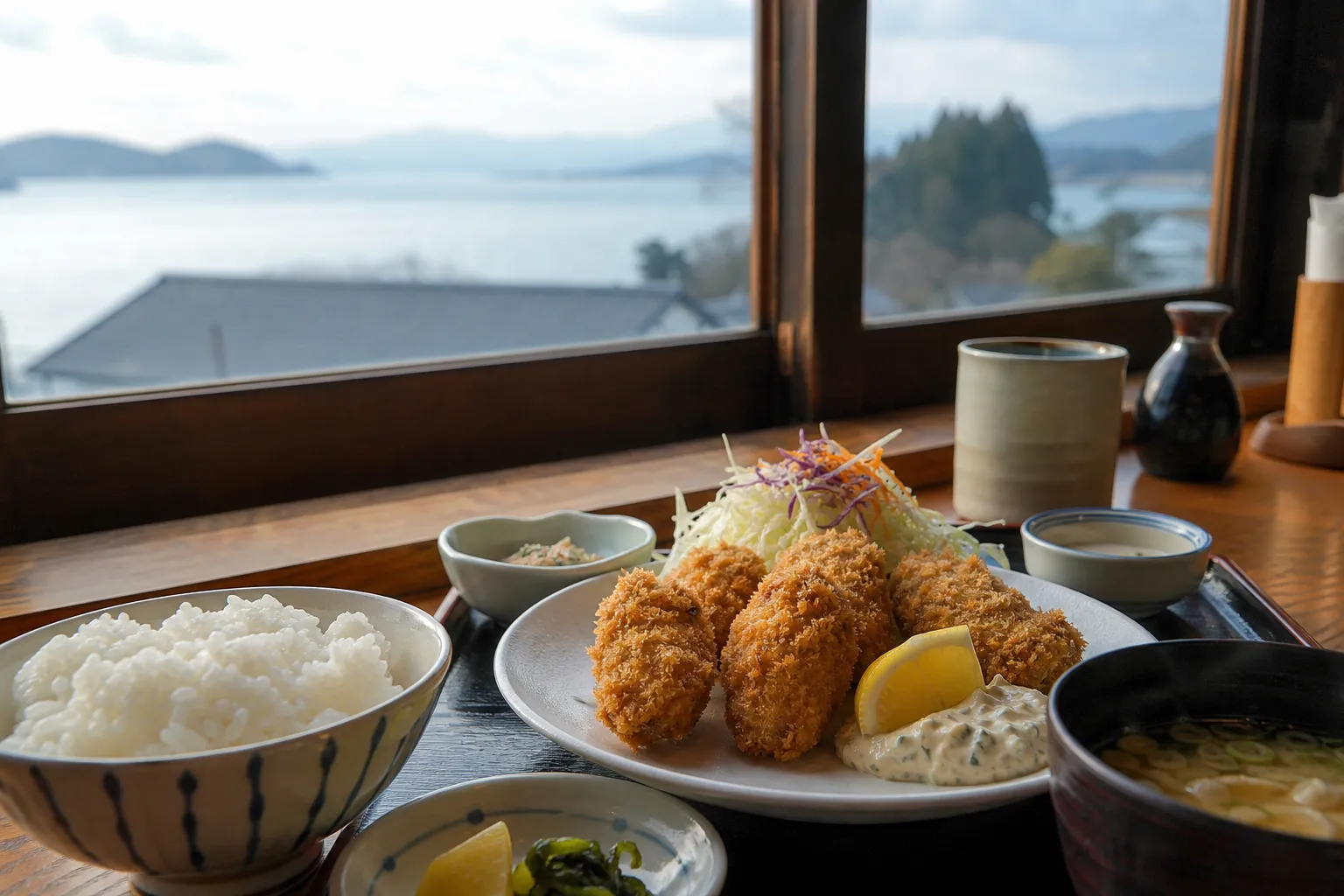
This is Hiroshima kaki fry (広島かきフライ, kaki furai): big, plump oysters from Hiroshima Bay, dredged in flour, egg, and panko, then deep-fried until the coating turns crisp and deep gold while the oyster inside stays soft and full of brine. It comes with tartar sauce and a lemon wedge, usually as part of a set meal with rice and miso soup. And the "Hiroshima" part is not decoration — Hiroshima grows more oysters than anywhere else in Japan, roughly half the country's entire harvest, in the calm, nutrient-rich waters of the Seto Inland Sea. These are not small oysters. This is oyster country, and kaki fry is its most joyful trick.
Why Hiroshima owns the oyster
People have farmed oysters in Hiroshima Bay for centuries — records of deliberate oyster cultivation here go back some four hundred years, to the Edo period, when locals figured out how to grow them on submerged bamboo and stone. The bay is almost custom-built for it: sheltered from rough open sea, fed by rivers carrying nutrients down from the mountains, with just the right mix of fresh and salt water. The result is an oyster that grows fat and sweet. I find it quietly amazing that a food this good comes down to geography being generous in one specific bay.
Today Hiroshima produces the lion's share of Japan's oysters, and the whole city leans into it, especially in winter. Oyster huts (kaki-goya) fire up along the coast, restaurants roll out oyster menus, and the whole place smells faintly of the sea and hot oil. Kaki fry is where the everyday version lives — not fancy, not raw-bar precious, just a big beautiful oyster made crunchy and set on a plate with rice. That's the Hiroshima I keep wanting to go back to.
What makes it so good
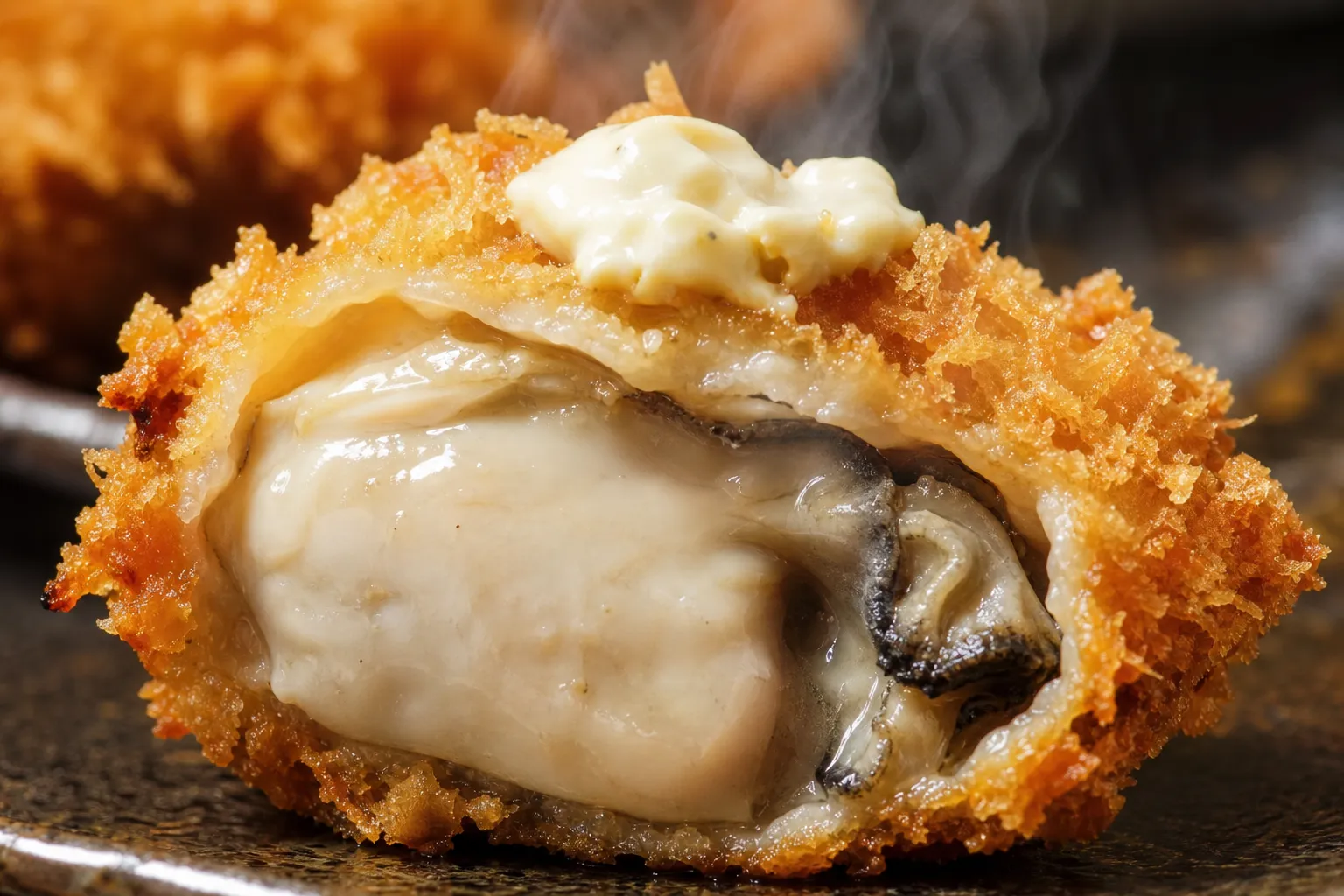
The whole thing lives or dies on contrast, and Hiroshima nails it. The panko crust is light and shatteringly crisp — panko makes bigger, airier flakes than regular breadcrumbs, so it fries up crunchier and greasier-in-a-good-way. Then you get through it and the oyster inside is the exact opposite: soft, plump, and loaded with that briny-sweet oyster liquor. Crunch, then flood. It's a texture ambush and it works every single time.
The seasoning barely needs to do anything. A squeeze of lemon to cut the richness, or a dab of tartar sauce for creamy tang, and that's it — the oyster is the flavor. Go in winter if you possibly can. Cold-season Hiroshima oysters are noticeably bigger and sweeter, which is the entire reason people plan trips around them. I have eaten kaki fry off-season and enjoyed it. I have eaten it in January and understood the fuss.
How it's made
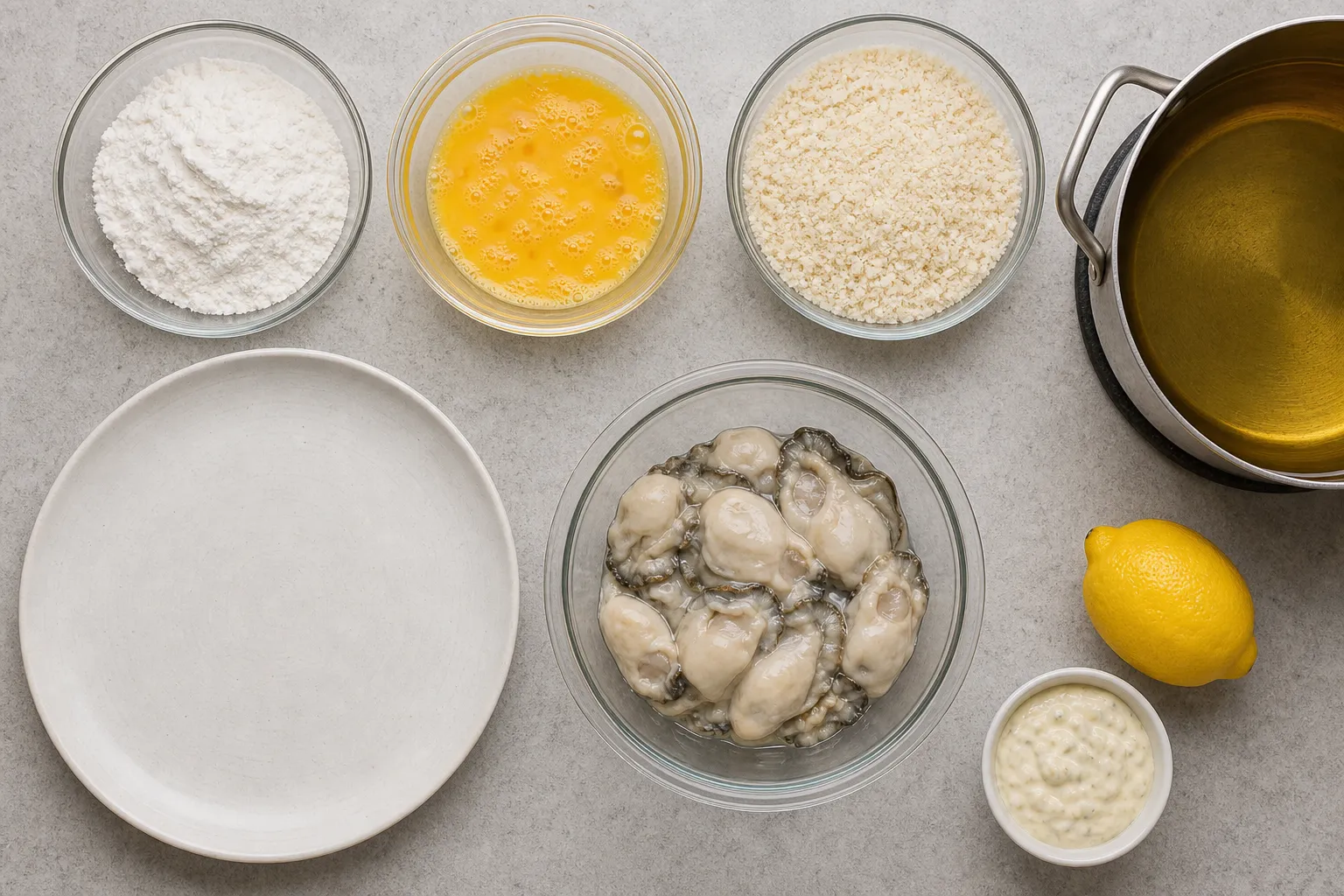
- Fresh large oysters are shucked and gently rinsed, then patted dry so the coating will stick
- Each oyster is dredged in flour, dipped in beaten egg, then rolled in panko breadcrumbs
- They're deep-fried in hot oil, briefly, until the crust turns crisp and deep golden
- The trick is timing — just long enough to set the crust while keeping the oyster inside juicy, never dried out
- They're drained and plated with shredded cabbage, tartar sauce, and a lemon wedge, usually as a set with rice and miso soup
Before you go — how to actually eat it
Your questions, answered honestly
"Is this raw oysters, like an oyster bar?" — No. Kaki fry is fully cooked — breaded and deep-fried through. If raw shellfish makes you nervous, this is your oyster: hot, crisp, safe-feeling, still unmistakably oyster. (Raw Hiroshima oysters exist and are wonderful, but that's a different order.)
"Lemon or tartar sauce?" — Do both, in that order. Squeeze lemon on the first bite to taste the clean oyster, then try one with tartar sauce for the creamy-tangy version. There's no wrong answer, and nobody's judging. I use whichever is closer to my hand.
"When should I go?" — Winter, roughly November through March, is oyster season and it genuinely matters — that's when they're biggest and sweetest. You can find kaki fry year-round in cities, but Hiroshima in cold months is the real event.
"Is one plate enough?" — As a set meal with rice and soup, yes, easily. Order it as a small side and you'll immediately want more. These are big oysters; a plate of five or six eats like a full lunch.
What the staff will ask you
| You'll hear | Romaji | Meaning | Just say |
|---|---|---|---|
| 定食になさいますか? | Teishoku ni nasaimasu ka? | "Would you like it as a set meal?" | Teishoku de onegaishimasu (the set meal, please) |
| ご飯は大盛りにしますか? | Gohan wa ōmori ni shimasu ka? | "Large rice portion?" | Futsū de onegaishimasu (regular is fine) |
| ソースとタルタル、どちらにしますか? | Sōsu to tarutaru, dochira ni shimasu ka? | "Sauce or tartar?" | Tarutaru de onegaishimasu (tartar, please) |
| レモンはおつけしますか? | Remon wa otsuke shimasu ka? | "Shall I add lemon?" | Onegaishimasu (yes, please) |
To order, just say "Kaki fry o kudasai" (かきフライください) — "Fried oysters, please."
Where to eat it
- Hiroshima city center — oyster specialty restaurants and set-meal spots around Hondori and the Kamiyacho/Hatchobori area serve kaki fry as a standard, especially in season.
- Miyajima (Itsukushima) — the island near Hiroshima is famous for oysters, and its main street has plenty of places doing grilled and fried oysters for day-trippers.
- Coastal oyster huts (kaki-goya) — in winter, seasonal huts along the Hiroshima coastline serve oysters cooked every way, fried included.
Oyster season, hours, and which spots are open vary a lot by time of year — kaki-goya especially are seasonal — so check current details before you make the trip.
Soul Score
Local Roots4/5
First-Timer Friendly4/5
Adventure Level3/5
Comfort Level5/5
Travel Worthy4/5
These scores are one obsessed eater's gut feeling — not a verdict. A low number isn't a bad mark, just a different kind of adventure.
Know someone planning Japan?
← All Articles
Local Food · Hiroshima
Still hungry?
Eat more from Hiroshima
Local FoodHiroshima
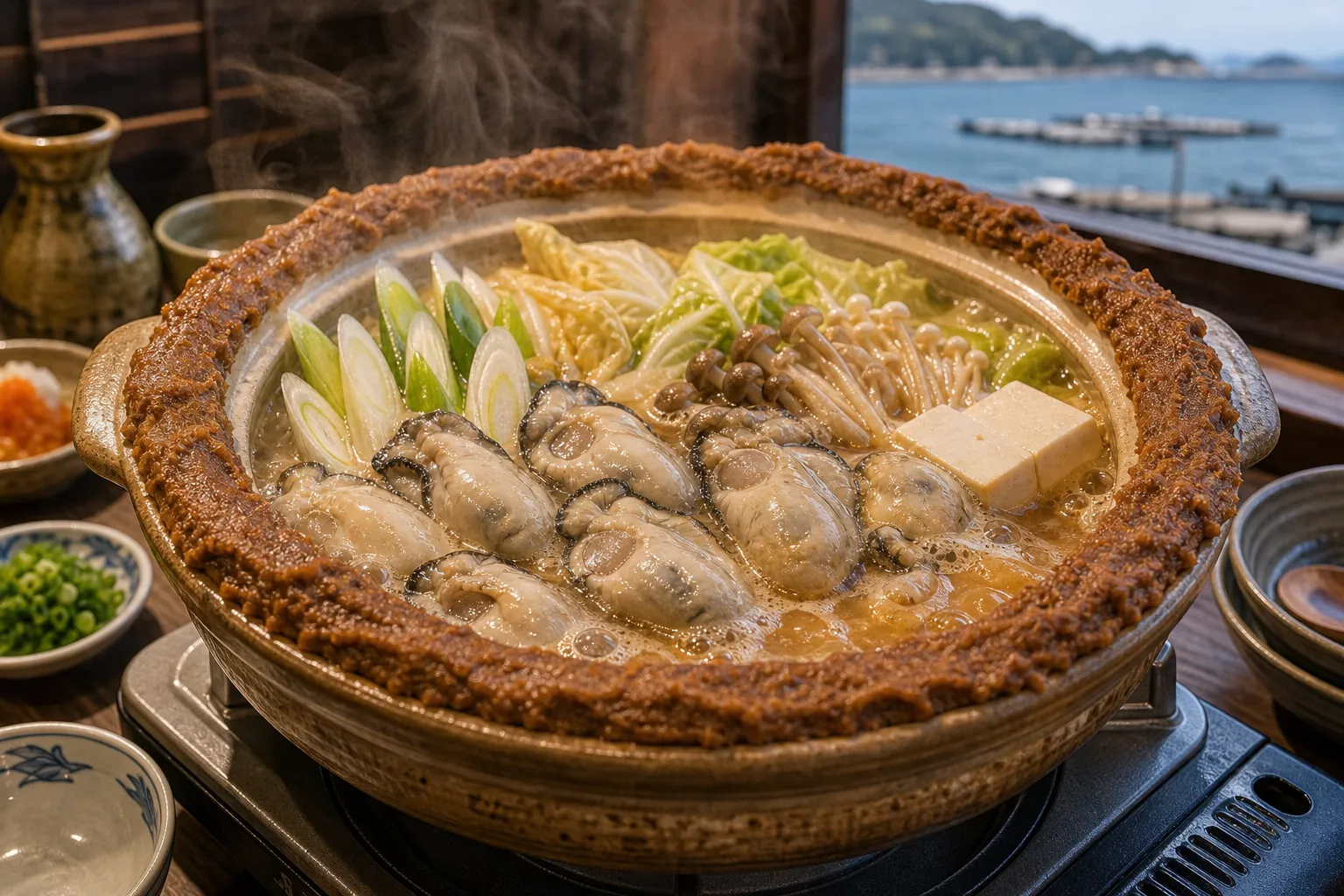
Kaki no Dotenabe (牡蠣の土手鍋)
Hiroshima's plump winter oysters, simmered in a pot ringed with a 'dyke' of sweet miso that you scrape into the broth as you go — a hot pot you literally build the flavor of, one swipe at a time.
July 10, 2026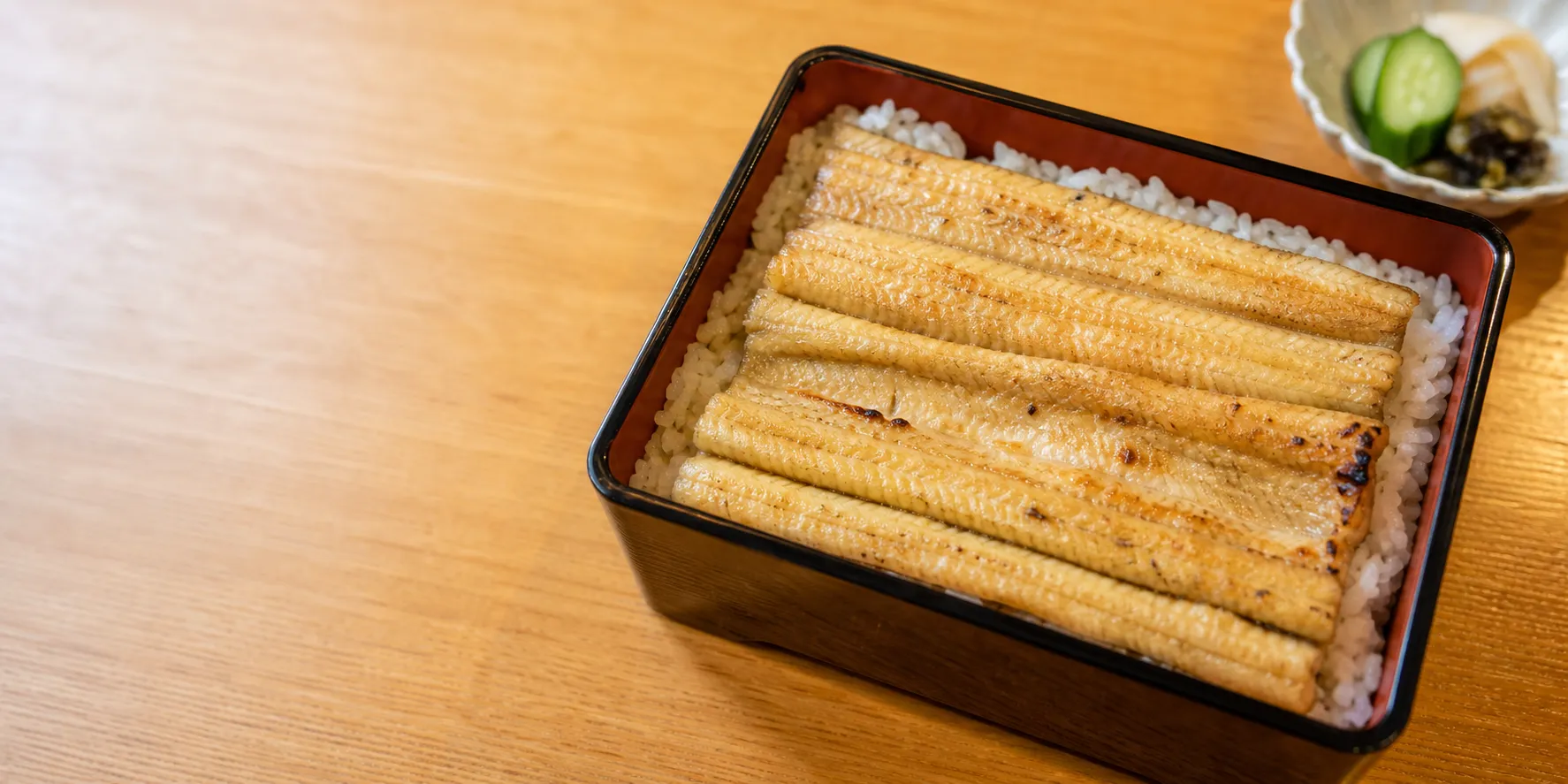
Local FoodMiyajima / Hiroshima
Anago Meshi (あなご飯)
It fell apart under my chopsticks before I'd even applied pressure — no bite required, just a soft collapse into something between fish and silk.
July 5, 2026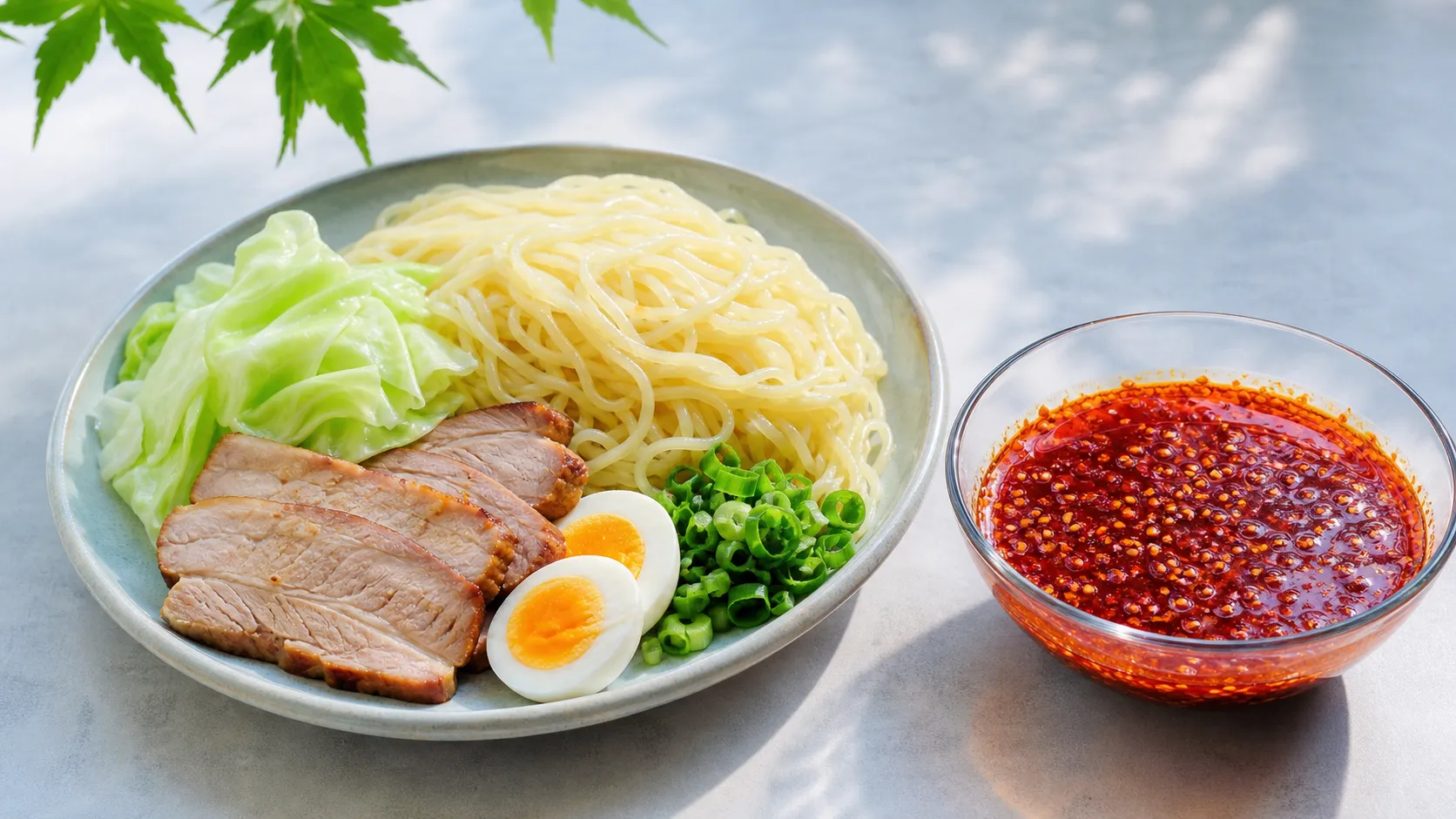
Local FoodHiroshima
Hiroshima Tsukemen (広島つけ麺)
My mouth was on fire and I was still going back for more — that particular kind of pain that somehow tells your brain to keep eating instead of stop.
July 5, 2026