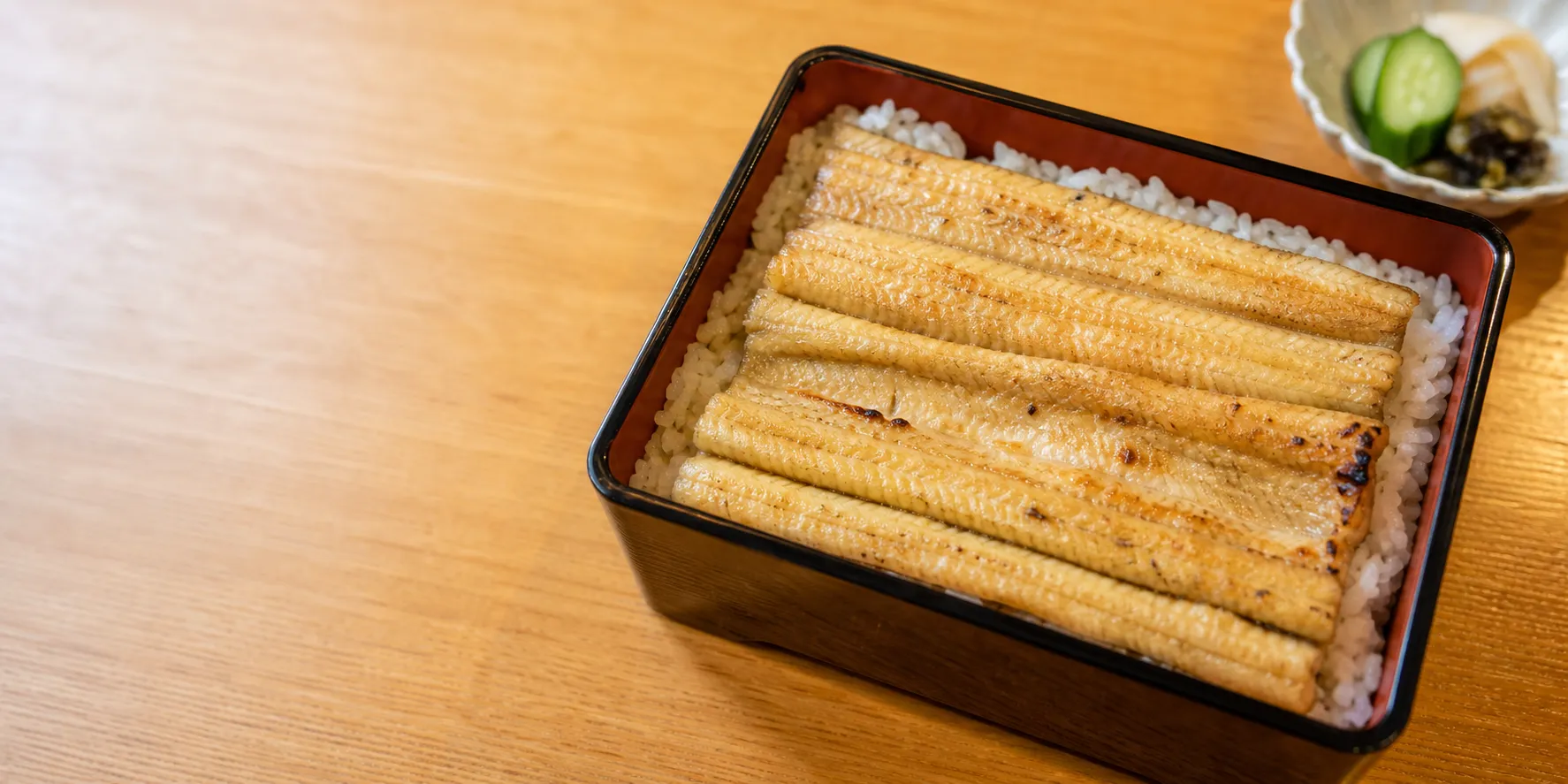
I touched my chopsticks to the fillet expecting resistance and got none. It just gave way — no tearing, no tugging, just a soft, warm collapse over the rice, glaze clinging to every ridge. I sat there for a second not eating, just looking at it, faintly suspicious that food isn't supposed to be this gentle.
Share this dish


It fell apart under my chopsticks before I'd even applied pressure — no bite required, just a soft collapse into something between fish and silk.
🍜 Planning a food trip to Hiroshima?Add this dish to my Food Trip →
 Add this dish to my Food Trip →
That's anago meshi (あなご飯), a bowl of rice topped with grilled saltwater conger eel, and the first thing to get straight is that it is not unagi. I know they look like cousins from across the room — both long, both glazed, both eel-shaped — but anago is a different animal with a different personality. Where unagi (freshwater eel) is rich, fatty, and almost decadent, anago is leaner, more delicate, with a cleaner flavor that doesn't need to be shouted at with sauce to be good. It's the quieter, more refined sibling, and Miyajima — the shrine island floating off Hiroshima — has built one of Japan's great regional dishes around it.
A fisherman's catch that became an island's signature
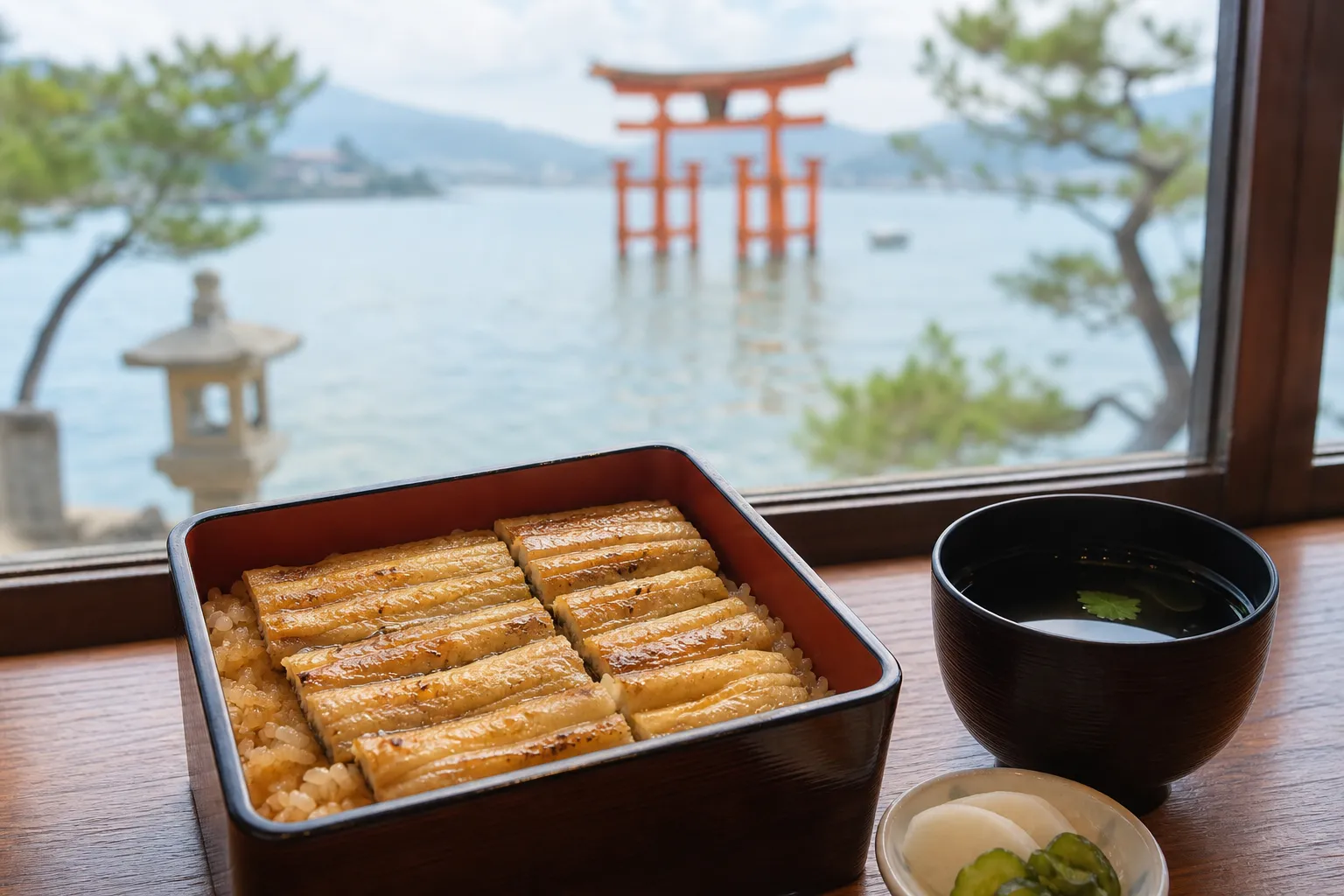
Anago has been pulled from the waters around the Seto Inland Sea for generations — it likes the sandy seabeds and brackish estuary mouths near Hiroshima and Miyajima, and local fishermen have known that for a very long time. The dish itself is said to trace back over a century to a station bento at Miyajimaguchi, the mainland port you cross from to reach the island: a simple idea of grilled local conger over rice, sold to travelers heading to the shrine. I find something quietly perfect about that origin — a commuter's meal that turned out to be one of the region's proudest foods.
Standing near the floating torii gate with a box of this in your hands, watching the tide come in around Itsukushima Shrine, is one of those moments where the food and the place genuinely reinforce each other. I don't say that lightly. Most "eat this here for the view" recommendations are marketing. This one isn't.
Why the texture is the whole point
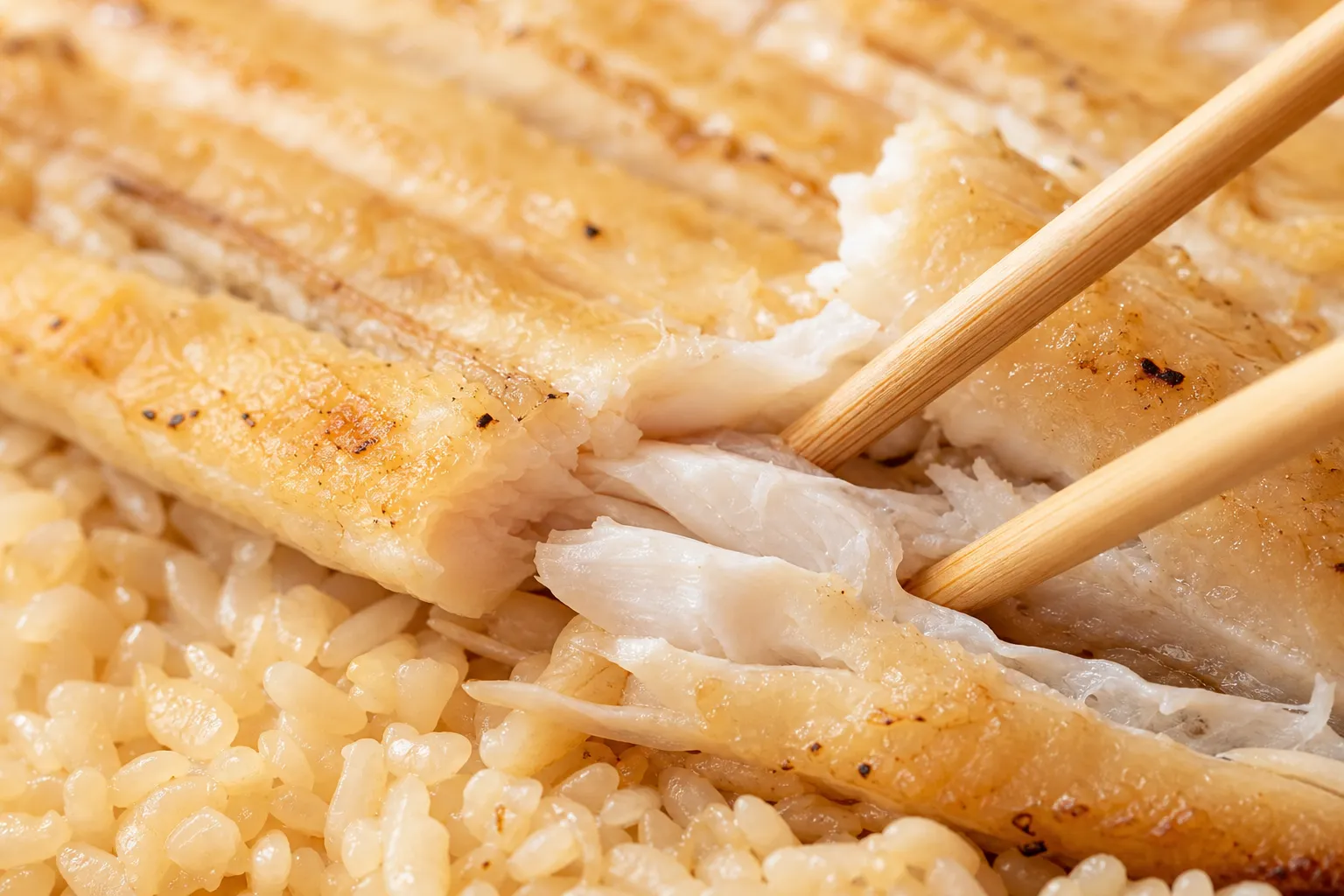
Anago's flesh is naturally softer and less fatty than unagi's, and the traditional prep leans into that instead of fighting it — a light grilling, a glaze of sweet soy-based tare that's used with a much gentler hand than unagi's typically gets. The result is a fillet that separates almost on its own, laid over rice that's frequently cooked in dashi made from the eel's own bones, so even the grains underneath are quietly working for you.
I've heard people call it "unagi for people who find unagi too heavy," and while that's a little reductive, it's not wrong. If you've been nervous about ordering unagi because it sounds rich or intense, anago is the gentler on-ramp — and honestly, plenty of people who've had both end up preferring anago specifically for that lightness. I did. I didn't expect to, but I did.
How it's made
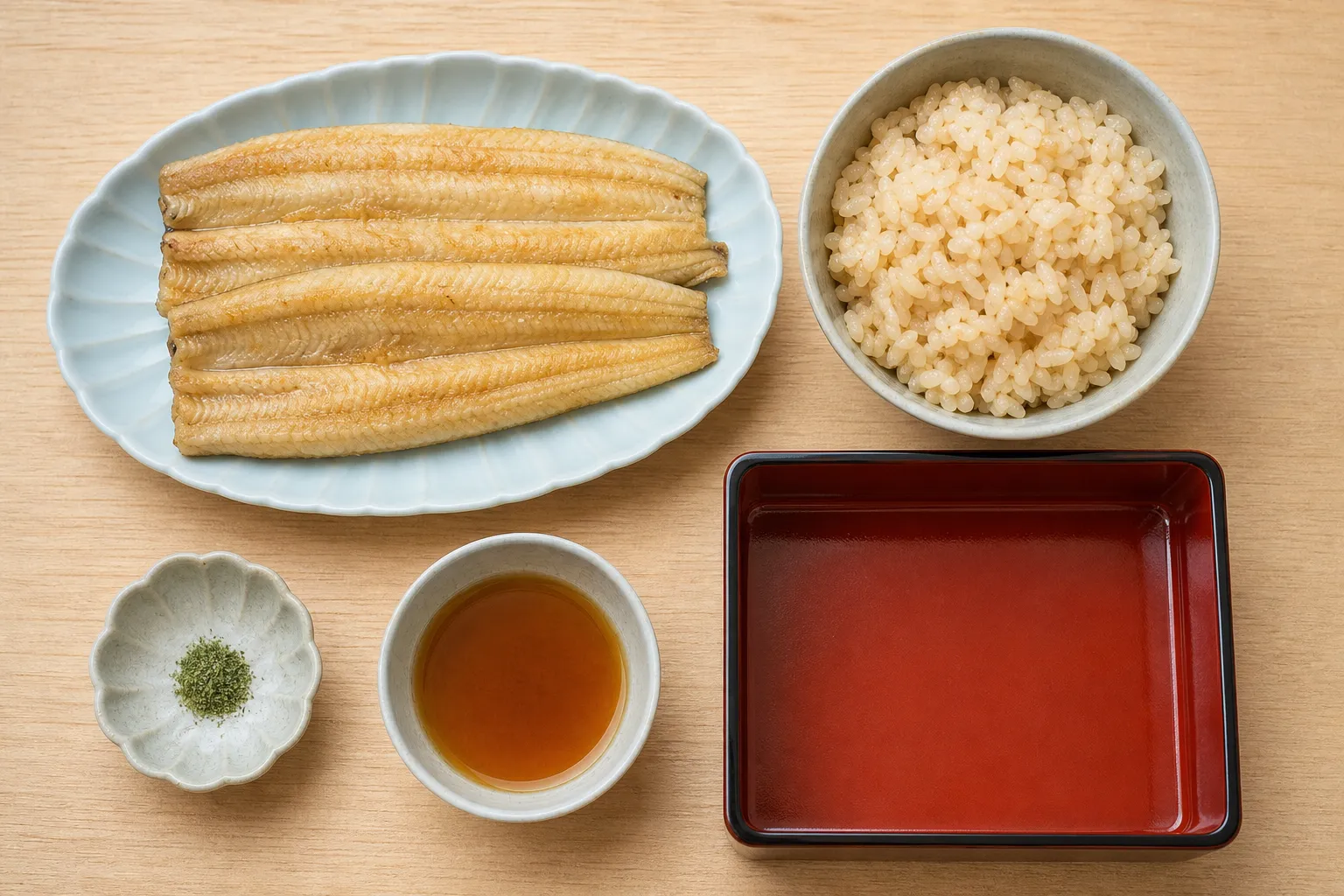
- Fresh anago is cleaned, boned, and butterflied into long fillets
- The bones are simmered down to flavor the cooking dashi
- Rice is cooked in that anago-infused dashi rather than plain water
- The fillets are grilled and brushed with a light, sweet soy-based tare
- The glazed anago is laid over the rice, often with a drizzle of extra tare and a scatter of pickled ginger or nori on the side
Before you go — book the ferry, order the bowl
Your questions, answered honestly
"Is this the same as unagi don?" — No — different eel, different texture, different intensity. Anago is leaner and more delicate; unagi is richer and fattier. Order both across your trip if you can and compare; it's a genuinely fun contrast.
"Do I need to go to Miyajima specifically?" — It's strongly associated with the island and the ferry port at Miyajimaguchi, and eating it there with the shrine in view is the classic version — but Hiroshima city itself has excellent anago meshi too if your schedule's tight.
"Is it served hot or cold?" — Hot, straight off the grill, laid over hot rice. It's meant to be eaten fairly soon after it arrives, while the glaze is still warm and the rice underneath is steaming.
"Any bones to worry about?" — Properly prepared anago is boned before serving, so you shouldn't be hunting for stray bones — but as with any fish dish, eat attentively rather than distractedly.
What the staff will ask you
| You'll hear | Romaji | Meaning | Just say |
|---|---|---|---|
| 並・上・特上、どちらになさいますか? | Nami, jō, tokujō, dochira ni nasaimasu ka? | "Regular, premium, or deluxe size?" | Jō de onegaishimasu (premium, please) |
| お茶漬けにしますか? | Ochazuke ni shimasu ka? | "Want it as ochazuke (with tea poured over) at the end?" | Hai, onegaishimasu (yes, please) |
| こちらでお召し上がりですか、お持ち帰りですか? | Kochira de omeshiagari desu ka, omochikaeri desu ka? | "For here, or to go?" | Kochira de tabemasu (for here) |
To order, just say "Anago meshi o kudasai" (あなご飯をください) — "Anago rice bowl, please."
Where to eat it
- Miyajima Island, Hiroshima — restaurants near the ferry terminal and along the approach to Itsukushima Shrine specialize in anago meshi; several have been serving it for generations.
- Miyajimaguchi — the mainland ferry port itself, where the dish is said to have started as a station bento; still a good, less crowded place to try it before or after the boat.
- Hiroshima city — plenty of restaurants serve excellent anago meshi if you don't have time to cross to the island.
Popular shops can have long lines, especially around lunch, so check current hours before you go and consider going just before or after peak times.
Soul Score
Local Roots5/5
First-Timer Friendly4/5
Adventure Level3/5
Comfort Level5/5
Travel Worthy5/5
These scores are one obsessed eater's gut feeling — not a verdict. A low number isn't a bad mark, just a different kind of adventure.
Know someone planning Japan?
← All Articles
Local Food · Miyajima / Hiroshima
Still hungry?
Eat more from Hiroshima
Local FoodHiroshima
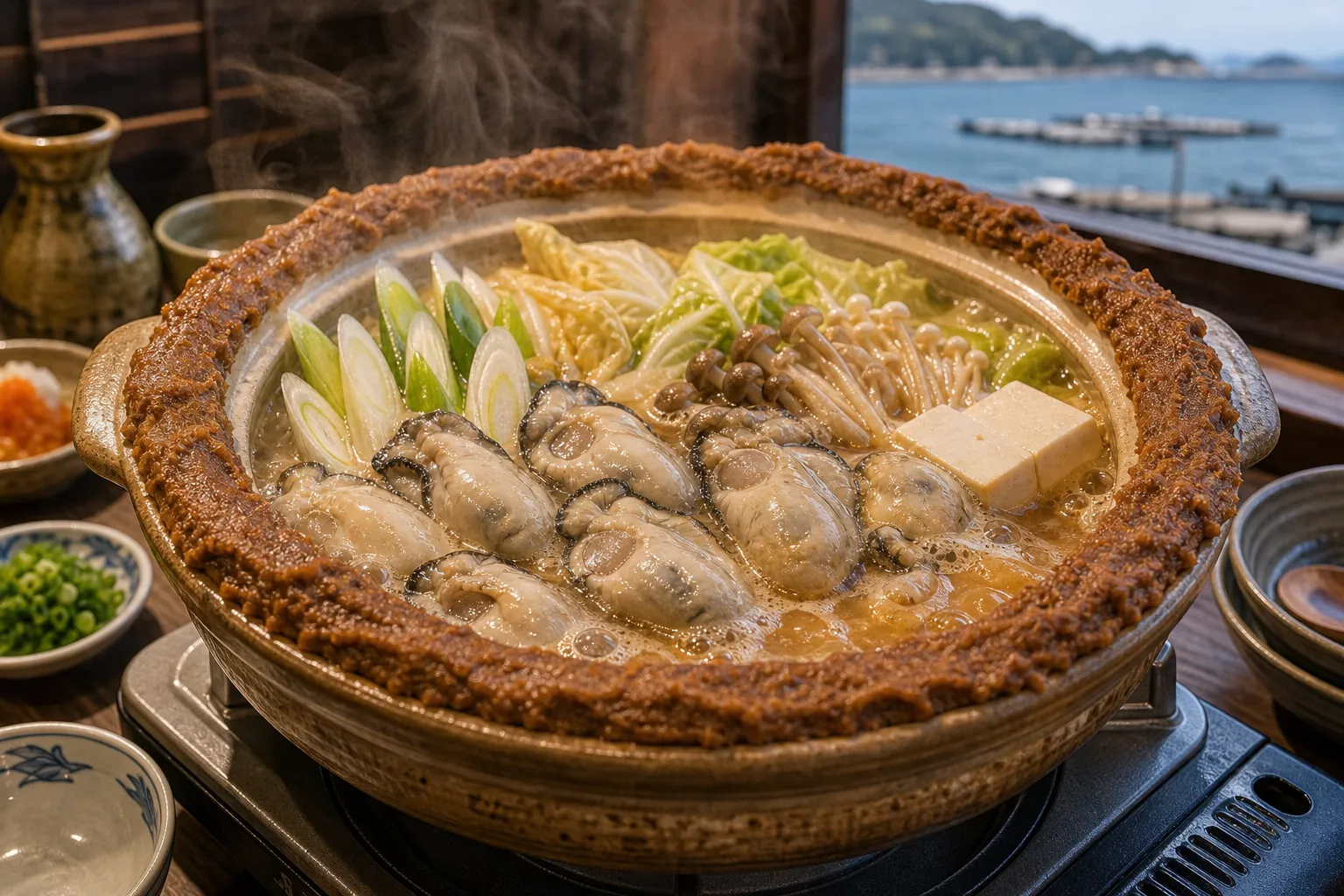
Kaki no Dotenabe (牡蠣の土手鍋)
Hiroshima's plump winter oysters, simmered in a pot ringed with a 'dyke' of sweet miso that you scrape into the broth as you go — a hot pot you literally build the flavor of, one swipe at a time.
July 10, 2026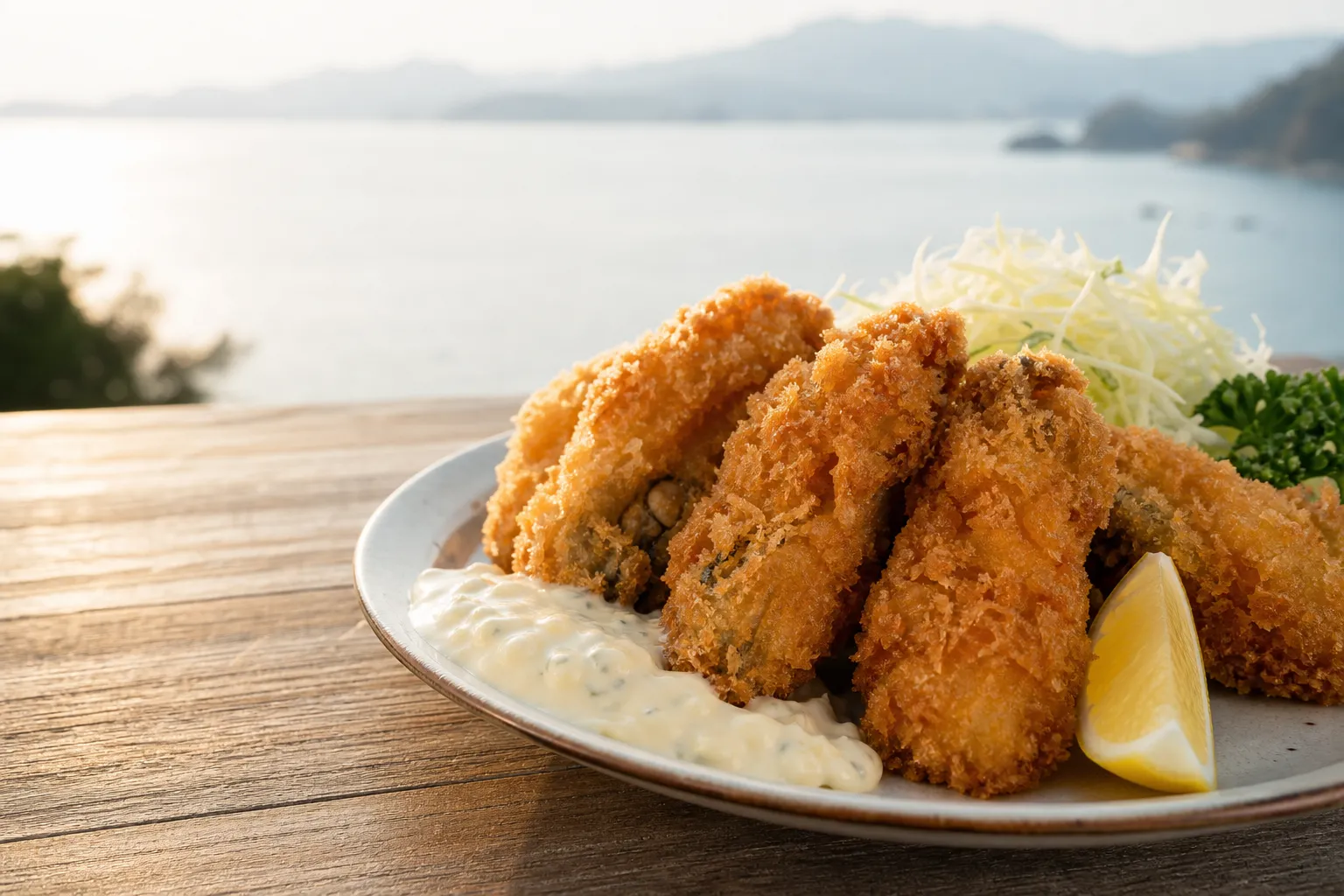
Local FoodHiroshima
Hiroshima Kaki Fry (広島かきフライ)
Crack the golden crust and the oyster inside is still plump and full of the sea — the fried food that finally made me understand why people drive to Hiroshima in winter.
July 5, 2026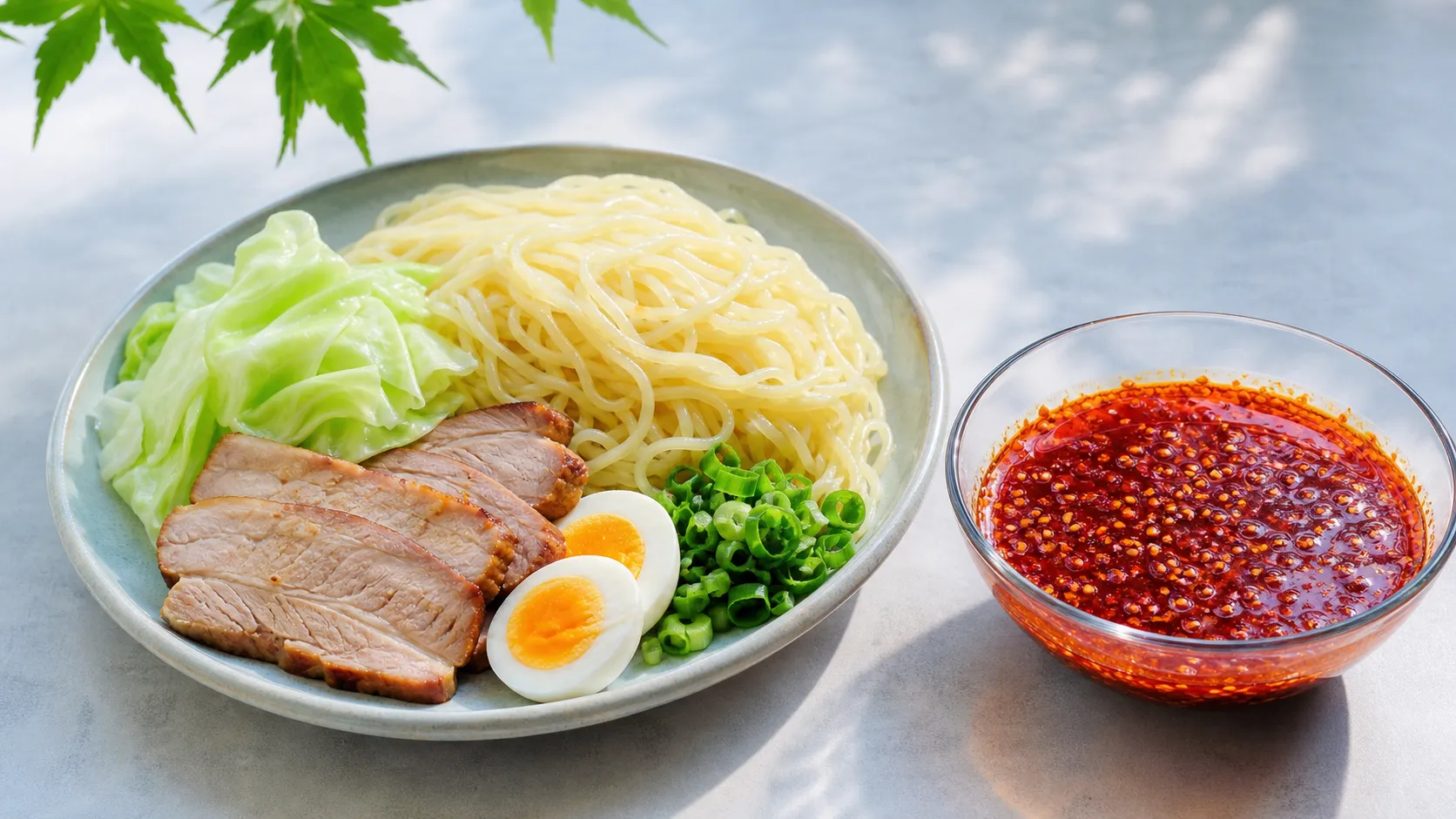
Local FoodHiroshima
Hiroshima Tsukemen (広島つけ麺)
My mouth was on fire and I was still going back for more — that particular kind of pain that somehow tells your brain to keep eating instead of stop.
July 5, 2026