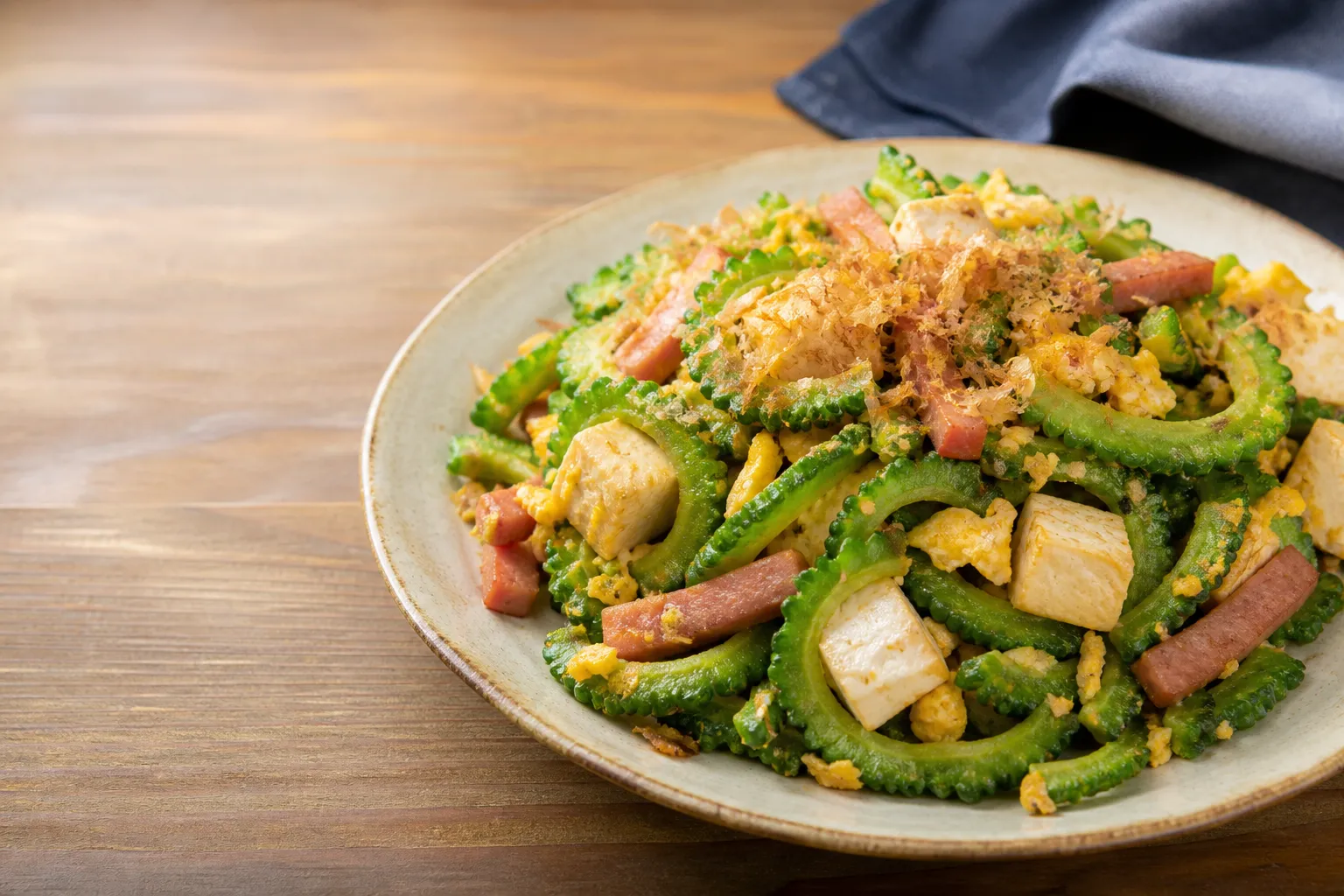
The first bite is bitter. Properly, defiantly bitter — the kind that makes your eyebrows do something involuntary. And then, against all logic, you go back for a second bite, and a third, and by the end you're fishing the last green half-moons off the plate. Goya does that. It dares you, and then it wins you over.
Share this dish


🍜 Planning a food trip to Okinawa?Add this dish to my Food Trip →
 Add this dish to my Food Trip →
This is goya chanpuru (ゴーヤチャンプルー), the home-style soul food of Okinawa: chanpuru means "mixed up," and that's exactly what it is — bitter melon (goya), cubes of firm island tofu, egg, and pork (often thin slices or luncheon meat), all stir-fried hot and fast and showered with bonito flakes. It's the taste of an Okinawan kitchen, and it's proudly, deliberately bitter.
The taste of an Okinawan kitchen
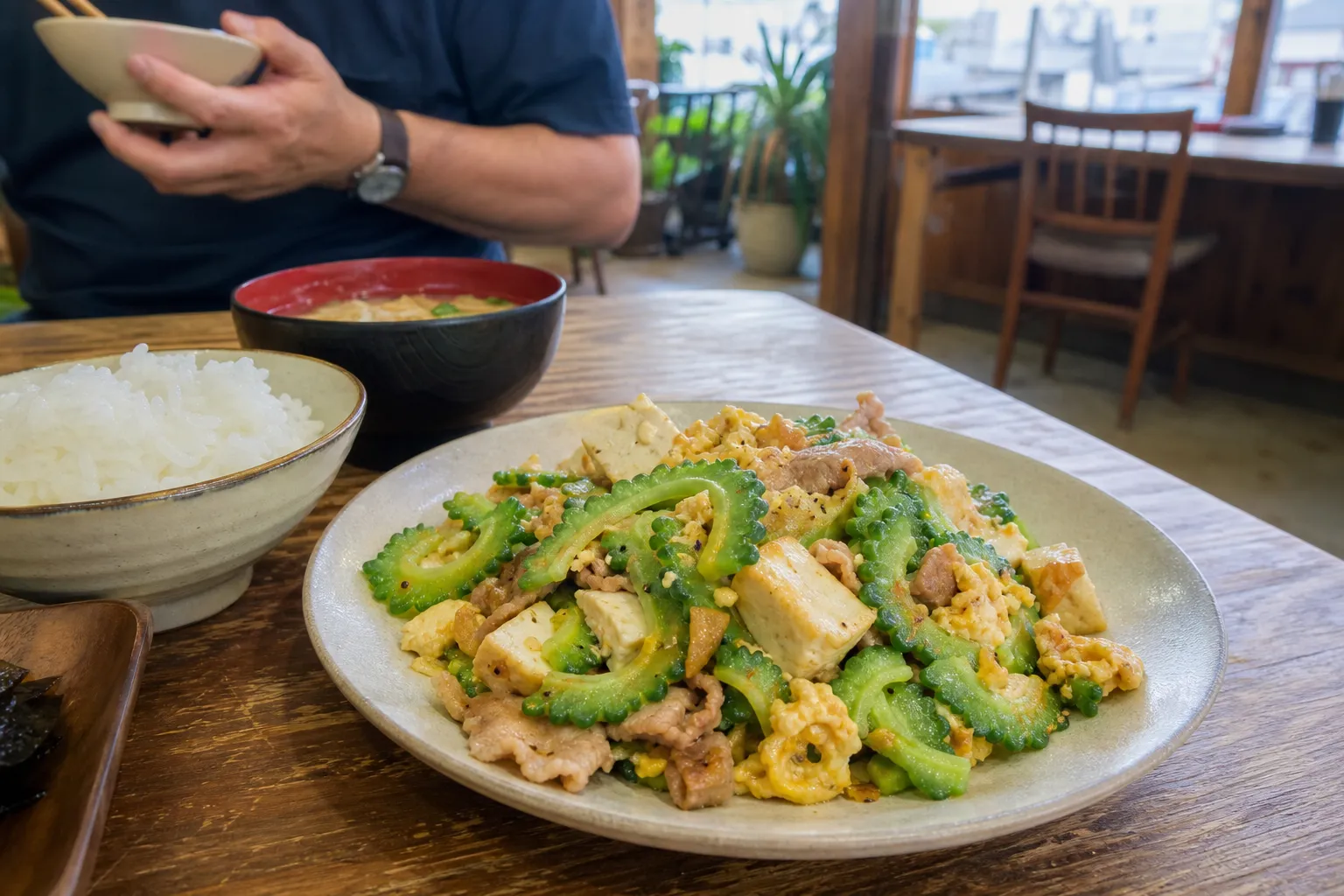
Chanpuru is the backbone of everyday Okinawan cooking — quick, thrifty, nourishing, endlessly variable (there's tofu chanpuru, somen chanpuru, and more), but goya is the icon. Bitter melon grows easily in the Okinawan heat and is woven into the islands' whole idea of eating well and living long. This is not restaurant theater; it's what people actually cook at home and order at the neighborhood shokudo.
I love that Okinawa's signature dish is one that doesn't try to please you immediately. It asks a little of you. The bitterness is a feature, tied to health, climate, and generations of "this is good for you, eat it." I sat in a tiny diner eating goya chanpuru with rice and thought about how the most local foods are often the ones that make you meet them halfway.
Why the bitterness works
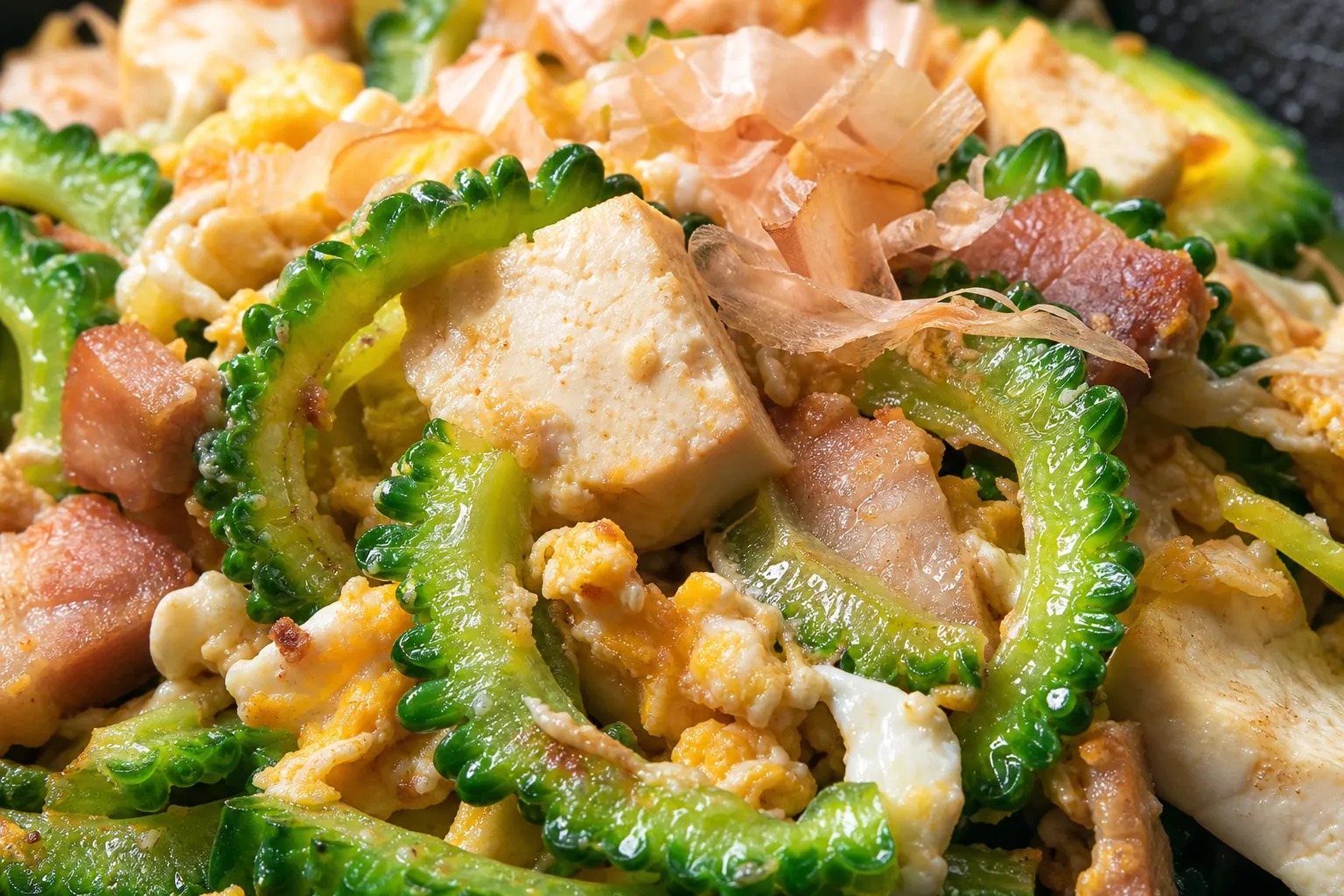
The magic is balance. Alone, goya is intense — but stir-fried with mellow egg, savory pork, and mild, spongy island tofu, the bitterness turns from a wall into an edge, something bright and green cutting through the richness. The bonito flakes on top wave in the heat and add a smoky, savory hum. Every element softens the goya just enough while letting it stay unmistakably itself.
Texturally it's a joy too: crisp-tender melon, custardy egg, chewy tofu, a little chew from the pork. It's the kind of plate that makes total sense with a bowl of white rice, each bitter-savory bite balanced by plain warm grains. I get why Okinawans eat this their whole lives.
How it's made
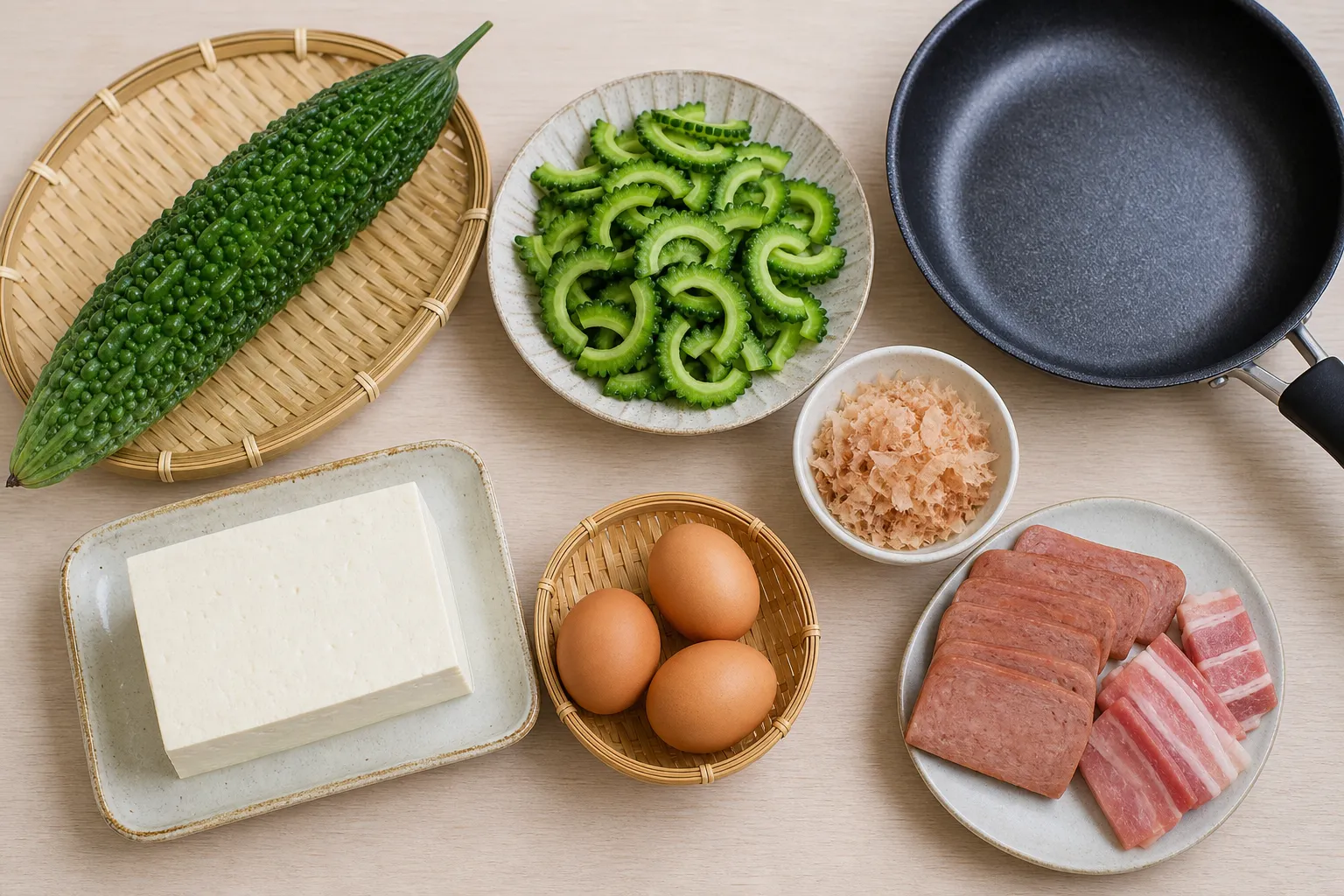
- Slice goya lengthwise, scoop out the seeds, and cut into thin half-moons (a quick salt rub tames the bitterness a little)
- Tear or cube firm island tofu and pat it dry
- Stir-fry the tofu and pork in a hot pan until they take on color
- Add the goya and stir-fry until crisp-tender and still green
- Pour in beaten egg and toss so it just sets and binds everything
- Finish with a splash of soy, and a generous shower of bonito flakes
Before you go — for the bitter-curious
Your questions, answered honestly
"Is it really that bitter?" — Yes, goya is genuinely bitter — but stir-fried with egg, tofu, and pork it's balanced and very edible, not punishing. If you've been scared off bitter foods before, this is a friendly place to make peace with them.
"What's in it? I have things I avoid." — The classic version has bitter melon, firm tofu, egg, and pork (sometimes luncheon meat), plus bonito flakes. Ingredients vary by shop, so ask if something matters to you.
"Is it spicy?" — No. The bite is bitterness from the goya, not chili heat.
"How do I eat it?" — As a savory main or side with a bowl of white rice — the rice balances the bitterness perfectly. It's an everyday meal, not a delicate one.
What the staff will ask you
| You'll hear | Romaji | Meaning | Just say |
|---|---|---|---|
| ご飯は付けますか? | Gohan wa tsukemasu ka? | "Add rice?" | Hai, onegaishimasu (yes please) |
| 定食にしますか? | Teishoku ni shimasu ka? | "As a set meal?" | Hai, teishoku de (yes, the set) |
| 単品にしますか? | Tanpin ni shimasu ka? | "Just the dish alone?" | Hai (yes) |
To order, just say "Goya chanpuru kudasai" (ゴーヤチャンプルーください) — "Goya chanpuru, please."
Where to eat it
- Okinawa — it's on the menu at shokudo (everyday diners) and izakaya all over the islands. One of the most authentic, affordable ways to eat like a local.
- Naha / Kokusai Street area — easy to find at casual restaurants if you're based in the city.
- Check before you go — diners keep their own hours and goya is at its best in the warm months when it's in season locally.
Soul Score
Local Roots5/5
First-Timer Friendly3/5
Adventure Level4/5
Comfort Level4/5
Travel Worthy4/5
These scores are one obsessed eater's gut feeling — not a verdict. A low number isn't a bad mark, just a different kind of adventure.
Planning what to eat in Okinawa?🌺 Okinawa Food Guide: Soba, Taco Rice, Chanpuru, Sweets, and Island Comfort Food →
Know someone planning Japan?
← All Articles
Local Food · Okinawa
Still hungry?
Eat more from Okinawa
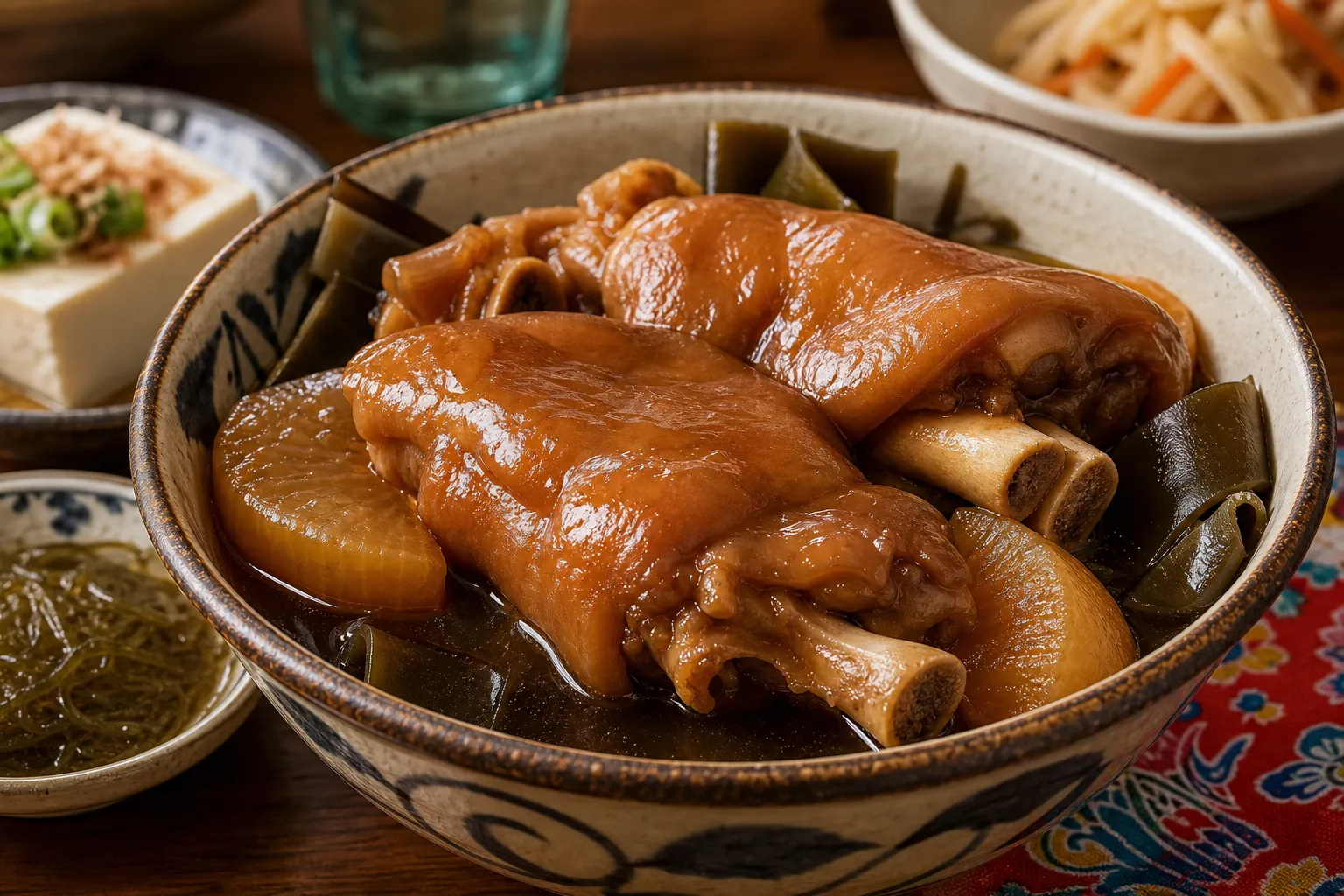
Local FoodOkinawa
Tebichi (てびち)
It wobbled when the bowl hit the table — actually jiggled — and I hesitated for one honest second before the first bite dissolved into warm, savory collagen and I understood why Okinawans swear by it.
July 5, 2026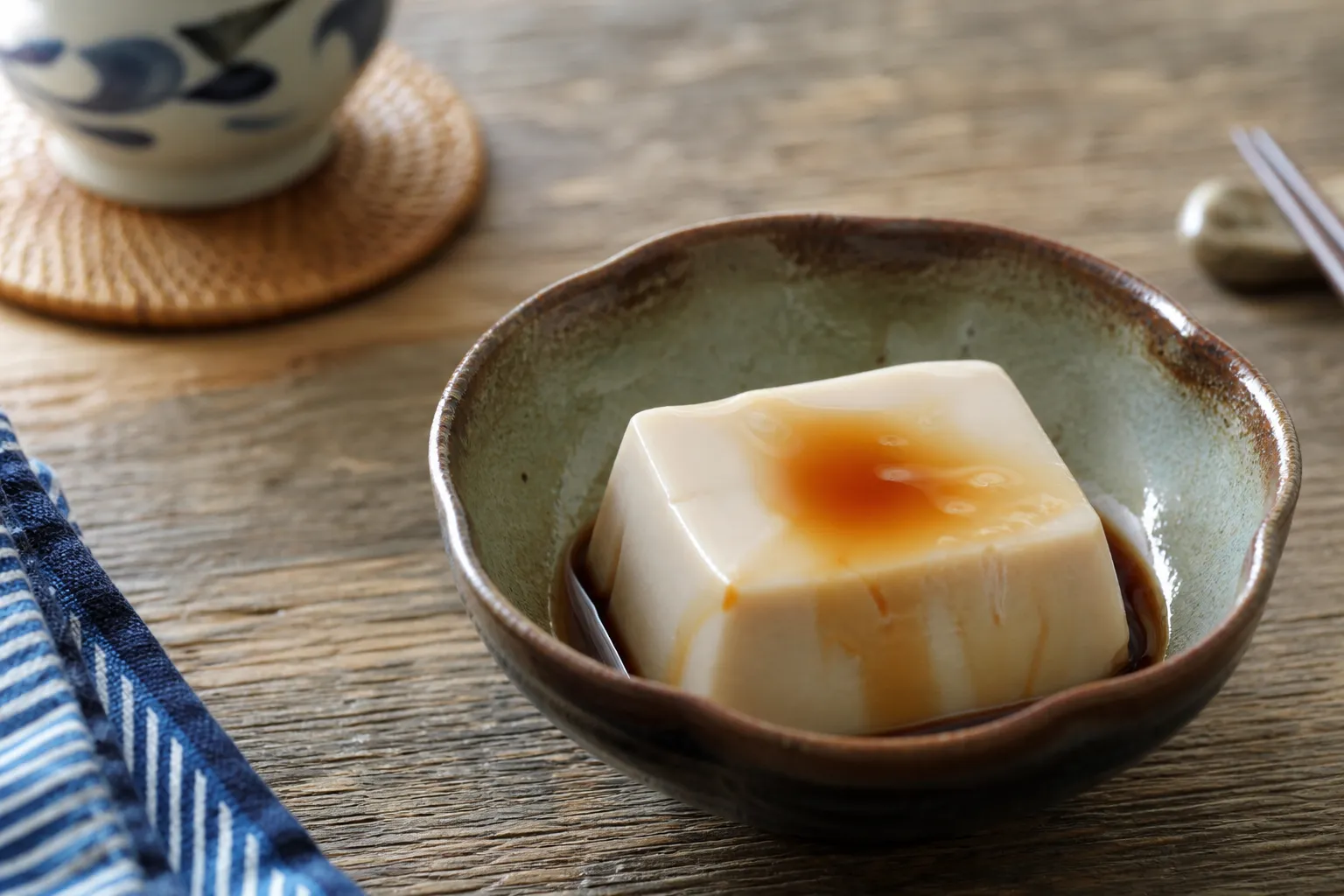
Local FoodOkinawa
Jimami Tofu (じーまーみ豆腐)
It jiggles like tofu, it tastes like peanuts, and it took me three spoonfuls to accept that both of those things were happening in my mouth at the same time.
July 4, 2026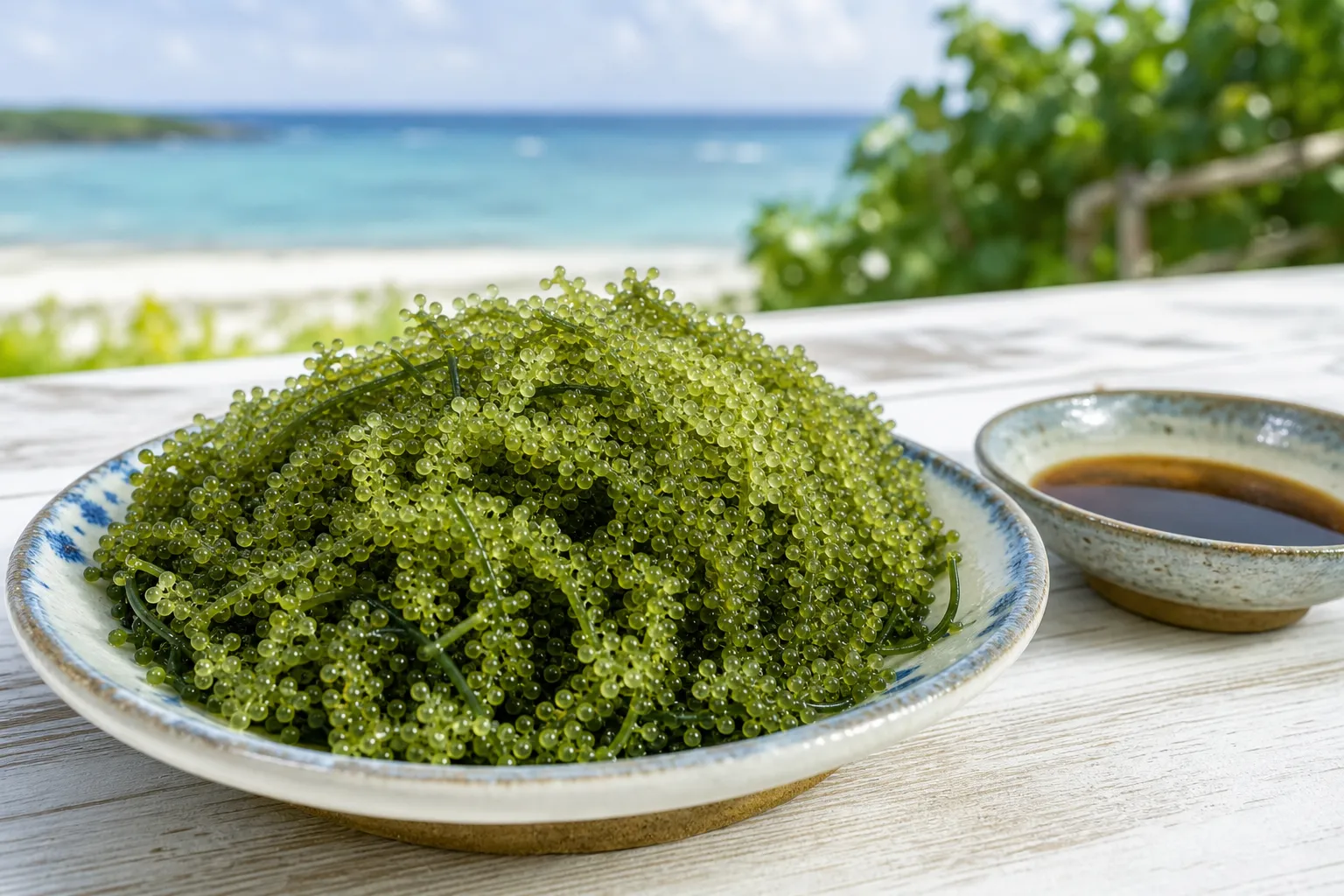
Local FoodOkinawa
Umibudo (海ぶどう)
Tiny green beads burst between my teeth, one after another, like the ocean somehow figured out how to make caviar out of a salad.
July 4, 2026