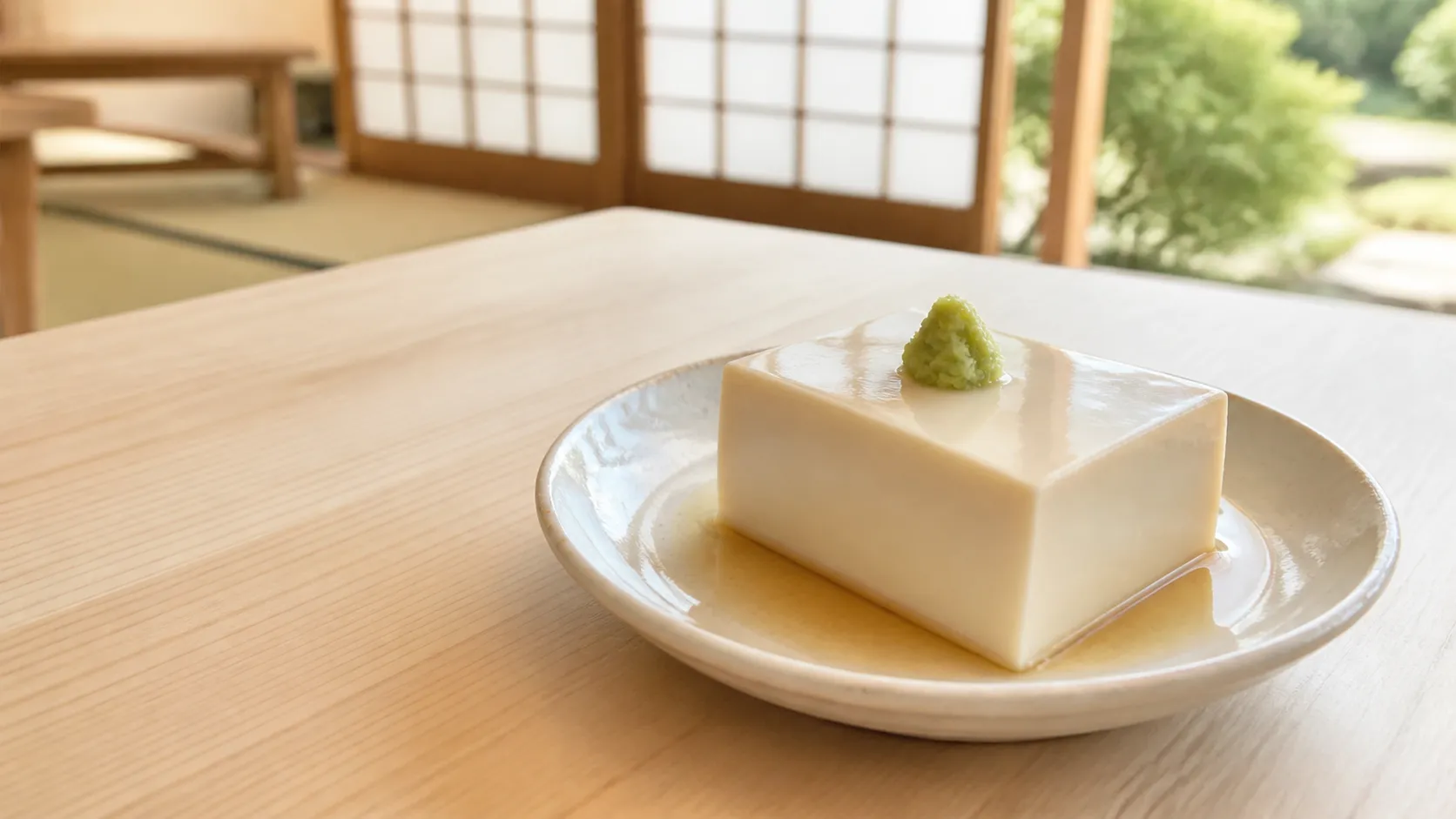
It was six in the morning, it was cold enough to see my breath inside the building, and I had been awake for the monks' chanting for reasons I'd volunteered for and was quietly reconsidering. Then breakfast arrived, and on the black lacquer tray was a small pale block with a dot of green wasabi on it.
Share this dish


It has no soybeans in it, no coagulant, and no business being called tofu — and it was the best single thing I ate on a mountain full of monks.
🍜 Planning a food trip to Wakayama?Add this dish to my Food Trip →
 Add this dish to my Food Trip →
One bite and I forgot about the cold. It didn't break like tofu — it pulled, slightly, like something between panna cotta and mochi, dense and cool and impossibly smooth, and then the sesame arrived, roasted and deep and much bigger than the size of the piece suggested. I looked up. Nobody was watching. I ate the whole thing in about four seconds and then sat there for the rest of the meal thinking about it.
Here's the part that broke my brain later: goma-dofu contains no soybeans and no coagulant. It's ground white sesame and kudzu starch, cooked and stirred and set. It's called tofu because it looks like tofu and behaves like tofu on a plate, and that's the entire justification. Koyasan's monks have been making it for centuries, and it is the single best argument for eating vegan food in Japan that I know of.
Built by monks who weren't allowed shortcuts
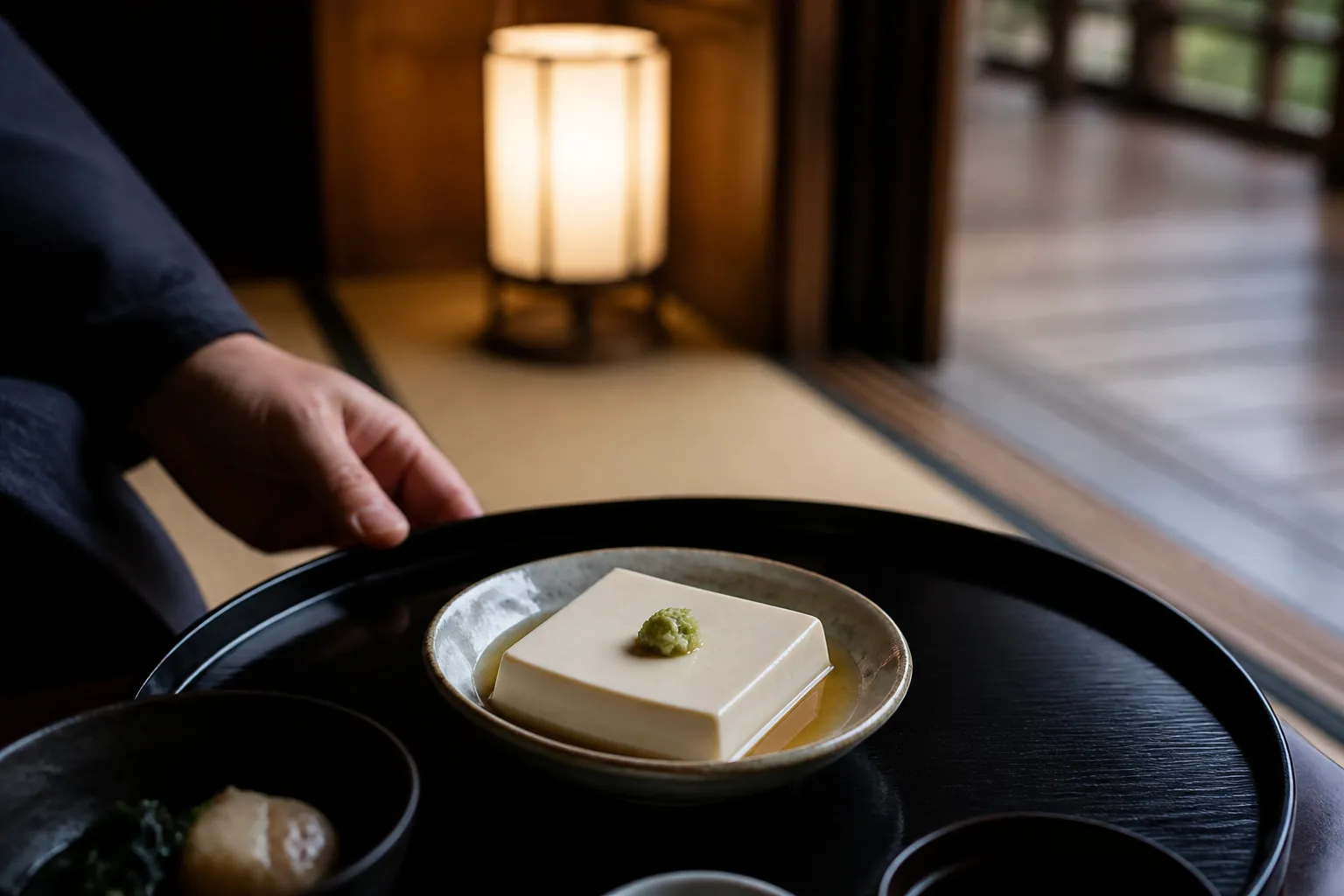
Koyasan is a monastic town at 800 meters in the Wakayama mountains, founded twelve hundred years ago as the headquarters of Shingon Buddhism. Over a hundred temples, a forest cemetery with a quarter of a million graves in it, and a culinary tradition built entirely around a restriction: shojin ryori, Buddhist temple cuisine, which permits no meat, no fish, and no dashi made from either — and traditionally no onion or garlic either.
Strip all of that out and you have a genuine problem. Where does richness come from? Where does depth come from? Where does the fat come from?
The answer, over centuries, was sesame. Ground fine, it gives oil, body, and a roasted depth that reads as satisfying in a way vegetables alone don't. Bind it with kudzu — starch from a mountain root, laboriously extracted — and you get something with weight and mouthfeel that can sit at the centre of a tray and hold its own.
What gets me is the labour. Real goma-dofu is made by grinding sesame to a paste and then stirring it with kudzu and water over heat, continuously, for a long time. Not stirred occasionally. Stirred constantly, because it will catch and turn grainy the moment you stop. That work was done by monks, before dawn, as part of practice rather than as a chore. The dish is delicious and it is also, quite literally, someone's discipline made edible.
I find that hard to shake. I've eaten a lot of food in Japan. Not much of it was made by someone treating the making as prayer.
Why it doesn't taste like tofu at all
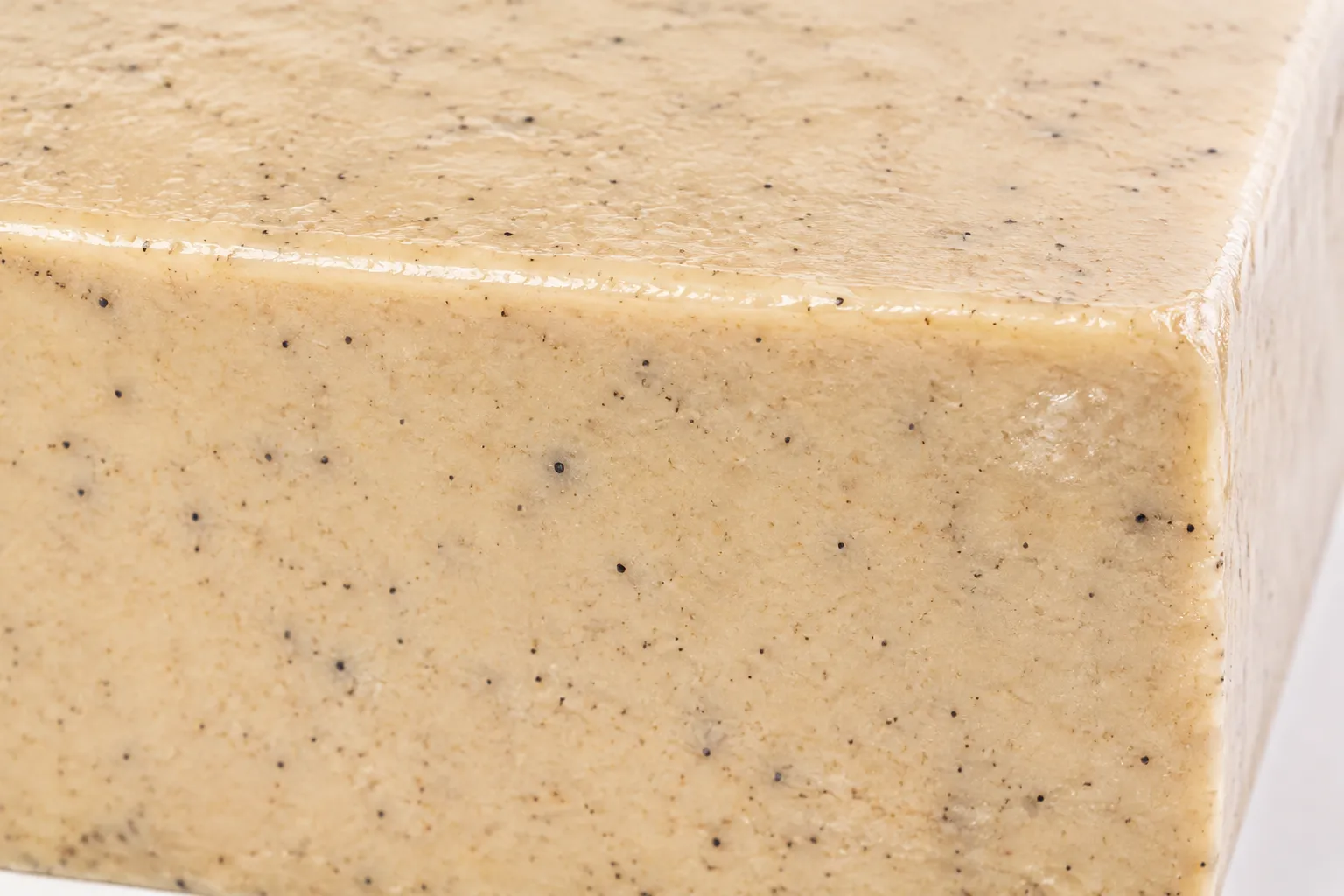
Soy tofu is soft, watery, and fragile — it breaks into curds, it weeps liquid, it tastes faintly of beans and mostly of nothing. Goma-dofu shares its shape and none of its behaviour.
The texture is the headline. Kudzu sets into something elastic rather than brittle, so the block holds a clean edge but gives under a chopstick with a slight, springy resistance. It's dense. It's a little sticky. It coats your mouth the way a rich dairy dessert does, which is a genuinely strange sensation to get from something with no dairy, no egg, and no soy in it.
Then the flavour: roasted sesame, concentrated, nutty and slightly sweet, with a faint bitterness at the back that keeps it from being cloying. That's it. That's the entire flavour, and it's enough.
It's served cold, usually with a dot of wasabi and a small pour of light soy or dashi, and sometimes with a sweet miso instead. The wasabi is not decoration — a sharp green hit cutting through all that richness is what stops each bite from flattening into the last.
And a note worth having: cheaper versions substitute potato or sweet potato starch for kudzu. They're fine. They're also noticeably softer and less elastic, and once you've had a real kudzu one on the mountain you'll be able to tell instantly, which is either a gift or a curse.
How it comes together
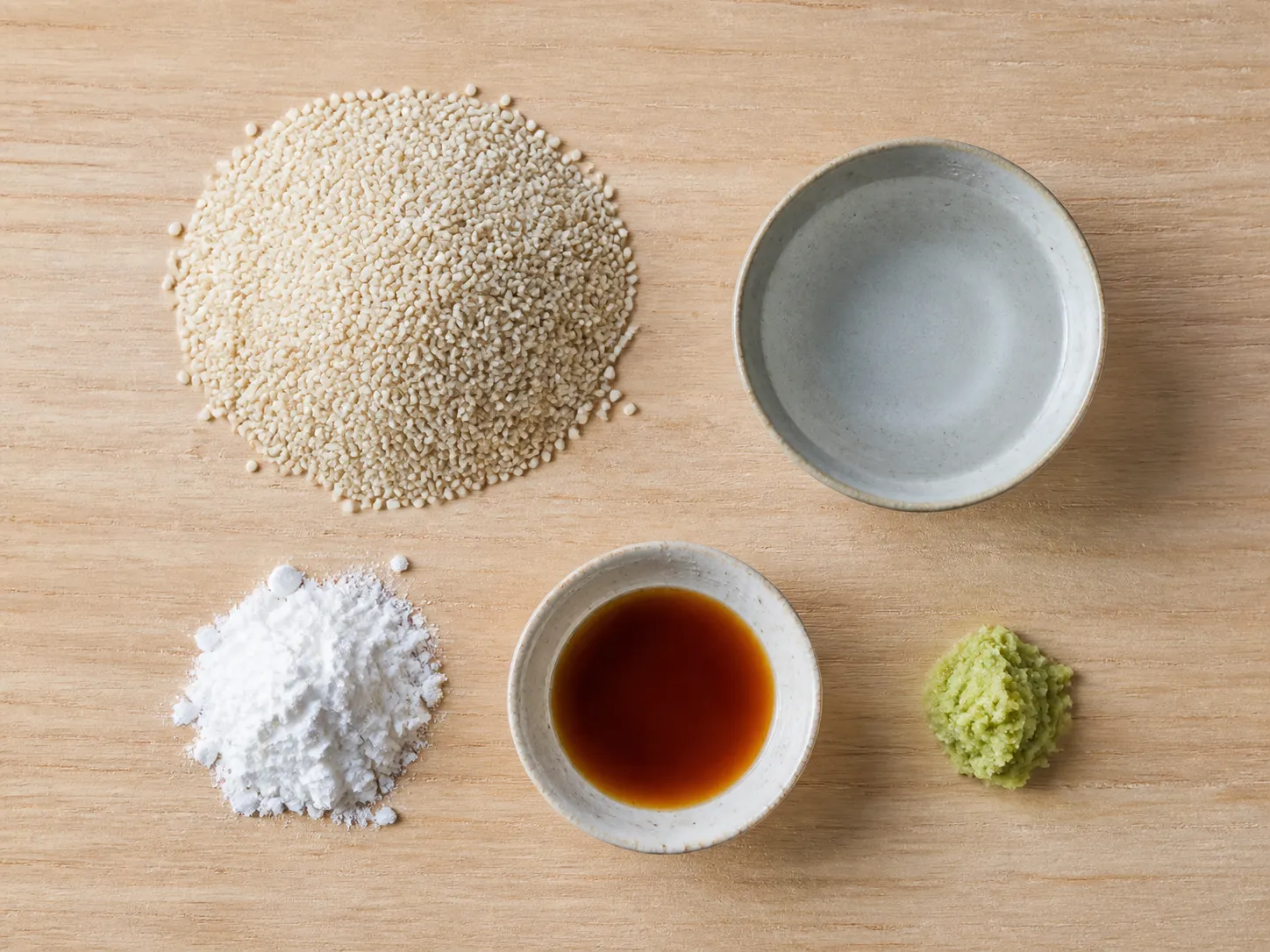
- Roast white sesame seeds gently, then grind them — traditionally in a ridged mortar — until they break down into a smooth, oily paste
- Dissolve kudzu starch into water and strain it, then combine with the sesame paste
- Cook over heat, stirring without stopping, as the mixture thickens from liquid to something heavy and glossy that pulls away from the pan
- Pour into a mould and chill until fully set
- Cut into squares and serve cold with wasabi and a light soy or a sweet miso
Step 3 is the whole discipline. It takes real time, the mixture fights back as it thickens, and the moment you slow down you get lumps or a scorched bottom and the batch is ruined. There is no clever technique that removes the arm work. That's rather the point.
Before you go — the stuff that actually matters
Your questions, answered honestly
"Is it actually vegan?" — The block itself, yes — sesame, kudzu, water. The thing to check is what's poured over it. A light dashi-based sauce usually contains bonito. Ask for it with soy sauce or sweet miso, or ask whether the dashi is kombu-only, which at a temple lodging it very often is.
"Is it sweet or savoury?" — Savoury, mostly. But it sits close enough to the line that some shops serve a sweetened dessert version with kuromitsu syrup, and it works alarmingly well. If you see it, get it.
"How is this different from sesame tofu I've had elsewhere?" — Goma-dofu exists across Japan, especially in temple towns like Nara and in Kyoto's Buddhist cuisine. Koyasan's is the most famous and the most tied to a living monastic tradition, and the specialist shops there make it fresh daily rather than shipping it in.
"Do I have to stay overnight to eat it?" — No. Specialist shops in the town sell it fresh to take away and eat on the spot, and restaurants serve it à la carte. But staying in a shukubo — a temple lodging — and eating it as part of a full shojin ryori dinner and breakfast is a genuinely different experience, and it's the one I'd push you toward.
"Will it keep for a souvenir?" — Fresh goma-dofu is short-lived — often a couple of days refrigerated. Vacuum-packed versions with longer shelf lives are widely sold and are a fair compromise. Don't buy the fresh one at the start of a two-week trip.
"Is Koyasan hard to get to?" — It's a couple of hours from Osaka by train, then a cable car, then a bus, and the last stretch is genuinely mountainous. It's not a casual stop and it is absolutely worth the effort — the cemetery walk alone justifies the trip. Book temple lodging well ahead, especially in autumn.
What the staff will ask you
| You'll hear | Romaji | Meaning | Just say |
|---|---|---|---|
| わさび醤油と味噌だれ、どちらにしますか? | Wasabi-jōyu to miso-dare, dochira ni shimasu ka? | "Wasabi soy or sweet miso?" | Wasabi-jōyu de (wasabi soy, please) |
| 本葛を使っています | Honkuzu o tsukatte imasu | "We use real kudzu starch" | Tanoshimi desu (I'm looking forward to it) |
| 日持ちは短いですが大丈夫ですか? | Himochi wa mijikai desu ga daijōbu desu ka? | "It doesn't keep long — is that okay?" | Hai, sugu tabemasu (yes, I'll eat it soon) |
| お持ち帰りですか? | Omochikaeri desu ka? | "Taking it away?" | Koko de tabemasu (I'll eat it here) |
| 精進料理はお初ですか? | Shōjin ryōri wa o-hatsu desu ka? | "First time with temple cuisine?" | Hai, hajimete desu (yes, my first time) |
To order, just say "Goma-dofu kudasai" (ごま豆腐ください) — "Goma-dofu, please."
Where to eat it
- Temple lodgings (shukubo) in Koyasan — the full experience, served as part of a shojin ryori dinner and breakfast. Over fifty temples on the mountain take overnight guests, and reservations are strongly recommended.
- Long-established goma-dofu specialists in Koyasan town, including the well-known Hamadaya and Kadohama shops near the main temple area — they make it fresh and sell it by the block, and the queue moves fast.
- Restaurants along Koyasan's main street — most serve it à la carte, which is the easy option if you're up for the day rather than staying over.
Koyasan is a mountain town where a lot closes early, shops can sell out of fresh goma-dofu by the afternoon, and winter weather affects transport — check hours and book lodging ahead rather than turning up hopeful.
Soul Score
Local Roots5/5
First-Timer Friendly4/5
Adventure Level3/5
Comfort Level5/5
Travel Worthy5/5
These scores are one obsessed eater's gut feeling — not a verdict. A low number isn't a bad mark, just a different kind of adventure.
Know someone planning Japan?
← All Articles
Local Food · Koyasan, Wakayama
Still hungry?
Eat more from Wakayama
Local FoodMinabe, Wakayama
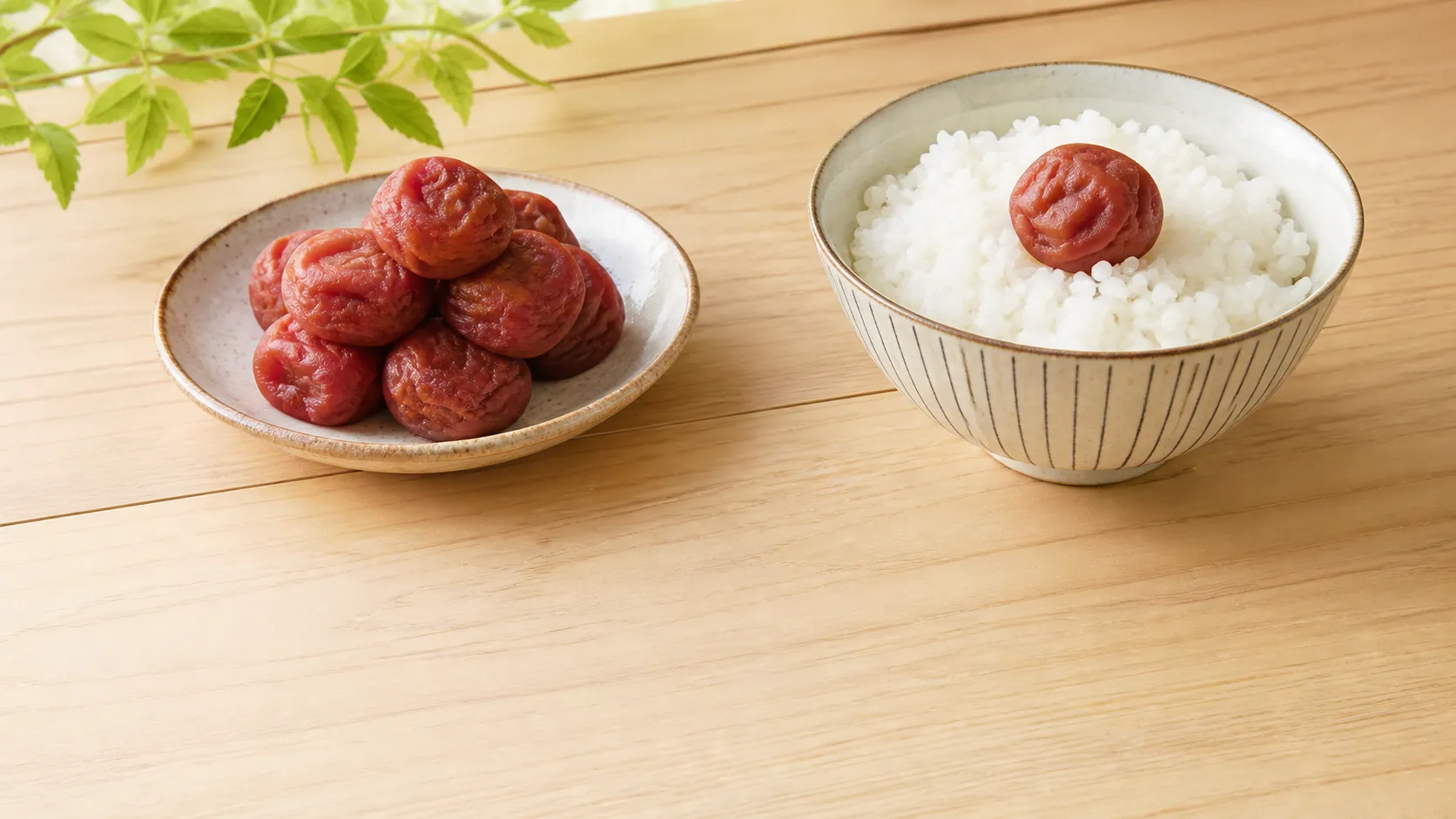
Umeboshi (梅干し)
My whole face folded inward. A man on the next stool laughed so hard he had to put his tea down. Ten minutes later I bought a bag of them, because apparently I'm like this.
September 2, 2026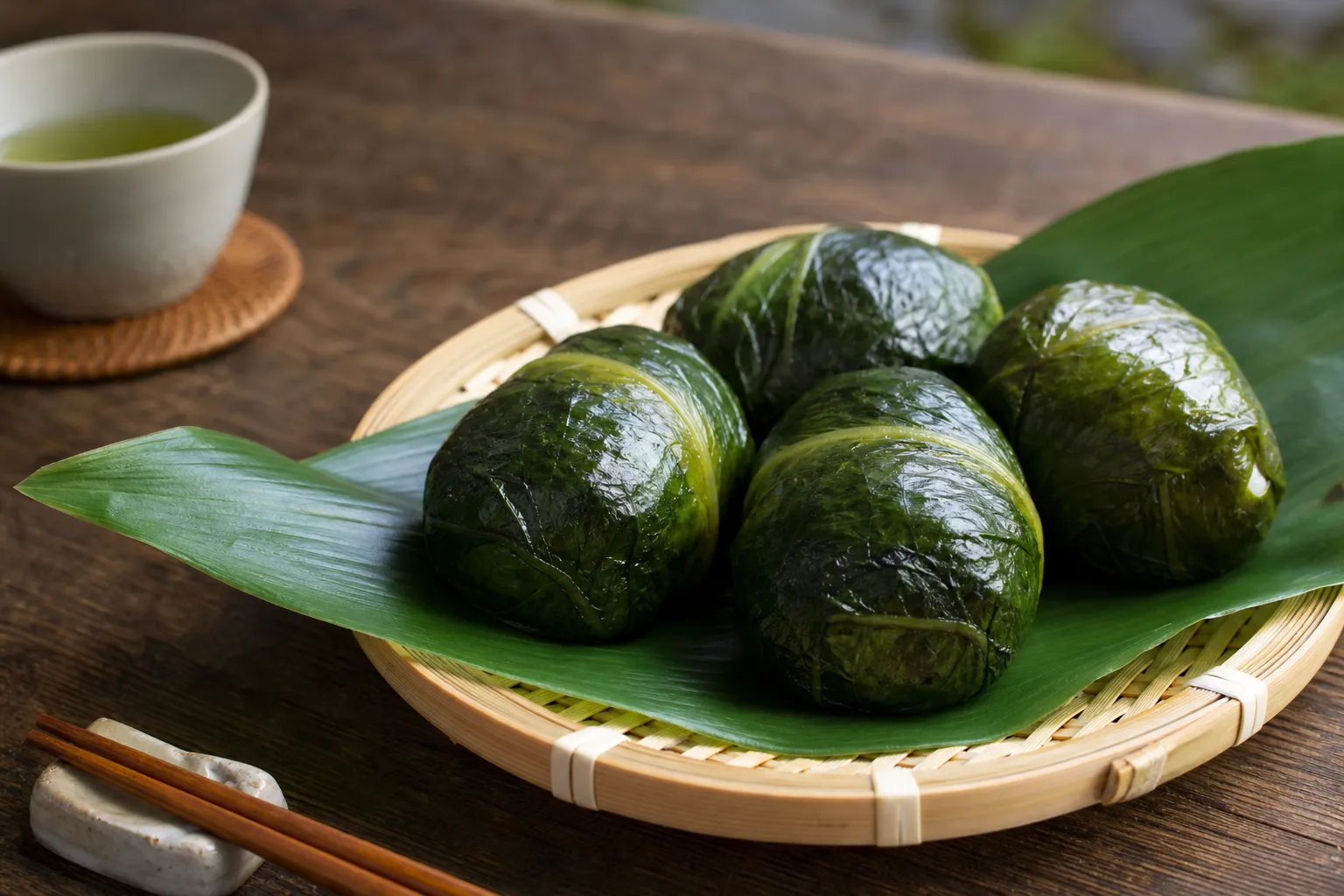
Local FoodKumano, Wakayama
Mehari-zushi (めはり寿司)
A rice ball wrapped head-to-toe in tangy pickled mustard greens, so big and good that the old story says your eyes go wide just to fit it in your mouth.
July 12, 2026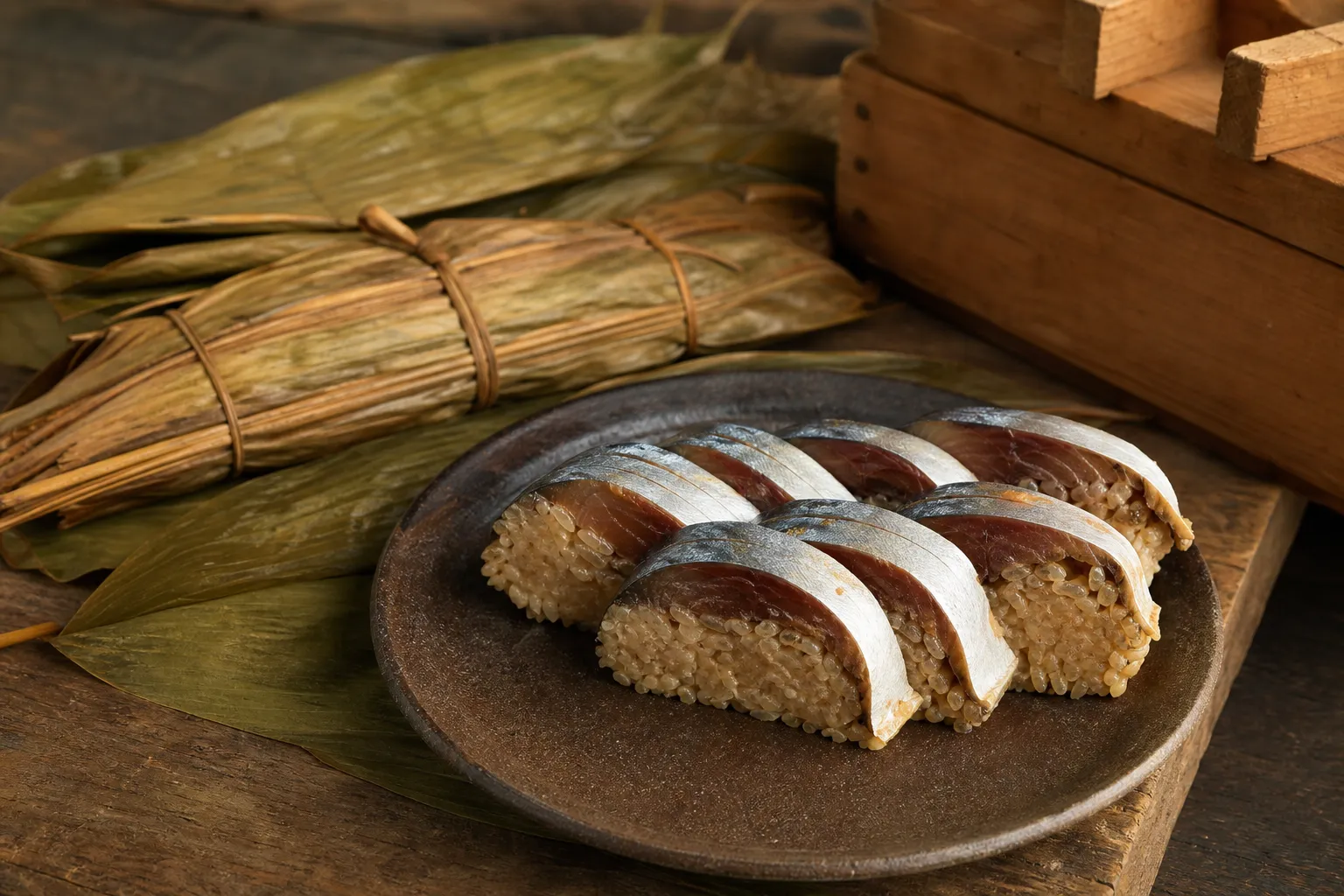
Local FoodKumano, Wakayama
Saba Narezushi (さばのなれずし)
Salted mackerel pressed onto rice and left to ferment for weeks, tangy and funky and alive — the ancient pilgrim sushi of the Kumano mountains, from before sushi meant fresh fish at all.
July 12, 2026