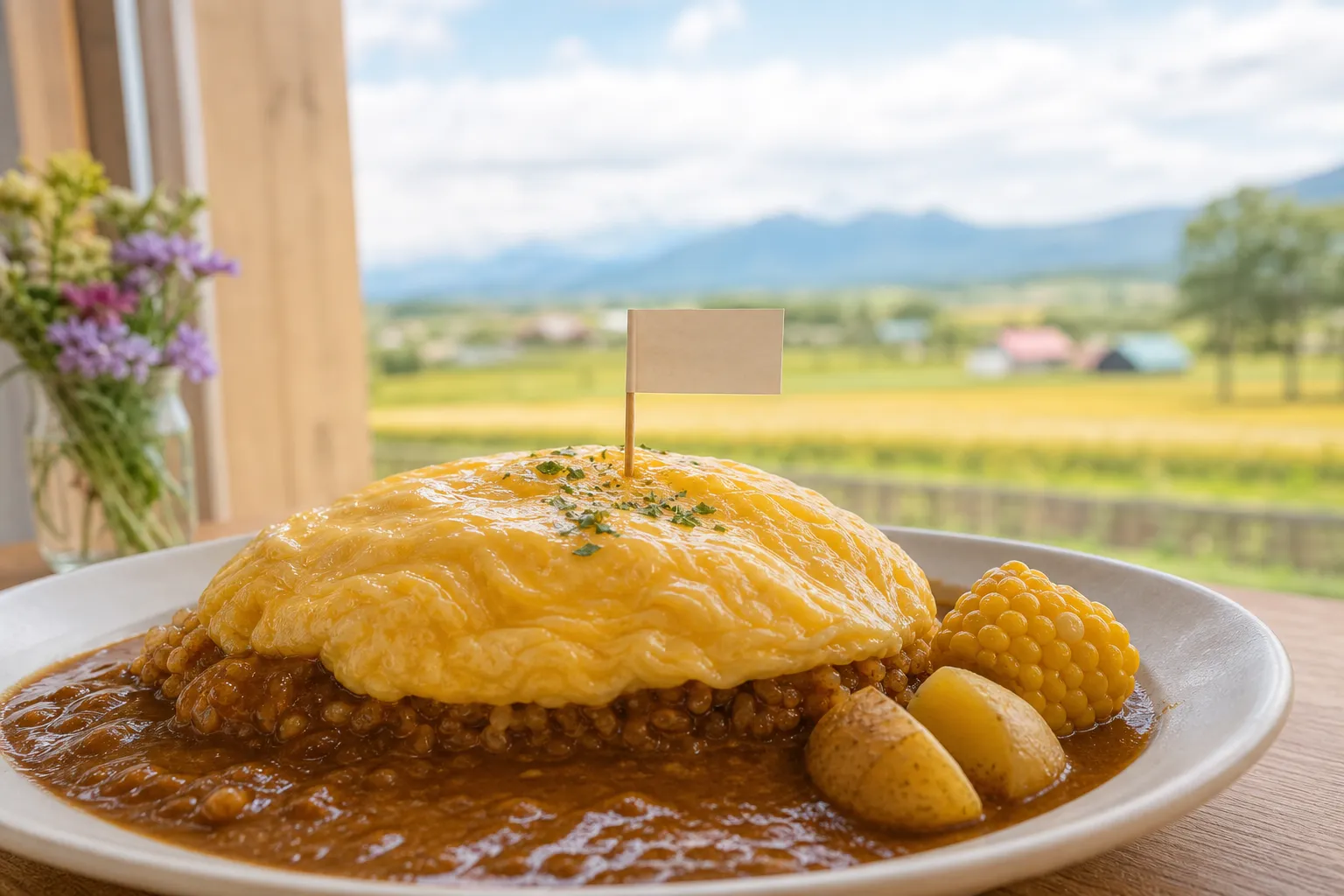
There's a little paper flag standing straight up out of my omelette, and I genuinely paused before touching it, like I'd stumbled onto a tiny, delicious territorial dispute. Then I cut in anyway, because I was hungry and the flag wasn't going to eat itself, and the whole golden dome slumped sideways as thick curry sauce came pouring out from underneath it like it had been waiting for permission.
Share this dish


Cut into the omelette and curry sauce comes flooding out like it's been waiting all morning for permission — with a lavender field in the window behind it.
Would you try this dish?
Rate how much you would like to try it.
🍜 Build your Hokkaido food trip around Furano Omu-Curry.Add to Food Planner →
 Add to Food Planner →
I ate lunch in front of a window looking out at literal lavender fields and rolling farmland, with sweet corn and little potatoes sitting next to my plate like they'd walked in from the field themselves. I'm not being dramatic. That's just what a normal Tuesday lunch looks like in Furano.
Furano omu-curry is a soft, folded omelette draped over a plate of curry rice, typically garnished with corn and potato grown right there in the region and topped with a small paper flag — Furano's own spin on Japan's beloved curry-rice-meets-omelette combo, built entirely around the town's actual farm produce.
A farming town's edible flag-planting
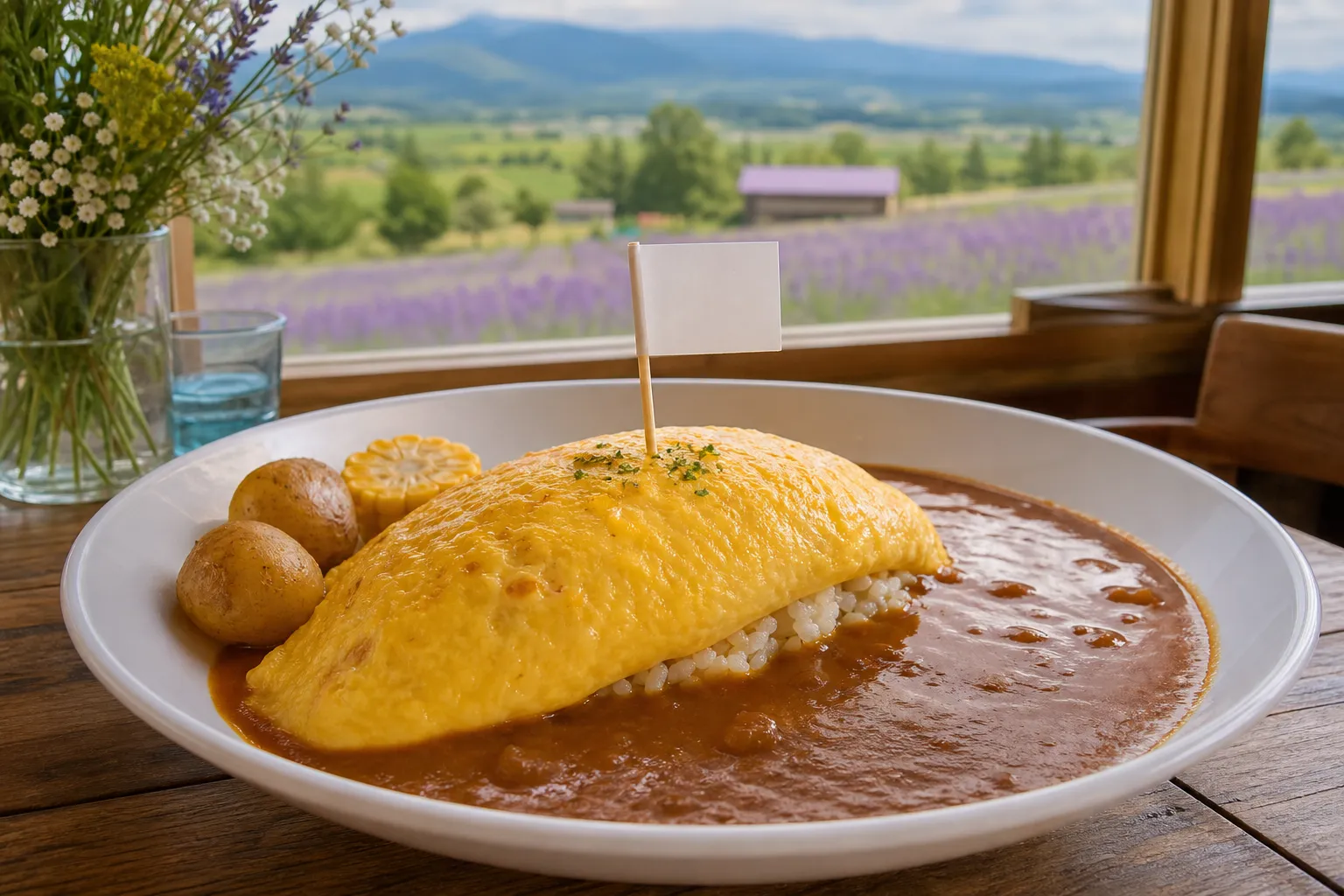
Furano sits in the middle of Hokkaido, in farm country famous for lavender fields, dairy, and some of the best sweet corn and potatoes in Japan. At some point, local restaurateurs organized around a shared idea: take the classic Japanese comfort combo of curry rice and omelette, and turn it into a showcase for everything grown in the surrounding fields — corn, potatoes, dairy-rich sauces, even Furano-grown rice — with each restaurant serving its own version under a shared regional "omu-curry" identity, complete with that little paper flag as a kind of unofficial local trademark.
I find that genuinely moving, in an unfussy way — an entire farming town deciding that its produce deserved its own dish, rather than just quietly supplying ingredients to somebody else's. Every flag on every plate is basically a tiny "made here, by us" declaration, and I'm a sucker for that kind of local pride.
Why it's the most photogenic comfort food in Hokkaido
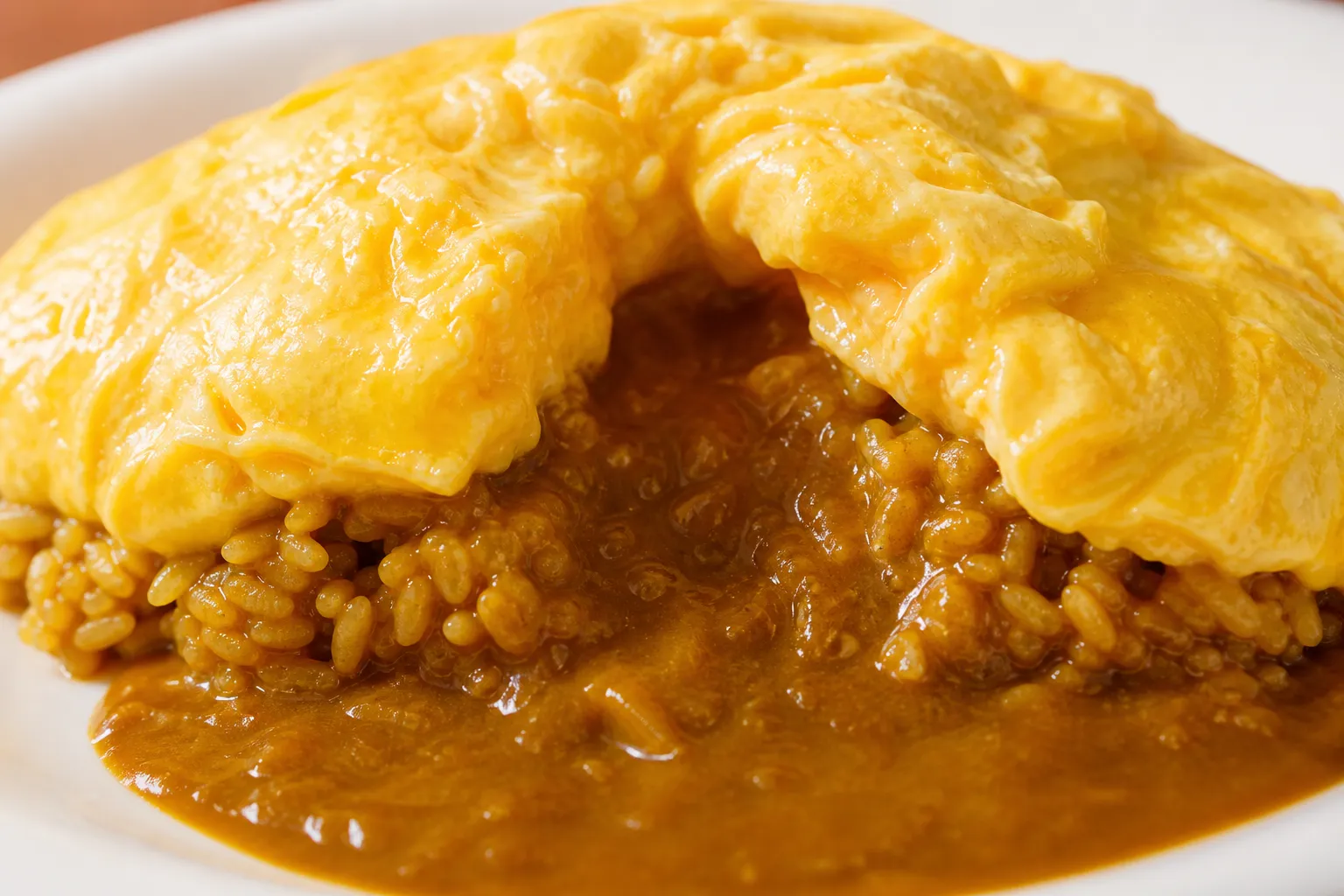
The omelette itself is the star before you've even tasted anything — soft, glossy, folded rather than wrapped tight, sitting on top like a small golden hill. Cut into it and it doesn't just open, it gives, curry sauce flooding out from underneath and pooling around the base of the rice. That's the moment that gets me every time: the visual payoff of something that looked calm and tidy suddenly turning out to be rich, saucy, and a little bit chaotic underneath.
The curry itself tends to lean a touch creamier and milder than a standalone curry-rice — Hokkaido's dairy country reputation shows up here, whether it's a splash of local milk or butter worked into the roux. Then there's the corn, sweet and almost candy-like straight off Furano's fields, and the potato, soft and a little earthy, both doing double duty as garnish and as a genuine taste of where you are.
How it comes together
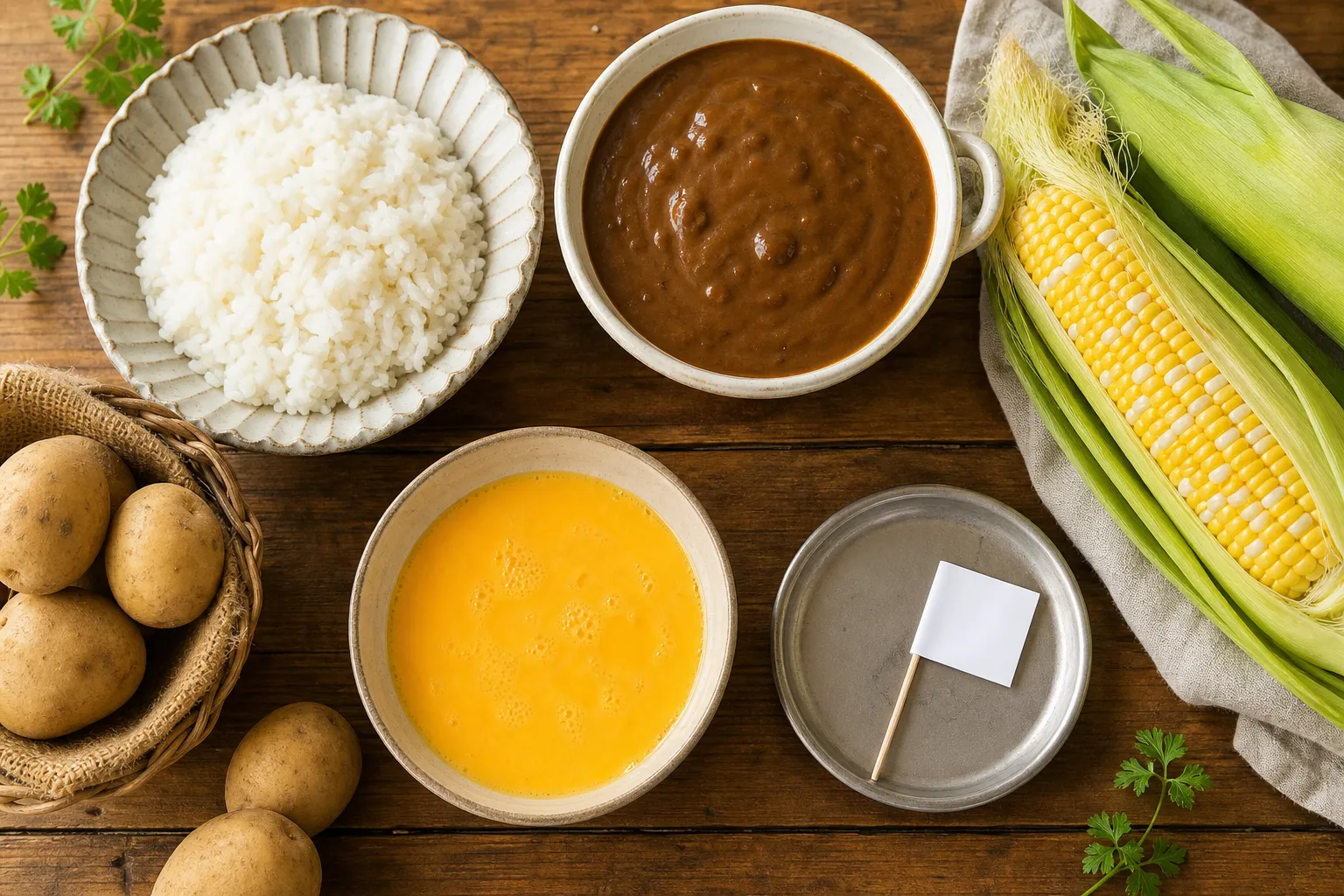
- Cook a mild, slightly rich curry sauce, often with local dairy worked in
- Prepare a bed of rice and ladle the curry over it
- Cook a soft, thin omelette and fold it gently over the curry-rice, rather than fully wrapping it
- Garnish with boiled Furano corn and potato
- Finish with a small paper flag stuck into the top of the omelette
Step 3 is the technical heart of it — the omelette has to stay soft enough to slump and split easily, not firm up into something you have to saw through. A properly made one collapses the moment your spoon touches it.
Before you go — the stuff that actually matters
Your questions, answered honestly
"Is this the same as regular omurice?" — No. Omurice is an omelette wrapped around ketchup-seasoned fried rice, no curry involved. This is curry rice with an omelette draped over the top — cut it open and curry sauce, not ketchup rice, is what comes out.
"Is it spicy?" — Usually mild to medium, though it varies shop to shop — ask if you're not sure, since some places do offer a spicier option.
"Do I eat the corn and potato with a spoon or my hands?" — Spoon and fork, same as the rest of the plate — they're part of the dish, not a side snack.
"Can I keep the little flag?" — Most people do. I have one in my bag right now and no plans to remove it.
"Is this available outside Furano?" — You'll occasionally see omu-curry elsewhere in Japan, but the Furano version — organized around local produce and that shared flag presentation — is specific to restaurants participating in Furano's own omu-curry effort, so it's worth having it here rather than settling for a version elsewhere.
What the staff will ask you
| You'll hear | Romaji | Meaning | Just say |
|---|---|---|---|
| 辛さはどうしますか? | Karasa wa dō shimasu ka? | "How spicy would you like it?" | Futsū de (regular) / Amakuchi de (mild) |
| お飲み物はいかがですか? | Onomimono wa ikaga desu ka? | "Anything to drink?" | Kekkō desu (no, thank you) |
| ライスの量はどうしますか? | Raisu no ryō wa dō shimasu ka? | "How much rice would you like?" | Futsū de (regular, please) |
| チーズを追加しますか? | Chīzu o tsuika shimasu ka? | "Add cheese?" | Hai, onegaishimasu (yes, please) |
| お会計はご一緒ですか? | Okaikei wa go-issho desu ka? | "Paying together?" | Hai / Betsu de (separately) |
To order, just say "Omu karē kudasai" (オムカレーください) — "Omu-curry, please."
Where to eat it
- Furano-Biei area restaurants and farm cafés participating in the region's omu-curry effort — many display the paper flag as a shared symbol, though each restaurant's recipe and presentation differs.
- Curry restaurants near central Furano, some of which are long-running local favorites known for hearty, Hokkaido-style curry alongside their omu-curry version.
Participating restaurants, hours, and exact recipes change and vary by shop, so double-check before you make the trip out to farm country — and don't be surprised if two plates from two different restaurants look nothing alike beyond the flag.
Soul Score
Local Roots4/5
First-Timer Friendly5/5
Adventure Level3/5
Comfort Level5/5
Travel Worthy5/5
These scores are one obsessed eater's gut feeling — not a verdict. A low number isn't a bad mark, just a different kind of adventure.
Know someone planning Japan?
← All Articles
Local Food · Furano, Hokkaido
Still hungry?
Eat more from Hokkaido
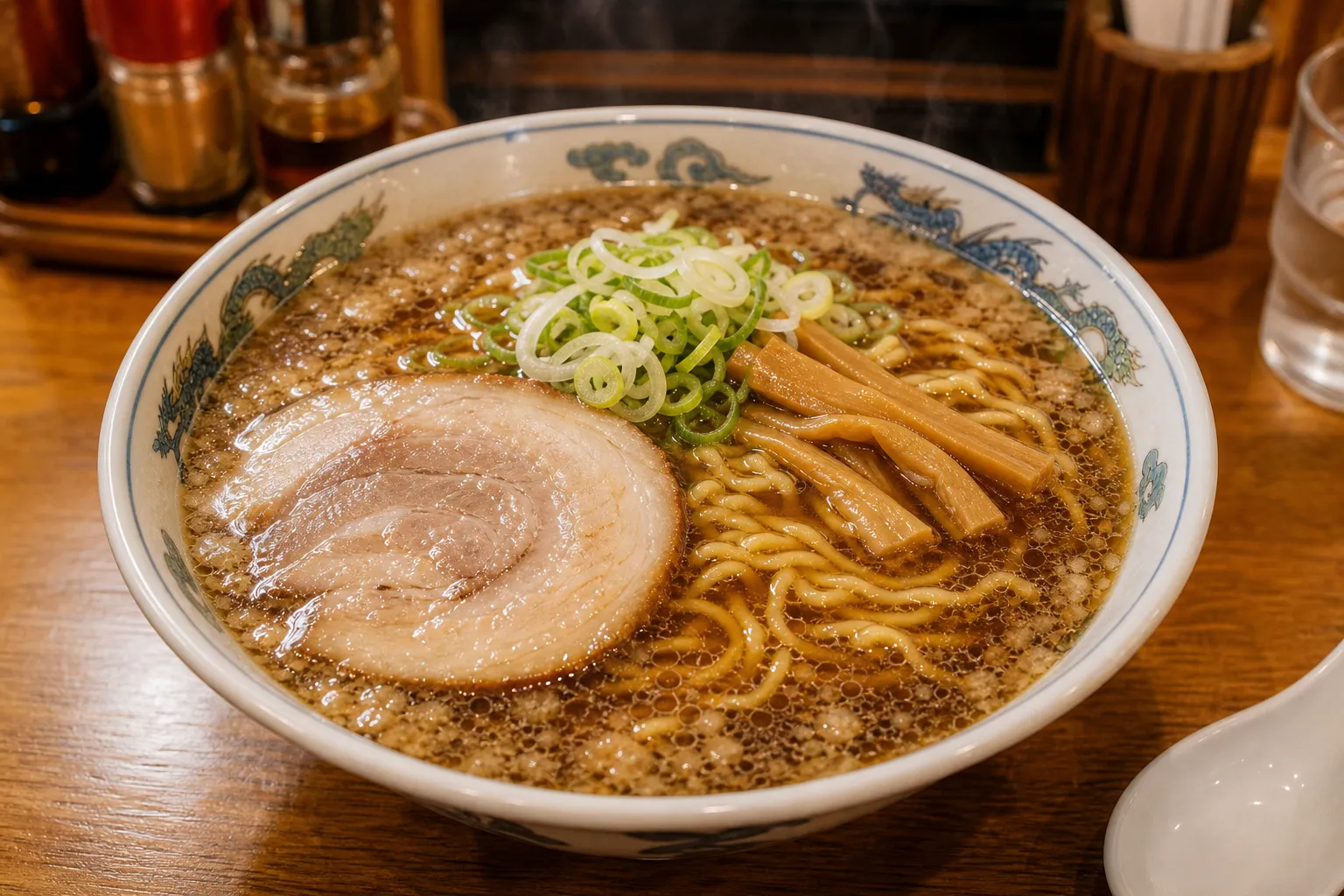
Local FoodAsahikawa, Hokkaido
Asahikawa Ramen (旭川ラーメン)
A slick of lard traps the heat so your soy broth stays scalding to the last drop — because in Asahikawa, the cold outside is trying to kill your ramen. It loses.
July 9, 2026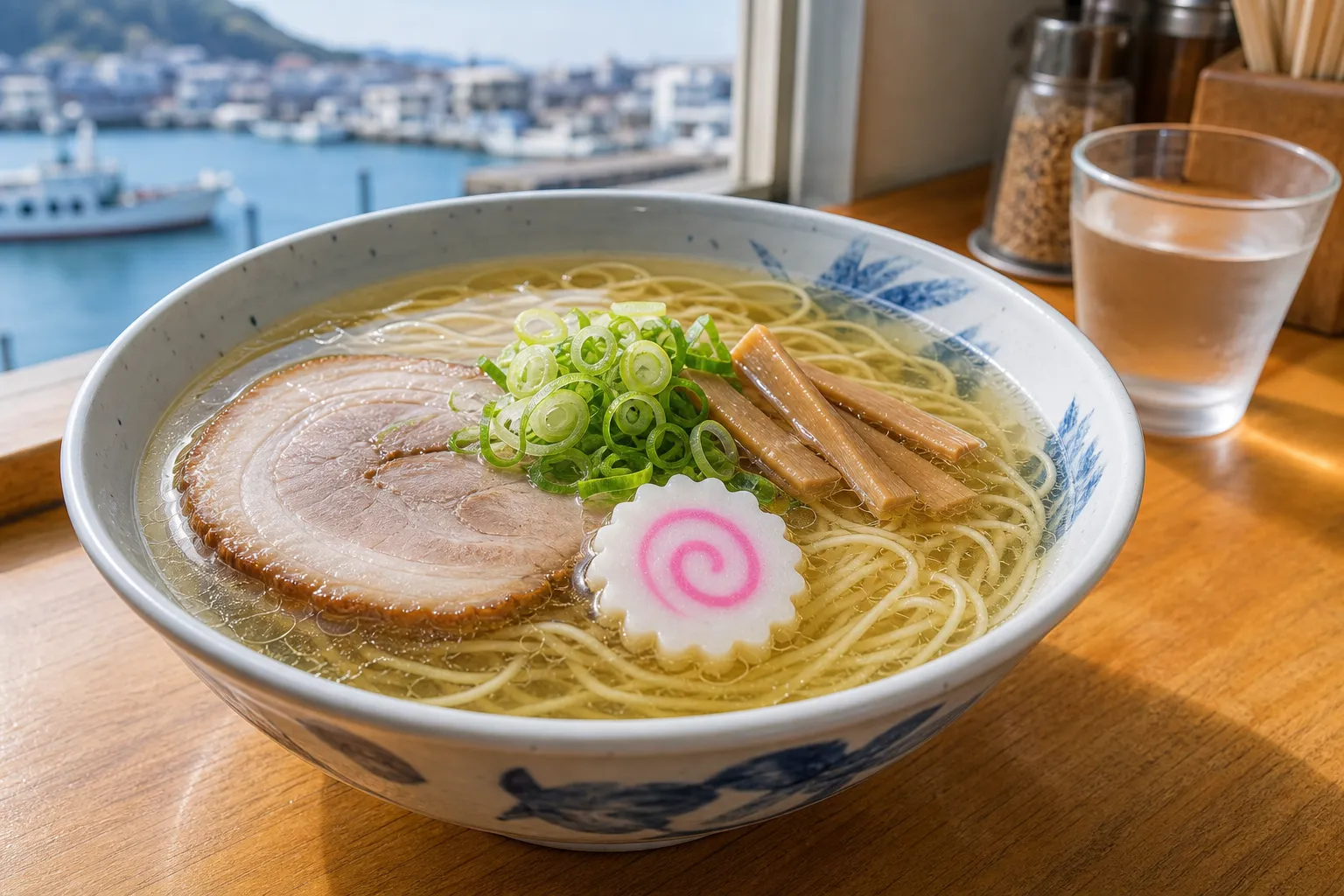
Local FoodHakodate, Hokkaido
Hakodate Shio Ramen (函館塩ラーメン)
Clear as tea, gold as morning light, quiet as a held breath — this is the ramen that proves subtraction is a flavor. Hokkaido's gentle bowl, and my hangover's best friend.
July 9, 2026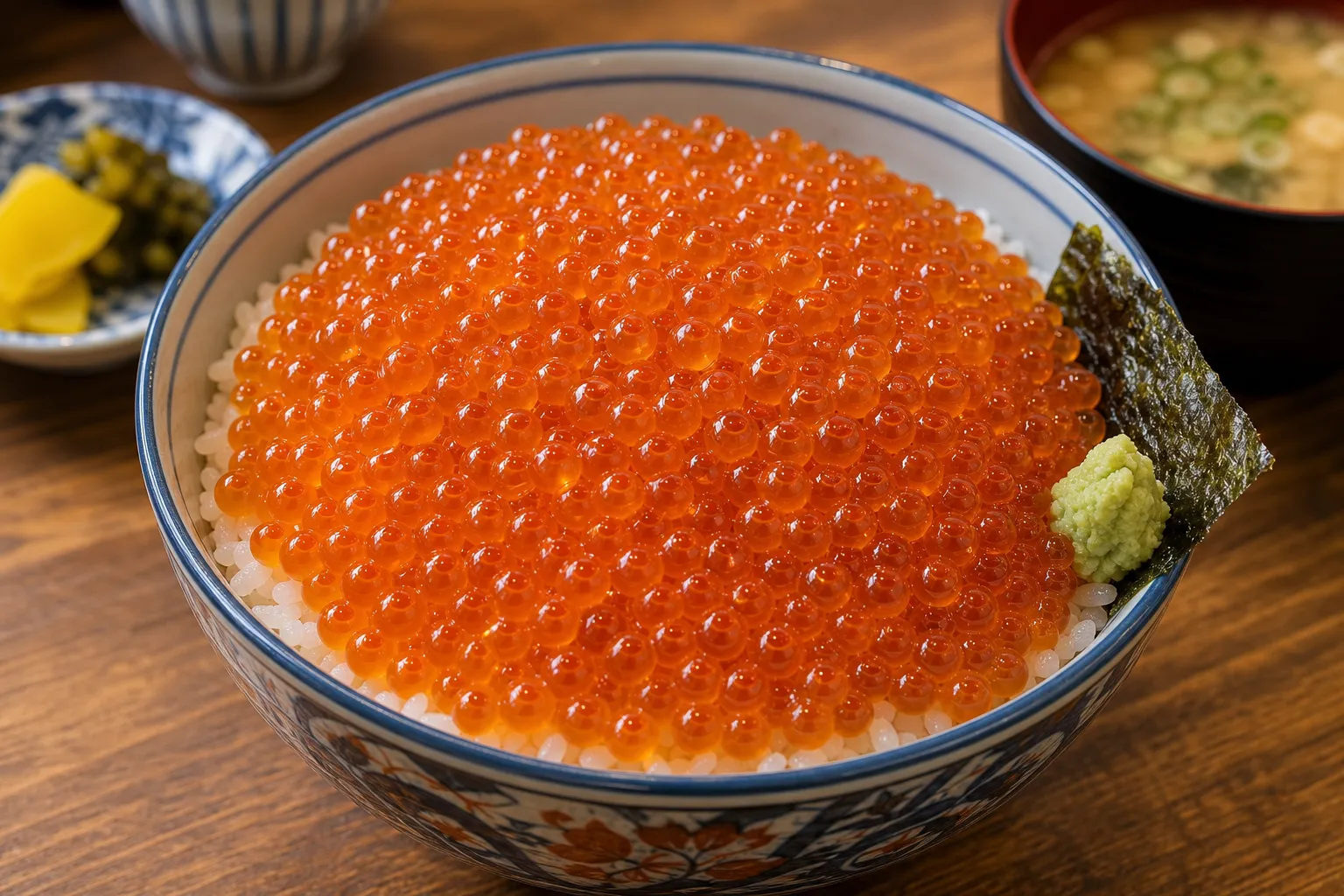
Japanese FoodHokkaido
Ikura-don (いくら丼)
A bowl heaped with glistening orange salmon roe, each bead a little grenade of the sea. Ridiculous, glorious, and completely worth the guilt — Hokkaido's most obscene one-topping wonder.
July 9, 2026