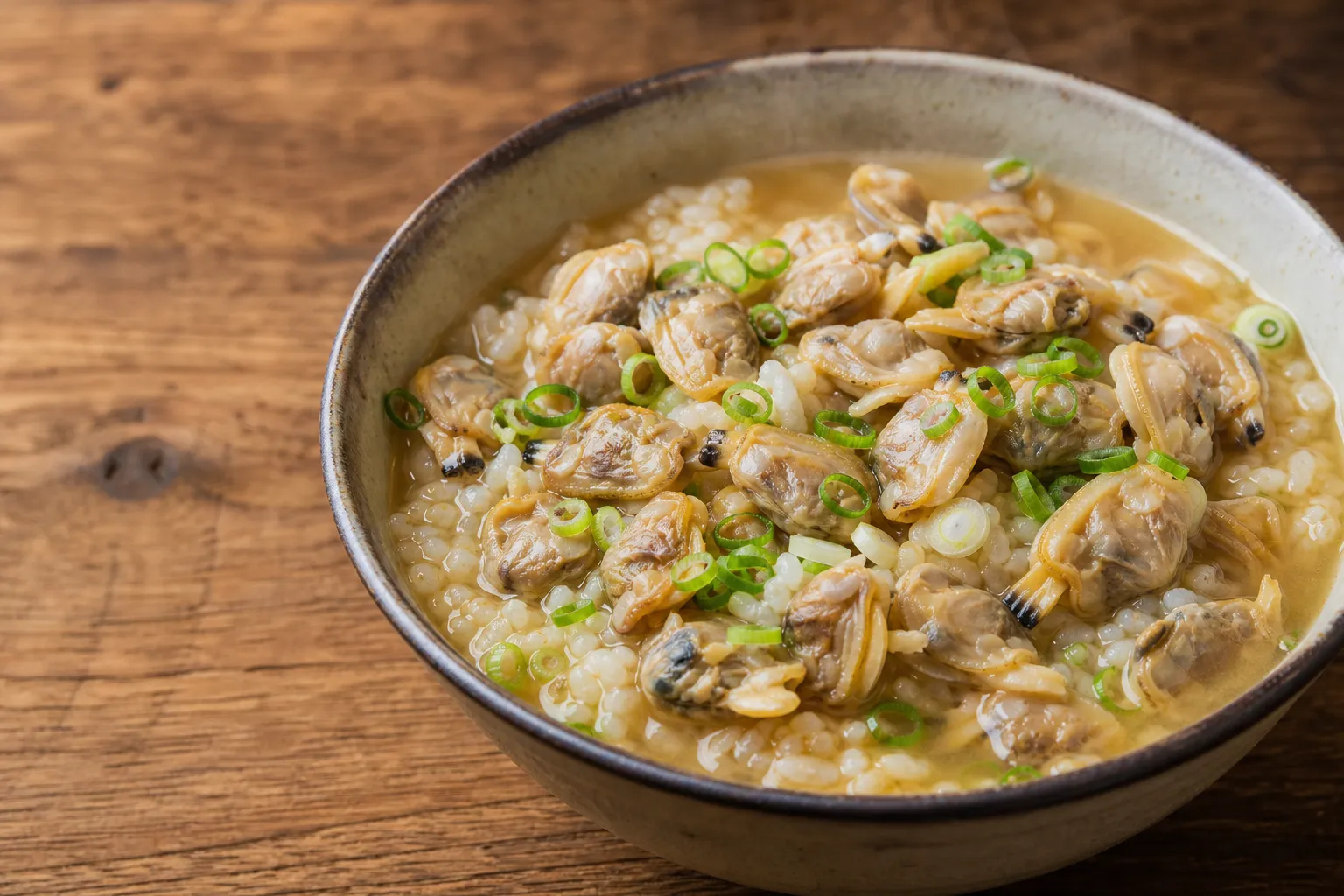
The broth hit the rice and the rice just... drank it. Every grain, glossy, clam-dark, gone before I'd even picked up my chopsticks properly.
Share this dish


Clam broth soaked so deep into the rice that the rice itself becomes the point — this is what Tokyo's dockworkers ate before Tokyo had a skyline.
🍜 Planning a food trip to Tokyo?Add this dish to my Food Trip →
 Add this dish to my Food Trip →
That's the trick of Fukagawa-meshi, and it's a simpler trick than most Tokyo food stories: asari clams and green onion, simmered together in a miso or soy-based broth, then either poured straight over a bowl of rice or cooked directly into the rice itself. No lacquered presentation, no seasonal garnish tower. Just clams, broth, rice, and several centuries of dockworkers who needed a hot meal in under five minutes. I ate it slower than that, on purpose, and I still finished the bowl embarrassingly fast.
A meal built by people who didn't have time for a meal
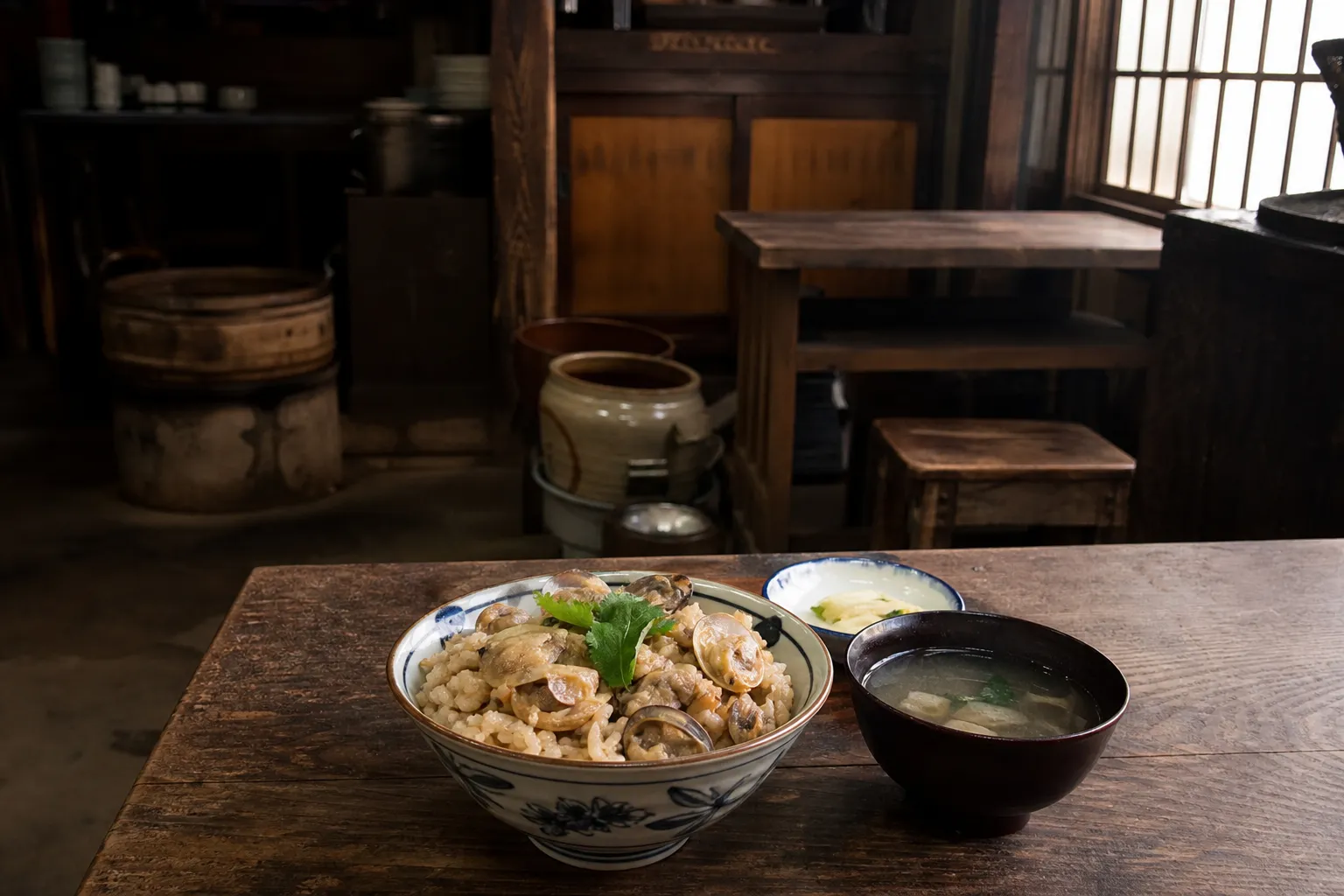
Fukagawa, on the eastern side of old Edo along the Sumida River, was a working waterfront district — fishermen, boatmen, laborers hauling cargo in and out of the canals that once threaded through the area. Asari clams were cheap and abundant right there in Tokyo Bay, and a bowl of clams simmered fast in miso broth, dumped over rice, was exactly the kind of food that fed a lot of hard-working people on very little time and very little money.
I find that history genuinely moving in a way seafood rice bowls usually aren't — this wasn't invented to impress anyone. It was invented to get calories and warmth into a tired person as efficiently as possible, using whatever the bay had just given up that morning. That it also happens to taste this good feels almost incidental, which might be exactly why it's lasted.
Two versions, one soul
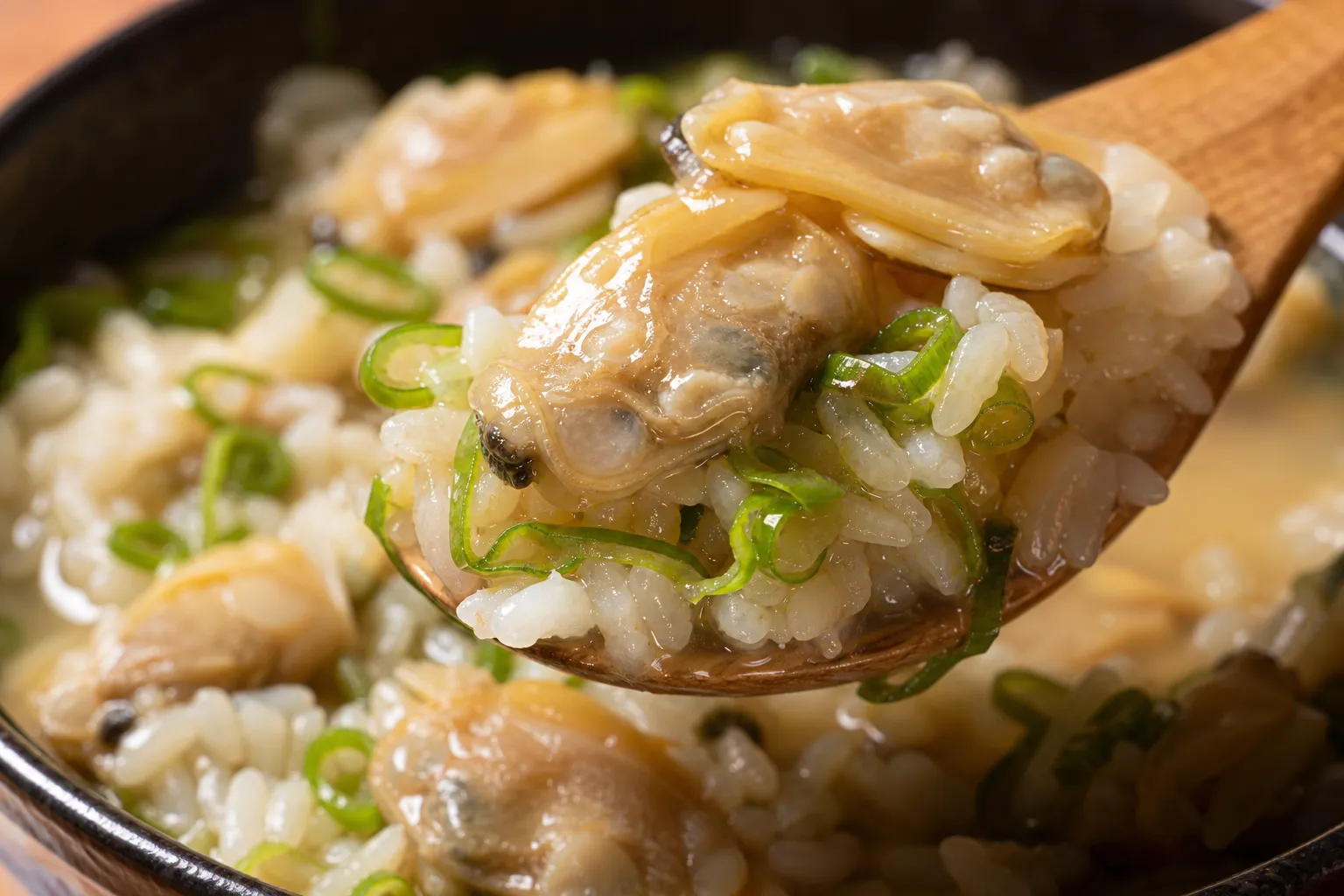
Fukagawa-meshi actually comes in two forms, and it's worth knowing the difference before you sit down. The donburi style is the faster, punchier version: clams simmered hot and fast in a dark, savory miso or soy broth, then ladled — broth and all — directly over a bowl of hot white rice, so the rice soaks up the liquid right at the table. The takikomi style is gentler: the clams and broth are cooked together with the rice from the start, so everything steams together and the rice itself turns a faint gray-brown, clam flavor worked all the way through instead of poured on top.
I'm partial to the donburi version for the sheer immediacy of it — that first bite where the broth hasn't fully sunk in yet and you get a little pool of dark, clammy liquid at the bottom of the bowl. But the takikomi version is the one that feels more like a proper home-style meal, and either way, the green onion is non-negotiable — it cuts the richness of the broth just enough that you don't get tired of it by the last spoonful.
How it's made
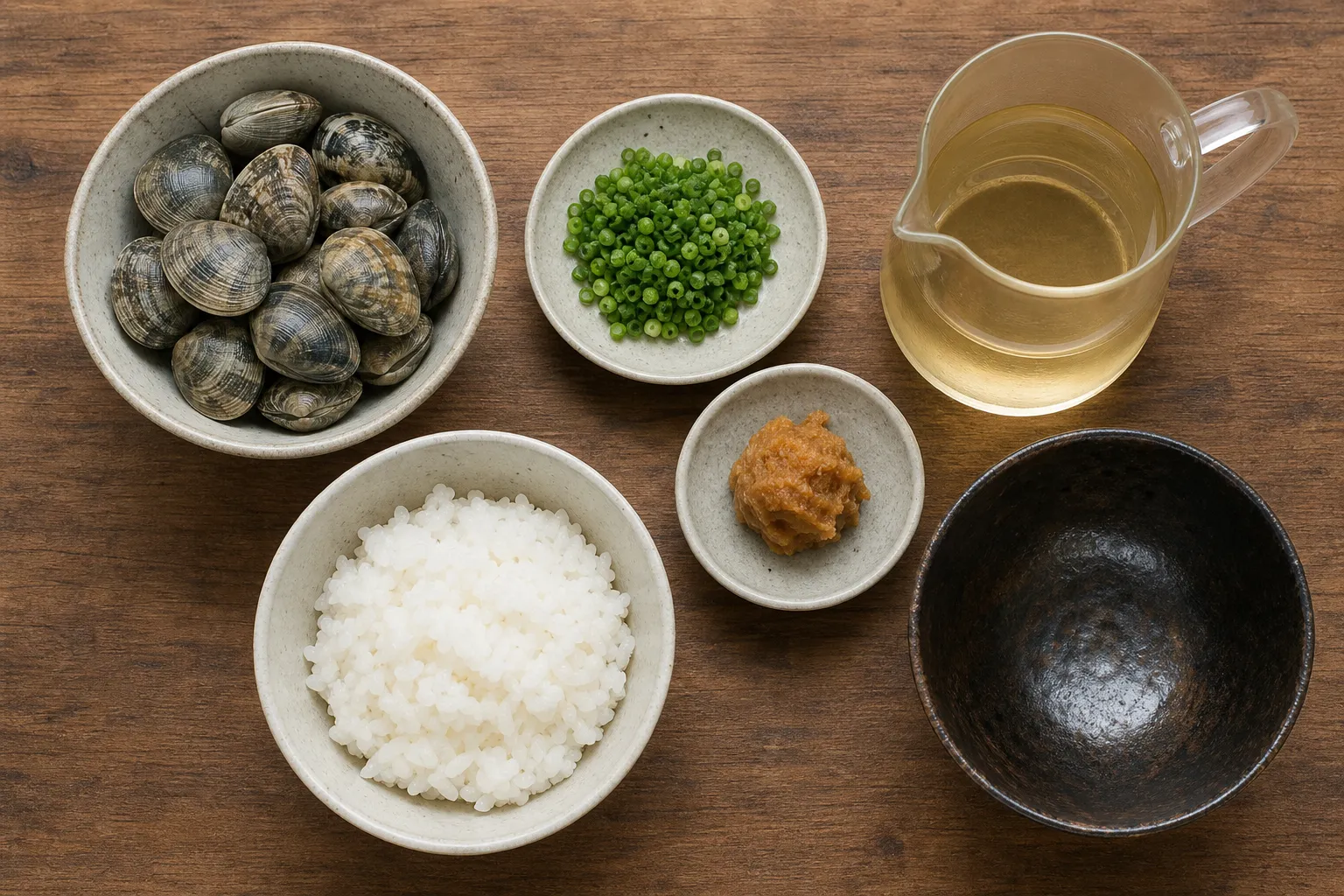
- Asari clams are cleaned and briefly purged of grit, then simmered hard and fast in a miso or soy-based broth with sliced green onion
- For the donburi style, the clams and broth are ladled directly over a bowl of freshly cooked hot rice
- For the takikomi style, the clam broth is used as the cooking liquid for the rice itself, clams added partway through so they don't overcook
- A little ginger or sansho pepper sometimes goes in to round out the broth
- Served hot, usually with a simple side — pickles, miso soup — since the bowl itself is the star
Traditional versions lean toward miso broth, which was the everyday flavor of old Fukagawa; soy-based versions are common too and slightly lighter. Neither is more "correct" — I've had both and gone back for seconds of both.
Before you go — how to actually find this dish
Your questions, answered honestly
"Is this just a seafood rice bowl?" — No, and this trips people up. It's specifically clams and green onion, in that miso-or-soy broth — not a mixed seafood bowl, not sashimi over rice. If a menu just says "seafood don," that's not this.
"Donburi or takikomi — which should I try first?" — Donburi if you want the fastest, most dramatic version of the flavor. Takikomi if you want something that feels more like a comforting home-cooked meal. Neither is wrong.
"Is it very fishy-tasting?" — Not really — asari clams are milder and sweeter than you'd expect, and the miso or soy broth rounds them out rather than amplifying any strong seafood note.
"Can I get this outside of Fukagawa?" — Sometimes, at Tokyo restaurants specializing in Edo-period home cooking, but the dish is genuinely tied to this one neighborhood's history, so eating it there hits differently.
"Is it a full meal or a side dish?" — A full meal, especially the donburi version — it's rice, protein, and broth all in one bowl, historically eaten fast and alone at a dockside counter.
What the staff will ask you
| You'll hear | Romaji | Meaning | Just say |
|---|---|---|---|
| 丼と炊き込み、どちらにしますか? | Donburi to takikomi, dochira ni shimasu ka? | "Donburi style or takikomi style?" | Donburi de onegaishimasu (donburi, please) |
| 味噌味と醤油味、どちらにしますか? | Miso-aji to shōyu-aji, dochira ni shimasu ka? | "Miso-flavored or soy-flavored?" | Miso de onegaishimasu (miso, please) |
| ご飯は大盛りにしますか? | Gohan wa ōmori ni shimasu ka? | "Would you like extra rice?" | Futsū de daijōbu desu (regular is fine) |
To order, just say "Fukagawa-meshi kudasai" (深川めしください) — "Fukagawa rice bowl, please."
Where to eat it
- Fukagawa and Monzen-Nakacho, Koto Ward, Tokyo — the historic heart of the dish, with long-running restaurants dedicated specifically to Edo-period home cooking and Fukagawa-meshi.
- Restaurants near Kiyosumi-Shirakawa Station, a short walk from the old canal district, often feature it alongside other Edo-era comfort dishes.
- Tokyo restaurants specializing in "Edo mae" or old-Tokyo home cooking more broadly sometimes carry it as a nod to the city's working-class food history.
This is a neighborhood specialty rather than something on every Tokyo menu, so it's worth checking a restaurant's dishes before making the trip out to Koto Ward specifically for it.
Soul Score
Local Roots5/5
First-Timer Friendly4/5
Adventure Level3/5
Comfort Level5/5
Travel Worthy3/5
These scores are one obsessed eater's gut feeling — not a verdict. A low number isn't a bad mark, just a different kind of adventure.
Know someone planning Japan?
← All Articles
Local Food · Tokyo
Still hungry?
Eat more from Tokyo
Sweets & SnacksTokyo
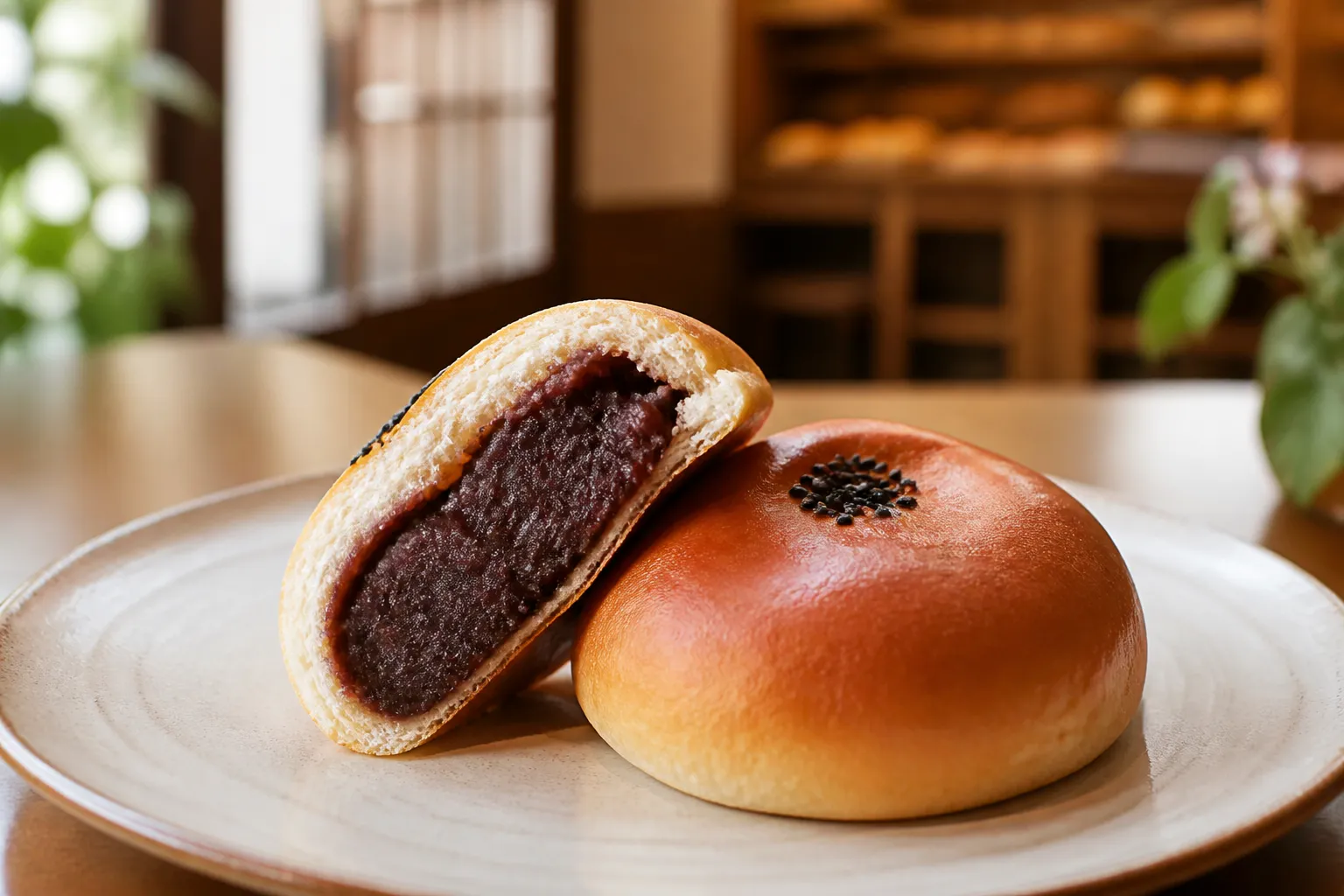
Anpan (あんパン)
A soft little bun, one bite in, and suddenly it's dense, dark, sweet red bean all the way through — the bread that talked 1870s Japan into eating Western-style bread at all.
July 27, 2026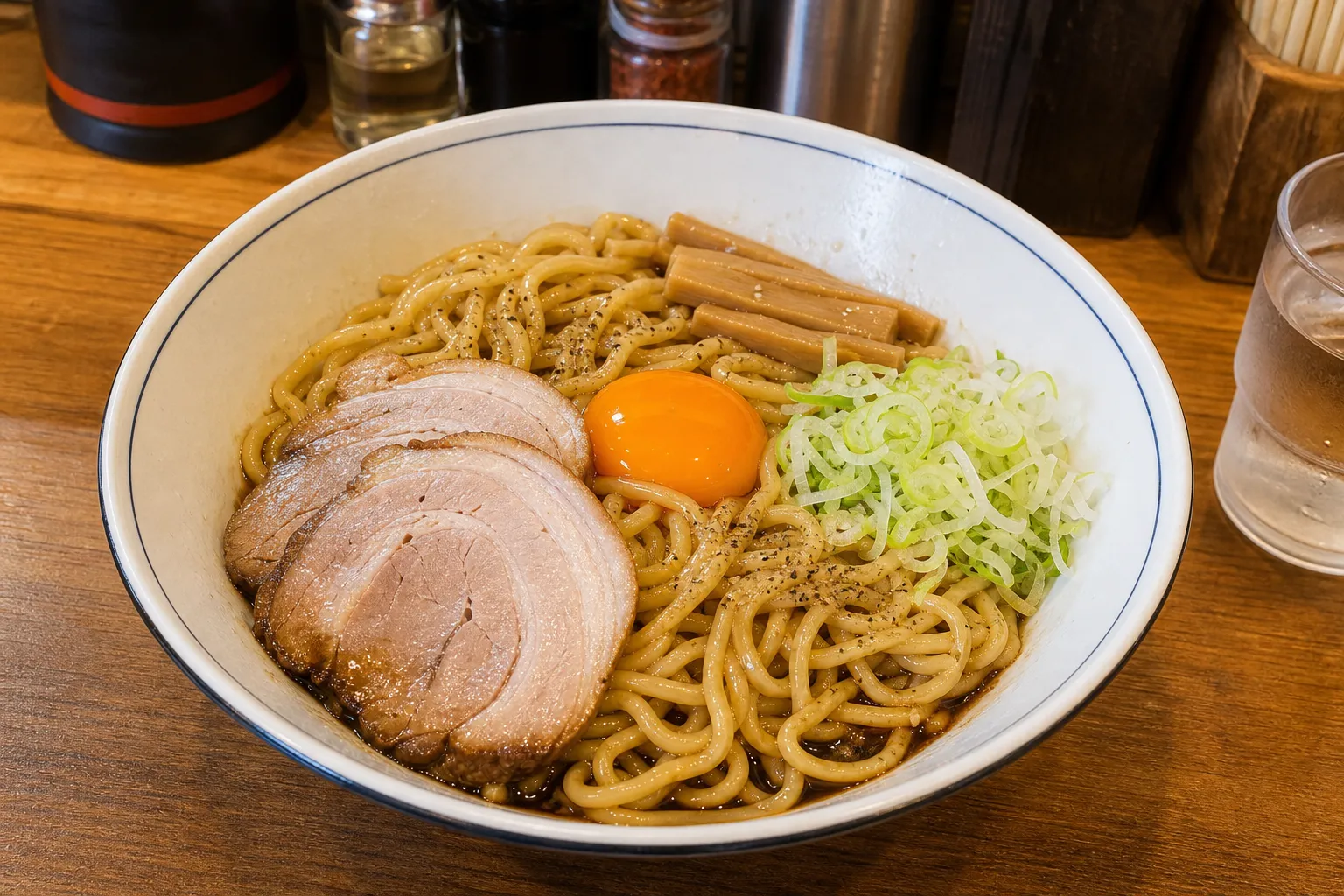
Local FoodTokyo
Abura Soba (油そば)
No soup. Just noodles, a hidden pool of tare and oil at the bottom of the bowl, and thirty seconds of frantic mixing that turns it into one of Tokyo's most addictive cheap thrills.
July 9, 2026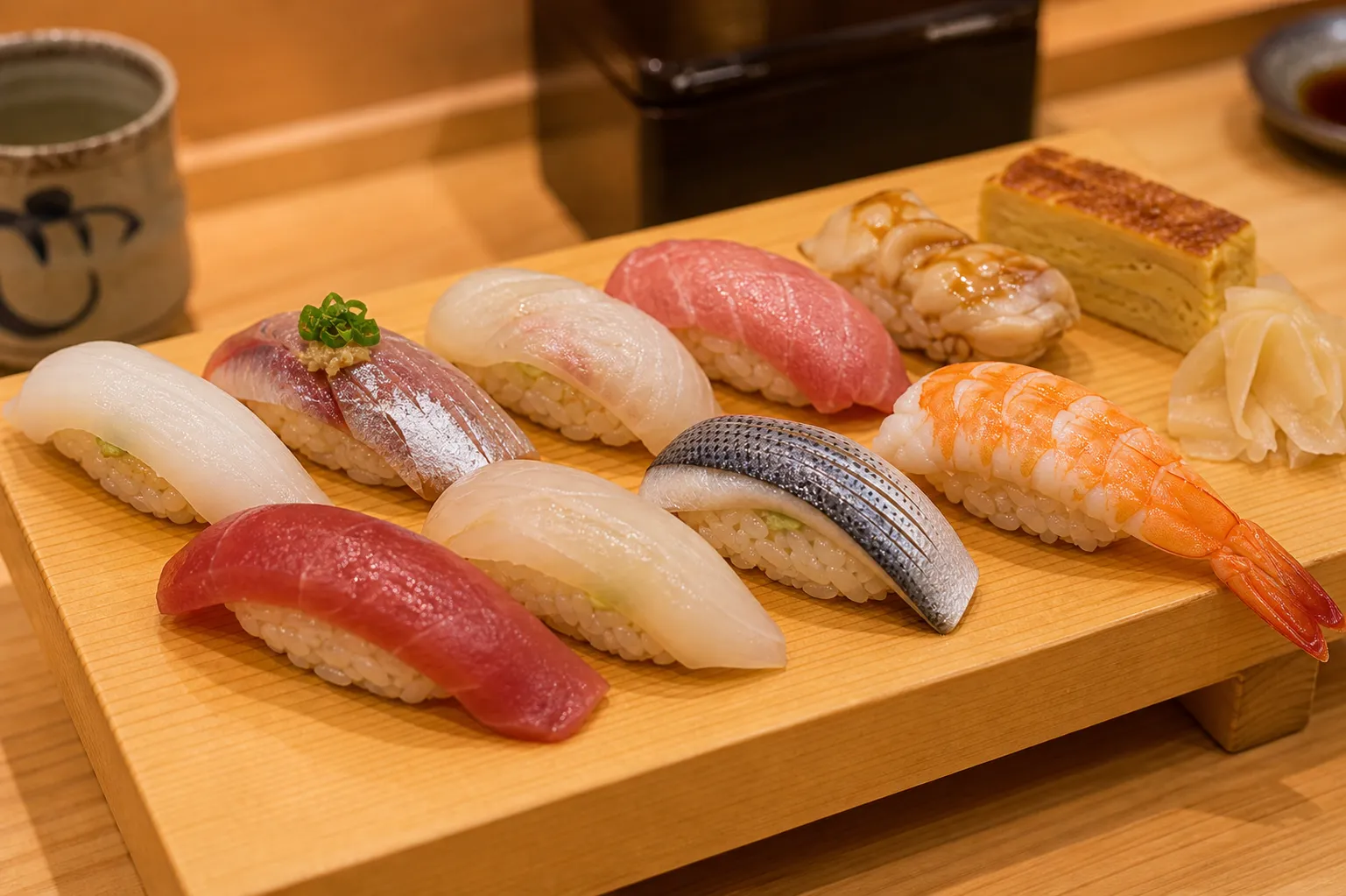
Japanese FoodTokyo
Edomae-zushi (江戸前寿司)
The original Tokyo nigiri, born before refrigerators existed — cured, marinated, simmered by hand, then pressed onto warm rice in a single confident motion. This is where sushi actually comes from, and it's a craft, not a slab of raw fish.
July 9, 2026