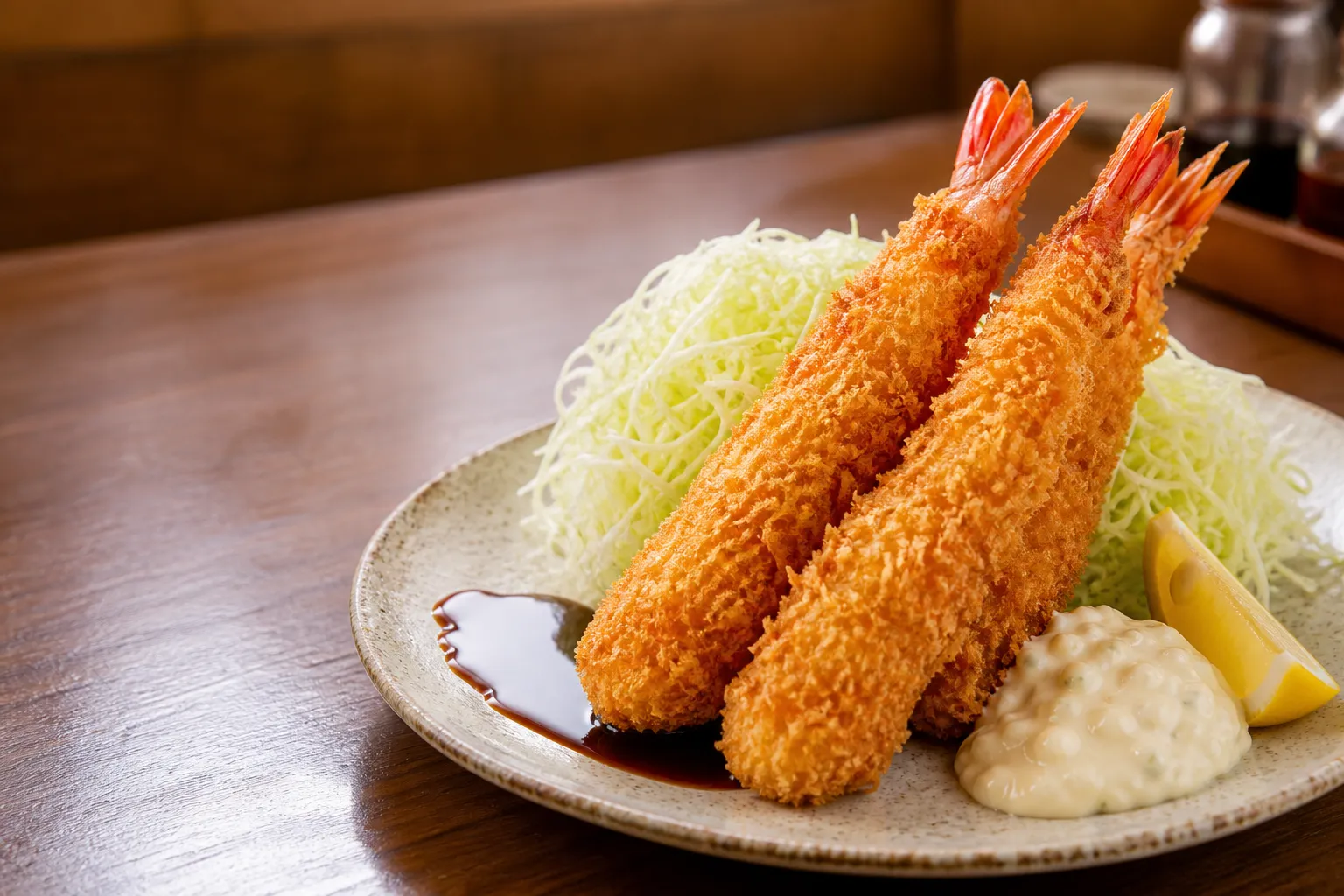
CRUNCH. That's the sound, and honestly that's the review. A fat prawn in a craggy panko coat, fried until the shell of breadcrumbs shatters, the tail left on as a built-in handle, a generous blob of tartar sauce waiting on the side. I have eaten a lot of fried things in Japan. This is the one that makes me grin like an idiot every single time.
Share this dish


This is ebi furai (エビフライ), the beloved fried prawn of yoshoku — Japan's own take on Western food. A big prawn gets coated in coarse panko breadcrumbs and deep-fried until it's shatteringly crisp outside and sweet and juicy inside, then served with tartar sauce (and often a drizzle of tonkotsu-style brown sauce). It's not fancy. It doesn't need to be. It's just one of the most reliably happy plates in the country.
A Western idea, raised Japanese
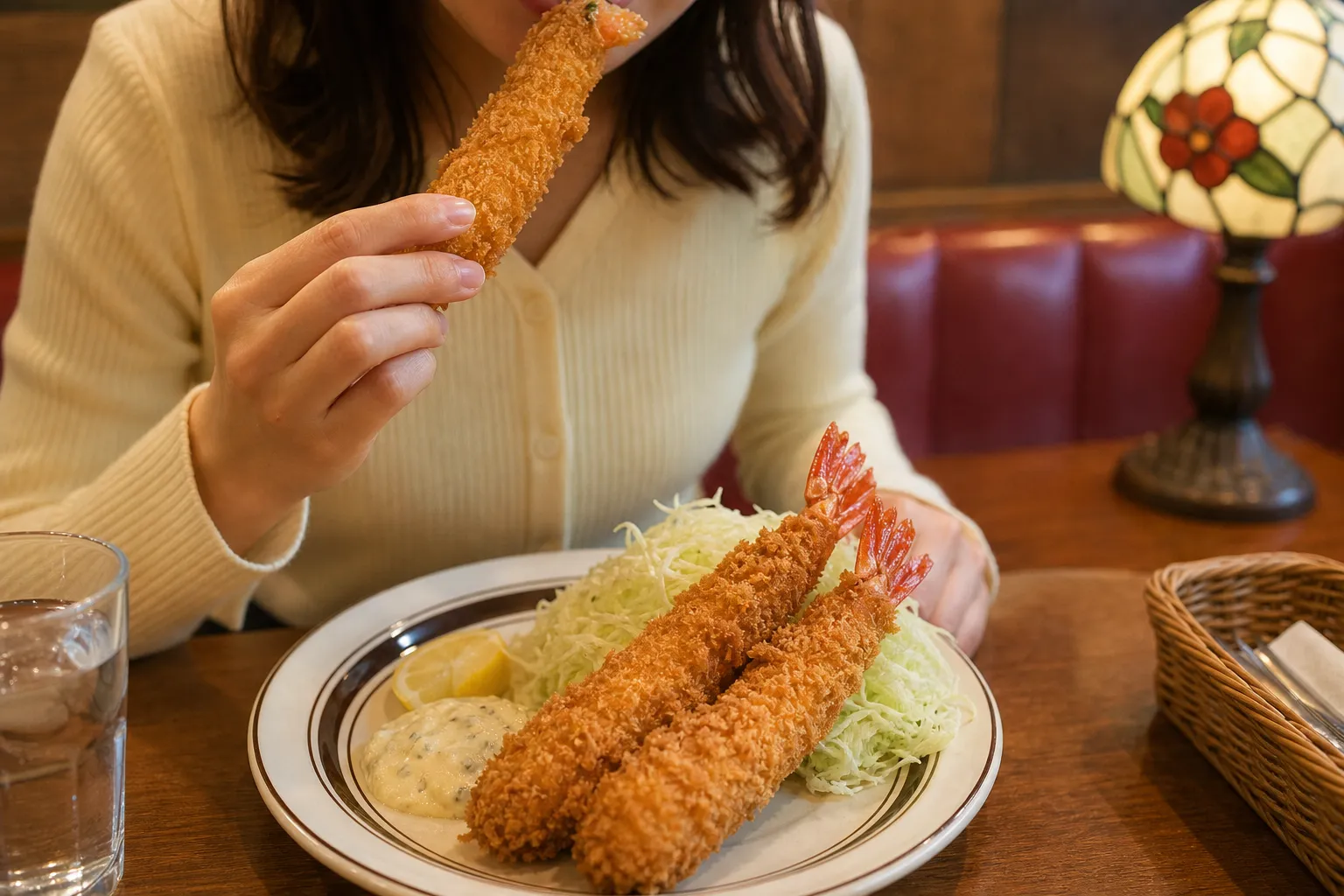
Ebi furai belongs to yoshoku, the family of Western-inspired dishes Japan adopted and then made entirely its own — the same world as tonkatsu, omurice, and Napolitan. Deep-frying in panko gives it that distinctly Japanese crunch, and it usually arrives as a teishoku set: the prawns, a mound of finely shredded cabbage, rice, miso soup, pickles. Tidy, complete, deeply satisfying.
I have a soft spot for yoshoku because it's comfort food with a backstory — foreign technique, Japanese sensibility, decades of diners perfecting it. An ebi furai set is the kind of lunch that asks nothing of you and gives back everything. I ate one at a tiny old yoshoku counter, watched the cook plate it with practiced care, and felt looked after.
Why the crunch is everything
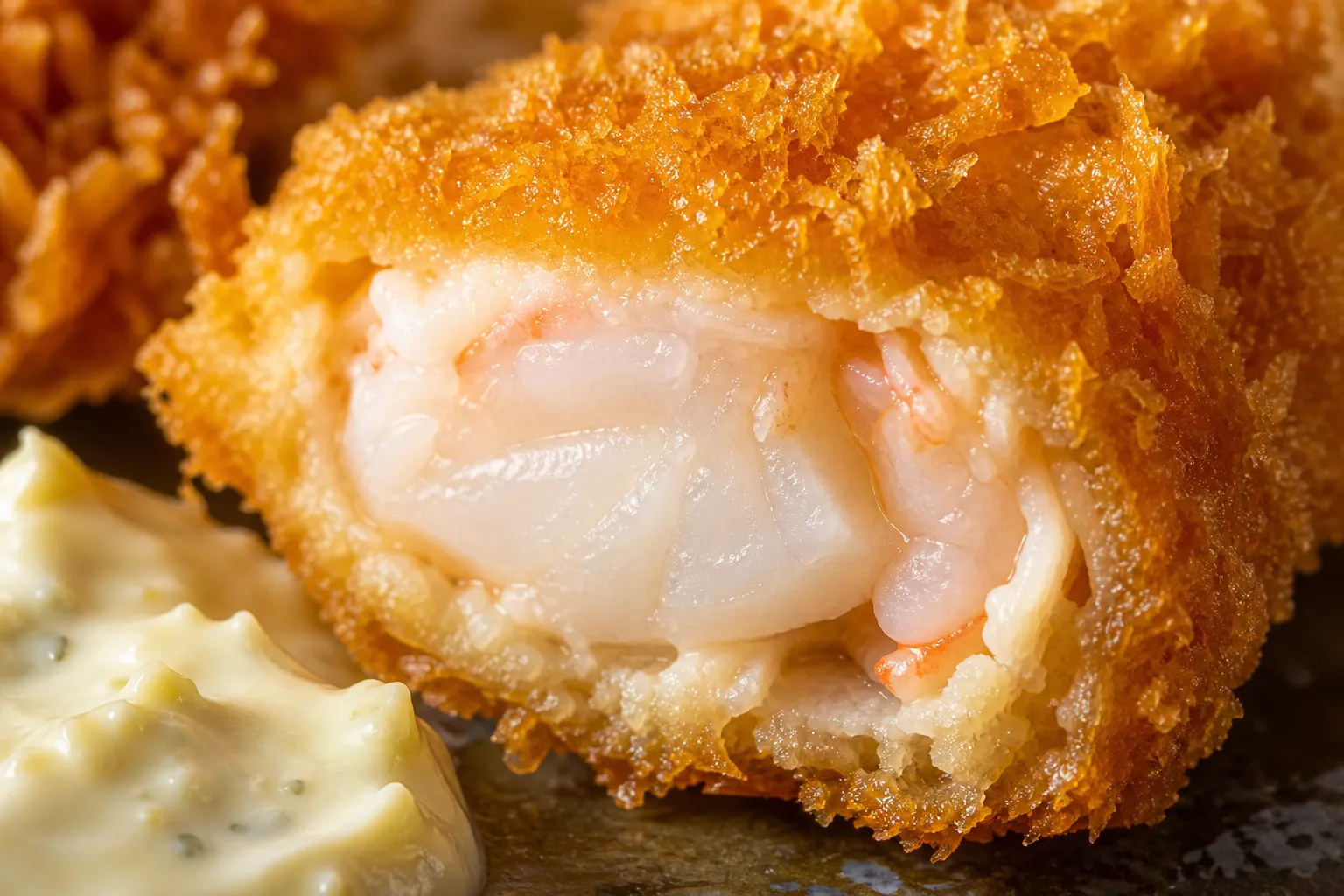
Coarse panko is the secret. Those big, jagged breadcrumb flakes fry up into a rugged, airy crust that shatters rather than crunches softly — and because the prawn inside cooks fast, it stays plump and sweet. The contrast is the whole pleasure: explosive crisp shell, tender prawn, cool creamy tartar to round it off.
The tail-on presentation isn't just for looks — it's a handle, and yes, you're allowed to pick it up. Tartar sauce is the classic partner (creamy, tangy, studded with egg and pickle), though plenty of people hit it with brown sauce or a squeeze of lemon too. There's no wrong answer. I alternate bites — one with tartar, one with sauce — like I'm conducting an experiment with extremely delicious results.
How it's made
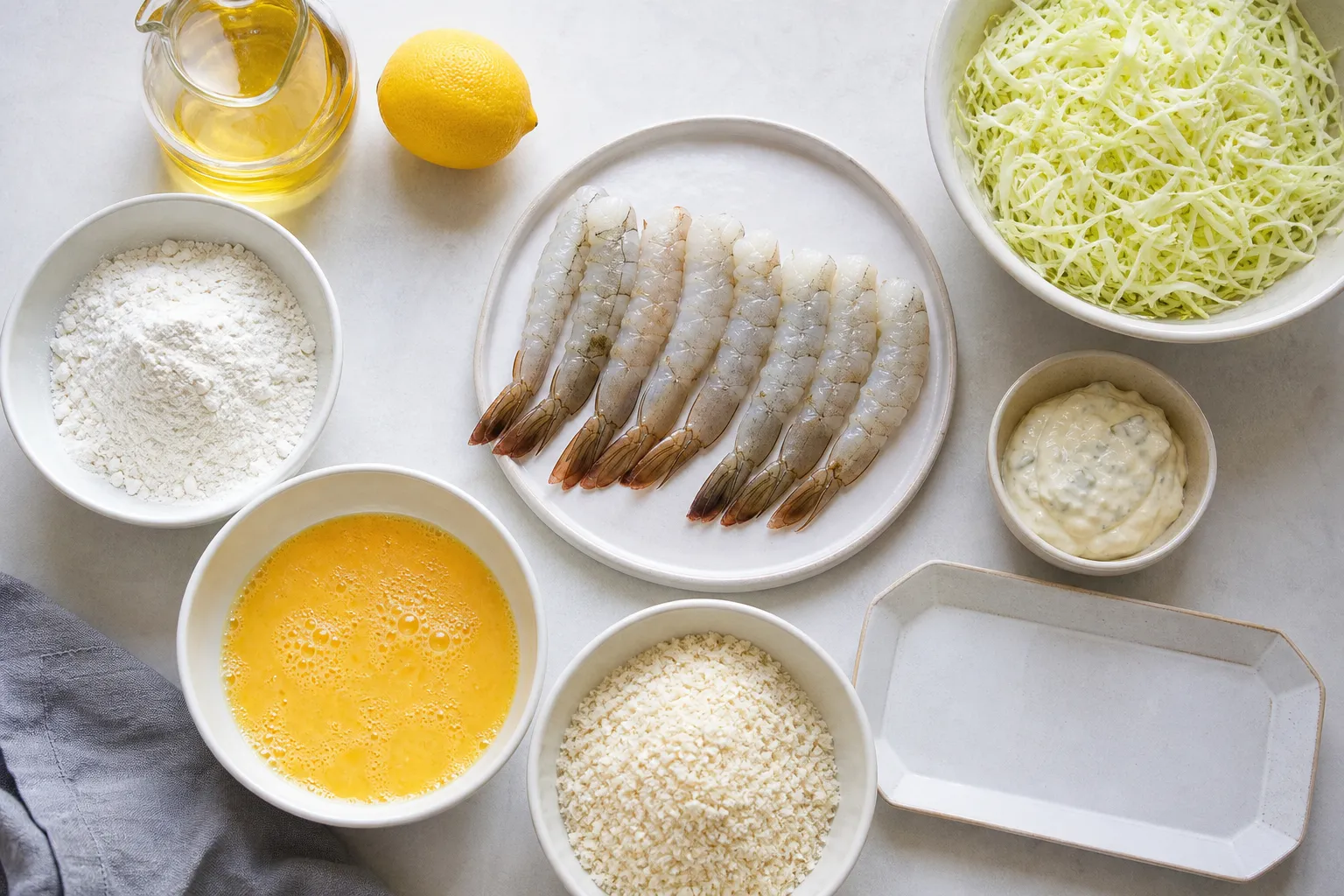
- Peel large prawns, leaving the tail on, and straighten them (small cuts on the belly keep them from curling)
- Dust with flour, dip in beaten egg, then coat thickly in coarse panko
- Deep-fry until the crust is deep golden and shatteringly crisp
- Drain well so the coating stays crunchy
- Plate with shredded cabbage, rice, and miso soup as a set
- Serve with tartar sauce (and brown sauce or lemon to taste)
Before you go — for the fry-curious
Your questions, answered honestly
"How is this different from tempura prawns?" — Different coating entirely. Tempura is a light, thin batter; ebi furai is coated in coarse panko breadcrumbs for a thick, craggy, shattering crust. Heartier and crunchier.
"Tartar sauce or brown sauce?" — Tartar is the classic. But many people add tonkotsu-style brown sauce or a squeeze of lemon — try both and decide. There's no wrong move.
"Can I eat it with my hands?" — The tail is left on as a handle, so yes, you can pick it up by the tail. At a sit-down set meal, chopsticks are fine too.
"Is it spicy?" — Not at all. It's crisp, savory, and creamy — about as friendly as a plate gets.
What the staff will ask you
| You'll hear | Romaji | Meaning | Just say |
|---|---|---|---|
| 定食にしますか? | Teishoku ni shimasu ka? | "As a set (with rice & soup)?" | Hai, teishoku de (yes, the set) |
| ソースとタルタル、どうしますか? | Sōsu to tarutaru, dō shimasu ka? | "Sauce and tartar?" | Ryōhō de (both) / Tarutaru de (tartar) |
| ご飯の大盛りはいかがですか? | Gohan no ōmori wa ikaga desu ka? | "Large rice?" | Futsū de (regular) / Ōmori de (large) |
To order, just say "Ebi furai kudasai" (エビフライください) — "Ebi furai, please."
Where to eat it
- Nationwide — old-school yoshoku diners and teishoku set-meal shops are the classic home of ebi furai. Look for エビフライ on the menu or in the window display.
- Department-store food halls (depachika) — sell excellent ready-made ebi furai to take away, great for a hotel-room feast or a train.
- Check before you go — small yoshoku counters keep their own hours and can be lunch-focused; confirm timing for the famous ones.
Soul Score
Local Roots3/5
First-Timer Friendly5/5
Adventure Level3/5
Comfort Level5/5
Travel Worthy3/5
These scores are one obsessed eater's gut feeling — not a verdict. A low number isn't a bad mark, just a different kind of adventure.
Know someone planning Japan?
← All Articles
Japanese Food · Nationwide
Still hungry?
You might also like
Japanese FoodNationwide
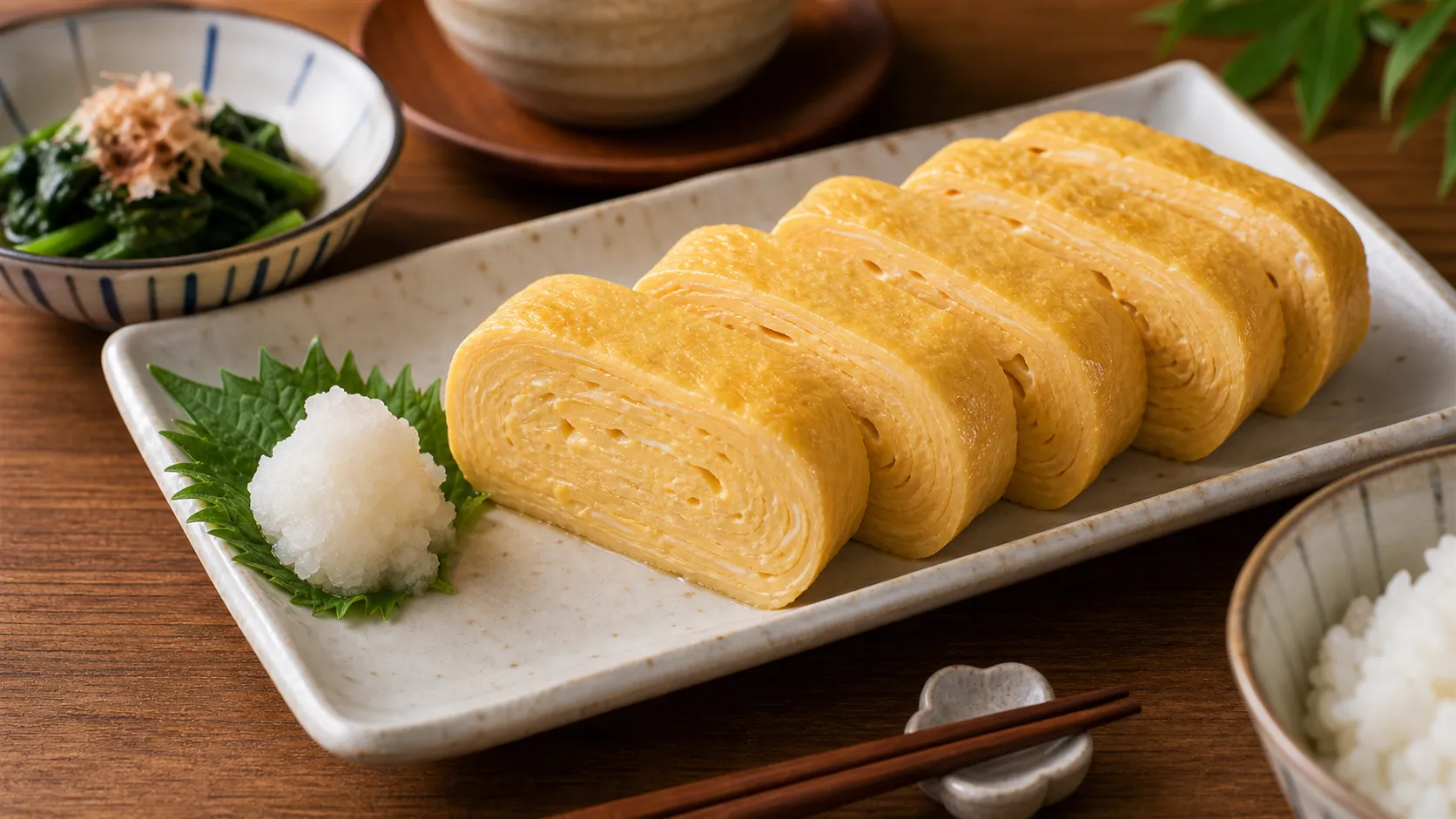
Dashimaki-tamago (だし巻き卵)
A rolled omelette so soft it almost trembles, layered fold over fold and soaked with dashi so that biting in releases a little warm rush of savory broth — the deceptively simple egg dish that Japanese chefs spend years perfecting.
July 11, 2026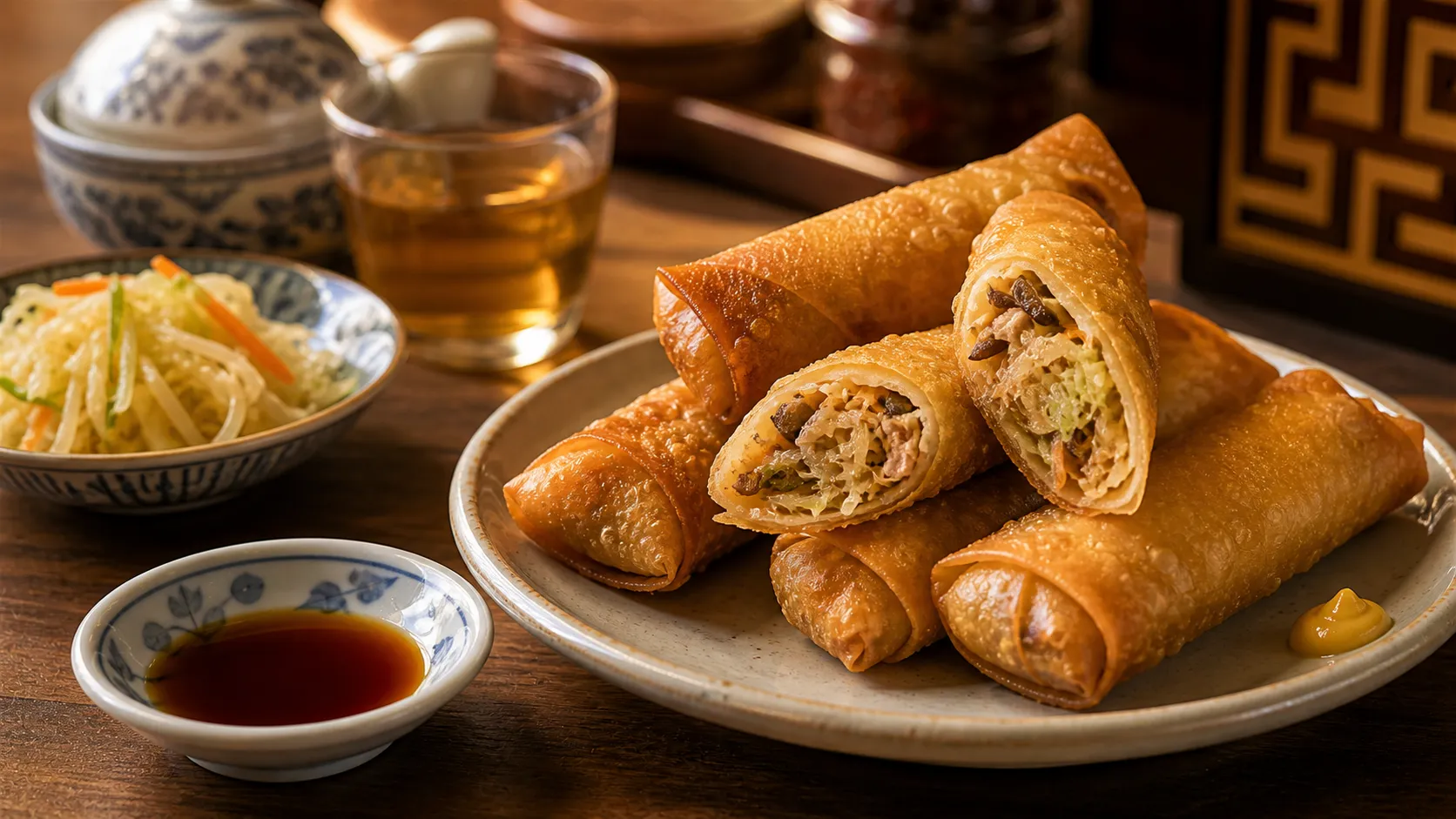
Japanese FoodNationwide
Harumaki (春巻き)
The Japanese spring roll — a shatteringly crisp golden tube that gives way to a hot, savory tangle of pork, cabbage and bamboo shoot, best eaten the second it's cool enough not to burn your mouth (you will not wait that long).
July 11, 2026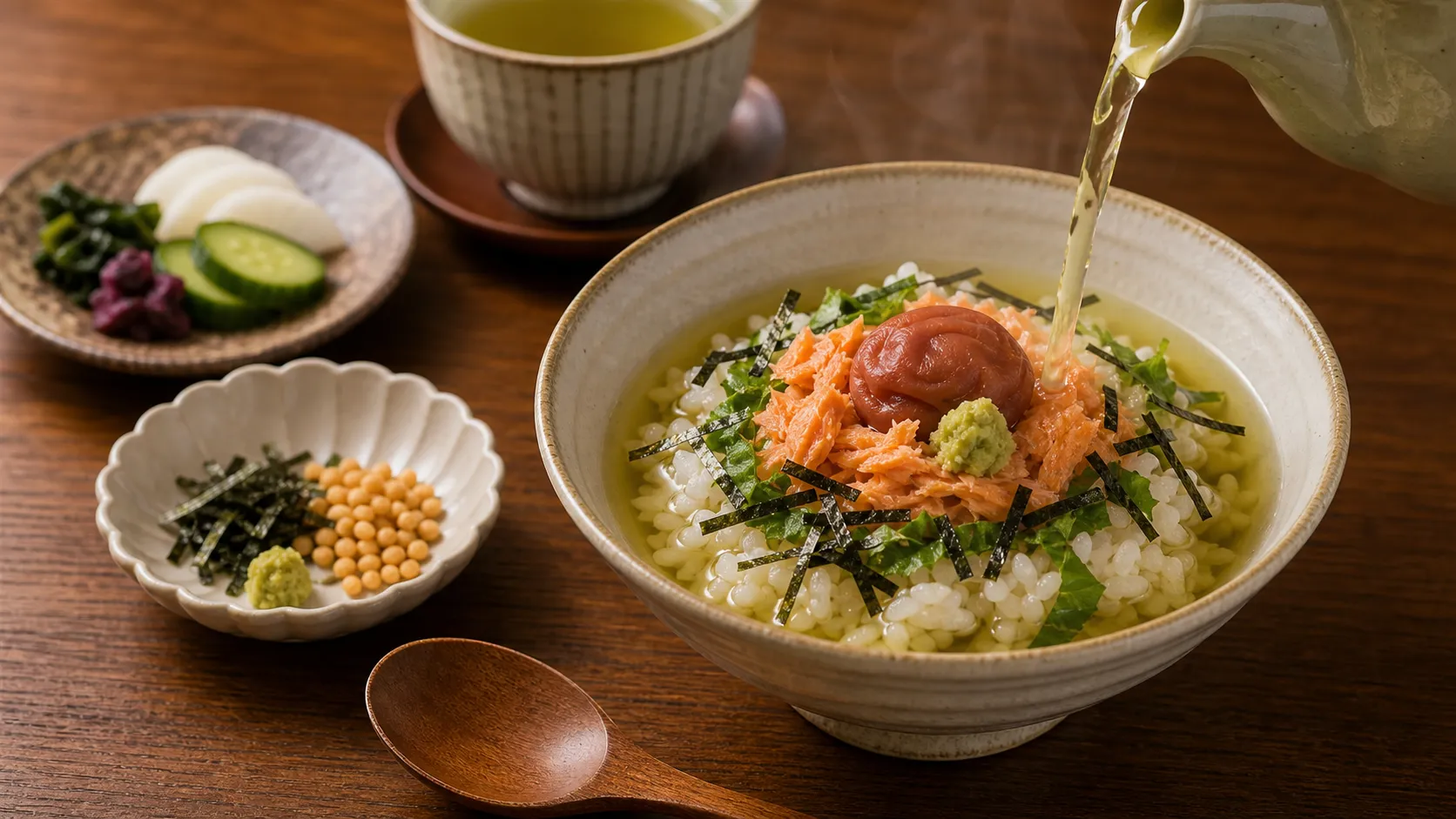
Japanese FoodNationwide
Ochazuke (お茶漬け)
Pour hot green tea or dashi over a bowl of rice, scatter something savory on top, and eat — the gentlest, most quietly restorative dish in Japan, the one you reach for late at night when you just need a warm bowl to make everything okay.
July 11, 2026