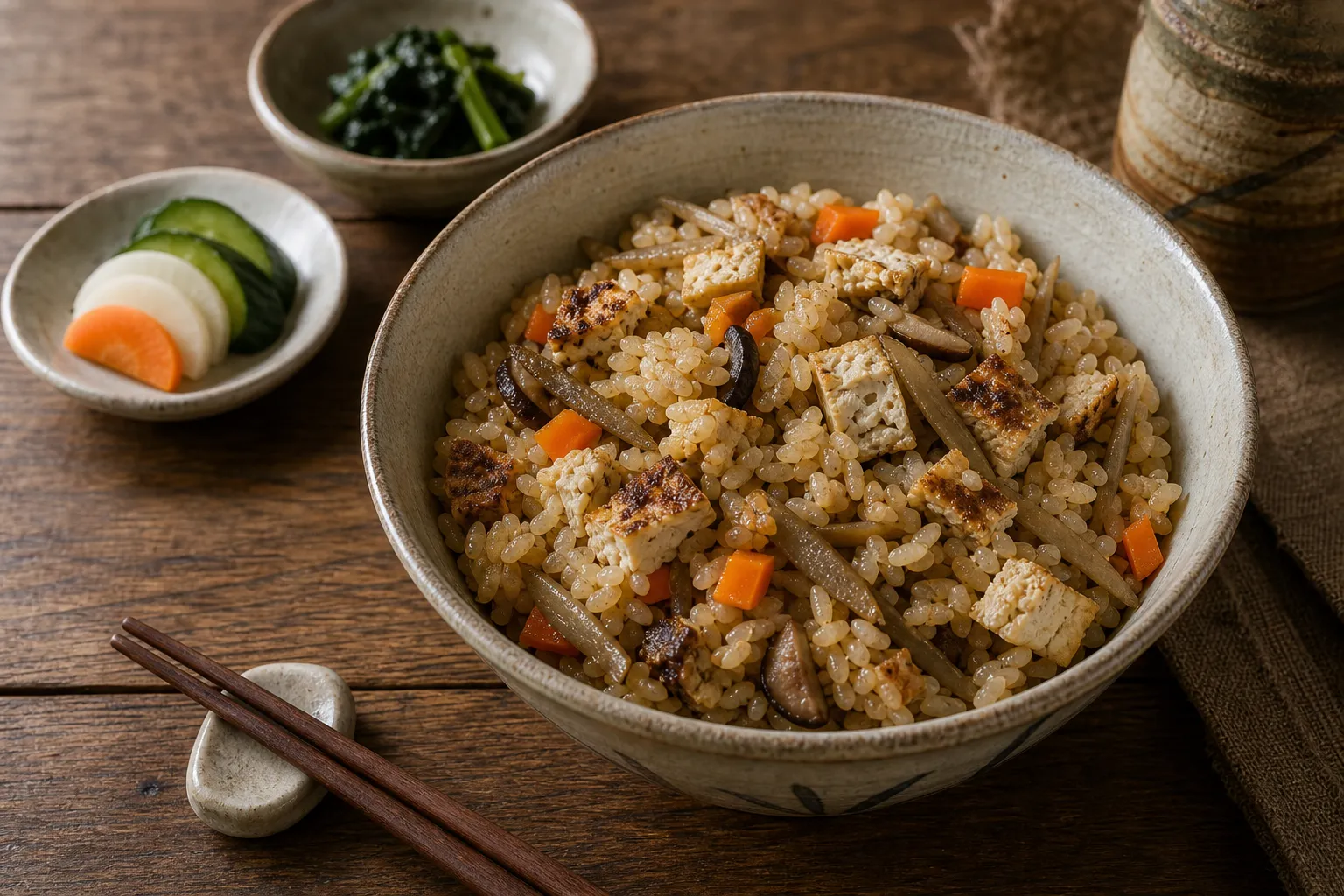
The name got me before the food did. Dondoroke — say it out loud, it practically rumbles — is old Tottori dialect for thunder, and someone named a bowl of rice after a thunderstorm. Why? Because when you tear tofu into a hot oiled pan, it goes crackle-crackle-BANG, spitting and popping like a storm rolling over the mountains. I heard the story, then I tasted the rice — warm, earthy, savory, studded with soft tofu and sweet carrot and woodsy burdock — and I decided this is my favorite-named dish in all of Japan. Thunder rice. Come on.
Share this dish


Rice named after thunder — because the tofu crackles like a storm when it hits the hot pan. Crumbled grilled tofu, carrot and burdock cooked right into the rice: humble Tottori country food with the best name in Japan.
🍜 Planning a food trip to Tottori?Add this dish to my Food Trip →
 Add this dish to my Food Trip →
Here's what it is: dondoroke-meshi (どんどろけ飯) is a mixed rice (takikomi gohan) cooked together with crumbled grilled tofu, carrot, burdock, and other vegetables in a savory dashi. The tofu is fried first — that's the "thunder," the crackle in the pan — then everything is cooked right into the rice. It is not plain steamed rice and it is not chazuke (rice with tea or broth poured over). It's rustic Tottori country food, and its whole heart is in that name.
Thunder in a farmhouse kitchen
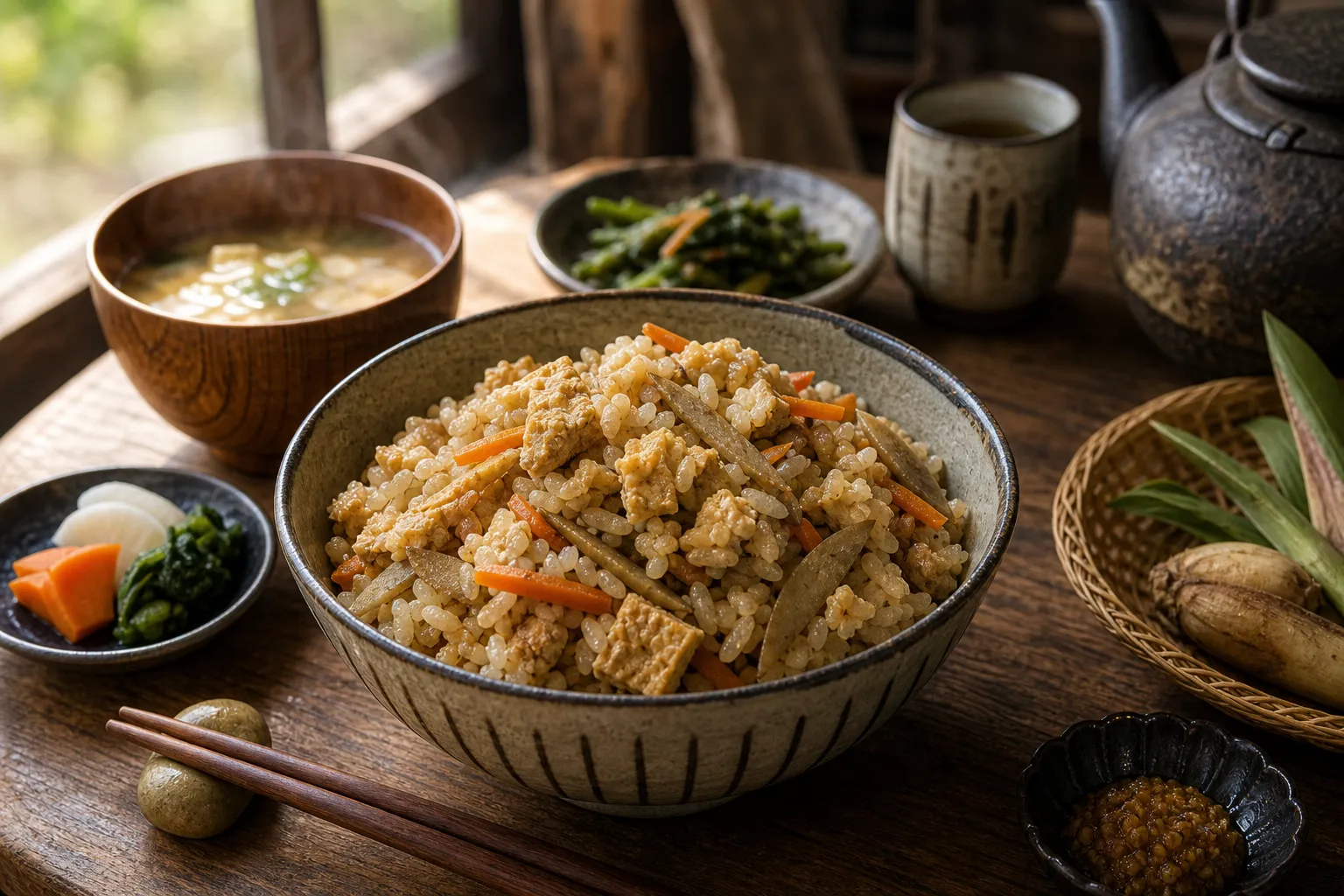
This is deep country home cooking from Tottori, born in an era when tofu was a special-ish treat and a farm family stretched it into a whole pot of rice to feed everyone. You take firm tofu, tear it up, and fry it in hot oil — and it crackles, loudly, like thunder, dondoroke, and some grandmother somewhere heard that and named the dish after the sound. I find that genuinely lovely. Not named for an emperor, not for a shrine, not for a shape — for the noise it makes in the pan.
It's the definition of soul food: humble ingredients, made with resourcefulness, turned into something warm and filling and quietly delicious. Everyday food, festival food, funeral-and-gathering food — the kind of dish that shows up when a Tottori family needs to feed a room. It doesn't dazzle. It comforts. And every time someone makes it, the tofu still crackles like a little storm, which means the name earns itself over and over.
What makes the eating experience different
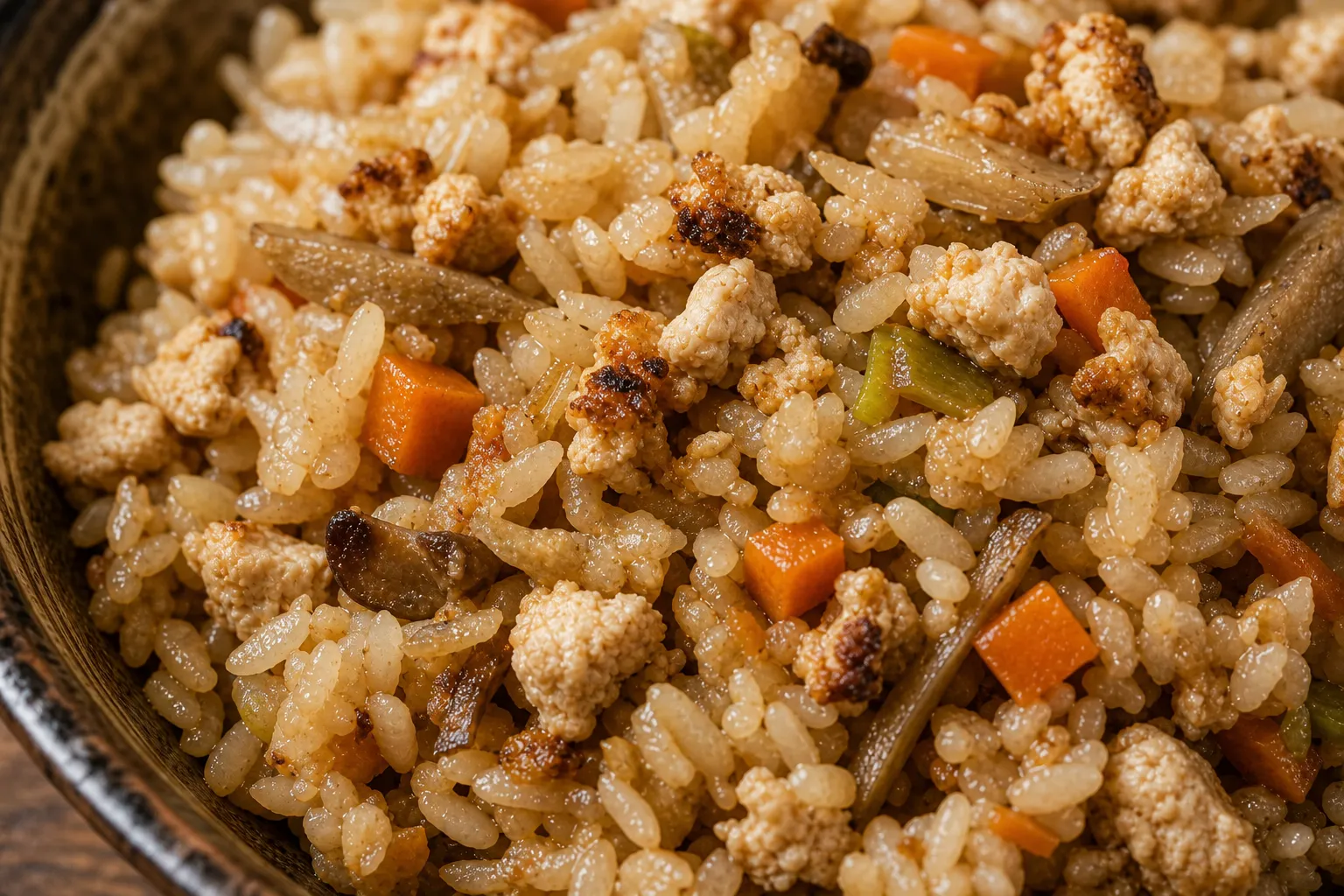
- The tofu is grilled/fried first — so it holds together in crumbly savory pieces through the rice, instead of dissolving into mush
- It's a takikomi rice — the vegetables and dashi cook into the grains, so every mouthful is seasoned all the way through, not topped
- Burdock (gobo) brings an earthy, woodsy depth you don't get in ordinary rice — it's the grown-up backbone of the flavor
- Carrot and other vegetables add gentle sweetness and color, keeping it homey and balanced
- It's pure comfort — soft, warm, savory, unshowy; the kind of bowl that tastes like someone's grandmother made it, because someone's grandmother did
How it's made
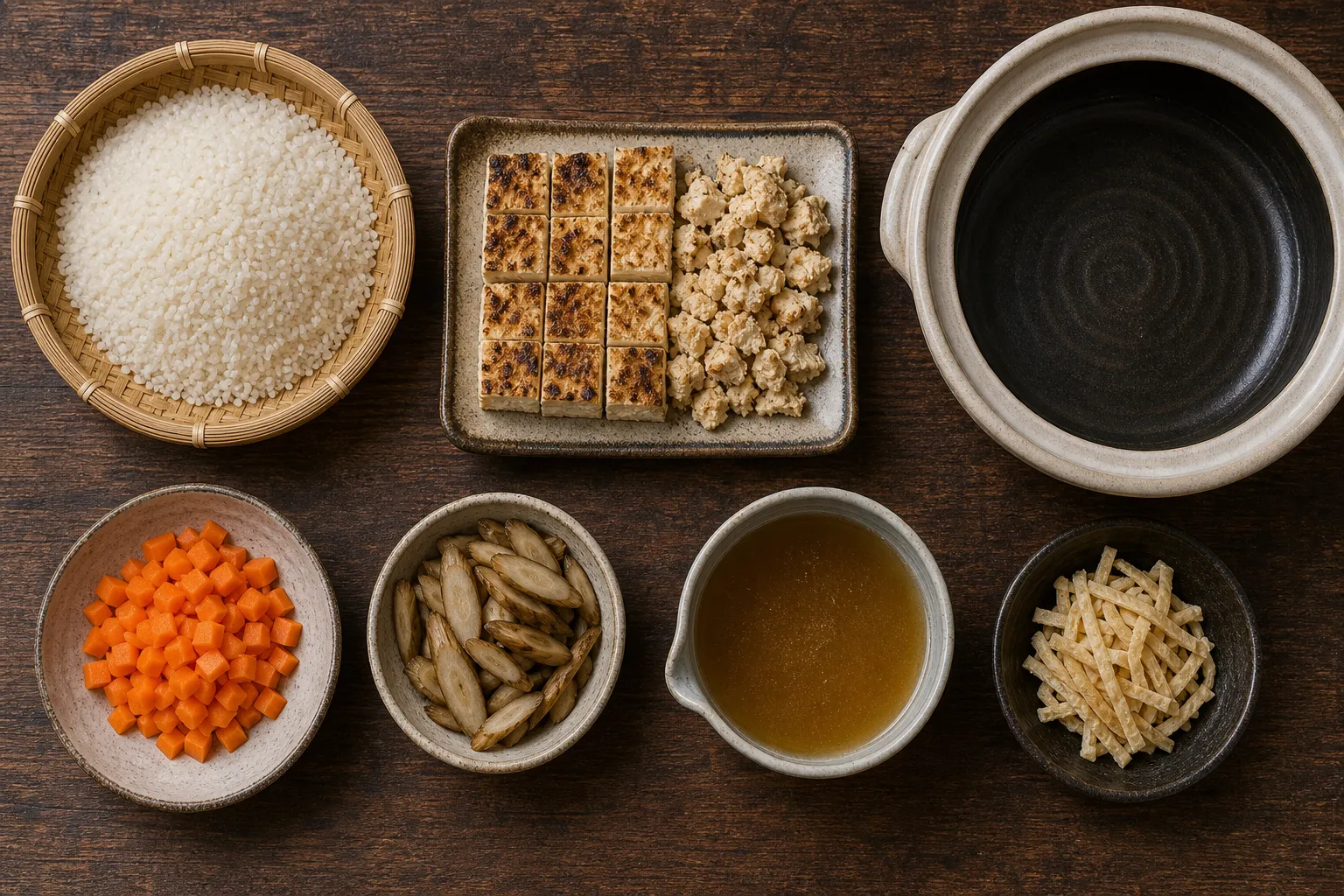
- Fry the tofu — the thunder. Firm tofu is torn or crumbled and fried in hot oil until it crackles and pops (this loud sizzle is where the name comes from) and takes on color.
- Prep the vegetables. Shred or slice carrot, burdock (gobo), and other vegetables like mushroom or aburaage into small pieces.
- Season the dashi. Make a savory dashi seasoned with soy sauce, mirin, and salt.
- Cook it all with the rice. Combine rice, the fried tofu, the vegetables, and the seasoned dashi in one pot and cook together takikomi-style so the flavor soaks into every grain.
- Fluff and serve. Once cooked, fold it gently and serve warm.
The craft is small but real: fry the tofu properly (that crackle means it's driving off moisture and building flavor), and balance the dashi so the rice is seasoned but not salty. Simple, forgiving, deeply satisfying.
Before you go — find some Tottori home cooking
Your questions, answered honestly
"What does 'dondoroke' actually mean?" — It's old Tottori dialect for thunder. The name comes from the loud crackling, popping sound the tofu makes when it hits the hot oil — it sounds like a thunderstorm. Best dish name in Japan, I'll fight you on it.
"Is it just plain rice with stuff on top?" — No — it's takikomi gohan, mixed rice where the tofu, vegetables and dashi are cooked together with the rice, so the seasoning is throughout. It's not plain steamed rice and it's not chazuke (rice with tea/broth poured over the top).
"Is it vegetarian?" — Often close, but usually not fully — the dashi commonly uses fish (bonito/kombu), and some versions add aburaage or other bits. Recipes vary by household and shop, so check the stock if that matters to you.
"Will I find it in restaurants easily?" — It's home and country cooking, so it's more common at local/traditional restaurants, roadside stations, and events in Tottori than at big-city chains. Ask for it as a regional specialty.
What the staff will ask you
| You'll hear | Romaji | Meaning | Just say |
|---|---|---|---|
| 大盛りにしますか? | Ōmori ni shimasu ka? | "Would you like a large portion?" | Futsū de (regular is fine) / Ōmori de (large, please) |
| 定食で出しましょうか? | Teishoku de dashimashō ka? | "Shall I serve it as a set meal?" | Onegai shimasu (yes, please) |
| お味噌汁は付けますか? | Omiso-shiru wa tsukemasu ka? | "Would you like miso soup with it?" | Onegai shimasu (yes, please) |
To order, just say "Dondoroke-meshi o kudasai" (どんどろけ飯をください) — "Dondoroke-meshi, please."
Where to eat it
- Local and traditional restaurants across Tottori — as home-style country food, it turns up on regional-cuisine menus and set meals rather than in chains.
- Michi-no-eki roadside stations and farm-food spots in Tottori — good places to find rustic local dishes like this, often alongside other Tottori country cooking.
- Local events, markets, and community kitchens — dondoroke-meshi is classic gathering food, so festivals and regional food events are a natural place to catch it.
Dondoroke-meshi is humble home cooking, so it's not on every menu and can be seasonal or event-based — ask for it specifically at local restaurants and roadside stations, and confirm the dashi if you avoid fish stock.
Soul Score
Local Roots5/5
First-Timer Friendly5/5
Adventure Level3/5
Comfort Level5/5
Travel Worthy3/5
These scores are one obsessed eater's gut feeling — not a verdict. A low number isn't a bad mark, just a different kind of adventure.
Know someone planning Japan?
← All Articles
Local Food · Tottori
Still hungry?
Eat more from Tottori
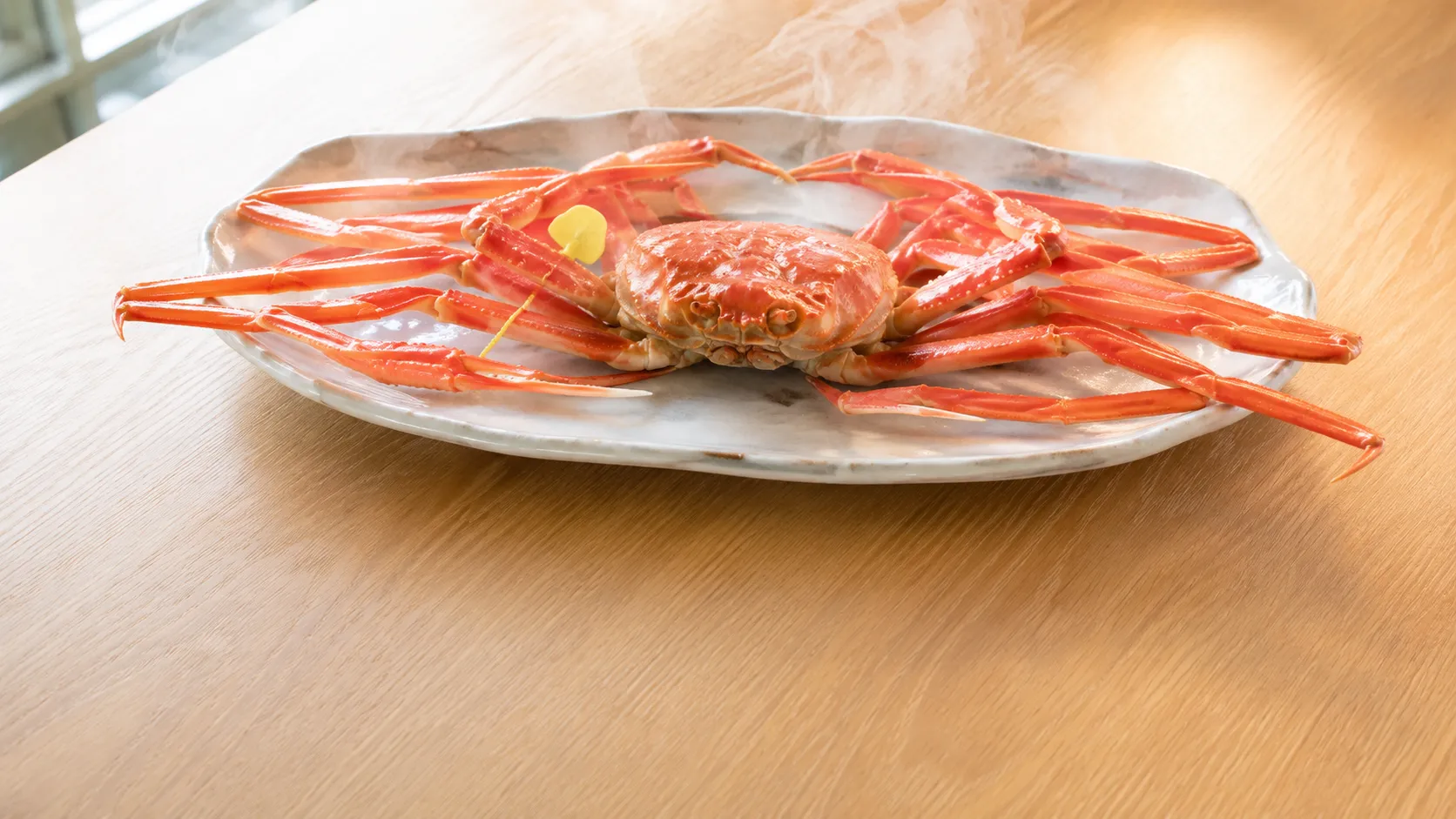
Local FoodSakaiminato, Tottori
Matsuba-gani (松葉ガニ)
There's a small plastic tag clipped to the crab's leg like a name badge, and once someone explains what it means you will never look at a crab the same way again.
September 2, 2026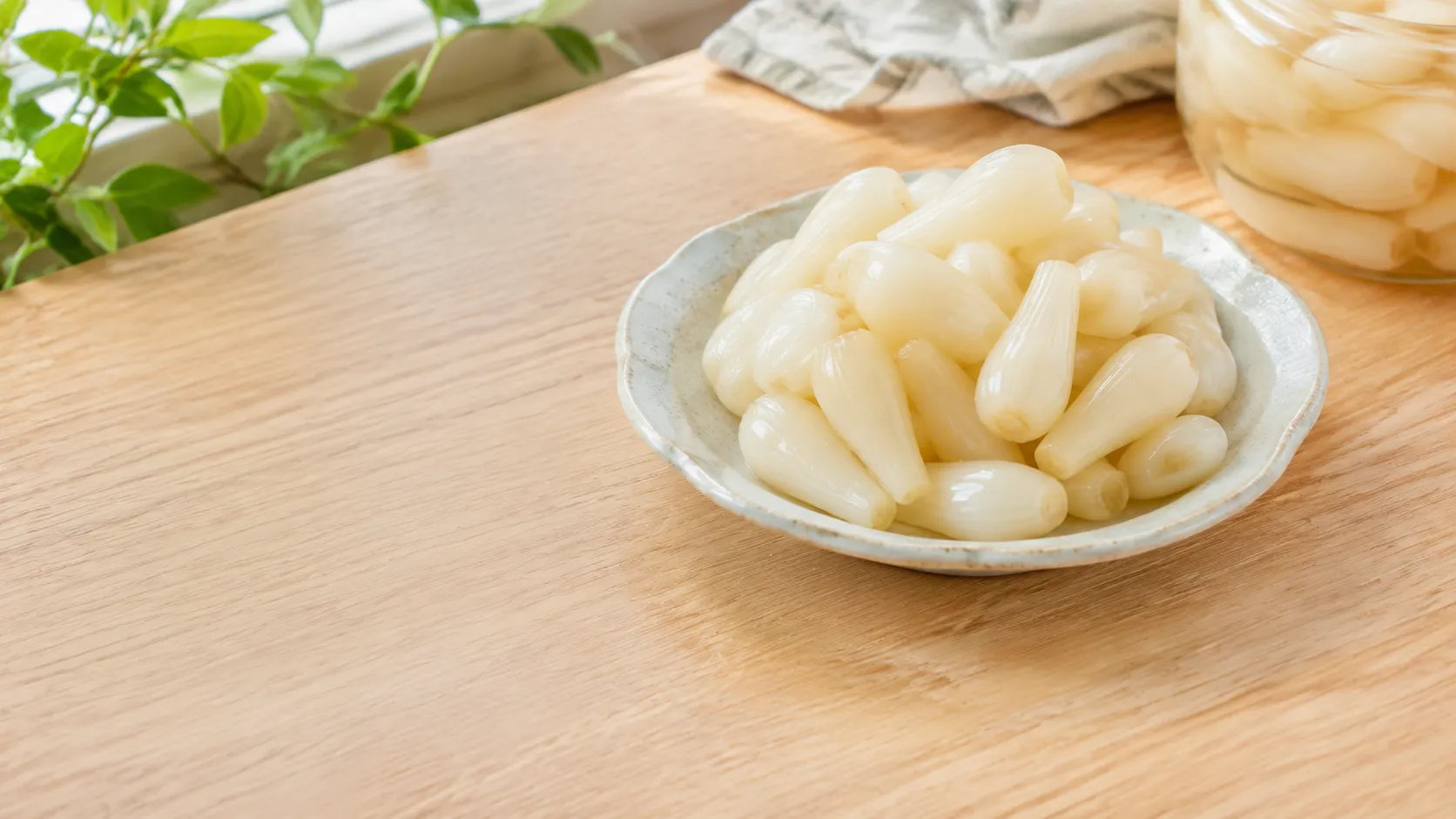
Local FoodTottori
Rakkyo (砂丘らっきょう)
The crunch is so loud I actually stopped talking mid-sentence. Then I ate five more and understood why they sit next to curry in every restaurant in Japan.
September 2, 2026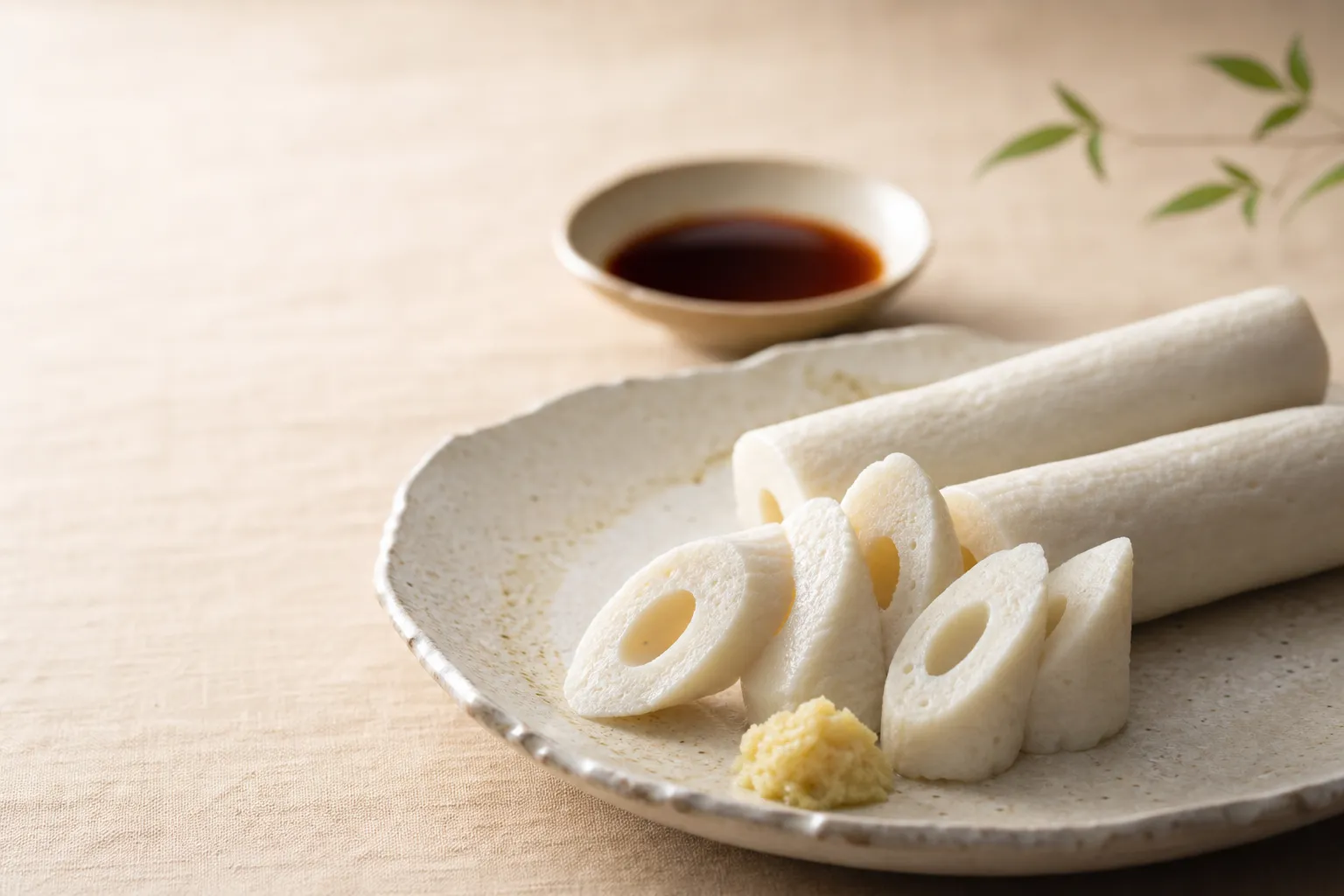
Local FoodTottori
Tofu Chikuwa (豆腐ちくわ)
Half tofu, half fish paste, and lighter than either one has any right to be — Tottori took a chewy snack tube and made it pillowy, and I'm still thinking about it.
July 5, 2026