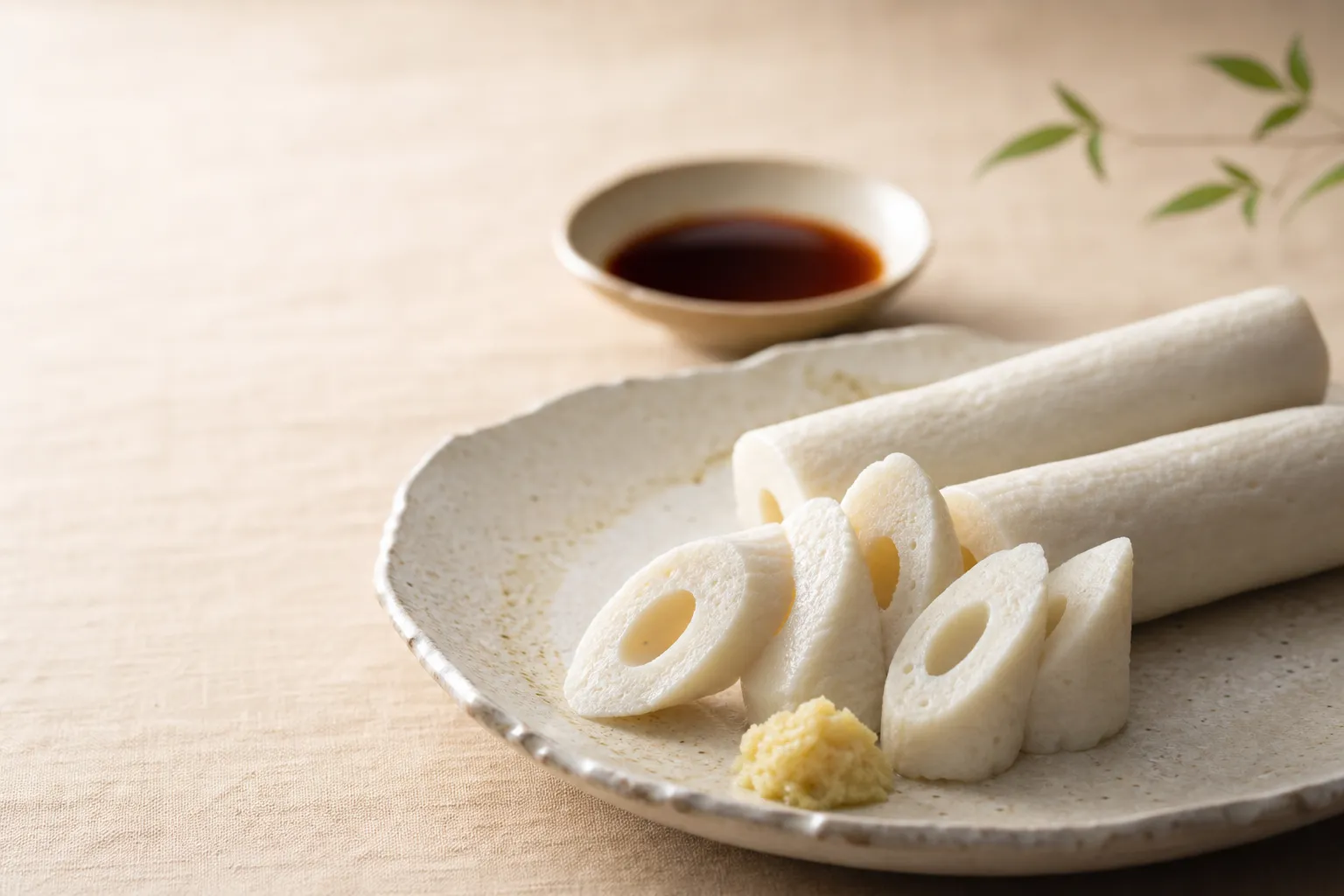
I thought I knew chikuwa — that chewy, springy fish-paste tube you slide off a skewer at a festival. Then Tottori handed me one that was pale and soft and almost fluffy, and my brain did a small double-take. It gave way like something between fish cake and warm tofu, light and tender, barely holding its shape. I ate the whole piece standing at the counter and immediately asked what on earth I'd just eaten. The answer made total sense and also delighted me.
Share this dish


Half tofu, half fish paste, and lighter than either one has any right to be — Tottori took a chewy snack tube and made it pillowy, and I'm still thinking about it.
🍜 Planning a food trip to Tottori?Add this dish to my Food Trip →
 Add this dish to my Food Trip →
This is tofu chikuwa (豆腐ちくわ, tōfu chikuwa), a specialty of Tottori — the least-populous prefecture in Japan, tucked along the Sea of Japan coast. Regular chikuwa is made purely from fish surimi (ground fish paste) formed into a tube and grilled; Tottori's version blends a generous amount of tofu into that fish paste before shaping it. The result is paler, softer, and lighter — fluffy where normal chikuwa is dense and springy. The story goes that it dates back to the Edo period, when the local lord is said to have encouraged people to stretch scarce, expensive fish by mixing in cheap, abundant tofu. Thrift, again, quietly inventing something better than what it replaced.
Why Tottori made chikuwa out of tofu
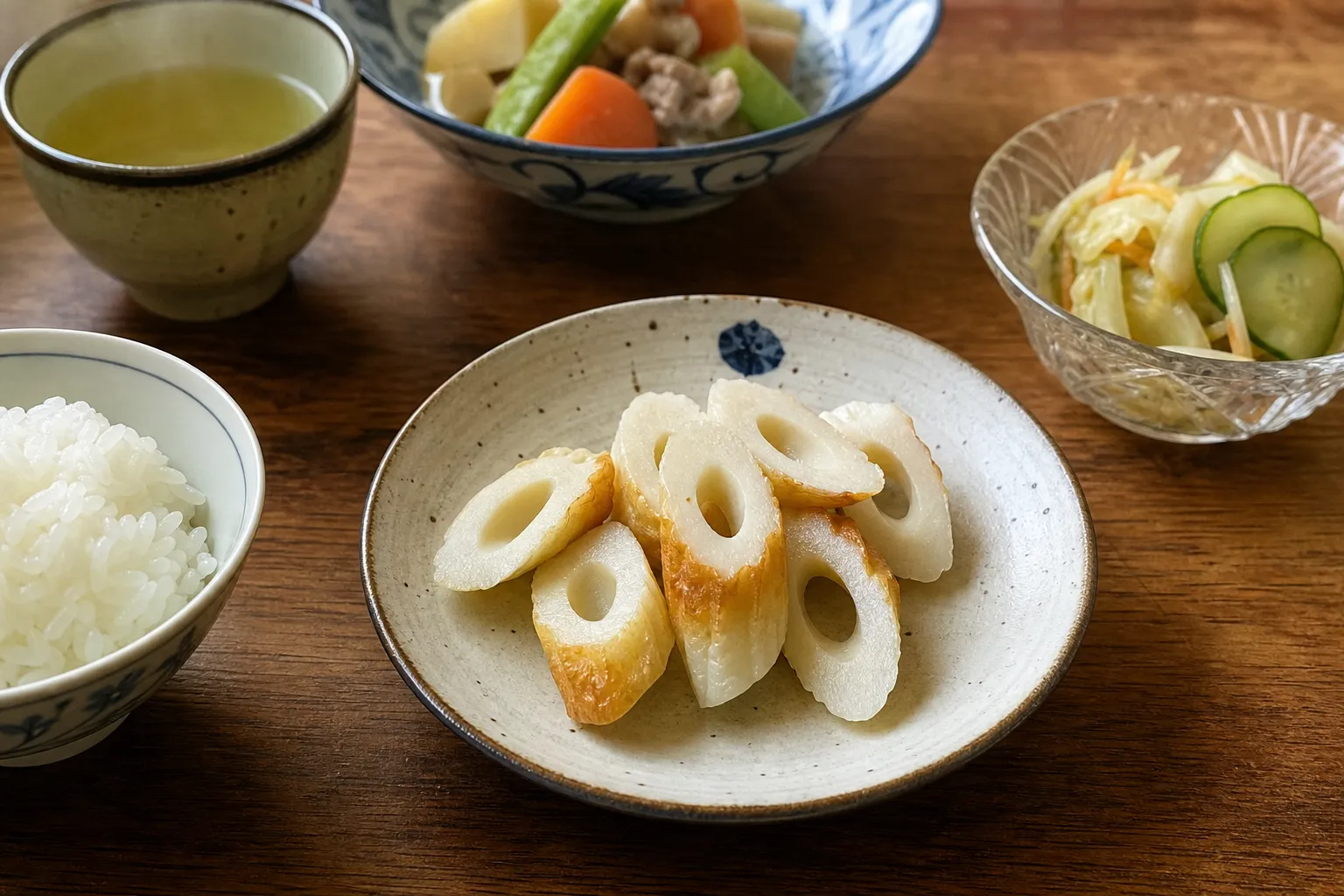
The commonly told origin ties it to Tottori's Edo-period domain: fish was valuable and not always plentiful, tofu was cheap and everywhere, so blending the two let households make a fish product go much further. Some versions of the story credit the local lord with actively promoting it as everyday thrift. Whether or not every detail holds up, the logic is beautifully simple — take an expensive thing, cut it with a humble thing, and end up with a food a whole region keeps making centuries later because they genuinely prefer it. I find that kind of accidental improvement deeply satisfying.
And Tottori really does keep making it. Tofu chikuwa is an everyday local staple here — sold in supermarkets, made by long-running specialty producers, eaten at home as a plain side, and served at local eateries. It's not a flashy tourist dish; it's the kind of quiet regional food that locals grew up on and barely think to explain. Those are always my favorite discoveries: the foods a place makes for itself, not for visitors.
What makes it so good
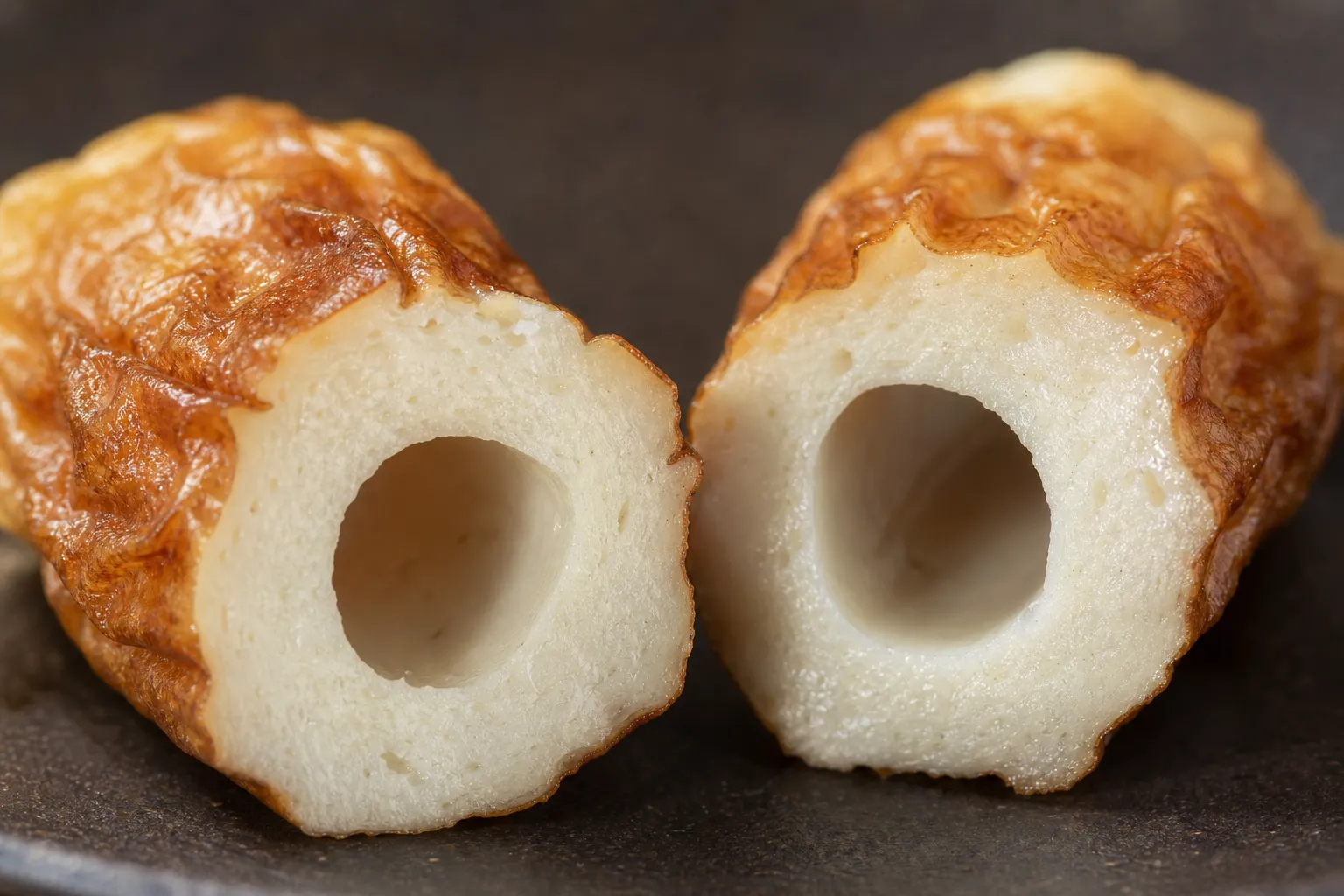
Texture is the entire personality. Where ordinary chikuwa is firm and bouncy — that satisfying rubbery snap — tofu chikuwa is soft, tender, and slightly airy, closer to a savory cloud than a chewy tube. The tofu lightens the fish paste and lifts the color to a pale off-white, and biting in gives you this gentle, yielding softness with just enough structure to hold the tube shape. It's a familiar snack turned unexpectedly delicate. If you like the idea of chikuwa but find the chew a bit much, this is the one for you.
The flavor is mild and clean — a little of the fish's savory sweetness, a little of the tofu's soft nuttiness, and not much else, which is exactly the point. It's a background player that makes everything around it taste better. Eat it plain, or with a dab of soy sauce and grated ginger, or with a squeeze of citrus. Some places serve it lightly grilled and warm, which brings out a faint toastiness. I liked it best barely dressed — a little soy, a little ginger, and out of the way of its own softness.
How it's made
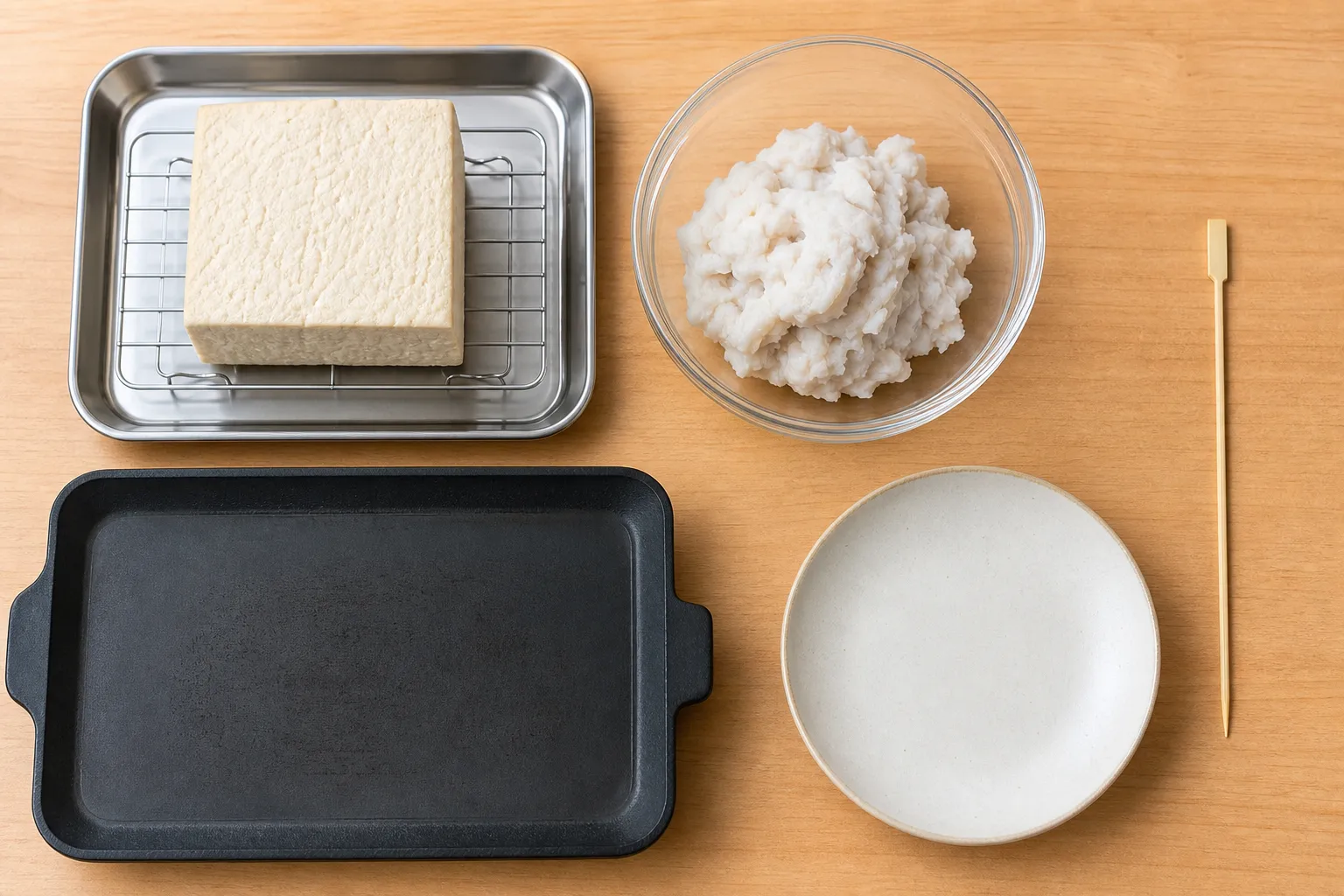
- Tofu is pressed and drained to remove excess water so the mixture won't be too wet to shape
- The drained tofu is blended together with white-fish surimi (ground fish paste) and a little seasoning into a smooth, pale mixture
- The blend is wrapped around a stick or metal rod to form the classic hollow tube shape
- It's cooked — grilled or steamed-then-grilled — until just set, staying pale and soft rather than browning much
- The stick is slipped out, leaving the hollow tube, which is sliced and served plain or with soy and ginger
Before you go — how to actually eat it
Your questions, answered honestly
"Is this just normal chikuwa?" — No, and that's the whole point. Regular chikuwa is all fish paste — dense, springy, chewy. Tofu chikuwa blends in tofu, so it's paler, softer, and fluffier, with a milder taste. Put them side by side and the difference is obvious the moment you bite. In Tottori, the tofu one is the local pride.
"Do I eat it hot or cold?" — Both work. It's often eaten as-is, straight from the pack at room temperature, but lightly grilling or warming it brings out a subtle toasty edge. Try it plain first, then warmed, and see which you prefer.
"What do I put on it?" — Keep it simple — it's a mild food and heavy sauce would bury it. A little soy sauce with grated ginger is the classic move; a squeeze of citrus (sudachi or lemon) is also lovely. Let the softness be the star.
"Is it filling enough to be a meal?" — Not really — it's a side dish or a snack, not a main. Pair it with rice and other small dishes, or eat a couple of pieces as a light bite. It's gentle by design; lean into that.
What the staff will ask you
| You'll hear | Romaji | Meaning | Just say |
|---|---|---|---|
| 温めますか? | Atatamemasu ka? | "Shall I warm it up?" | Onegaishimasu (yes, please) |
| 生姜醤油はおつけしますか? | Shōga-jōyu wa otsuke shimasu ka? | "Would you like ginger soy sauce?" | Onegaishimasu (yes, please) |
| 何本になさいますか? | Nanbon ni nasaimasu ka? | "How many pieces would you like?" | Nihon de onegaishimasu (two, please) |
| そのままお召し上がりですか? | Sono mama omeshiagari desu ka? | "Eating it as-is?" | Hai, sono mama de (yes, as-is) |
To order, just say "Tofu chikuwa o kudasai" (豆腐ちくわください) — "Tofu chikuwa, please."
Where to eat it
- Tottori City, Tottori — local eateries and set-meal restaurants around the city serve tofu chikuwa as a regional side, and long-running specialty makers sell it fresh.
- Supermarkets and food halls in Tottori — it's an everyday staple here, so packaged tofu chikuwa is widely stocked; grab a pack and try it on the spot.
- Roadside stations (michi-no-eki) and antenna shops — regional shops in and around Tottori carry it as a local product, and some Tottori antenna shops in bigger cities stock it too.
Which makers and shops have it fresh varies day to day, and specialty producers keep their own hours, so check current details before you go.
Soul Score
Local Roots5/5
First-Timer Friendly4/5
Adventure Level3/5
Comfort Level4/5
Travel Worthy3/5
These scores are one obsessed eater's gut feeling — not a verdict. A low number isn't a bad mark, just a different kind of adventure.
Know someone planning Japan?
← All Articles
Local Food · Tottori
Still hungry?
Eat more from Tottori
Local FoodSakaiminato, Tottori
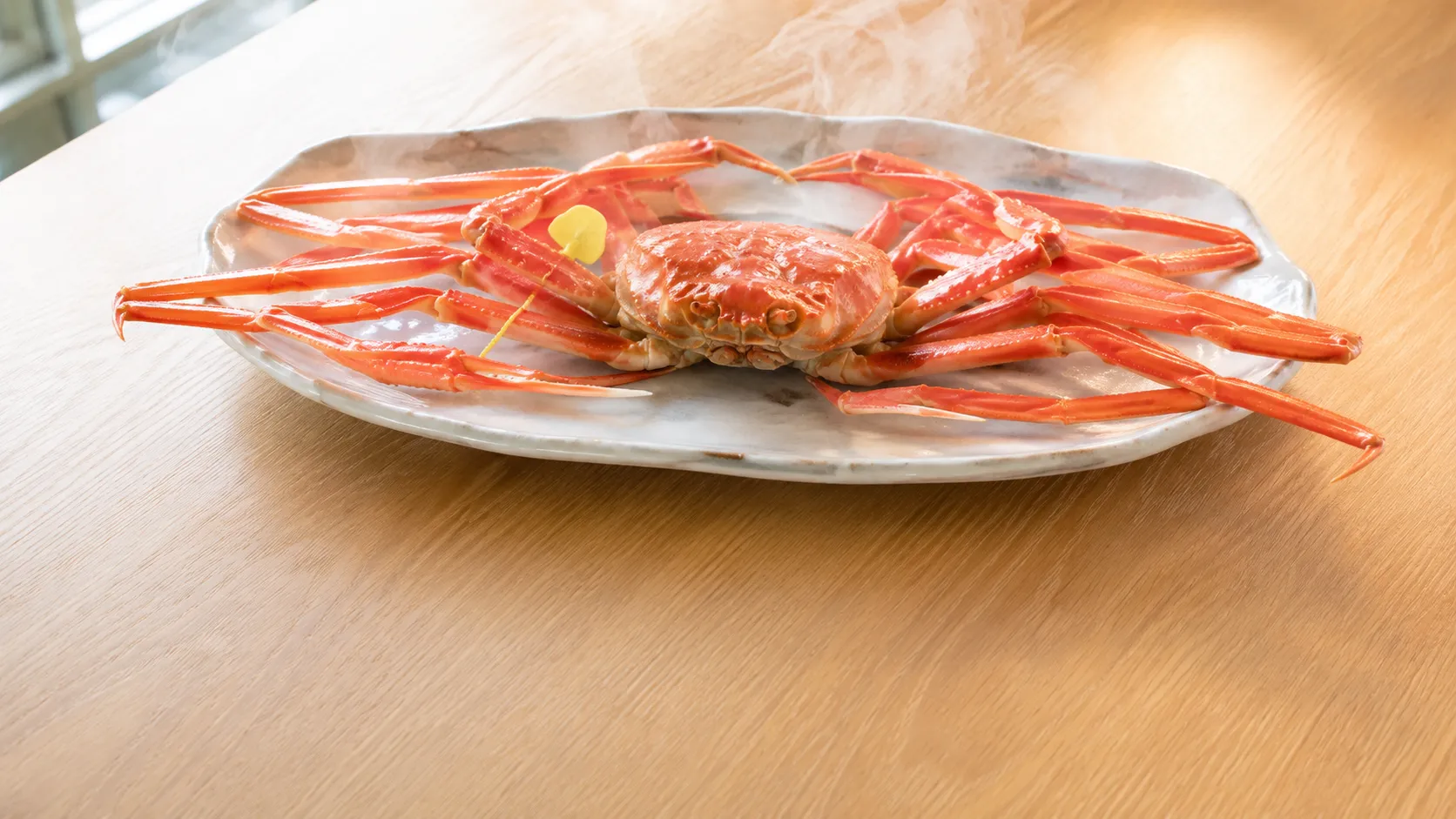
Matsuba-gani (松葉ガニ)
There's a small plastic tag clipped to the crab's leg like a name badge, and once someone explains what it means you will never look at a crab the same way again.
September 2, 2026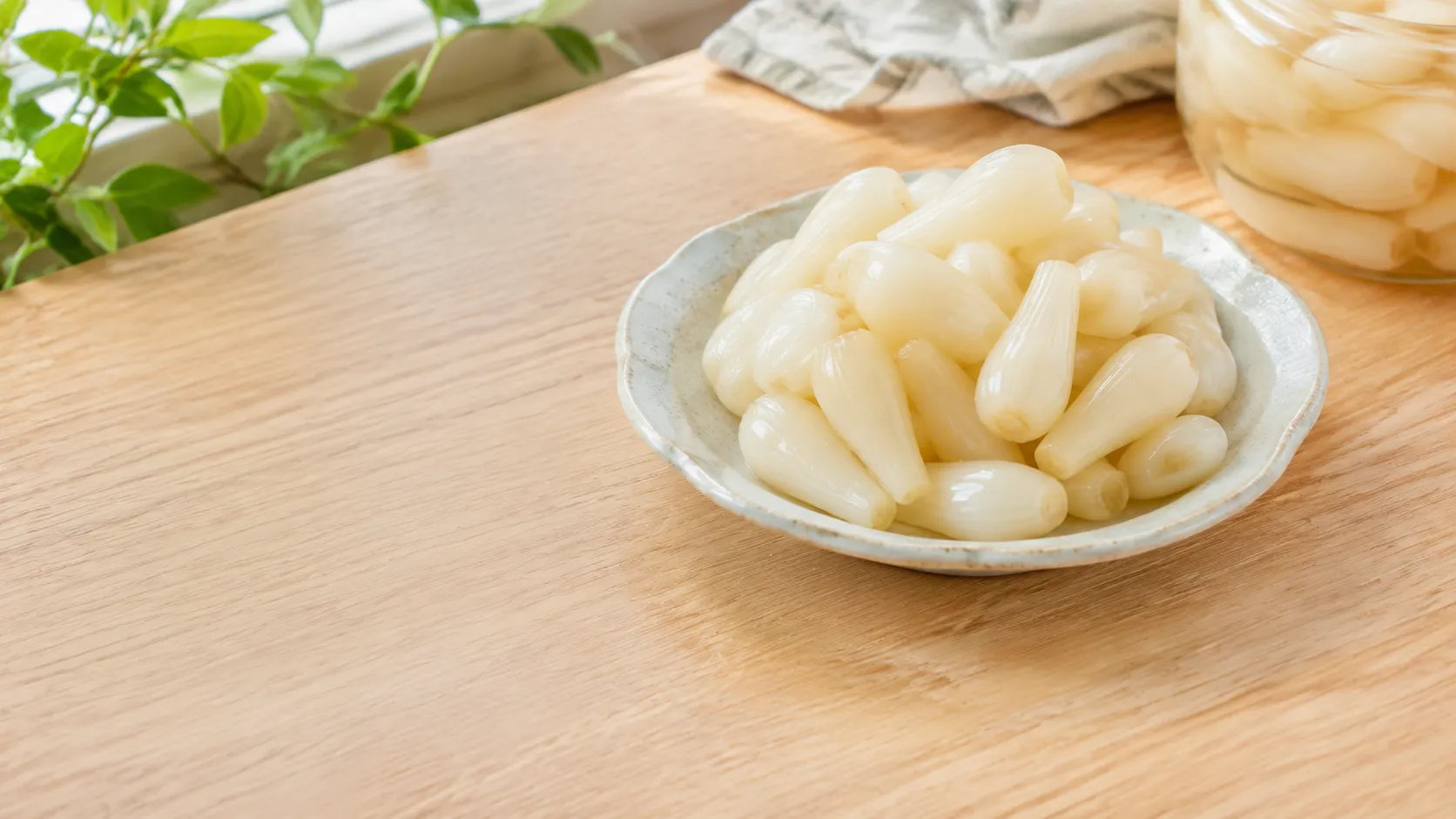
Local FoodTottori
Rakkyo (砂丘らっきょう)
The crunch is so loud I actually stopped talking mid-sentence. Then I ate five more and understood why they sit next to curry in every restaurant in Japan.
September 2, 2026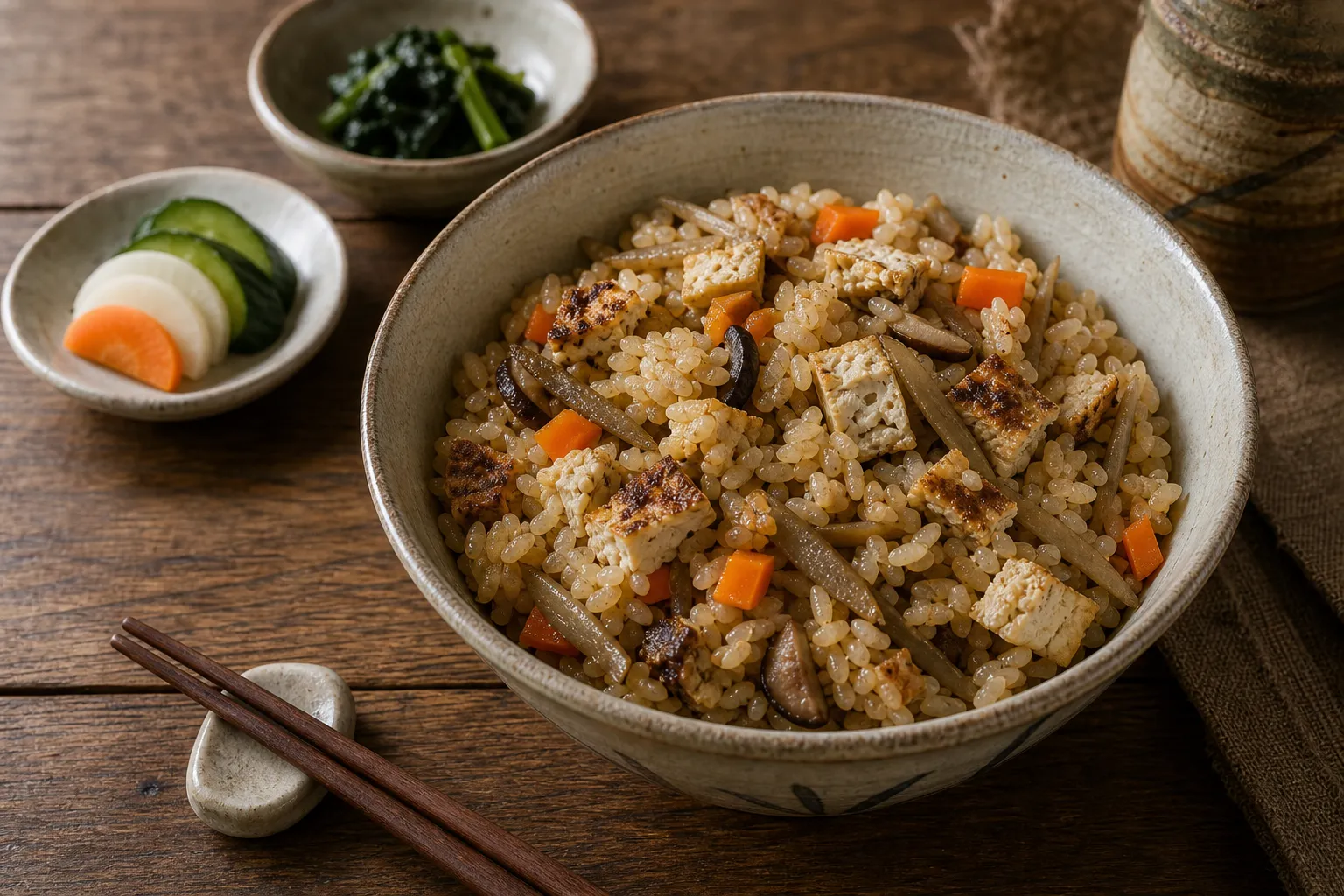
Local FoodTottori
Dondoroke-meshi (どんどろけ飯)
Rice named after thunder — because the tofu crackles like a storm when it hits the hot pan. Crumbled grilled tofu, carrot and burdock cooked right into the rice: humble Tottori country food with the best name in Japan.
July 12, 2026