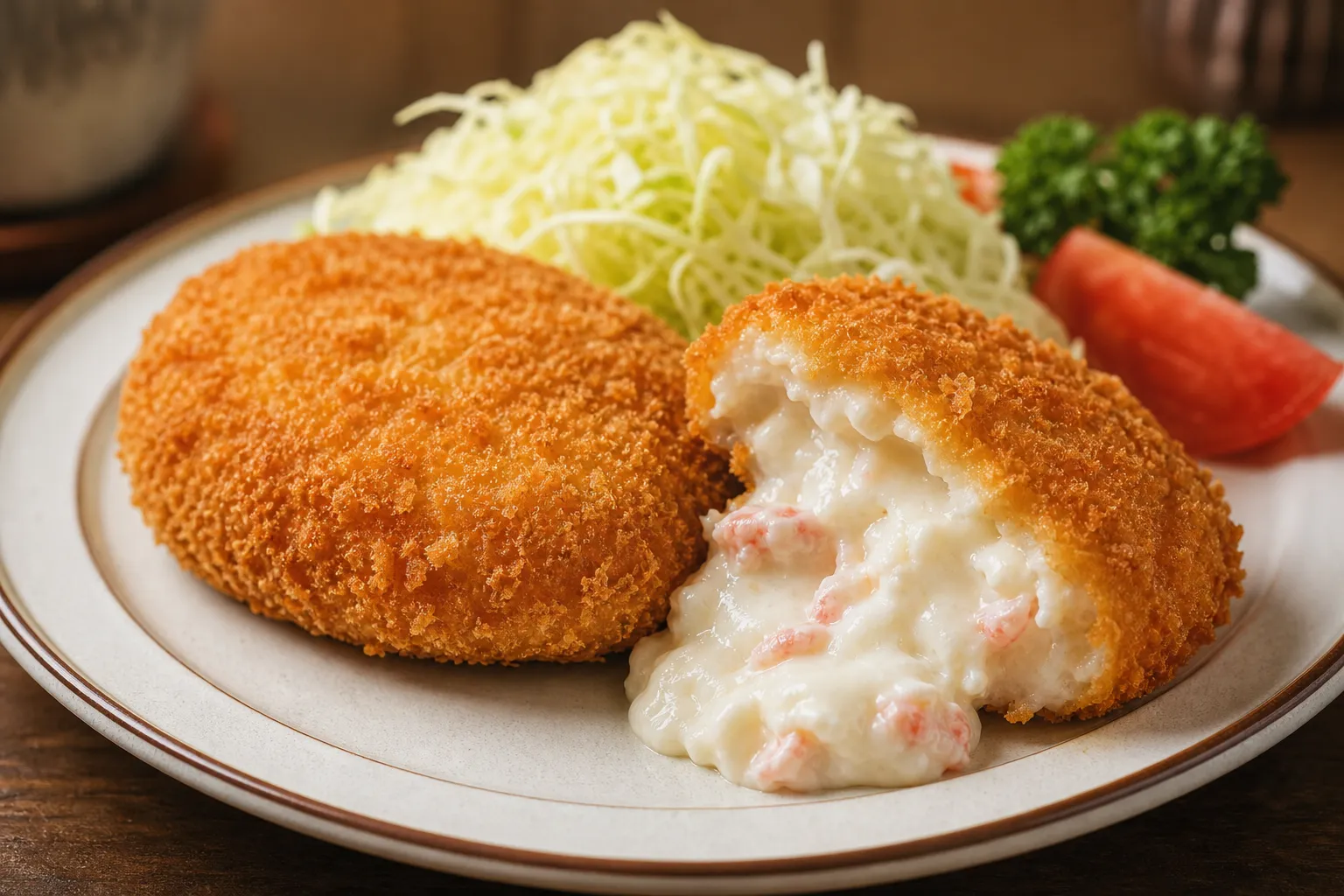
The first bite is a trap, and everyone falls for it once. That crisp, golden, panko-crusted shell looks so much like a normal potato croquette that you bite in with confidence — and instead of fluffy potato, out floods a rush of scalding-hot white cream, béchamel-smooth and rich, and you make a small undignified noise and fan your mouth and immediately want another one. That's cream korokke, and its whole personality is the surprise inside.
Share this dish


A crisp golden shell that gives way to a scalding rush of white béchamel cream — the croquette that trades the potato for pure molten sauce, and asks only that you not bite too eagerly.
So here it is: cream korokke (クリームコロッケ) is a croquette where the filling isn't mashed potato — it's a thick, savory white béchamel cream, often studded with crab, shrimp, corn or chicken. That cream is chilled until firm, shaped, coated in flour, egg and panko breadcrumbs, and deep-fried so the outside turns crisp and golden while the inside melts back into hot, molten sauce. Béchamel filling, not potato: that's the line that separates a cream korokke from a regular korokke, and it's the whole reason it exists.
The croquette that swapped potato for pure sauce
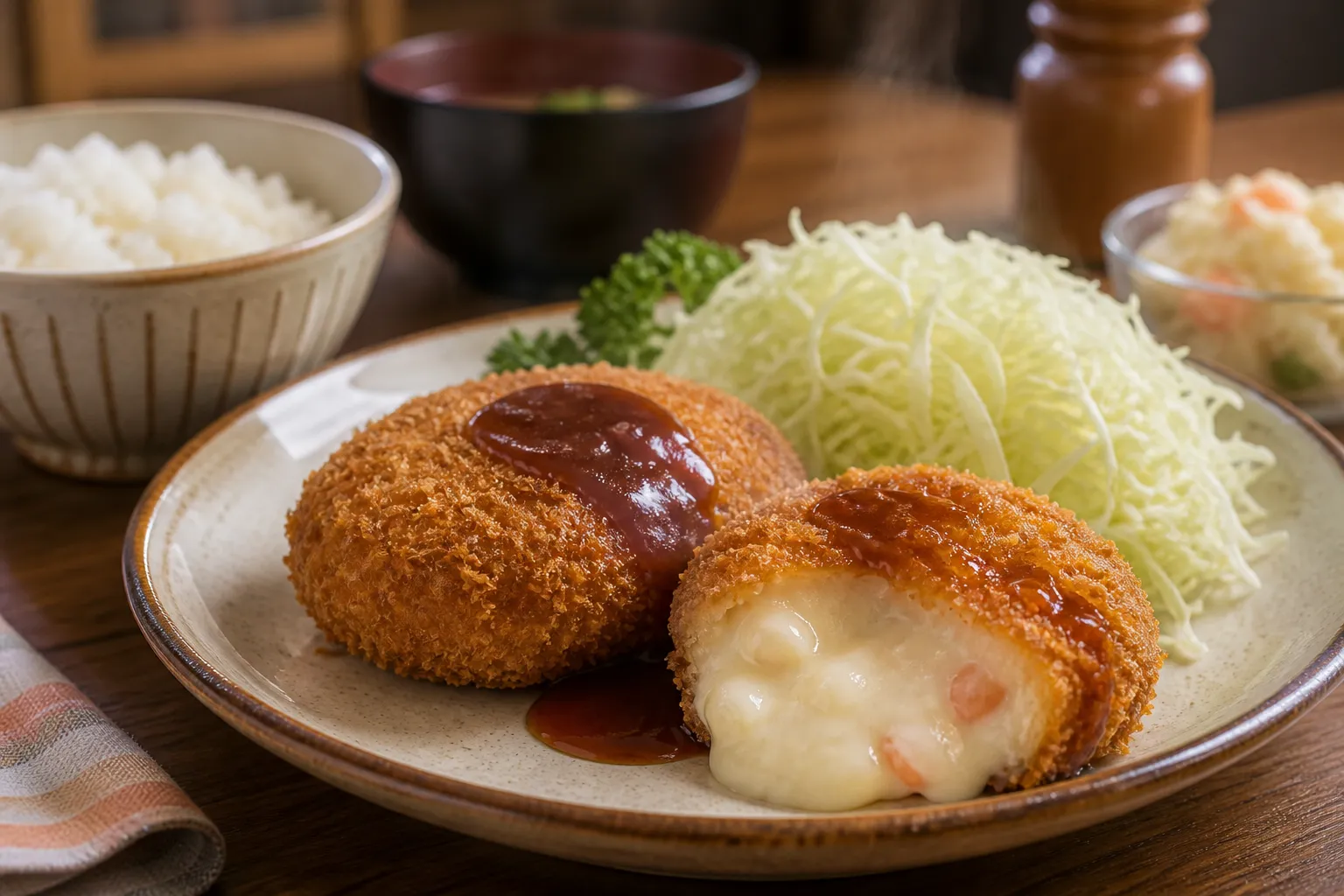
Japan loves a korokke — the potato croquette is a beloved everyday food, sold hot from butcher shops and delis for pocket change. The cream version is its more elegant, yoshoku cousin: instead of humble mashed potato, it's built on the French béchamel that Japanese Western-style cooking adopted and ran with. The crab version — kani cream korokke — in particular is a genuine restaurant classic, the kind of thing you order at a nice yoshoku place and feel quietly fancy about.
What I love is the sheer technical nerve of it. You are deep-frying liquid. The entire dish is a controlled miracle: keep the cream cold and firm enough to bread and fry, then hit it with hot oil just long enough to crisp the shell before the inside melts and bursts out. When it's done right, cracking that shell open is one of the small great pleasures of Japanese comfort food.
What makes the eating experience different
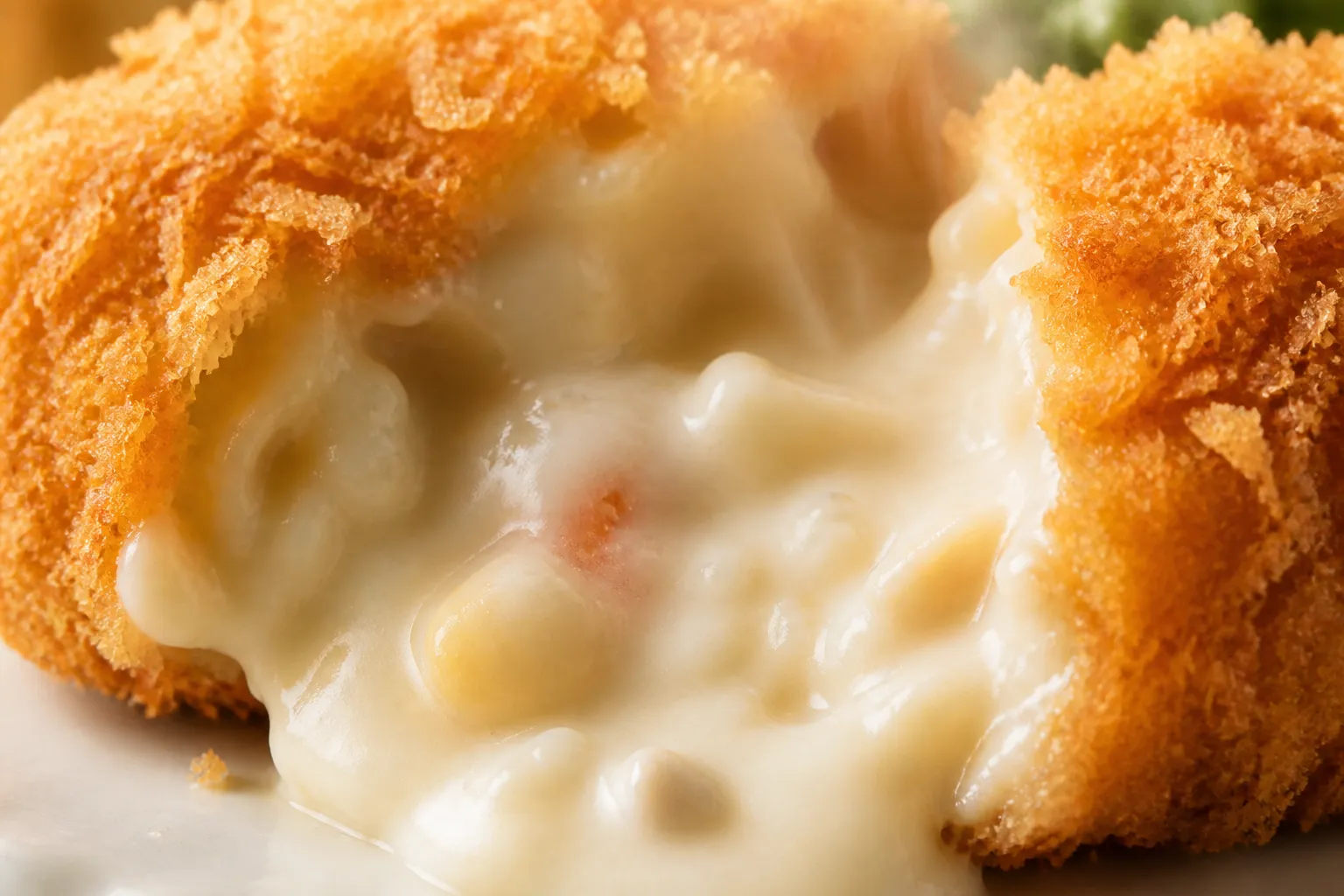
- The contrast is everything: shatter-crisp panko shell against molten, silky cream inside
- The filling is rich but mild — béchamel comfort, with little sweet pops of corn or crab or shrimp
- It's often served with a tangy demi-glace or a swipe of tonkatsu sauce, whose acidity cuts the richness perfectly
- Smaller and more delicate than a potato korokke — usually a couple of neat torpedoes on a plate
- That first-bite steam-and-flood moment never stops being fun, no matter how many times you've had one
How it's made
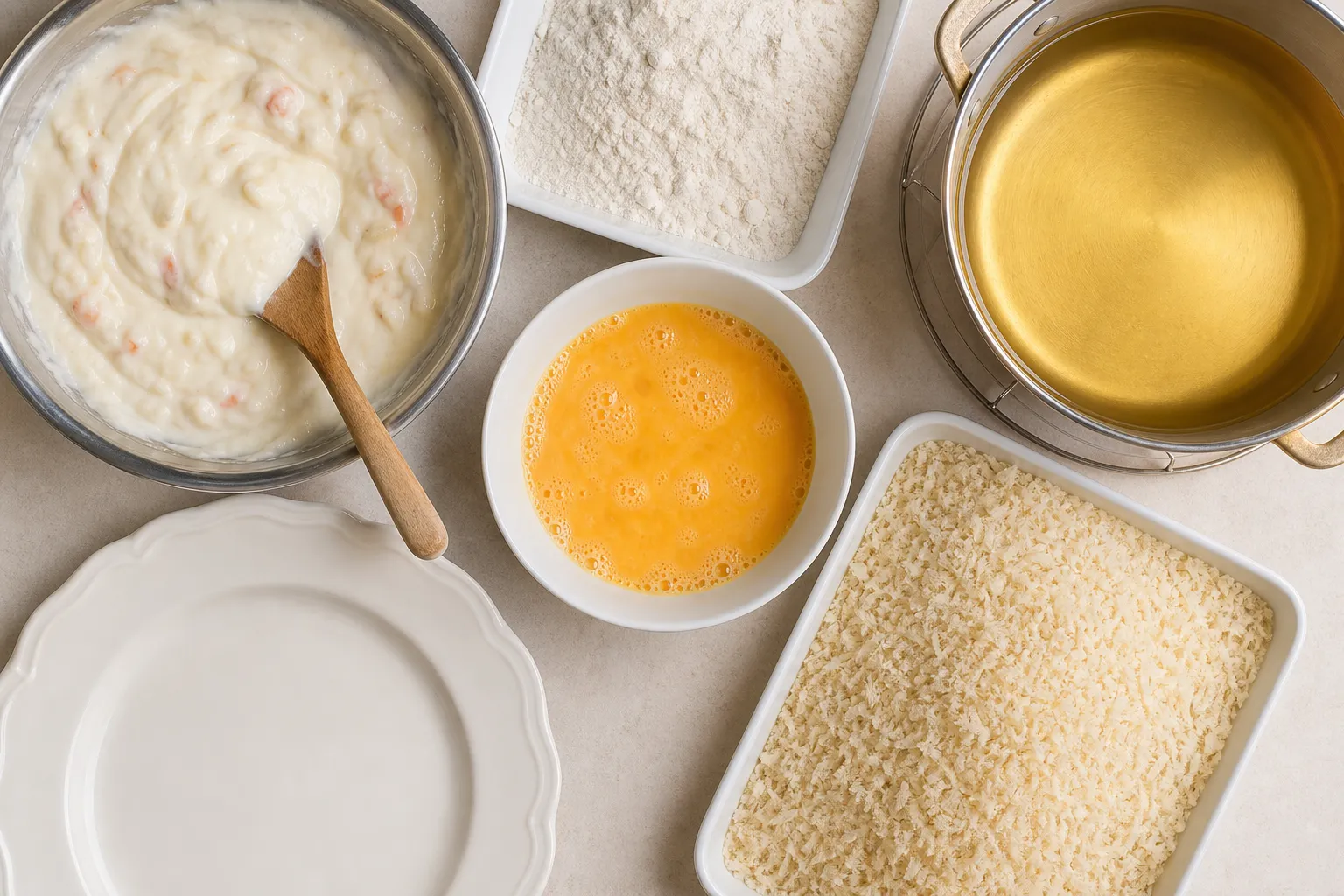
- Make a thick béchamel. Cook a butter-flour roux and whisk in milk into a very thick white sauce; fold in crab, shrimp, corn, chicken or onion, and season.
- Chill it firm. Spread the cream out and refrigerate until it's cold and firm enough to shape — this step is non-negotiable, or it'll never hold together.
- Shape and bread. Form the cold cream into little logs or ovals, then coat in flour, beaten egg, and panko breadcrumbs.
- Deep-fry fast and hot. Fry just until the panko is golden and crisp — quickly, so the shell sets before the cream inside melts and escapes.
- Serve hot, with sauce. Plate with demi-glace or tonkatsu sauce, shredded cabbage, maybe a lemon wedge. Warn people it's hot. They'll bite anyway.
Frying liquid held together by nothing but cold and a panko jacket is one of those cooking feats that sounds impossible until you watch it work. When one splits in the oil, the whole thing is lost — which is why a perfect, intact cream korokke is a tiny victory.
Before you go — bite the first one carefully
Your questions, answered honestly
"How is this different from a normal korokke?" — A regular korokke is mashed potato (often with a little minced meat), breaded and fried — fluffy and hearty inside. A cream korokke is filled with béchamel white sauce — molten and rich inside. Same crisp panko shell, completely different heart. If you want the potato one, just ask for korokke; for this, specify cream korokke.
"What's the best filling?" — Crab (kani cream korokke) is the celebrated one — a proper yoshoku classic. Corn cream korokke is sweet and beloved, and shrimp and chicken versions are common. You can't really go wrong.
"Why does everyone warn me it's hot?" — Because the inside is essentially molten sauce straight from the fryer, and it holds heat like lava. Bite the first one gently to let the steam out, or give it a moment. This is the one real hazard of the dish, and it's a rite of passage.
"Where do I get it?" — Yoshoku diners and family restaurants for the sit-down version; delis, department-store food halls and butcher shops for a grab-and-go one. It's everywhere once you start looking.
What the staff will ask you
| You'll hear | Romaji | Meaning | Just say |
|---|---|---|---|
| 何個にしますか? | Nan-ko ni shimasu ka? | "How many pieces?" | Futatsu kudasai (two, please) |
| ソースはおかけしますか? | Sōsu wa o-kake shimasu ka? | "Shall I add sauce?" | Onegaishimasu (yes, please) |
| 温めますか? | Atatamemasu ka? | "Shall I heat it up?" (at a deli) | Onegaishimasu (yes, please) |
To order, just say "Cream korokke o kudasai" (クリームコロッケをください) — "Cream croquette, please."
Where to eat it
- Yoshoku diners and family restaurants nationwide — the natural home of the sit-down cream korokke, often as kani cream korokke with demi-glace.
- Department-store food halls (depachika) and delis — great for a freshly fried, grab-and-go piece to eat as a snack.
- Butcher shops and croquette stands — many that sell potato korokke also fry cream versions; ask which they have that day.
Fillings, sizes and prices vary by shop, and it's served fry-hot — check what's on offer and let it cool a second before that first bite.
Soul Score
Local Roots3/5
First-Timer Friendly5/5
Adventure Level3/5
Comfort Level5/5
Travel Worthy3/5
These scores are one obsessed eater's gut feeling — not a verdict. A low number isn't a bad mark, just a different kind of adventure.
Know someone planning Japan?
← All Articles
Japanese Food · Nationwide
Still hungry?
You might also like
Japanese FoodNationwide
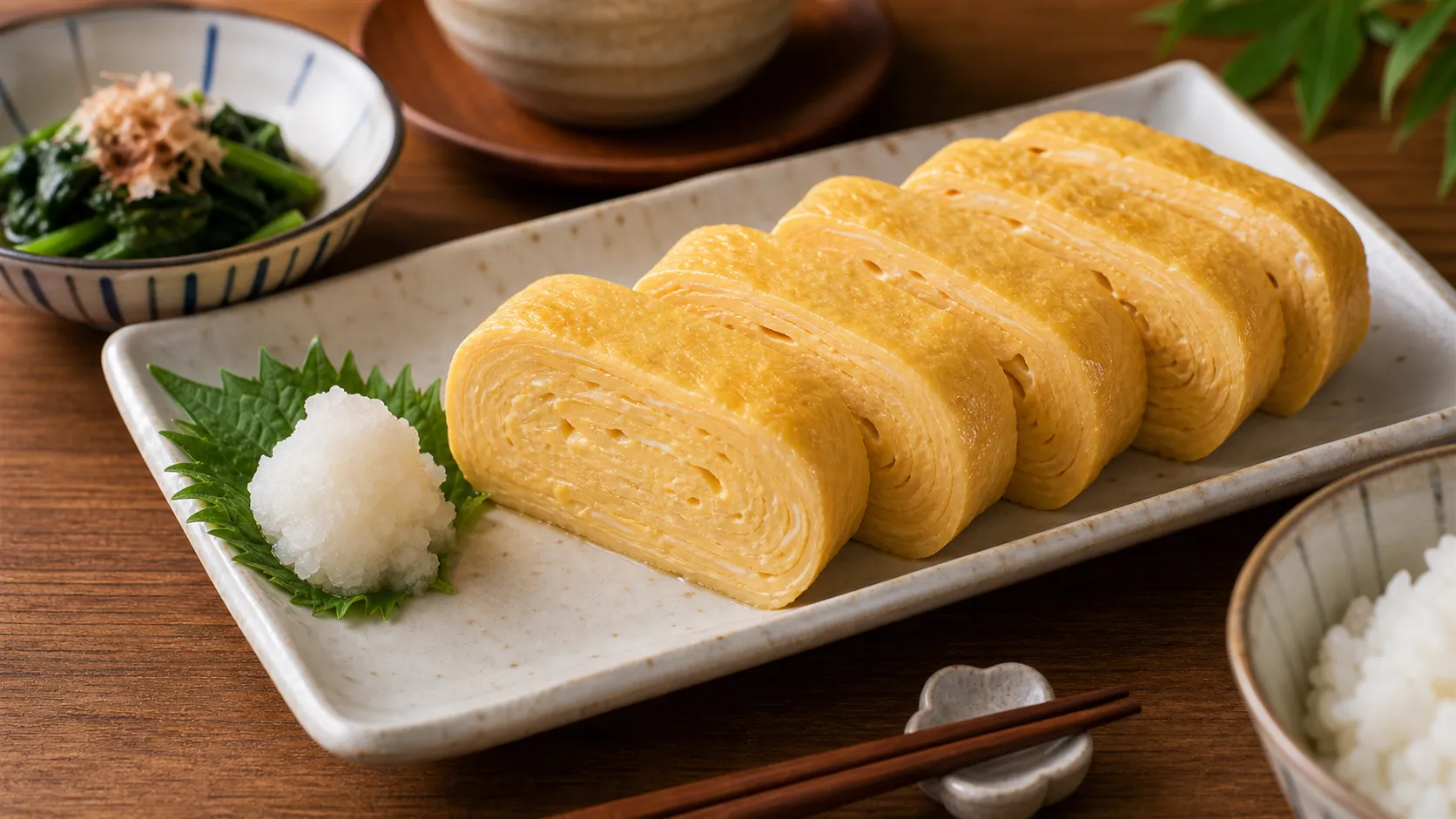
Dashimaki-tamago (だし巻き卵)
A rolled omelette so soft it almost trembles, layered fold over fold and soaked with dashi so that biting in releases a little warm rush of savory broth — the deceptively simple egg dish that Japanese chefs spend years perfecting.
July 11, 2026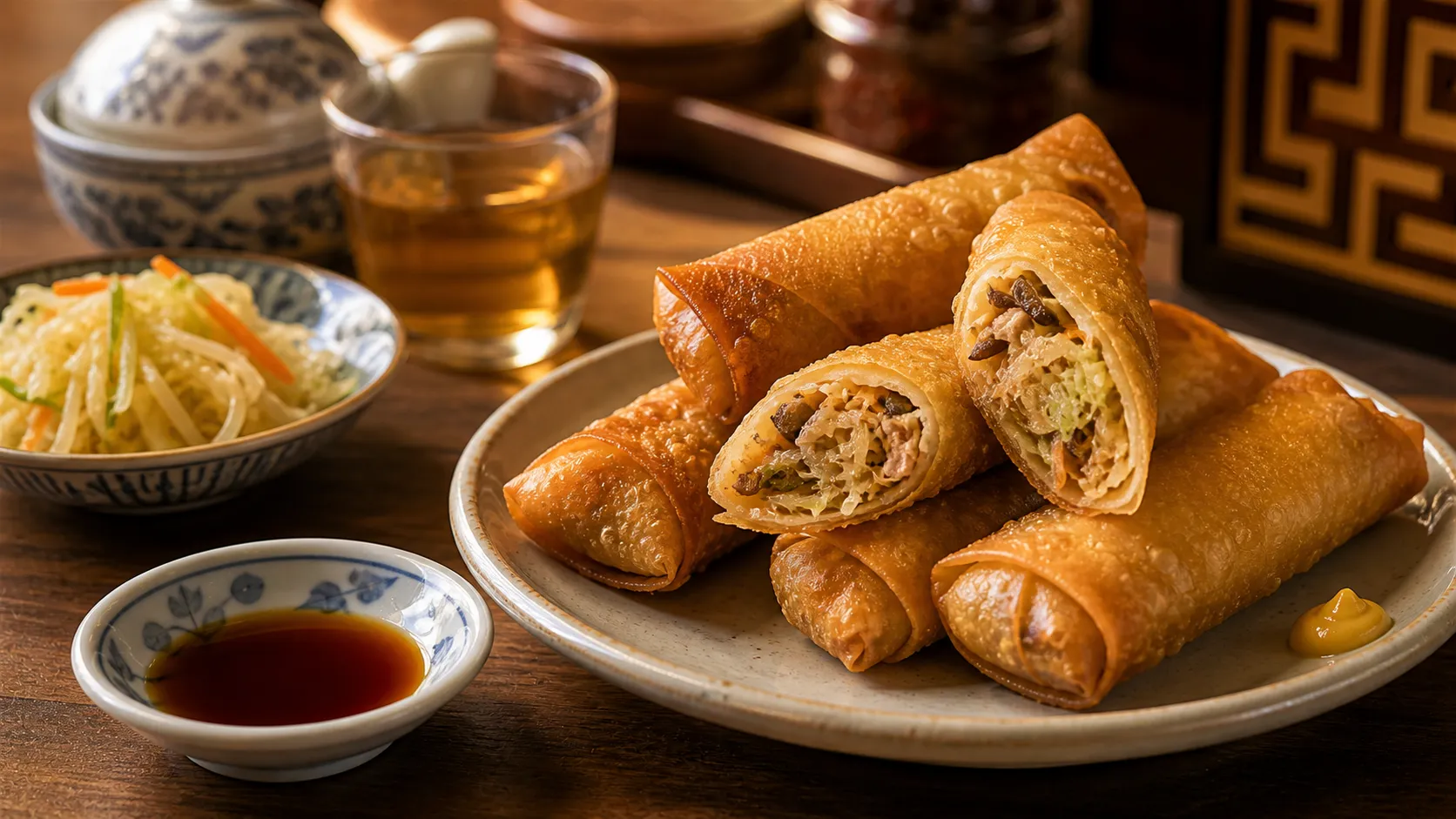
Japanese FoodNationwide
Harumaki (春巻き)
The Japanese spring roll — a shatteringly crisp golden tube that gives way to a hot, savory tangle of pork, cabbage and bamboo shoot, best eaten the second it's cool enough not to burn your mouth (you will not wait that long).
July 11, 2026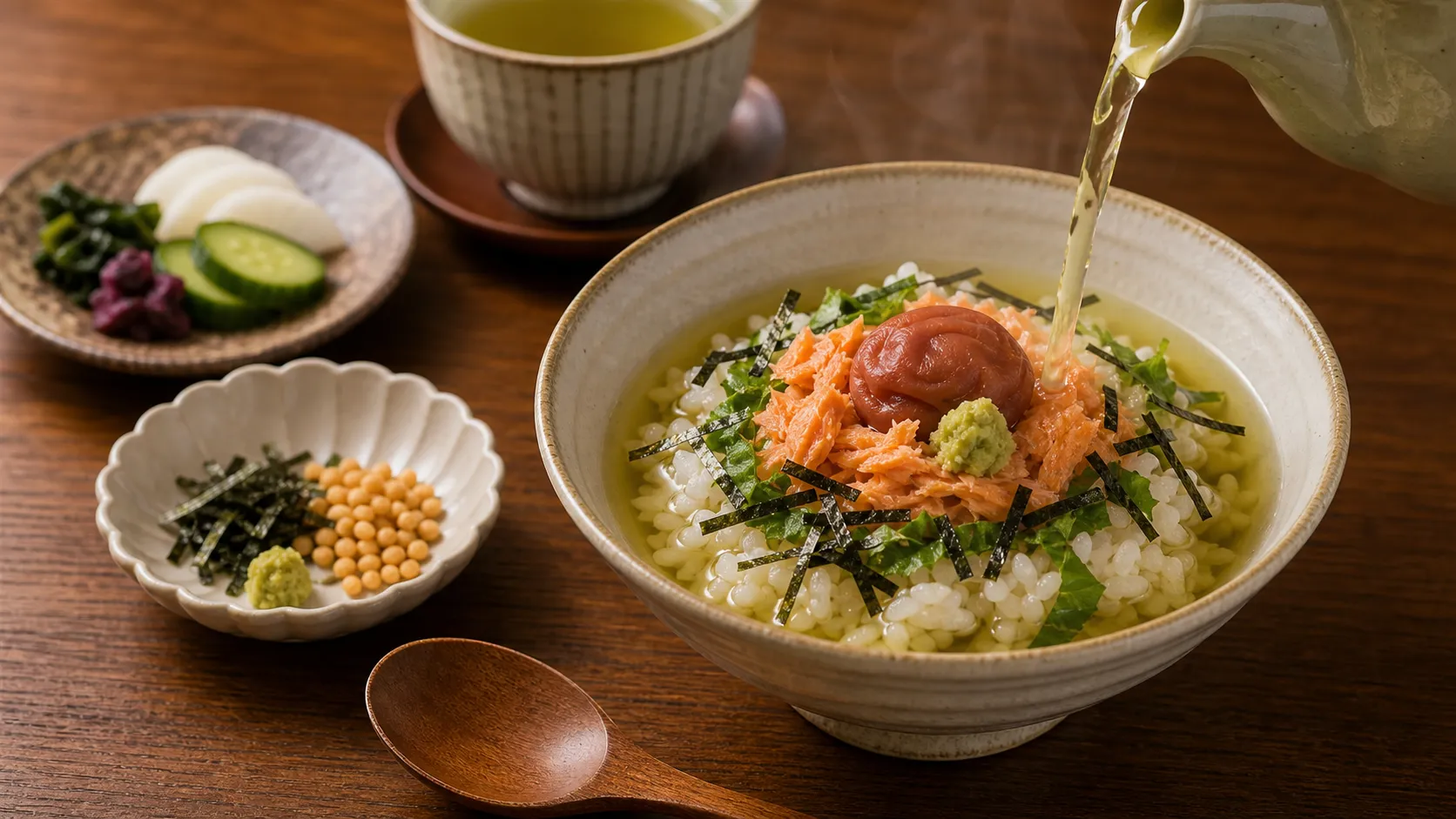
Japanese FoodNationwide
Ochazuke (お茶漬け)
Pour hot green tea or dashi over a bowl of rice, scatter something savory on top, and eat — the gentlest, most quietly restorative dish in Japan, the one you reach for late at night when you just need a warm bowl to make everything okay.
July 11, 2026