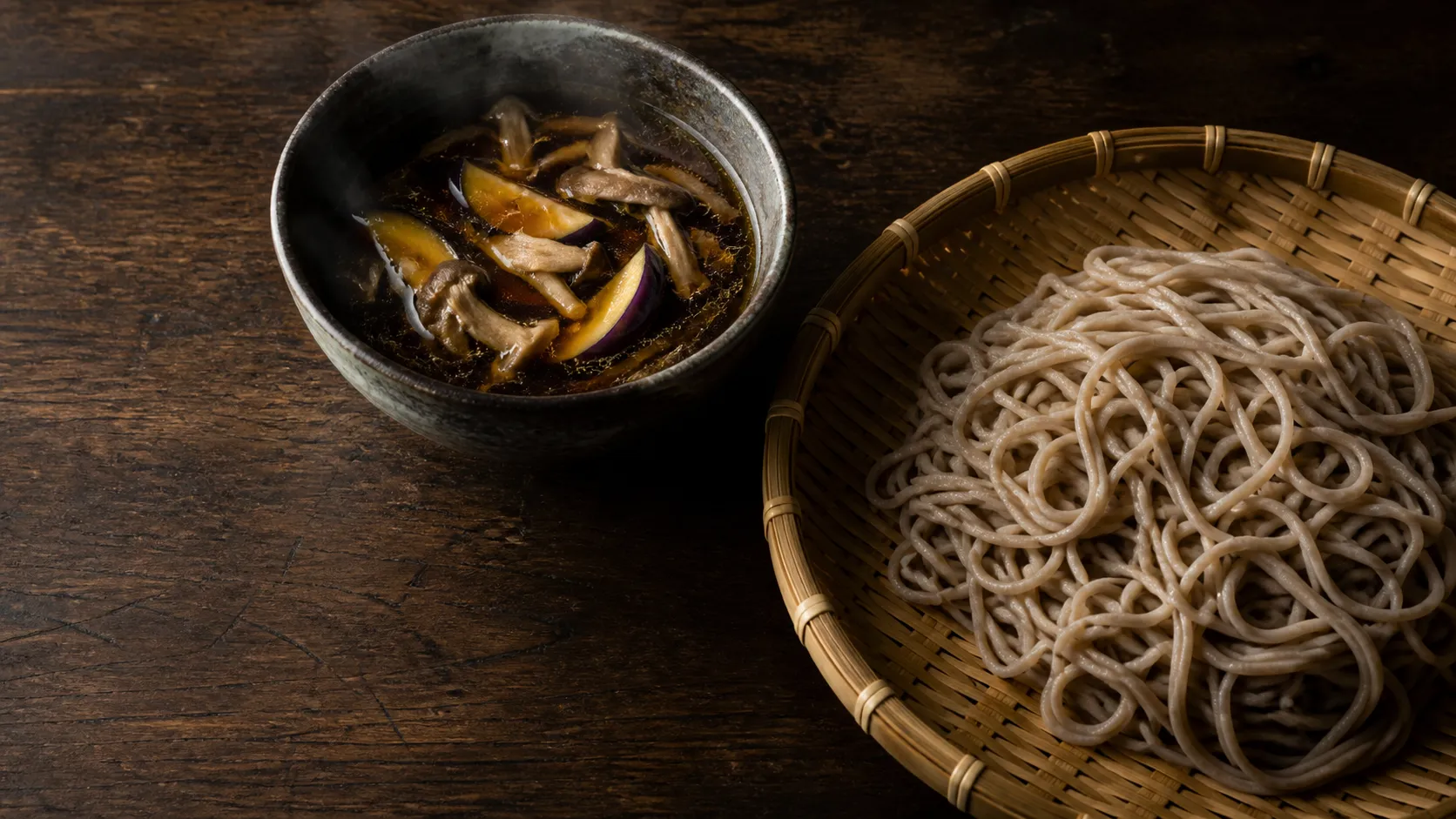
I want to be honest with you about the mushroom, because everyone else in Tochigi is going to be weird about it and I'd rather you hear this from me: it's chewy. Slightly gritty. If you ate it plain you would probably ask what the problem was.
Share this dish


The mushroom itself is chewy and honestly a bit gritty. Nobody in Tochigi cares. They want what it leaks into the broth, and after one dip I understood the whole obsession.
🍜 Planning a food trip to Tochigi?Add this dish to my Food Trip →
 Add this dish to my Food Trip →
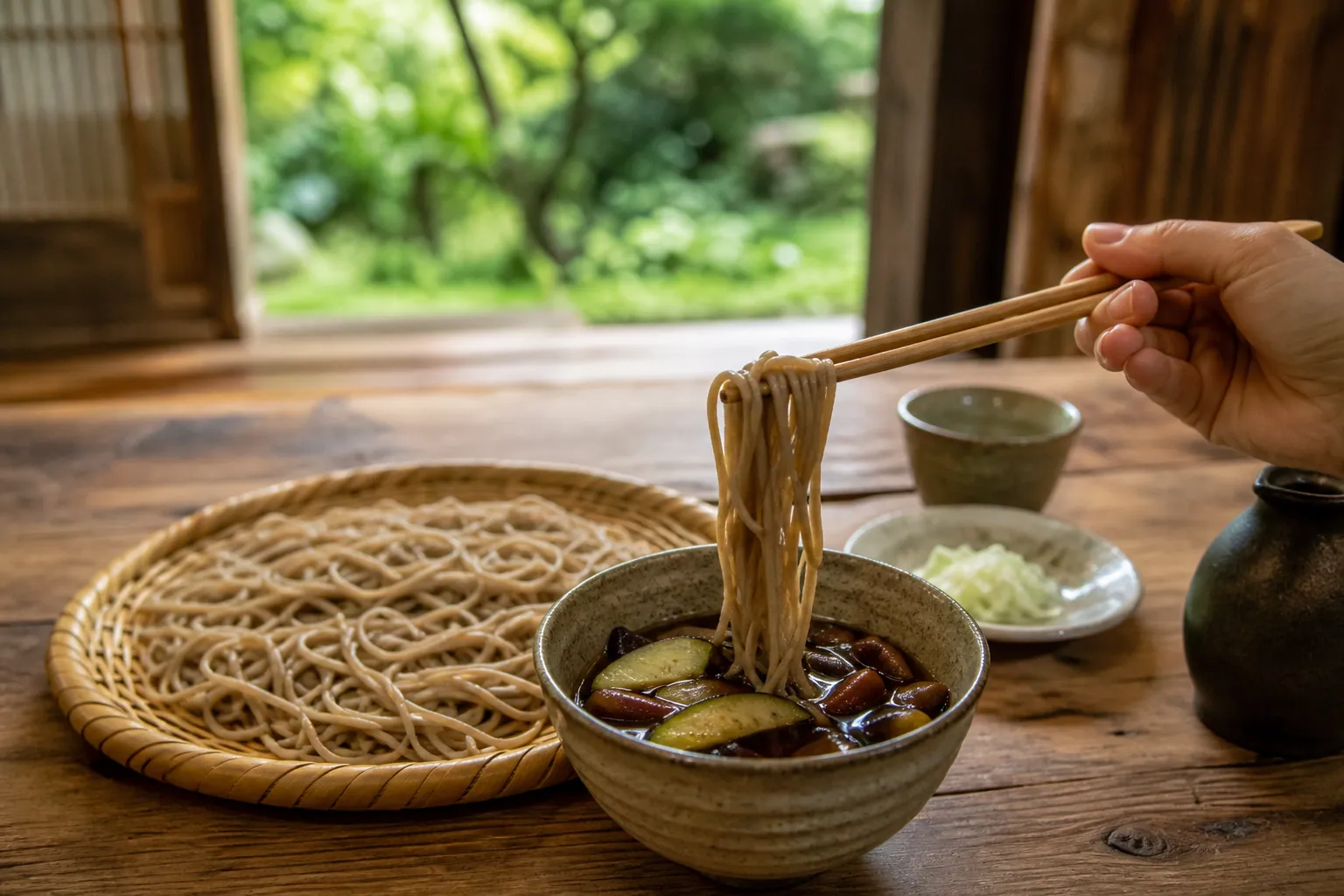
And then you dip the cold soba into that broth — brown, cloudy, glossy with sesame oil, eggplant gone soft and purple-black in it — and something happens that I have genuinely never gotten from another mushroom. Deep. Savory. Almost meaty, almost dairy-sweet, with an oiliness that coats the noodles and refuses to let go. I sat there dipping and not talking. My friend from Utsunomiya watched my face and said nothing, which is somehow the smuggest thing a person can do.
Chitake soba is chilled buckwheat noodles served with a hot dipping broth built from chitake — a wild summer mushroom that leaks white milk when you break it — fried down with eggplant in sesame oil. The mushroom isn't the texture. The mushroom is the flavor engine. Tochigi worked this out and then lost its collective mind over it for about a hundred years.
An entire prefecture with one mushroom problem
Here's the part that gets me. Chitake grows in a lot of Japan. Most of Japan has decided it's fine — unremarkable, a bit tough, not worth the walk. Tochigi looked at the exact same mushroom and went completely feral for it.
Come July, people in Tochigi go into the hills before dawn to hunt these things. Prices at local markets climb to levels that make no sense for a wild mushroom nobody outside the prefecture wants. Families have secret spots they will not disclose to in-laws. There have been genuine problems with Tochigi foragers wandering across prefectural lines into other people's forests, which is a sentence I'd like you to sit with for a moment. This is not a marketing campaign. This is a regional compulsion.
And the reason is that chitake is bad at being eaten and spectacular at being extracted. Fry it in oil and it releases an intensity of umami that behaves less like a mushroom and more like a stock made from something with bones. Tochigi figured out that the mushroom's job is to give everything away, and built a dish around collecting what falls out.
I find this deeply funny and deeply admirable in equal measure. An entire prefecture's summer identity resting on an ingredient whose main virtue is that it's willing to disappear into a broth.
Why the broth is the whole point
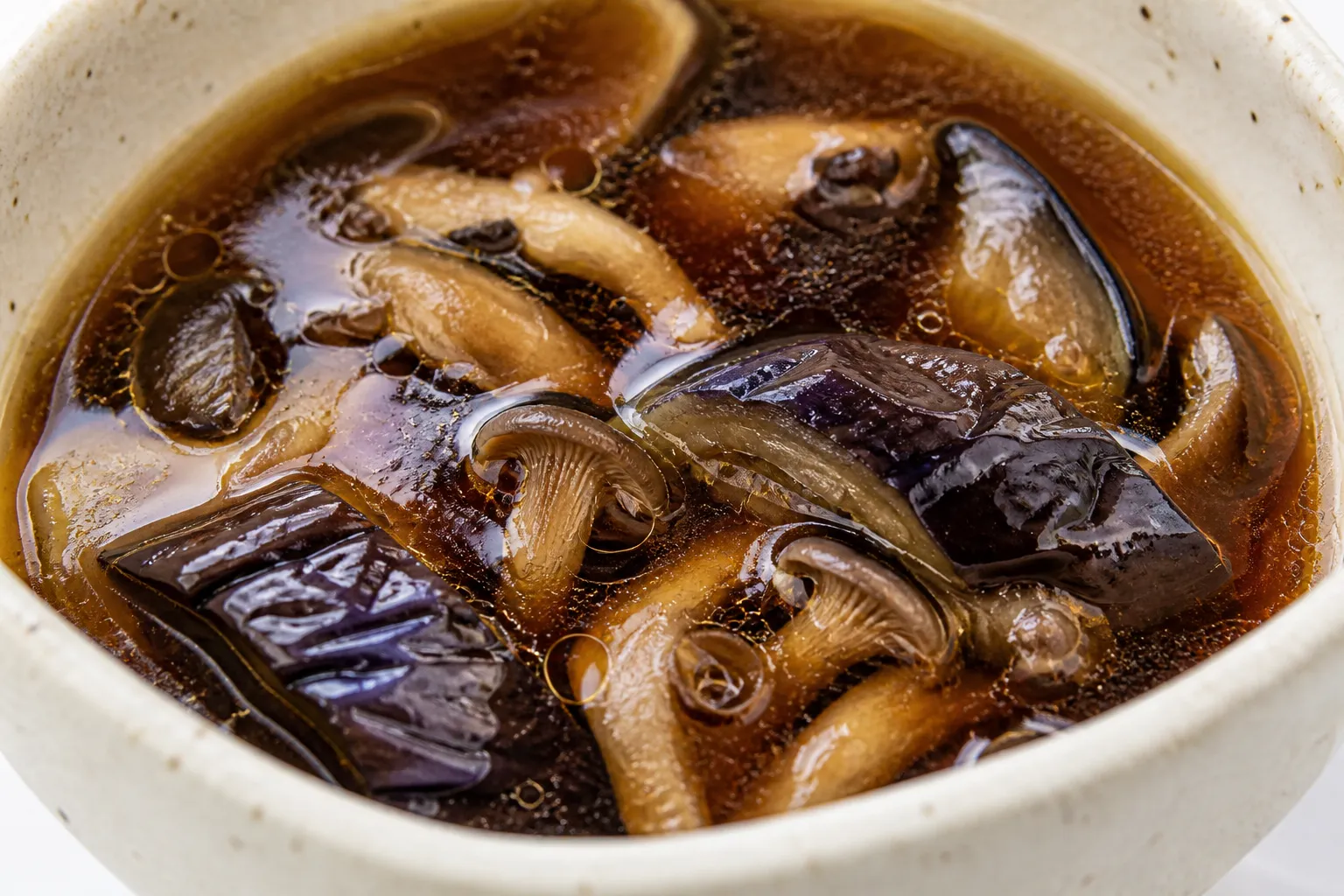
Look at the surface of the broth and you'll see beads of sesame oil sitting on top, which tells you most of what you need to know. This isn't the clean, austere, faintly sweet dipping tsuyu you get with regular zaru soba. It's murky. It's rich. It leaves a film on your lips.
The eggplant is doing quiet, essential work in there. Fried in oil it goes silky and slightly collapsed, and it acts like a sponge for everything the mushroom released, so every few dips you get a piece that's basically a soft parcel of concentrated broth. Eggplant and chitake come into season at the same moment, which is either a lovely coincidence or evidence that Tochigi farmers have been quietly running the universe.
And against all of that heaviness: cold, firm, faintly nutty soba. That contrast is the design. Hot oily broth, cold clean noodles, over and over, until you're a little bit warm and a little bit stunned.
The mushroom pieces themselves? Chew them. They're not the reward, they're the receipt.
How it comes together
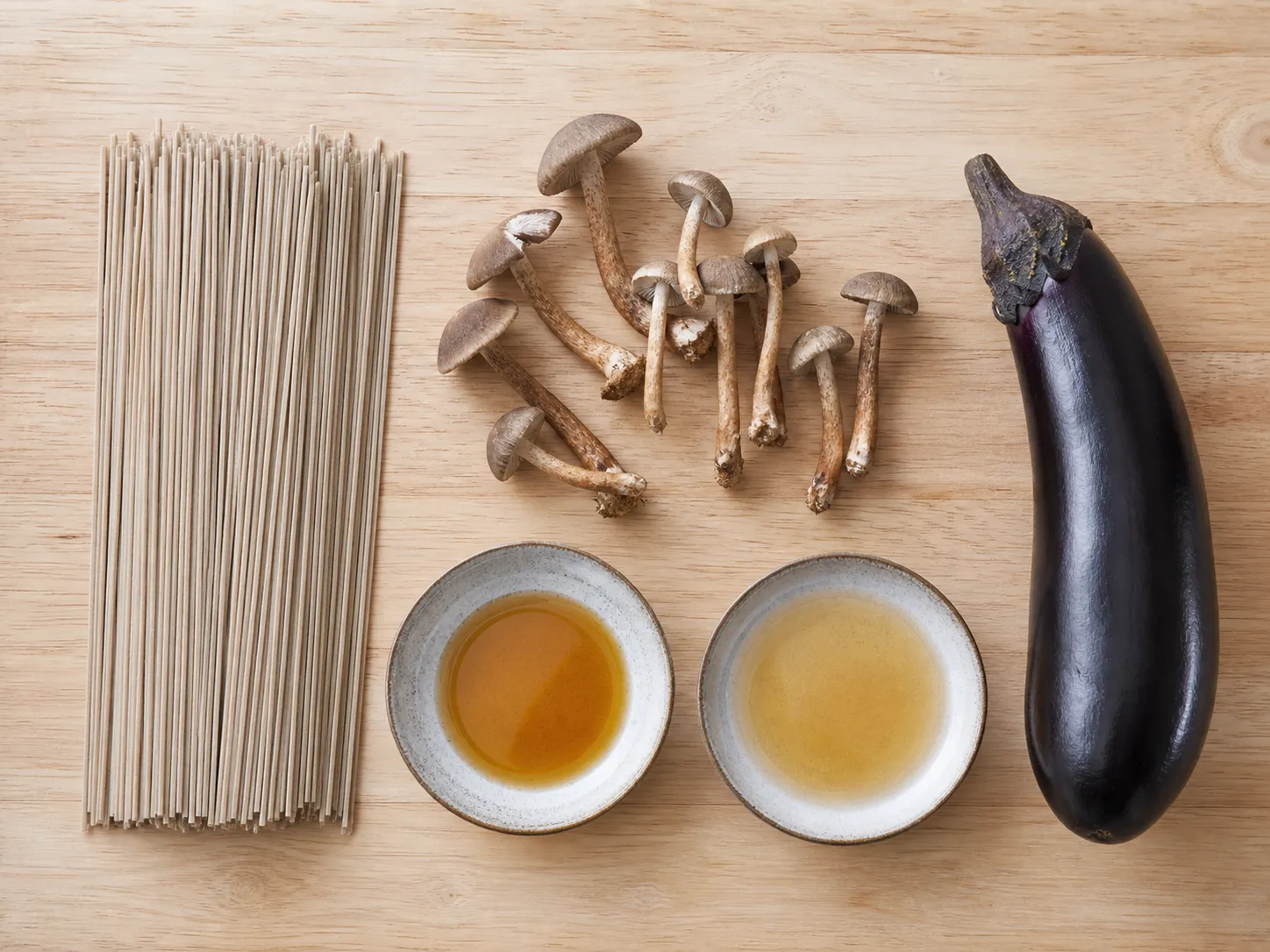
- Clean the chitake carefully — they grow in leaf litter and hold onto it stubbornly
- Tear (don't slice) the mushrooms so they release more of themselves, and cut eggplant into thick pieces
- Fry both in a generous amount of sesame oil until the eggplant softens and the pan smells like something died happily
- Add dashi and season with soy and mirin, then simmer so the broth pulls everything out of the mushrooms
- Boil and chill the soba, serve on a zaru, and bring the broth out hot in a separate bowl
Step 3 is not the step to be restrained about. The oil isn't a cooking medium here, it's an ingredient — it's what carries the mushroom's flavor into the broth and then onto your noodles. A cautious, low-oil version of this dish is a sad, thin thing, and Tochigi will know.
Before you go — the stuff that actually matters
Your questions, answered honestly
"When can I actually eat this?" — Roughly July through August, and that's the honest answer. Chitake is wild, seasonal, and not farmed. Outside summer, most shops simply don't offer it. Some places serve versions using frozen or preserved chitake into the autumn — decent, not the same. If you're in Tochigi in February, let this one go and eat Sano ramen instead.
"Why is it so expensive for a mushroom dish?" — Because nobody can grow it. Every chitake in that bowl was found by a person walking around a forest, and demand inside Tochigi vastly outstrips what the hills produce. A bowl often runs well above a normal zaru soba, and in a bad harvest year it climbs further. That's not tourist pricing — locals pay it too, and complain, and pay it again.
"Is the mushroom supposed to be tough?" — Yes. Firm, chewy, occasionally a bit gritty even when well cleaned. This is normal and not a sign of a bad shop. If you go in expecting a silky mushroom you will be disappointed by a dish that is, in fact, working perfectly.
"Hot or cold?" — The classic form is cold noodles with hot dipping broth. Some shops offer it as a hot bowl with the noodles already in the soup. Take the dipping version if it's offered — the temperature contrast is a genuine part of the pleasure.
"Can I drink the leftover broth?" — Yes, and you should. Ask for sobayu — the starchy water the soba was boiled in — and pour it into the remaining broth to thin it into a drinkable soup at the end. It's standard soba-shop practice, it's free, and skipping it wastes the best part.
"Should I go foraging for these myself?" — No. Please, no. Wild mushroom identification is a genuine hazard, some of Japan's lookalikes are seriously toxic, and local foraging spots are often on private or managed land where an outsider poking around is a real problem. Let the people with forty years of practice do it.
What the staff will ask you
| You'll hear | Romaji | Meaning | Just say |
|---|---|---|---|
| 今日はちたけ、ございます | Kyō wa chitake, gozaimasu | "We do have chitake today" | Ja, sore de (that, then, please) |
| 冷たいそばと温かいそば、どちらにしますか? | Tsumetai soba to atatakai soba, dochira ni shimasu ka? | "Cold noodles or hot?" | Tsumetai de (cold, please) |
| 大盛りにしますか? | Ōmori ni shimasu ka? | "Large portion?" | Futsū de (regular, please) |
| そば湯はいかがですか? | Sobayu wa ikaga desu ka? | "Would you like the soba broth water?" | Hai, onegaishimasu (yes, please) |
| 本日は売り切れました | Honjitsu wa urikiremashita | "We've sold out for today" | Wakarimashita (understood) |
To order, just say "Chitake soba kudasai" (ちたけそばください) — "Chitake soba, please."
Where to eat it
- Soba restaurants around Nikko and Kanuma — this stretch of northern Tochigi is soba country to begin with, and in summer chitake shows up on handwritten signs outside the door rather than on the printed menu.
- Old-style soba shops in and around Utsunomiya — easy to combine with the city's famous gyoza, and a good place to find the dish without driving into the hills.
- Roadside stations (michi no eki) across northern Tochigi in midsummer — often the most reliable summer option, and sometimes where the fresh mushrooms themselves are sold.
This is a wild-ingredient dish, so availability moves with the weather and the harvest — shops sell out, some years are thin, and a sign saying they have it today means nothing about tomorrow. Call ahead if you're making a special trip, and accept that "we'll see" is a legitimate answer.
Soul Score
Local Roots5/5
First-Timer Friendly3/5
Adventure Level4/5
Comfort Level4/5
Travel Worthy4/5
These scores are one obsessed eater's gut feeling — not a verdict. A low number isn't a bad mark, just a different kind of adventure.
Know someone planning Japan?
← All Articles
Local Food · Tochigi
Still hungry?
Eat more from Tochigi
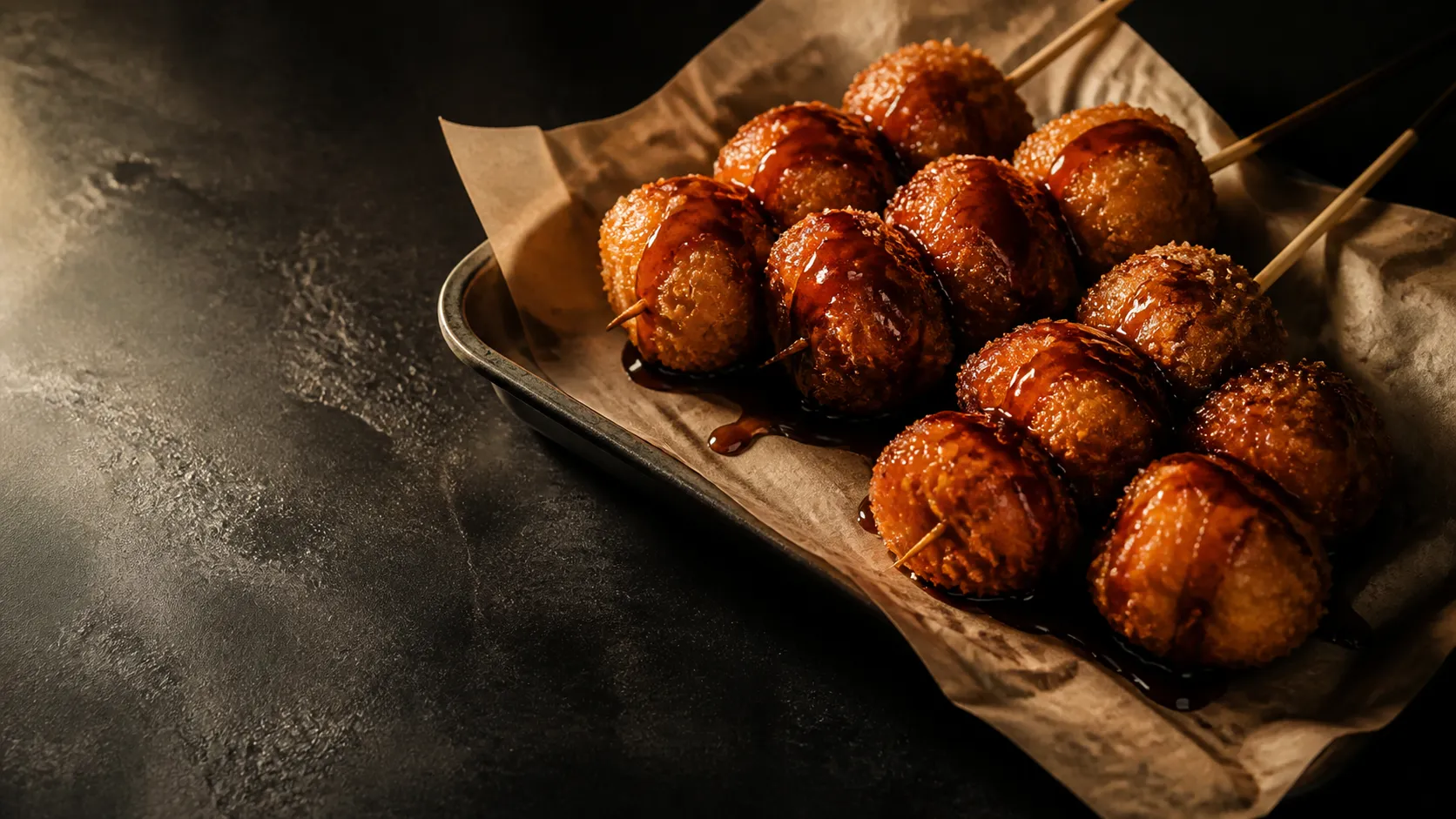
Local FoodSano, Tochigi
Imo-furai (いもフライ)
A hundred yen. One skewer. Potato, panko, and a slap of dark sauce — and I stood on the street eating four of them like I had somewhere to be and had decided not to go.
September 2, 2026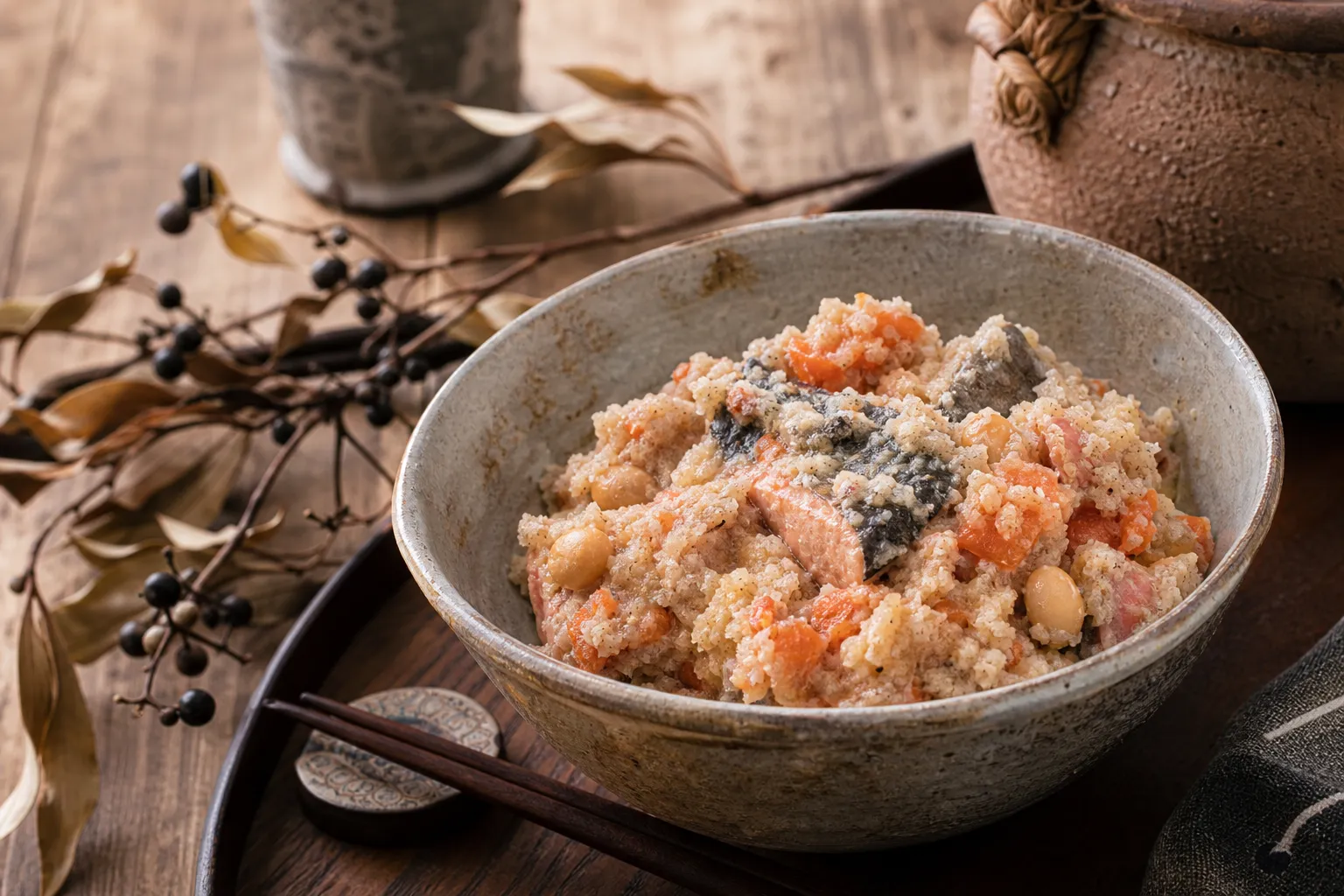
Local FoodTochigi
Shimotsukare (しもつかれ)
Grated daikon, soybeans, a salmon head and sake lees, simmered into a pinkish-grey rustic mess that Tochigi grandmothers swear by — the most polarizing bowl in Japan, and I ate the whole thing.
July 12, 2026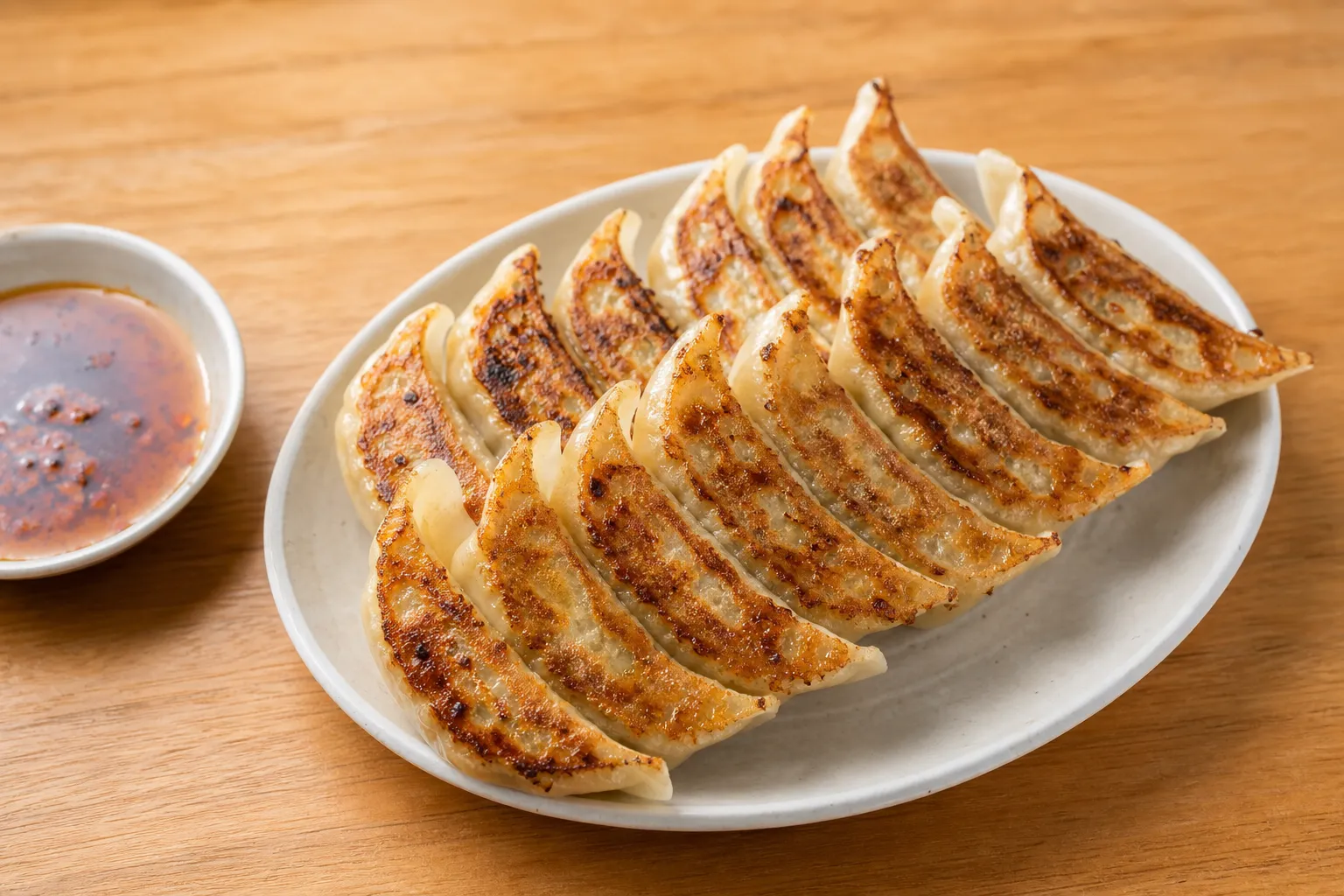
Local FoodUtsunomiya, Tochigi
Utsunomiya Gyoza (宇都宮餃子)
A whole plate of pan-fried dumplings with lacquered, crackle-crisp bottoms — in the city that eats more gyoza than anywhere else in Japan and has zero shame about it.
July 12, 2026