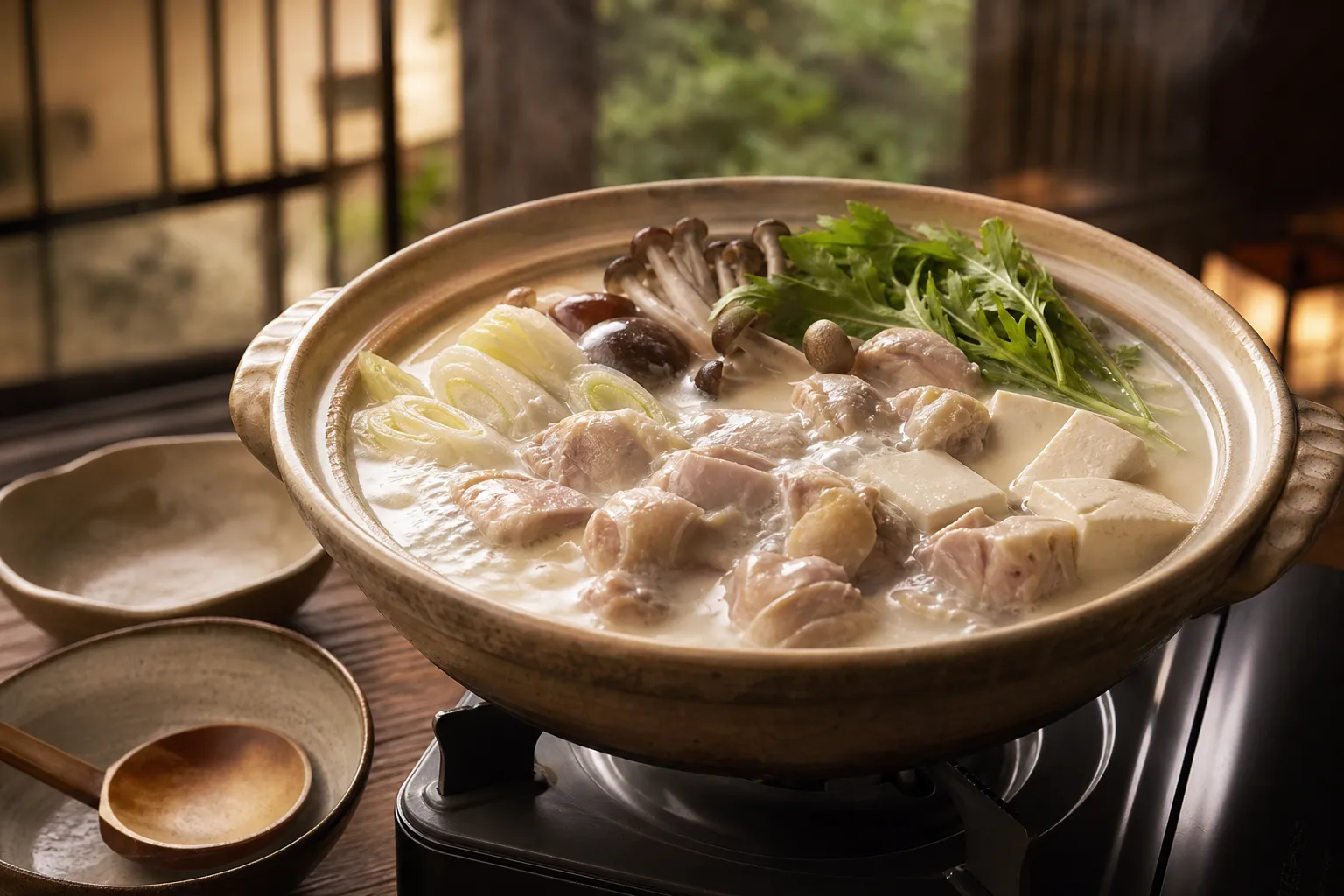
Milk. In the hot pot. I hesitated — I'll admit it — hovering my chopsticks over this pale, creamy, gently steaming broth thinking is this going to be weird? And then I tasted it and every doubt just dissolved into the warmest, mildest, most quietly comforting mouthful of chicken soup I've had in years. The milk doesn't make it taste like a milkshake, thank goodness; it rounds the dashi off, softens every edge, wraps the chicken and tofu and vegetables in something mellow and creamy and soothing. I sat there in Asuka, cold outside, bowl warming my hands, and felt about a thousand years of history go quiet and kind.
Share this dish


A chicken hot pot simmered in milk-enriched dashi until the broth turns creamy and white — a mild, warming nabe from Nara's ancient Asuka region that tastes like a 1,300-year-old dairy experiment finally paying off.
🍜 Planning a food trip to Nara?Add this dish to my Food Trip →
 Add this dish to my Food Trip →
Here's what it is: Asuka-nabe (飛鳥鍋) is a chicken hot pot cooked in a milk-enriched dashi broth — chicken, tofu and seasonal vegetables simmered until the liquid turns creamy and pale white, mild and warming. It is not a clear-broth chicken nabe, and it is not a Western cream stew — it's a Japanese hot pot where milk meets dashi, a combination that sounds unlikely and tastes like it was always meant to be. And it comes from Asuka, in Nara, one of the oldest cradles of Japanese civilization.
Milk in ancient Nara
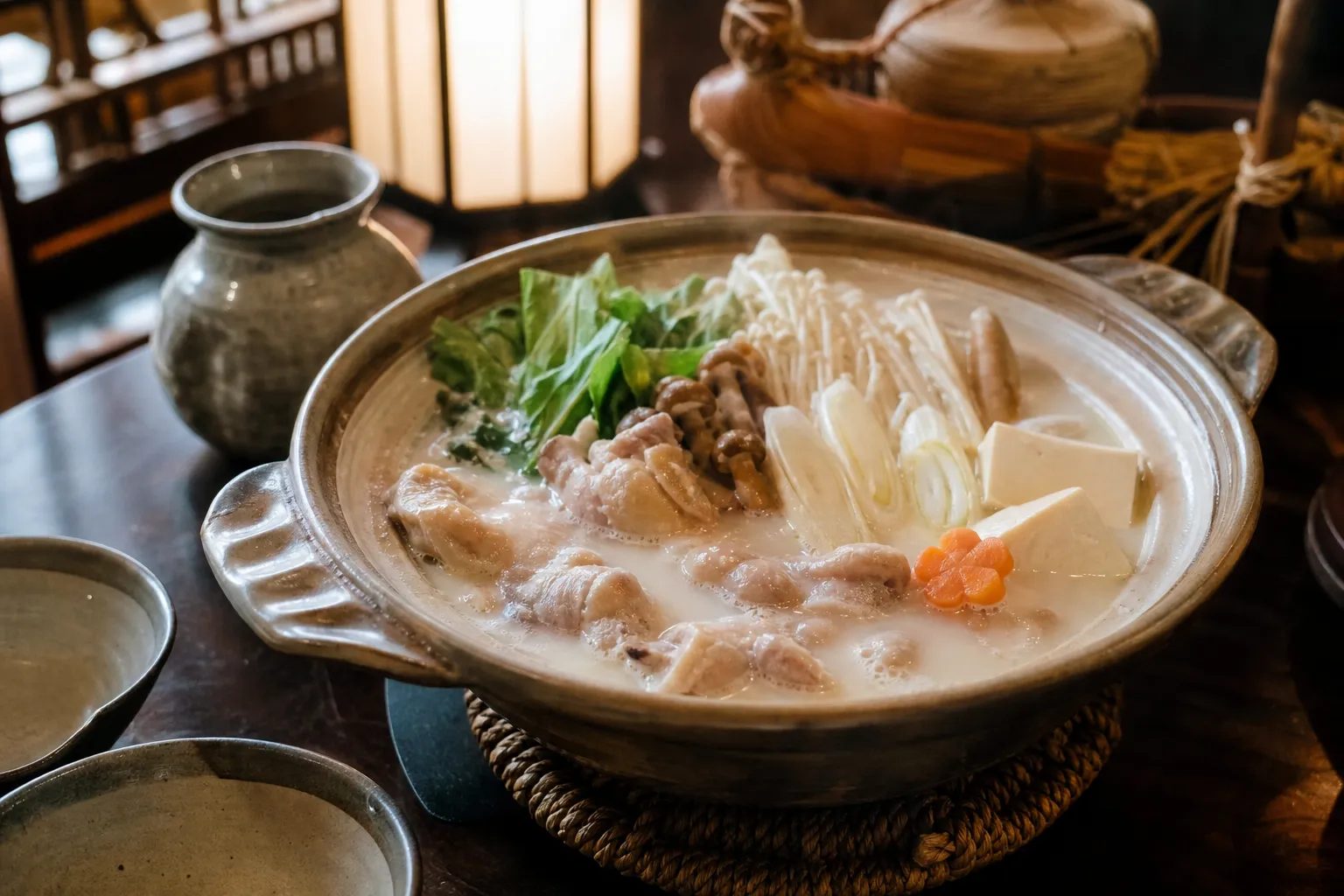
Here's the part that got me: this isn't some modern fusion fad. The Asuka region — the seat of Japan's imperial court in the 6th and 7th centuries — is tied to some of the earliest dairy in the country's history, when milk and an ancient concentrated-milk product called so were prized at court, reportedly introduced along with continental culture and Buddhism. The story goes that milk-simmered dishes here trace back to those ancient dairy days, and Asuka-nabe carries that thread forward: a hot pot that uses milk in an era and a place where almost nothing else in Japan did. Whether every detail is legend or record, the dish wears that deep history proudly.
I find that genuinely stirring. You're eating in Asuka, surrounded by ancient tombs and temple ruins and the literal birthplace of the Japanese state, and the local specialty is a milk hot pot that claims kinship with 1,300-year-old dairy. It could have been a gimmick. Instead it's this humble, tender, unshowy pot of chicken and vegetables that just happens to be soaked in one of the oldest food stories in Japan. Warming, mild, historic, and served most in the cold months — it's soul food with a very long memory.
What makes the eating experience different
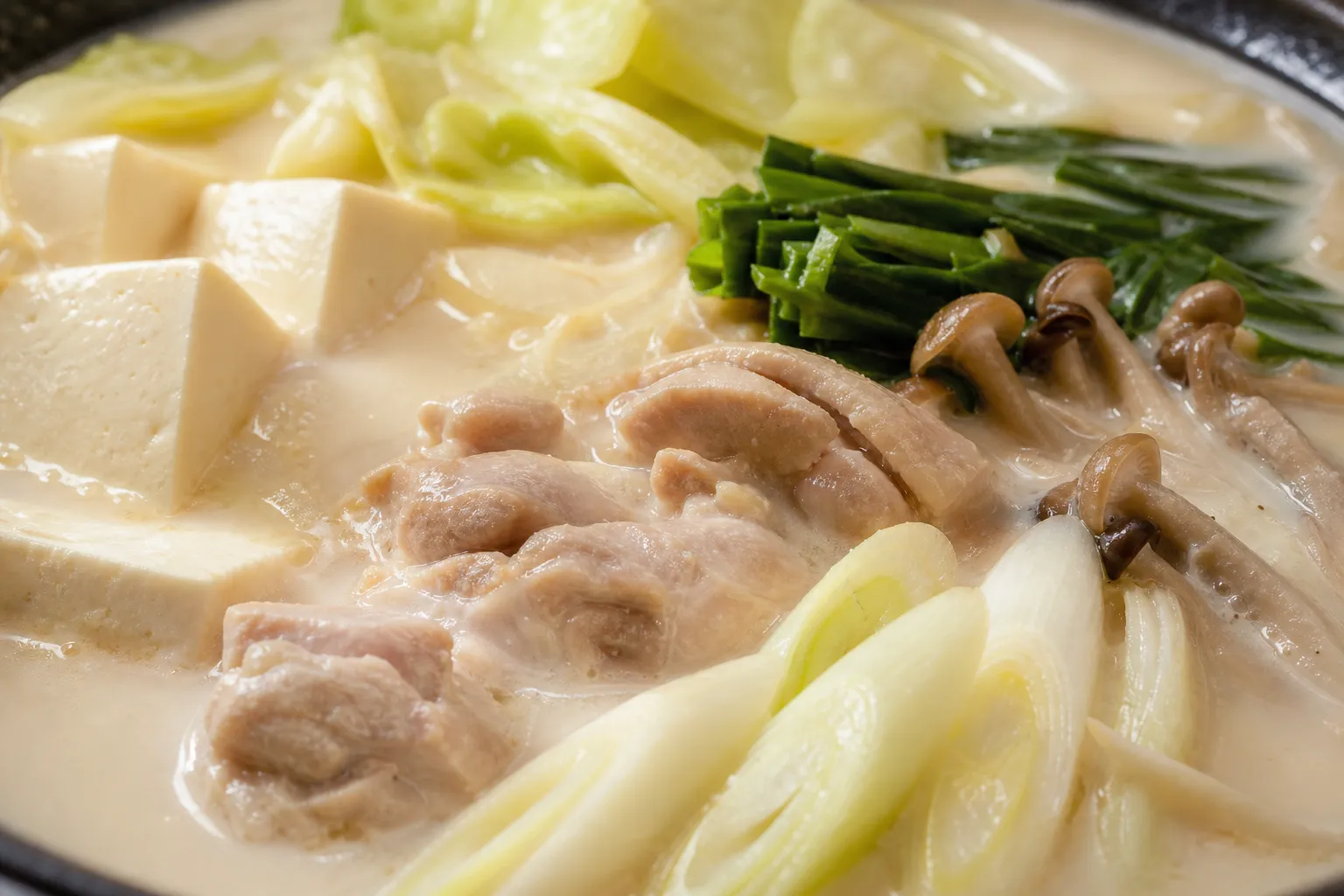
- The broth is milk-enriched dashi — creamy and pale white, but savory and Japanese underneath, not sweet and not a Western cream sauce
- It's remarkably mild and mellow — the milk rounds off the dashi and soy, so it's gentle, soothing and easy, a hot pot with almost no sharp edges
- The milk softens the chicken — the poultry, tofu and vegetables come out tender and mildly creamy rather than lean and clean
- It's cold-weather comfort at its purest — a warming, filling, low-drama pot you linger over as it simmers at the table
- The history is part of the flavor — knowing you're eating an ancient-dairy dish in the ancient capital genuinely changes how each bite lands
How it's made
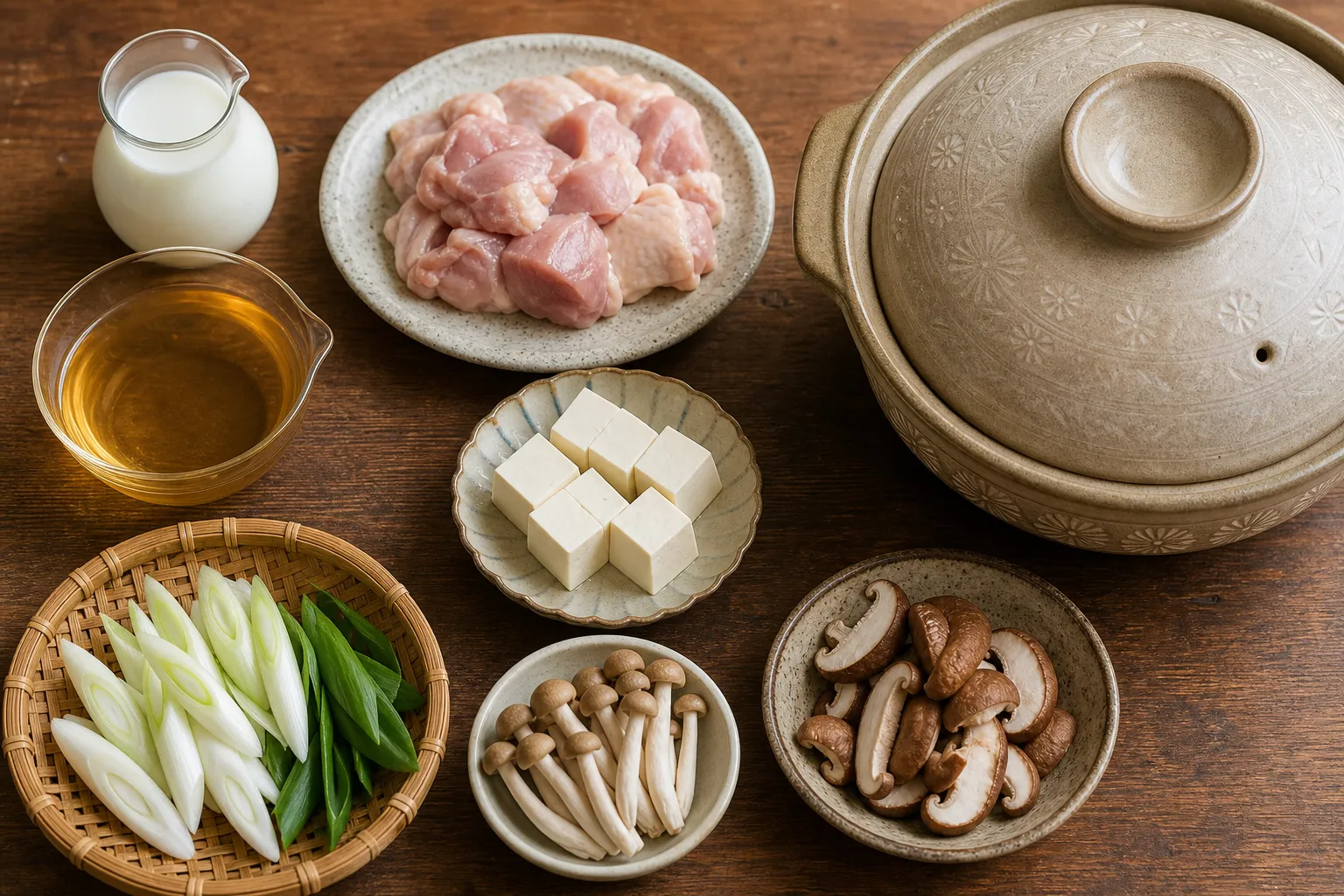
- Build a dashi base. A Japanese stock (typically kombu and/or bonito) is seasoned lightly with soy sauce, miso and/or salt.
- Add milk. Milk is stirred into the seasoned dashi to make the signature creamy, pale broth — proportions vary by cook.
- Simmer the chicken. Chicken pieces go in and cook gently in the milky broth until tender.
- Add tofu and vegetables. Tofu and seasonal vegetables (leafy greens, mushrooms, onion and the like) are added to simmer at the table.
- Serve hot from the pot. Everyone eats straight from the simmering pot, ladling broth, chicken and vegetables into their bowls as it cooks.
The one trick is keeping the milk gentle — it's simmered, not hard-boiled, so the broth stays smooth and creamy rather than splitting. Season the dashi, ease in the milk, let the chicken and vegetables take their time. That's the whole quiet art of it.
Before you go — a warm pot with an ancient story
Your questions, answered honestly
"Does it actually taste like milk?" — Not in a milkshake way, no. The milk makes the broth creamy and mild and rounds off the savory dashi, but it still reads as a Japanese chicken hot pot underneath — mellow, soothing, gently savory. Think "soft and creamy," not "sweet" or "dairy-forward."
"Is this the same as a Western cream stew?" — No. A cream stew is thick, roux-based and Western. Asuka-nabe is a dashi-based Japanese nabe that happens to include milk — much lighter, brothier, and seasoned with soy/miso rather than butter and flour. Different food entirely.
"I avoid dairy — can I eat this?" — This dish is defined by its milk, so it's not for you if you strictly avoid dairy. Recipes and add-ins also vary by kitchen, so if you have a milk allergy or intolerance, ask about the ingredients before ordering rather than assuming.
"When and where do people eat it?" — It's a cold-weather dish, most common in the cooler months, and it's a Nara / Asuka regional specialty served at local inns and restaurants there. It's a sit-down, simmer-at-the-table meal, not street food.
What the staff will ask you
| You'll hear | Romaji | Meaning | Just say |
|---|---|---|---|
| 何名様ですか? | Nan-mei-sama desu ka? | "How many people?" | Futari desu (two of us) |
| 締めはうどんとご飯、どちらにしますか? | Shime wa udon to gohan, dochira ni shimasu ka? | "To finish, udon or rice in the broth?" | Udon de (udon, please) |
| お飲み物はいかがですか? | Onomimono wa ikaga desu ka? | "Anything to drink?" | Ocha o kudasai (green tea, please) |
To order, just say "Asuka-nabe o kudasai" (飛鳥鍋をください) — "Asuka-nabe, please."
Where to eat it
- The Asuka (Asuka-mura) area of Nara — the dish's home; local inns (ryokan) and restaurants around the Asuka historical district serve it, especially in the colder season and often as part of a set meal.
- Around Nara Prefecture — as a regional specialty, it appears on menus at Nara-area restaurants and inns that highlight local cuisine; it pairs naturally with a day among Asuka's ancient sites.
- Seasonal and reservation-based spots — because it's a warm-pot dish, some places serve it mainly in winter or by advance booking; call or check ahead so you don't arrive out of season.
Asuka-nabe is a sit-down hot pot most common in the cold months and sometimes served by reservation — availability, seasons and set-meal contents vary by restaurant, so check before you go.
Soul Score
Local Roots5/5
First-Timer Friendly4/5
Adventure Level4/5
Comfort Level5/5
Travel Worthy4/5
These scores are one obsessed eater's gut feeling — not a verdict. A low number isn't a bad mark, just a different kind of adventure.
Know someone planning Japan?
← All Articles
Local Food · Asuka, Nara
Still hungry?
Eat more from Nara
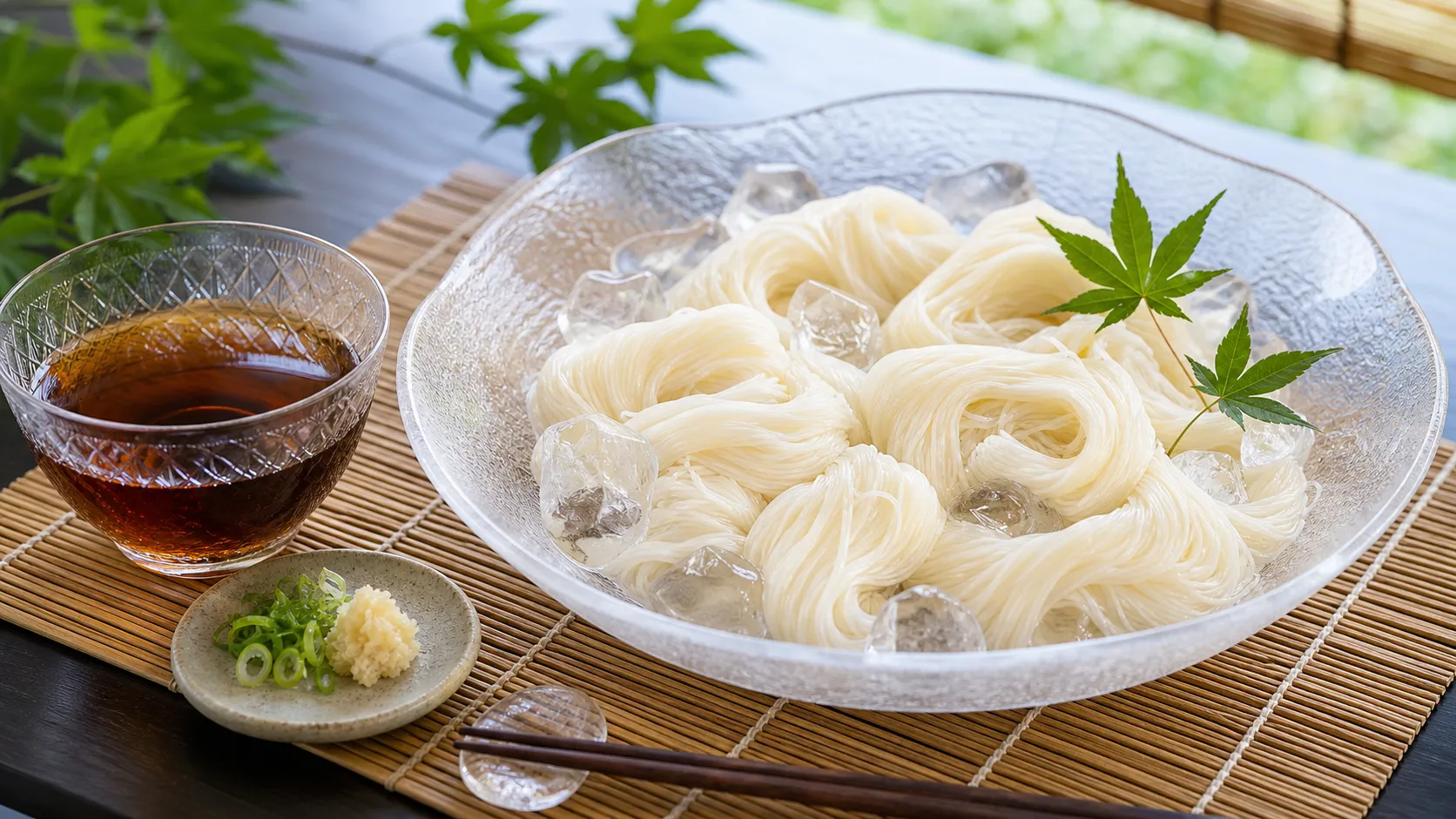
Local FoodMiwa, Nara
Miwa Somen (三輪そうめん)
Threads of wheat so fine they barely register — then they hit the tsuyu and vanish, cool and silky, in a single slurp. Nara's Miwa is where somen was born, and it shows.
July 12, 2026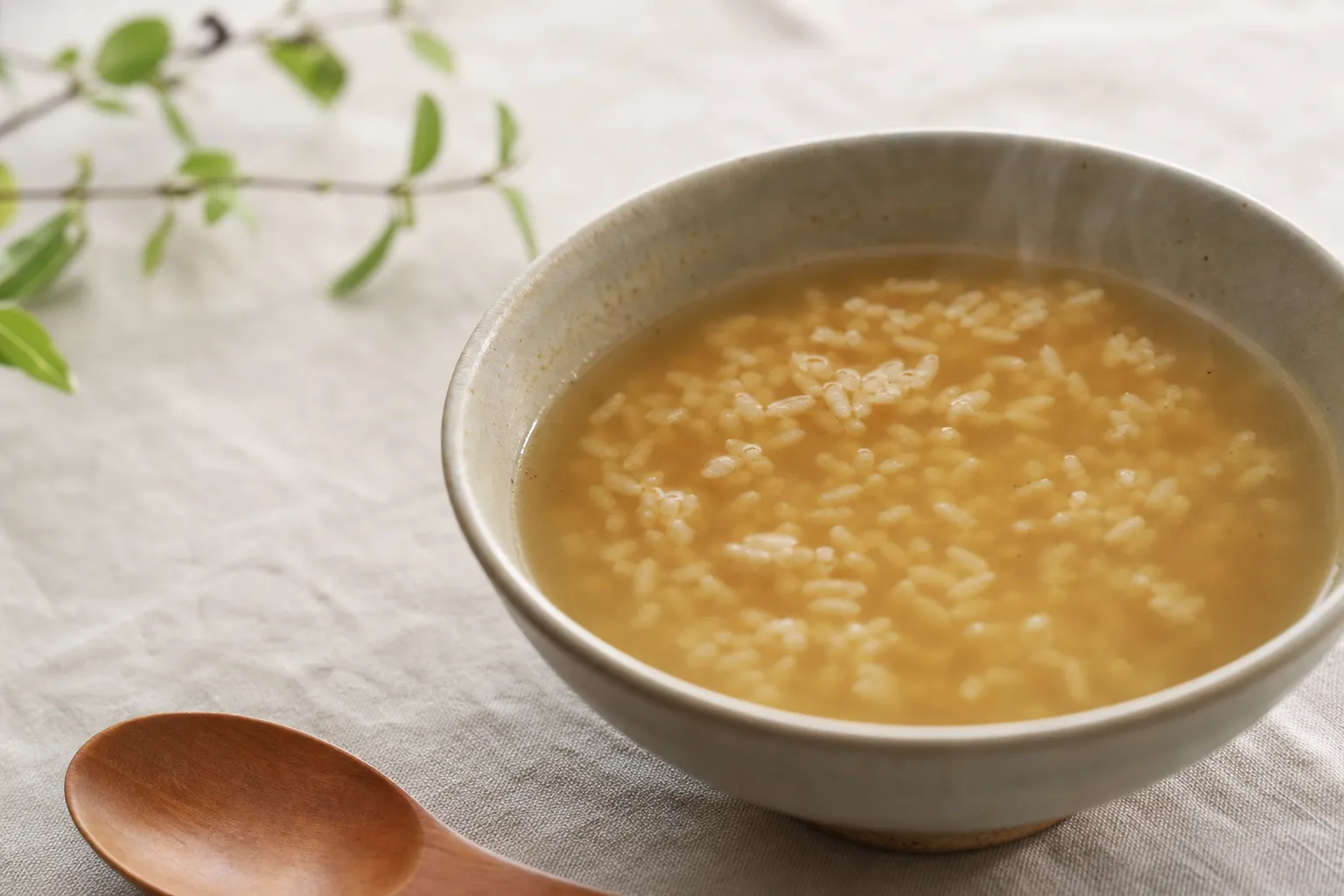
Local FoodNara
Chagayu (茶がゆ)
A thin, tea-colored rice porridge so gentle it almost isn't there — Nara has started its mornings with this whisper of a breakfast for over a thousand years.
July 5, 2026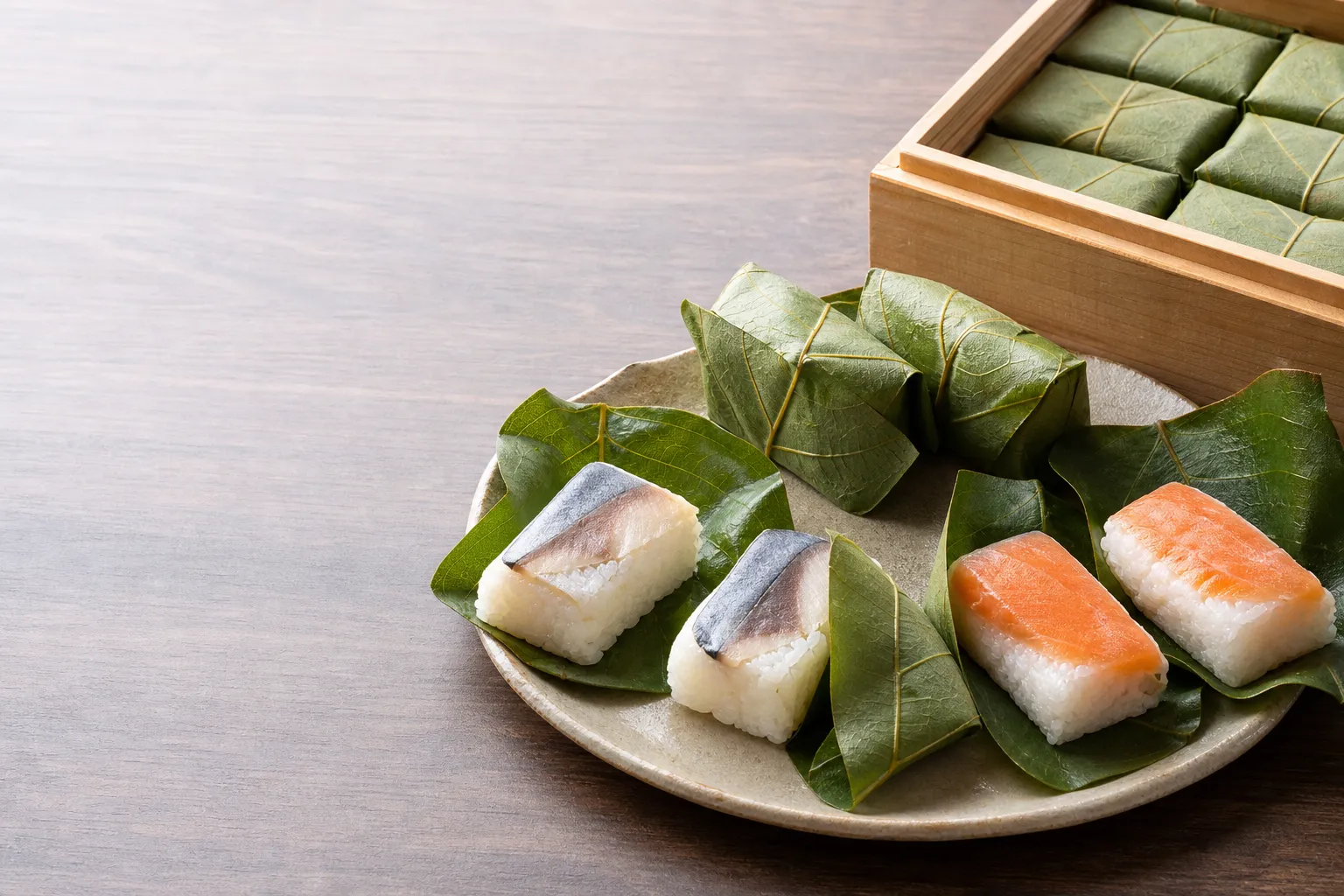
Local FoodNara
Kakinoha-zushi (柿の葉寿司)
Pressed sushi wrapped in a persimmon leaf and left to mellow — mountain food from landlocked Nara, where salted mackerel learned to travel. Unwrap it like a tiny present.
July 1, 2026