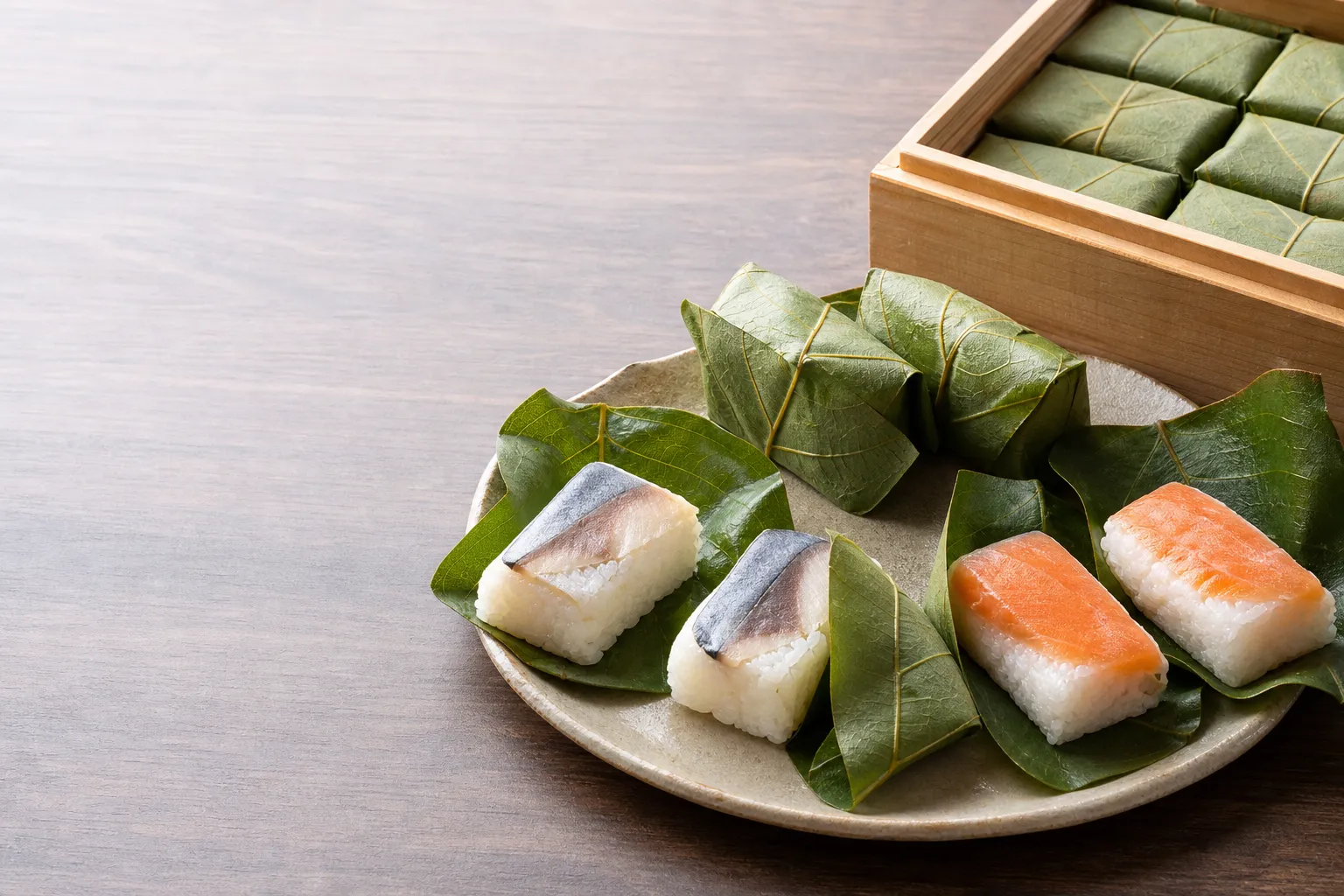
There's a small, specific joy in unwrapping one of these. A neat green leaf-wrapped parcel, slightly waxy, tied up like the world's tiniest present — and inside, a perfect block of vinegared rice topped with glossy mackerel, faintly perfumed by the leaf it's been resting in. I sat on a bench in Nara unwrapping one after another, and somewhere around the third I realized I was grinning at a piece of sushi.
Share this dish


Pressed sushi wrapped in a persimmon leaf and left to mellow — mountain food from landlocked Nara, where salted mackerel learned to travel. Unwrap it like a tiny present.
🍜 Planning a food trip to Nara?Add this dish to my Food Trip →
 Add this dish to my Food Trip →
This is kakinoha-zushi (柿の葉寿司), the pride of landlocked Nara: pressed sushi where a slice of cured mackerel (saba) or salmon sits on vinegared rice, and each piece is wrapped in a persimmon leaf (kakinoha) and left to settle. The leaf isn't decoration — it's preservation and perfume, a clever old solution from the mountains that happens to taste wonderful. You don't eat the leaf. You unwrap it, and that's half the pleasure.
Mountain sushi from a sea-less place
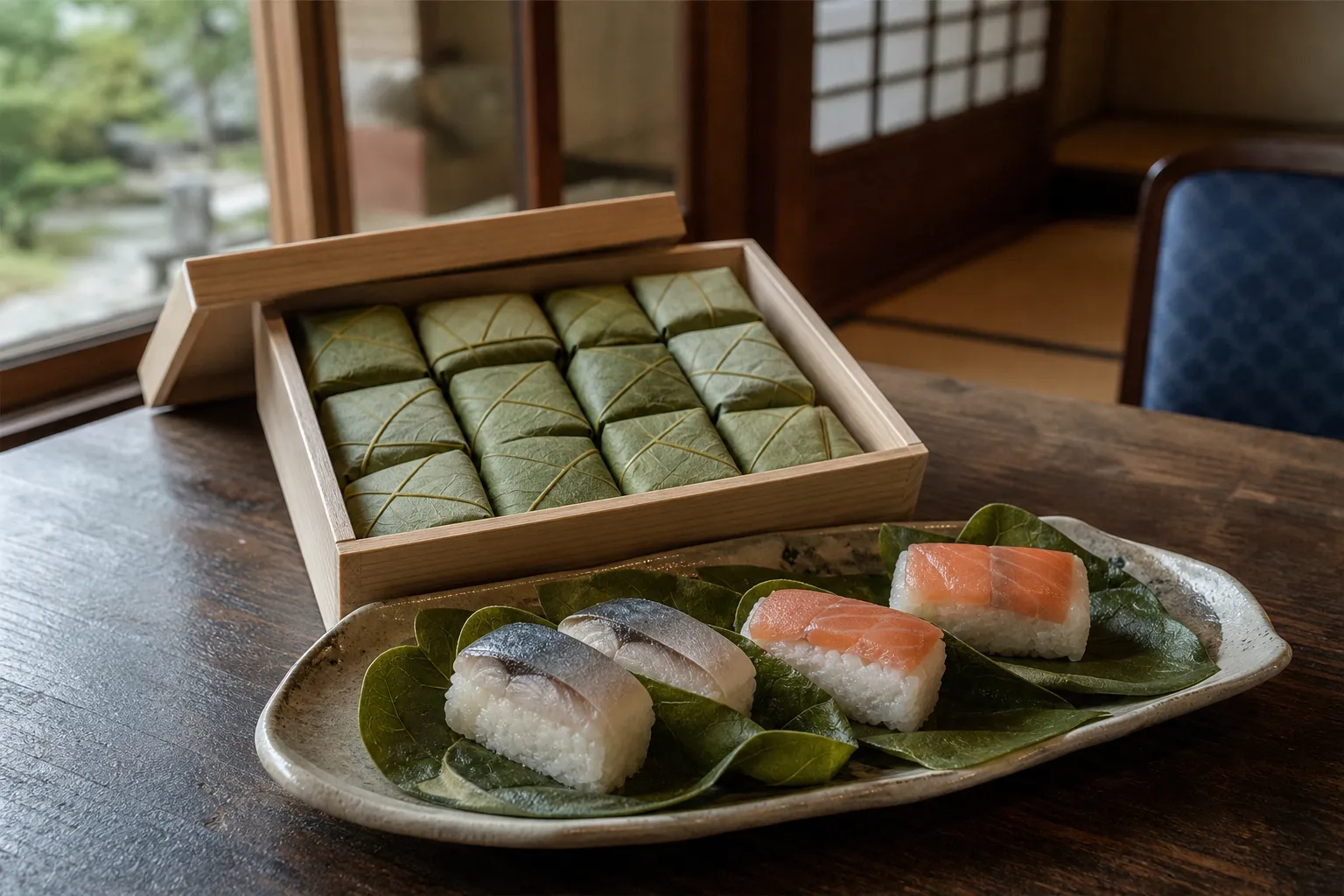
Nara has no coastline, which makes "famous local sushi" sound like a contradiction — until you hear the story. Salted mackerel was carried up over the mountains from the sea, and by the time it arrived it was firmly cured; wrapping each piece in a persimmon leaf (which has natural antibacterial qualities) and pressing it kept the sushi good for days. Necessity, basically, that turned into a delicacy.
I find that deeply satisfying. This is food shaped entirely by geography — no refrigeration, no nearby ocean, just smart people making the fish last and accidentally inventing something beautiful. Every parcel is a little monument to "we figured it out." I ate them thinking about all the people who'd carried that mackerel up the same mountains, which is a lot of feeling to load onto a snack, but here we are.
Why the leaf and the wait work
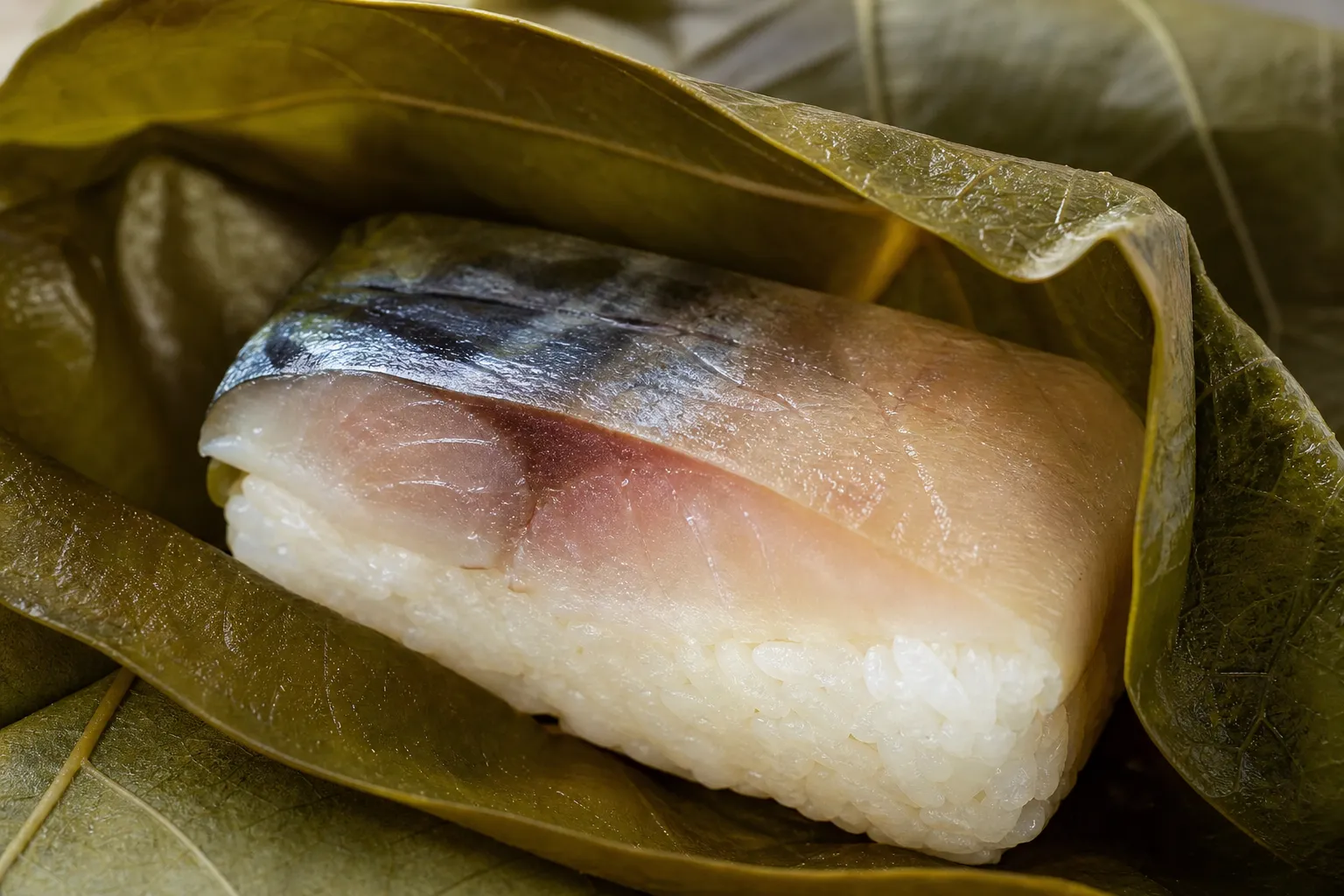
Time is an ingredient here. Because the sushi is pressed and then left to rest in its leaf, the flavors marry — the vinegared rice firms up, the cured fish mellows, and a faint, clean scent from the persimmon leaf works its way in. It's the opposite of fresh-cut nigiri's fleeting moment; this is sushi built to be even better an hour or a day later.
The fish is cured, not raw, which makes it an easy, friendly entry point if glistening raw sashimi gives you pause. The mackerel is rich and savory, the salmon softer and milder, the rice tidy and tangy. It's portable, it keeps, and it tastes like somewhere specific — which is exactly what you want from food you buy to eat on a train.
How it's made
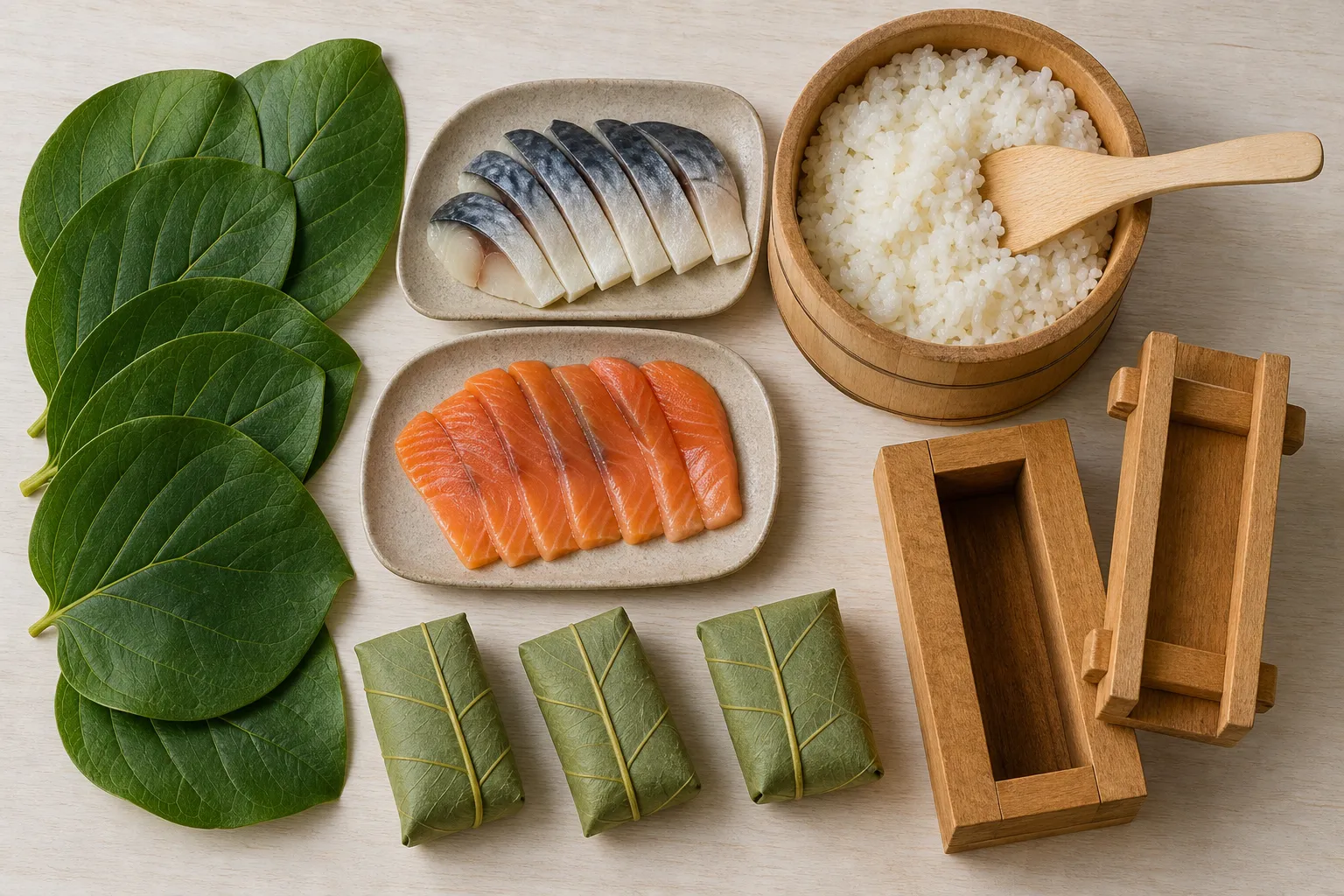
- Cure mackerel (and often salmon) in salt, then slice
- Shape vinegared rice into small firm blocks
- Lay a slice of fish over each block of rice
- Wrap every piece snugly in a persimmon leaf
- Press the wrapped pieces in a mold or box to settle them
- Let them rest so the flavors meld before eating — then unwrap and enjoy
Before you go — for the sushi-curious
Your questions, answered honestly
"Do I eat the leaf?" — No. The persimmon leaf is a wrapper and a subtle flavoring — unwrap it and eat the sushi inside. (It won't hurt you, but it's not meant to be eaten.)
"Is the fish raw?" — No — it's cured (salted). That makes kakinoha-zushi a great, low-stress choice if you're nervous about raw sushi. Mackerel is richer; salmon is milder.
"Is it spicy?" — Not at all. It's gently vinegared and savory.
"Can I keep it for later?" — Yes — it's literally designed to keep. It travels beautifully, which is why it's a classic train and souvenir food. Still, check the shop's own date on the box.
What the staff will ask you
| You'll hear | Romaji | Meaning | Just say |
|---|---|---|---|
| 鯖と鮭、どちらにしますか? | Saba to sake, dochira ni shimasu ka? | "Mackerel or salmon?" | Saba de (mackerel) / Sake de (salmon) |
| 何個入りにしますか? | Nan-ko iri ni shimasu ka? | "How many pieces?" | Kore o kudasai (this one), pointing |
| お持ち帰りですか? | Omochikaeri desu ka? | "Takeaway?" | Hai (yes) |
To order, just say "Kakinoha-zushi kudasai" (柿の葉寿司ください) — "Kakinoha-zushi, please."
Where to eat it
- Nara — the heartland of the style. You'll find it at specialist makers, Nara Station shops, and department-store food halls — ideal to grab before temple-hopping or as a train snack.
- Yoshino, Nara — the mountain area strongly associated with kakinoha-zushi; a scenic place to try it close to the source (and famous for cherry blossoms).
- Check before you go — boxes are made fresh and carry their own best-by dates; buy from a busy shop and note the date if you're saving it for later.
Soul Score
Local Roots5/5
First-Timer Friendly4/5
Adventure Level3/5
Comfort Level4/5
Travel Worthy4/5
These scores are one obsessed eater's gut feeling — not a verdict. A low number isn't a bad mark, just a different kind of adventure.
Know someone planning Japan?
← All Articles
Local Food · Nara
Still hungry?
Eat more from Nara
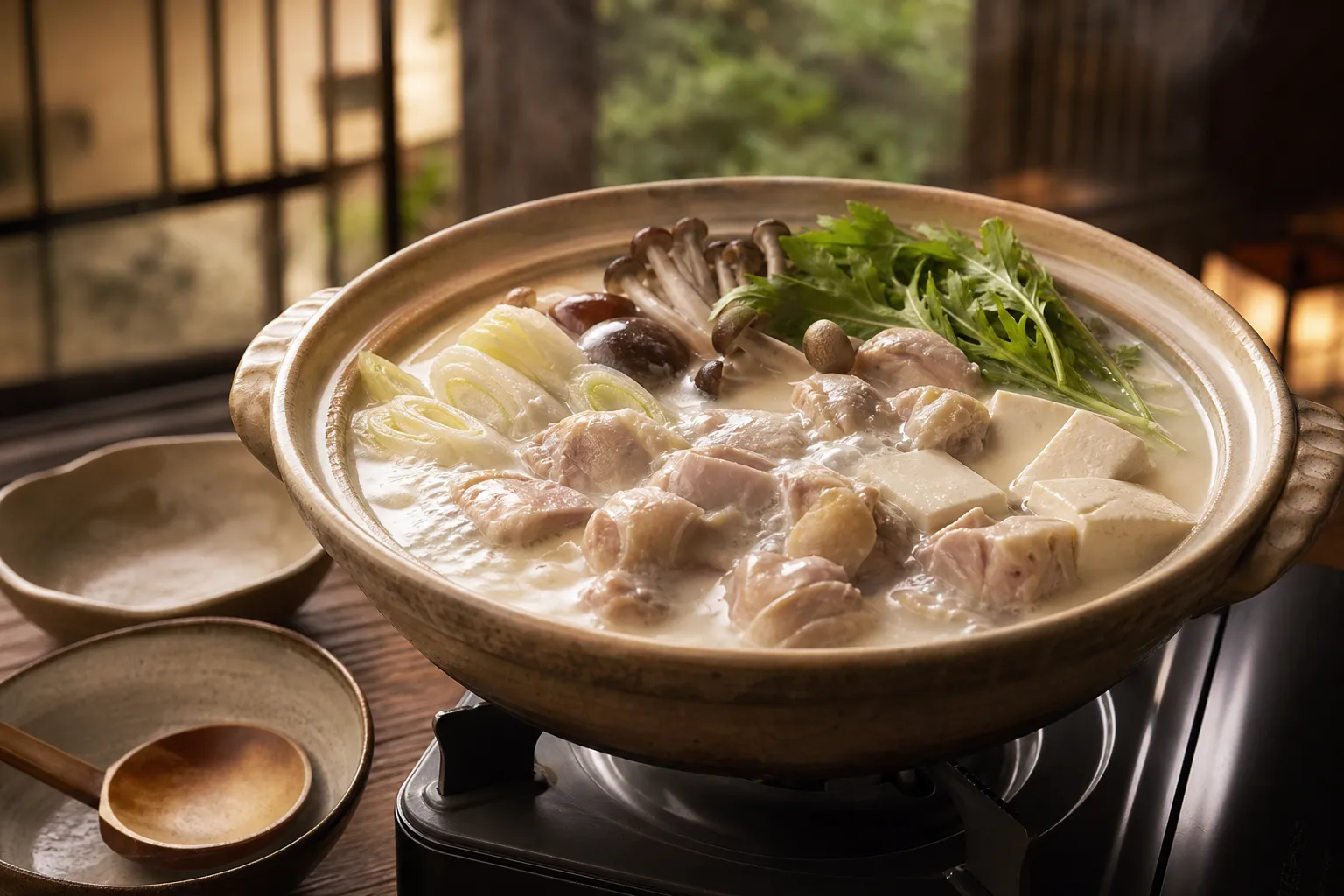
Local FoodAsuka, Nara
Asuka-nabe (飛鳥鍋)
A chicken hot pot simmered in milk-enriched dashi until the broth turns creamy and white — a mild, warming nabe from Nara's ancient Asuka region that tastes like a 1,300-year-old dairy experiment finally paying off.
July 12, 2026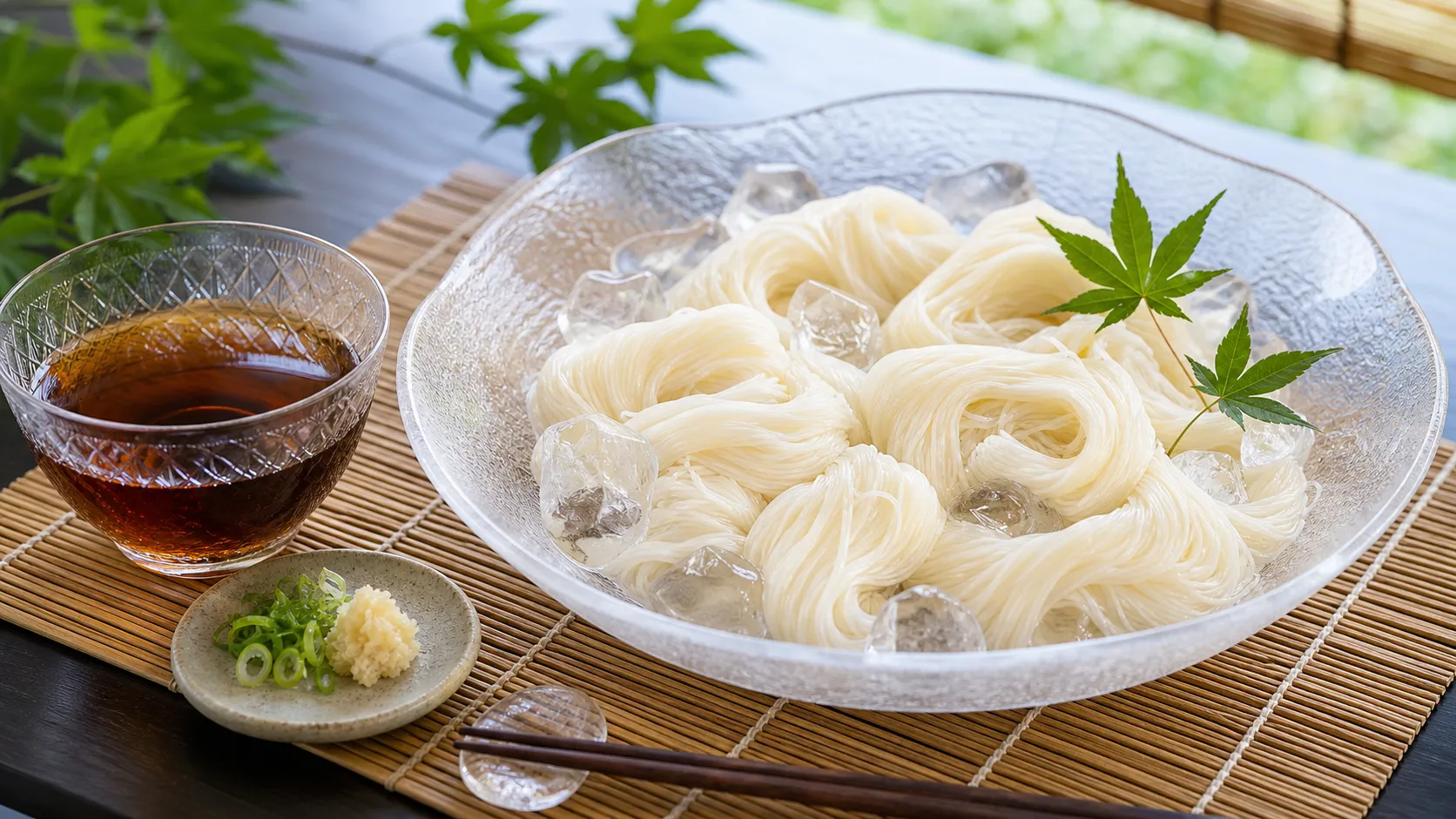
Local FoodMiwa, Nara
Miwa Somen (三輪そうめん)
Threads of wheat so fine they barely register — then they hit the tsuyu and vanish, cool and silky, in a single slurp. Nara's Miwa is where somen was born, and it shows.
July 12, 2026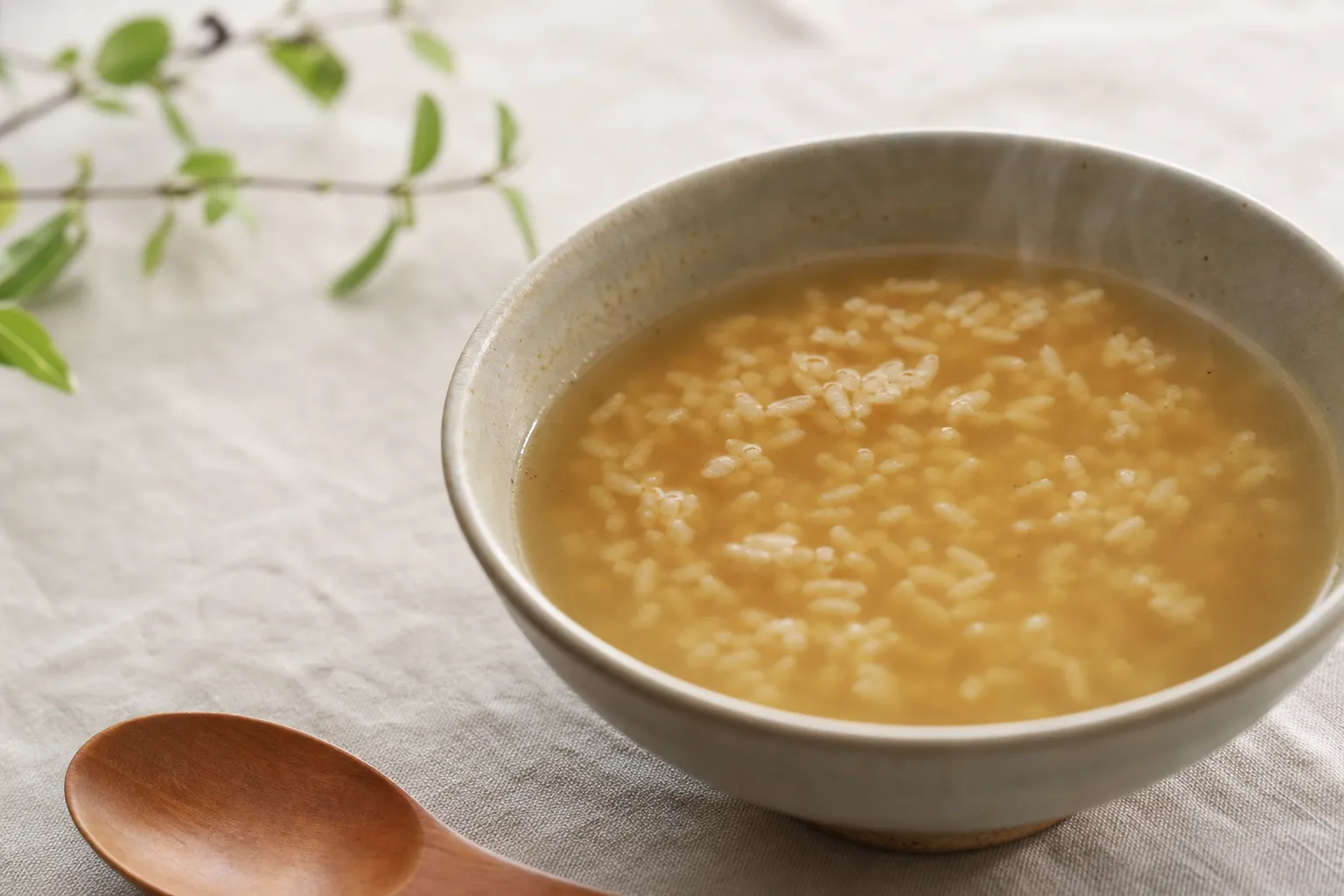
Local FoodNara
Chagayu (茶がゆ)
A thin, tea-colored rice porridge so gentle it almost isn't there — Nara has started its mornings with this whisper of a breakfast for over a thousand years.
July 5, 2026