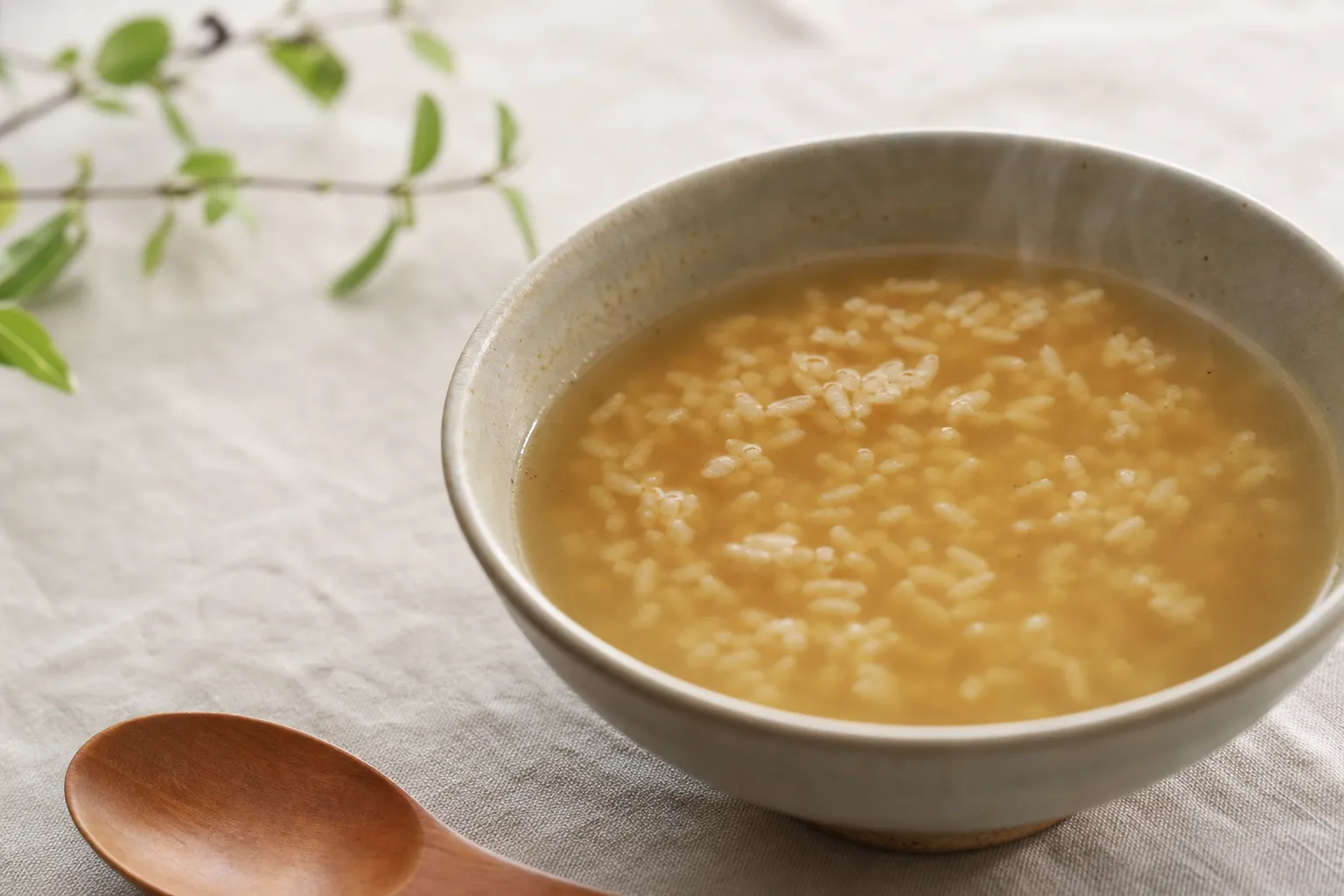
The first spoonful barely registered — light, warm, faintly toasty, more tea than food, the rice grains loose and soft and swimming in a pale brown broth. And then something quiet happened. My shoulders dropped. My breathing slowed. I realized I'd been eating loud, heavy, glorious griddle food for days, and here was Nara, gently putting a hand on my shoulder and saying: slow down. I nearly teared up over a bowl of rice water. I'm not exaggerating.
Share this dish


A thin, tea-colored rice porridge so gentle it almost isn't there — Nara has started its mornings with this whisper of a breakfast for over a thousand years.
🍜 Planning a food trip to Nara?Add this dish to my Food Trip →
 Add this dish to my Food Trip →
This is chagayu (茶がゆ) — "tea porridge" — a thin, watery rice porridge cooked not in plain water but in roasted hojicha green tea, which tints it a soft light brown and gives it a gentle, nutty, toasted aroma. It's the everyday breakfast of Nara, Japan's ancient first capital, and it is the polar opposite of everything else on this site: not loud, not rich, not sauced, not fried. Just rice, tea, and a thousand years of quiet routine. Sometimes the most radical thing a food can do is be gentle.
A thousand years of Nara mornings
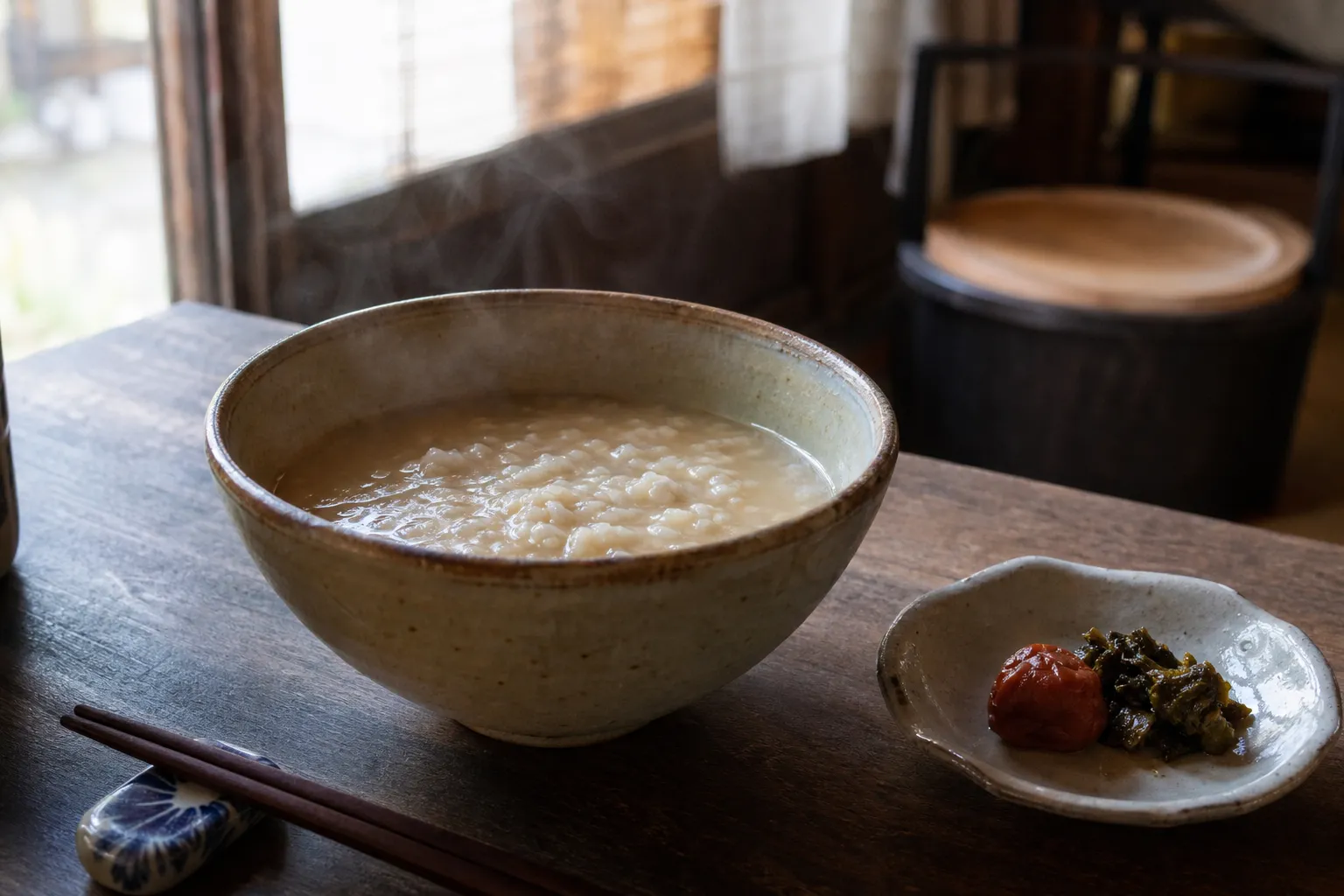
Chagayu's roots run deep into Nara's history as the seat of Japan's great early temples. The story is often tied to the Buddhist monks of the region — porridge cooked with tea was frugal, warming, easy to prepare in quantity, and gentle on the body, exactly suited to temple life. From the temples it spread into ordinary Nara households, where it became the default breakfast: cheap rice stretched thin with tea, eaten every single morning for generations.
There's a saying in Nara — locals have started the day with chagayu for over a thousand years, and many still do. I find that deeply moving in a way I can't fully explain. In a country obsessed with intense flavor, an entire region held onto a breakfast whose whole virtue is restraint. It survived not because it's exciting but because it's right — light in the morning, easy on the stomach, warming in a cold old wooden house. Eating it in Nara, I felt like I'd been handed a small piece of an unbroken daily ritual.
Why the thinness is the whole point
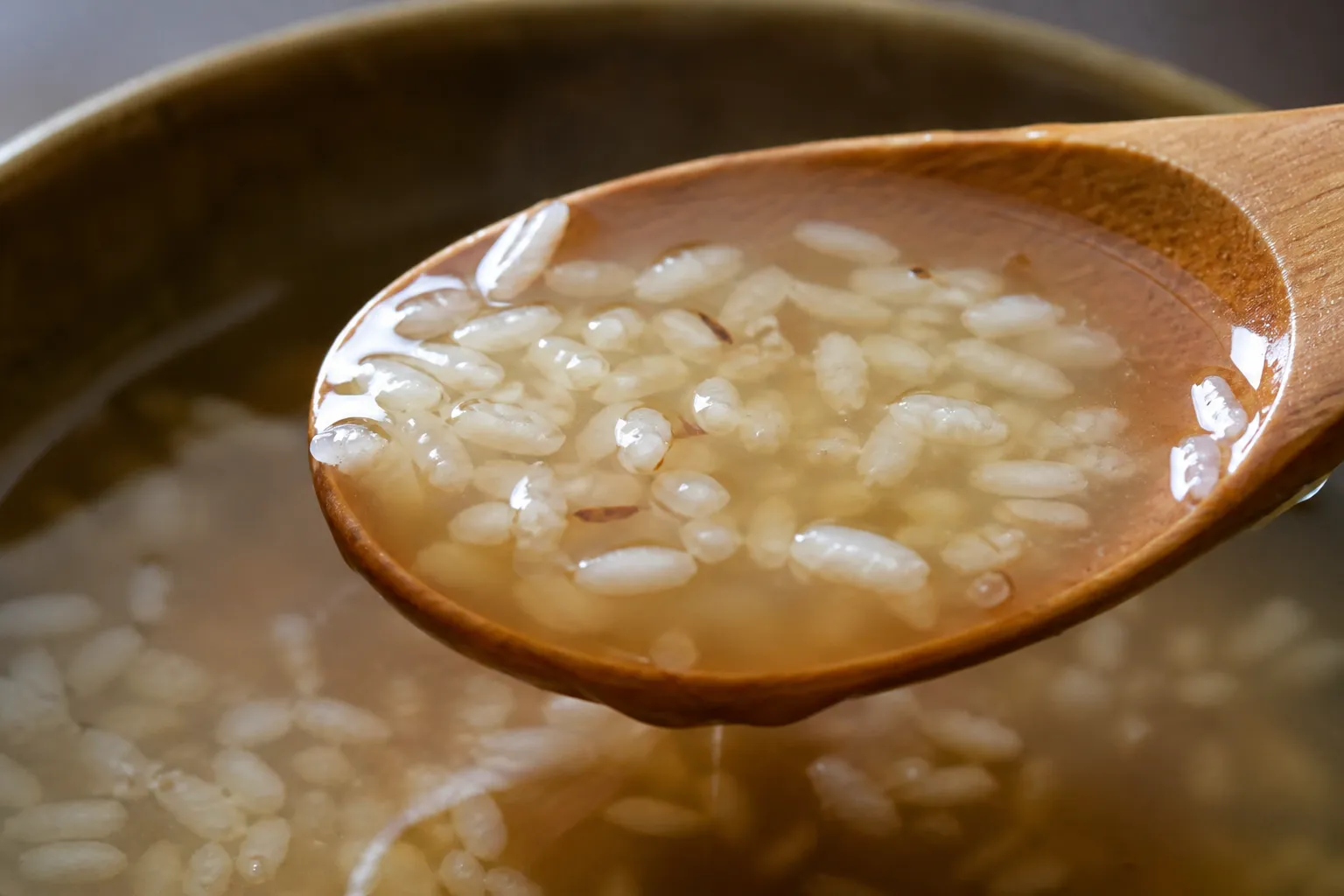
Do not go in expecting the thick, creamy, comforting congee you might know from elsewhere. Chagayu is deliberately thin and soupy — the rice grains stay distinct and loose, floating in far more liquid than a normal porridge. That looseness is a feature, not a flaw. It's meant to slip down easily first thing in the morning, warming and hydrating without sitting heavy.
The flavor is all about the hojicha — roasted green tea, which is low in bitterness and high in a gentle toasted, almost caramel-nutty aroma. Cooked into the rice, it gives chagayu its signature light brown color and its soft, comforting fragrance. It's barely seasoned; the tea does the work. You eat it with simple Nara sides — pickles (Nara is famous for its narazuke pickles), maybe some umeboshi or a little grilled fish — that provide the salt and sharpness the porridge itself politely declines to. And it's crucially not ochazuke, where tea is poured over already-cooked rice at the end; here the rice is simmered in the tea from the start. That slow simmer is why the grains drink up the toasted flavor.
How it's made
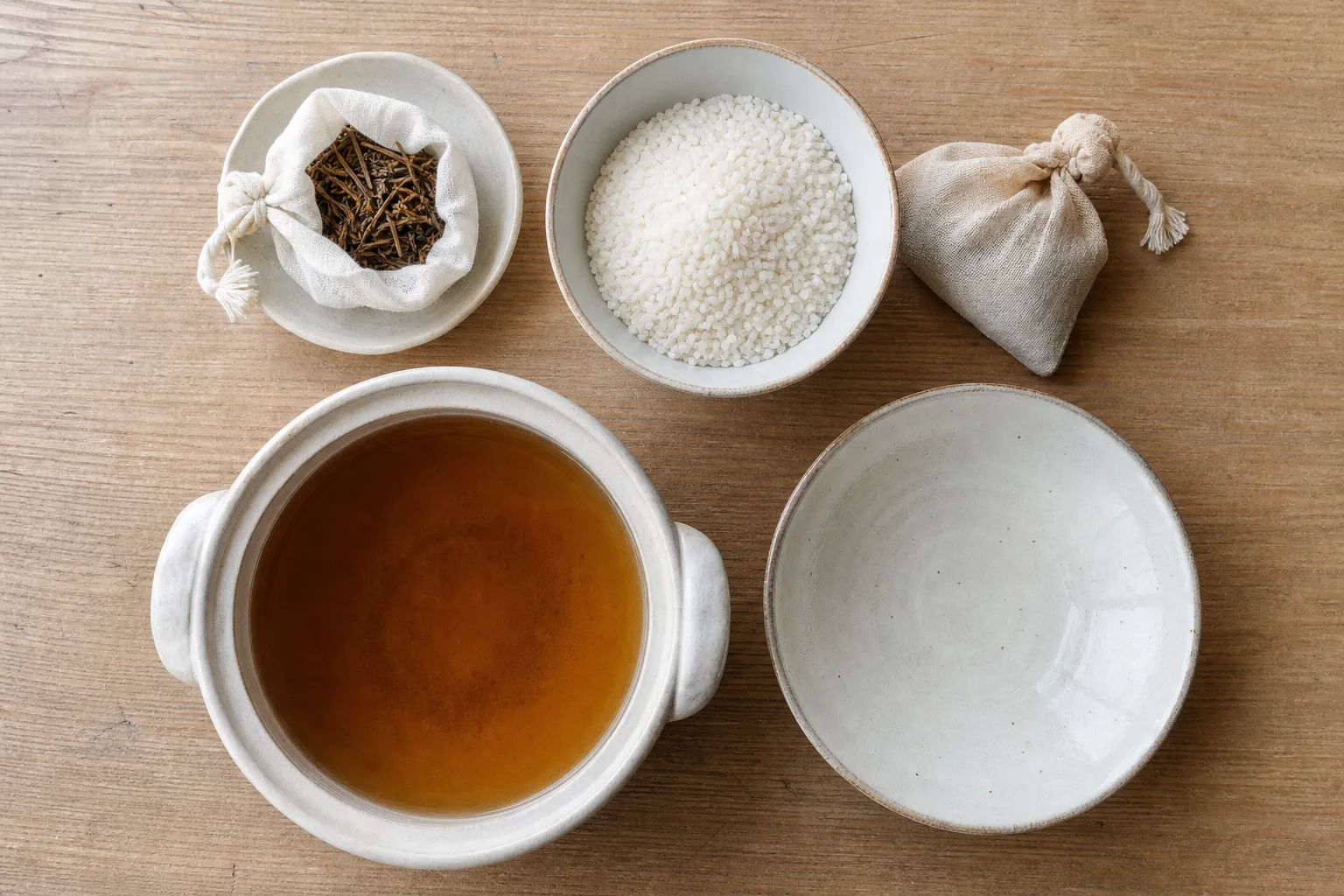
- Roasted hojicha tea is brewed strong, often with the leaves held in a cloth pouch
- Washed raw rice is added to the hot tea (not water) in a pot
- It's simmered gently, uncovered, so the grains stay loose and don't turn gluey
- It's cooked only until thin and soupy — light brown, watery, grains still distinct
- Served hot in a bowl with simple sides like Nara pickles, umeboshi, or grilled fish
Before you go — eat it slow
Your questions, answered honestly
"Is this just plain rice porridge?" — No — the tea is the whole difference. Cooking the rice in roasted hojicha instead of water gives chagayu its light brown color, toasted aroma, and gentle flavor. Plain okayu (rice porridge) is white and neutral; chagayu is tea-brown and toasty.
"Is it like ochazuke?" — No, and locals will gently correct you. Ochazuke is tea poured over already-cooked rice at the table. Chagayu simmers the raw rice in the tea from the start, so the flavor soaks all the way through. Different technique, different soul.
"Why is it so thin and watery?" — On purpose. Chagayu is meant to be light and soupy, easy to eat first thing in the morning. If you're expecting thick creamy congee, adjust your expectations — the restraint is the entire charm.
"Where do I even find it?" — This is a breakfast food, so your best bet is staying at a traditional Nara inn (ryokan) or temple lodging (shukubo), or finding an old-style Nara restaurant that serves a chagayu breakfast set. It's a homey dish, not a flashy street snack.
What the staff will ask you
| You'll hear | Romaji | Meaning | Just say |
|---|---|---|---|
| お漬物つけますか? | Otsukemono tsukemasu ka? | "Would you like pickles with it?" | Onegaishimasu (yes, please) |
| 朝食セットになさいますか? | Chōshoku setto ni nasaimasu ka? | "Would you like the breakfast set?" | Setto de onegaishimasu (the set, please) |
| 温かいうちにどうぞ | Atatakai uchi ni dōzo | "Please enjoy it while it's warm" | Arigatō gozaimasu (thank you) |
To order, just say "Chagayu o kudasai" (茶がゆをください) — "Chagayu, please."
Where to eat it
- Traditional inns (ryokan) in Nara — chagayu is a classic component of a Nara-style breakfast set, served hot with local pickles.
- Temple lodgings (shukubo) around Nara — staying overnight at a temple often means a frugal, traditional breakfast where chagayu belongs by heritage.
- Old-style Nara restaurants and teahouses — some long-running spots near the historic center serve chagayu sets, especially in the morning.
Availability, hours, and menus change and chagayu is often a breakfast-only item, so check current details and serving times before you go.
Soul Score
Local Roots5/5
First-Timer Friendly3/5
Adventure Level3/5
Comfort Level5/5
Travel Worthy3/5
These scores are one obsessed eater's gut feeling — not a verdict. A low number isn't a bad mark, just a different kind of adventure.
Know someone planning Japan?
← All Articles
Local Food · Nara
Still hungry?
Eat more from Nara
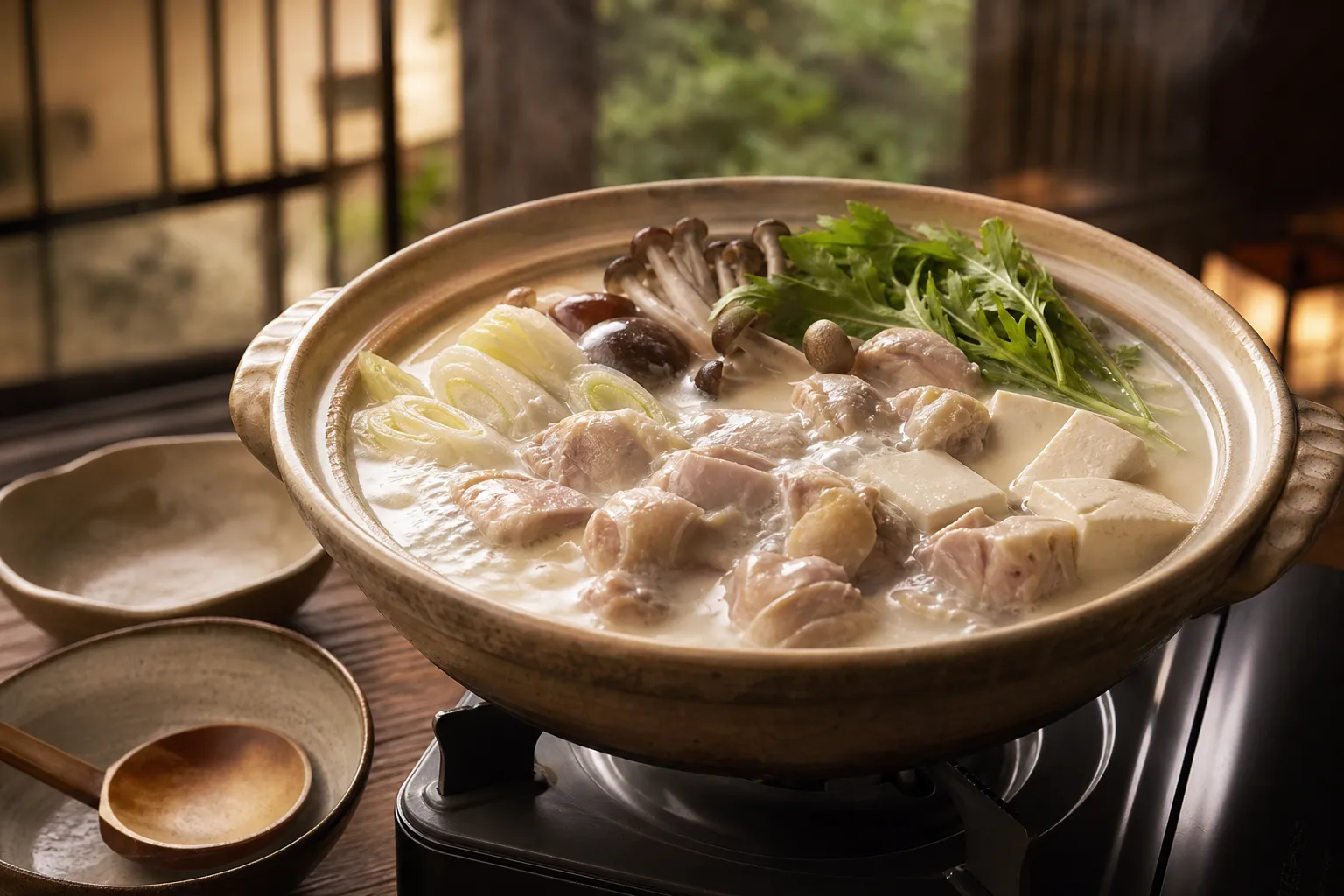
Local FoodAsuka, Nara
Asuka-nabe (飛鳥鍋)
A chicken hot pot simmered in milk-enriched dashi until the broth turns creamy and white — a mild, warming nabe from Nara's ancient Asuka region that tastes like a 1,300-year-old dairy experiment finally paying off.
July 12, 2026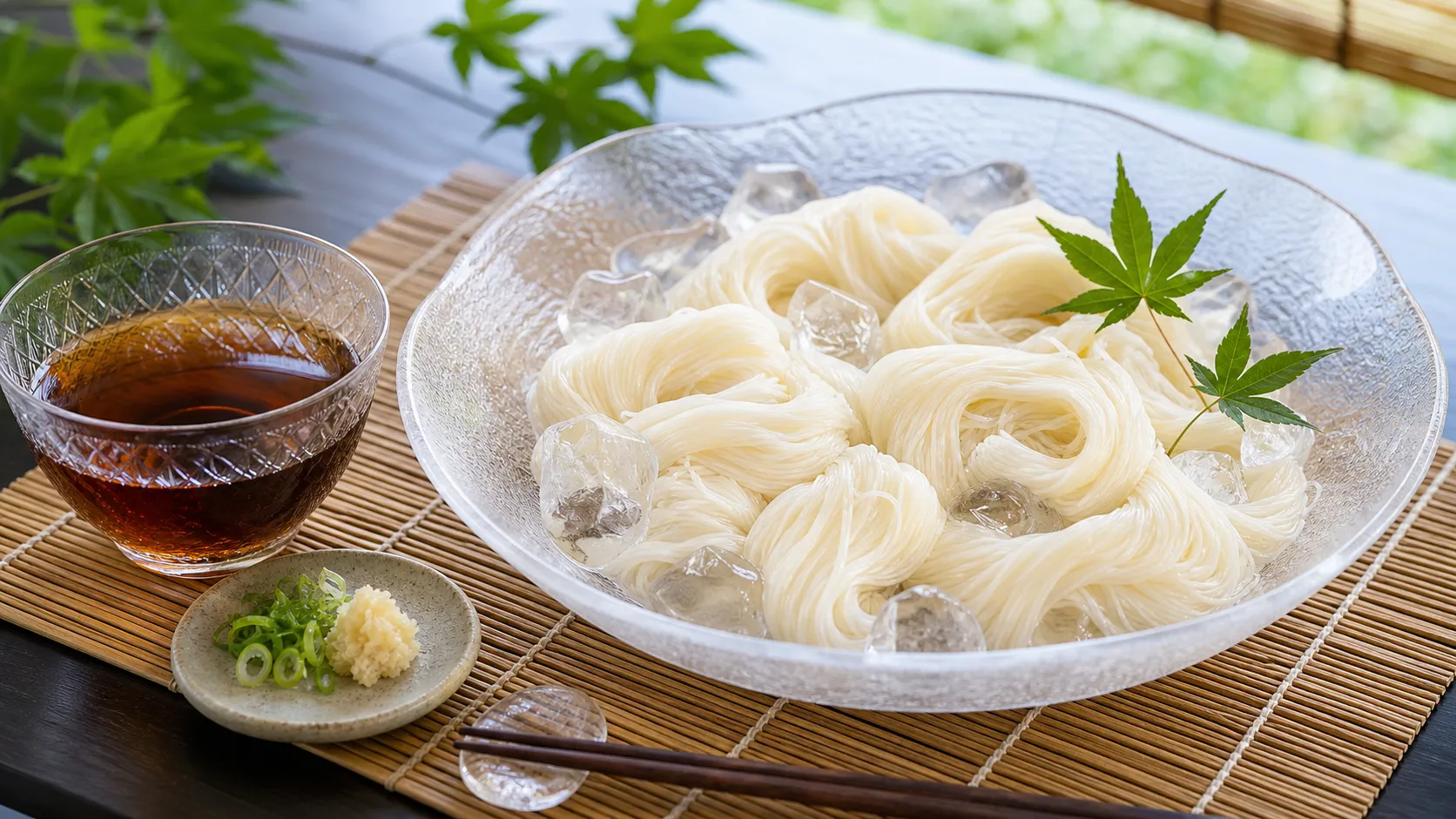
Local FoodMiwa, Nara
Miwa Somen (三輪そうめん)
Threads of wheat so fine they barely register — then they hit the tsuyu and vanish, cool and silky, in a single slurp. Nara's Miwa is where somen was born, and it shows.
July 12, 2026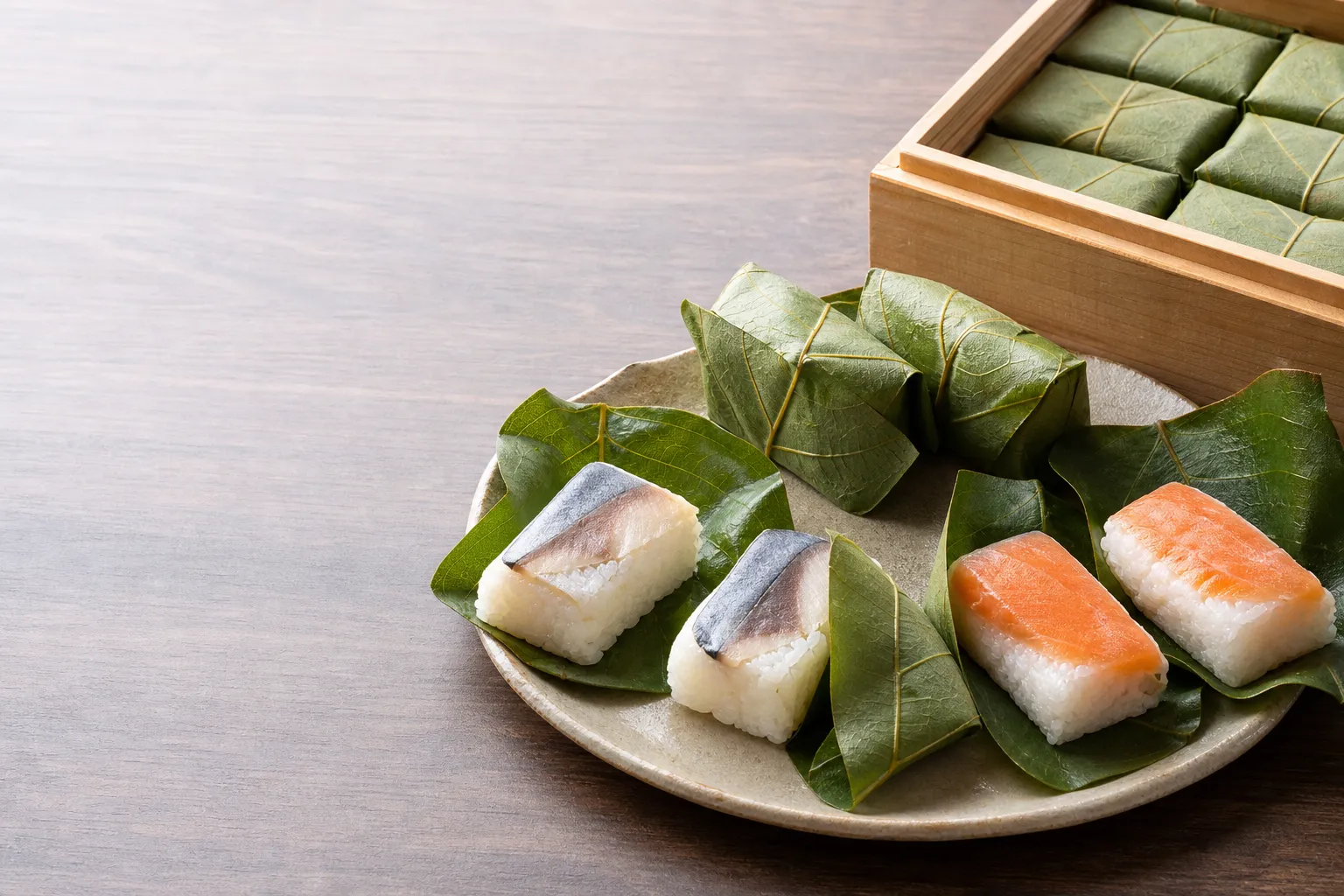
Local FoodNara
Kakinoha-zushi (柿の葉寿司)
Pressed sushi wrapped in a persimmon leaf and left to mellow — mountain food from landlocked Nara, where salted mackerel learned to travel. Unwrap it like a tiny present.
July 1, 2026