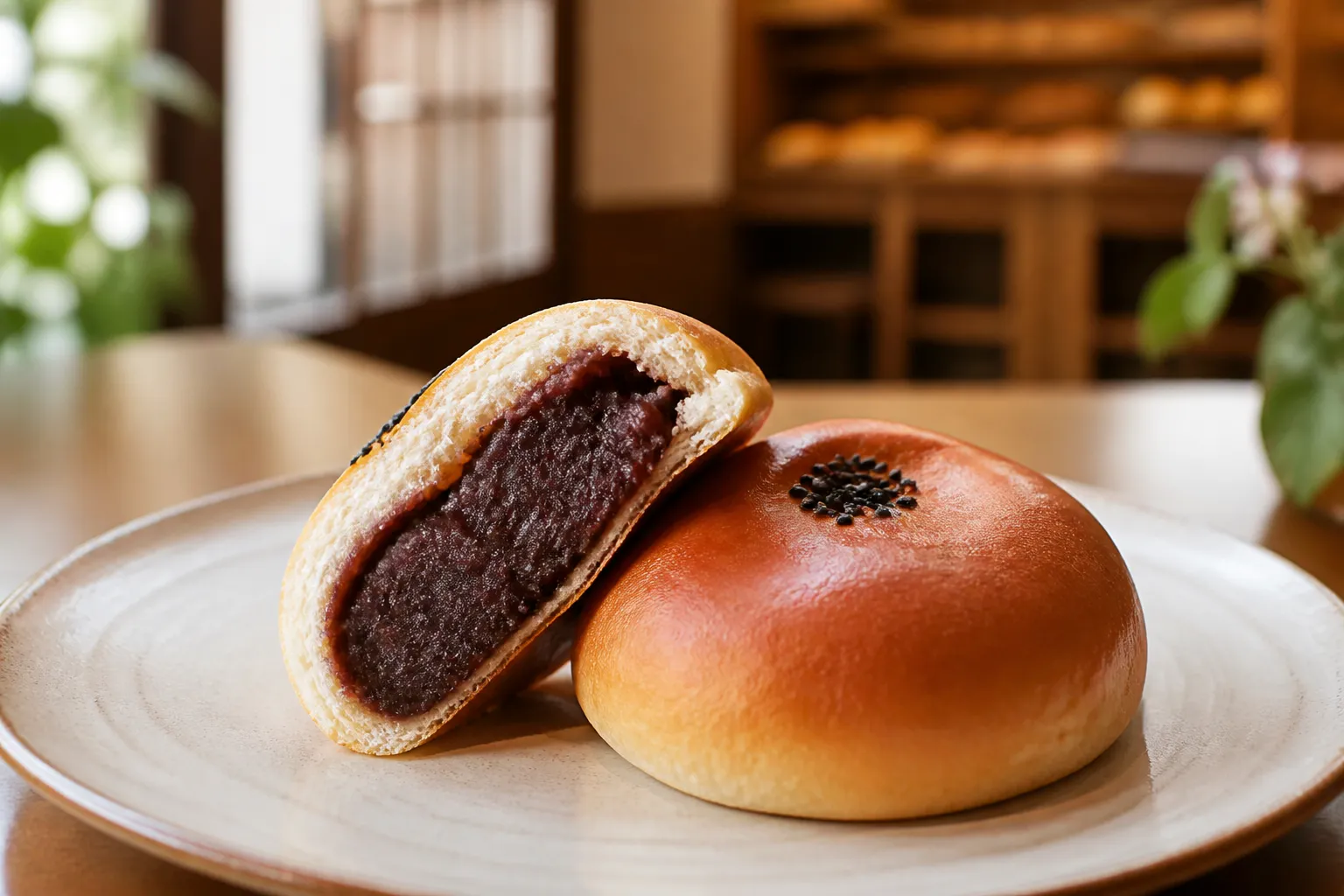
I tore it in half expecting a plain, slightly sweet dinner roll — the kind of thing you'd overlook on a bakery shelf — and instead got a wall of dark, glossy, almost fudgy red bean paste packed edge to edge. No air pocket, no polite half-measure filling. Just bread wrapped tightly around something that clearly mattered more than the bread did. I ate the second half slower, mostly out of respect.
Share this dish


A soft little bun, one bite in, and suddenly it's dense, dark, sweet red bean all the way through — the bread that talked 1870s Japan into eating Western-style bread at all.
🍜 Planning a food trip to Tokyo?Add this dish to my Food Trip →
 Add this dish to my Food Trip →
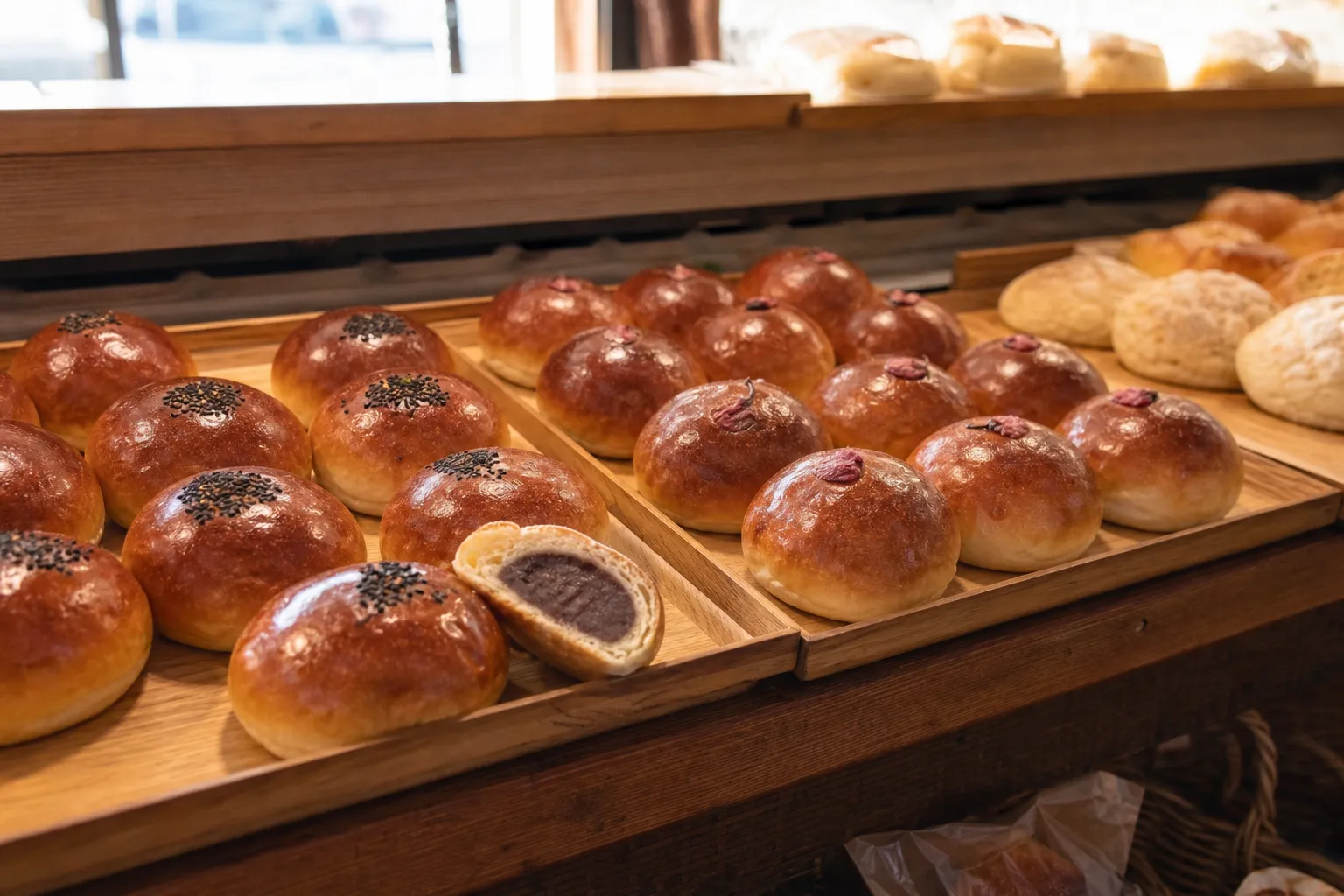
Here's what it is: anpan (あんパン) is a small, round, soft bread bun filled generously with sweet red bean paste (anko), usually topped with a scattering of black sesame seeds or a single salted cherry blossom pressed into the dough. It's one of Japan's most everyday bakery items — sold at neighborhood bakeries, convenience stores, and supermarkets nationwide — but it's also a genuine piece of culinary history: the bread that helped convince a country skeptical of Western-style baking to embrace bread as its own.
The bread that talked Japan into eating bread
When Western-style bread arrived in Japan in the 1800s, it didn't exactly catch on — it was foreign, plain, and didn't fit existing tastes. Then, in 1875, a former samurai named Kimura Yasubei, running a bakery in Tokyo's Ginza district, had the idea to fill a soft bun with anko, the sweet red bean paste already beloved in traditional Japanese sweets. The result was an immediate hit, reportedly served to the Meiji Emperor himself, and it's often credited as the moment bread genuinely took root in Japanese food culture rather than staying a novelty import.
I find that history quietly moving every time I eat one: this isn't just a snack, it's basically a diplomatic bridge between two food cultures, baked into something you can eat one-handed on the street. The bakery Kimura started, Kimuraya, still exists in Ginza today, and its anpan is treated as something close to a pilgrimage item.
Why the filling-to-bread ratio matters so much
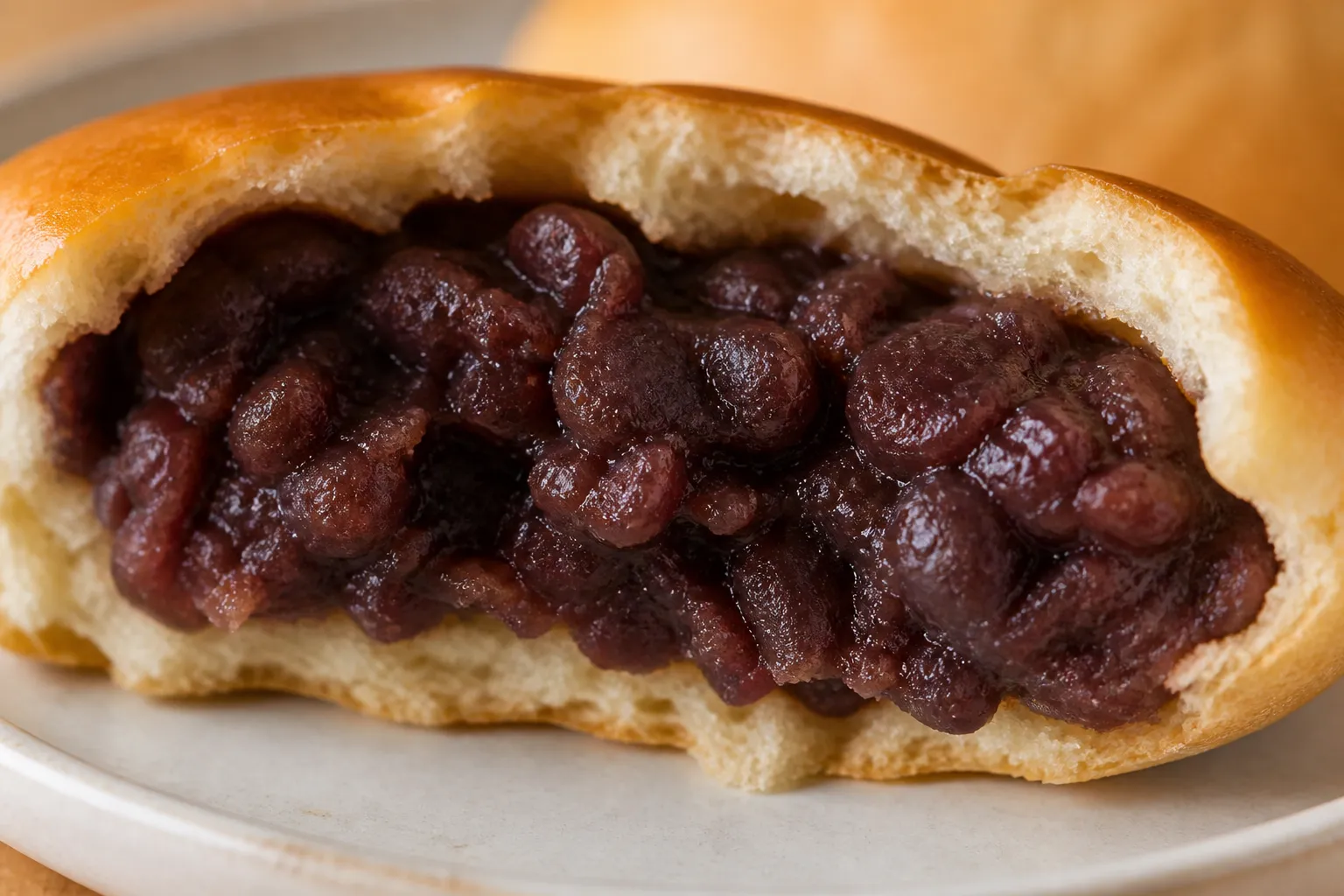
- Good anpan is packed dense with anko — a thin, stingy filling is considered a disappointment, not a virtue
- The bread itself is soft and slightly sweet, but deliberately restrained so it doesn't compete with the filling
- Black sesame seeds or a salted cherry blossom on top aren't just decoration — they're a visual cue for the filling inside (some bakeries use different toppings for different anko styles)
- The paste can be smooth (koshian) or chunky (tsubuan) depending on the bakery, and regulars often have a strong preference
- It's eaten at room temperature, any time of day — as breakfast, an afternoon snack, or a quick bite between errands
I have eaten one standing up on a Ginza sidewalk, out of the same bag Kimuraya has been selling from for generations. I will not pretend that didn't feel a little sacred.
How it's made
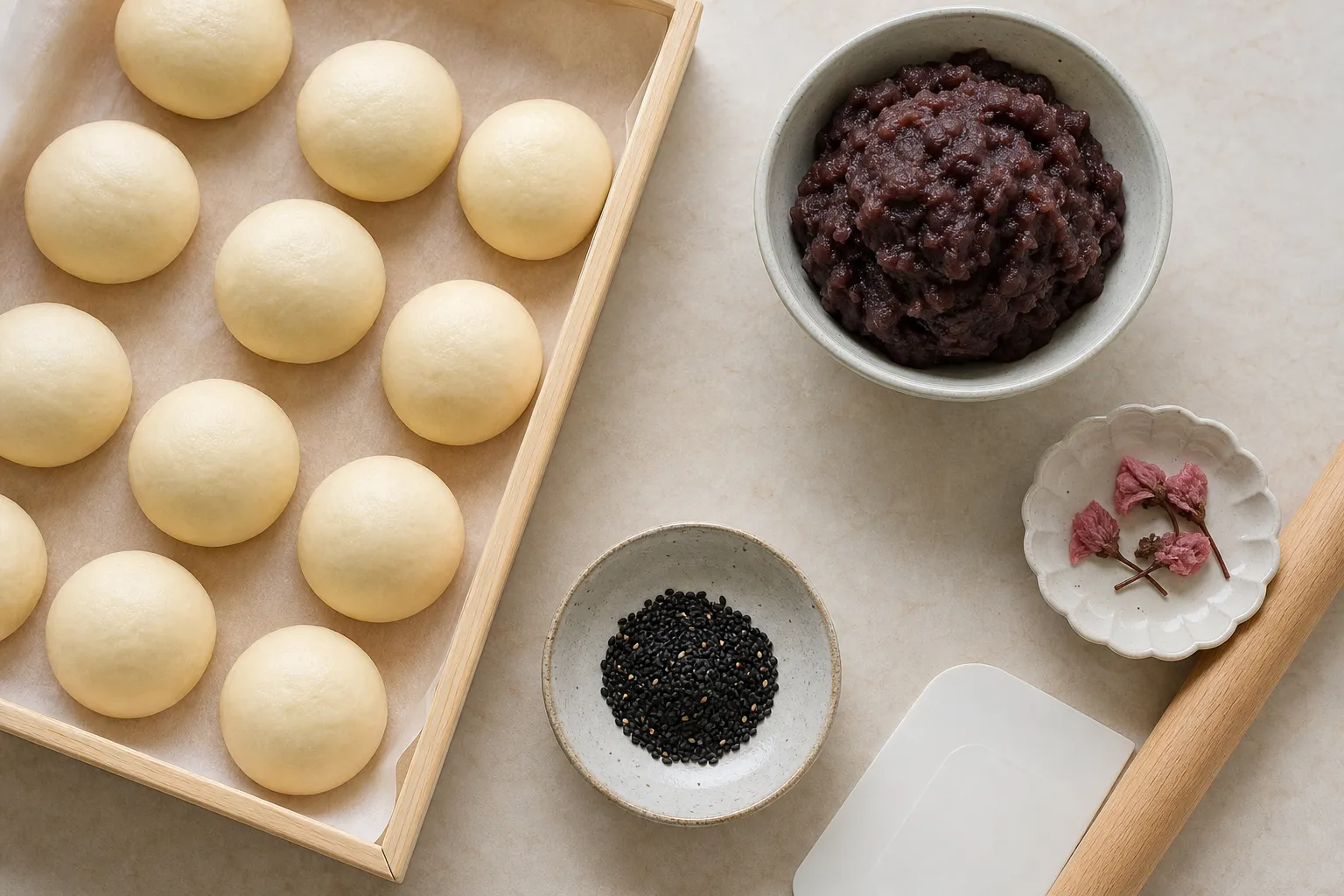
- A soft, slightly sweet bread dough is prepared and portioned into small rounds.
- A generous scoop of anko (sweet red bean paste) is placed in the center of each dough round.
- The dough is wrapped tightly around the filling and sealed, leaving no gaps for the anko to escape during baking.
- A small indentation is pressed into the top, then topped with black sesame seeds or a salted cherry blossom leaf, depending on the bakery's style.
- The buns are baked until golden on top and soft all the way through.
Before you go — soft bread, serious history
Your questions, answered honestly
"Is it very sweet?" — Moderately, not overwhelmingly. Anko is sweet but not sugary in a Western-dessert way — think of it more like a dense, mildly sweet bean spread than frosting.
"Koshian or tsubuan — which should I try first?" — Koshian (smooth) is the gentler introduction; tsubuan (chunky) has more texture and a slightly more rustic feel. Neither is more "correct" — it's genuinely a preference thing.
"Is this the same as melonpan?" — No — melonpan has a cracked, biscuit-like crust and is usually unfilled or only lightly sweet inside. Anpan is soft-topped and packed with red bean filling. Easy to mix up by name alone, very different once you bite in.
"Where's the historic original?" — Kimuraya in Ginza, Tokyo, is where anpan was invented in 1875 and is still baking it today — worth a visit if you're in the area, though any neighborhood bakery's version is a legitimate way to try it.
What the staff will ask you
| You'll hear | Romaji | Meaning | Just say |
|---|---|---|---|
| こしあんとつぶあん、どちらになさいますか? | Koshian to tsubuan, dochira ni nasaimasu ka? | "Smooth or chunky bean paste?" | Koshian de onegaishimasu (smooth, please) |
| 温めますか? | Atatamemasu ka? | "Shall I heat it up?" | Daijōbu desu (no thanks) |
| 他にご注文は? | Hoka ni go-chūmon wa? | "Anything else?" | Ijō de onegaishimasu (that's all, thanks) |
To order, just say "Anpan o kudasai" (あんパンをください) — "Anpan, please."
Where to eat it
- Kimuraya, Ginza (Tokyo) — the original anpan bakery, still operating since 1875.
- Neighborhood bakeries nationwide — nearly every local bakery carries its own version.
- Convenience stores and supermarkets — a reliable, everyday option anywhere in Japan.
Kimuraya's original location can be busy, especially around lunch — check current hours before making a special trip.
Soul Score
Local Roots5/5
First-Timer Friendly4/5
Adventure Level3/5
Comfort Level5/5
Travel Worthy3/5
These scores are one obsessed eater's gut feeling — not a verdict. A low number isn't a bad mark, just a different kind of adventure.
Know someone planning Japan?
← All Articles
Sweets & Snacks · Tokyo
Still hungry?
Eat more from Tokyo
Local FoodTokyo
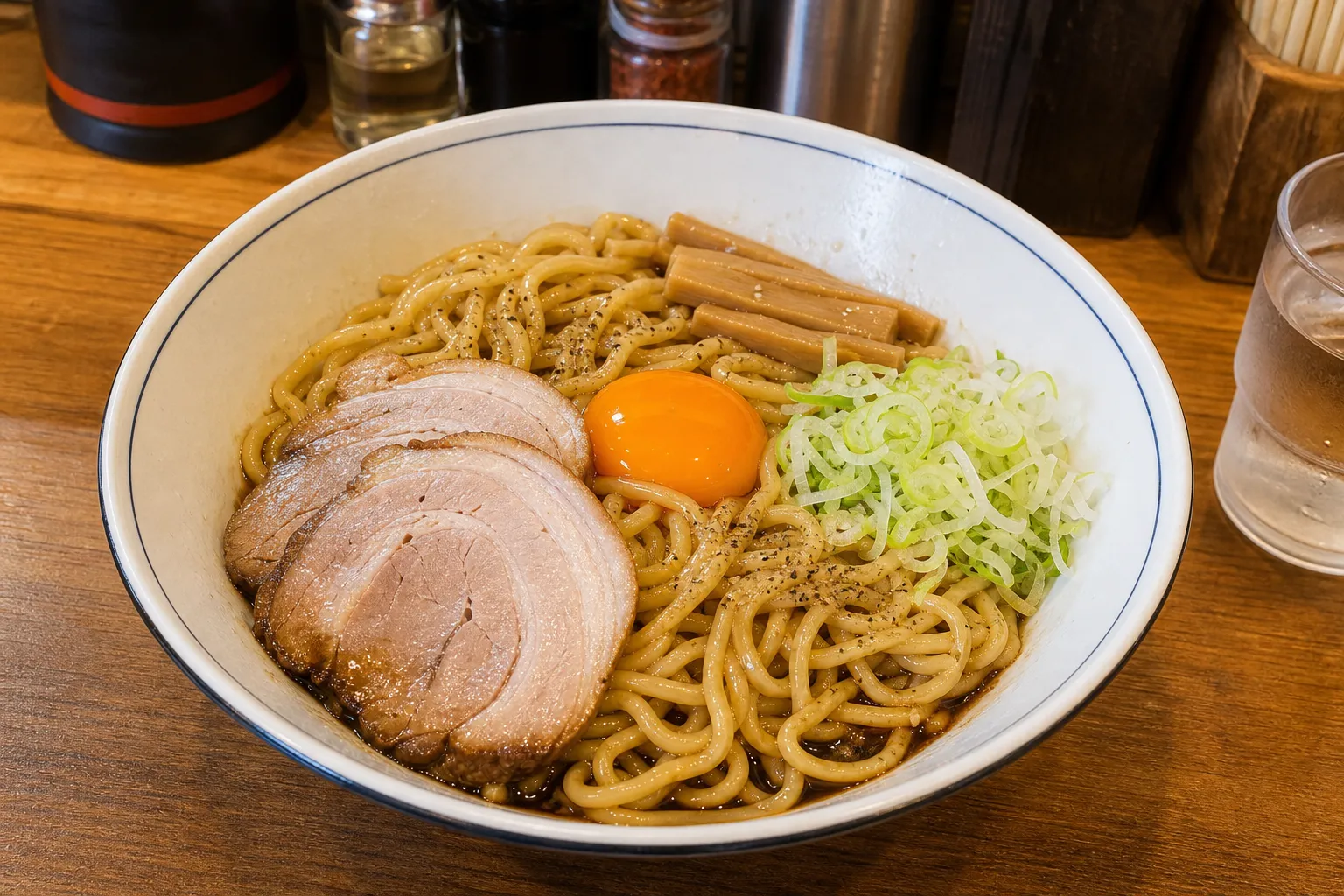
Abura Soba (油そば)
No soup. Just noodles, a hidden pool of tare and oil at the bottom of the bowl, and thirty seconds of frantic mixing that turns it into one of Tokyo's most addictive cheap thrills.
July 9, 2026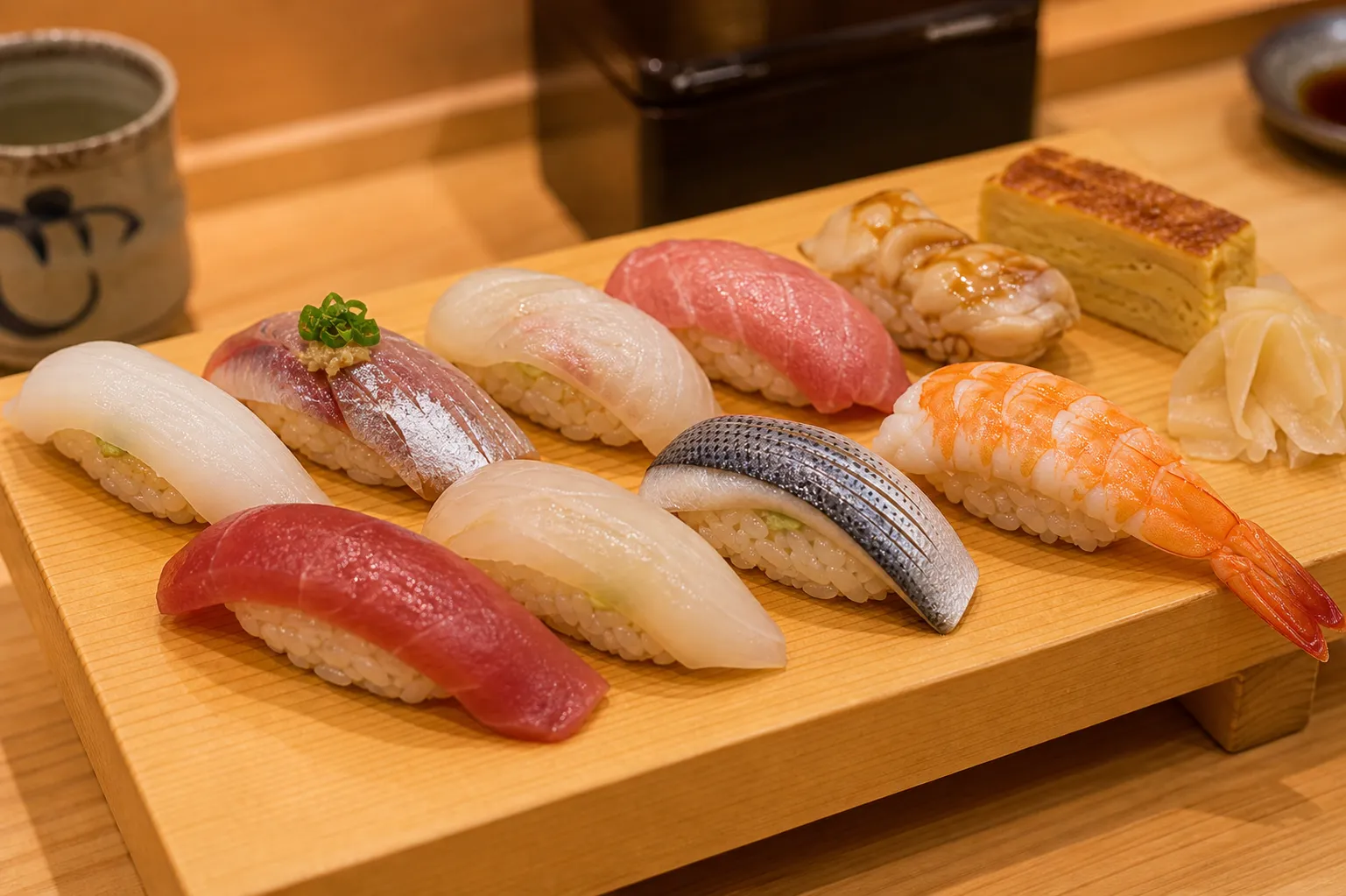
Japanese FoodTokyo
Edomae-zushi (江戸前寿司)
The original Tokyo nigiri, born before refrigerators existed — cured, marinated, simmered by hand, then pressed onto warm rice in a single confident motion. This is where sushi actually comes from, and it's a craft, not a slab of raw fish.
July 9, 2026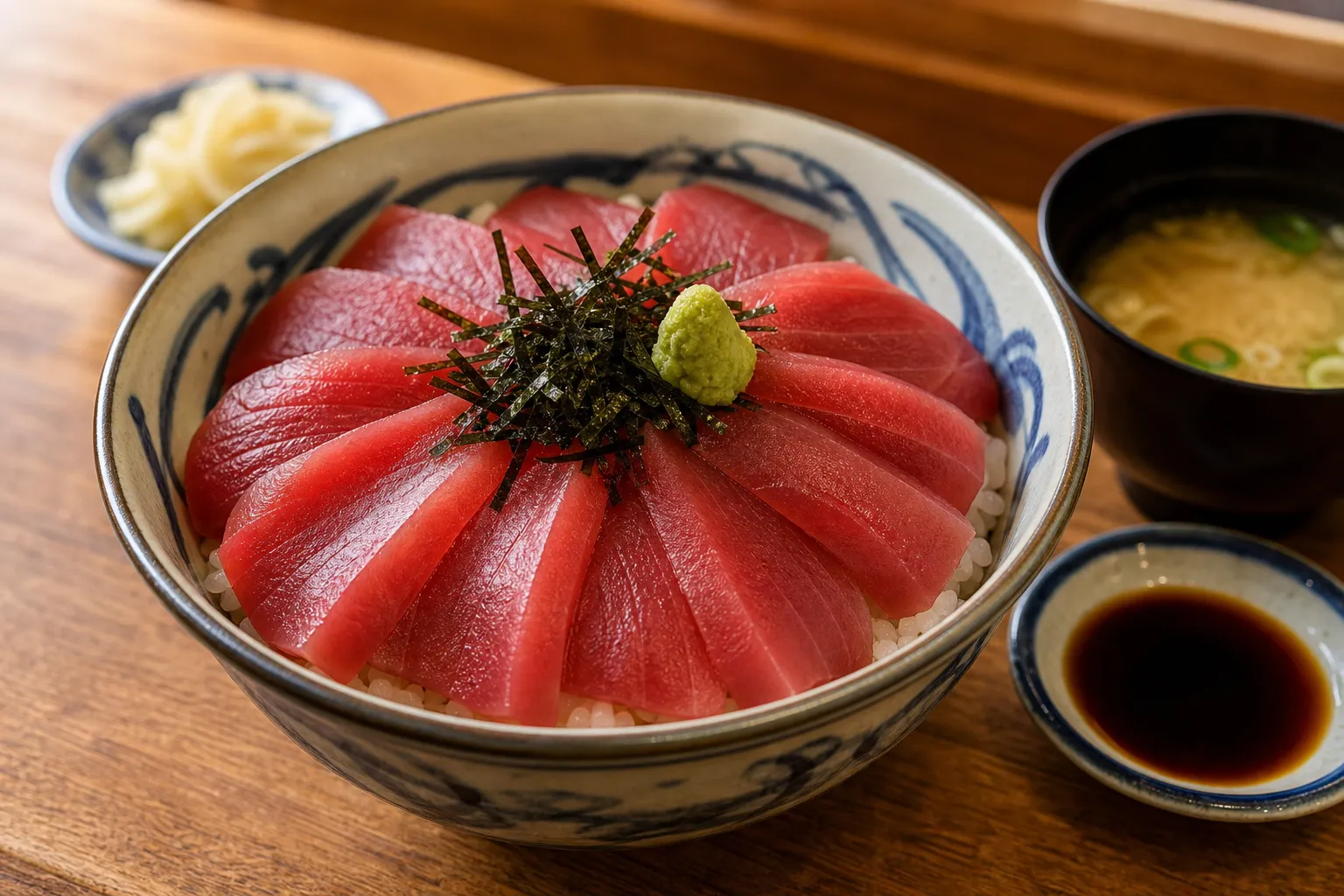
Japanese FoodTokyo
Tekkadon (鉄火丼)
Cold slices of lean tuna over warm vinegared rice, a hit of wasabi, a splash of soy — nothing else, and it needs nothing else. Born in gambling dens for players who wanted one clean, one-handed bite of pure tuna joy.
July 9, 2026