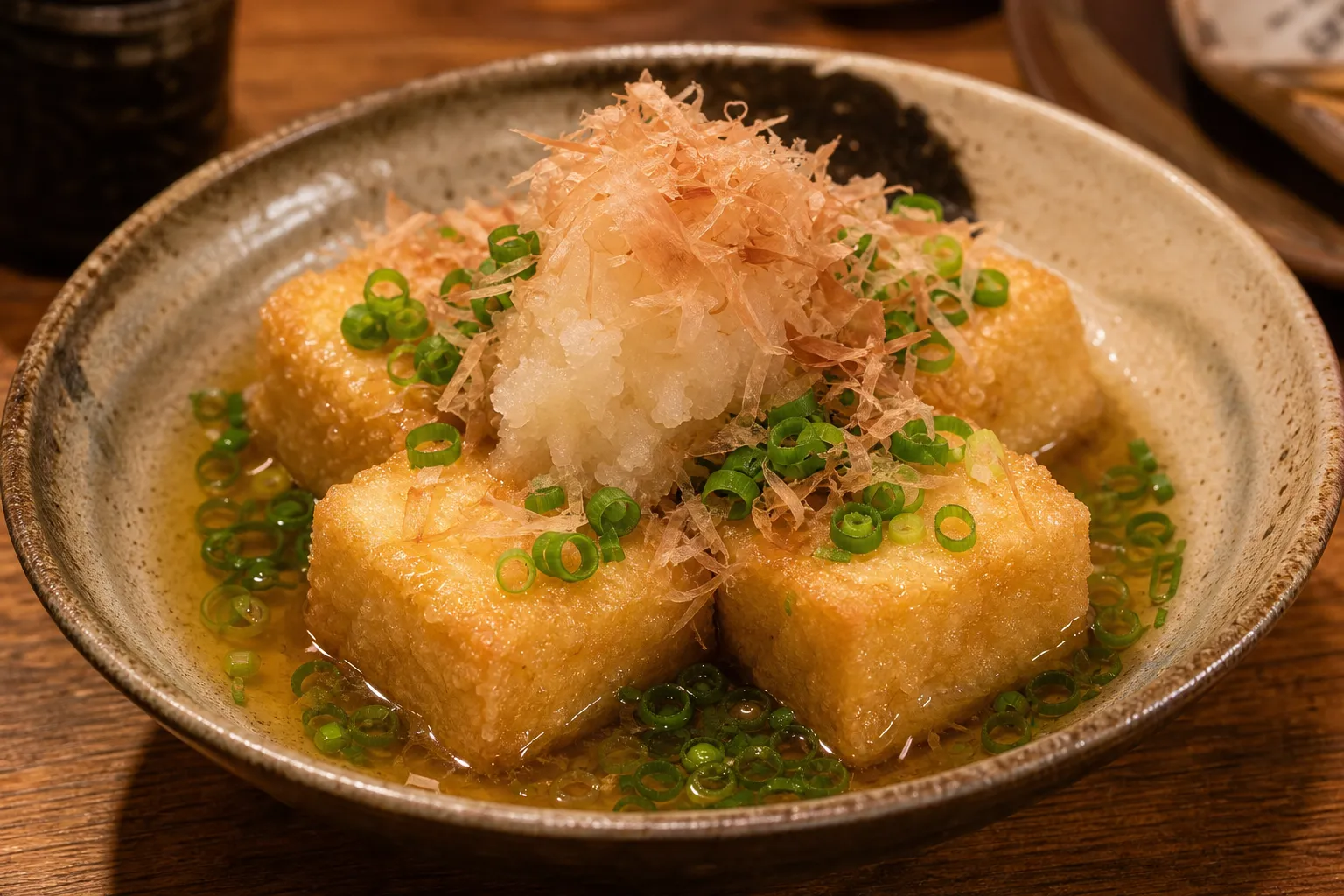
The fried skin crackled under my chopsticks, held for one perfect second, and then the whole cube just gave — collapsing into this impossibly soft, hot, silky tofu that had been hiding in there the whole time, all of it sitting in a warm pool of dashi. I burned my tongue slightly because I was too impatient to wait, and I would do it again. If you think you don't like tofu, this is the plate I want to put in front of you first. Trust me on this one.
Share this dish


The crackly fried shell holds for exactly one bite, then collapses into warm silk in a puddle of dashi — this is the tofu dish that converts tofu skeptics.
This is agedashi-dofu (揚げ出し豆腐), and it's a small masterclass in contrast. Soft tofu is dusted in potato starch, deep-fried just until the outside turns golden and lightly crisp, then set in a shallow bath of tentsuyu — a light, savory dashi-based broth — and finished with grated daikon radish, chopped green onion, and a flutter of bonito flakes that wave in the heat. Fried but not heavy, crisp but soft, rich but clean. It's tofu that's been coaxed into doing something completely disarming, and it does it in about three bites.
The gentle art of frying something soft
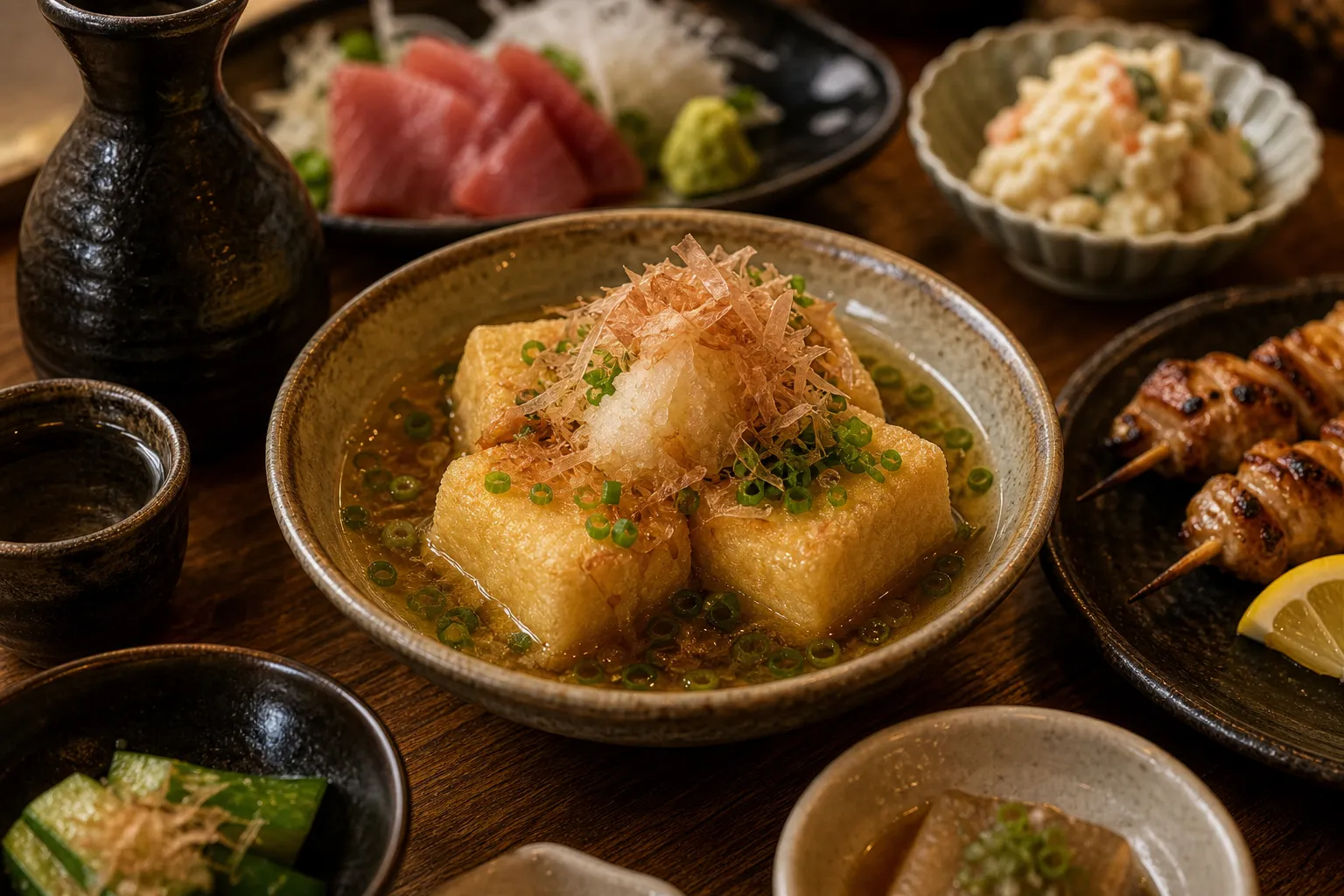
Agedashi-dofu goes back centuries and even appears in Tofu Hyakuchin — an actual 18th-century cookbook of "one hundred tofu dishes" published in 1782, which is exactly as wonderful as it sounds. A whole bestselling book, in the Edo period, just about tofu. That tells you how seriously and how playfully this ingredient has been treated here for a very long time. Agedashi-dofu is one of the survivors from that world, and it earned its place by solving tofu's biggest image problem: blandness. Fry it, sauce it, top it, and suddenly plain tofu has crunch, savor, and drama.
What I love is how un-showy the whole thing is despite all that history. It's not a special-occasion dish. It's a cheap, reliable staple you order at a pub without thinking, a warm little plate that's been quietly perfect for three hundred years. No trend made it. It just kept being good.
Why this converts the tofu-skeptics
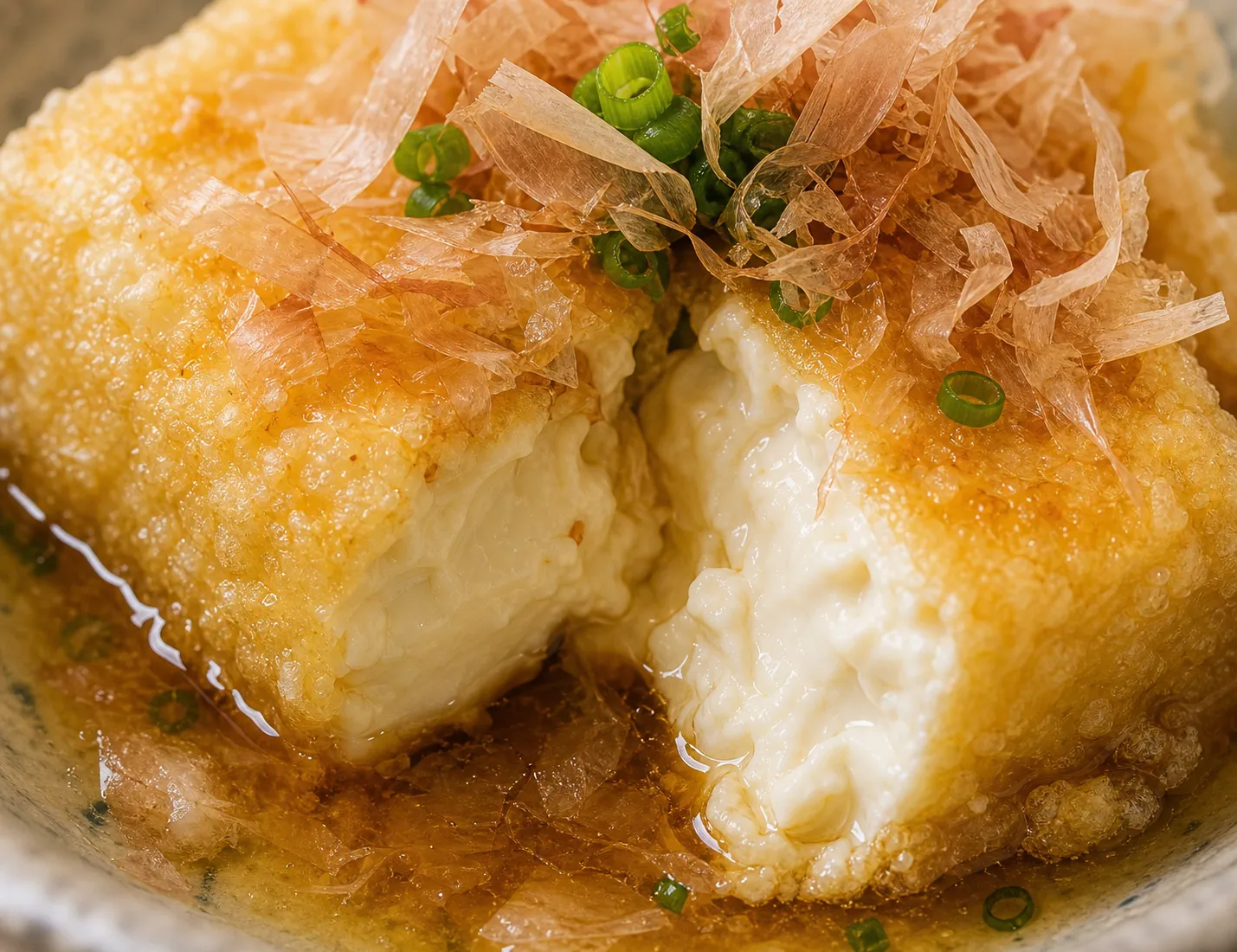
It's all about that boundary layer. The thin potato-starch coating fries into a delicate skin that, crucially, soaks up a little of the broth — so it's not shatter-crisp like tempura, it's more of a tender, slightly chewy shell that gives way instantly. Underneath, the tofu is molten-soft and almost custardy from the heat. Crunch, then silk, then warm broth flooding in. That textural one-two is the entire appeal, and it's why even people who find plain tofu boring tend to go quiet when they try this.
The toppings tune the whole thing. Grated daikon adds a clean, faintly peppery freshness that cuts the fry; scallion brings a green sharpness; the bonito flakes deepen the savory hit. The broth ties it together — light, warm, not too salty, just enough to sip from the bottom of the bowl at the end. Which you should. I always do. Nobody's watching.
How it's made
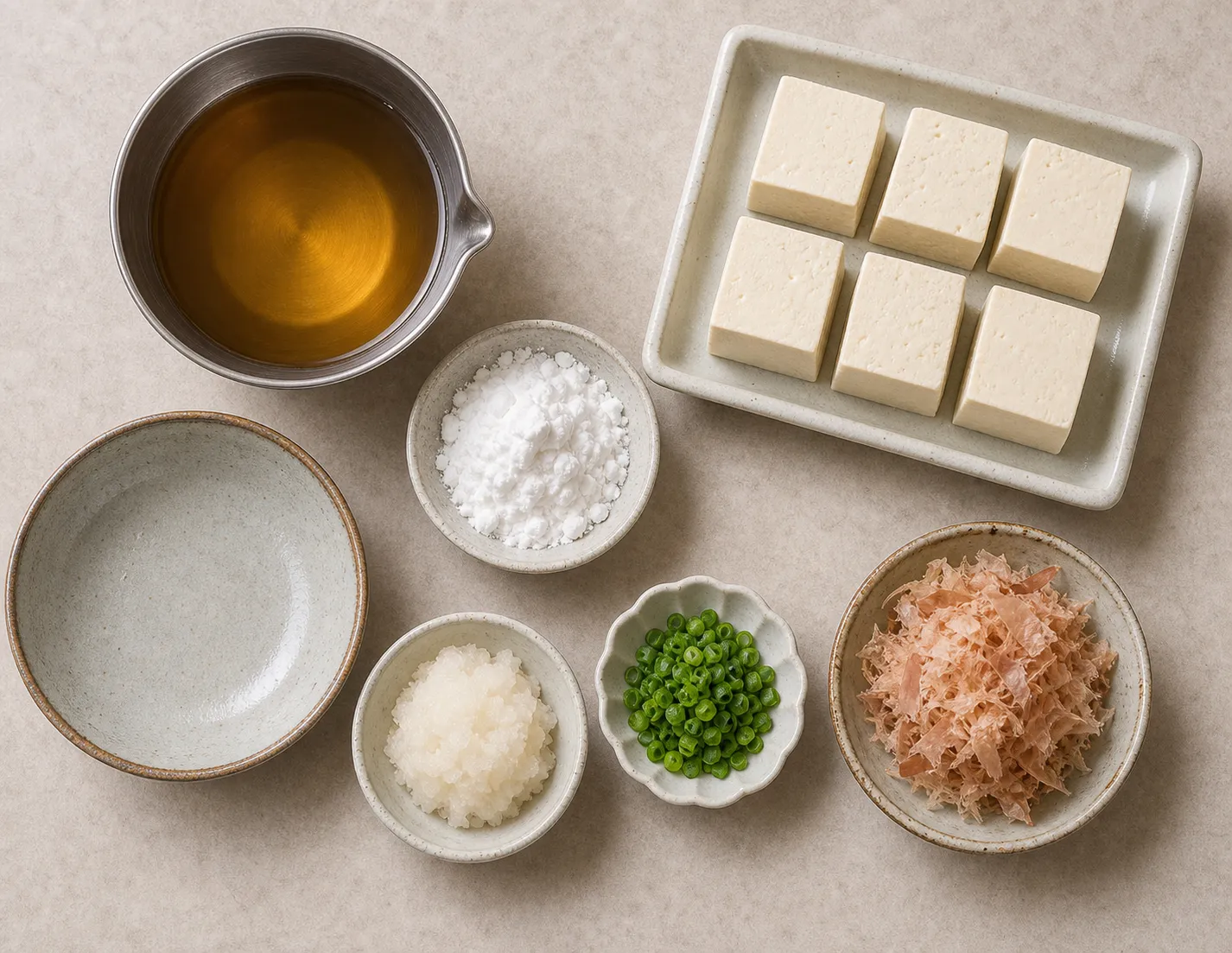
- Drain soft (usually silken or medium) tofu well and cut it into cubes — draining matters, or it spits in the oil
- Dust the cubes all over in potato starch (katakuriko), coating them in a thin, even layer
- Deep-fry the cubes until the coating turns pale golden and lightly crisp, turning so all sides set
- Make the tentsuyu broth — dashi seasoned with soy sauce and mirin — and warm it
- Set the fried tofu in a shallow bowl, pour the warm broth around (not over, so the tops stay a little crisp), and top with grated daikon, chopped scallion, and bonito flakes
Before you go — the fried-tofu plate, explained
Your questions, answered honestly
"Isn't deep-fried tofu heavy?" — Surprisingly, no. The coating is thin and the broth is light, so it eats clean, not greasy. It's rich in a comforting way, not a stodgy one. This is one of the lighter fried things you'll order at an izakaya.
"Is the shell supposed to be soggy?" — It's supposed to be tender, not crackly-crisp — the starch coating is designed to drink up a bit of broth. If you want maximum crunch, eat the top cubes first before they've fully soaked. But a slightly soft, broth-kissed shell is correct, not a mistake.
"What are the little flakes moving on top?" — Bonito flakes (katsuobushi), shaved dried fish. They "dance" because they're paper-thin and the heat and steam move them. They add smoky, savory depth. Fully edible, definitely intended, and a little bit hypnotic.
"How hot is it — like, temperature?" — Genuinely hot inside. The fried shell traps steam, so the tofu core stays scorching well after it's served. Give the first bite a moment to cool, or blow on it. I did not, and I paid.
What the staff will ask you
| You'll hear | Romaji | Meaning | Just say |
|---|---|---|---|
| 大根おろしはお付けしますか? | Daikon-oroshi wa otsuke shimasu ka? | "Would you like grated daikon on it?" | Hai, onegaishimasu (yes, please) |
| 取り分けますか? | Toriwake masu ka? | "Shall I split it onto plates?" (for sharing) | Onegaishimasu (yes, please) or Sono mama de (leave it as is) |
| お飲み物は何になさいますか? | Onomimono wa nani ni nasaimasu ka? | "What would you like to drink?" | Nama-bīru o kudasai (a draft beer, please) |
To order, just say "Agedashi-dofu o kudasai" (揚げ出し豆腐をください) — "Agedashi-dofu, please."
Where to eat it
- Izakaya (Japanese pubs) — the natural home of agedashi-dofu; it's a staple small plate to order early, warm and shareable alongside drinks and other bites.
- Soba and udon shops — many noodle restaurants carry it as a side, and the dashi broth naturally fits their kitchen.
- Family restaurants and teishoku diners — a common, budget-friendly side or part of a set meal, look for 揚げ出し豆腐 on the menu.
Portion sizes, toppings, and prices vary from shop to shop and change over time, so check current details before you go — and give that first bite a moment to cool.
Soul Score
Local Roots4/5
First-Timer Friendly4/5
Adventure Level3/5
Comfort Level5/5
Travel Worthy3/5
These scores are one obsessed eater's gut feeling — not a verdict. A low number isn't a bad mark, just a different kind of adventure.
Know someone planning Japan?
← All Articles
Japanese Food · Nationwide
Still hungry?
You might also like
Japanese FoodNationwide
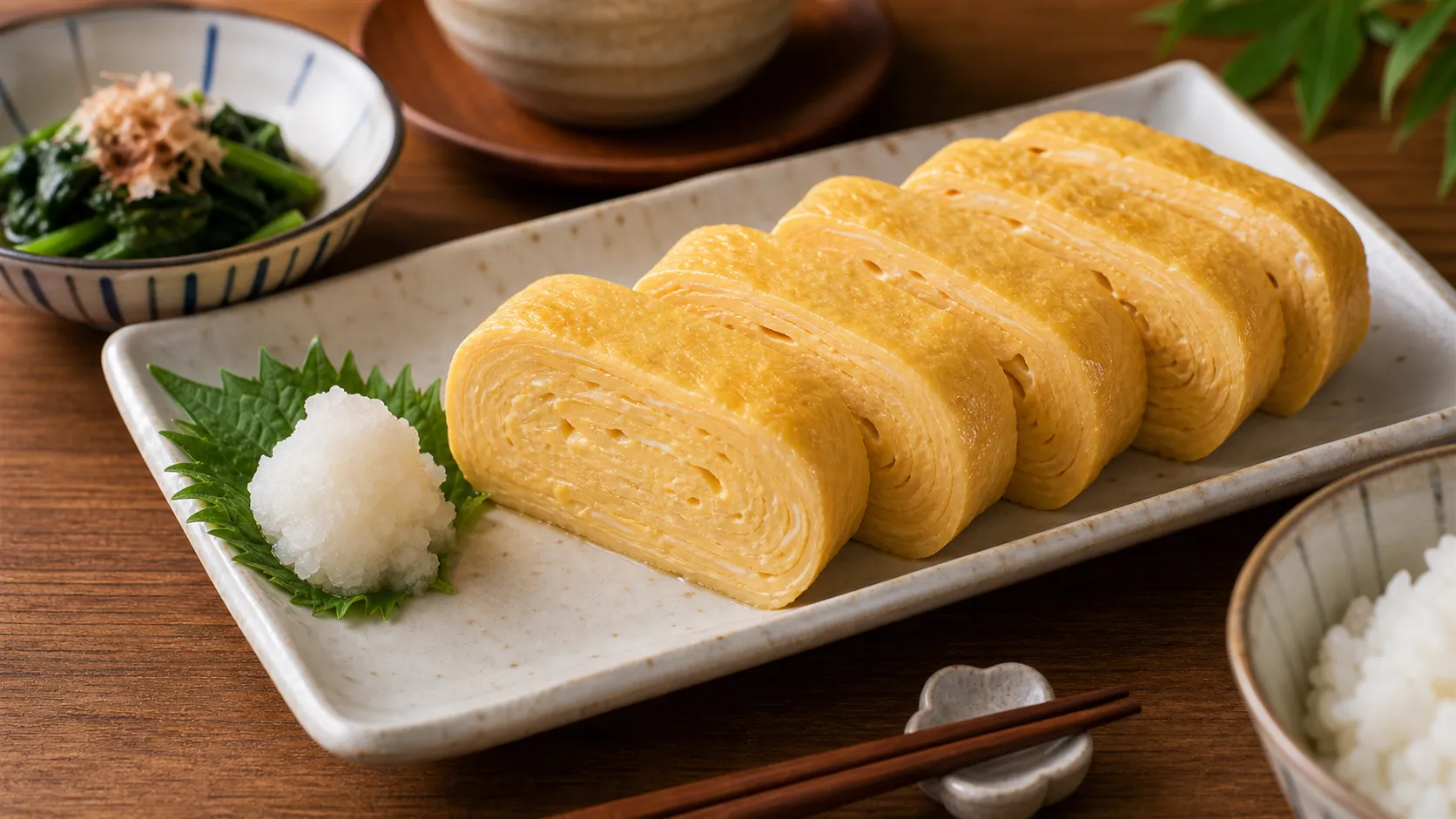
Dashimaki-tamago (だし巻き卵)
A rolled omelette so soft it almost trembles, layered fold over fold and soaked with dashi so that biting in releases a little warm rush of savory broth — the deceptively simple egg dish that Japanese chefs spend years perfecting.
July 11, 2026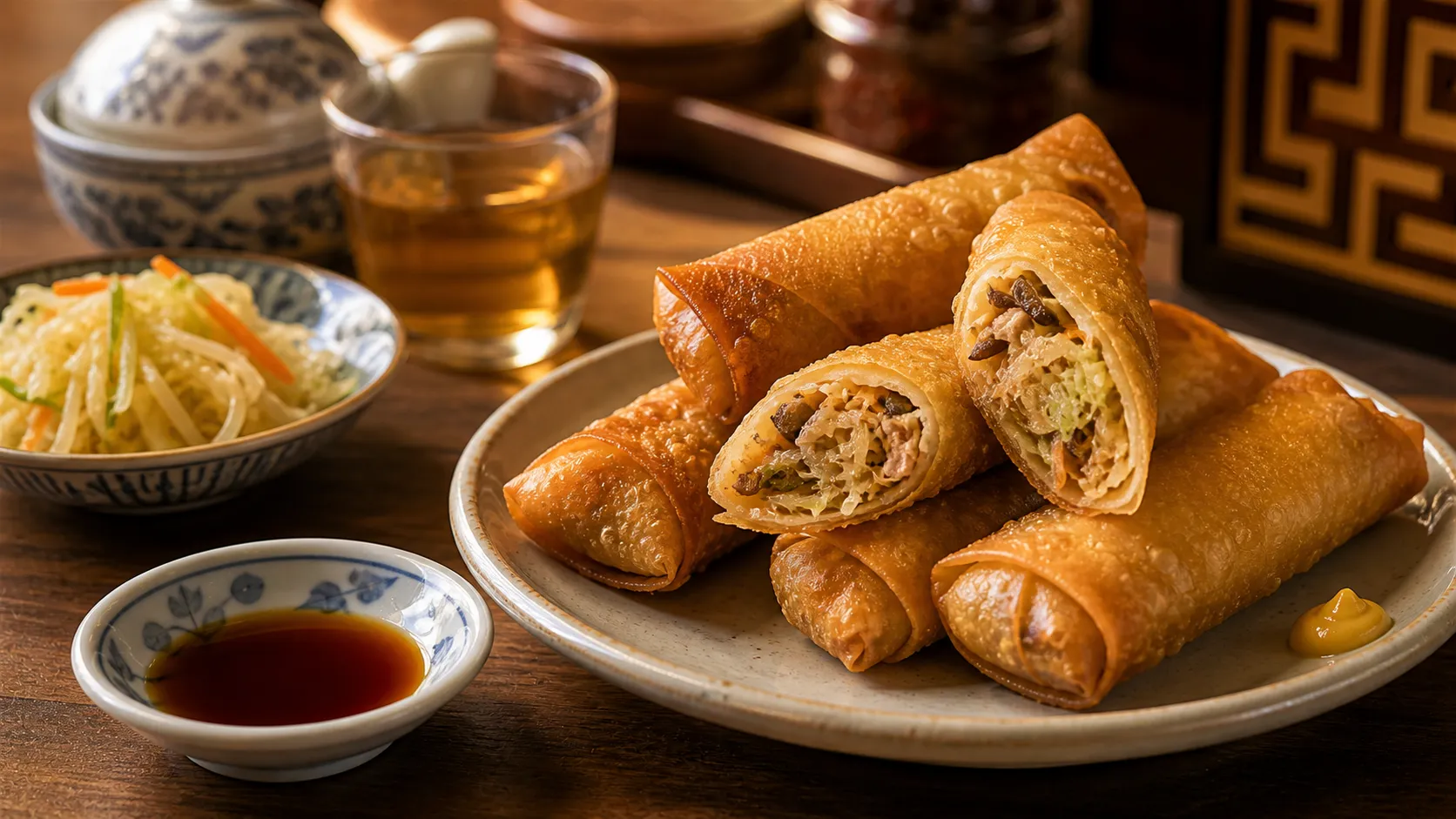
Japanese FoodNationwide
Harumaki (春巻き)
The Japanese spring roll — a shatteringly crisp golden tube that gives way to a hot, savory tangle of pork, cabbage and bamboo shoot, best eaten the second it's cool enough not to burn your mouth (you will not wait that long).
July 11, 2026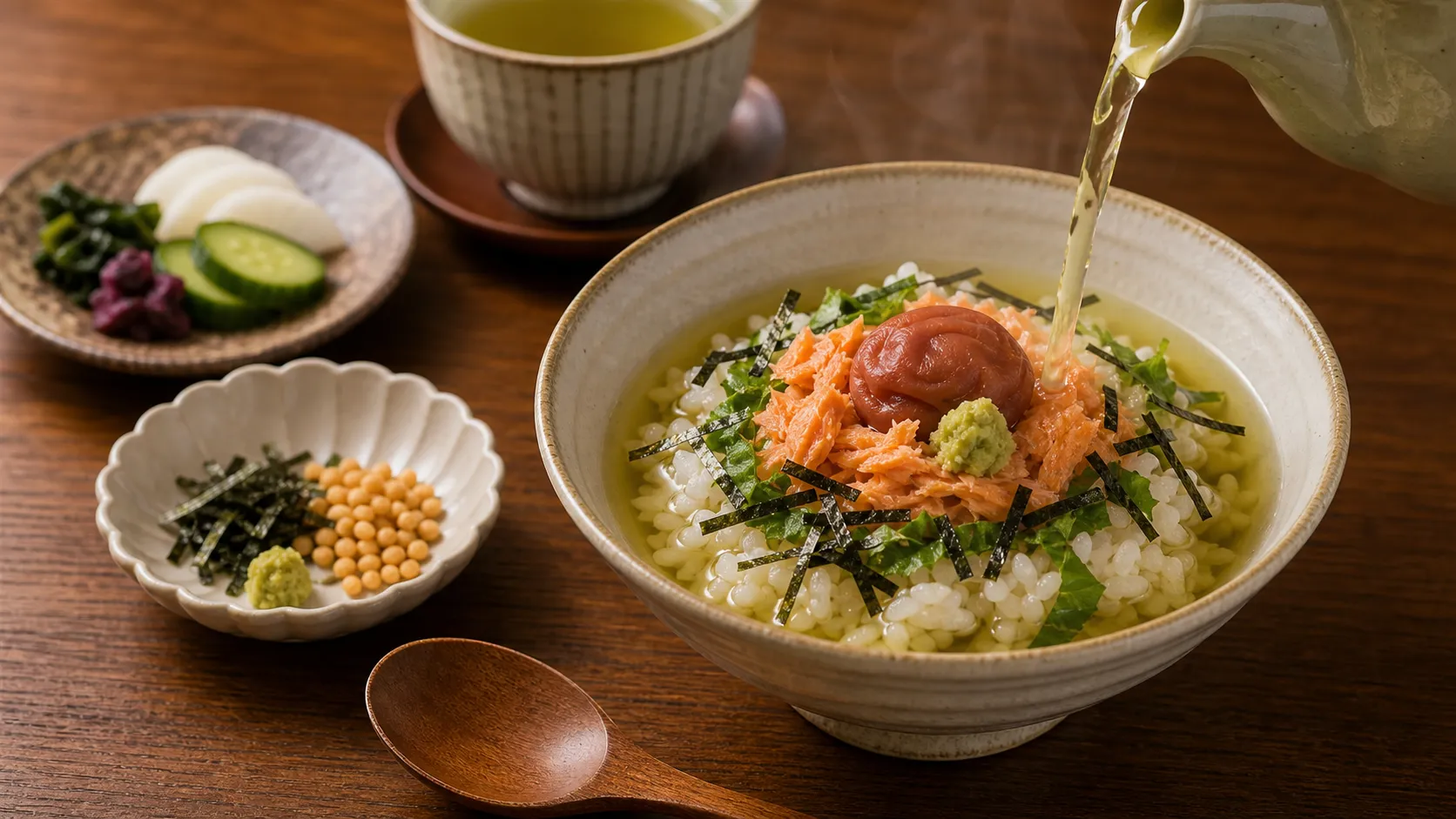
Japanese FoodNationwide
Ochazuke (お茶漬け)
Pour hot green tea or dashi over a bowl of rice, scatter something savory on top, and eat — the gentlest, most quietly restorative dish in Japan, the one you reach for late at night when you just need a warm bowl to make everything okay.
July 11, 2026