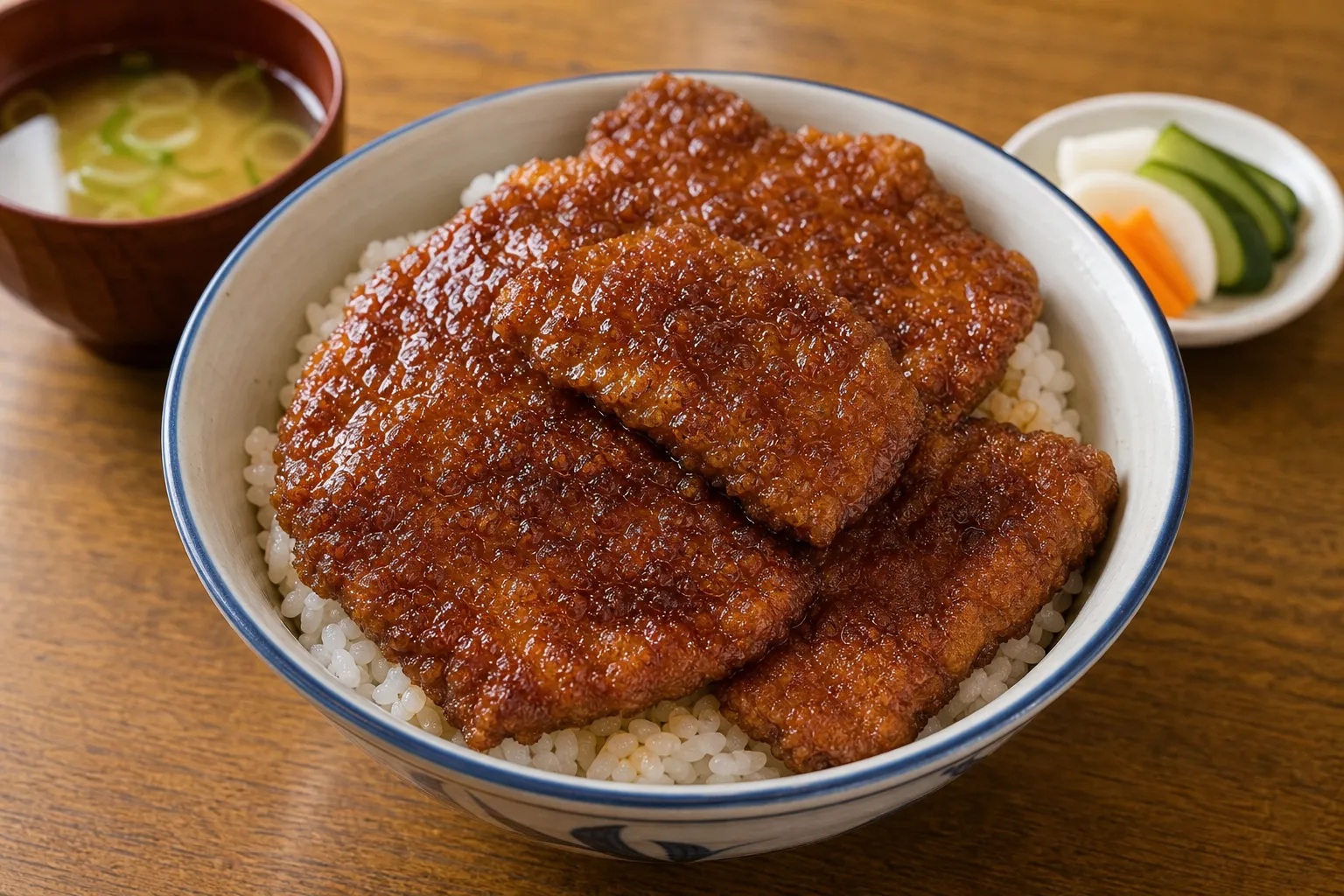
Wait — where's the egg? That was my first thought, staring down at a bowl of glistening brown cutlets on rice with no fluffy yellow blanket anywhere in sight. And then I bit one, and the crust crackled — actual crunch, not the soft mush I'd braced for — and underneath was that dark, sweet-salty tare soaking down into the rice, and I understood immediately that Niigata had been right all along. I ate the whole bowl faster than I want to admit, and I'd have ordered a second if my pride had let me.
Share this dish


No egg, no fuss, no soggy simmering — just crisp thin cutlets flash-dunked in sweet soy tare and stacked on rice. Niigata took katsudon and stripped it down to the good part.
🍜 Planning a food trip to Niigata?Add this dish to my Food Trip →
 Add this dish to my Food Trip →
Here's what it is: tarekatsu-don (たれかつ丼) is Niigata's own katsudon — thin pork cutlets fried until crisp, dipped whole into a sweet-savory soy tare, and laid straight over a bowl of white rice. That's the whole trick, and the whole genius: no egg, no dashi simmering, no thick demi-glace. Where most of Japan means egg-bound, simmered-soft katsudon (or Fukui-style sauce katsu), Niigata keeps the cutlet crisp and lets a clear, sweet soy tare do everything. Thin, crunchy, glossy, and gone in minutes.
Born in a Niigata backstreet, kept beautifully simple
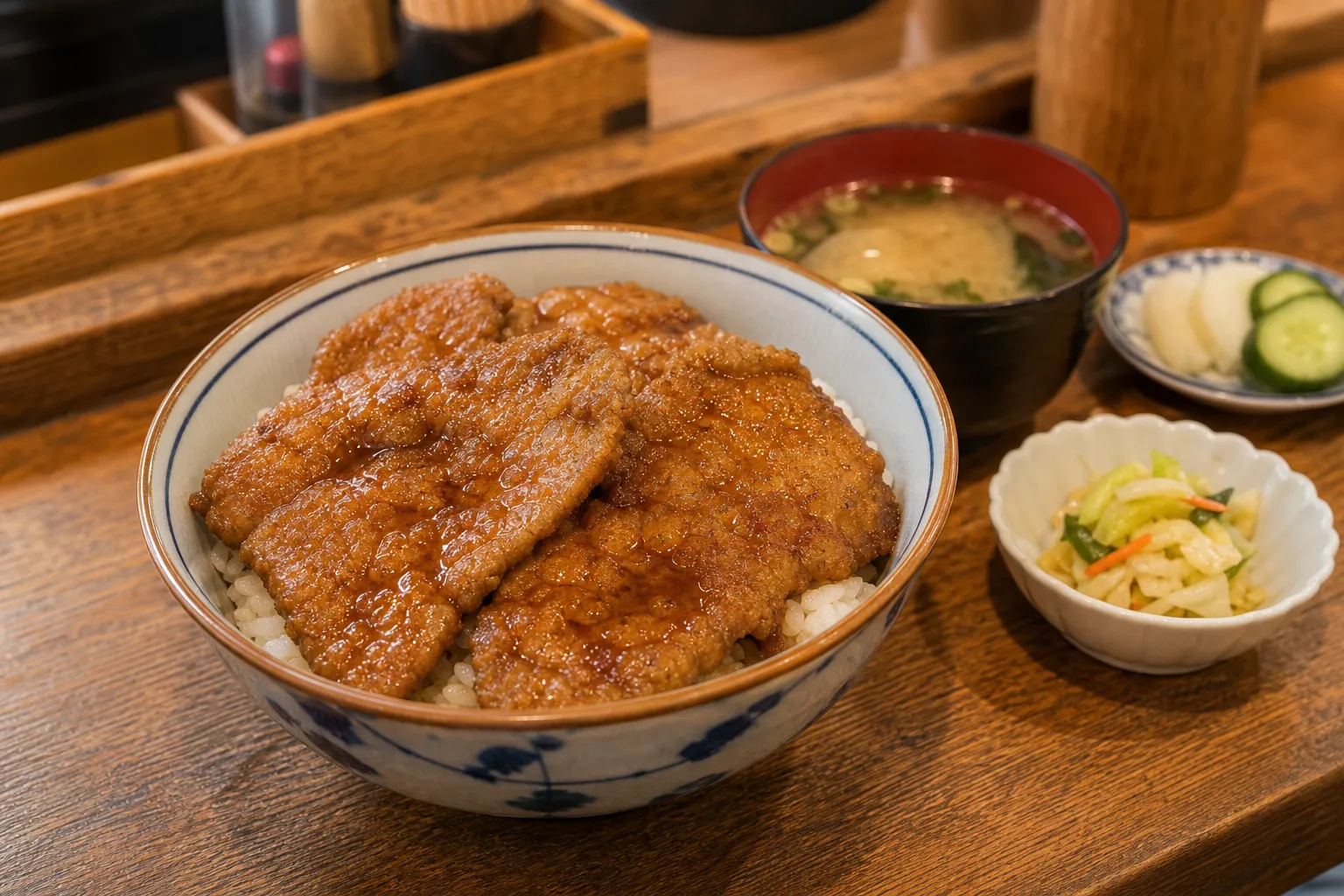
The story goes back to a small Western-style eatery in Niigata City in the early Showa era, where a cook reportedly took a European schnitzel idea, thinned the pork out, fried it light, and dressed it in a Japanese sweet-soy tare instead of heavy sauce. It caught on hard and never left — today it's simply the katsudon in Niigata, so much so that locals will warn you: order "katsudon" here and you might get this, not the egg version you were picturing.
I find that quietly wonderful. In a country where katsudon almost universally means pork-and-egg over rice, one prefecture just... didn't go along with it, and doubled down on crunch. There's no ceremony to it, no fusion-restaurant preening — it's honest, cheap, filling working-town food, the kind of thing you eat at a counter with the TV on. And the tare is personal: every shop guards its own balance of soy, sugar, mirin and dashi, so bowls taste subtly different across the city. Eating your way around Niigata's tarekatsu shops is a genuinely fun afternoon.
What makes the eating experience different
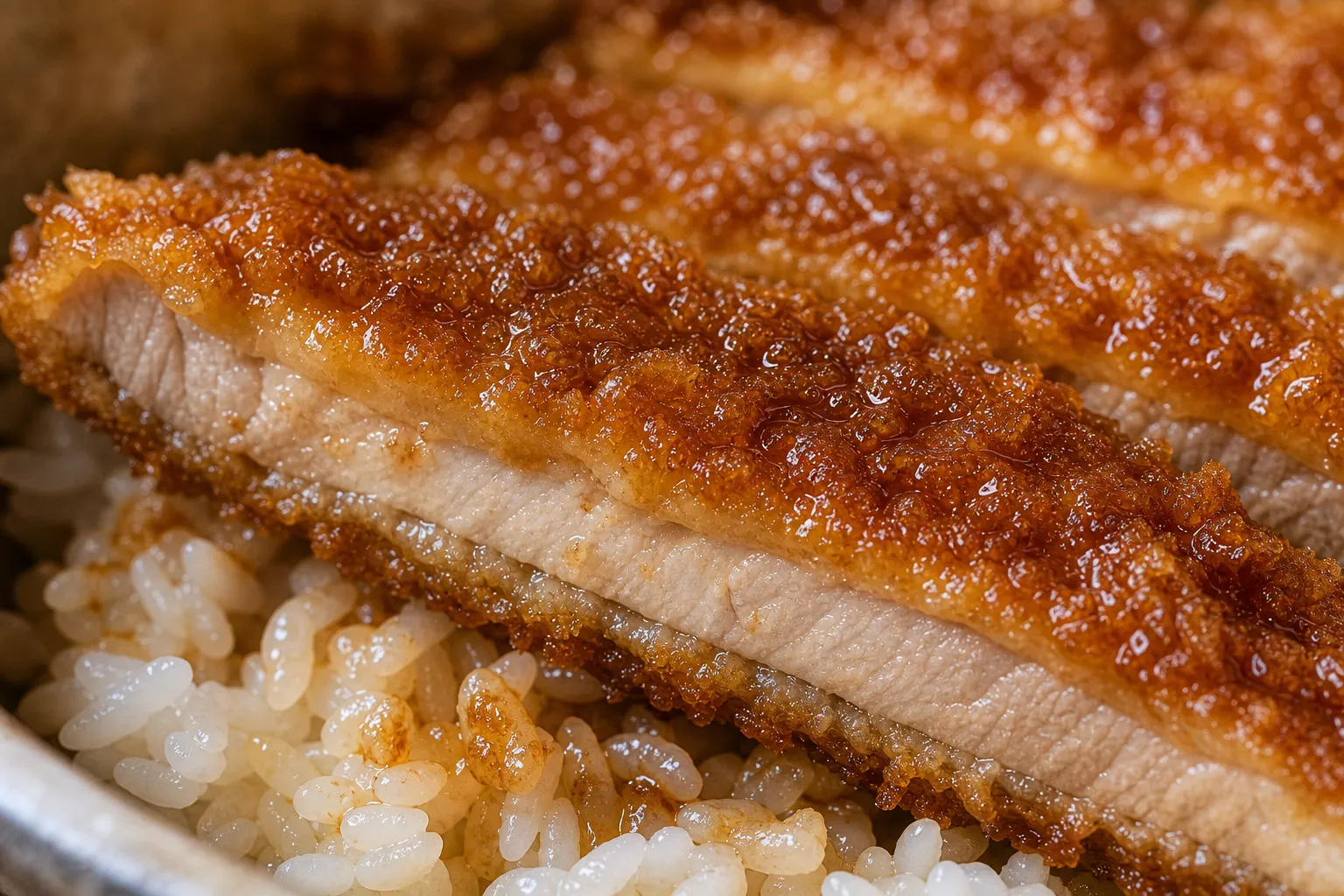
- The cutlets stay crisp. Because they're only dipped in tare, not simmered, the panko crust keeps real crunch instead of going soft under egg — this is the whole point.
- They're thin and layered. Instead of one thick slab, you get several thin cutlets fanned over the rice, so every bite has crust, pork and tare in the right ratio.
- The tare is sweet-savory soy, not sauce. Clear, glossy, a little sweet, deeply umami — it soaks into the rice below without drowning the crunch on top.
- No egg, no dashi bath. That absence is the dish; it eats cleaner and lighter than egg katsudon despite being fried.
- It's fast, cheap and enormous value. A pile of hot cutlets on rice for under ¥1,300 — this is comfort food that respects your wallet.
How it's made
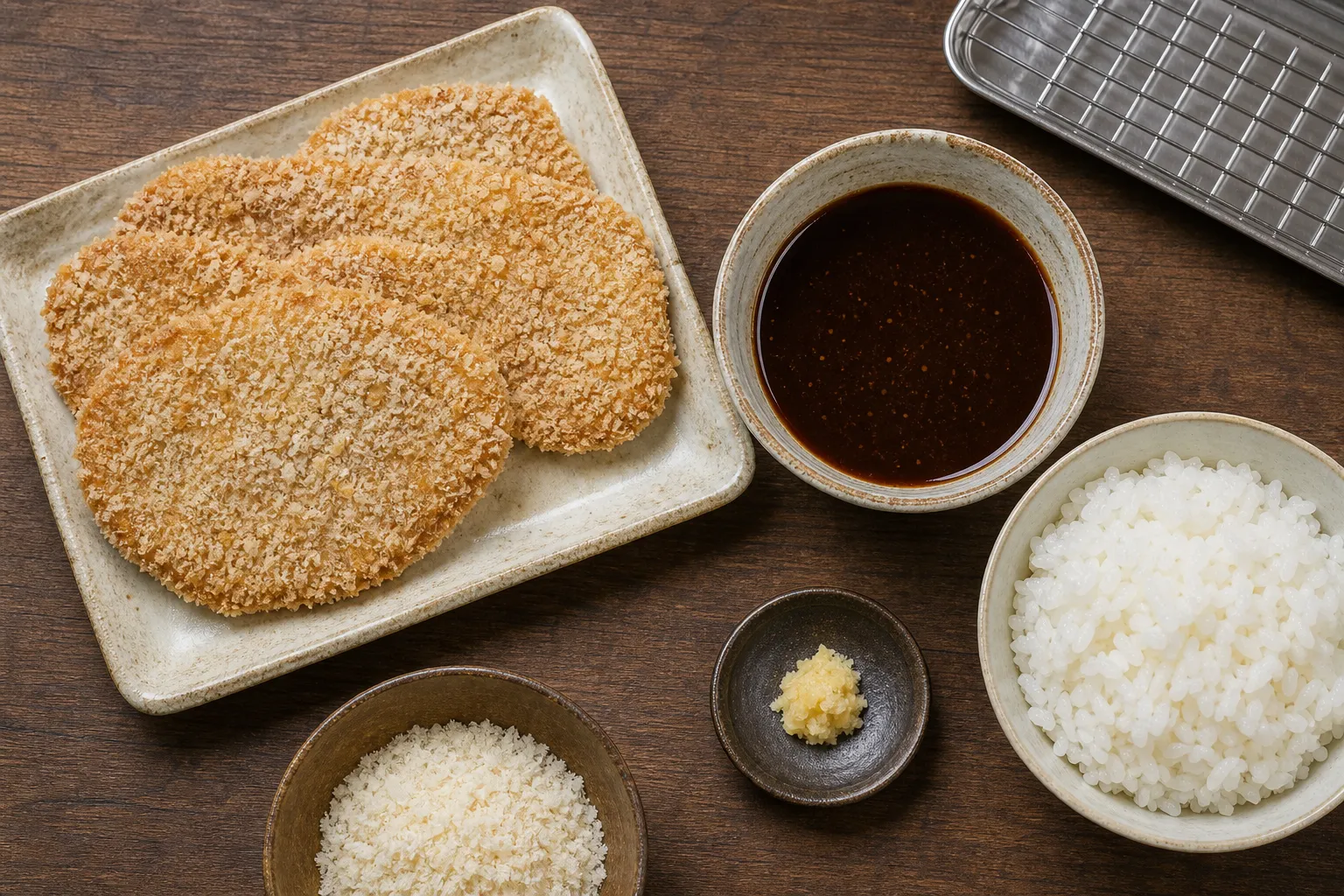
- Pound the pork thin. Loin or a lean cut is flattened out thin — thinner than a standard tonkatsu slab — so it fries fast and light.
- Bread and fry. The pork is dredged in flour, egg and panko, then deep-fried until the crust is crisp and golden.
- Make the tare. Soy sauce, sugar, mirin and often a little dashi are simmered into a glossy sweet-savory dipping sauce — every shop's recipe differs.
- Dip, don't simmer. Each hot cutlet is dunked briefly in the warm tare so it's coated and glazed but the crust stays crunchy.
- Stack over rice. The dipped cutlets are laid over a bowl of hot white rice, sometimes with a little extra tare drizzled so it seeps into the rice. Served immediately.
The discipline is in the dip: too long in the tare and you lose the crunch that makes this Niigata's and not everyone else's katsudon. In and out, straight onto the rice, eat it now.
Before you go — order it in Niigata, and don't wait for egg
Your questions, answered honestly
"Why is there no egg? Did they forget?" — Nope, this is the whole idea. Niigata-style katsudon is defined by having no egg and no simmering. The cutlets are dipped in a sweet soy tare and set on rice so they stay crisp. If you want the egg version, you specifically have to look for it here — the default is this.
"Is it the same as Fukui-style sauce katsudon?" — Related cousins, not twins. Both skip the egg and keep the crunch, but Fukui's is dressed in a Worcestershire-ish brown sauce, while Niigata's tare is a sweeter, soy-based glaze. Different flavor family entirely.
"Will it be greasy or heavy?" — Less than you'd fear. Because the cutlets are thin and only dipped (not swimming in egg and dashi), it eats surprisingly clean for a fried pork bowl. Filling, yes; heavy, not really.
"Can I get one that isn't pork?" — Pork is the classic and near-universal here. Some shops do chicken or other cutlets, but if you want the real Niigata thing, pork loin dipped in tare is it. Recipes vary, so check ingredients if you have dietary needs.
What the staff will ask you
| You'll hear | Romaji | Meaning | Just say |
|---|---|---|---|
| 何枚にしますか? | Nan-mai ni shimasu ka? | "How many cutlets?" | Futsū de (regular, please) |
| ご飯の量はどうしますか? | Gohan no ryō wa dō shimasu ka? | "How much rice?" | Futsū de (normal size) |
| みそ汁お付けしますか? | Miso-shiru o-tsuke shimasu ka? | "Add miso soup?" | Onegai shimasu (yes, please) |
To order, just say "Tarekatsu-don o kudasai" (たれかつ丼をください) — "Tarekatsu-don, please."
Where to eat it
- Niigata City — the dish's home. It's a local staple served at katsu specialists, old-school Western-style diners (yōshoku shops) and casual eateries across the city; the classic long-running tarekatsu houses near the city center are the obvious place to start.
- Furumachi and around Niigata Station — central Niigata's dining districts are dense with shops serving their own tare, making it easy to compare a couple of bowls in one trip.
- Across Niigata Prefecture — you'll find tarekatsu-don at restaurants, station eateries and even some bento counters throughout the prefecture, since here this is katsudon.
Tarekatsu-don is a Niigata standard rather than a single famous stall, and each shop's tare and hours differ — check opening times before a special trip, and when in doubt just order "katsudon" in Niigata and enjoy what arrives.
Soul Score
Local Roots4/5
First-Timer Friendly5/5
Adventure Level3/5
Comfort Level5/5
Travel Worthy4/5
These scores are one obsessed eater's gut feeling — not a verdict. A low number isn't a bad mark, just a different kind of adventure.
Know someone planning Japan?
← All Articles
Local Food · Niigata, Niigata
Still hungry?
Eat more from Niigata
Local FoodNiigata, Niigata
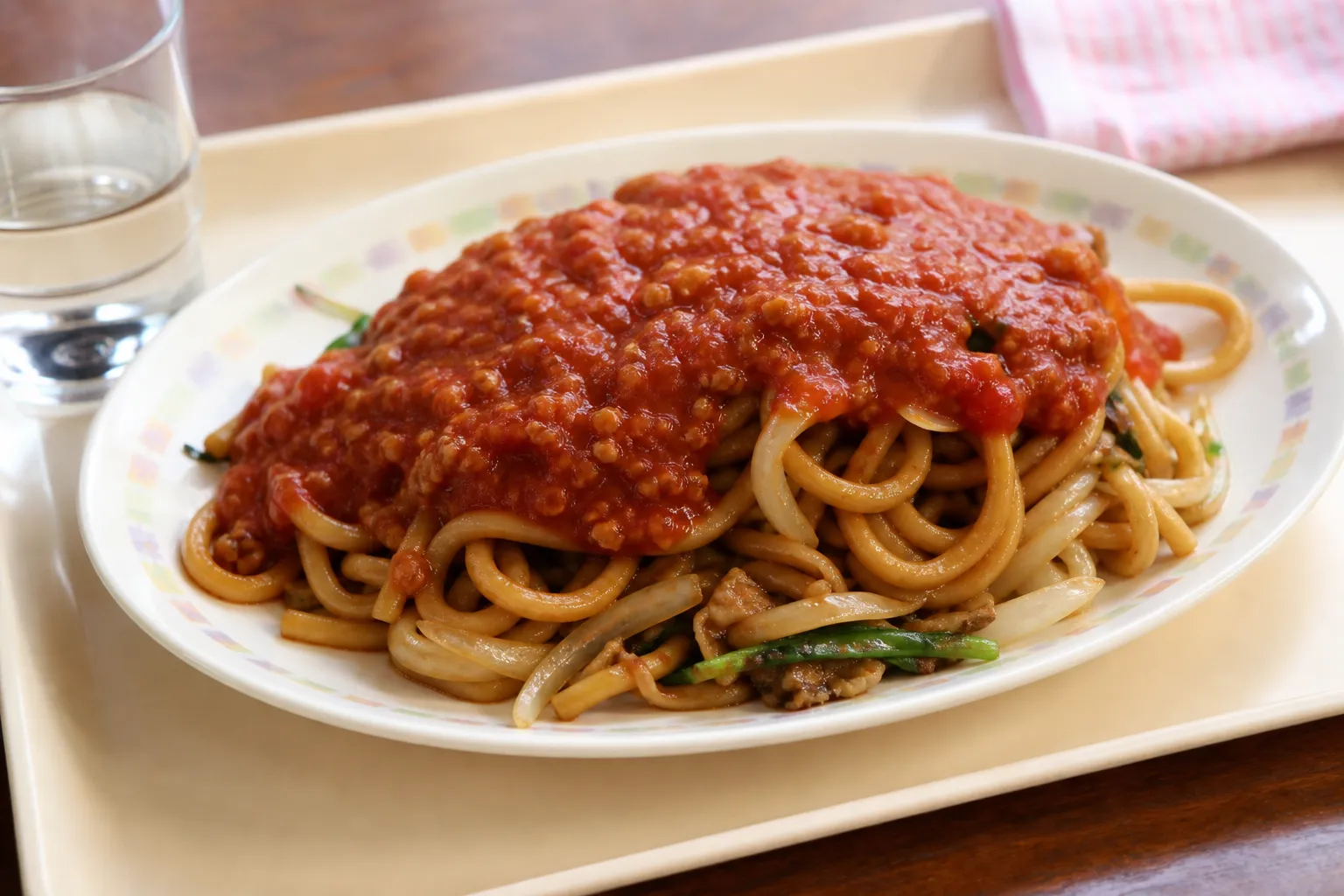
Niigata Italian (イタリアン)
Thick, griddled chow-mein noodles crowned with a ladle of tomato meat sauce, served in a tray for pocket change — a local fast-food obsession that answers to the name 'Italian' and looks nothing like Italy.
July 12, 2026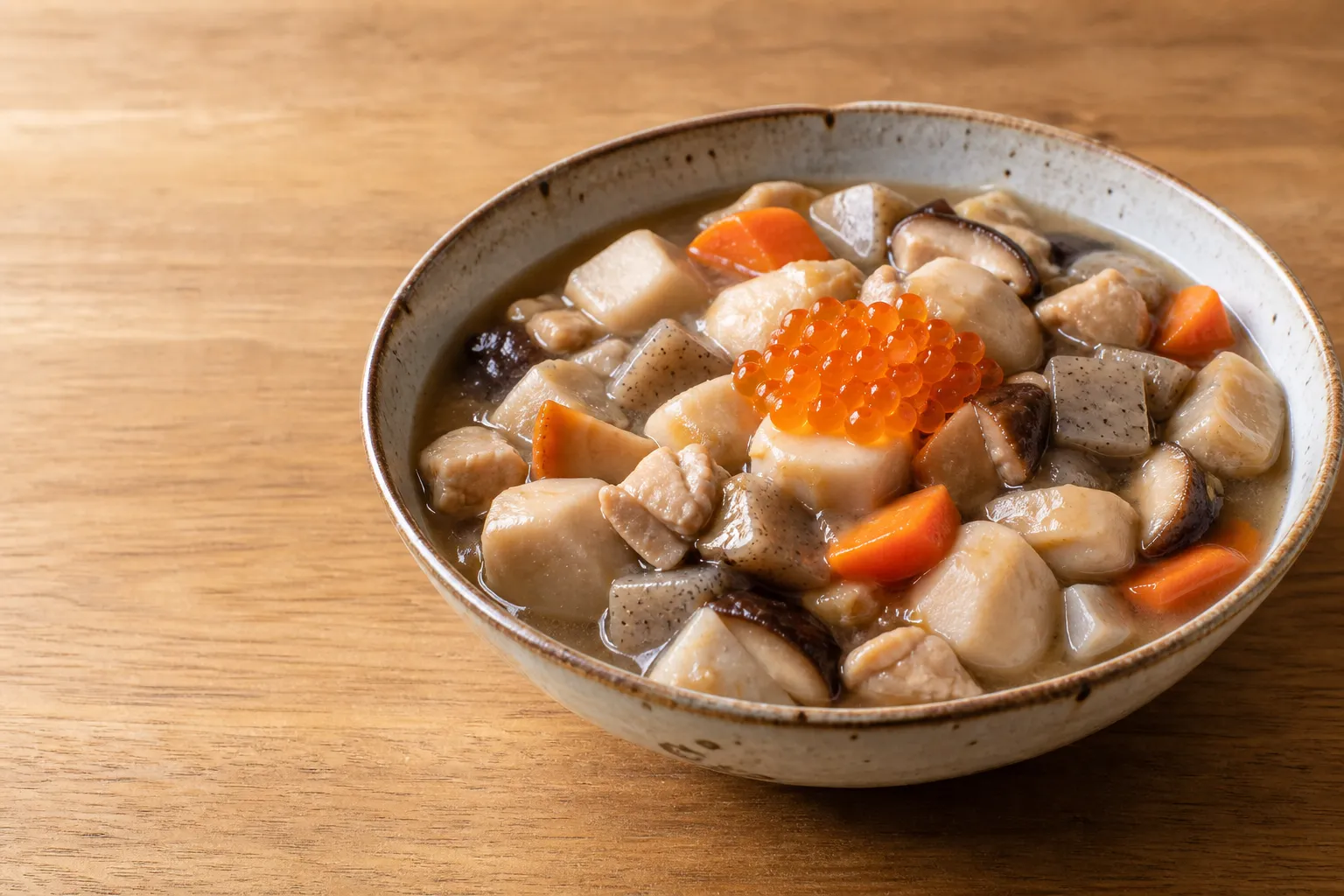
Local FoodNiigata
Noppe (のっぺ)
A spoon goes into the bowl and comes out coated, silky, clinging — like the broth itself has opinions about leaving. Niigata's grandmother stew doesn't announce itself, and that's exactly why it wins.
July 5, 2026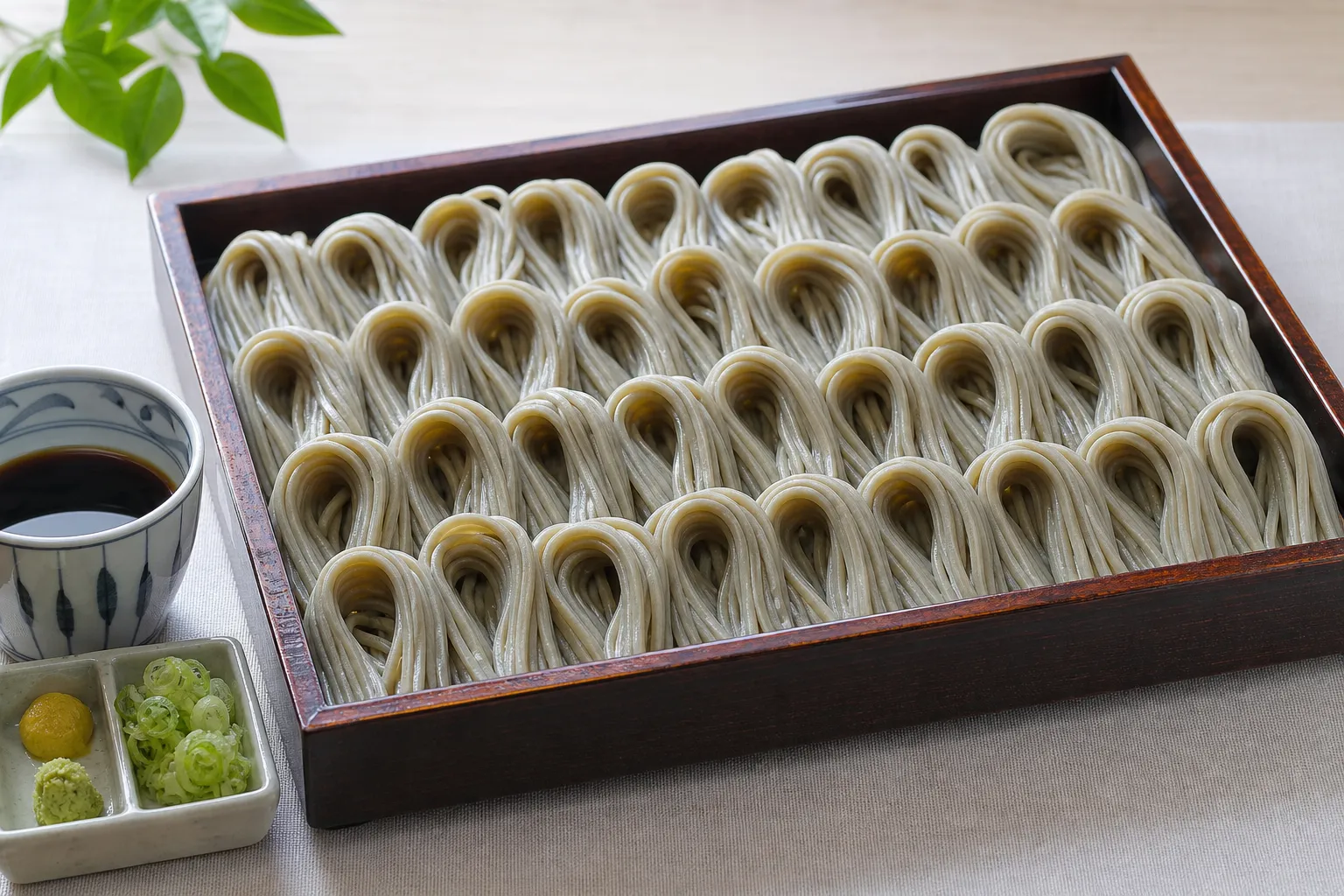
Local FoodTokamachi, Niigata
Hegi Soba (へぎそば)
Soba bound with seaweed, served in neat one-bite coils on a long wooden tray — silky, slippery, impossibly springy. Niigata's textile country turned noodles into something you've never quite chewed before.
June 27, 2026