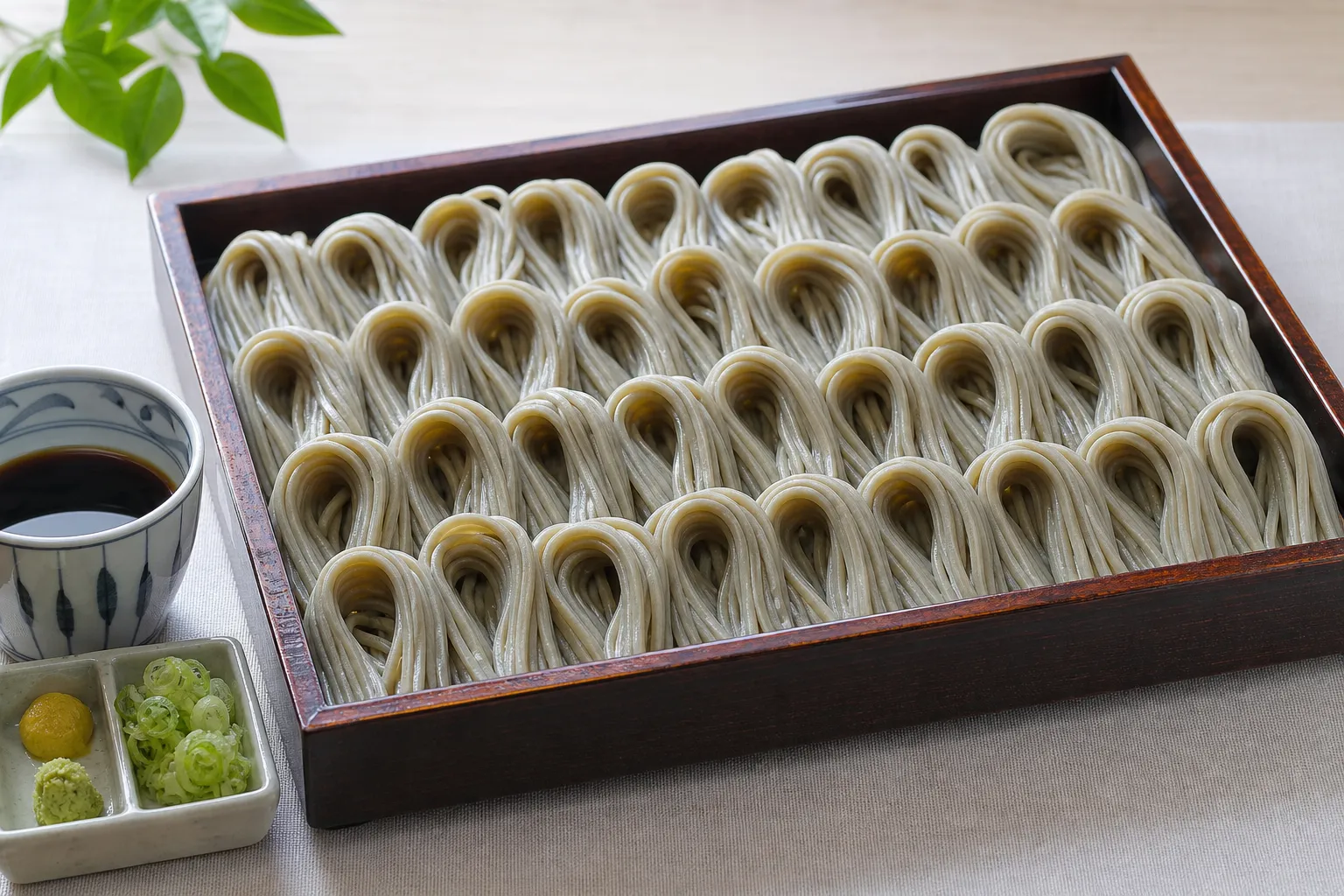
The noodles came up off the tray in a neat little coil — one perfect bite-sized swirl, lifted whole — and when I slurped them they were silky, slipping and snapping in a way buckwheat genuinely has no business doing. Cool, smooth, springy, gone. I went back for the next coil immediately. Then somebody said the word "seaweed," and I made them say it again, because I'd just eaten three bundles without realizing the secret was sitting right there in the dough.
Share this dish


Soba bound with seaweed, served in neat one-bite coils on a long wooden tray — silky, slippery, impossibly springy. Niigata's textile country turned noodles into something you've never quite chewed before.
🍜 Planning a food trip to Niigata?Add this dish to my Food Trip →
 Add this dish to my Food Trip →
This is hegi soba, the pride of Niigata's snow country around Tokamachi and Ojiya. The trick: the buckwheat is bound with funori, a type of seaweed, which gives the noodles a smooth, glossy, almost slippery surface and a remarkable springy bite. They're served cold, arranged in tidy one-mouthful coils across a long wooden tray called a hegi — which is where the dish gets its name.
Soba from textile country
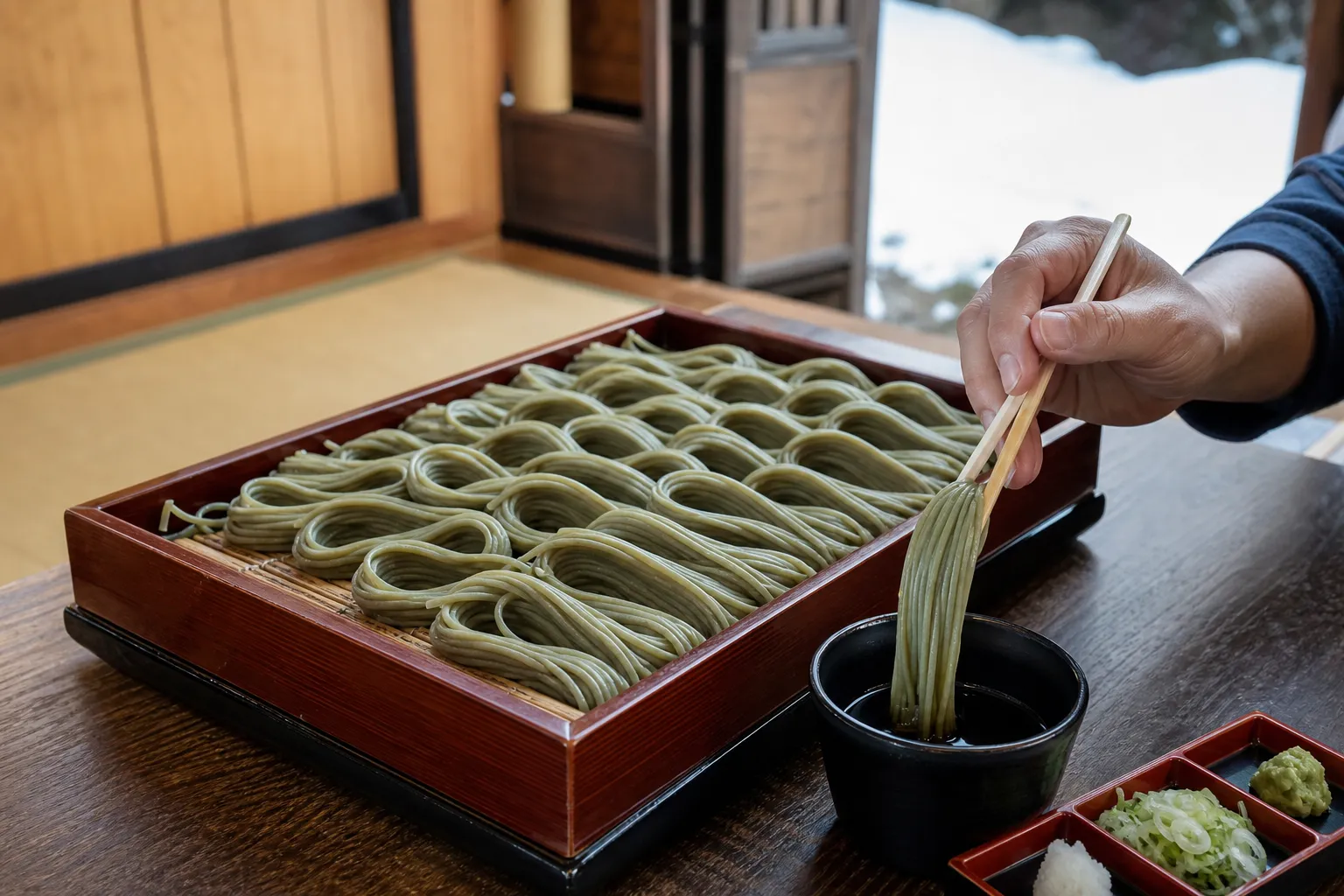
Here's the part I love: hegi soba comes from textile country. Tokamachi and Ojiya are famous for fine woven kimono cloth, and funori seaweed was traditionally used as a sizing agent to stiffen and finish threads. Local soba makers — surrounded by the stuff — had the inspired idea to work it into the noodle dough instead, and it turned out to be a phenomenal binder, giving soba a silkiness and elasticity plain buckwheat can't reach. A weaving-town byproduct became a noodle signature.
I find that genuinely delightful — a regional specialty that exists because of the fabric industry, of all things. It's also deeply practical, the way the best local foods are: the noodles are served in those coiled one-bite portions partly because they were historically arranged to dry and present neatly, and partly because they're just lovely to eat that way. Every detail has a reason, and the reasons all trace back to this specific snowy, weaving, buckwheat-growing corner of Niigata.
Seaweed-smooth and impossibly springy
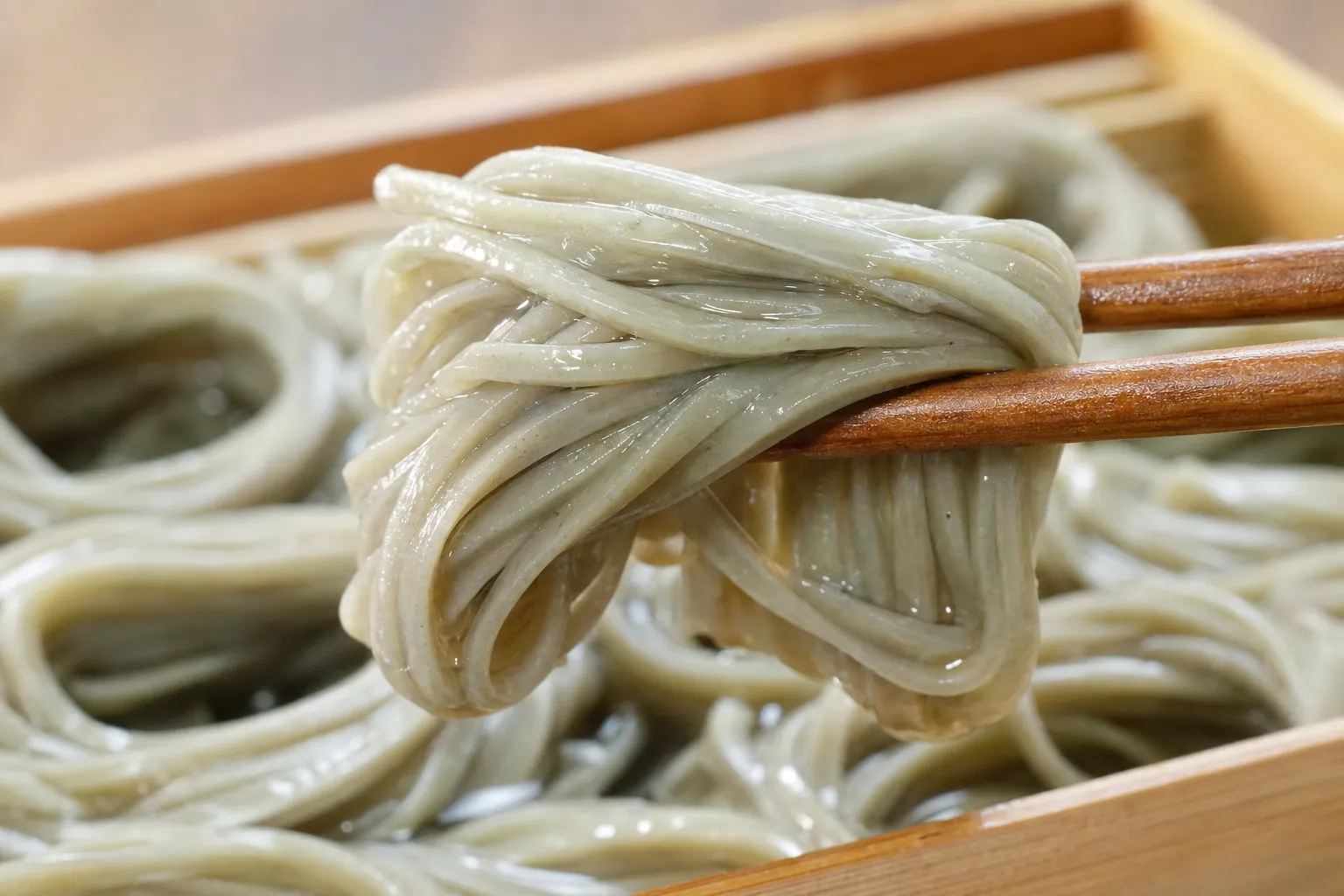
Texture is the whole show. The funori gives the noodles a glossy, faintly green-tinged sheen and a smooth, slippery surface, while the bite stays firm and bouncy — there's a snap and a slither at once that's weirdly addictive. They're served cold, which keeps them taut, and the flavor is clean and lightly nutty, letting that signature texture take center stage.
Dip a coil in the cold tsuyu and slurp. Traditionally, the accompaniment here was karashi (Japanese mustard) rather than wasabi — wasabi was hard to come by in the mountains, so mustard did the job, and a lot of shops still offer it as the old-school option. Try a coil with wasabi, then one with karashi, and see which you prefer. I'm a karashi convert now. The sharp mustard heat against those cool, springy noodles is a small revelation.
How it's made
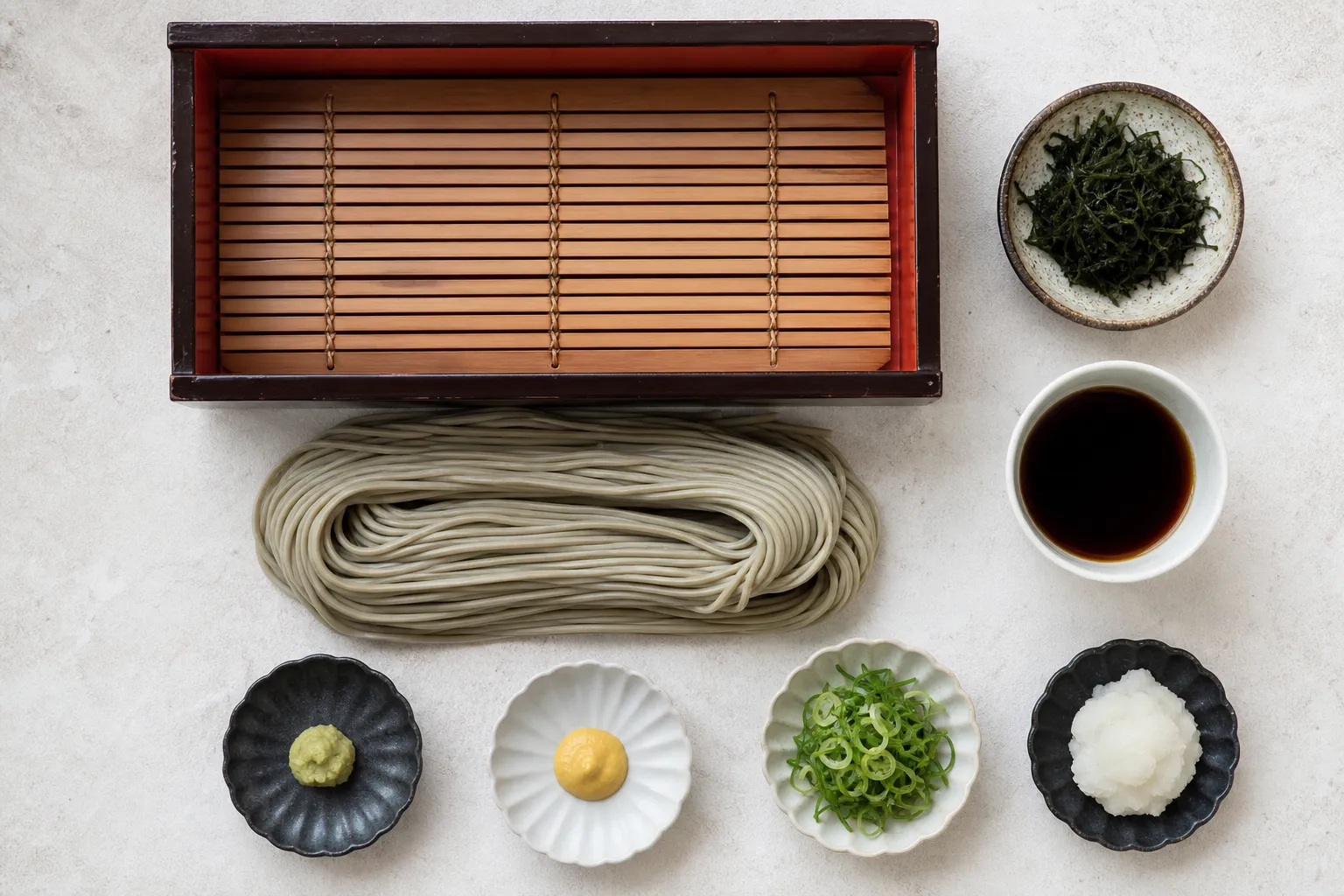
- Mix buckwheat flour with funori seaweed (rehydrated and worked into a binder)
- Knead into a smooth, elastic dough — the seaweed is what makes it springy and glossy
- Roll thin and cut into even noodles
- Boil briefly, then shock in cold water to keep them taut and slippery
- Arrange in neat one-bite coils across a long wooden hegi tray
- Serve cold with tsuyu, plus wasabi and — traditionally — karashi mustard
Before you go — for the noodle-curious
Your questions, answered honestly
"Seaweed in soba — does it taste fishy?" — Not at all. The funori is a binder, not a flavor; you taste clean, nutty buckwheat. What the seaweed does is texture — that smooth, springy, slippery bite. Don't let the word put you off.
"Why is it served in those little coils?" — Those one-mouthful swirls (sometimes called teguri) are part of the presentation and make the cold noodles easy to lift and eat in clean bites. Take one coil at a time.
"Wasabi or mustard?" — Both are offered at many shops. Wasabi is the modern default; karashi (mustard) is the traditional mountain accompaniment from when wasabi was scarce. Try both — the mustard is a great surprise.
"Hot or cold?" — Hegi soba is at its best cold, which shows off the springy, slippery texture. That's how it's classically served.
What the staff will ask you
| You'll hear | Romaji | Meaning | Just say |
|---|---|---|---|
| 何人前にしますか? | Nannin-mae ni shimasu ka? | "How many portions?" | Ninin-mae kudasai (two portions, please) |
| 薬味はわさびと辛子、どちらにしますか? | Yakumi wa wasabi to karashi, dochira ni shimasu ka? | "Wasabi or mustard?" | Ryōhō onegaishimasu (both, please) |
| 天ぷらはお付けしますか? | Tenpura wa otsuke shimasu ka? | "Add tempura?" | Hai, onegaishimasu (yes please) |
To order, just say "Hegi soba kudasai" (へぎそばください) — "Hegi soba, please."
Where to eat it
- Tokamachi & Ojiya, Niigata — the birthplace of hegi soba, where long-running soba shops serve it on the traditional wooden trays. The best place to taste it at the source, ideally paired with local sake.
- Across Niigata Prefecture — soba shops in Niigata City and the wider prefecture serve hegi soba; an easy try if you're exploring Japan's snow country or rice-and-sake region.
- Niigata antenna shops in Tokyo & beyond — some specialty restaurants and antenna shops outside the prefecture serve or sell hegi soba. Availability changes, so check before you go.
Soul Score
Local Roots5/5
First-Timer Friendly4/5
Adventure Level3/5
Comfort Level4/5
Travel Worthy4/5
These scores are one obsessed eater's gut feeling — not a verdict. A low number isn't a bad mark, just a different kind of adventure.
Know someone planning Japan?
← All Articles
Local Food · Tokamachi, Niigata
Still hungry?
Eat more from Niigata
Local FoodNiigata, Niigata
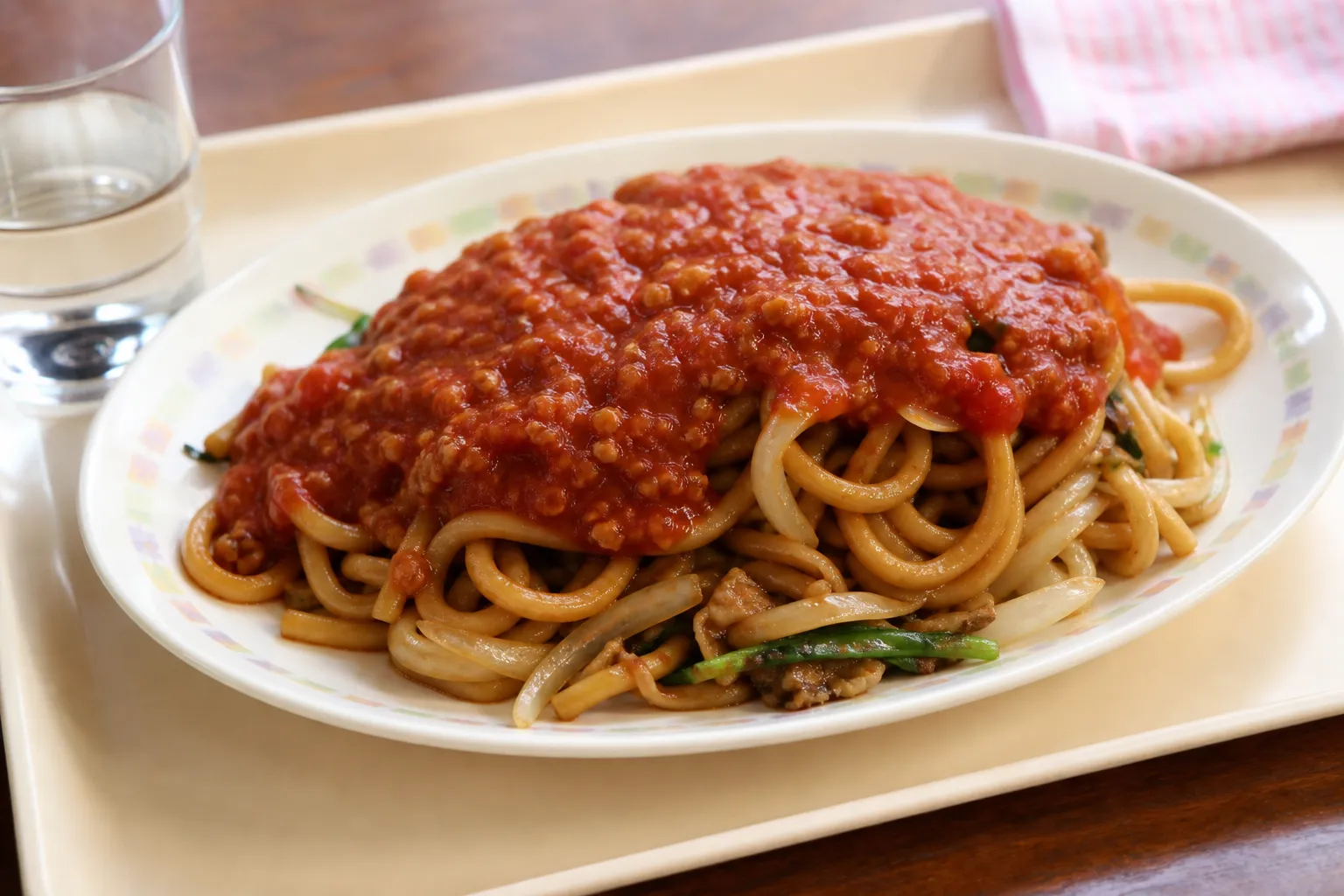
Niigata Italian (イタリアン)
Thick, griddled chow-mein noodles crowned with a ladle of tomato meat sauce, served in a tray for pocket change — a local fast-food obsession that answers to the name 'Italian' and looks nothing like Italy.
July 12, 2026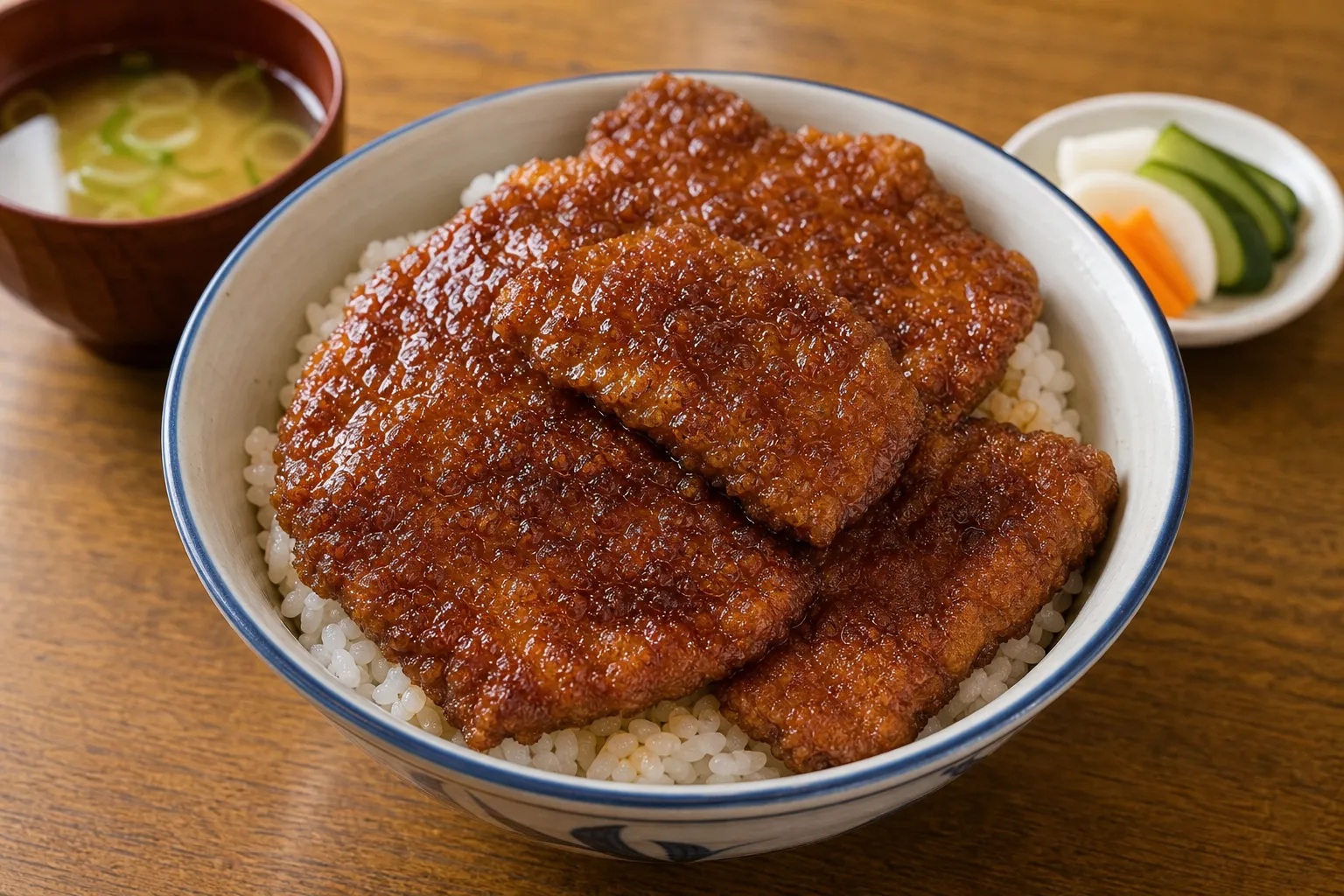
Local FoodNiigata, Niigata
Tarekatsu-don (たれかつ丼)
No egg, no fuss, no soggy simmering — just crisp thin cutlets flash-dunked in sweet soy tare and stacked on rice. Niigata took katsudon and stripped it down to the good part.
July 12, 2026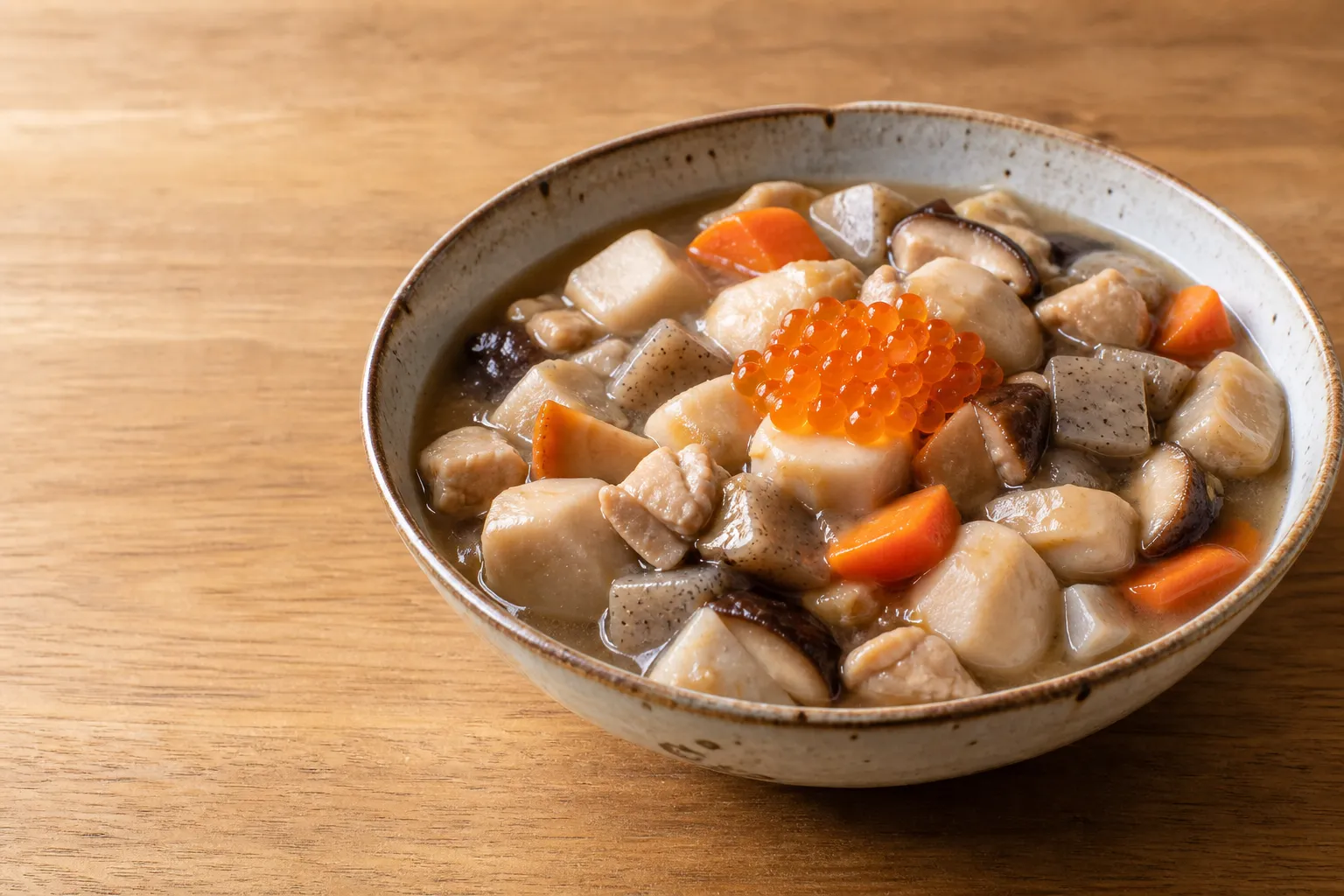
Local FoodNiigata
Noppe (のっぺ)
A spoon goes into the bowl and comes out coated, silky, clinging — like the broth itself has opinions about leaving. Niigata's grandmother stew doesn't announce itself, and that's exactly why it wins.
July 5, 2026