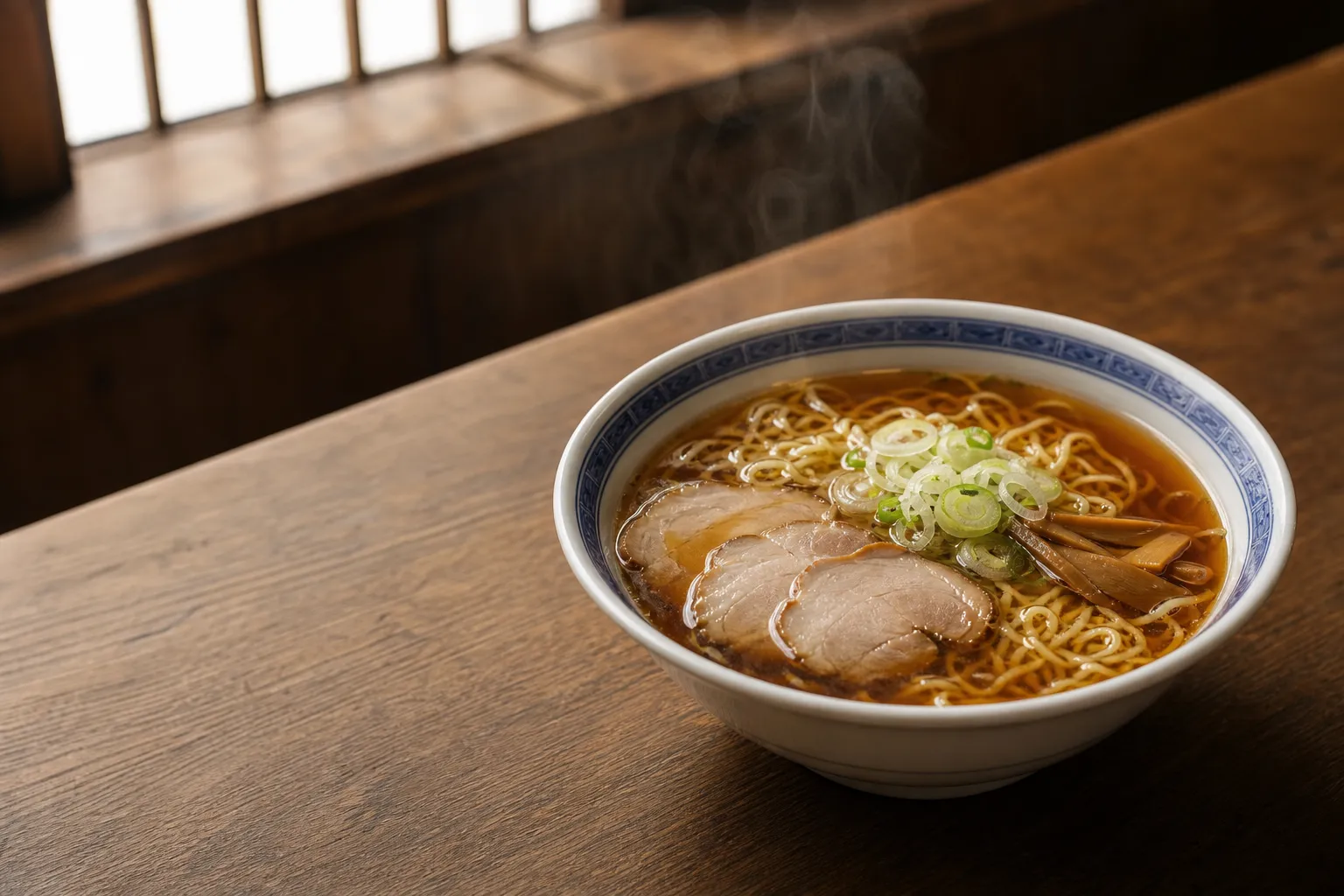
I almost walked past it. A tiny shop tucked into the old wooden streets of Takayama, no queue, no hype — just steam curling out into air cold enough to sting. I ducked in because my feet were freezing, ordered the only thing they really make, and got a bowl of thin, curly noodles in a soy broth the color of weak tea. One slurp and I stopped noticing the cold entirely.
Share this dish


Thin, curly noodles in a soy broth the color of weak tea, in a snowbound mountain town that never got the memo that ramen had to be heavy. Hida-Takayama's quiet, soy-clear classic.
🍜 Planning a food trip to Gifu?Add this dish to my Food Trip →
 Add this dish to my Food Trip →
This is Takayama ramen (高山ラーメン), the everyday bowl of Hida-Takayama up in the Gifu mountains: thin, wavy noodles in a light soy (shoyu) broth, made the old way — the soup stock and the soy tare are blended together in the pot first, instead of spooning tare into each bowl. The result is gentle, clean, and a little nostalgic, the kind of ramen a town keeps making for a hundred years because it simply tastes like home.
A mountain town's everyday bowl
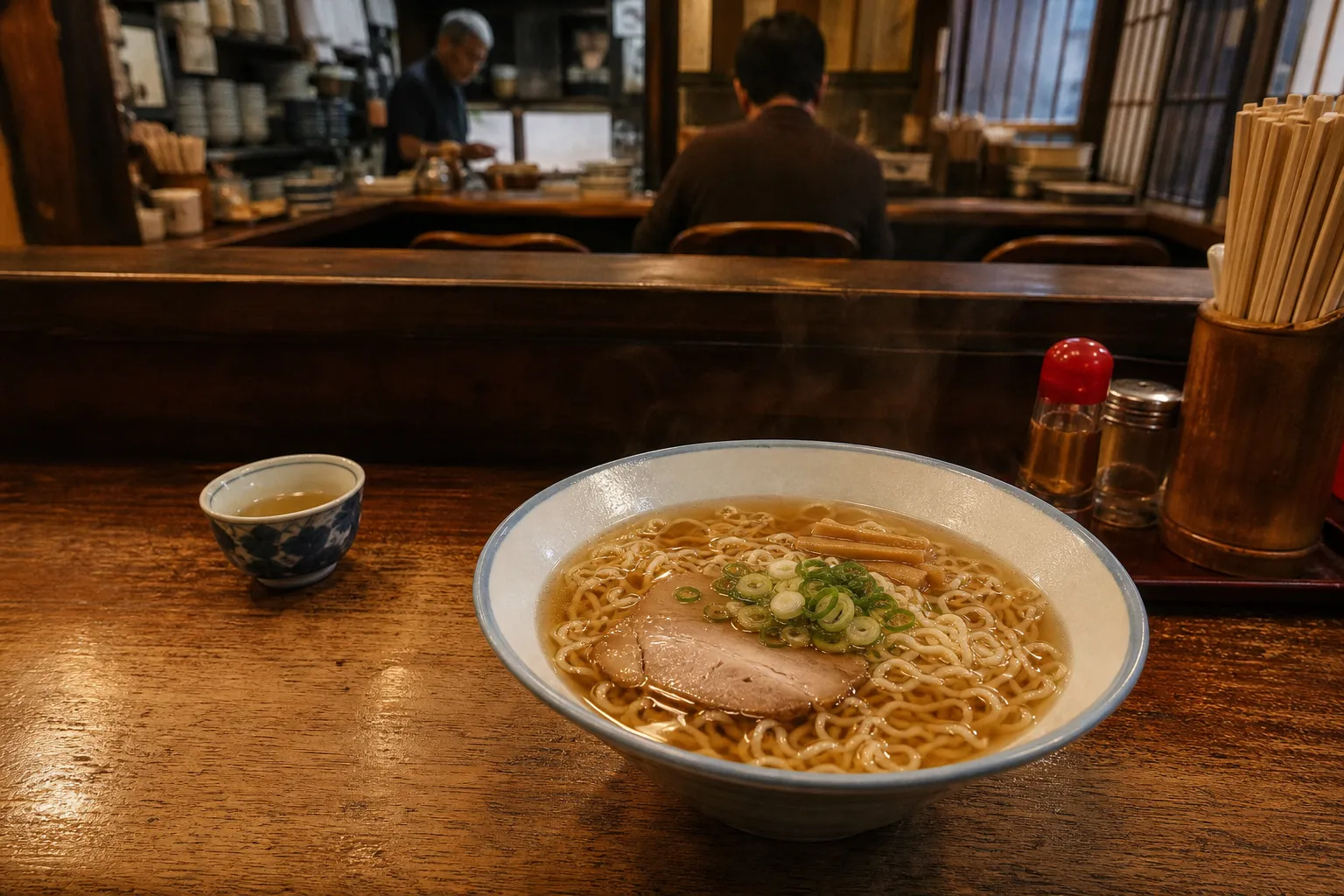
Takayama is a beautifully preserved old town — dark wooden facades, sake breweries, morning markets, snow half the year — and its ramen grew up as honest, affordable food for people who live there, not a destination dish for tourists. Locals often just call it chuka soba, the humble old name for ramen, and that tells you everything about its attitude. No towering toppings, no arms race of richness.
I find that genuinely moving. In a country where ramen has become a competitive sport, here's a town that kept its bowl small, light, and unchanged, because the people who eat it every week didn't want it any other way. I had a second bowl the next morning just to make sure I wasn't romanticizing it. I wasn't.
Why the thin noodles and clear soy work
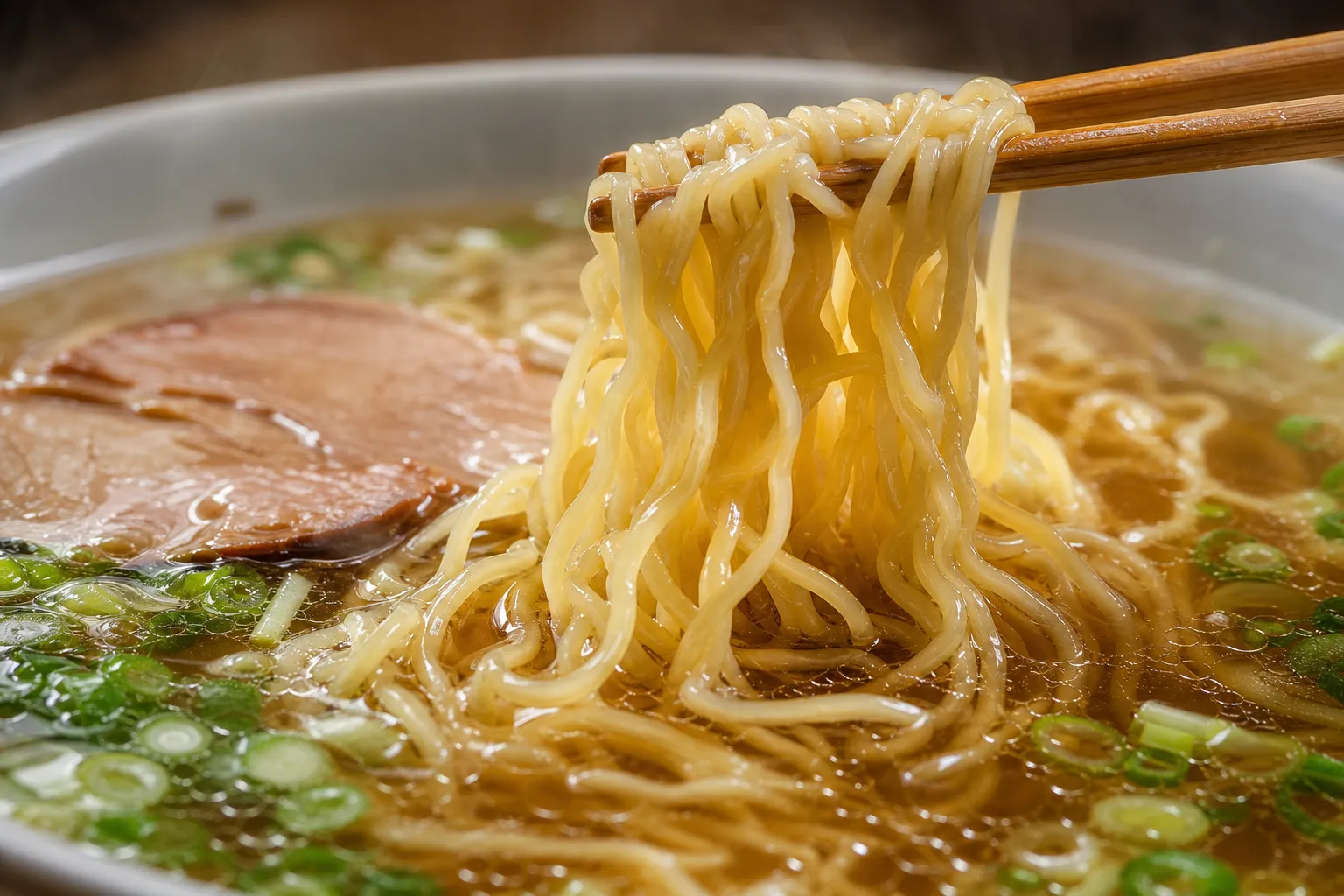
The noodles are the tell. They're thin and curly — almost crinkly — and they grab the light broth and carry it up with every chopstick lift. Because the tare and soup are pre-blended, the flavor is even and rounded from the first sip to the last, soy-savory but never salty-aggressive. Toppings stay restrained: chashu, green onion, menma, maybe a sliver of naruto.
It's a bowl that trusts you to slow down. There's no fat slick to wrestle, no punishing intensity — just clean soy, lively thin noodles, and steam fogging up the window against the cold. I drank every drop and walked back out into the snow feeling warm from the inside, which is exactly the job this ramen was invented to do.
How it's made
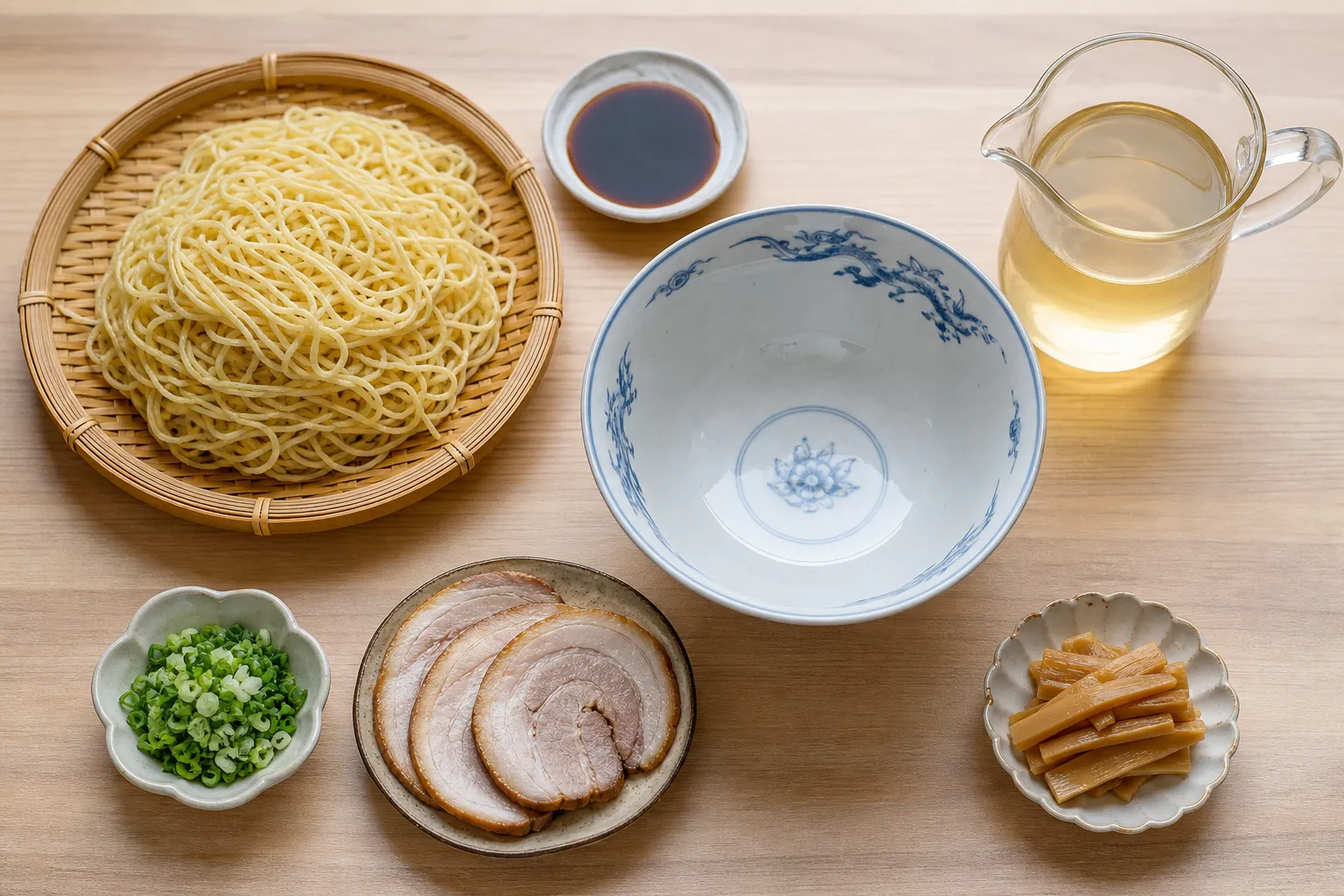
- Simmer a light stock (often chicken with vegetables and dried fish)
- Blend the soy tare into the stock in the pot, so soup and seasoning become one
- Boil thin, wavy noodles until springy
- Pour the combined soy broth over the noodles in the bowl
- Top simply — chashu, green onion, menma, naruto
- Serve hot, and slurp before the noodles soften
Before you go — for the noodle-curious
Your questions, answered honestly
"Why is the broth so light?" — That's the whole point of Takayama ramen. It's a clean soy (shoyu) bowl, not a rich tonkotsu. The joy is in the thin curly noodles and the even, soy-savory soup — come for gentle and drinkable, not heavy and creamy.
"What does 'chuka soba' on the sign mean?" — It's just the old word for ramen. In Takayama you'll see it everywhere; it's the same thing, and it signals the traditional local style.
"Is it spicy?" — No. It's mild and savory, very easy for first-timers.
"Is one bowl enough?" — It's a comforting, satisfying bowl without being stuffing. If you're hungry from the cold, ask for ōmori (large).
What the staff will ask you
| You'll hear | Romaji | Meaning | Just say |
|---|---|---|---|
| 大盛りにしますか? | Ōmori ni shimasu ka? | "Want a large (extra noodles)?" | Futsū de (regular) / Ōmori de (large) |
| 餃子はつけますか? | Gyōza wa tsukemasu ka? | "Add gyoza?" | Hai, onegaishimasu (yes please) |
| 店内で召し上がりますか? | Tennai de meshiagarimasu ka? | "Eating in?" | Hai (yes) |
To order, just say "Takayama ramen kudasai" (高山ラーメンください) — "Takayama ramen, please."
Where to eat it
- Takayama old town (Hida-Takayama), Gifu — the home of the style, with small ramen and chuka soba shops scattered through the historic streets. Pair it with the morning markets and a sake-brewery stroll for a perfect cold-weather day.
- Around Takayama Station — convenient shops for a first or last bowl on the way in or out of the mountains.
- Check before you go — many shops are tiny family operations with their own hours and early sell-outs; confirm timing, especially in winter.
Soul Score
Local Roots4/5
First-Timer Friendly5/5
Adventure Level3/5
Comfort Level5/5
Travel Worthy4/5
These scores are one obsessed eater's gut feeling — not a verdict. A low number isn't a bad mark, just a different kind of adventure.
Know someone planning Japan?
← All Articles
Local Food · Takayama, Gifu
Still hungry?
Eat more from Gifu
Local FoodGifu
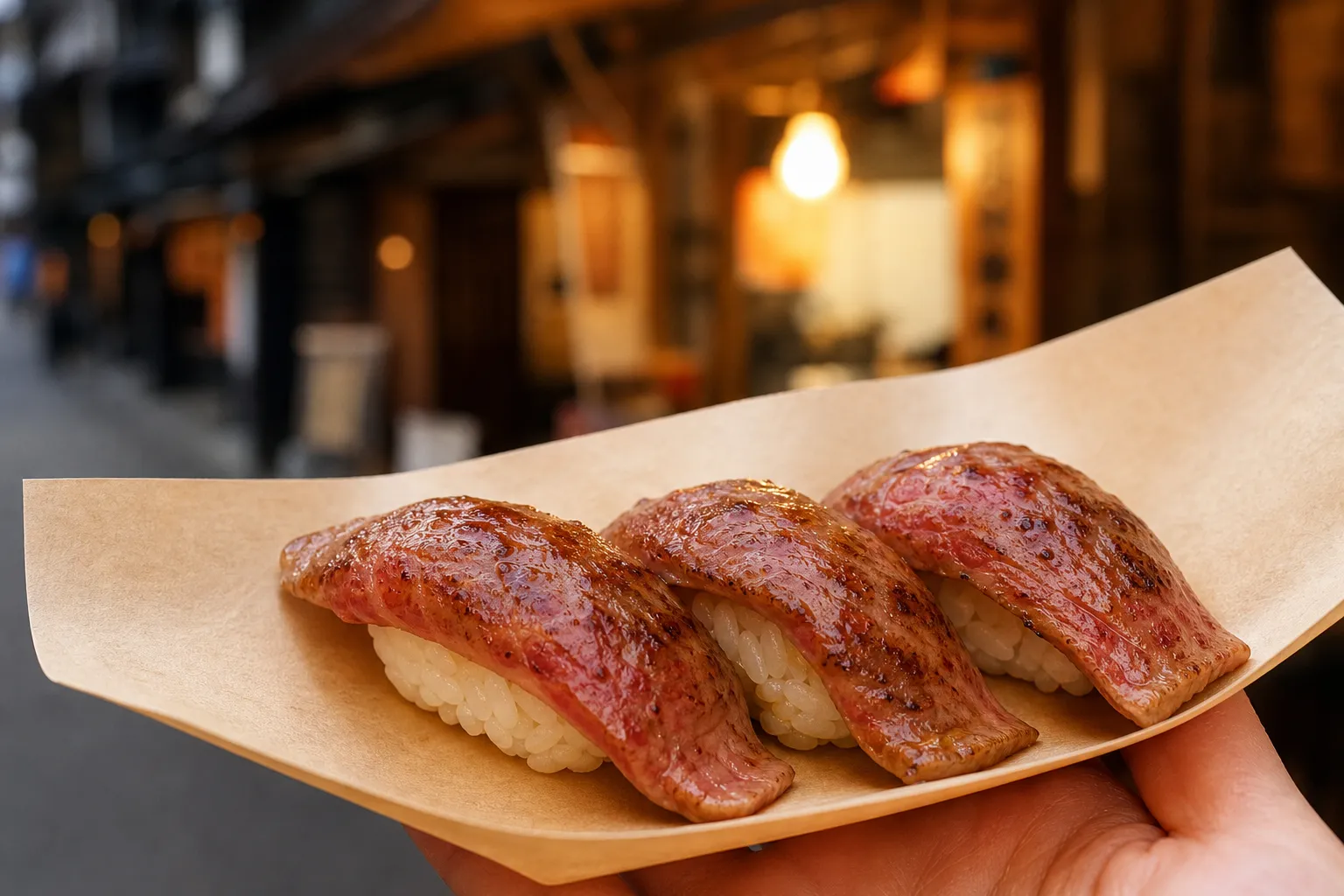
Hida Beef (飛騨牛)
A torch flares over a single bite of beef sushi on a wooden boat, someone hands it to you still warm, and you eat Japan's most-awarded wagyu standing in the middle of a street.
July 22, 2026
Local FoodGifu
Ayu no Shioyaki (鮎の塩焼き)
A whole river fish, salted and grilled over coals until the skin blisters and the fins go crisp — and then you eat the entire thing, head to tail, chasing the clean green taste of the Nagara River.
July 12, 2026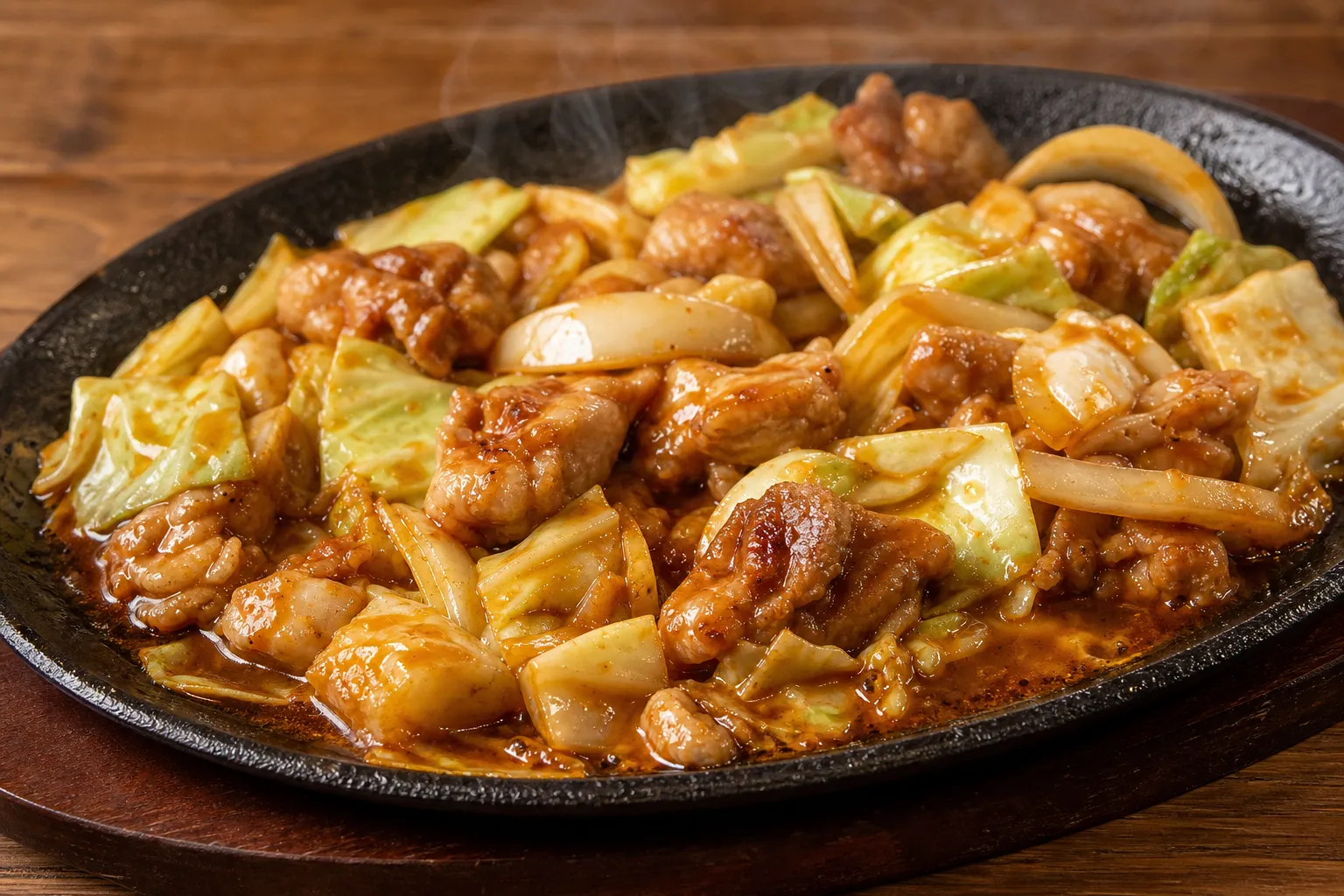
Local FoodOkumino, Gifu
Keichan (けいちゃん)
Chicken and cabbage hit a screaming-hot iron plate slathered in miso, and the whole table leans in — this is food you cook together, argue over, and fight for the last piece of.
July 5, 2026