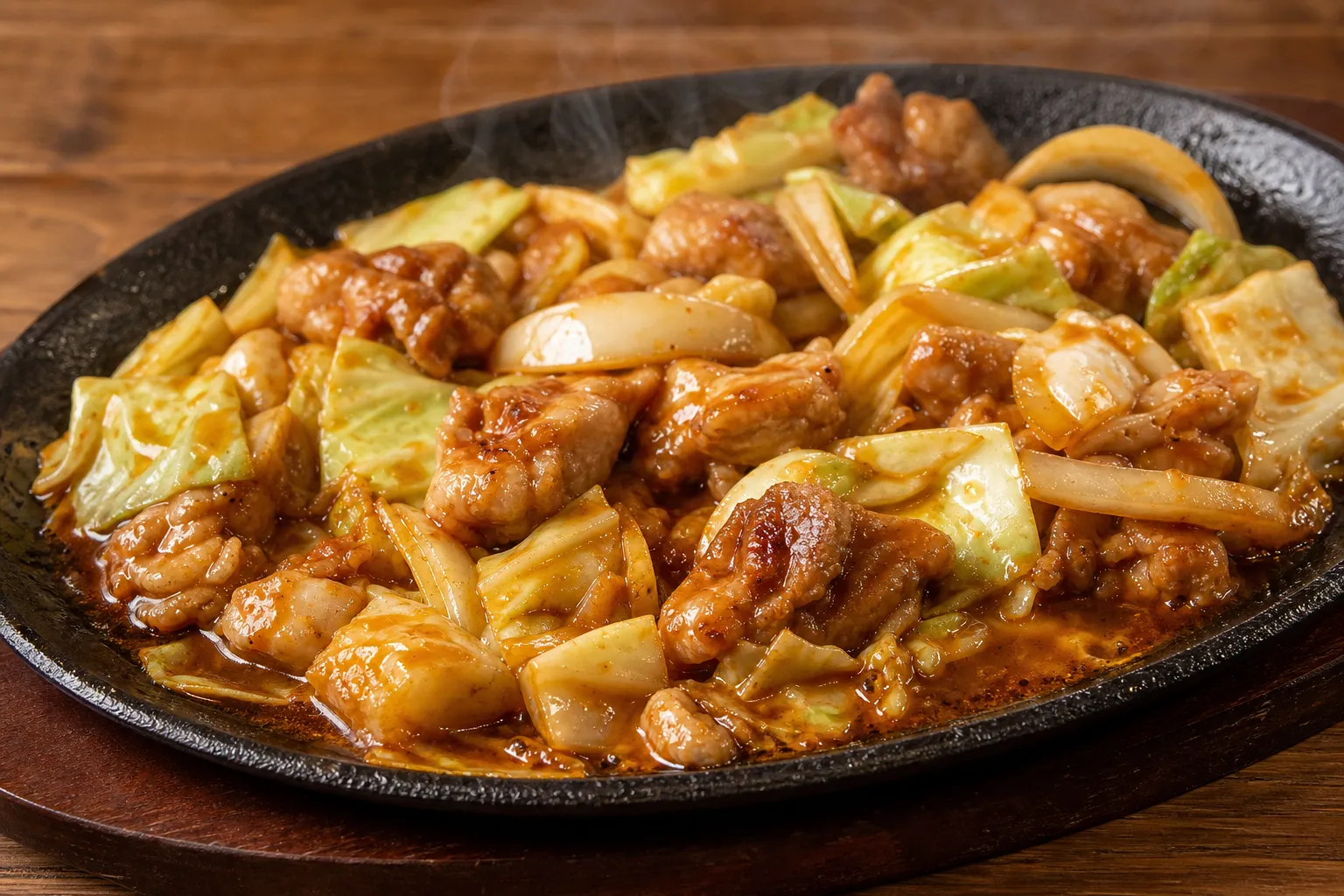
The iron plate was already screaming when the bowl of marinated chicken hit it — that instant roar of sizzle, a cloud of miso-scented steam going straight up into my face, and then a scramble as everyone at the table reached in with their chopsticks to spread the chicken and cabbage out before it stuck. Someone stole the crispiest piece. Someone always steals the crispiest piece. I got the second-crispiest, dragged it through the caramelized miso pooling at the edge of the pan, and grinned like an idiot with my mouth full. This is not a dish you eat politely. This is a dish you play.
Share this dish


Chicken and cabbage hit a screaming-hot iron plate slathered in miso, and the whole table leans in — this is food you cook together, argue over, and fight for the last piece of.
🍜 Planning a food trip to Gifu?Add this dish to my Food Trip →
 Add this dish to my Food Trip →
This is keichan (けいちゃん), the soul food of Gifu's Okumino mountains. The build is simple and brilliant: chicken pieces are marinated in a rich miso (sometimes soy) sauce, then grilled with cabbage and vegetables on a hot iron plate or pan, right at the table. The name is basically local dialect for "chicken" (kei from the chicken character, plus the affectionate -chan), which tells you everything about how beloved it is — you don't give a formal name to something you love; you give it a nickname. It is not yakitori on skewers, it is not sweet teriyaki chicken, it is not salmon chan-chan-yaki, and it is not pork bulgogi. Chicken plus cabbage plus miso marinade plus a sizzling iron plate — that's the whole beautiful equation.
Why a mountain region turned chicken into a party
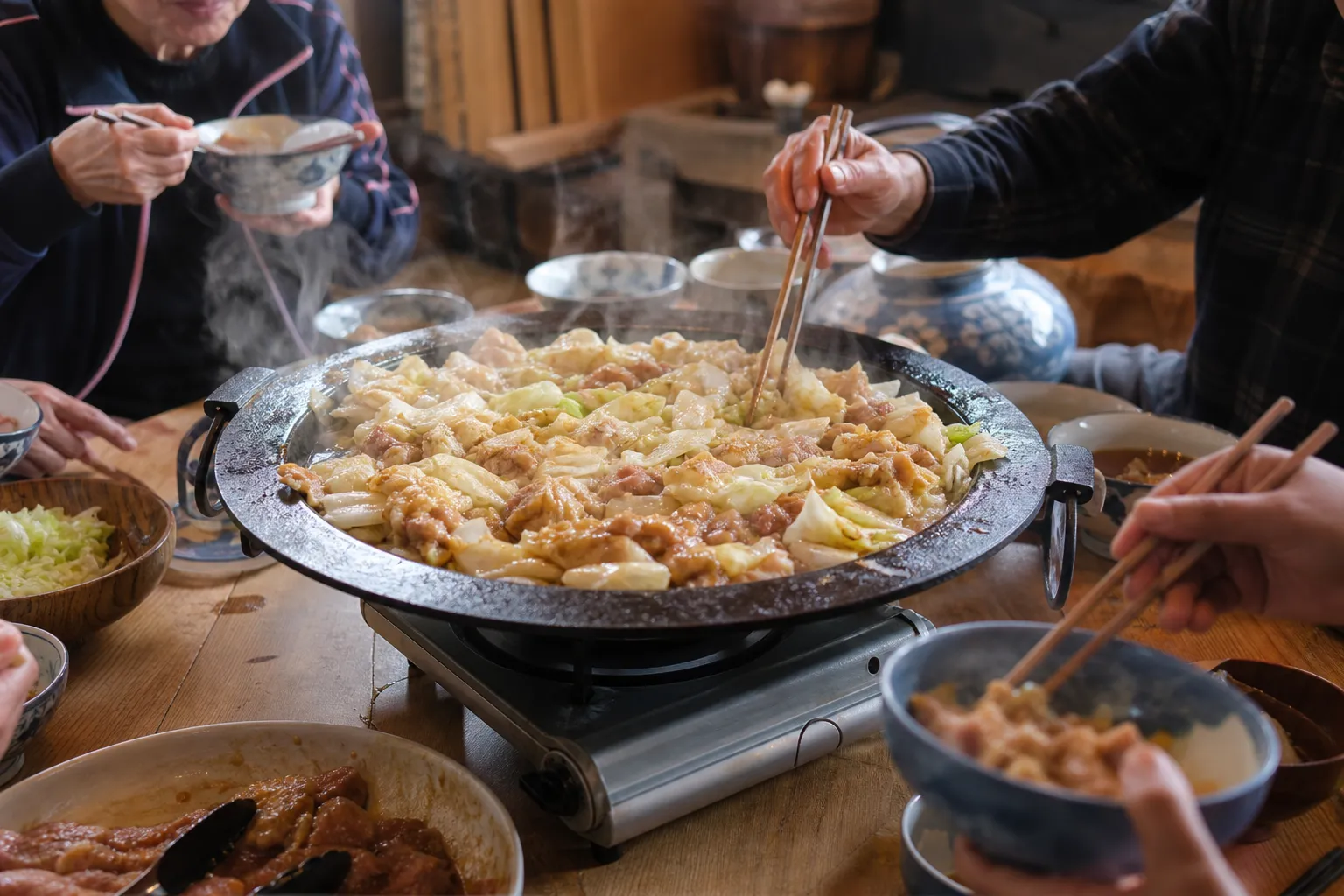
Okumino is deep, rural, mountainous Gifu — the kind of place where households historically raised their own chickens and, on special occasions or when a bird had stopped laying, cooked it up in the most satisfying way possible: marinated in the family's miso, thrown on a hot plate with whatever vegetables were around, and shared. That's the origin. It's home food, festival food, gather-round food. Every household and every shop has its own miso blend, so no two keichans taste exactly alike, and locals will absolutely tell you their grandmother's version is superior. (They're probably right. Grandmothers usually are.)
What moves me about keichan is that it's fundamentally communal. You don't get a neat individual plate — you get a shared pan and a shared job. Cooking it is half the meal. There's a low-key teamwork to keeping the chicken from burning while the cabbage wilts down and soaks up the miso, and by the time it's ready you've kind of bonded with whoever's at the table. I've watched total strangers negotiate over a keichan pan like old friends. Food that makes you cooperate is my favorite kind.
Why the miso and the cabbage are a perfect team
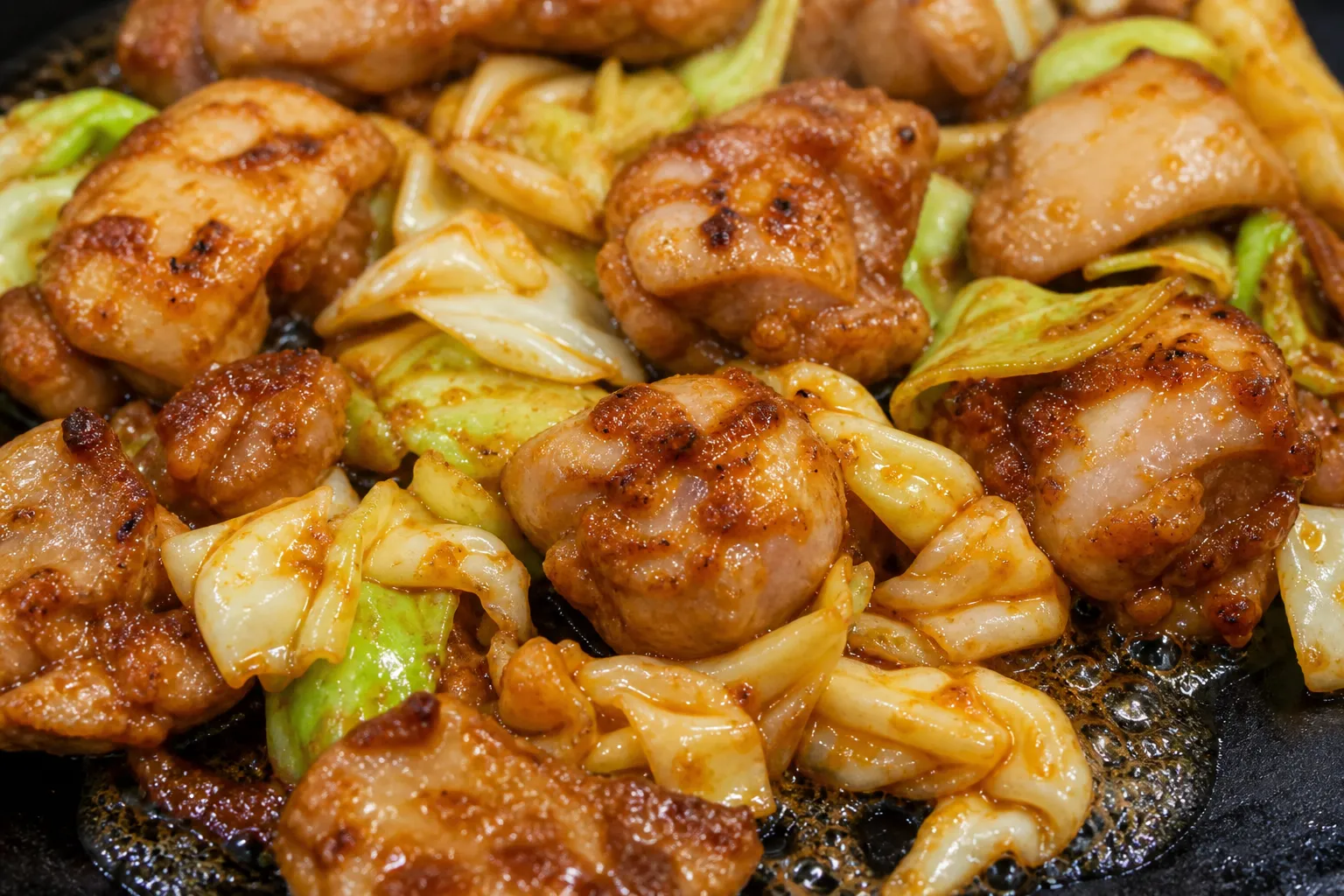
The magic is in what happens when miso-marinated chicken meets high heat. The miso caramelizes — going deep, savory, and slightly sweet, with those dark sticky edges where it's kissed the hot iron. It's rich and rounded and deeply warming, not sharp or salty-harsh. And the cabbage is not a side; it's essential. As it cooks down it releases moisture that mingles with the miso into a glossy sauce, and it turns sweet and tender while grabbing all that flavor. Chicken gives you the crispy-charred bits, cabbage gives you the sweet-soft counterweight, and the miso ties the whole pan together.
Eat it straight off the iron while it's still sizzling. The best bite is a piece of chicken with a slightly charred edge, wrapped in a bit of wilted cabbage, dragged through the caramelized miso at the pan's rim. Some shops do a spicier version with chili in the marinade, but the classic is all about that mellow, toasty, savory-sweet miso warmth. It's comfort food that also happens to be a small event.
How it comes together
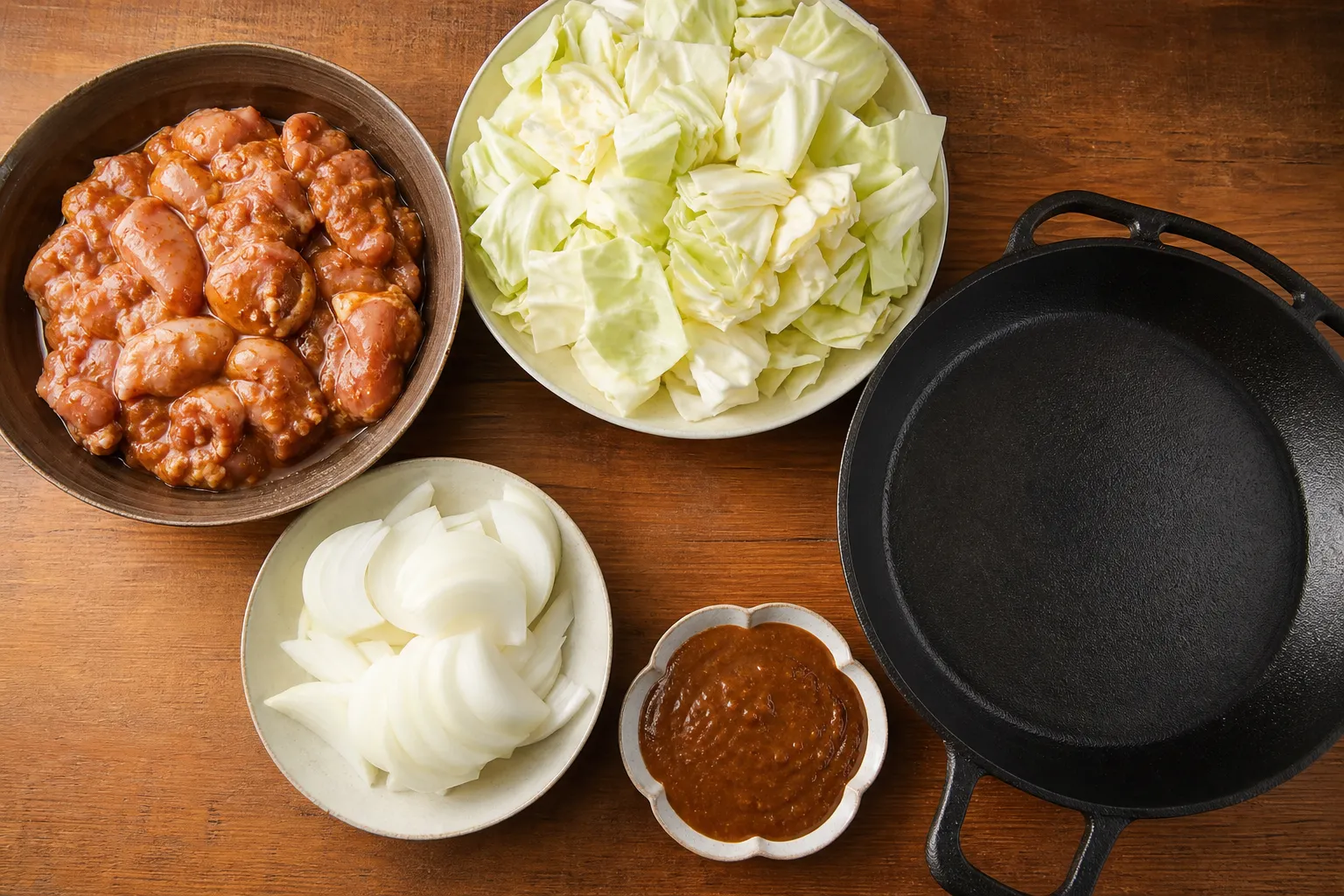
- Cut chicken into bite-size pieces and marinate in a rich miso (or soy) sauce — every shop and household has its own blend
- Prep the vegetables: roughly chopped cabbage, plus onion and sometimes bean sprouts or other veg
- Heat an iron plate or pan hot at the table
- Add the marinated chicken and let it sear, then add the cabbage and vegetables and grill everything together
- Toss and cook until the chicken is done and the miso caramelizes; eat straight from the hot pan while it sizzles
Before you go — cook it, share it
Your questions, answered honestly
"Do I cook it myself?" — Often, yes — many places bring the raw marinated chicken and vegetables and a hot plate, and you grill it at the table. It's part of the fun. If you'd rather not, some shops serve it pre-cooked; just ask which style they do.
"Miso or soy?" — Miso is the classic Okumino version and the one to try first. Soy-based keichan exists too and is legit. Blends vary wildly by shop, which is a feature, not a bug — it's worth trying more than one.
"Is it spicy?" — Usually not; the standard is savory-sweet miso. But some shops offer a spicy (piri-kara) version, so if you want heat — or want to avoid it — say so when you order.
"What do I eat it with?" — Rice is the natural partner (the caramelized miso and rice are unbeatable), and a cold beer doesn't hurt. Many places serve it as a set with rice and miso soup.
What the staff will ask you
| You'll hear | Romaji | Meaning | Just say |
|---|---|---|---|
| 味噌と醤油、どちらになさいますか? | Miso to shōyu, dochira ni nasaimasu ka? | "Miso or soy flavor?" | Miso de onegaishimasu (miso, please) |
| 自分で焼きますか、焼いてお出ししますか? | Jibun de yakimasu ka, yaite odashi shimasu ka? | "Cook it yourself, or shall we cook it for you?" | Jibun de yakimasu (I'll cook it myself) |
| 辛口にもできますが、どうしますか? | Karakuchi ni mo dekimasu ga, dō shimasu ka? | "We can make it spicy — want that?" | Futsū de onegaishimasu (regular, please) |
To order, just say "Keichan o kudasai" (けいちゃんをください) — "Keichan, please."
Where to eat it
- Gujo, Gifu — a heartland of keichan in the Okumino region, with local diners and set-meal shops that specialize in it; you'll also find marinated keichan sold to take home and cook.
- Gero and the Hida area, Gifu — mountain-town izakaya and restaurants across northern Gifu serve keichan as a regional staple.
- Roadside stations (michi-no-eki) in Okumino — many local road stations sell packs of pre-marinated keichan, perfect if you've got a way to grill it yourself.
Styles, miso blends, and whether you cook it at the table vary a lot shop to shop, so check current details before you go.
Soul Score
Local Roots5/5
First-Timer Friendly4/5
Adventure Level3/5
Comfort Level5/5
Travel Worthy4/5
These scores are one obsessed eater's gut feeling — not a verdict. A low number isn't a bad mark, just a different kind of adventure.
Know someone planning Japan?
← All Articles
Local Food · Okumino, Gifu
Still hungry?
Eat more from Gifu
Local FoodGifu
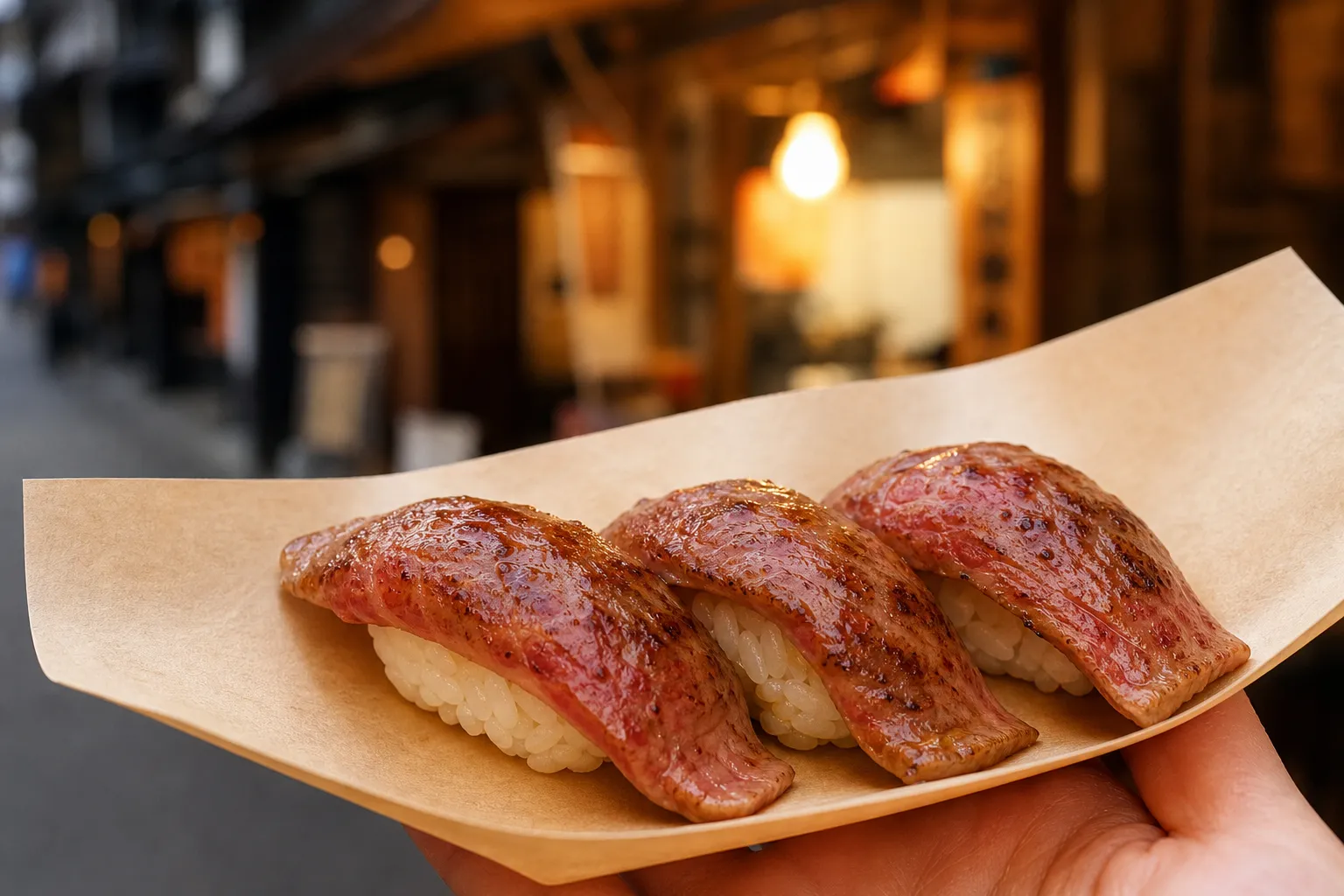
Hida Beef (飛騨牛)
A torch flares over a single bite of beef sushi on a wooden boat, someone hands it to you still warm, and you eat Japan's most-awarded wagyu standing in the middle of a street.
July 22, 2026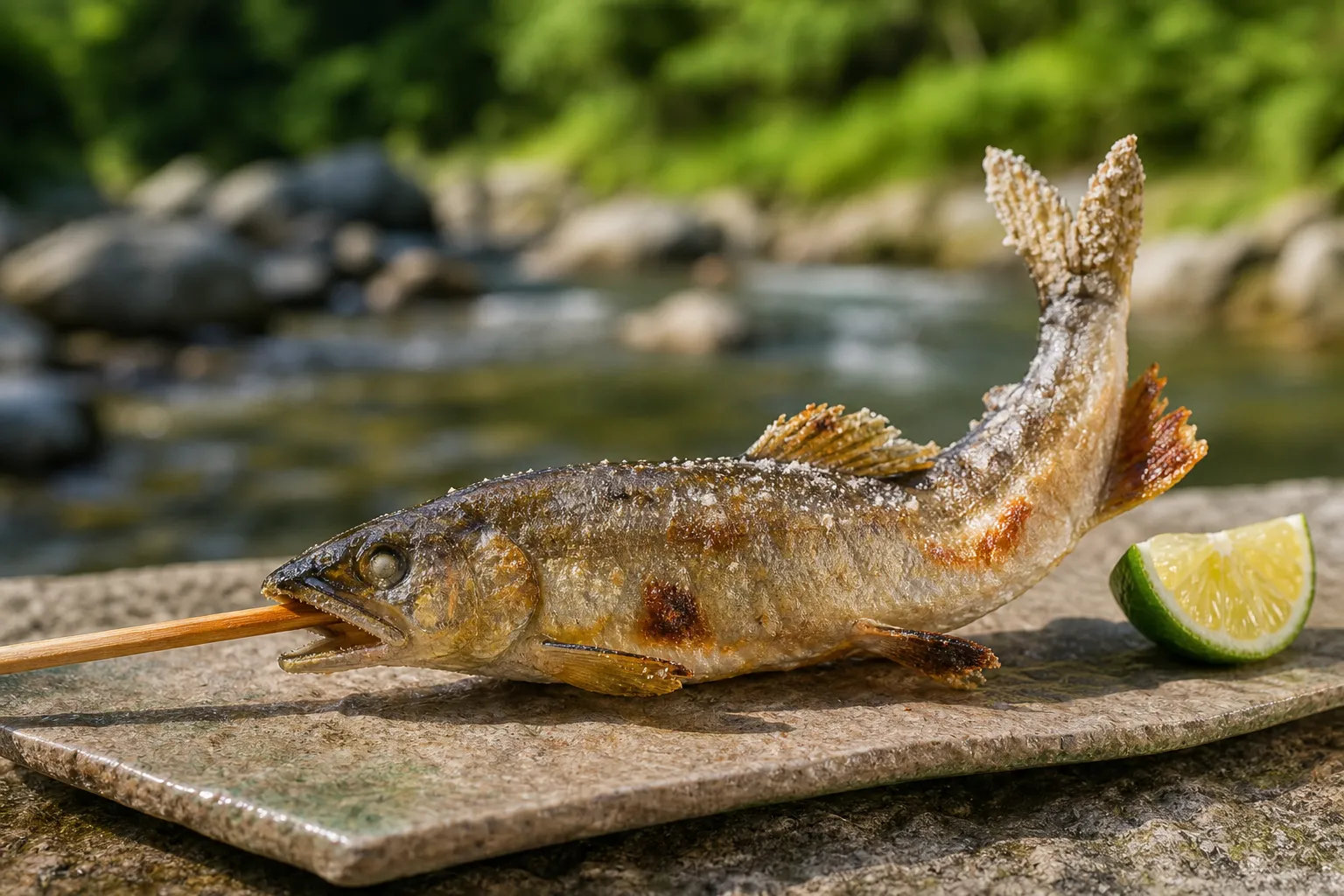
Local FoodGifu
Ayu no Shioyaki (鮎の塩焼き)
A whole river fish, salted and grilled over coals until the skin blisters and the fins go crisp — and then you eat the entire thing, head to tail, chasing the clean green taste of the Nagara River.
July 12, 2026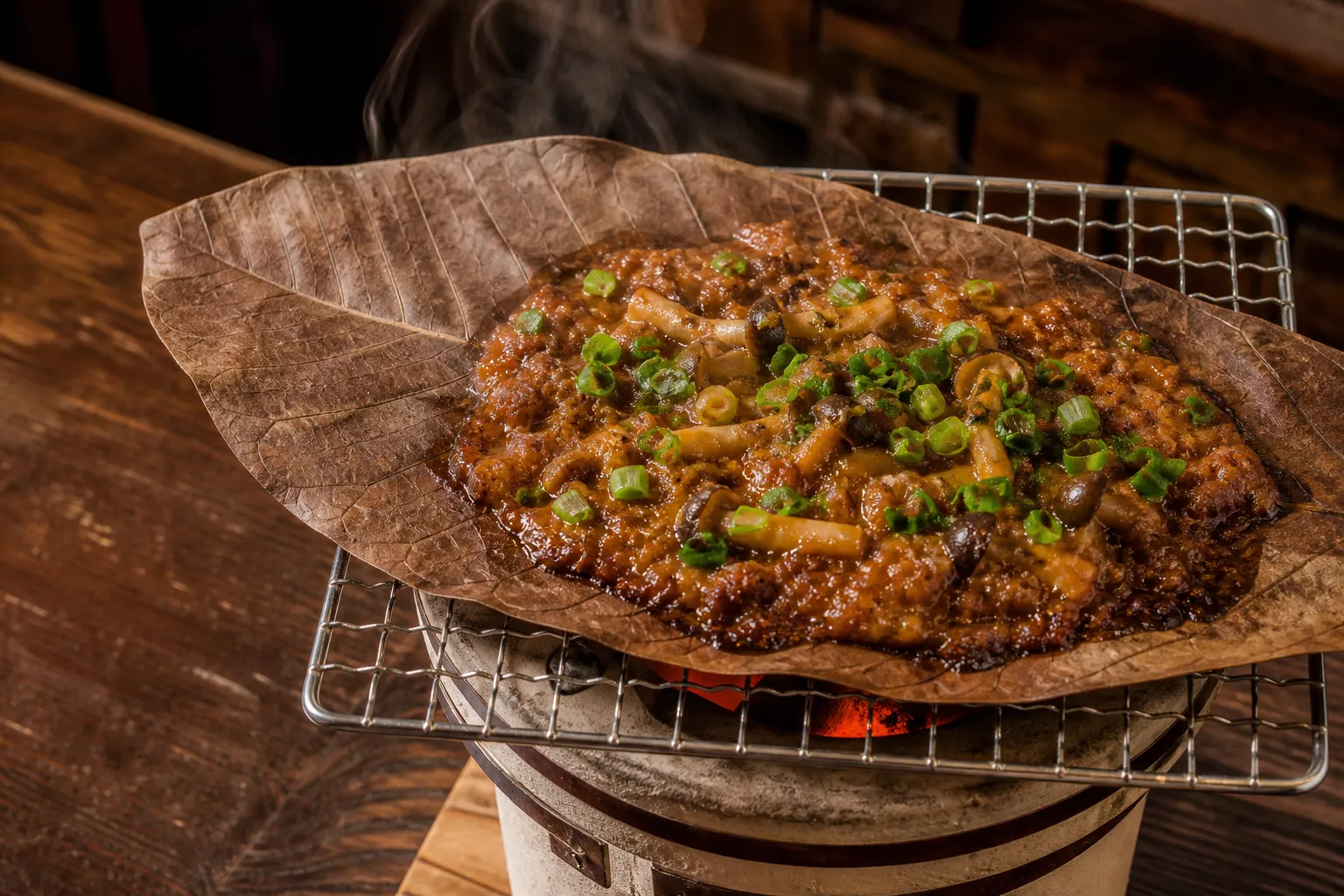
Local FoodTakayama, Gifu
Hoba Miso (朴葉味噌)
Sweet miso bubbling and caramelizing on a big dried magnolia leaf over a tabletop flame — Hida-Takayama's mountain breakfast turns one scoop of miso into the best reason to keep eating rice.
July 3, 2026