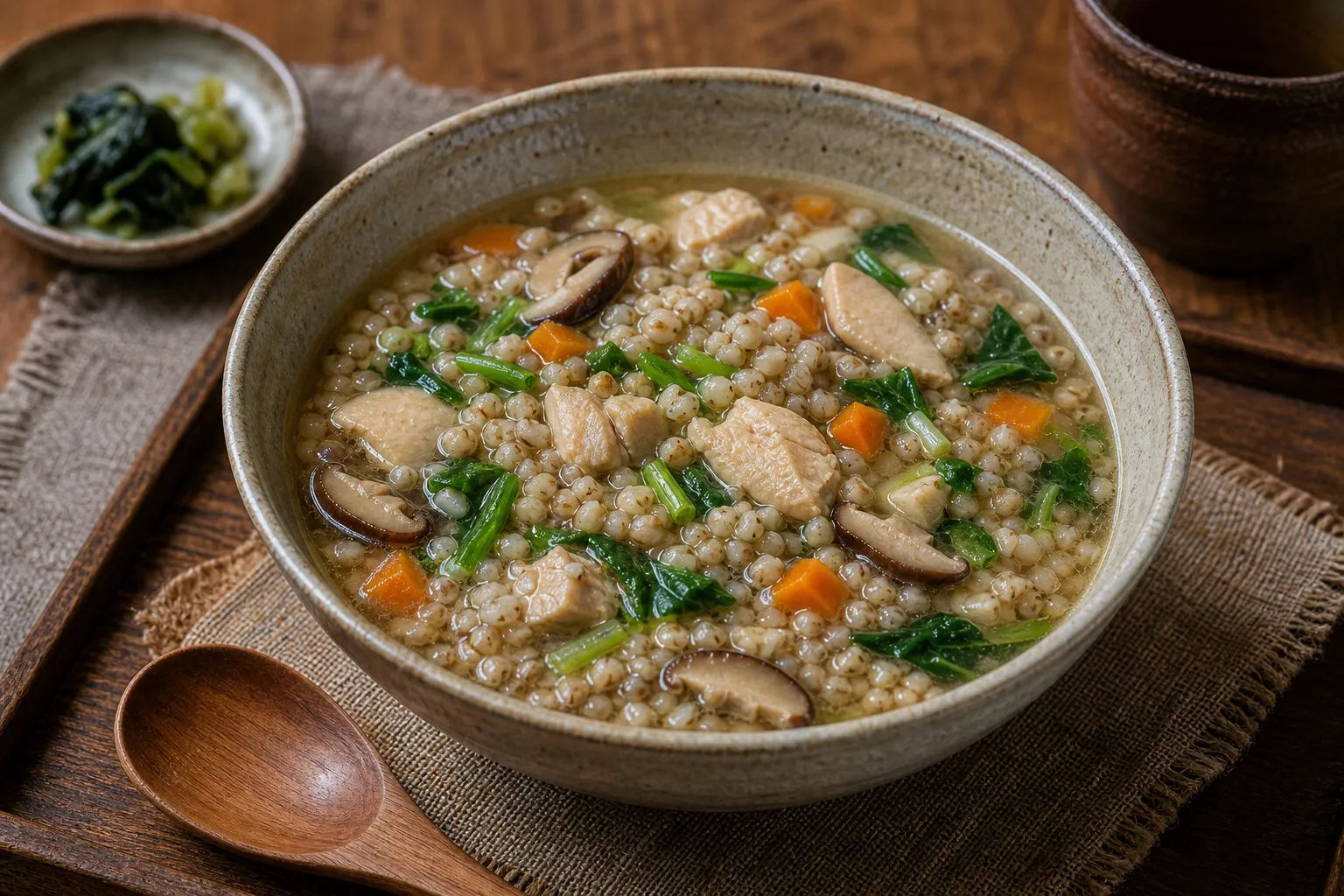
The first spoonful confused me, and I mean that as the highest compliment. I'd heard "soba" and braced for noodles — but this bowl was full of tiny, plump, whole grains that popped a little between my teeth, nutty and toothsome, floating in a savory chicken broth that fogged my glasses in the cold mountain air. I sat there in a wooden house deep in a valley, spoon halfway to my mouth, thinking: this isn't noodles at all, and it's better. By the third spoonful I'd forgotten what I expected and just wanted the whole pot.
Share this dish


Not soba noodles — whole buckwheat grains, plump and nutty, simmered into a warm chicken-and-vegetable soup deep in the Iya Valley. Refugee food that became one of Japan's most quietly comforting bowls.
🍜 Planning a food trip to Tokushima?Add this dish to my Food Trip →
 Add this dish to my Food Trip →
Here's what it is: sobagome zosui (そば米雑炊) is a savory soup-porridge made from whole buckwheat grains — the buckwheat is used as a grain, not milled into noodles — simmered with chicken and vegetables in dashi until everything is soft, warm, and comforting. It's a mountain dish of Tokushima's Iya Valley, and no, it is not soba noodles and not a plain rice porridge. It's its own thing: buckwheat, whole, in a bowl of soup.
Refugee food from a hidden valley
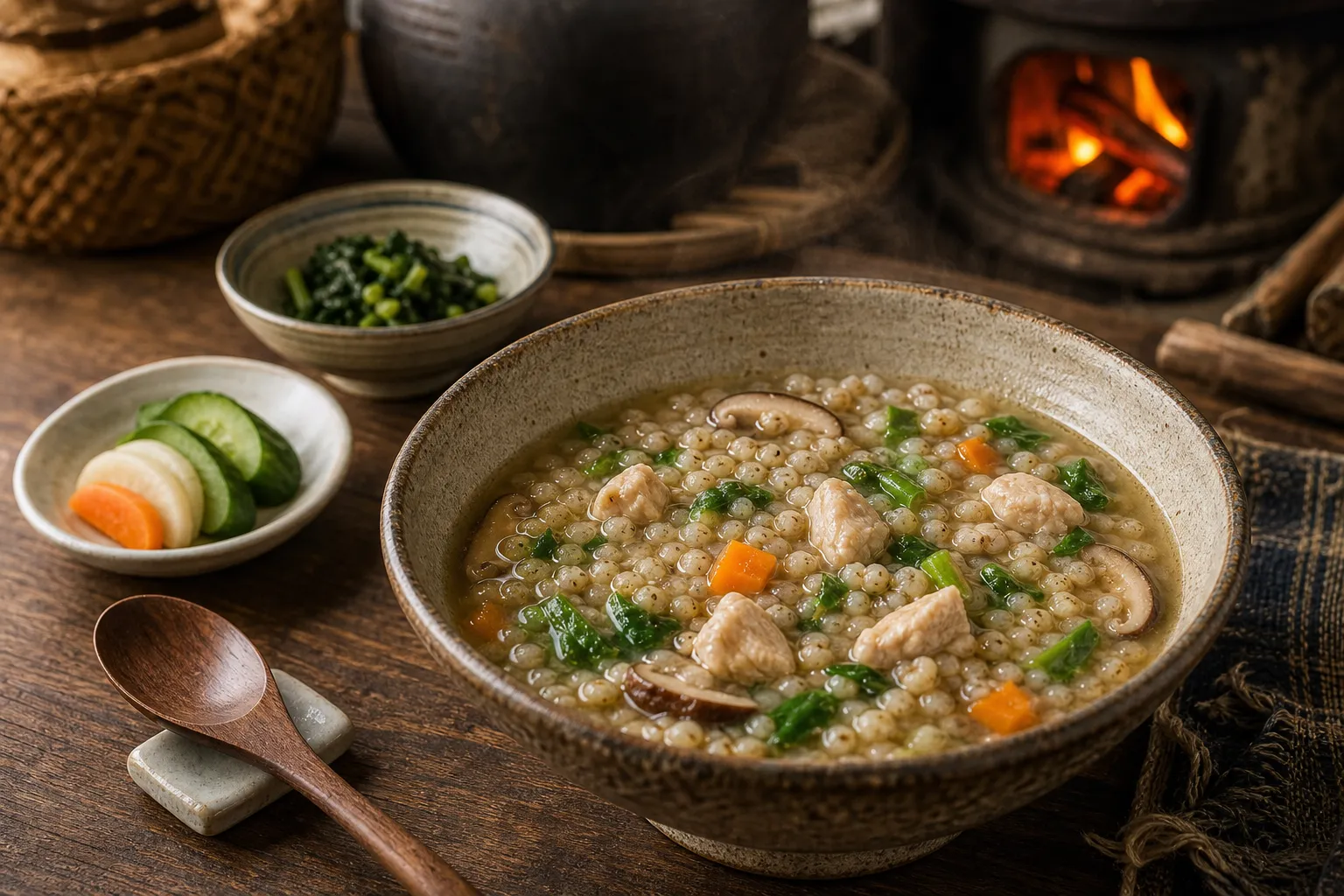
The Iya Valley is one of the most remote, dramatic places in Japan — steep gorges, vine bridges, villages clinging to mountainsides. The story told here is that defeated Heike (Taira) refugees fled into these mountains after losing the great wars of the 12th century, and that the terrain was too steep and cold to grow much rice. Buckwheat, though — buckwheat grows fast and tough in poor mountain soil. So instead of grinding it into noodles, which takes equipment and time, they simply boiled the whole grains into a warming soup. Survival food, made from what the mountain would give.
I find that history genuinely moving. This is a bowl born from hiding, from making do, from a proud people keeping warm through hard winters in a place the world forgot. And it doesn't taste like hardship at all — it tastes like care. That's the quiet magic of a lot of Japanese mountain food: desperation and refinement, somehow, in the same spoonful. Eat it where it comes from and the valley itself seems to be feeding you.
What makes the eating experience different
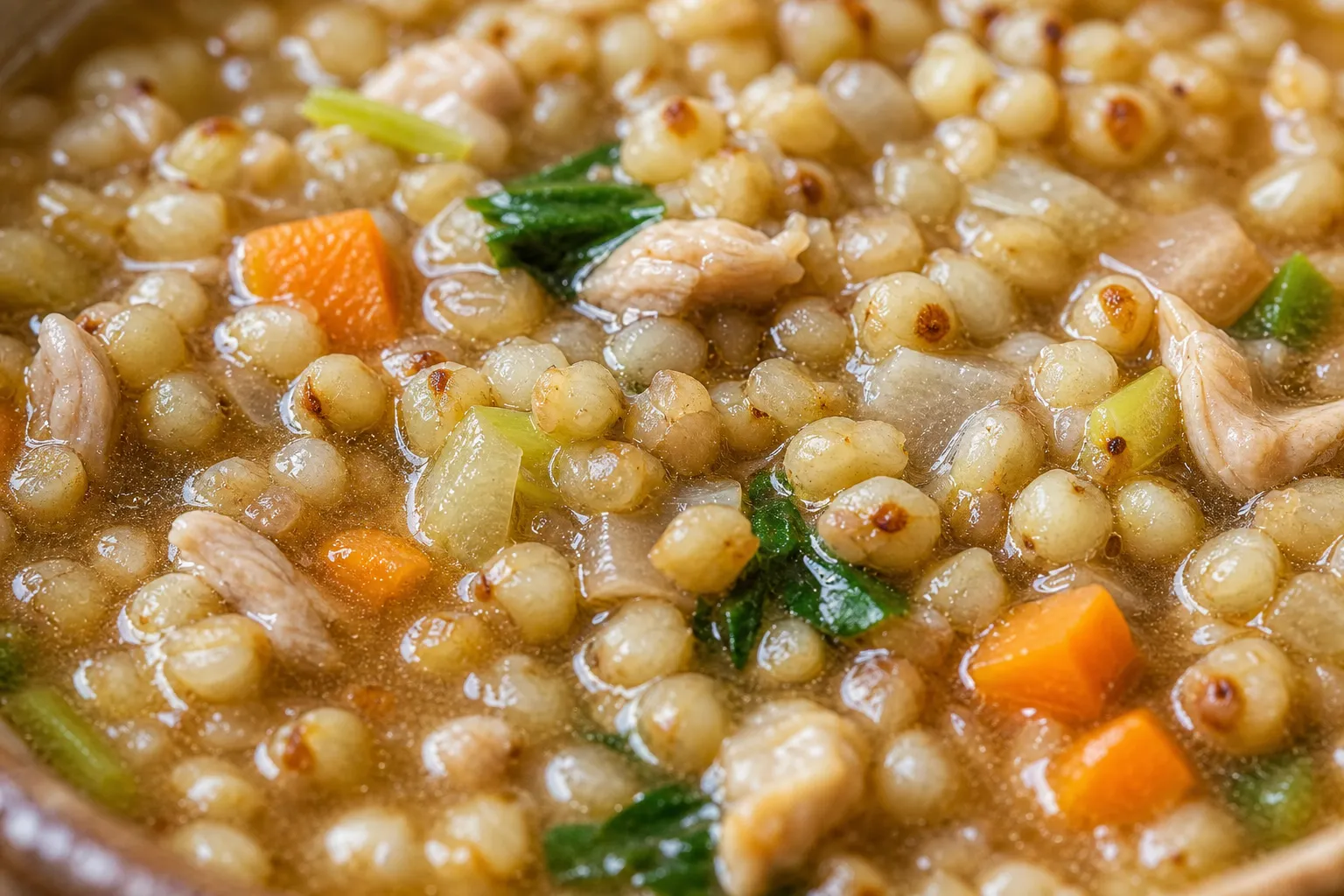
- The buckwheat is whole grain, not noodles — so instead of slurping, you spoon up little grains that are plump and lightly chewy, with a gentle pop
- That grain carries a distinct nutty, earthy buckwheat flavor that noodles dilute — here it's front and center
- It's a soup-porridge, brothy and loose, not a stiff rice congee — you drink and spoon it in equal measure
- The chicken-and-dashi base is deeply savory and clean, the kind of broth that makes you exhale
- It's profoundly warming — a bowl built for cold mountain nights, light on the stomach but deeply comforting
How it's made
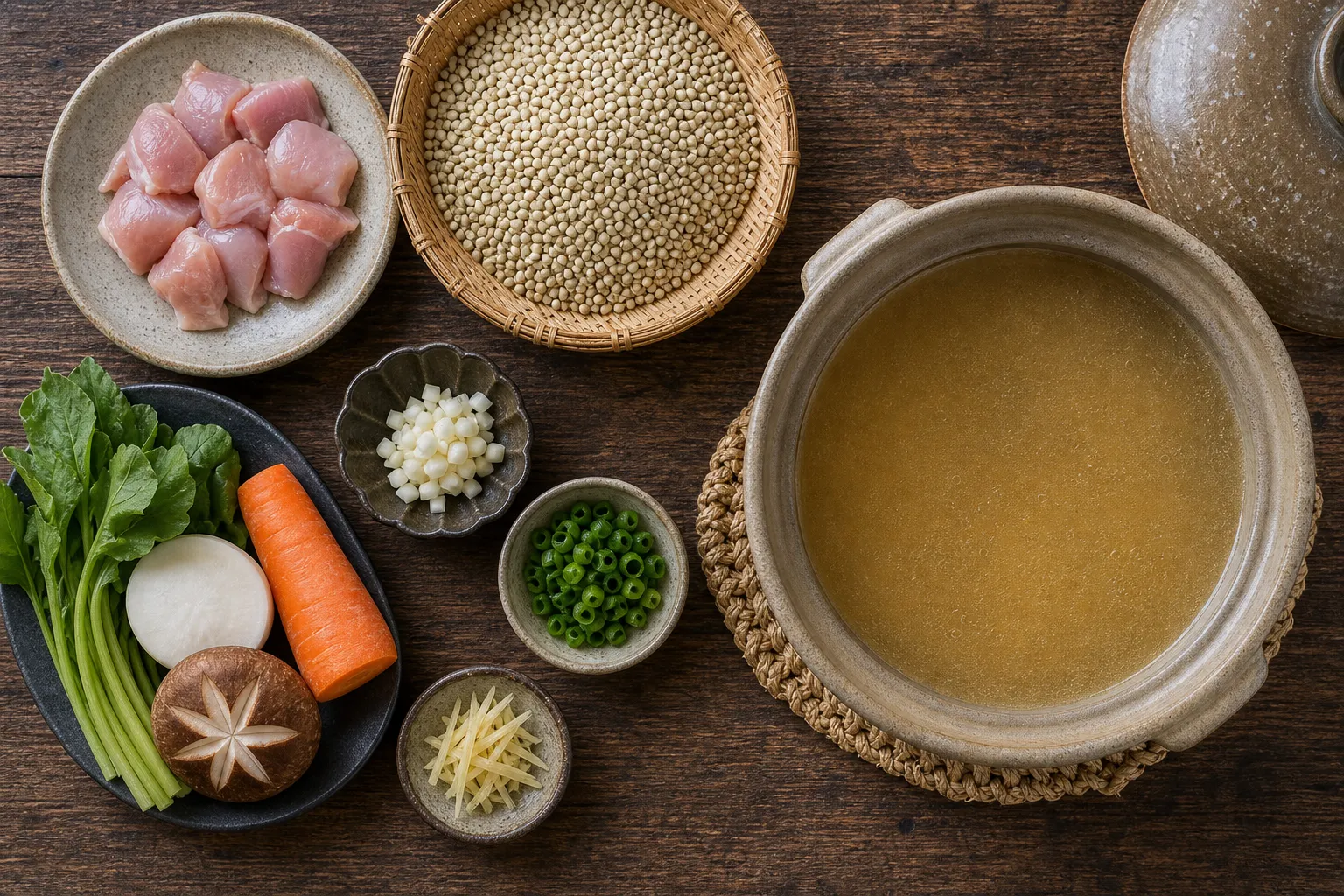
- Prepare the buckwheat grain. Whole buckwheat (sobagome) is typically boiled and dried ahead of time so the grains are ready to simmer soft.
- Build the broth. Make a dashi base and simmer chicken with vegetables — commonly things like carrot, mushroom, and greens — until fragrant and savory.
- Simmer the grains. Add the buckwheat grains to the broth and cook until they plump up, soften, and take on the flavor of the soup.
- Season. Adjust with soy sauce, salt, and dashi to a clean, savory finish.
- Serve hot. Ladle into bowls steaming hot — it's meant to be eaten warm, ideally on a cold day.
The trick is the grain: cook it too little and it's hard, too long and it turns to mush. Done right, each buckwheat grain stays distinct and just-tender in the broth.
Before you go — eat it warm in the Iya Valley
Your questions, answered honestly
"Wait — this isn't soba noodles?" — Correct, and this trips up almost everyone. Soba usually means buckwheat noodles, but here the buckwheat is used as a whole grain simmered in soup. No noodles at all. Think of it as a buckwheat-grain porridge, not a noodle dish.
"Is it like rice porridge (okayu) then?" — Same comforting spirit, different grain. Okayu/zosui usually means rice; this swaps in whole buckwheat grains, which gives a nuttier flavor and a slightly firmer, poppier texture. It's brothier and more savory than a plain rice congee.
"Does it have meat or fish in it?" — Usually yes — the classic base is chicken and dashi (which often involves fish). Recipes vary, so if you avoid chicken or fish stock, ask what the broth is made from before ordering.
"Is it filling?" — It's light but satisfying — warming and gentle rather than heavy. Great as part of a set or a cold-weather meal; you may want it alongside other dishes if you're very hungry.
What the staff will ask you
| You'll hear | Romaji | Meaning | Just say |
|---|---|---|---|
| 温かいうちにどうぞ | Atatakai uchi ni dōzo | "Please eat it while it's hot" | Itadakimasu (thanks, digging in) |
| 定食にしますか? | Teishoku ni shimasu ka? | "Would you like it as a set meal?" | Onegai shimasu (yes, please) |
| そばアレルギーは大丈夫ですか? | Soba arerugī wa daijōbu desu ka? | "Any buckwheat allergy?" | Daijōbu desu (I'm fine) / Arimasu (I have one) |
To order, just say "Sobagome zosui o kudasai" (そば米雑炊をください) — "Sobagome zosui, please."
Where to eat it
- The Iya Valley (Miyoshi area), Tokushima — the deep mountain valley is the dish's home, and local restaurants and inns around the vine bridges and gorges are the classic place to try it.
- Tokushima mountain restaurants and inns (ryokan) — countryside eateries and lodgings across the prefecture's highlands often serve it, especially in colder months.
- Michi-no-eki roadside stations and local-cuisine spots in Tokushima — good bets for regional dishes like this alongside other Iya specialties.
Sobagome zosui is a rural, home-style specialty, so it shows up mostly at local and mountain restaurants and can be seasonal — call ahead if you're traveling far, and confirm the broth ingredients if you have dietary needs.
Soul Score
Local Roots5/5
First-Timer Friendly4/5
Adventure Level3/5
Comfort Level5/5
Travel Worthy4/5
These scores are one obsessed eater's gut feeling — not a verdict. A low number isn't a bad mark, just a different kind of adventure.
Know someone planning Japan?
← All Articles
Local Food · Tokushima
Still hungry?
Eat more from Tokushima
Local FoodTokushima
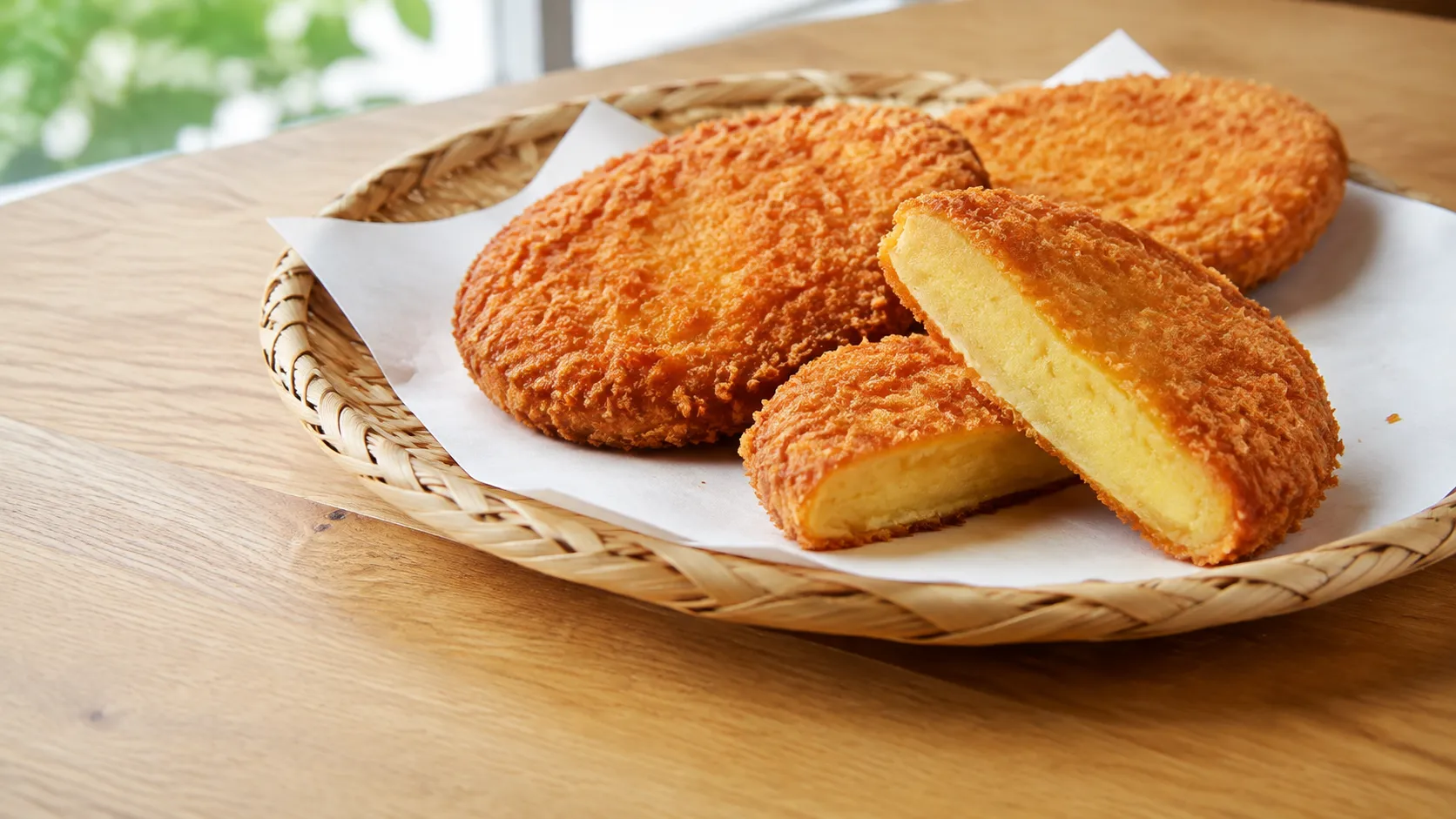
Fish Katsu (フィッシュカツ)
In Tokushima, saying "katsu" does not get you a pork cutlet. It gets you this — and the moment I understood that, a whole prefecture rearranged itself in my head.
September 2, 2026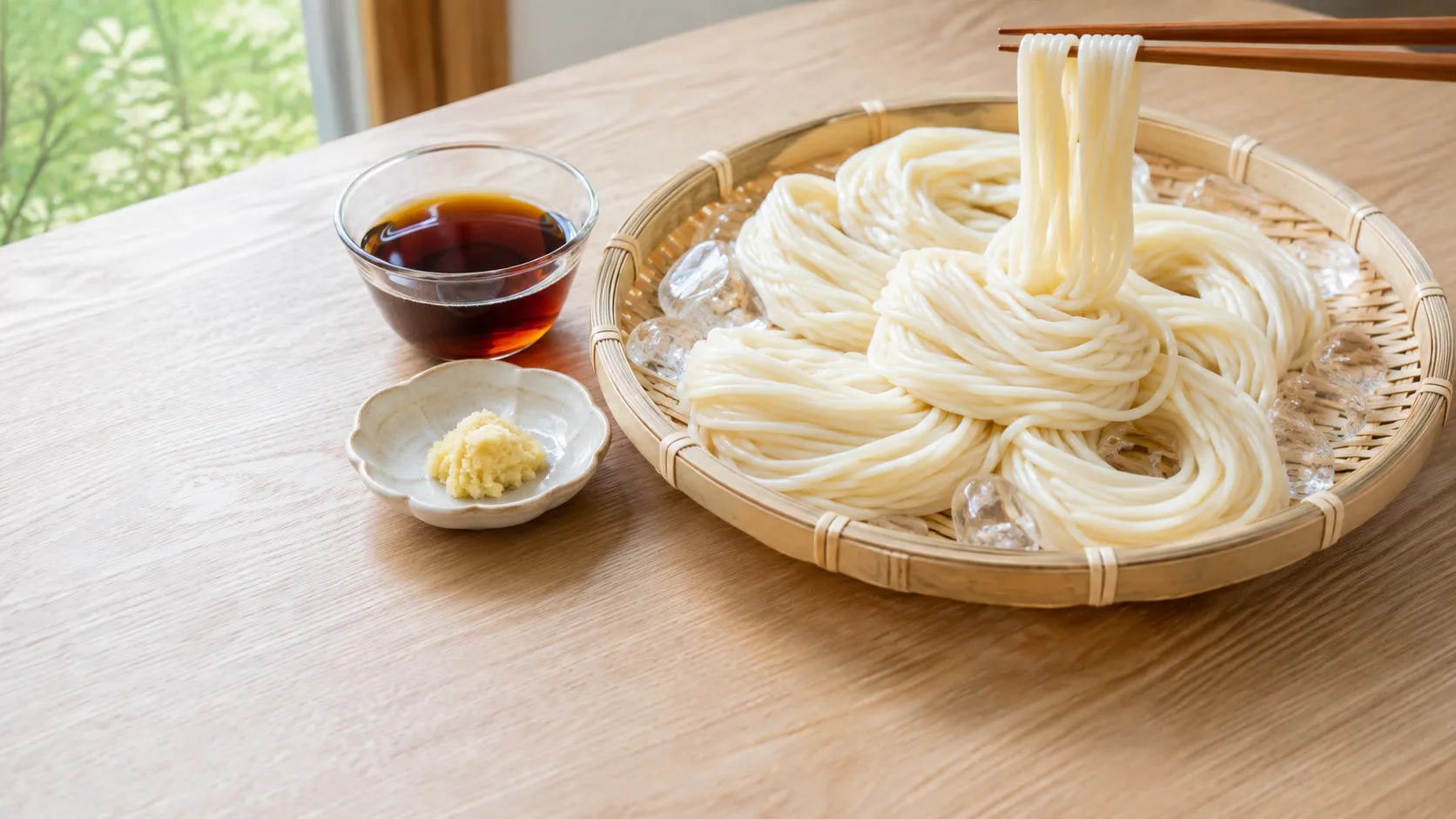
Local FoodTsurugi, Tokushima
Handa Somen (半田そうめん)
I lifted a bundle out of the ice water and stopped, because somen is supposed to be delicate and this was chewing back at me before I'd even started.
September 2, 2026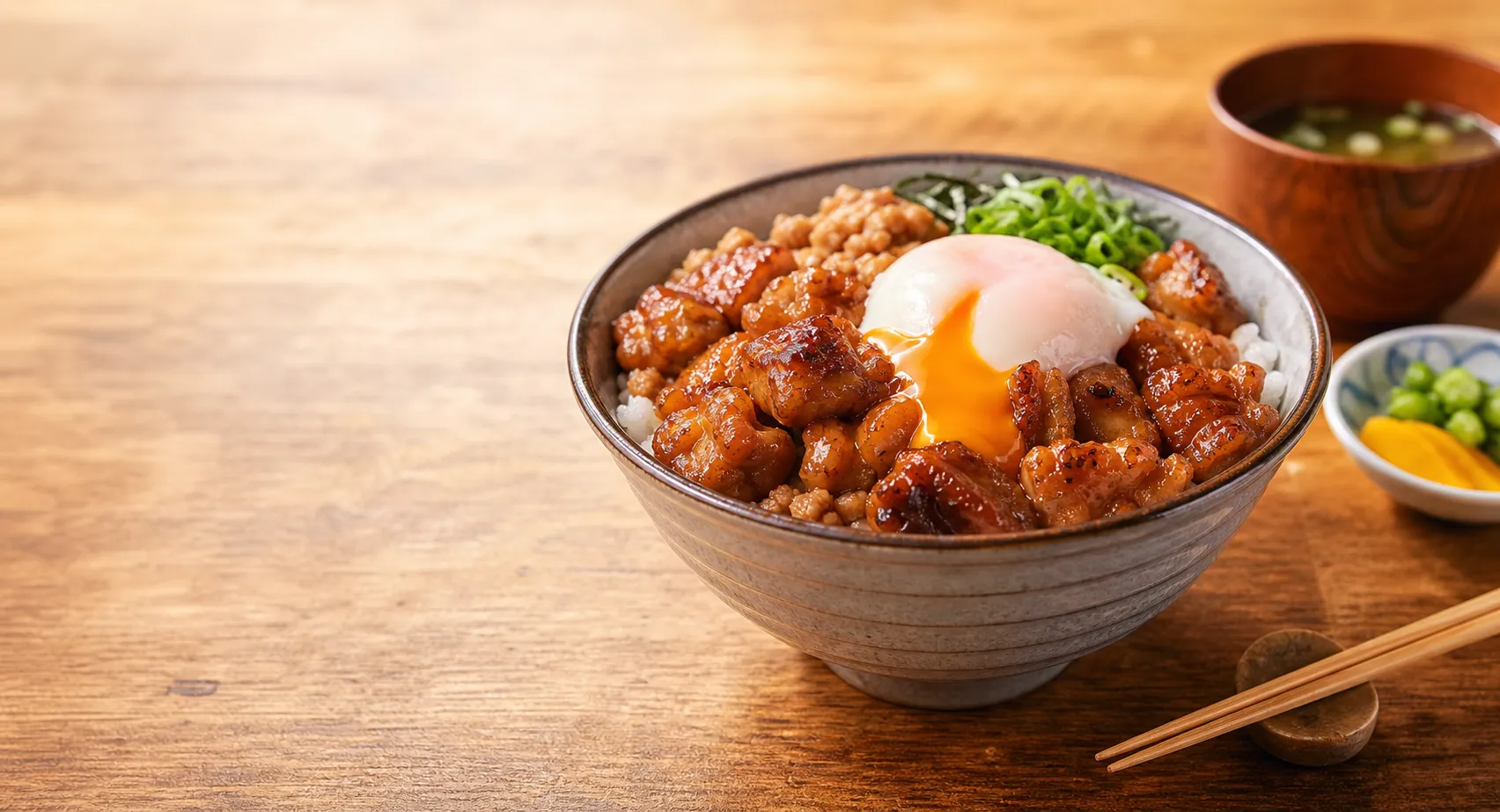
Local FoodTokushima
Tokushima-don (徳島丼)
It's chicken over rice — but it's a very specific chicken, one Tokushima is quietly, competitively proud of, and once you know the backstory you'll never call it 'just a rice bowl' again.
July 5, 2026