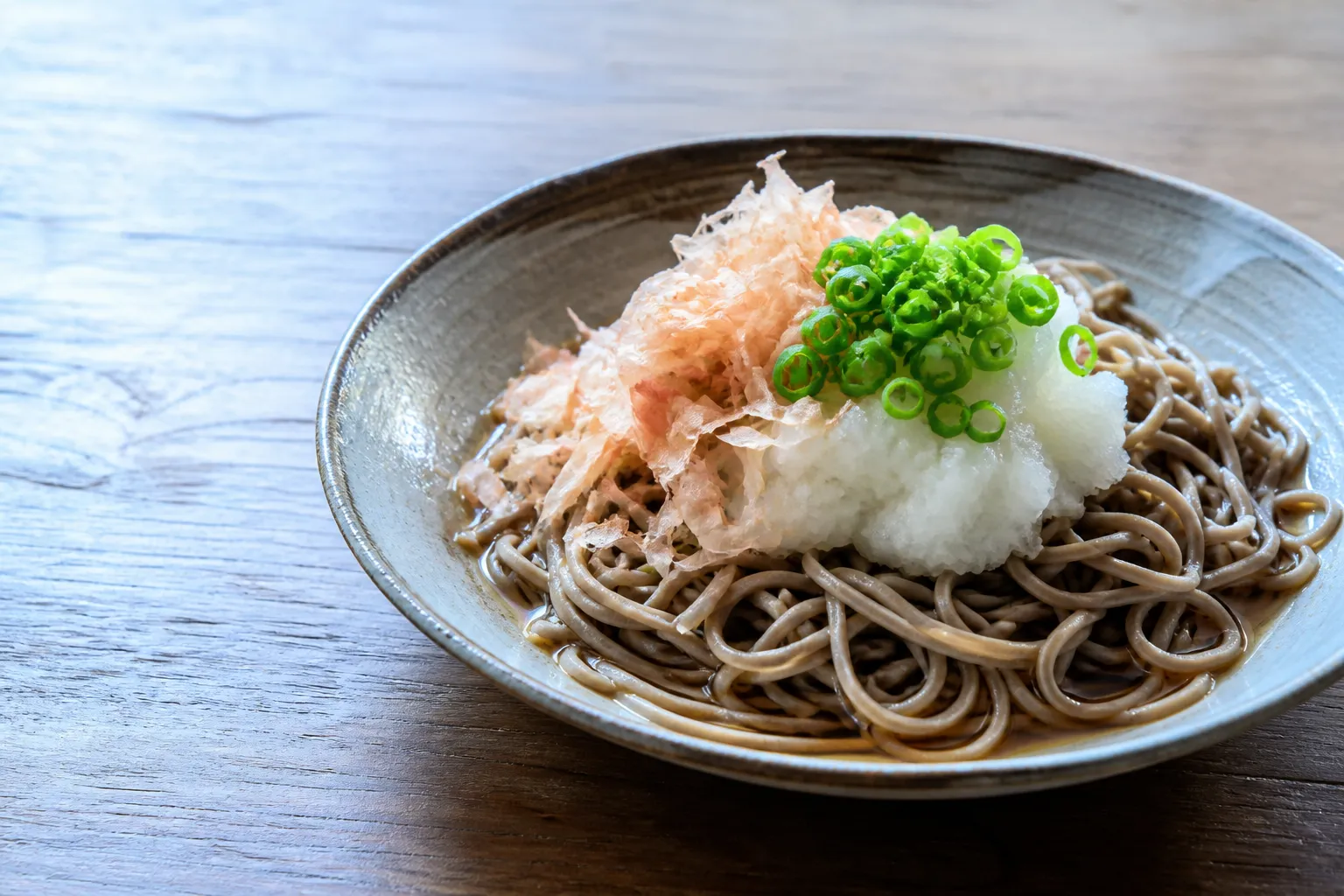
My sinuses opened up before I'd even finished the first bite. Not from spice — from daikon, grated raw and piled onto cold buckwheat noodles like nobody told it to hold back. It's sharp, it's a little bit mean, and it is exactly what you want on a hot day in Fukui, which is presumably why an entire prefecture has organized its identity around this bowl.
Share this dish


A mountain of grated daikon on cold buckwheat noodles, and the first bite is colder and sharper than any noodle dish has a right to be.
🍜 Planning a food trip to Fukui?Add this dish to my Food Trip →
 Add this dish to my Food Trip →
This is oroshi soba (おろし蕎麦), Fukui's signature cold soba, and the first thing to understand is that it is not a variation on bukkake udon or any other "noodles with stuff dumped on top" dish you might be thinking of — the noodles here are dark, earthy buckwheat soba, served cold, and the whole point is the enormous mound of freshly grated daikon oroshi sitting on top, hit with a savory dashi-soy sauce, bonito flakes, and sliced green onion. You eat it half-drenched, half-dry, and it wakes you up like nothing else on a noodle menu.
A cold noodle built for a prefecture that grows extraordinary buckwheat
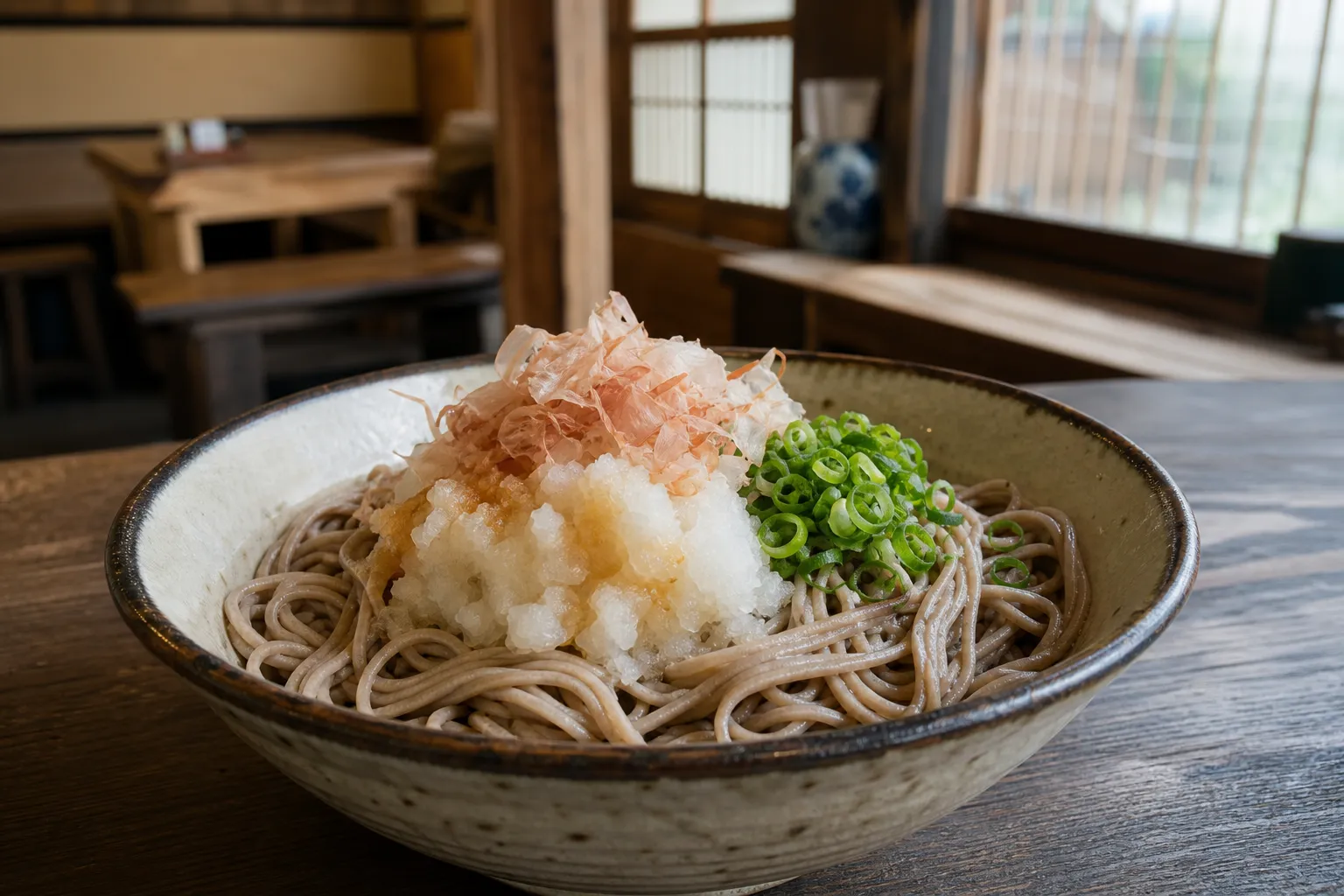
Fukui has been serious about soba since at least the 16th century, when buckwheat cultivation took hold in the prefecture's cooler mountain terrain — soil and climate that turned out to grow exceptional soba grain. Locals didn't stop at growing it well; they built an entire eating culture around eating it cold, with grated daikon instead of the usual warm dashi bath, because the sharpness of fresh daikon cuts straight through the earthiness of the buckwheat instead of just seasoning it.
I find something almost defiant about it. Most of Japan associates soba with a gentle warm broth; Fukui looked at that and said, no, ours is going to bite back. Every prefecture claims a "local soul food," but Fukui's actually tastes like a decision, and I respect that.
Grated daikon is not a garnish here — it's the whole argument
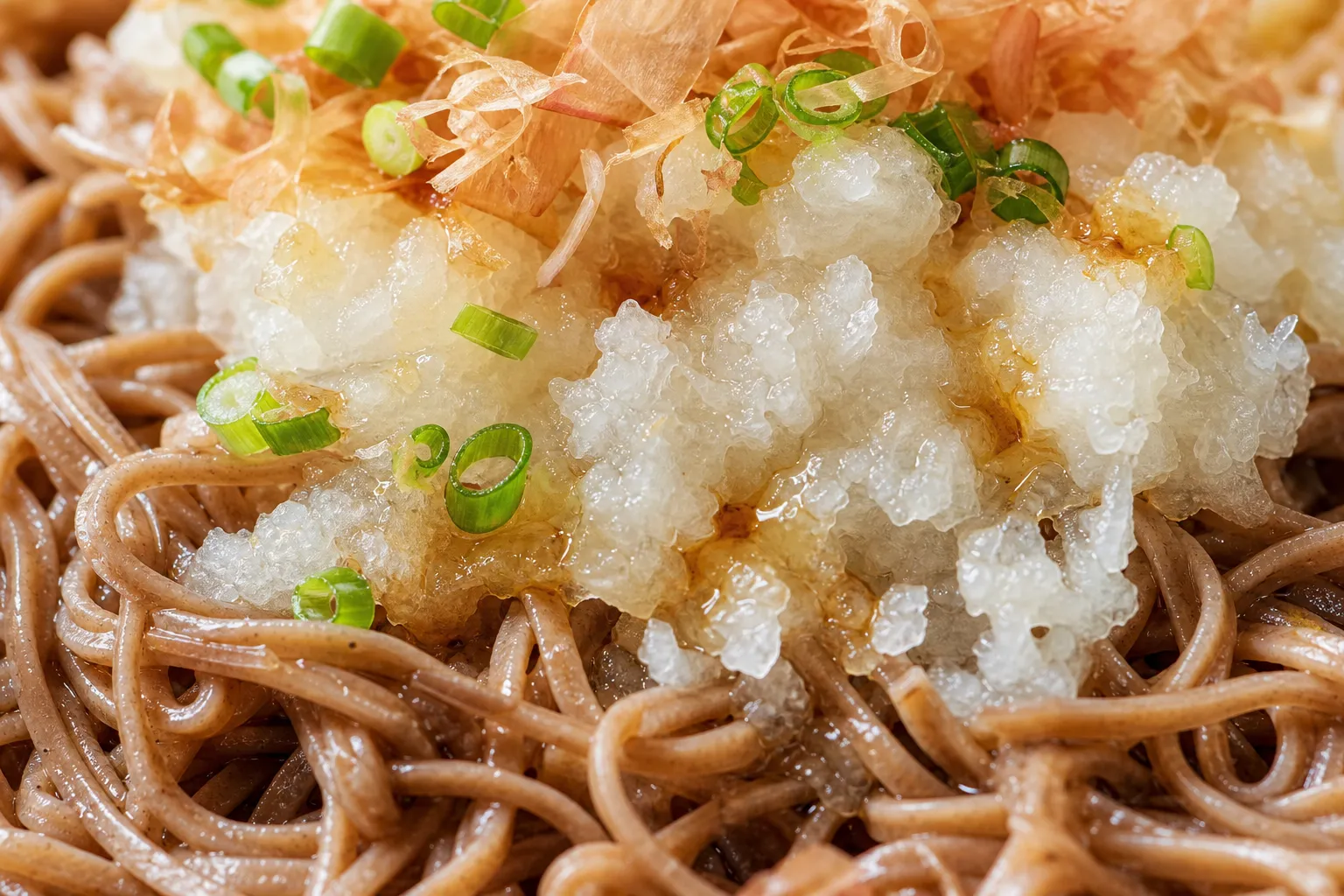
Look closely and the daikon isn't a delicate spoonful — it's a genuine snowbank of it, glistening with its own juice and soaked through with dashi-soy sauce, bonito flakes curling on top like they're trying to escape the cold. The noodles underneath are dark, slightly rough-textured buckwheat, springy rather than soft, and they carry that peppery, slightly bitter daikon flavor into every bite instead of hiding under it.
The genius is in the contrast: cold, chewy noodles; sharp, wet, almost fizzy-feeling daikon; a savory-salty sauce holding it all together; and a scattering of green onion for a clean, grassy finish. It's not a subtle bowl. I ate it fast, sniffled through the last third, and immediately wanted another.
How it's made
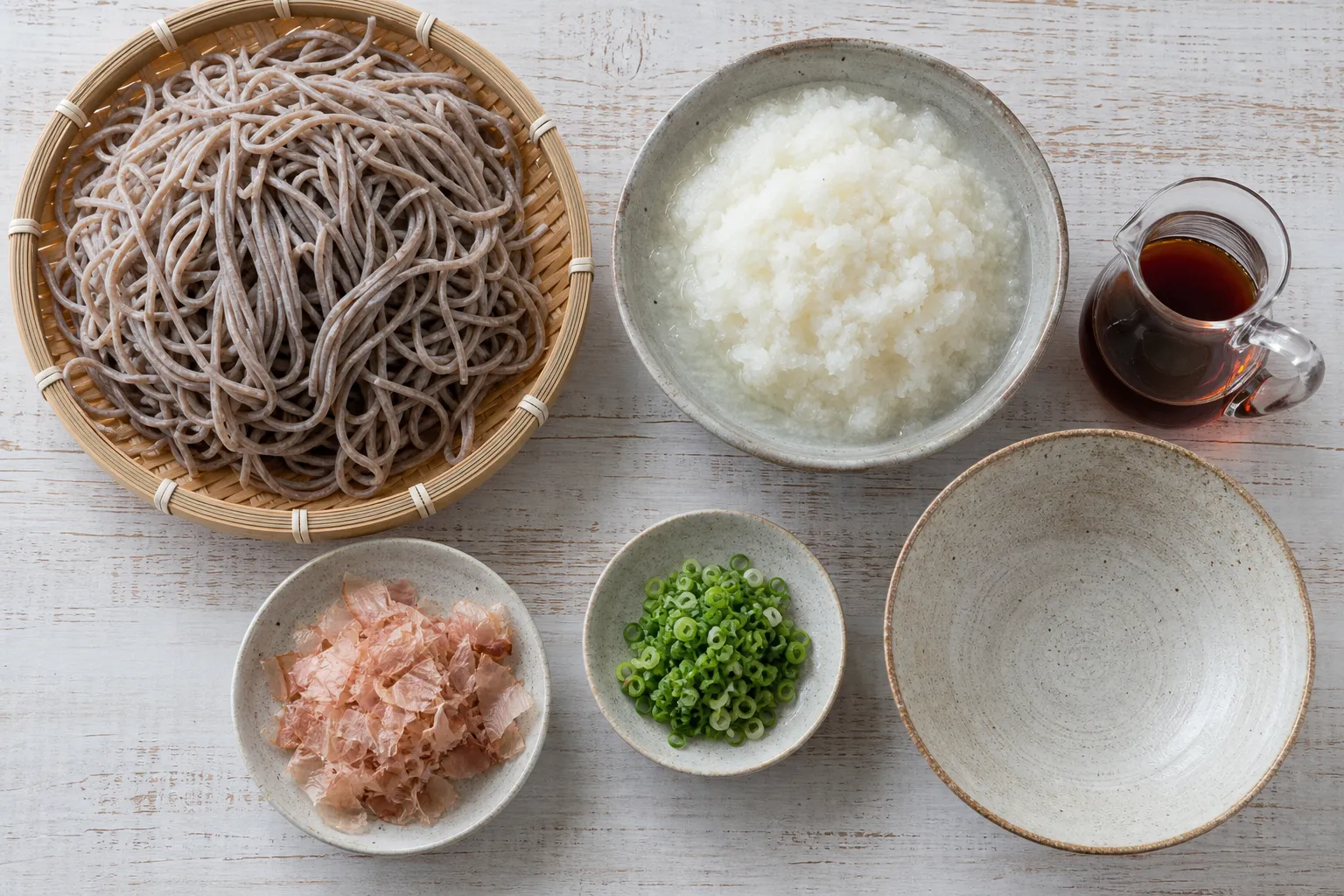
- Boil fresh buckwheat soba noodles, then shock and rinse them in cold water for bite
- Grate fresh daikon radish (oroshi) — Fukui's own aji-daikon varieties are prized for their bite
- Mix or pour a savory dashi-soy sauce (tsuyu) over the grated daikon
- Plate the cold noodles, then pile the daikon oroshi mixture generously on top
- Finish with a scattering of katsuobushi (bonito flakes) and sliced green onion
- Serve with extra tsuyu on the side for dipping the remaining noodles
Before you go — for the noodle-curious
Your questions, answered honestly
"Is this the same as bukkake udon?" — No. Bukkake is thick wheat udon; this is thin buckwheat soba, and the daikon is the whole point, not an optional topping.
"Do I mix everything together or eat in layers?" — Mix it in as you go. Stir the daikon and sauce through the noodles a bit at a time so every bite gets some bite.
"Is the daikon spicy?" — Not chili-spicy — it's a peppery, sinus-clearing sharpness that fades fast. If you're sensitive, ask for less daikon (oroshi sukuname).
"Hot or cold version — which do I want?" — The classic and most famous version is cold (hiyashi or just plain "oroshi soba"). Some shops offer a warm broth version too (atsu oroshi soba) if you want it milder and less sharp.
What the staff will ask you
| You'll hear | Romaji | Meaning | Just say |
|---|---|---|---|
| 温かいのと冷たいの、どちらにしますか? | Atatakai no to tsumetai no, dochira ni shimasu ka? | "Warm or cold version?" | Tsumetai no de (cold, please) |
| 大根おろしは多めにしますか? | Daikon oroshi wa ōme ni shimasu ka? | "Extra grated daikon?" | Futsū de daijōbu desu (regular is fine) |
| そばの量はどうしますか? | Soba no ryō wa dō shimasu ka? | "What noodle portion?" | Futsū de (regular) / Ōmori de (large) |
To order, just say "Oroshi soba kudasai" (おろし蕎麦ください) — "Oroshi soba, please."
Where to eat it
- Fukui City and around Fukui Prefecture — nearly every soba shop in the prefecture serves its own version; look for のれん (curtains) with そば written on them near the station and old town streets.
- Eiheiji-area soba shops — the temple town of Eiheiji, famous for Zen Buddhism, is also a well-known soba-growing and soba-eating area worth the detour.
- Check before you go — many local soba shops are small, family-run, and close early or on irregular days, so confirm hours before making a special trip.
Soul Score
Local Roots5/5
First-Timer Friendly4/5
Adventure Level3/5
Comfort Level4/5
Travel Worthy4/5
These scores are one obsessed eater's gut feeling — not a verdict. A low number isn't a bad mark, just a different kind of adventure.
Know someone planning Japan?
← All Articles
Local Food · Fukui
Still hungry?
Eat more from Fukui
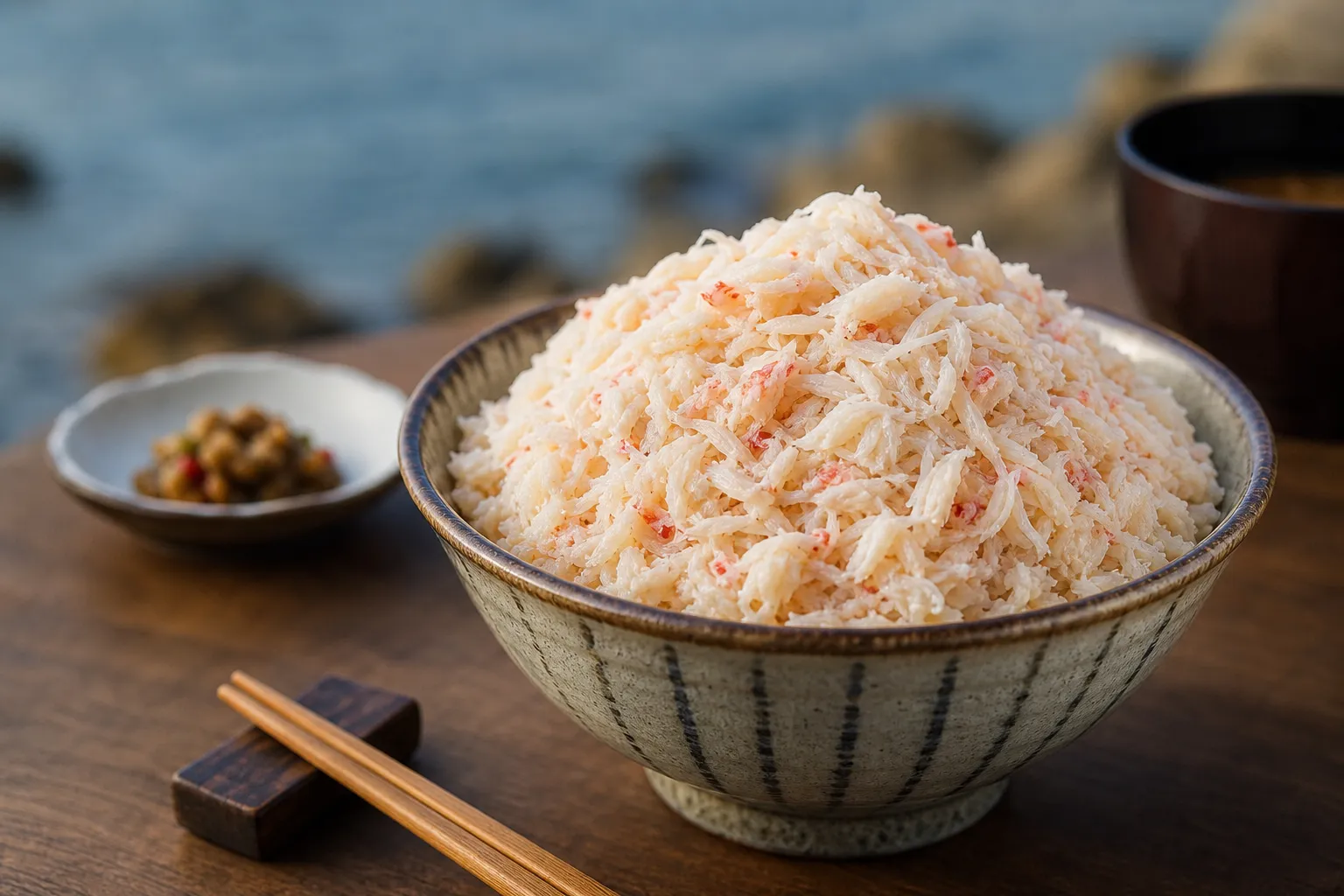
Local FoodEchizen, Fukui
Echizen Crab Meshi (越前かに飯)
A whole snow crab is a glorious, sticky, two-handed wrestling match — but someone in Fukui already did all the work and piled the sweet white meat over rice for you.
July 5, 2026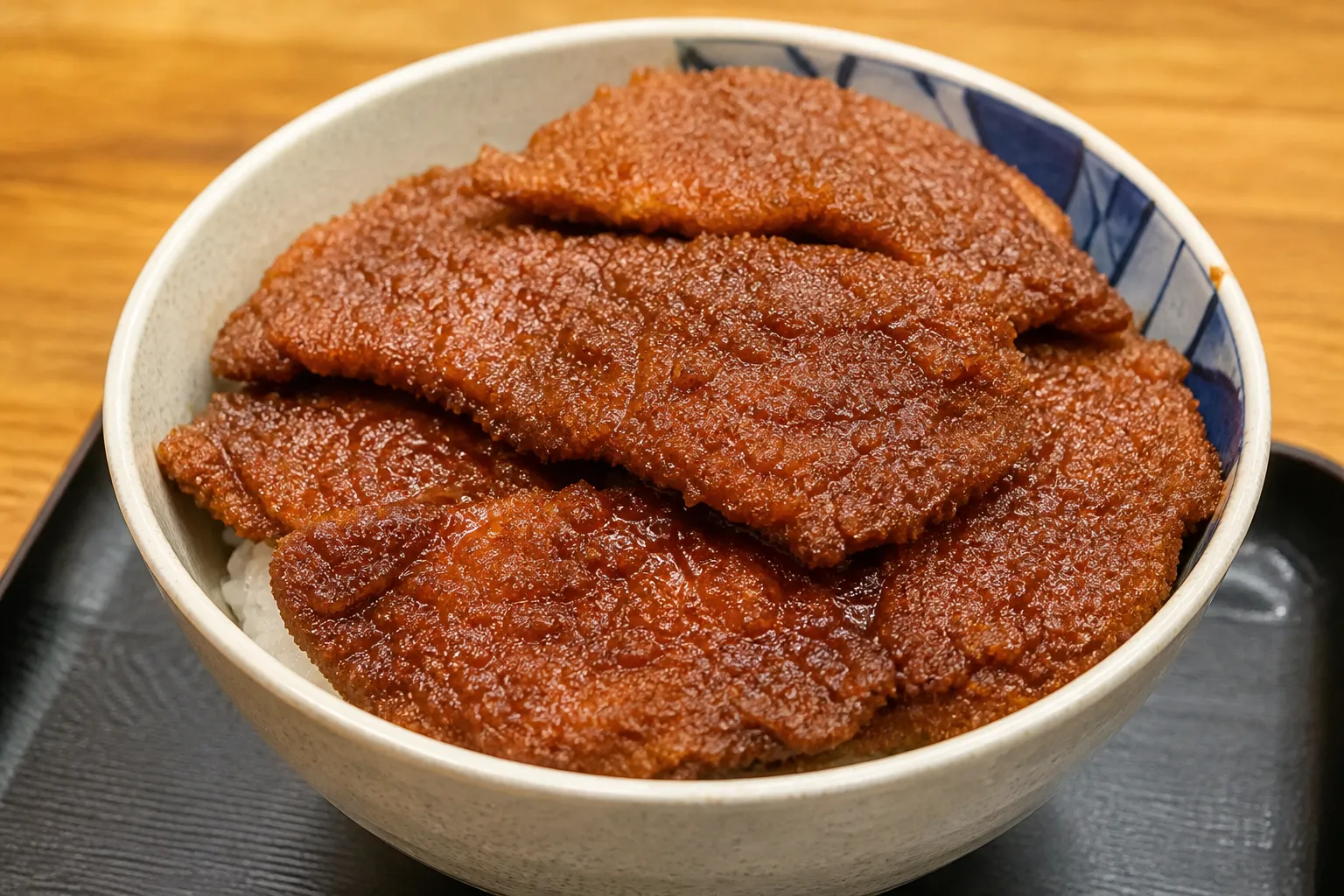
Local FoodFukui, Fukui
Fukui Sauce Katsudon (福井ソースカツ丼)
No egg. No onion. No broth. Just crisp thin cutlets fully bathed in a dark sweet-tangy sauce over hot rice. Fukui's katsudon throws out the rulebook — and it's a revelation.
June 27, 2026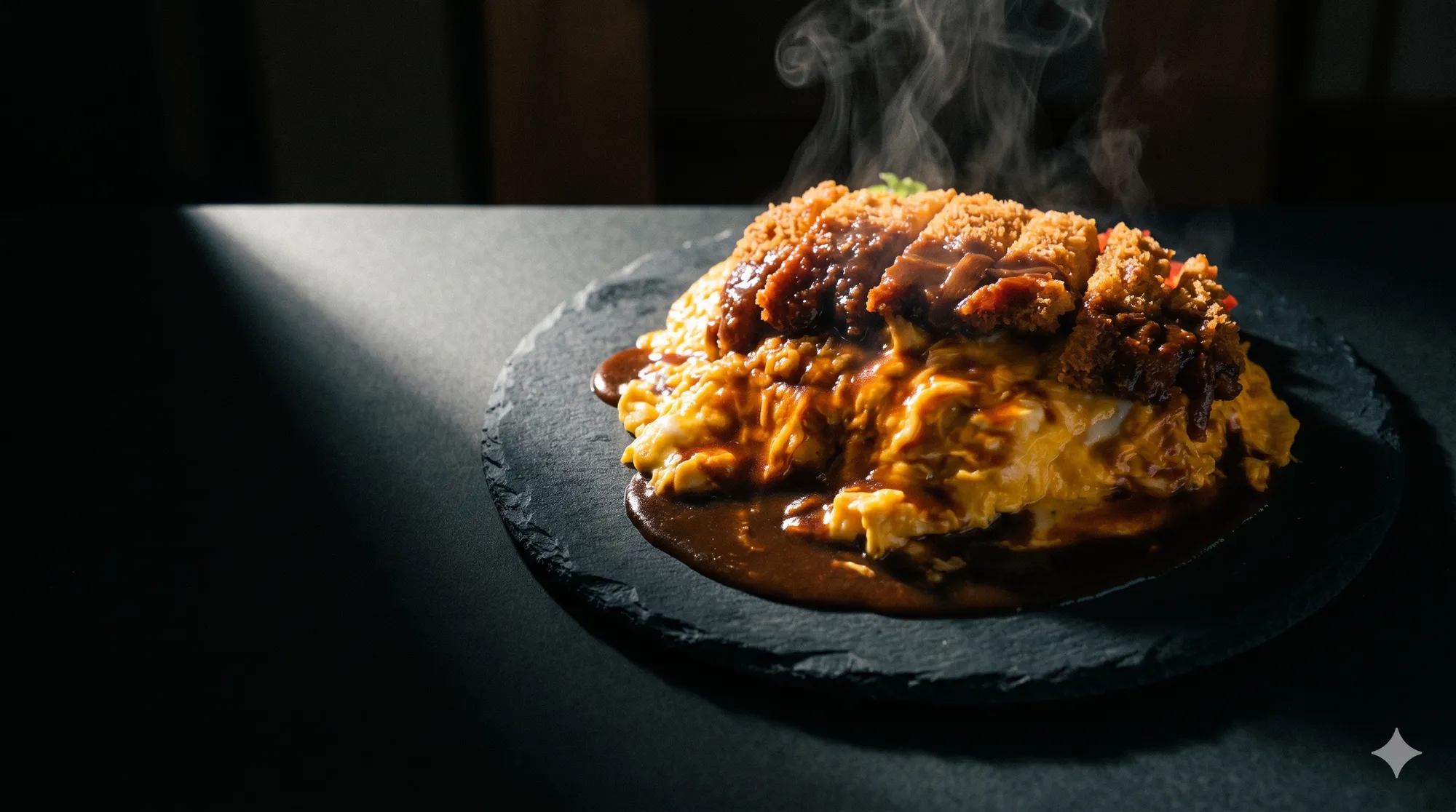
Local FoodEchizen, Fukui
Bolga Rice (ボルガライス)
Curry rice. Topped with omurice. Topped with a pork cutlet. Drowned in demi-glace. Fukui built a triple-decker monument to indulgence — and nobody knows where the name came from.
July 13, 2024