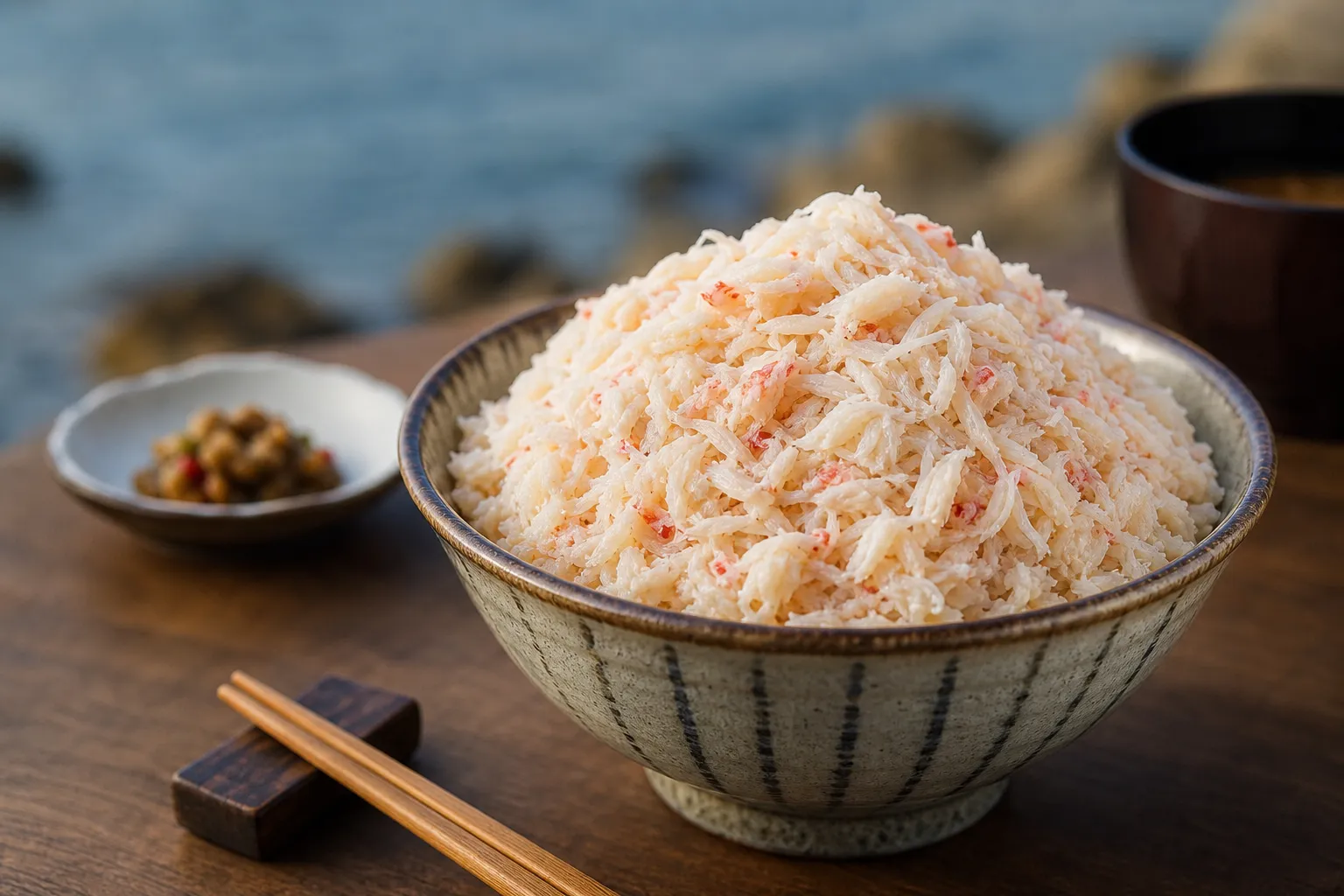
The lid came off the little pot and there it was: a soft mound of snowy-white crab meat, still steaming, piled so generously over the rice that I couldn't see a single grain. I didn't reach for chopsticks right away. I just looked at it. Because I've fought a whole snow crab before — the cracking, the picking, the sticky fingers, the tiny victories — and here someone had done every bit of that labor for me and handed over pure reward.
Share this dish


A whole snow crab is a glorious, sticky, two-handed wrestling match — but someone in Fukui already did all the work and piled the sweet white meat over rice for you.
🍜 Planning a food trip to Fukui?Add this dish to my Food Trip →
 Add this dish to my Food Trip →
This is Echizen Crab Meshi (越前かに飯), and it's Fukui's answer to a very serious local obsession. The Echizen coast, on the winter Sea of Japan, is home to Echizen crab (越前がに) — male zuwaigani (snow crab) landed at Echizen ports, so prized that top ones wear a numbered tag and Japan's first "royal-designated" crab pedigree. That crab is sweet, delicate, and gently briny. Pick the meat, pile it over seasoned rice — sometimes as a steaming kamameshi cooked in its own pot — and you get one of the most quietly luxurious rice bowls in the country.
A crab a whole region built its winter around
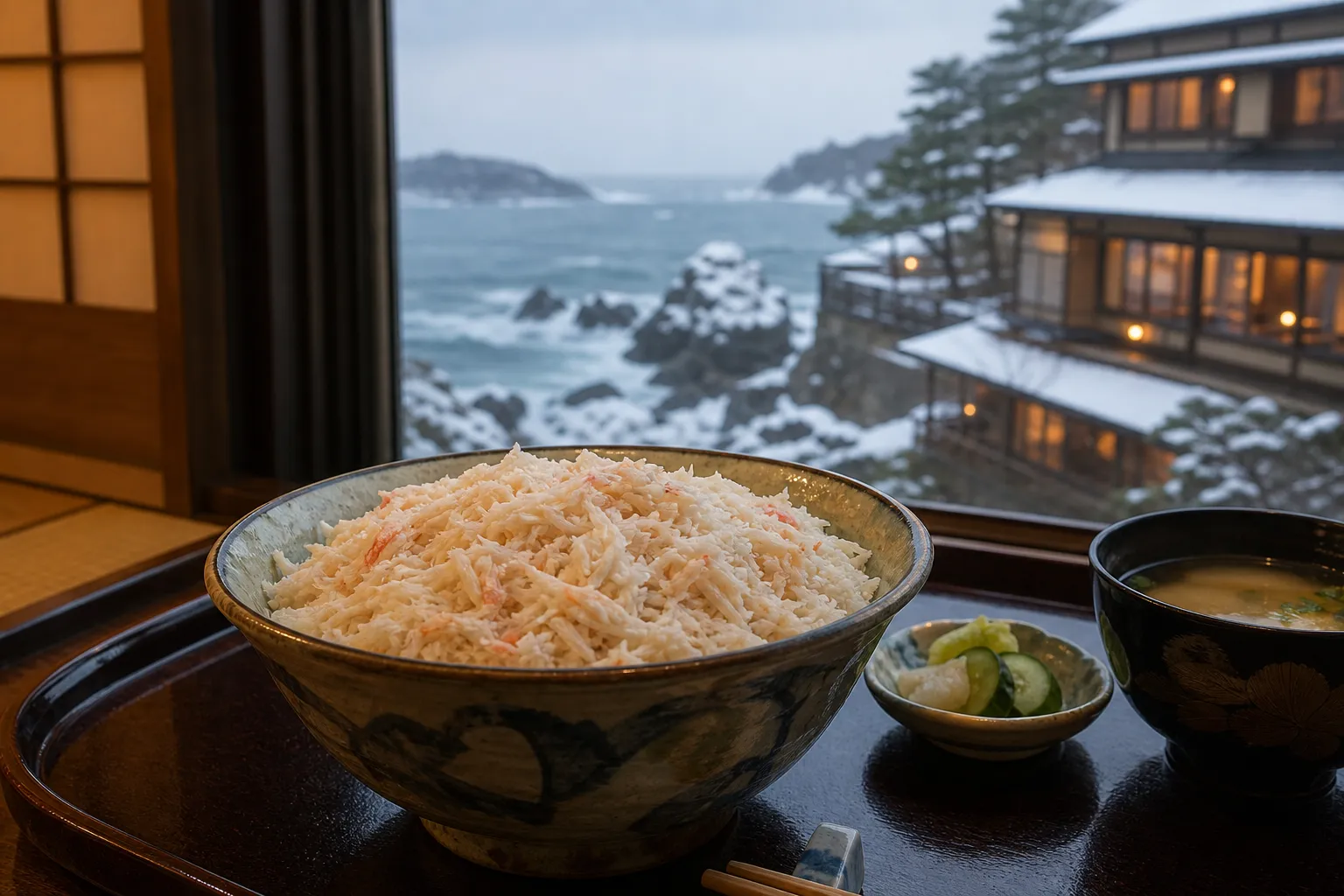
Fukui's crab season is a genuine event. When the fishery opens in November, the Echizen ports light up, and for a few winter months this stretch of the Sea of Japan coast lives and breathes zuwaigani. Echizen crab has been eaten here for centuries — records of it being sent to the imperial court go back a very long way, and it remains the only crab in Japan honored with an official royal designation. Fukui people talk about it the way other places talk about their football team.
Crab meshi grew out of that world honestly. Not every meal is a whole crab on a platter — that's the splurge. Crab meshi is the loving, practical version: take that superb sweet meat and marry it to rice, so the flavor soaks into every grain. In its kamameshi form the raw rice is cooked right in an individual iron pot with crab and dashi, so the bottom crisps into a faint golden crust. I scraped that crust clean with my spoon and briefly considered ordering a second pot just for it.
Why the meat makes the bowl
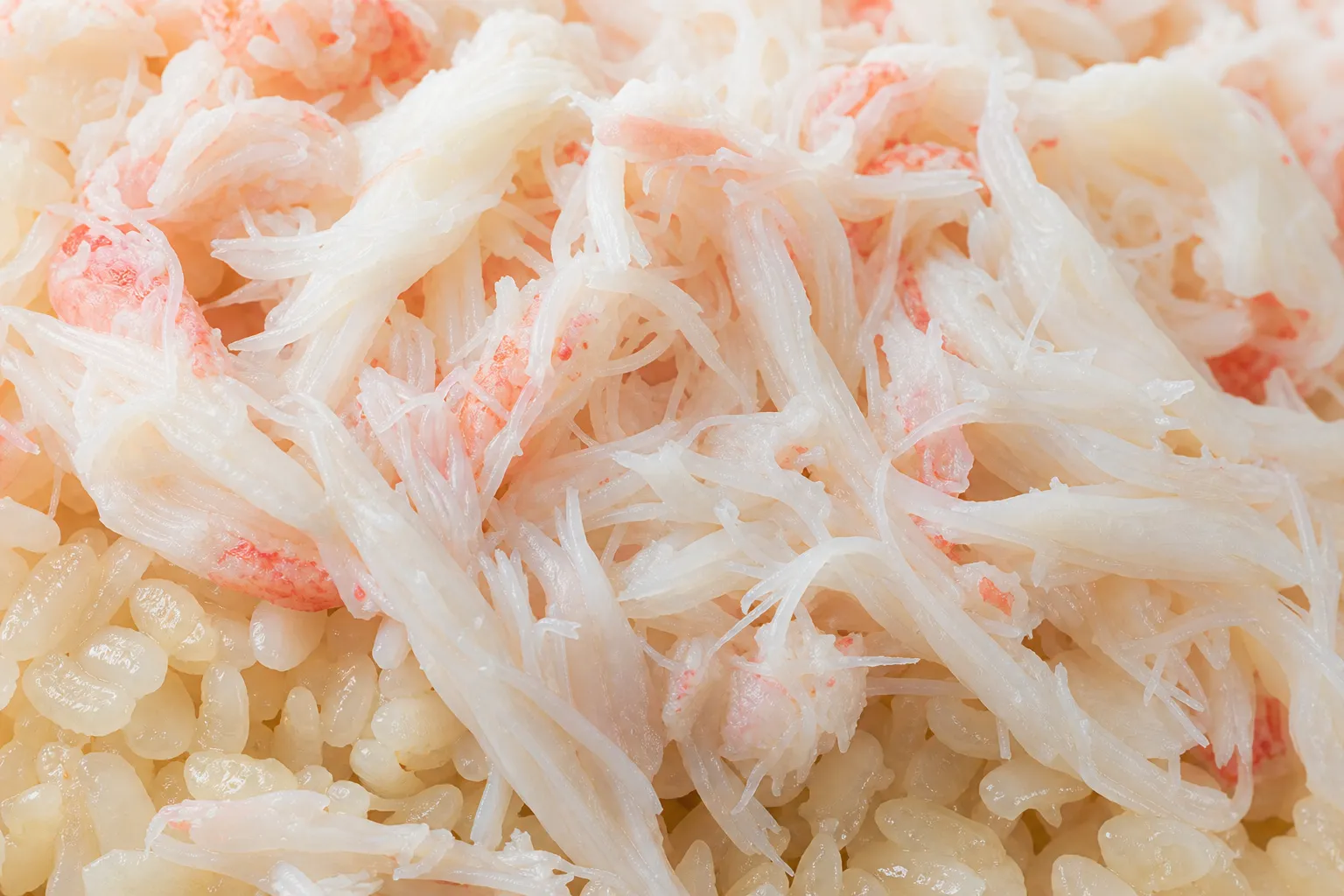
Zuwaigani meat is fine, snowy-white, and comes away in soft feathery strands — delicate where king crab is coarse and chunky. The flavor is clean and distinctly sweet, with a gentle sea-brine that never turns harsh or "fishy." Over warm rice seasoned with dashi and a whisper of soy, that sweetness spreads into everything, and the whole bowl tastes like the ocean's politest, most refined version of itself.
The joy here is that there's zero work. No cracking shells, no picking legs, no sticky battle — just soft crab and savory rice in every spoonful. It's warming, comforting, and unmistakably a splurge that still feels like a hug. I ate slowly on purpose. When something is both this good and this seasonal, you don't rush it.
How the bowl comes together
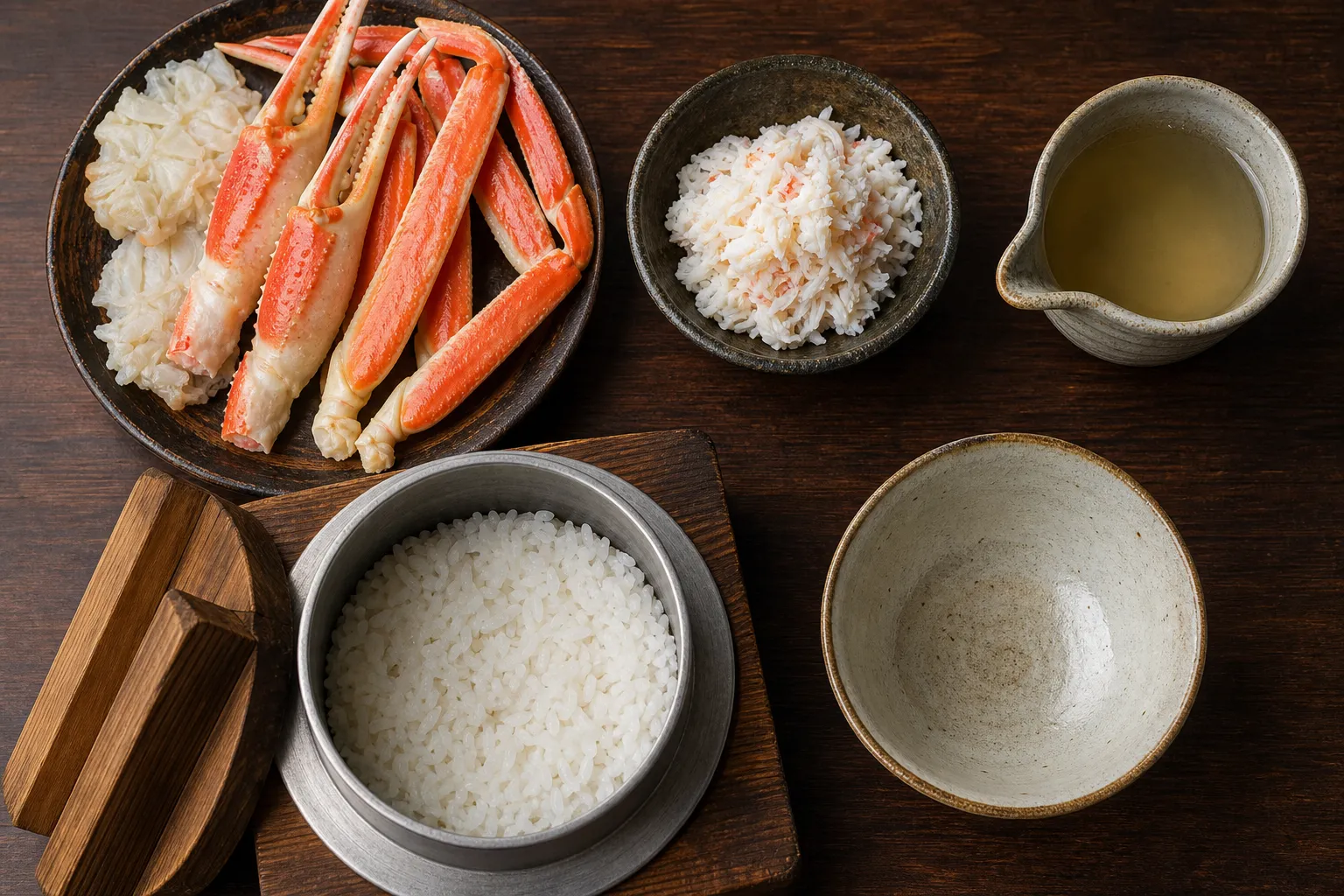
- Male zuwaigani are landed at Echizen ports on the Sea of Japan during the winter season and graded — the best ones tagged
- The crab is cooked, and the fine white meat is carefully picked from legs and body
- Rice is seasoned with dashi and light soy — for kamameshi, it's cooked with crab and broth in an individual iron pot
- The picked crab meat is piled generously over the finished rice, often with a little roe or garnish
- It's served hot, sometimes lidded in its pot so it arrives steaming — you lift the lid and dig in
Before you go — do the crab justice
Your questions, answered honestly
"Is this the same as king crab legs?" — No, and don't expect those thick chunky legs. Echizen crab is zuwaigani (snow crab) — finer, softer, sweeter, more delicate meat. It's a different, more refined pleasure than king crab's big meaty segments.
"Is it worth the price?" — Real Echizen crab is a genuine luxury and priced accordingly, but crab meshi is a smarter entry point than a whole tagged crab — you get that celebrated sweet meat without the platter-sized bill. Just ask what grade of crab the bowl uses.
"When can I get it?" — Crab season on this coast runs through the colder months (it opens in November). Outside season you may find versions using other or frozen crab, so if you want the real winter Echizen experience, time your trip and ask.
"Do I need to crack anything?" — No. That's the whole beauty of crab meshi — the meat is already picked and piled over rice. Zero mess, all reward.
What the staff will ask you
| You'll hear | Romaji | Meaning | Just say |
|---|---|---|---|
| 越前がにを使っていますが、よろしいですか? | Echizen-gani o tsukatte imasu ga, yoroshii desu ka? | "This uses Echizen crab — is that okay?" | Hai, onegaishimasu (yes, please) |
| 釜飯と丼、どちらにしますか? | Kamameshi to donburi, dochira ni shimasu ka? | "Kamameshi or a rice bowl?" | Kamameshi de onegaishimasu (kamameshi, please) |
| 温かいお茶はいかがですか? | Atatakai ocha wa ikaga desu ka? | "Would you like hot tea?" | Onegaishimasu (yes, please) |
To order, just say "Echizen kani meshi o kudasai" (越前かに飯をください) — "Echizen crab meshi, please."
Where to eat it
- Echizen coast, Fukui — coastal towns along this stretch of the Sea of Japan are crab country; local restaurants and crab specialists serve crab meshi in and around season.
- Ryokan and hot-spring inns in Fukui — many coastal inns build winter meals around Echizen crab, with crab meshi as part of the spread; a classic way to experience it.
- Roadside stations and station bento — some michi-no-eki and station shops in Fukui sell crab-meshi bento using local crab; convenient, though quality varies by source.
Crab is seasonal and premium, and menus, grades, and hours change, so check current details before you go — and confirm what crab the bowl actually uses.
Soul Score
Local Roots5/5
First-Timer Friendly4/5
Adventure Level3/5
Comfort Level5/5
Travel Worthy5/5
These scores are one obsessed eater's gut feeling — not a verdict. A low number isn't a bad mark, just a different kind of adventure.
Know someone planning Japan?
← All Articles
Local Food · Echizen, Fukui
Still hungry?
Eat more from Fukui
Local FoodFukui
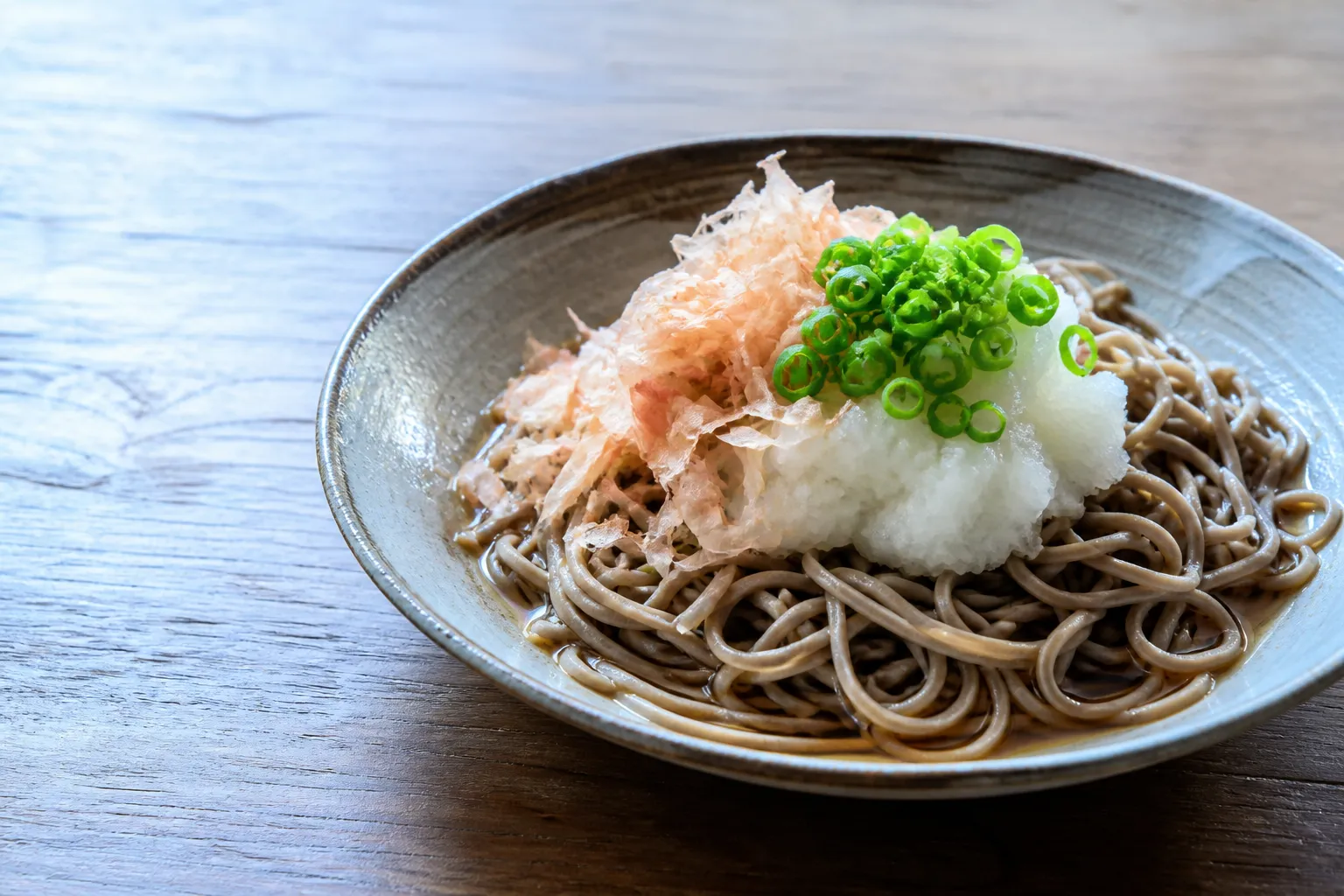
Oroshi Soba (おろし蕎麦)
A mountain of grated daikon on cold buckwheat noodles, and the first bite is colder and sharper than any noodle dish has a right to be.
July 4, 2026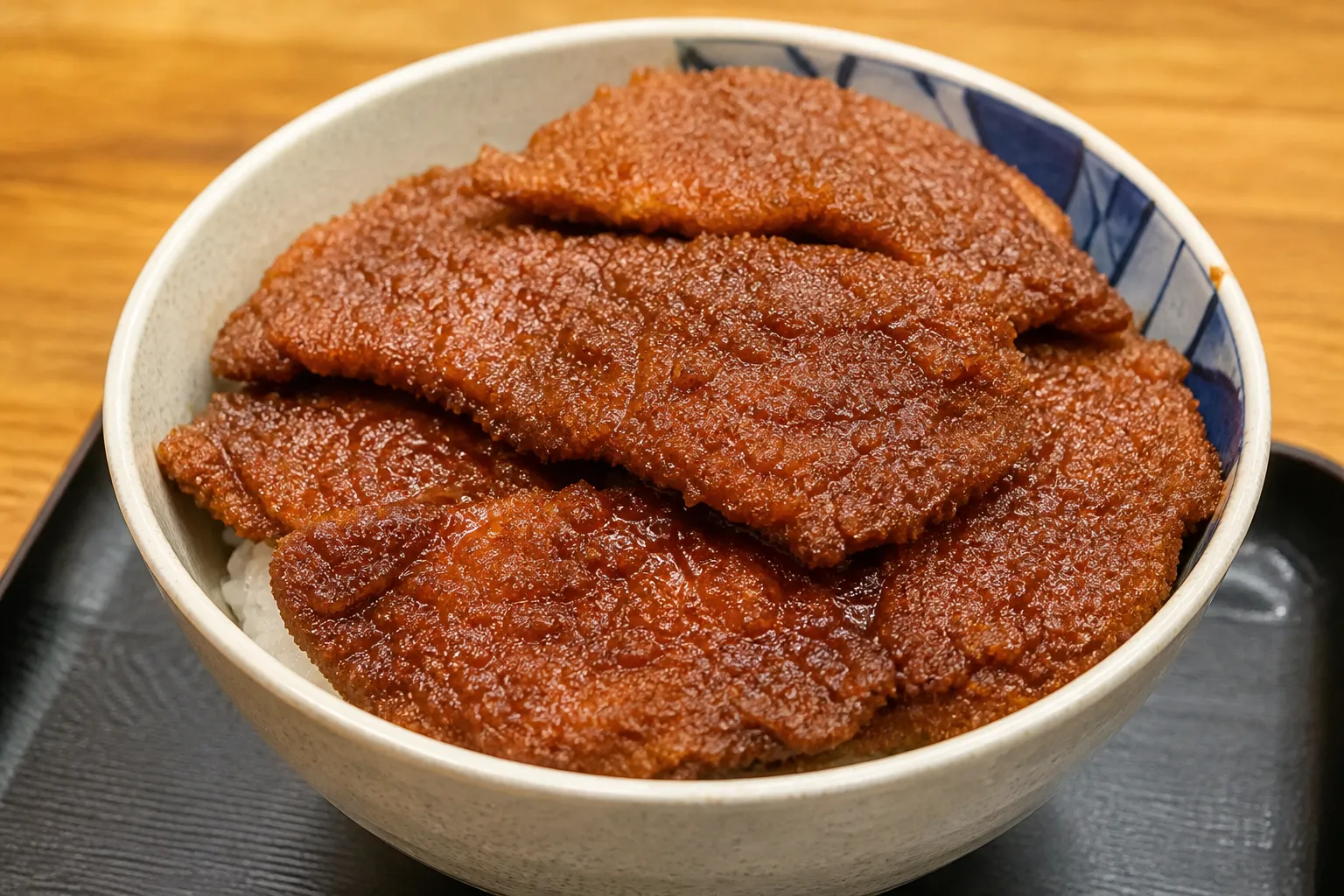
Local FoodFukui, Fukui
Fukui Sauce Katsudon (福井ソースカツ丼)
No egg. No onion. No broth. Just crisp thin cutlets fully bathed in a dark sweet-tangy sauce over hot rice. Fukui's katsudon throws out the rulebook — and it's a revelation.
June 27, 2026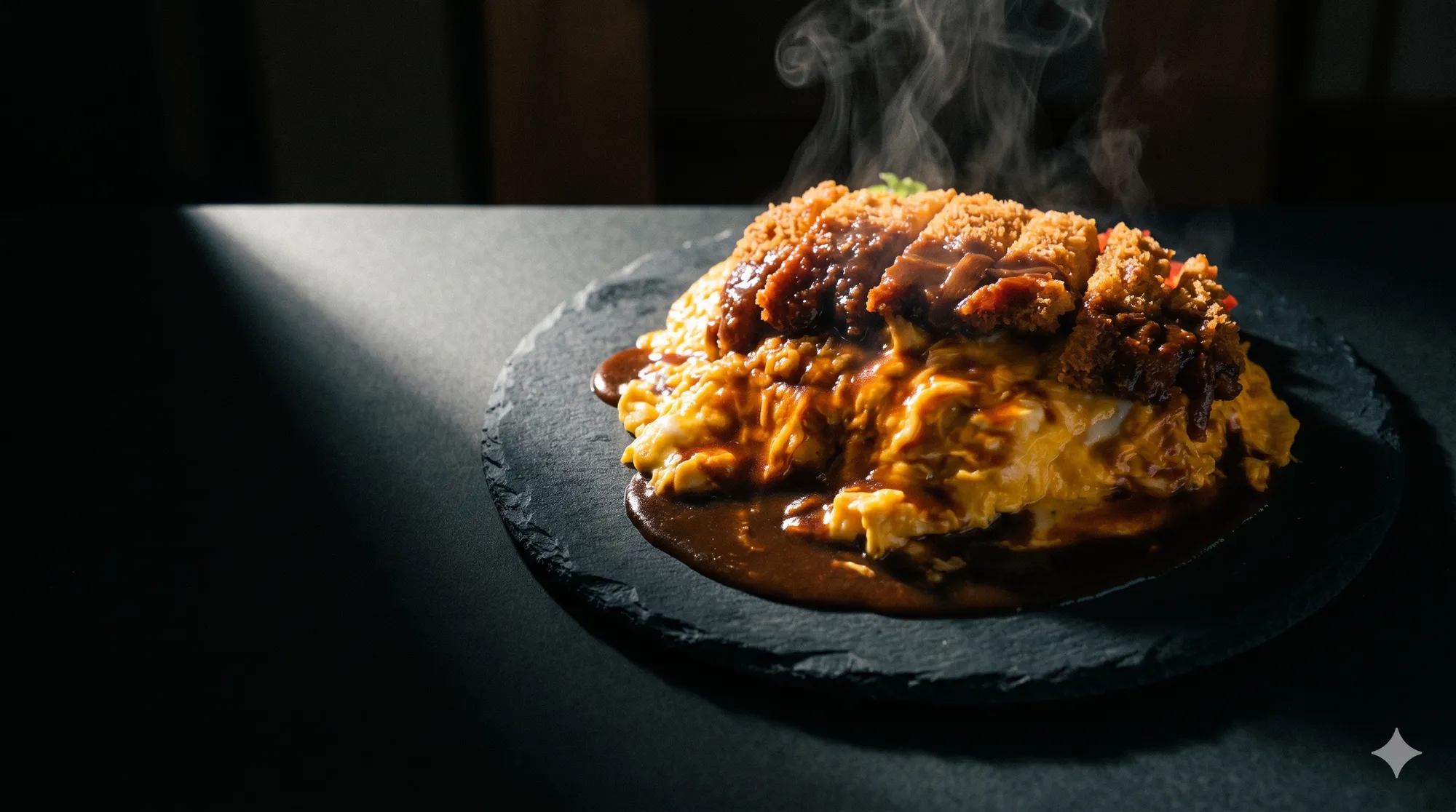
Local FoodEchizen, Fukui
Bolga Rice (ボルガライス)
Curry rice. Topped with omurice. Topped with a pork cutlet. Drowned in demi-glace. Fukui built a triple-decker monument to indulgence — and nobody knows where the name came from.
July 13, 2024