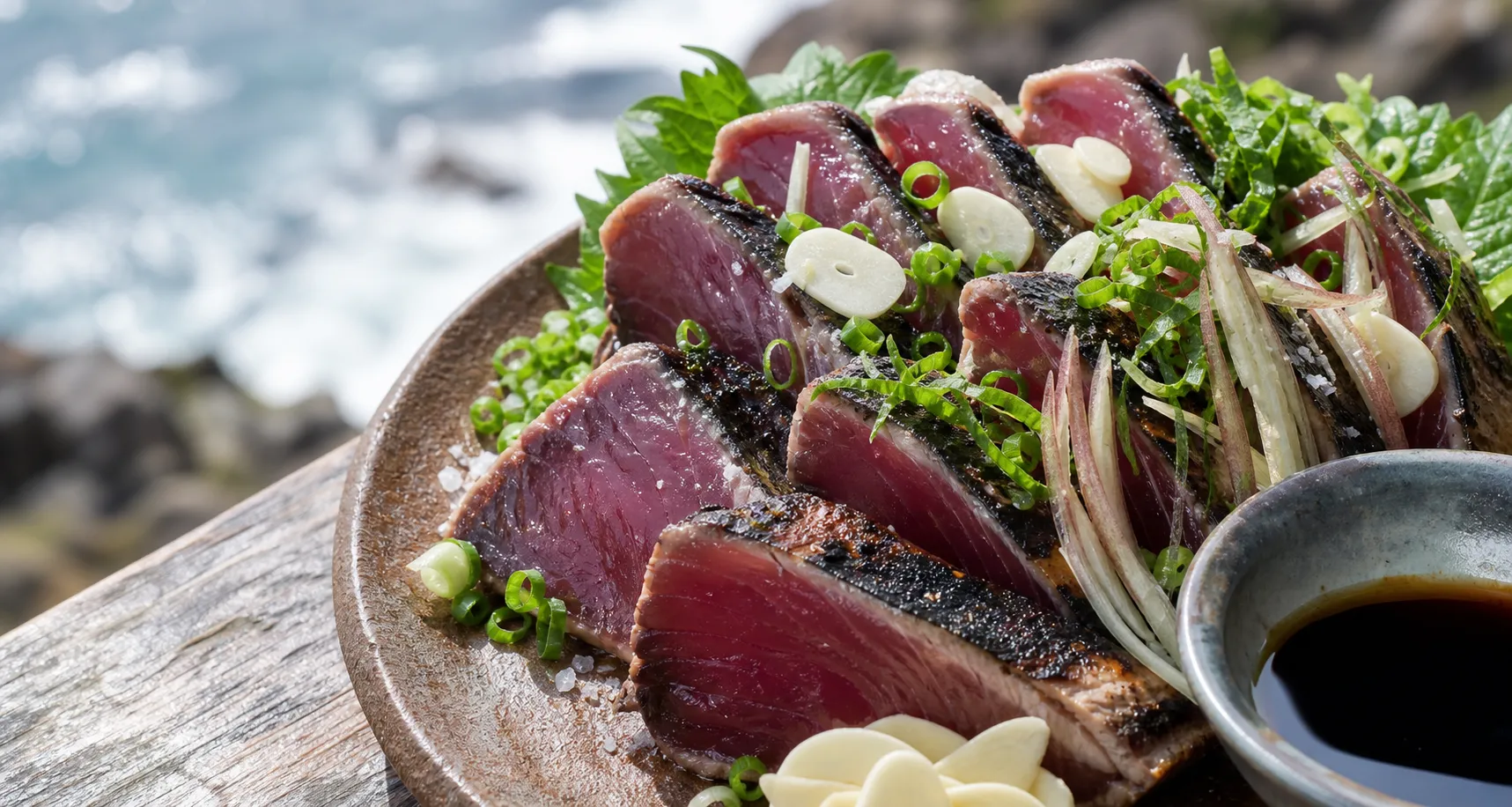
The flames went up past the cook's head — a whole armful of rice straw roaring at once — and he held the bonito right in it, turning, the surface blistering and smoking while the inside stayed cold and red. Thirty seconds. Then it was sliced thick, hit with raw garlic and salt, and put in front of me still smelling of smoke. I ate one piece and made a noise.
Share this dish


Bonito seared over a roaring straw fire — charred and smoky on the outside, ruby-red and raw within. Kochi's signature, and one of the great fish dishes of Japan.
🍜 Planning a food trip to Kochi?Add this dish to my Food Trip →
 Add this dish to my Food Trip →
This is katsuo no tataki — skipjack tuna seared hard over burning straw so the skin chars and the flesh inside stays ruby-rare. It's the soul of Kochi, on the Pacific coast of Shikoku, where the locals eat bonito with a passion that borders on religious. Charred edge, raw red middle, smoke, garlic, salt. It might be the best argument for fire I know.
A coast that lives and breathes bonito
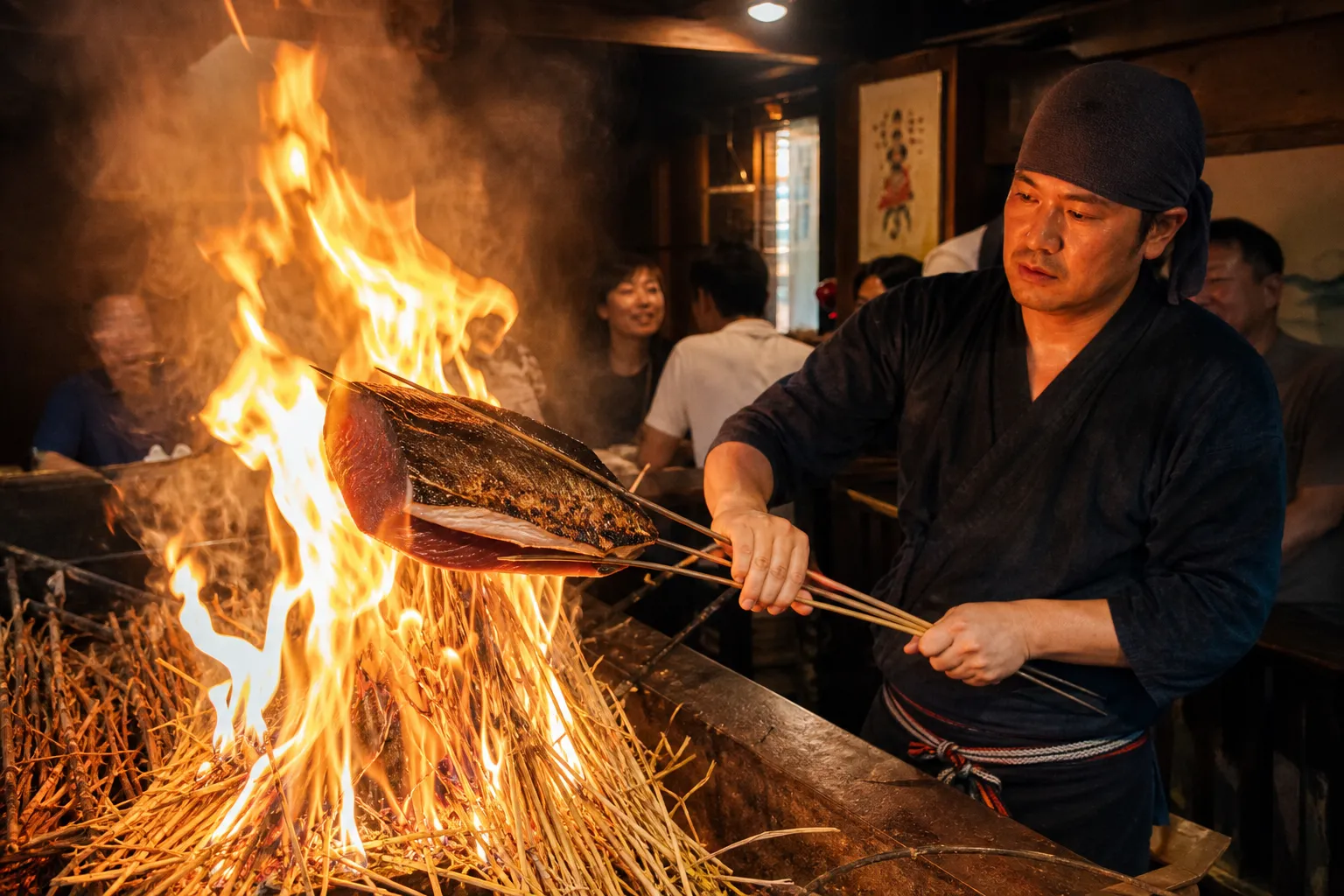
Kochi (the old province of Tosa) faces the open Pacific, and bonito — katsuo — runs along this coast in great seasonal migrations. The people here built a whole food culture around it. The seared tataki style is the centerpiece: legend ties it to old fishermen grilling the outside to make the fish keep better and taste safer, others to a lord's order, but the upshot is a technique that turns out perfect.
What makes Kochi's version theatrical is the straw fire (warayaki). Rice straw burns hot and fast and tall, scorching the surface in seconds without cooking through, and lending a distinct smoky aroma that gas or charcoal can't match. Watching it done — and a lot of Kochi places do it right in front of you — is half the meal. I stood too close on purpose. I'd do it again.
Char outside, ruby inside — and don't skip the garlic
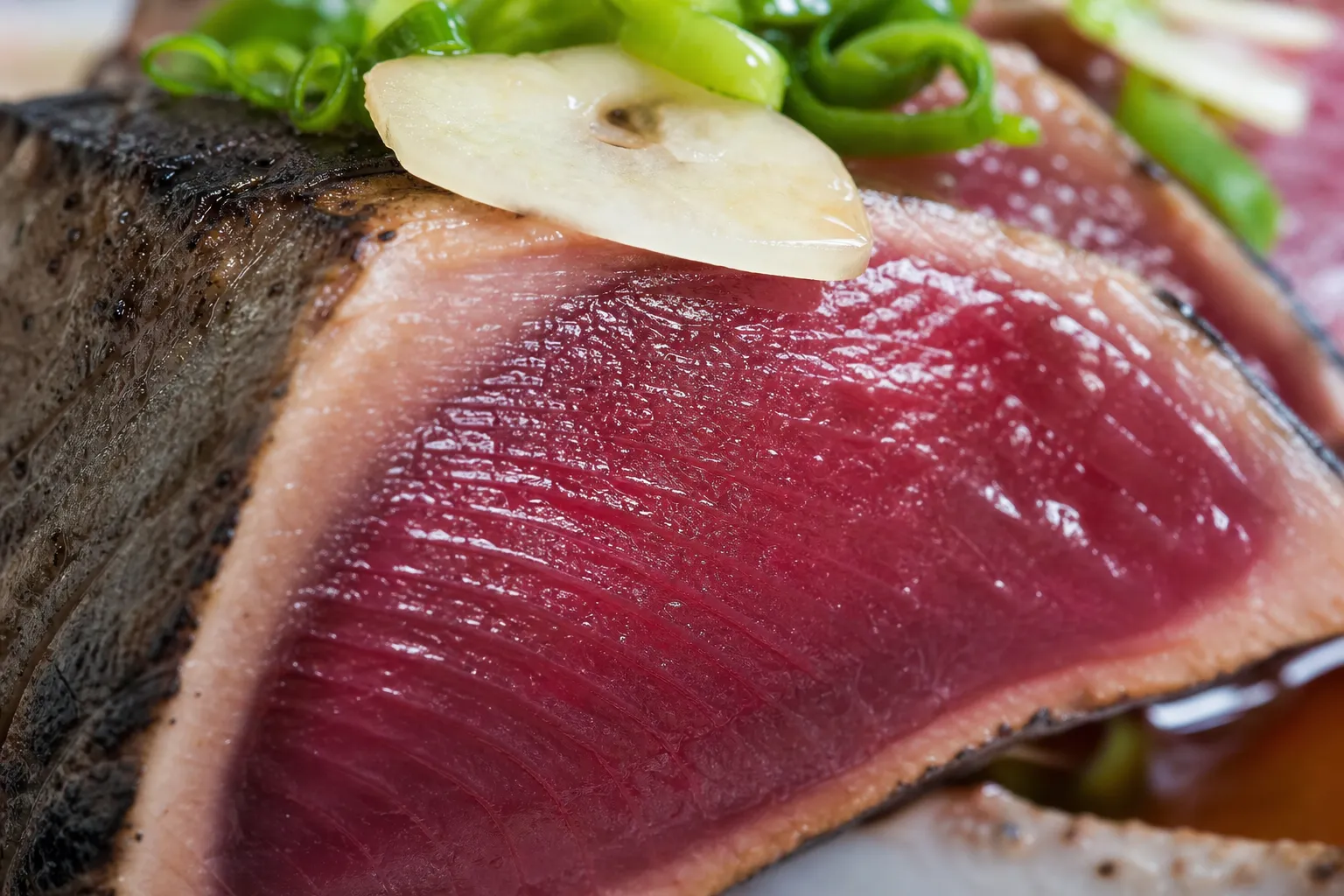
Cut into a slice and you see the whole point: a thin dark seared band wrapping deep, glistening, ruby-red rare flesh. The seared edge is smoky and savory; the inside is soft, clean, faintly metallic in the good way fresh fish is. It is not "cooked fish," and it is not plain sashimi — it's its own third thing, and the contrast is the magic.
Then the toppings, which Kochi takes seriously: thin-sliced raw garlic (essential — trust them), green onion, grated ginger, myoga, and shiso, with either ponzu or, increasingly favored locally, just coarse salt (shio-tataki). The salt version lets the smoke and the fish lead; the ponzu version is bright and classic. Get both if you can. I went salt-first and ponzu-second and could not pick a winner, which is the best kind of problem.
How it's made
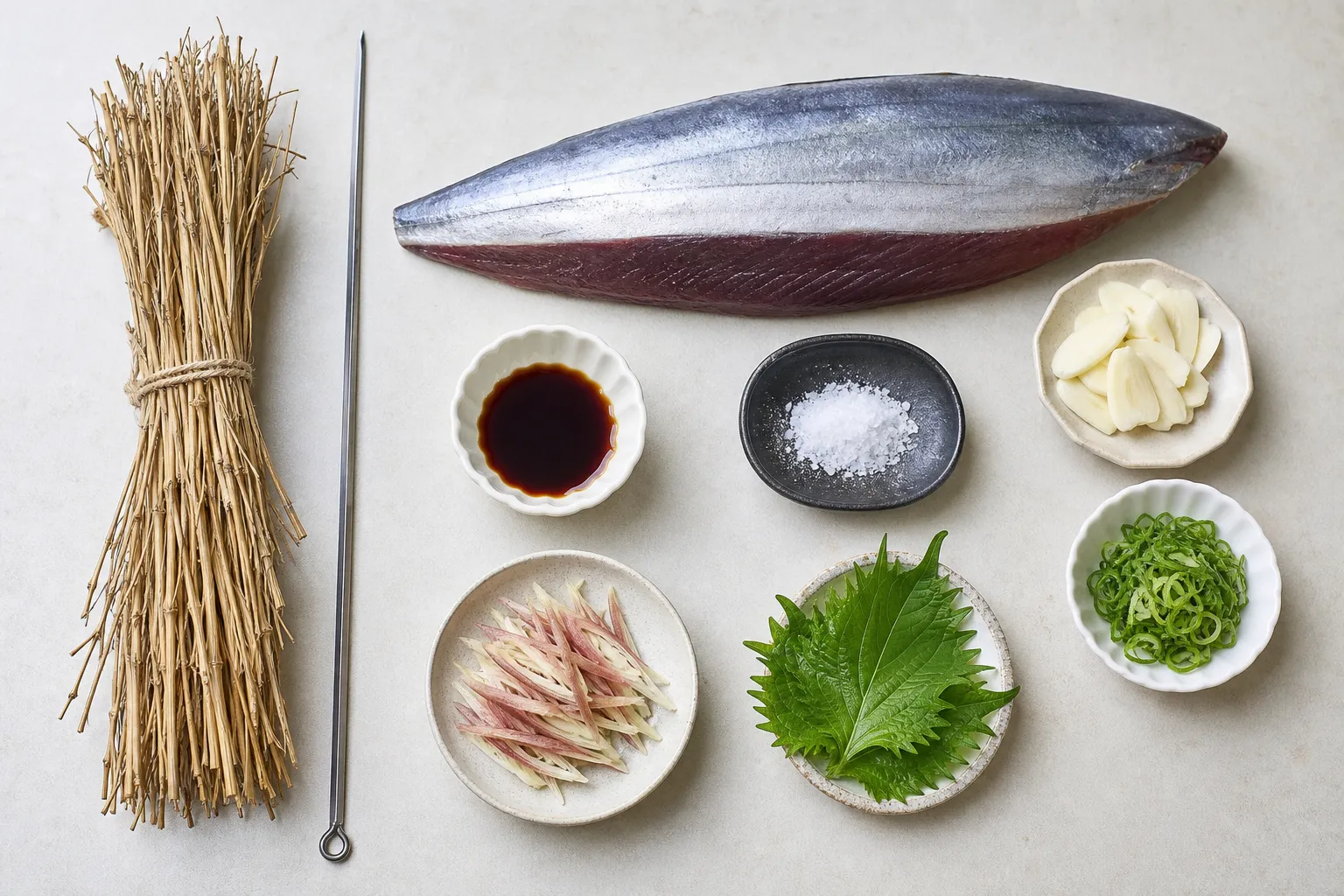
- Start with a very fresh loin (saku) of bonito, skin on
- Skewer it and sear it hard over a tall, fast straw fire (warayaki) — only the surface chars; the inside stays raw and red
- (Some cooks briefly chill or rest it; many serve it warm straight from the fire)
- Slice into thick pieces, about a centimeter each
- Top generously with sliced raw garlic, green onion, ginger, myoga, and shiso
- Serve with ponzu, or with coarse salt (shio-tataki) — Kochi loves the salt version
Before you go — eat the smoke
Your questions, answered honestly
"Is it raw or cooked?" — Both, sort of. Only the outer surface is seared; the inside is raw and red. If you can eat sashimi or seared tuna, you're completely fine here. It's milder and cleaner than people expect.
"Salt or ponzu?" — Salt (shio-tataki) is the local favorite and lets the smoke shine; ponzu is the bright, classic, citrusy route. Try both if the menu lets you. You won't regret the salt one.
"Do I really have to eat raw garlic?" — Strongly recommended — it's central to the flavor and cuts the richness perfectly. If raw garlic isn't your friend before a big day, take a little less, but don't skip it entirely.
"When's bonito best?" — Two seasons: spring hatsu-gatsuo (lean, fresh) and autumn modori-gatsuo (fatty, rich). Both are excellent; it's served year-round in Kochi. Autumn is the fatty crowd-pleaser.
What the staff will ask you
| You'll hear | Romaji | Meaning | Just say |
|---|---|---|---|
| 塩とポン酢、どちらにしますか? | Shio to ponzu, dochira ni shimasu ka? | "Salt or ponzu?" | Shio de (salt) or ponzu de (ponzu) |
| ニンニクは入れて大丈夫ですか? | Ninniku wa irete daijōbu desu ka? | "Okay with raw garlic?" | Hai, onegaishimasu — yes please |
| 藁焼き、目の前でやりますね | Warayaki, me no mae de yarimasu ne | "We'll straw-sear it in front of you" | Tanoshimi desu — looking forward to it |
To order, just say "Katsuo no tataki kudasai" (カツオのたたきください) — "Seared bonito, please."
Where to eat it
- Kochi City — the home of warayaki katsuo; the famous Hirome Ichiba market food hall is a lively spot to watch the straw-searing and eat it fresh, alongside many izakayas across the city.
- Coastal Kochi (Tosa) — seaside towns and roadside stations near the fishing ports serve some of the freshest tataki around; great if you're driving the coast. Check seasonal hours.
- Tosa-themed izakayas in Tokyo & Osaka — many feature straw-seared katsuo and Kochi sake; a reliable taste if you can't reach Shikoku, though the live straw fire is best on the coast.
Soul Score
Local Roots5/5
First-Timer Friendly4/5
Adventure Level4/5
Comfort Level4/5
Travel Worthy4/5
These scores are one obsessed eater's gut feeling — not a verdict. A low number isn't a bad mark, just a different kind of adventure.
Know someone planning Japan?
← All Articles
Local Food · Kochi, Kochi
Still hungry?
Eat more from Kochi
Local FoodKochi
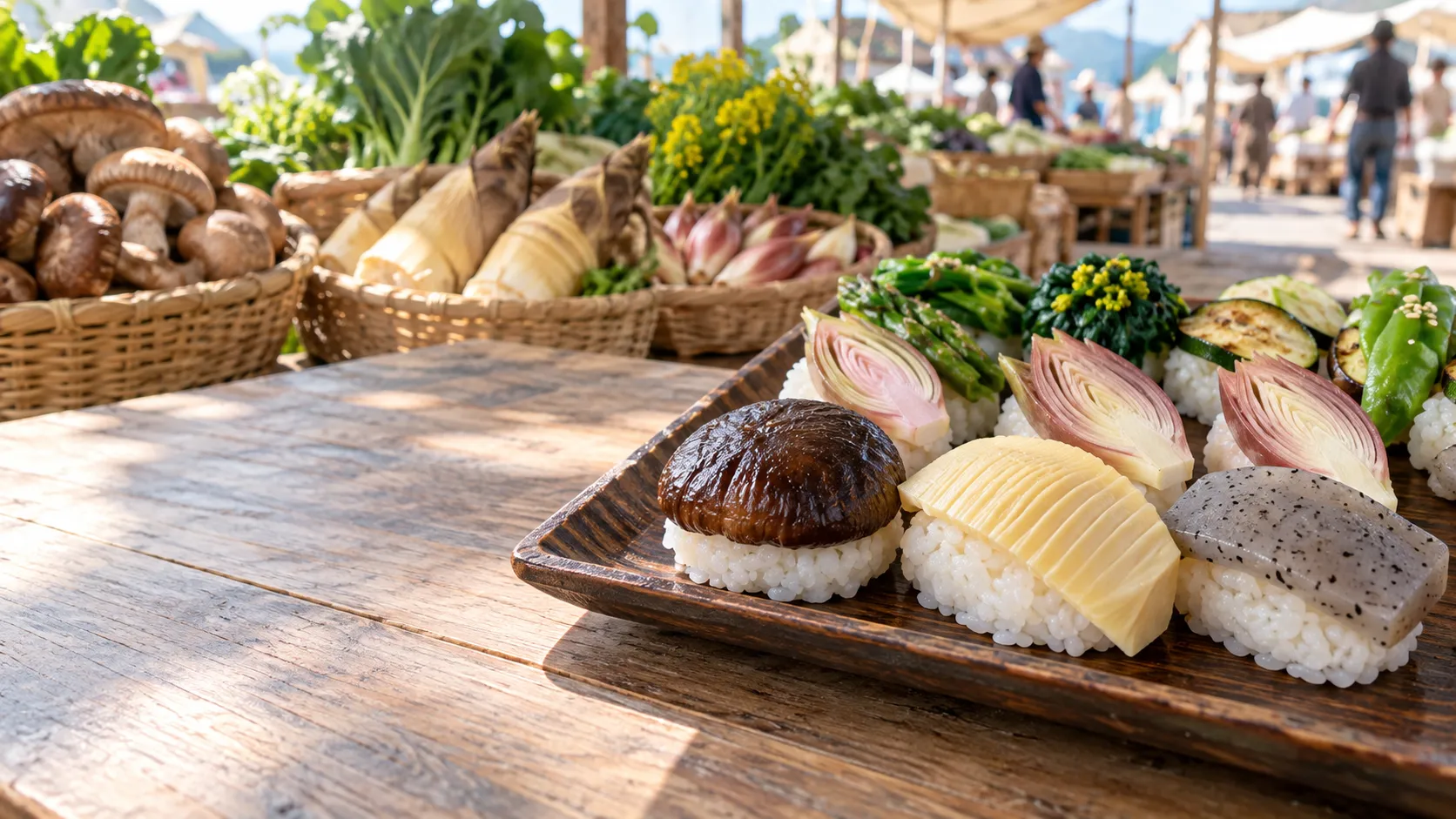
Inaka Zushi (田舎寿司)
I bought what I thought was a box of ordinary sushi at a street market in Kochi. There was no fish in it anywhere, and that turned out to be the best thing about it.
September 26, 2026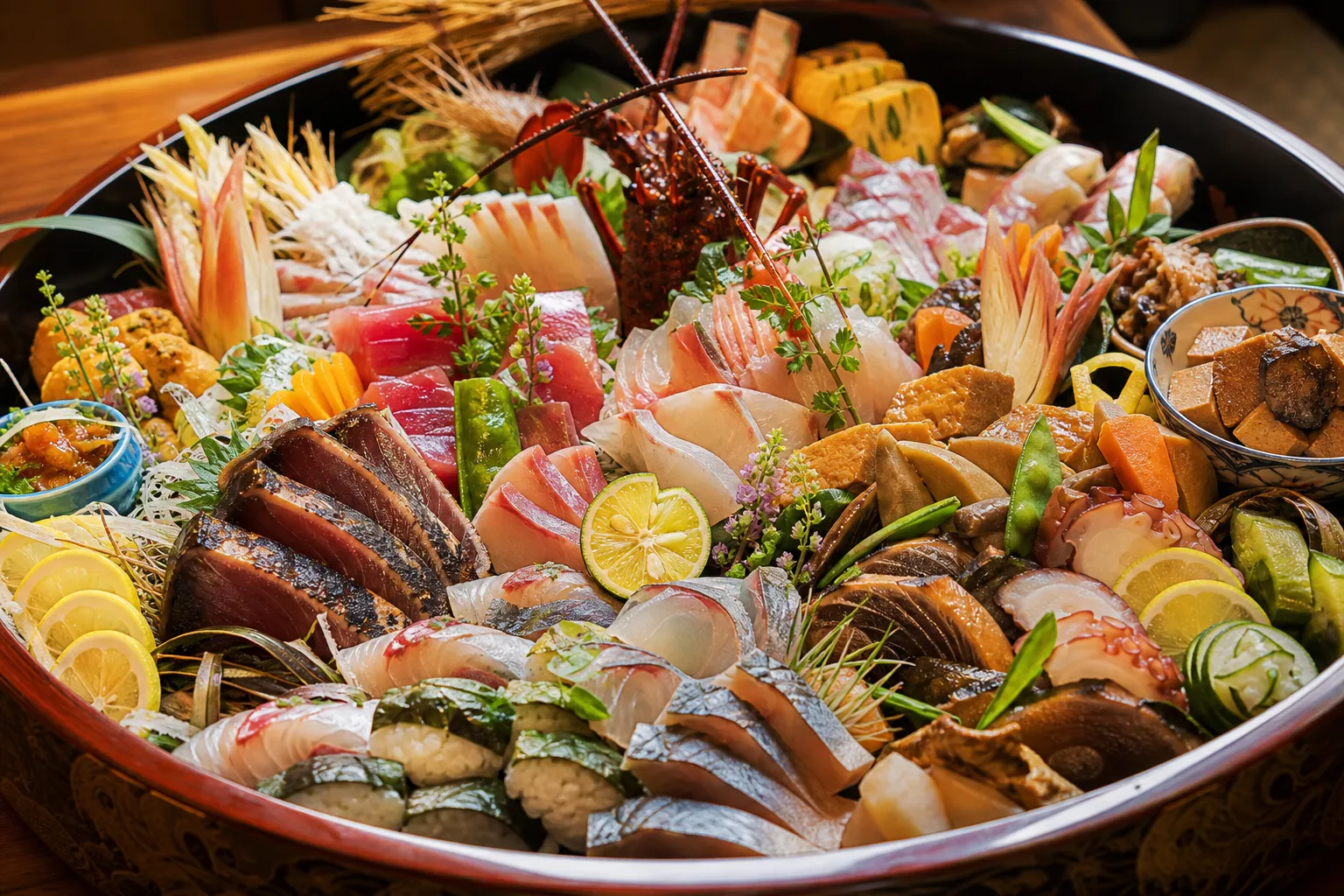
Local FoodKochi
Sawachi-ryori (皿鉢料理)
One enormous platter, piled sky-high with sashimi, sushi, seared bonito, simmered dishes and fruit — Kochi's answer to the party, where nobody serves you and everybody digs in.
July 12, 2026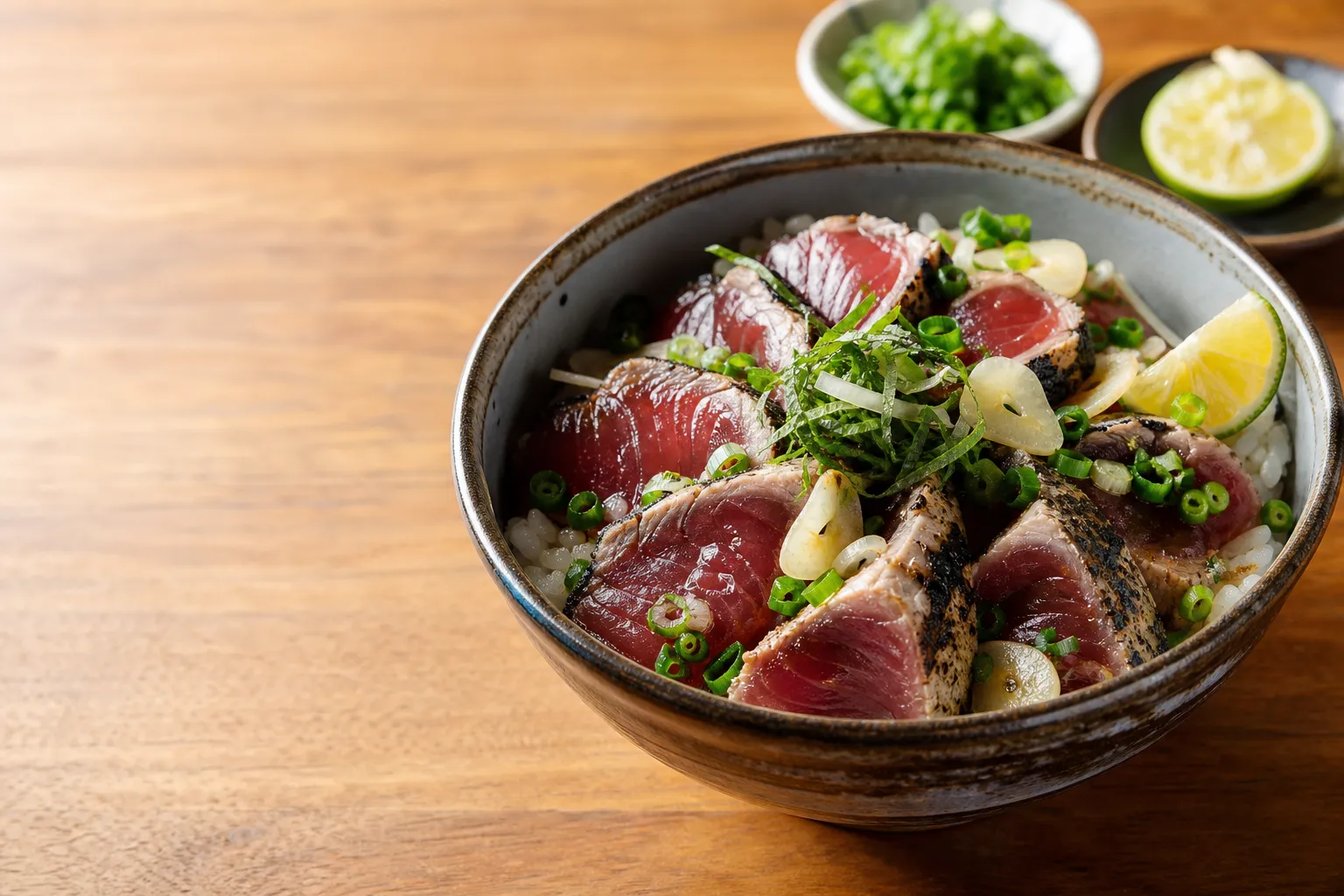
Local FoodKochi
Katsuo-meshi (かつおめし)
Straw fire, three feet high, a slab of fish blackening in the flames — and then somehow that same fish is on my rice, smoky-edged and ruby-red in the middle, and I forget how to talk for a second.
July 5, 2026