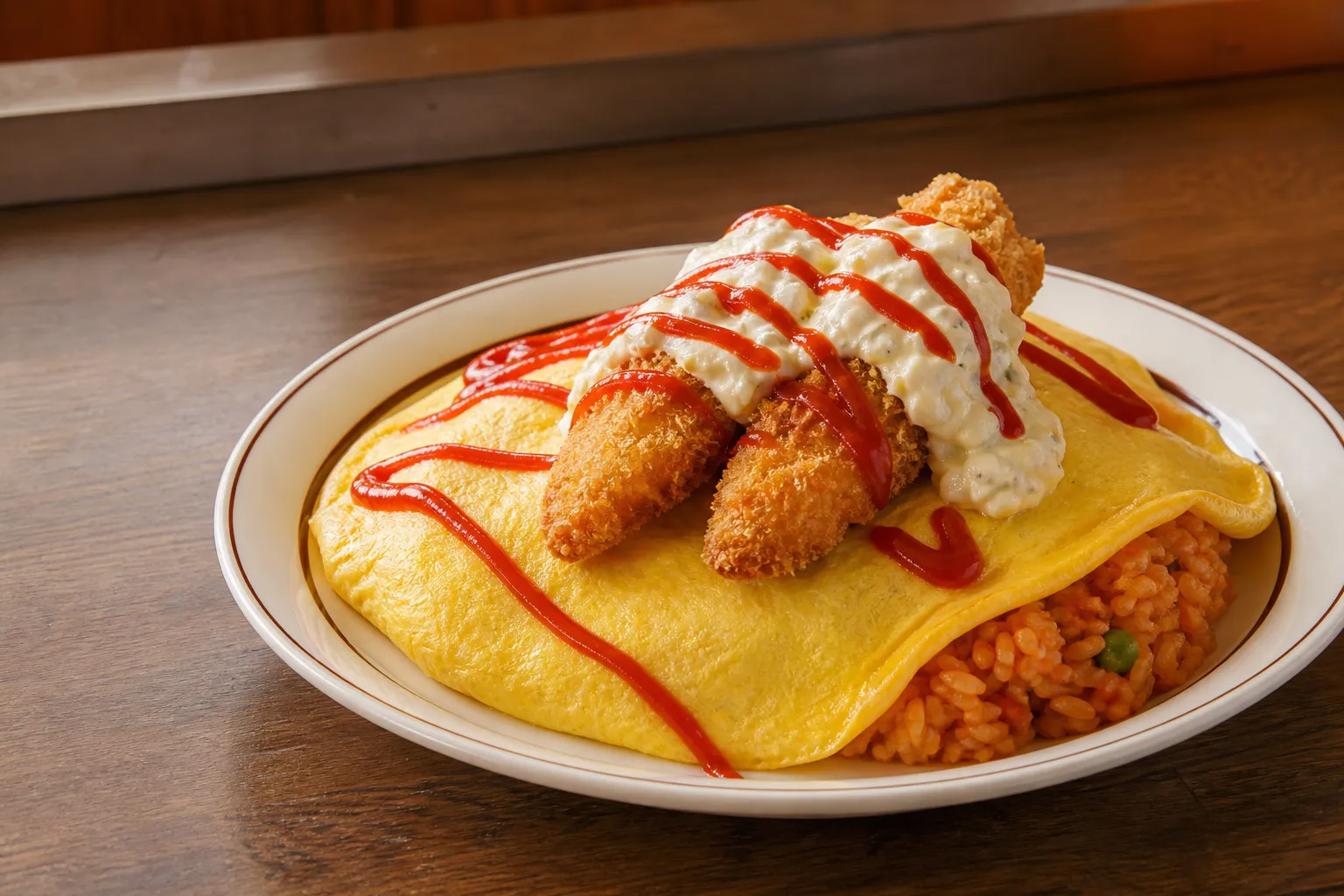
Somebody in Kanazawa looked at an omurice, decided it wasn't finished, and put a piece of deep-fried fish on top of it. Then they poured tartar sauce over the whole thing. I need you to sit with that sequence of decisions for a second, because I certainly had to.
Share this dish


Ketchup rice, wrapped in egg, crowned with deep-fried fish, drowned in tartar sauce and a red ketchup swirl — Kanazawa built a plate with zero business working this well, and it works perfectly.
🍜 Planning a food trip to Ishikawa?Add this dish to my Food Trip →
 Add this dish to my Food Trip →
And then I ate it, and every single one of those decisions turned out to be correct. Genuinely, stupidly correct. The ketchup rice is warm and a little tangy under the egg. The thin omelette blanket does what it always does — comfort, softness, a little bit of childhood. And then the fried fish (or shrimp) on top adds crunch and richness the base dish never had, and the tartar sauce ties the whole thing together into something creamier and more indulgent than plain omurice has any right to be. This is not omurice. Hanton rice is what happens when omurice grows up, gets a job at a fish market, and refuses to apologize for any of it.
A retro invention that Kanazawa still won't let go of
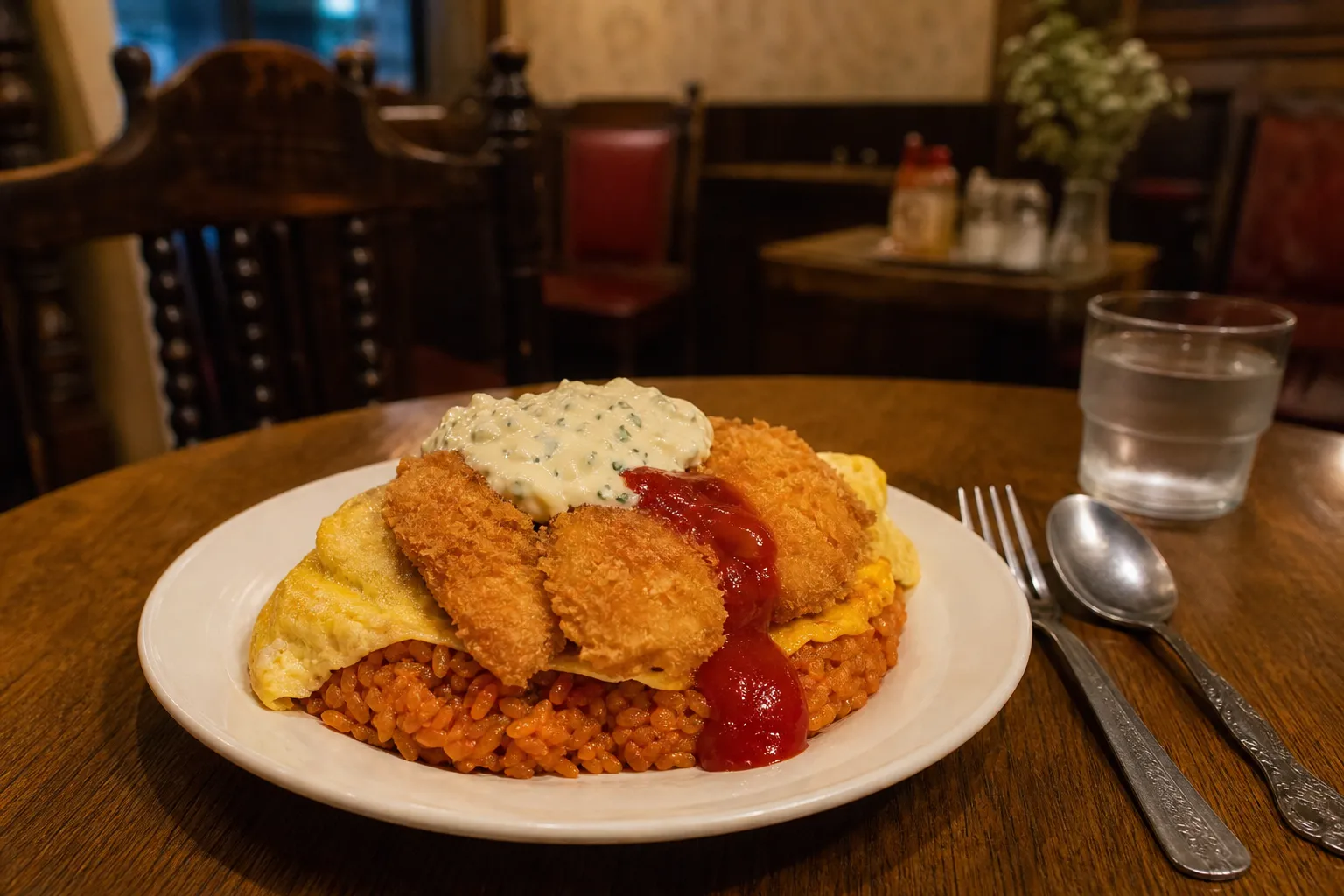
Hanton rice was invented in the 1960s at a Kanazawa Western-style restaurant, most often credited to the long-running diner Grill Otsuka, as a way to build a heartier, more filling yōshoku plate for a growing city with an appetite for Western-inspired comfort food. The name itself is a small mystery even locals argue about — one theory ties it to Hungary (via a sauce or plating style loosely associated with Hungarian cuisine as filtered through Showa-era Japan's idea of "the West"), another to a chef's own invented word. Either way, nobody in Kanazawa treats the name as the interesting part. The plate is the interesting part.
What gets me is how completely Kanazawa adopted this as its dish and nowhere else really did. Nagasaki has toruko raisu, Osaka has omurice as a broader Japanese comfort classic — but hanton rice stayed almost entirely local to one city for six decades, quietly perfected in diner kitchens instead of chasing national fame. I have a real soft spot for food that never bothered to go viral. It didn't need to. It already knew it was good.
Why the fish-on-rice combo actually works
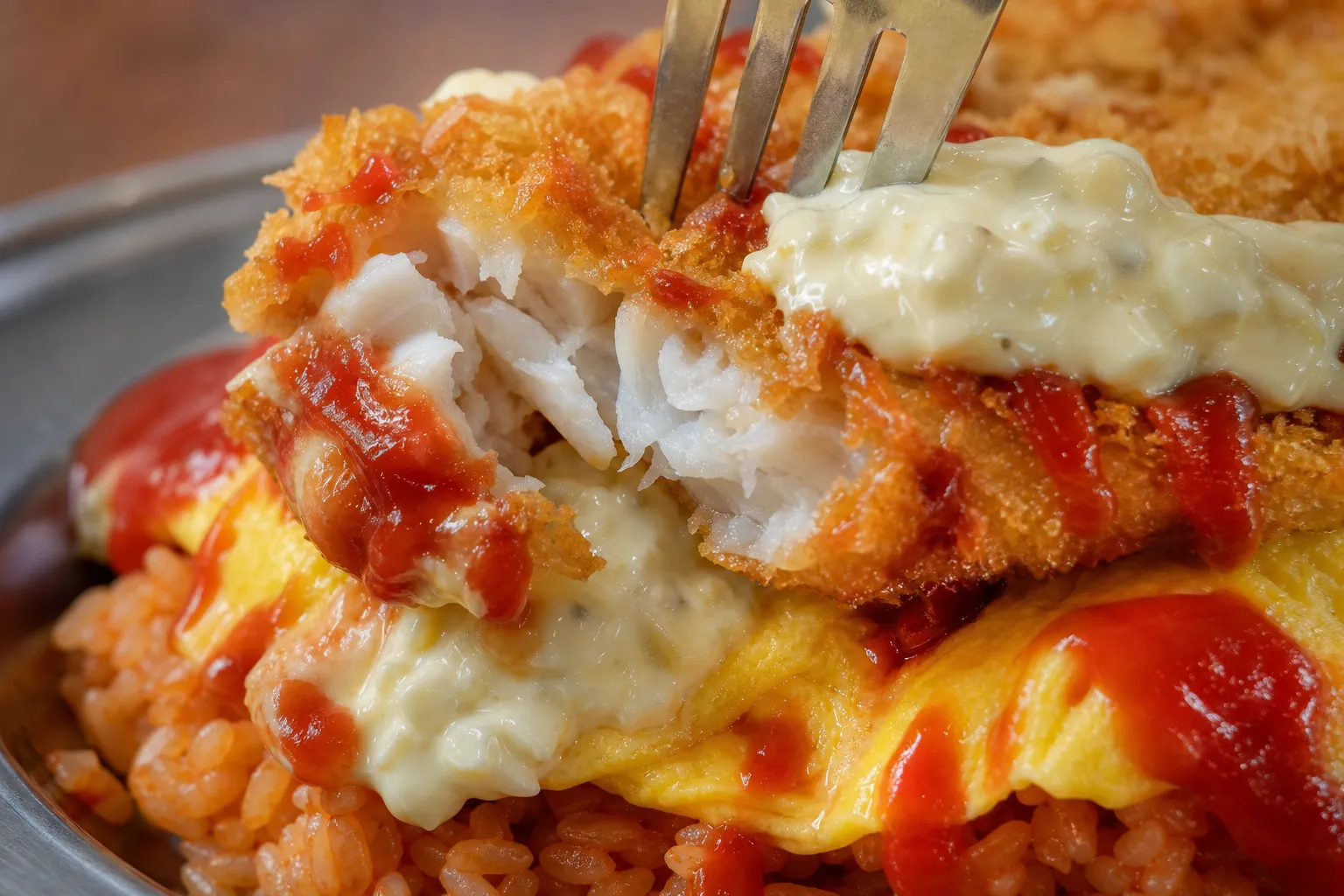
The genius of hanton rice is textural, and it's worth slowing down on your first bite to notice it. At the base: ketchup rice, fried with onion and sometimes ham or chicken, warm and a little sweet-tangy. Over that: a thin, soft omelette, laid flat rather than fluffy-wrapped the way classic omurice does it — more like a blanket than a pillow. On top of that: a piece of deep-fried white fish (often a mild flaky fish like whiting or cod) or fried shrimp, crisp and hot, doing all the textural work the rest of the plate doesn't have. And over everything: a red ketchup zigzag and a genuinely generous layer of tartar sauce, tangy and creamy, that turns the whole plate into something closer to a fish-and-chips-meets-omurice fever dream than anything you'd expect from a description alone.
It sounds like too much. It is, technically, too much. Eat it anyway. The crunch of the fried fish against the soft egg and warm rice, with that cool creamy tartar cutting through the ketchup's sweetness, is a combination that makes total sense the moment it's in your mouth and absolutely no sense the moment before.
How it's made
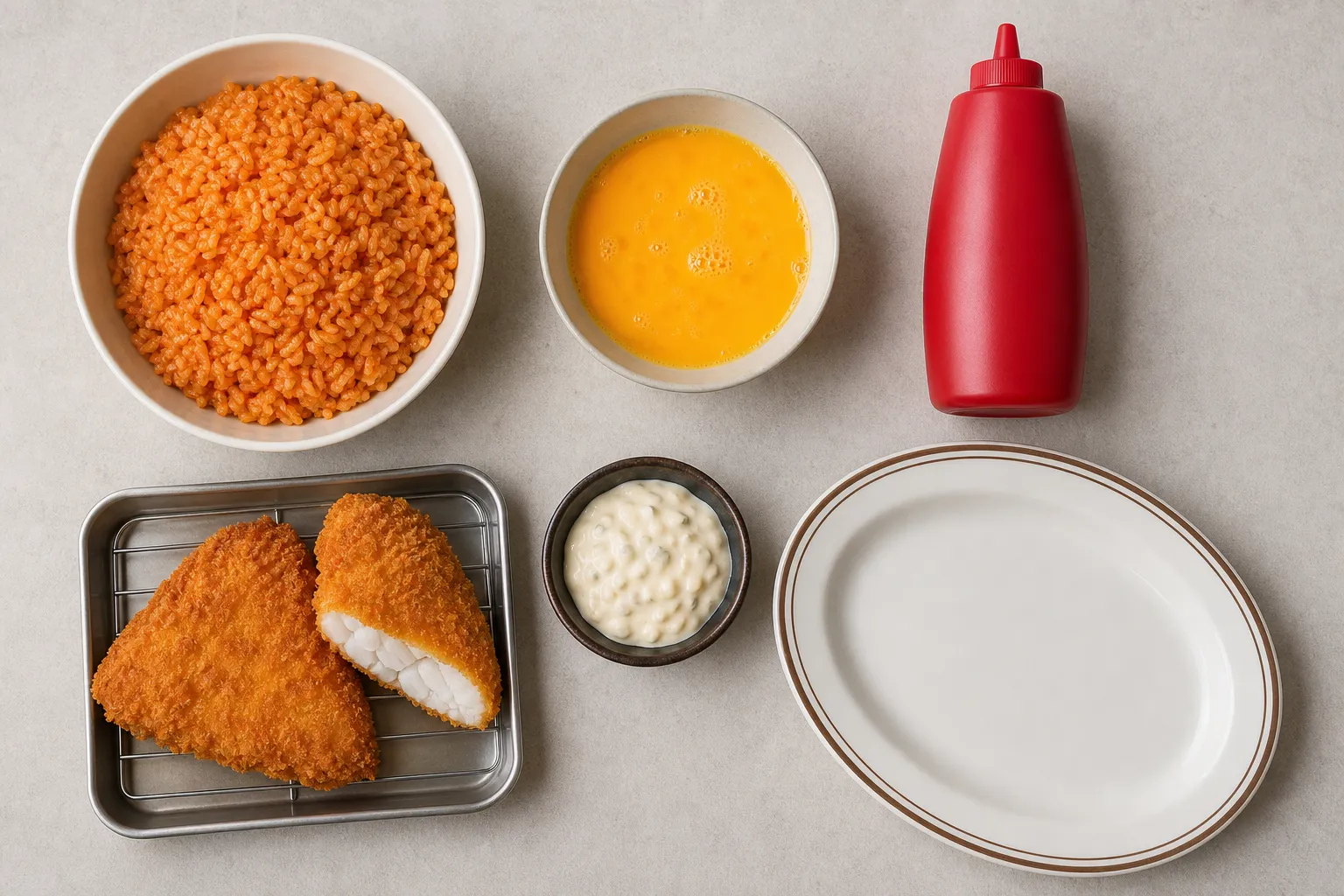
- Fry rice with ketchup, diced onion, and sometimes ham or chicken until glossy and slightly caramelized
- Bread and deep-fry a piece of white fish (or shrimp) until golden and crisp
- Make a thin omelette — beaten egg cooked flat in a pan, not folded thick
- Lay the omelette over the ketchup rice like a blanket
- Place the fried fish or shrimp on top
- Finish with a ketchup zigzag and a generous layer of tartar sauce
Before you go — the stuff that actually matters
Your questions, answered honestly
"Fish or shrimp — which do I order?" — Both are classic. Fried white fish is the more traditional original topping; fried shrimp is a popular, slightly more indulgent variation. If a menu offers both, and you're only having one, the white fish version is the more historically "correct" hanton rice.
"Is this basically just fancy omurice?" — Related, but genuinely different — the flat blanket-style omelette (rather than a wrapped pillow), the fried seafood topping, and the tartar sauce layer are all specific to hanton rice and not part of standard omurice. Order it expecting its own thing, not a variation.
"Is the tartar sauce optional?" — Technically you could ask for less, but it's not a garnish here — it's a core layer of the dish, cutting through the ketchup's sweetness and the fried fish's richness. I wouldn't skip it on a first try.
"Is it very heavy?" — Yes, honestly. Fried rice, fried fish, and a full layer of tartar sauce add up. It's a satisfying full meal rather than a light lunch — plan accordingly, maybe skip the extra side dish.
"Where does the name come from?" — Nobody fully agrees, even in Kanazawa. Theories point loosely toward "Hungarian" via old Showa-era Western-food naming conventions, or a chef's own coined term. Don't expect a clean answer — enjoy the mystery along with the plate.
What the staff will ask you
| You'll hear | Romaji | Meaning | Just say |
|---|---|---|---|
| お魚とエビ、どちらになさいますか? | Osakana to ebi, dochira ni nasaimasu ka? | "Fish or shrimp?" | Osakana de (fish) / Ebi de (shrimp) |
| タルタルソースは多めにしますか? | Tarutaru sōsu wa ōme ni shimasu ka? | "Extra tartar sauce?" | Hai, onegaishimasu — yes please |
| ライスの量はいかがしますか? | Raisu no ryō wa ikaga shimasu ka? | "How much rice?" | Futsū de (regular) |
To order, just say "Hanton raisu kudasai" (ハントンライスください) — "Hanton rice, please."
Where to eat it
- Grill Otsuka (グリル大津屋) — Kanazawa. Widely credited as the birthplace of hanton rice; a long-running diner still serving what many consider the definitive version.
- Yōshoku diners and cafes across central Kanazawa — hanton rice appears on menus throughout the city, especially in retro Showa-style diners near Korinbo and the castle area.
- Omicho Market area, Kanazawa — several casual restaurants near the famous market serve their own take, convenient if you're already there for the seafood.
Restaurant details, hours, and menus change, so check before you go — and if two locals argue in front of you about whose hanton rice is better, just order both and stay out of it.
Soul Score
Local Roots5/5
First-Timer Friendly4/5
Adventure Level3/5
Comfort Level5/5
Travel Worthy4/5
These scores are one obsessed eater's gut feeling — not a verdict. A low number isn't a bad mark, just a different kind of adventure.
Know someone planning Japan?
← All Articles
Local Food · Kanazawa, Ishikawa
Still hungry?
Eat more from Ishikawa
Local FoodKanazawa, Ishikawa
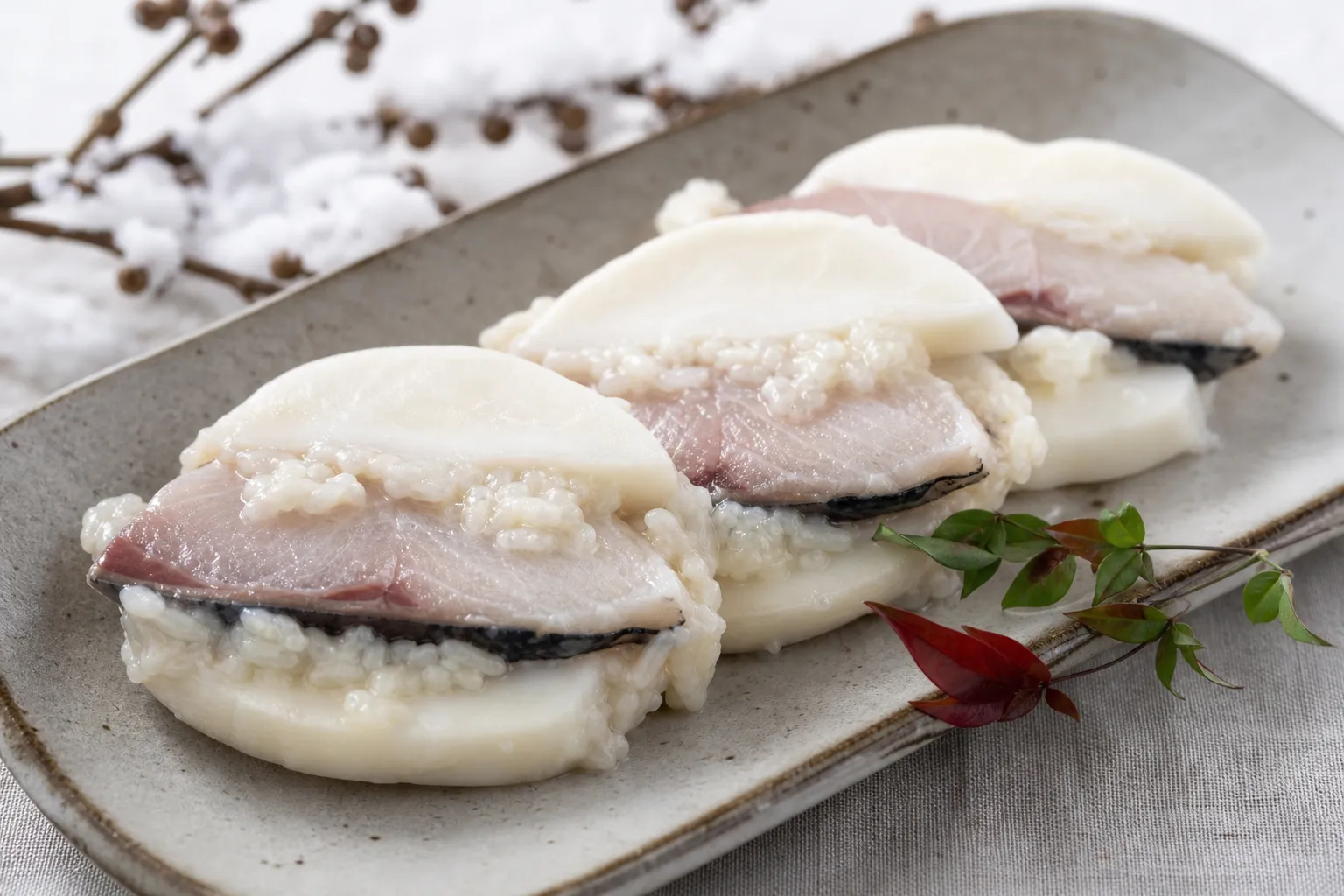
Kabura-zushi (かぶら寿司)
Two discs of pickled turnip with a slice of cured yellowtail hidden inside, all buried in sweet rice koji until it ferments into something funky, creamy and impossible to stop eating. Kanazawa's New Year on a plate.
July 12, 2026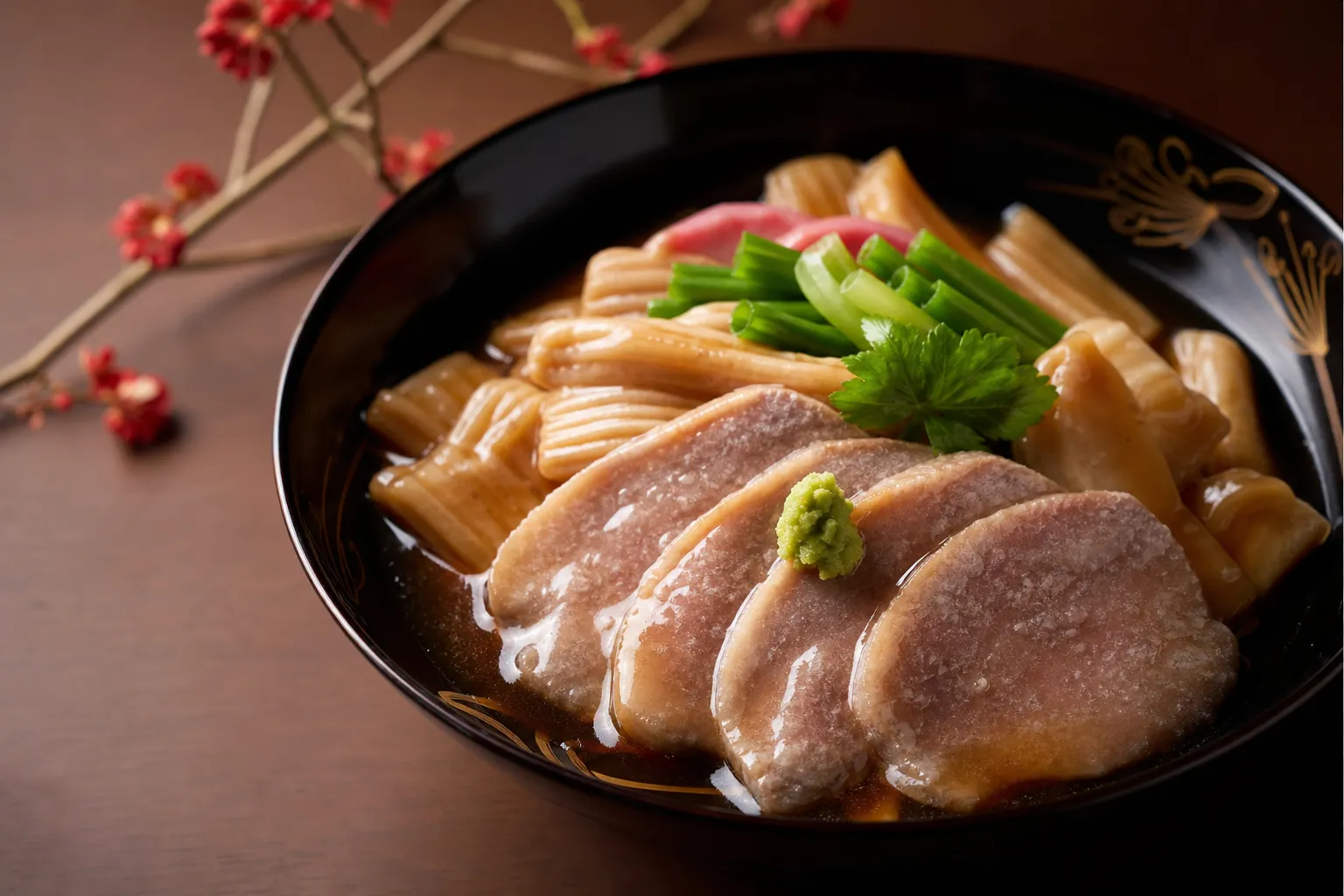
Local FoodKanazawa, Ishikawa
Jibuni (治部煮)
A tiny dab of wasabi on top of a warm, glossy duck stew — it sounds wrong, it looks fussy, and then the spoon hits your mouth and you go quiet.
July 5, 2026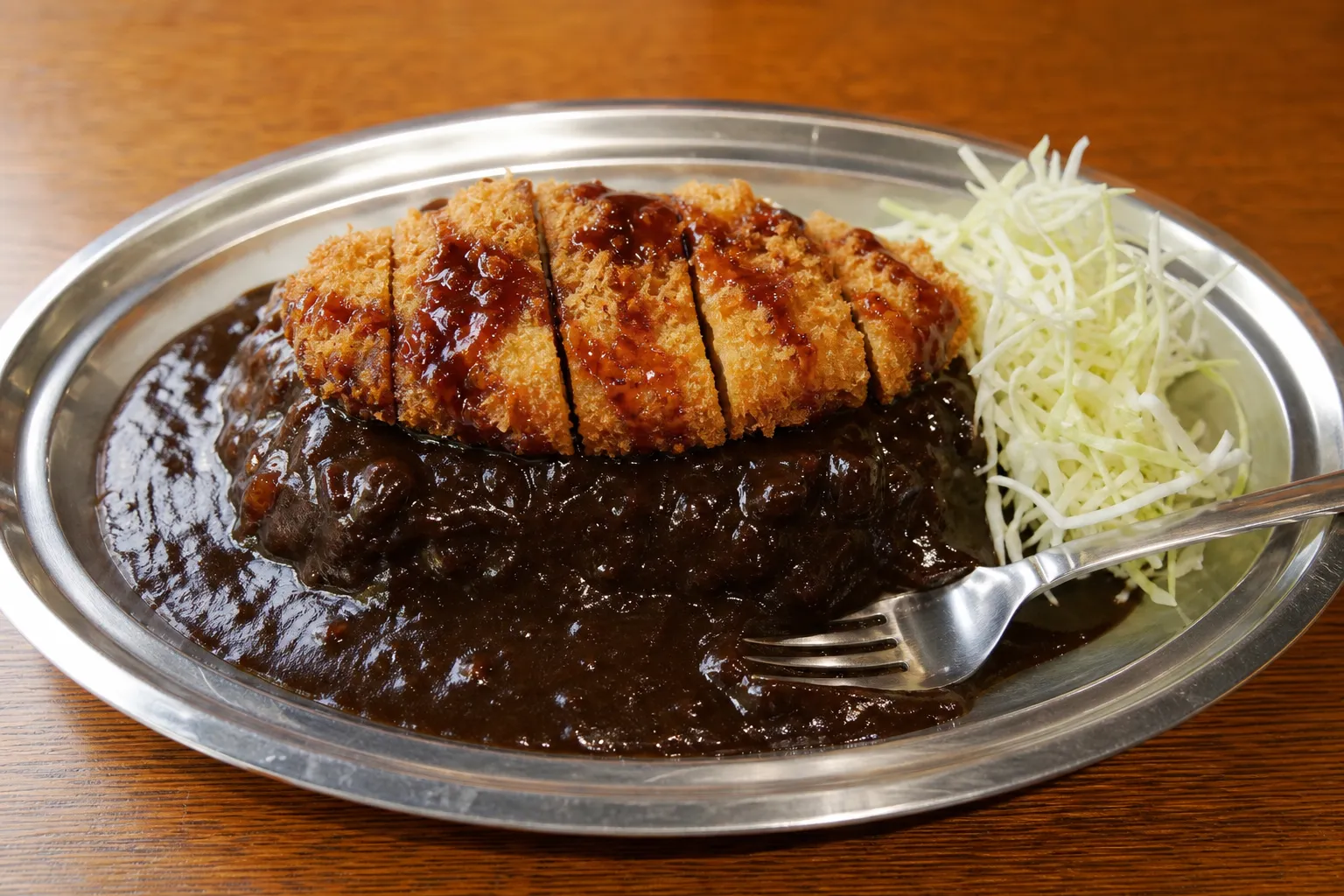
Local FoodKanazawa, Ishikawa
Kanazawa Curry (金沢カレー)
Curry so thick and dark it stands the fork up — served on a steel plate, crowned with a sauced-up katsu, cold cabbage on the side. Ishikawa's gloriously stubborn take on comfort food.
June 27, 2026